This California Food Truck Is So Popular, Fans Drive For Hours To Find It
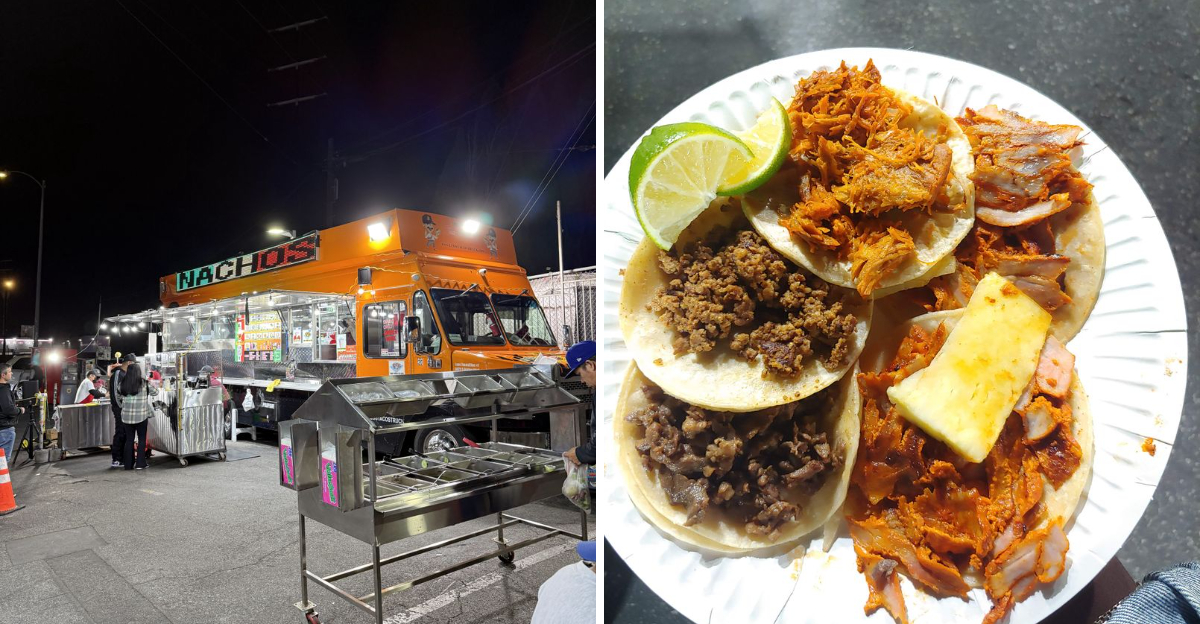
What makes people willingly wait late into the night for food served from a truck parked on a busy street? The answer usually reveals itself in the first bite and stays convincing long after the plate is empty.
Some places earn devotion through flavor alone and build reputations without trying to look impressive. Smoke rises. Knives move fast. Crowds gather because they know something special is happening.
There is no performance here and no shortcuts either. Just food made the same way every single time.
In California, Leo’s Tacos Truck has become a symbol of how authenticity creates loyalty. What began as one humble setup grew through consistency rather than hype.
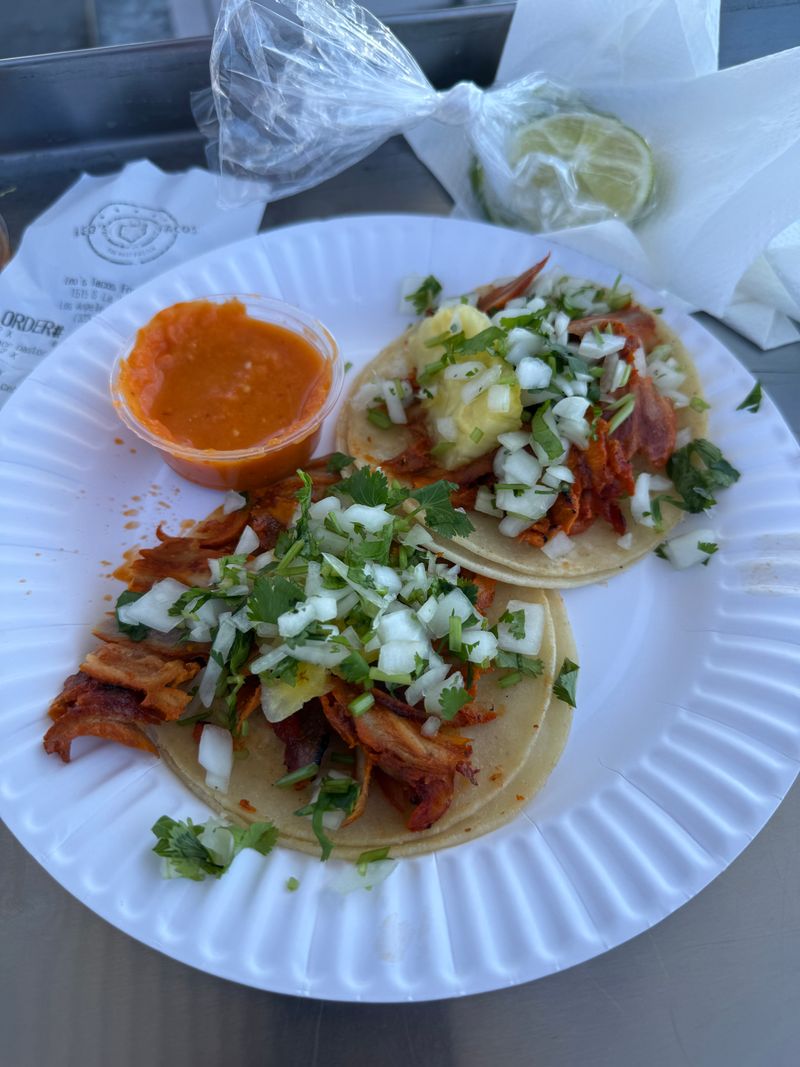
The heart of the operation lies in traditional Oaxacan recipes and a dedication to al pastor cooked the old way on a vertical spit. Pineapple caramelizes. Pork crisps at the edges. Tortillas land warm and ready.
The atmosphere feels alive and unscripted. People talk. Orders stack up. The scent alone pulls you closer. Leo’s Tacos Truck does not chase trends or reinvention. It focuses on one thing and does it exceptionally well.
That clarity turns a street corner into a destination and a simple taco into a reason people keep coming back.
1. A Family Recipe From Oaxaca
The Martinez family didn’t just open a food truck – they brought a piece of their heritage from Oaxaca, Mexico, to the streets of Los Angeles.
Their journey started with a dream to share the flavors they grew up with, the kind of food that reminds you of home-cooked meals and family gatherings.
The recipes passed down through generations became the foundation of what would grow into one of the city’s most beloved taco destinations.
Starting with a single truck in Mid-City, the family focused on doing one thing exceptionally well: authentic al pastor prepared the traditional way.
The commitment to quality and authenticity resonated with locals who were hungry for real Mexican street food.
Word spread quickly through neighborhoods as people tasted the difference that comes from cooking with care and tradition.
Today, Leo’s Tacos Truck represents more than just good food – it’s a story of immigrant success and cultural pride.
The Martinez family’s dedication to their roots shows in every taco served, every customer greeted, and every new location opened.
Their journey from one truck to a small fleet proves that authenticity and hard work create something people will drive hours to experience.
2. The Famous Al Pastor On A Trompo
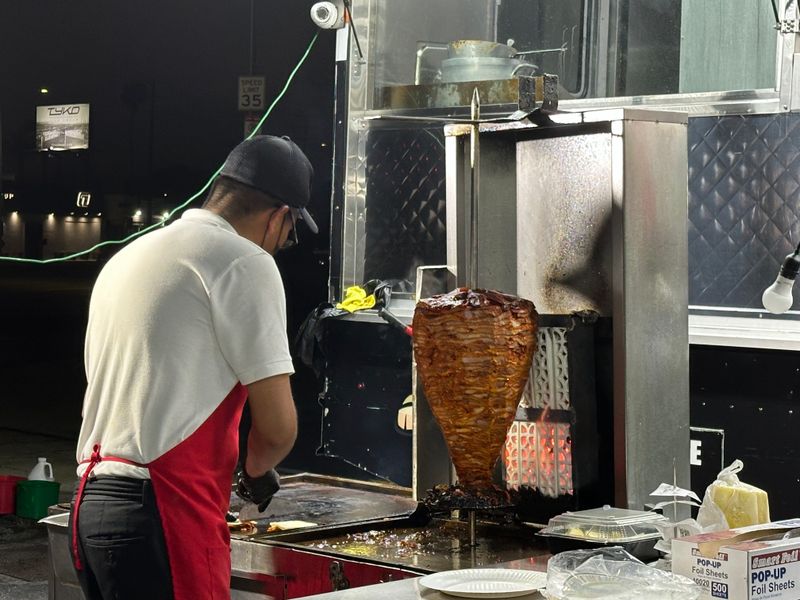
Walk up to any Leo’s Tacos Truck location (including 1515 S La Brea Ave, Los Angeles, CA 90019) and the first thing catching your eye will be the trompo – a vertical spit loaded with marinated pork slowly rotating next to open flames.
This traditional cooking method isn’t just for show; it creates layers of flavor as the meat caramelizes on the outside while staying juicy inside.
The pork marinates in a blend of chilies, spices, and citrus before being stacked on the spit with chunks of fresh pineapple nestled between layers.
As the trompo spins, the cook shaves off thin slices of the perfectly charred meat directly onto warm corn tortillas.
The combination of savory, smoky pork with sweet, caramelized pineapple creates a balance that keeps people coming back week after week.
Each bite delivers that signature blend of textures – crispy edges, tender meat, and the bright sweetness of grilled pineapple.
The al pastor taco has become Leo’s signature dish, the one item that fans recommend to first-timers without hesitation.
Many customers admit they’ve tried tacos at dozens of places across Los Angeles, but Leo’s version stands out for its authenticity and consistency. The trompo method takes skill and patience, but the result is worth every minute of preparation.
3. Fourteen Trucks Across Greater Los Angeles
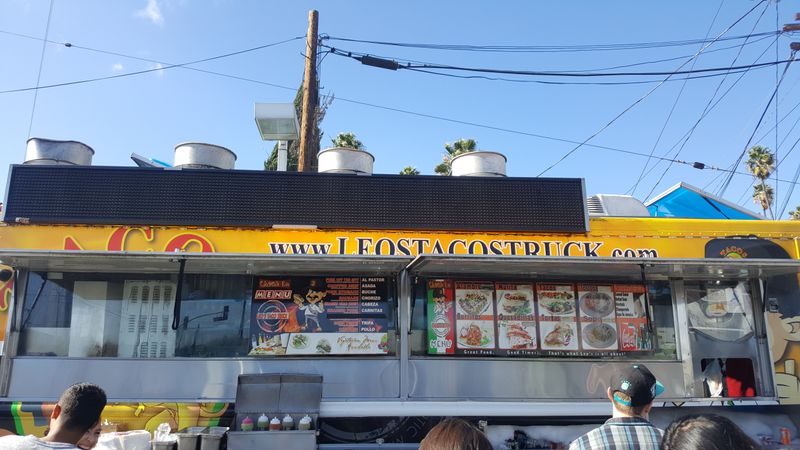
What began as a single truck experiment has expanded into a network of 14 locations spread throughout the greater Los Angeles area, with one truck even making its way to the Bay Area.
Each truck maintains the same commitment to quality and authenticity that made the original successful.
The expansion happened gradually, as demand grew and the Martinez family realized more neighborhoods wanted access to their food.
The trucks are strategically positioned across different areas, from La Brea Avenue to Venice Boulevard, ensuring that fans across the sprawling city can find a location within reasonable driving distance.
Each spot develops its own local following, with regulars who know the staff by name and have their usual orders ready.
The trucks become neighborhood gathering points where people meet friends, grab dinner after work, or satisfy late-night cravings.
Managing multiple locations (including 5525 Sunset Blvd. Los Angeles, CA 90028) while maintaining consistent quality requires careful attention to detail and strong family involvement.
The Martinez family ensures each truck follows the same recipes and preparation methods that made the first one famous.
This consistency means that whether someone visits the Mid-City original or a truck across town, they’ll receive the same delicious tacos that built Leo’s reputation across Southern California.
4. Late-Night Hours For Night Owls
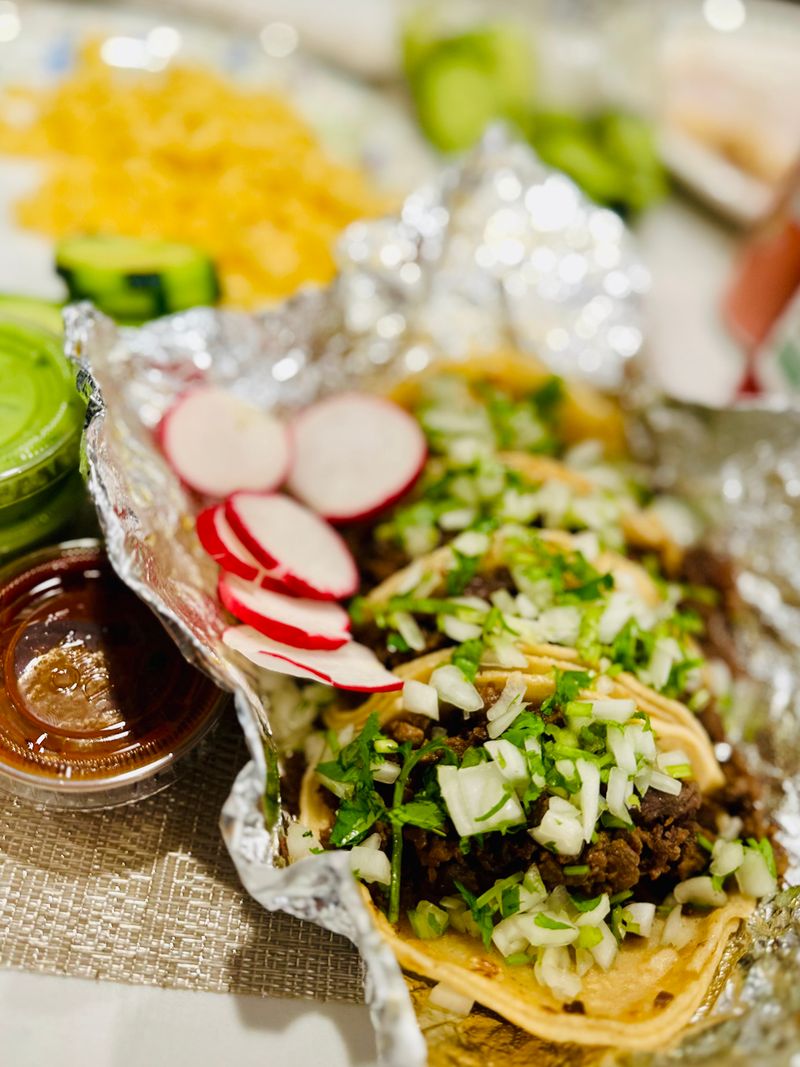
When most restaurants close their doors for the night, many Leo’s Tacos Truck locations are just hitting their stride. Several trucks operate late into the night, with some staying open until 3:00 AM on weekends.
This schedule makes Leo’s a favorite destination for night shift workers, students cramming for exams, and anyone who finds themselves hungry long after traditional dinner hours.
The late-night atmosphere at Leo’s trucks has its own special energy – people gather under streetlights, conversations flow easily between strangers in line, and the smell of grilling meat fills the cool night air.
There’s something about eating tacos at midnight that feels both indulgent and comforting. The trucks become unofficial community centers where the city’s night owls cross paths.
The decision to stay open late reflects an understanding of Los Angeles culture, where people keep irregular hours and crave good food at all times.
Late-night diners appreciate having access to freshly made, authentic food rather than settling for whatever drive-throughs remain open.
The extended hours have helped Leo’s build a dedicated following among people who work non-traditional schedules or simply enjoy the unique vibe of late-night taco runs with friends.
5. Cash And Zelle Payment System
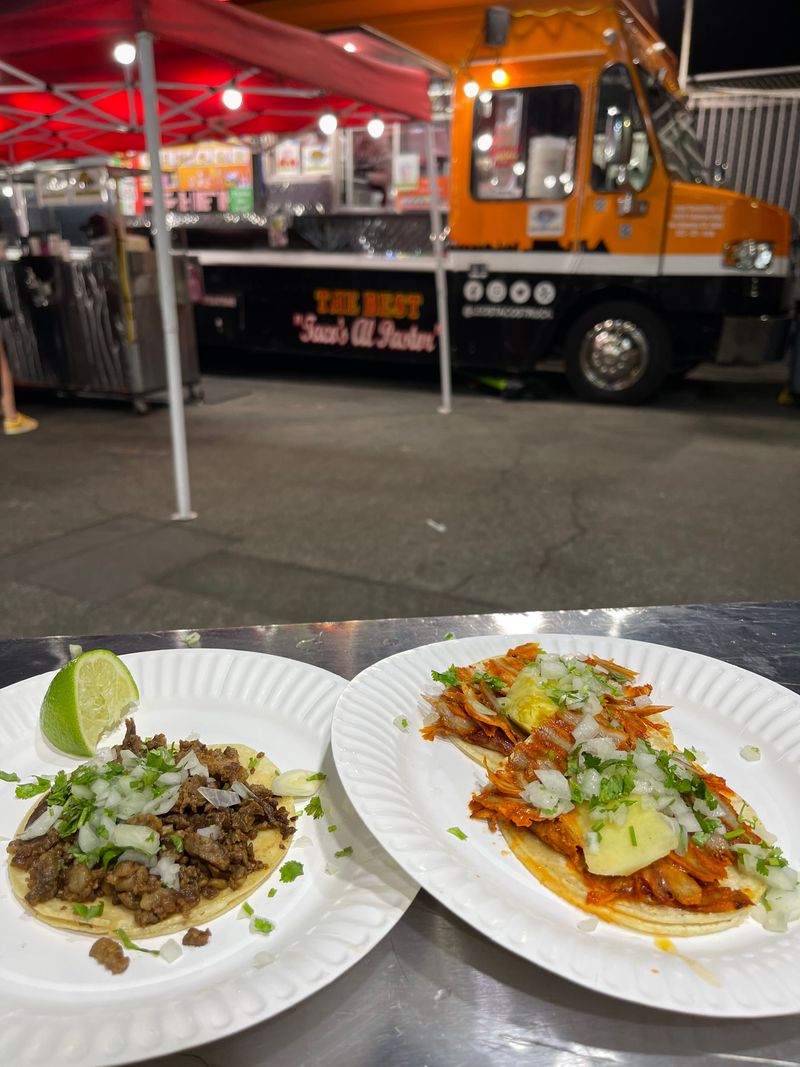
Leo’s Tacos Truck operates primarily on a cash-only basis, with some locations accepting Zelle payments for those who prefer digital transactions.
This payment approach keeps operations simple and lines moving quickly during busy hours.
An ATM is typically located nearby for customers who arrive without cash, ensuring nobody leaves hungry just because they forgot to stop at the bank.
The cash-only system might seem old-fashioned in an increasingly digital world, but many customers appreciate the straightforward approach.
There’s no waiting for card readers to process or dealing with payment system glitches that can slow down service. The staff can focus on preparing food and serving customers rather than troubleshooting technology.
For regular customers, the payment method becomes part of the routine – they know to bring cash or set up Zelle before arriving.
First-timers might be surprised initially, but the nearby ATM access means it’s rarely a serious inconvenience.
The system works well for a food truck operation where speed and efficiency matter, especially during peak hours when lines stretch down the sidewalk and everyone’s eager to get their tacos.
6. Beyond Al Pastor: A Full Menu Selection
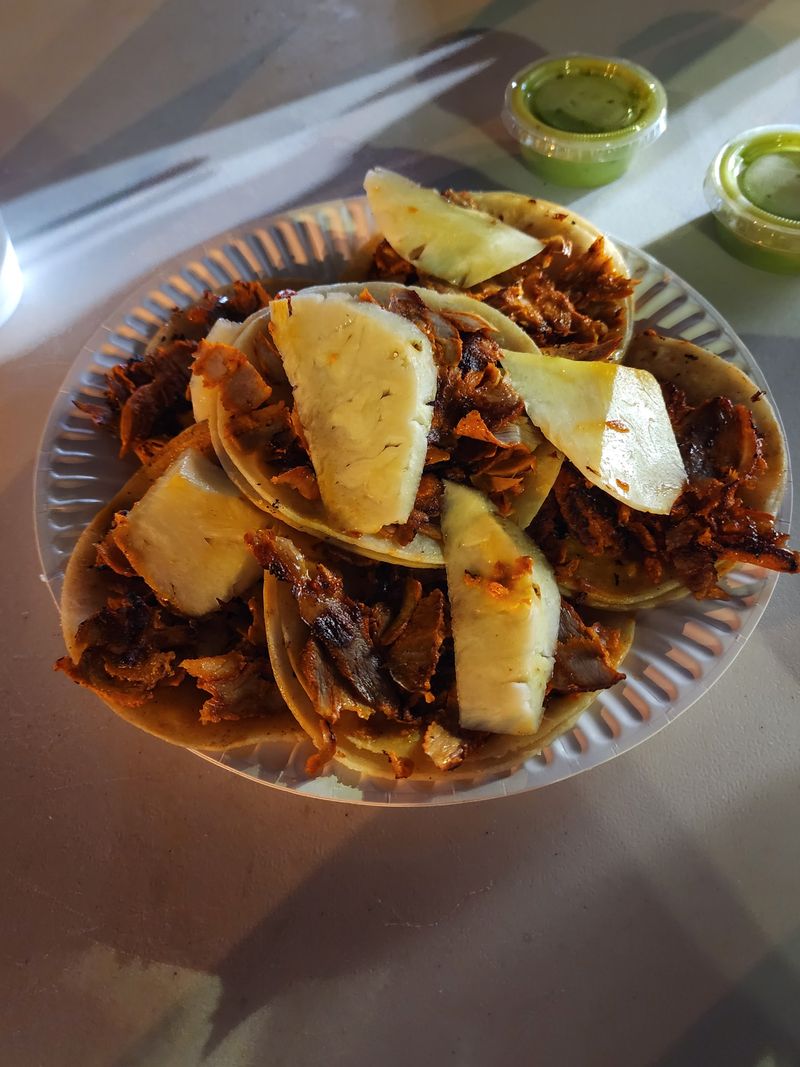
While al pastor tacos steal the spotlight, Leo’s Tacos Truck offers a full menu of authentic Mexican street food that deserves attention.
Carne asada tacos feature grilled beef that’s tender and flavorful, seasoned simply to let the quality of the meat shine through.
The chorizo option brings spicy, savory notes that appeal to those who like a bit more heat in their meal. Carnitas tacos offer rich, slow-cooked pork that’s crispy on the outside and melt-in-your-mouth tender inside.
Beyond tacos, the menu includes mulitas – two tortillas sandwiching meat and cheese, grilled until crispy – and huaraches, thick oval-shaped masa bases topped with beans, meat, and fresh toppings.
Each item is prepared with the same attention to authenticity and flavor that made the al pastor famous.
Regular customers often have their go-to orders that extend beyond the signature dish, creating personal favorites that keep them returning.
Some nights call for the smoky char of carne asada, while other times the rich comfort of carnitas hits the spot.
The variety means groups with different preferences can all find something to enjoy, making Leo’s a reliable choice for gatherings where not everyone wants the same thing.
7. High Customer Ratings And Reviews
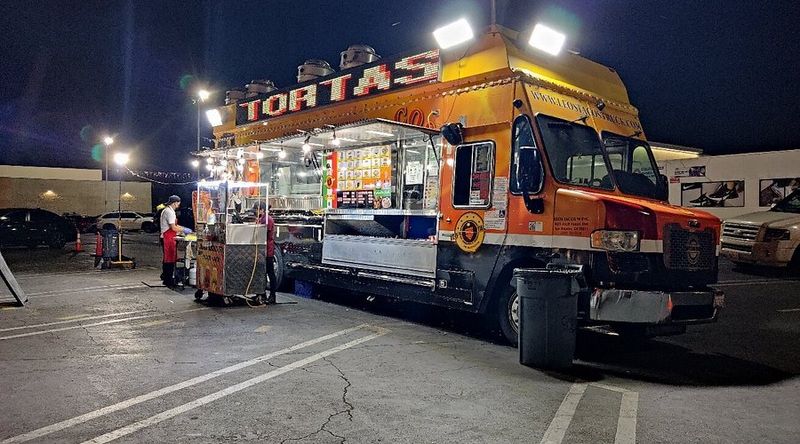
Leo’s Tacos Truck has earned strong ratings across multiple review platforms, with locations like the La Brea spot receiving 4.6 stars on Tripadvisor based on hundreds of customer reviews.
These ratings reflect consistent quality and service that meets or exceeds expectations visit after visit.
In the competitive Los Angeles food scene, maintaining high ratings across multiple locations demonstrates real commitment to customer satisfaction.
Reviews frequently mention the authenticity of the food, the reasonable prices, and the friendly service even during busy rushes.
Customers appreciate that the quality remains consistent whether they visit on a quiet Tuesday afternoon or a packed Saturday night.
The positive feedback spans different demographics – long-time residents who grew up eating similar food in Mexico, younger Angelenos discovering authentic street tacos, and visitors seeking genuine local experiences.
The accumulation of hundreds of reviews provides valuable social proof for newcomers deciding whether to make the trip.
Reading through comments, common themes emerge: the al pastor is outstanding, the portions are generous, and the experience feels authentic rather than commercialized.
These reviews have helped Leo’s reputation spread beyond word-of-mouth to reach people searching online for the best tacos in Los Angeles, further expanding the customer base.
8. A Community Gathering Spot
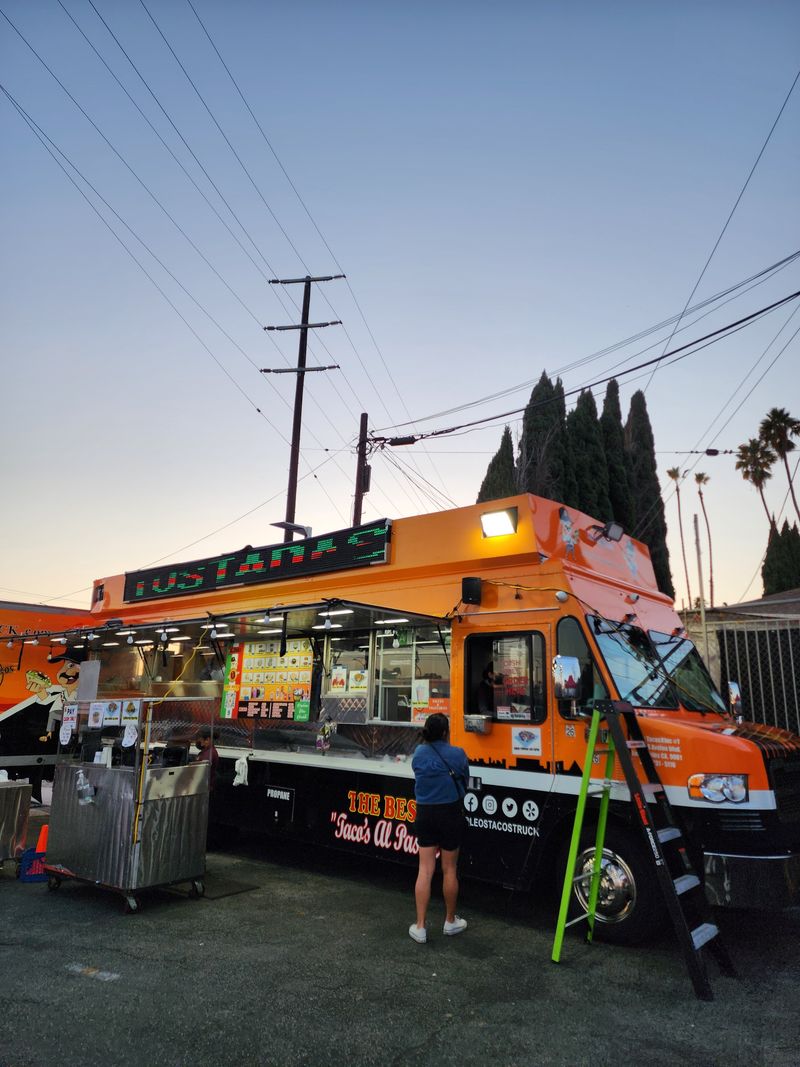
Leo’s Tacos Truck locations have evolved into more than just places to buy food – they’ve become community gathering spots where neighbors meet and socialize.
People arrive alone and strike up conversations with strangers in line, bonding over shared appreciation for good tacos.
The informal atmosphere encourages interaction in a way that traditional restaurants with separate tables sometimes don’t.
Regulars recognize each other from previous visits, creating a sense of familiarity and belonging.
Families bring children who grow up considering Leo’s a normal part of their neighborhood landscape.
Friends make plans to meet at specific truck locations, using them as casual hangout spots rather than just quick food stops.
The trucks become woven into the social fabric of their neighborhoods, marking celebrations, comforting rough days, and providing a reliable constant in ever-changing urban environments.
This community aspect adds value beyond the food itself – people return not just for tacos but for the experience and connections that happen around the truck.
The Martinez family has created spaces where food brings people together, fulfilling one of the most important functions of good restaurants and food vendors throughout history.
9. Strategic Locations Throughout The City
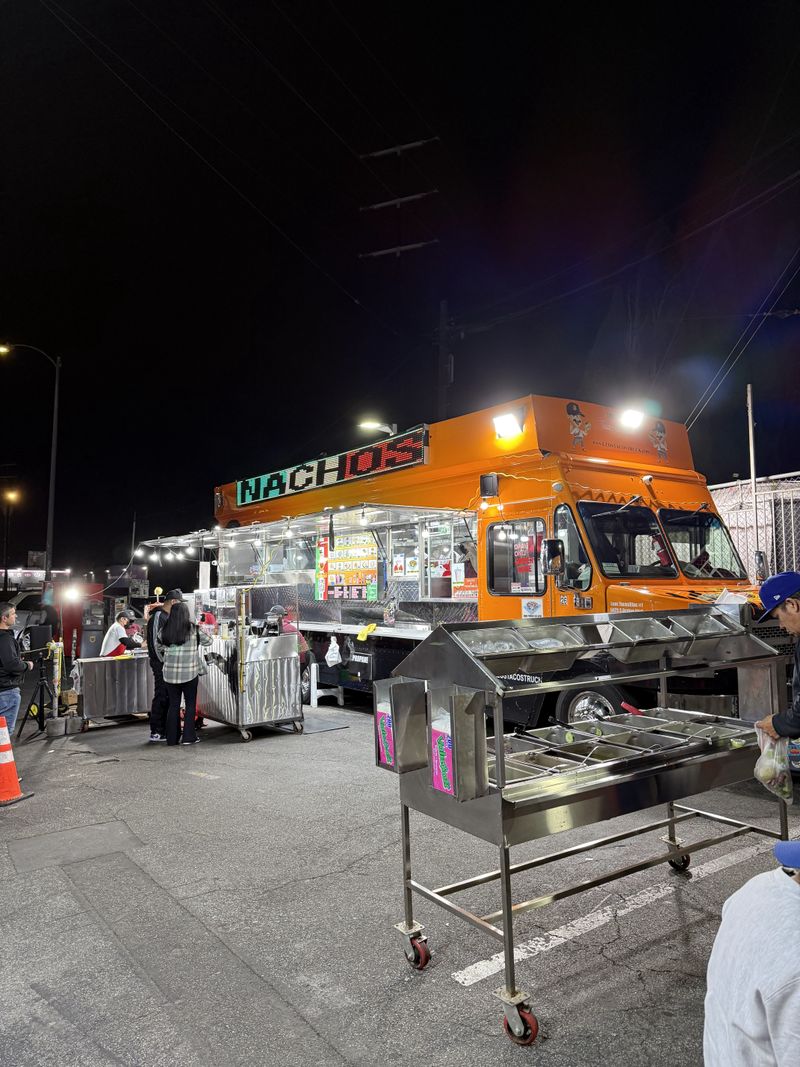
Leo’s Tacos Truck operates at carefully chosen locations across Los Angeles, including high-traffic areas like La Brea Avenue and Venice Boulevard.
These spots offer good visibility, adequate parking nearby, and positioning in neighborhoods with strong demand for quality street food.
The La Brea location, for example, sits in an area with heavy foot traffic from surrounding businesses and residences. Each location is selected to serve a specific community while remaining accessible to people willing to drive from other parts of the city.
The trucks typically set up in parking lots or street corners where they have permission to operate regularly, creating predictability for customers.
People can check the truck schedule and know where to find their favorite location on any given night.
The geographic spread across Los Angeles means that Leo’s has become part of multiple neighborhood food scenes rather than being confined to one area.
Someone living in West LA might have a different nearest location than someone in East LA, but both can access the same quality tacos.
This strategic positioning has helped Leo’s grow from a local favorite to a citywide phenomenon, with each location serving as an ambassador for the brand in its specific area.
10. Influencing Los Angeles Food Culture
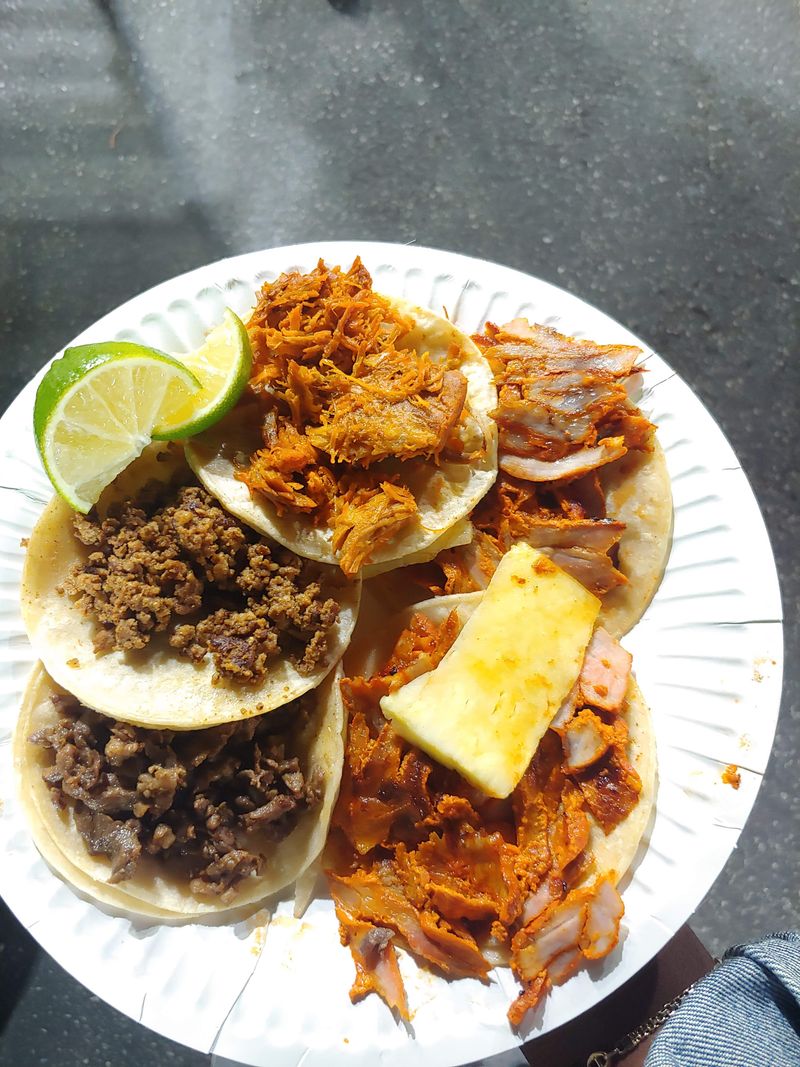
Leo’s Tacos Truck represents an important chapter in the larger story of taco trucks shaping Los Angeles culinary culture.
The city’s taco truck phenomenon has transformed street food from a convenience option into a legitimate dining category that food critics take seriously.
Leo’s success has demonstrated that mobile food vendors can build substantial businesses and loyal followings without ever opening a brick-and-mortar restaurant.
The truck has influenced other vendors and aspiring food entrepreneurs who see the Martinez family’s success as proof that authenticity and quality can compete with established restaurants.
By maintaining traditional preparation methods like the trompo while adapting to Los Angeles’s diverse customer base, Leo’s has shown how immigrant food traditions can thrive and gain mainstream appreciation.
The truck’s popularity has helped elevate the status of Mexican street food in the broader dining conversation.
Food writers and bloggers regularly include Leo’s in lists of essential Los Angeles eating experiences, placing it alongside famous restaurants and established institutions.
This recognition reflects how taco trucks have become integral to the city’s food identity, as important to understanding Los Angeles cuisine as any formal dining establishment.
Leo’s contribution to this cultural shift extends beyond its own success to influence how people think about where good food comes from and what makes a dining experience memorable.