This California Foraging Adventure Turns Bay Area Parks And Beaches Into A Wild Food Classroom
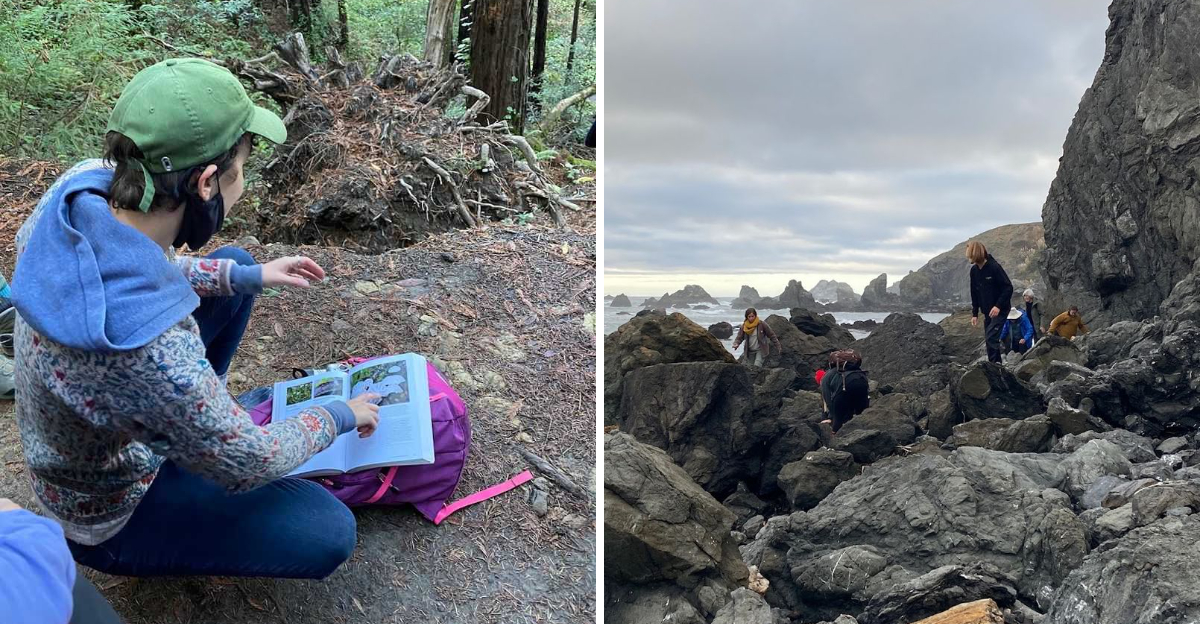
Most people walk through a park and see shrubs and the occasional plant they vaguely remember being warned not to touch.
A trained forager sees possible dinner.
These guided outings teach participants to look closer at the greenery growing beside familiar paths and the edible life revealed along the shoreline at low tide.
Depending on the season, a class might focus on wild plants, medicinal species, shellfish, or coastal harvesting shaped by tides and local rules.
Suddenly, California’s parks and beaches resemble outdoor pantries with very strict instruction manuals.
No previous foraging knowledge is required, which is reassuring for anyone whose plant-identification skills currently stop at “tree.”
The landscape remains the same after class. Your eyes do not.
Every patch of green starts looking slightly more suspicious, and an ordinary beach walk may never feel quite as ordinary again.
Learn Which Wild Plants Are Actually Edible
Most people walk right past edible plants every single day without ever knowing it.
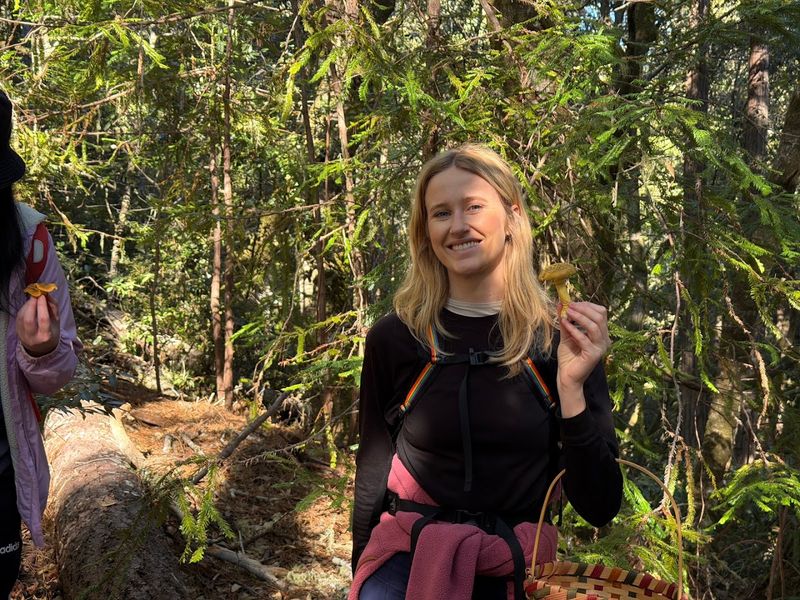
Guided plant walks offered through ForageSF introduce participants to a wide range of edible and medicinal plants growing in parks, along urban edges, and on trails throughout the Bay Area.
The classes are designed to be educational and lecture-style, combining steady walking with hands-on plant identification.
Walks are available across multiple locations, including San Francisco, Oakland, Palo Alto, Santa Cruz, and Marin County.
Meeting spots are typically shared with participants about one week before the scheduled class.
Marin County walks may take place within Mount Tamalpais State Park, while San Francisco classes often unfold in the Presidio and surrounding urban parks.
Each walk generally lasts between two and three hours.
Beginners are completely welcome, and children aged 6 to 12 can often join free when accompanied by a paying adult, with a limit of two free child tickets per group.
ForageSF also offers a free downloadable Bay Area field guide titled “10 wild plants worth learning,” giving participants a useful starting point before ever stepping outside.
The focus is on building real, usable knowledge rather than overwhelming newcomers with information they cannot apply.
Explore Far More Than San Francisco
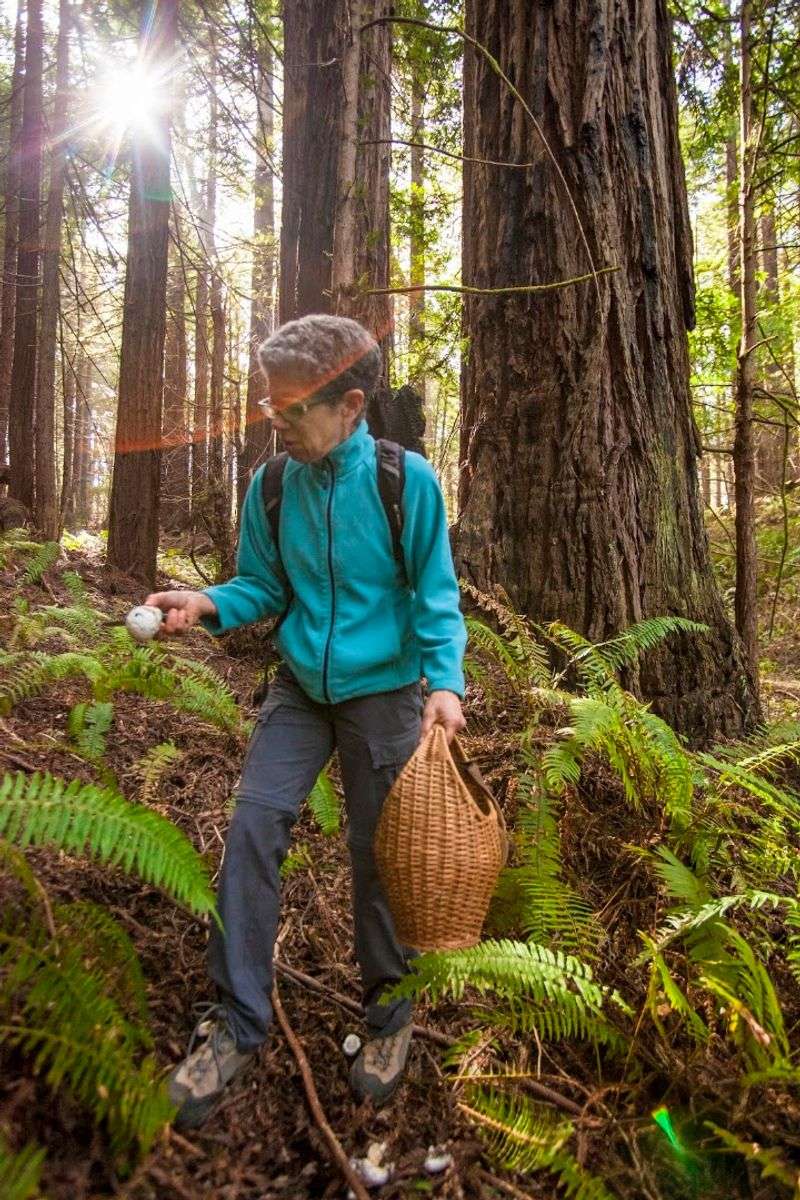
Many people assume a company called ForageSF stays strictly within city limits, but the actual range of class locations stretches far beyond San Francisco.
Depending on the season and the type of outing, classes may be offered in Oakland, Palo Alto, Santa Cruz, Marin County, and along the Sonoma Coast.
Each location brings its own ecosystem and its own set of edible species.
The variety of landscapes covered by these classes is genuinely impressive.
A participant could spend one weekend walking through coastal scrub near the ocean and another exploring redwood-adjacent trails in the mountains.
Seasonal availability shapes which locations are active at any given time, so the calendar tends to shift with the natural rhythms of each region.
Exact meeting locations are usually communicated to registered participants about one week before the class date.
ForageSF directs everyone to its live booking calendar for the most current schedule and location details.
Traveling to different parts of the Bay Area for a class adds an element of regional discovery that makes each outing feel distinct.
The geographic breadth of these programs reflects how rich and varied the wild food landscape across California actually is, far beyond what a single neighborhood or park could offer.
Search The Shoreline For Edible Seaweed
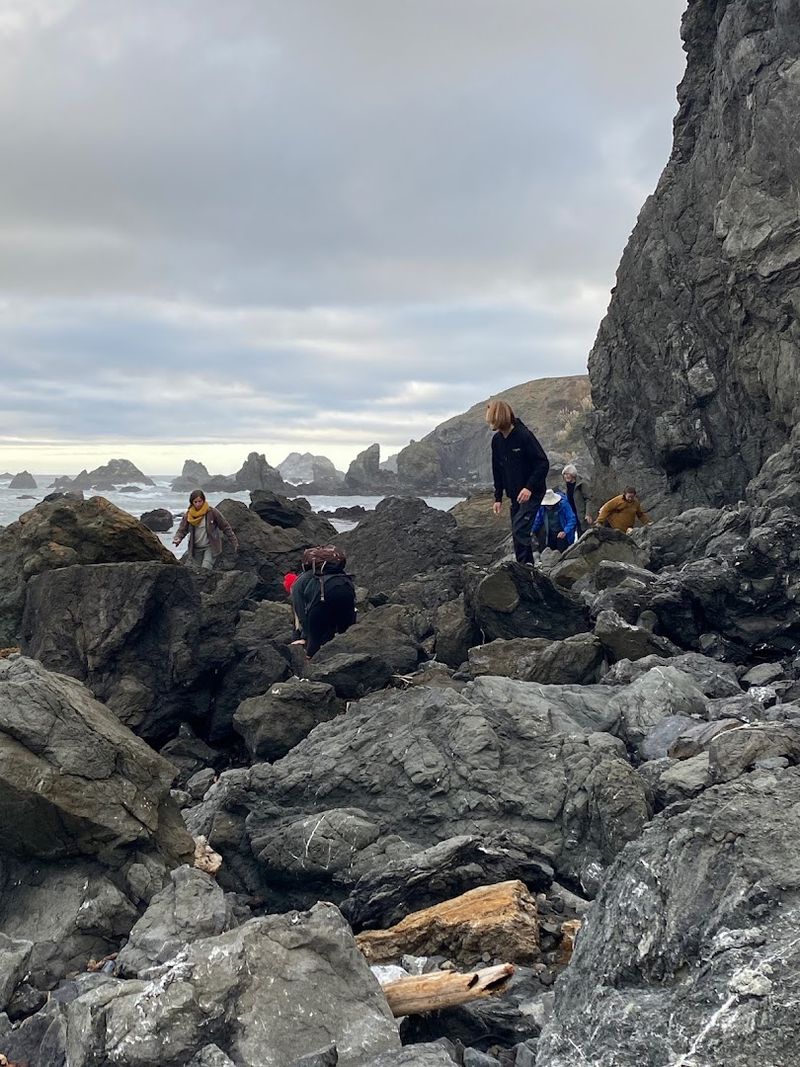
There are over 600 varieties of seaweed along the California coast, and a surprising number of them are edible.
ForageSF runs seaweed foraging outings in the East Bay and Half Moon Bay from spring through summer, while Sonoma Coast classes extend from spring all the way into fall.
June and July are generally considered prime months for edible seaweed collecting along the Sonoma Coast.
Participants typically meet in Jenner, California, before caravanning about 15 miles to the foraging site.
Wearing rain boots is strongly recommended, as the experience involves navigating the intertidal zone and getting close to the water.
Guests do not need to enter the ocean, but the terrain can be uneven and slippery, so sturdy footwear makes a real difference.
These guided morning outings last roughly two to three hours and cover a range of local edible species including Bladderwrack, Sea Lettuce, Turkish Washcloth, kombu, rockweed, and dulse.
Participants may collect up to 10 pounds of seaweed during the outing.
The classes also cover health benefits, the science behind seaweed, sustainable harvesting methods, and practical tips for cooking what is gathered.
Seaweed classes are generally suitable for participants aged 9 and older, making them a solid option for older kids and adults alike.
Join A Crab, Clam, Or Coastal Harvest Class
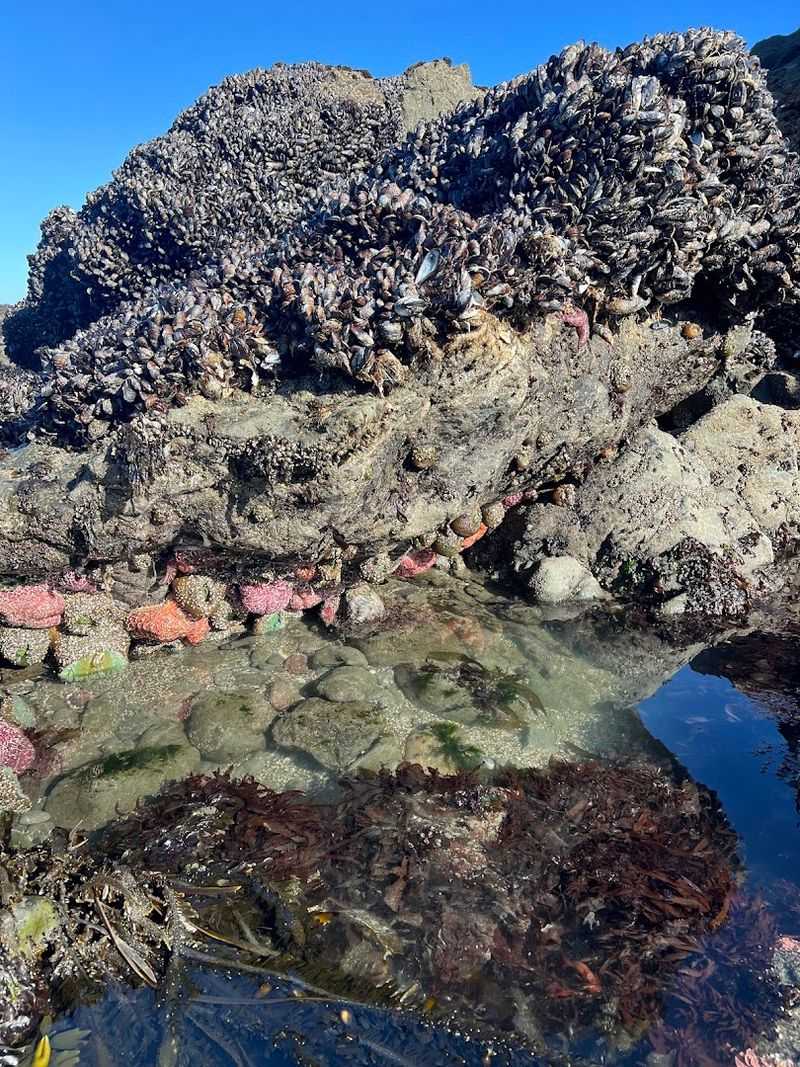
Coastal harvest classes through ForageSF take foraging into genuinely hands-on territory.
Select experiences around Tomales Bay, Bodega Bay, and other coastal areas may involve harvesting, cleaning, preparing, and tasting wild seafood.
Crab harvesting experiences in Tomales Bay guide participants through setting traps and identifying local crab species, while clam harvesting adventures in Bodega Bay focus on native species like Washington and Pacific littleneck clams.
Mussel foraging is also offered in areas such as Half Moon Bay.
These classes are often led by veteran fishermen and place a strong emphasis on sustainable harvesting methods and the long-term health of coastal ecosystems.
All necessary tools and supplies for harvesting, cleaning, and cooking are typically provided, so participants do not need to arrive with their own gear.
Some coastal programs include cooking the fresh catch directly on the beach, turning the harvest into a full meal experience.
Guests should come prepared for an active outing, as these classes may involve wading knee-deep in water and navigating slippery or uneven coastal terrain.
Class availability depends on tides, necessary licenses, and guide schedules, so checking the live calendar for current openings is the most practical first step before making any travel arrangements to the coast.
Go Mushroom Hunting During The Right Season
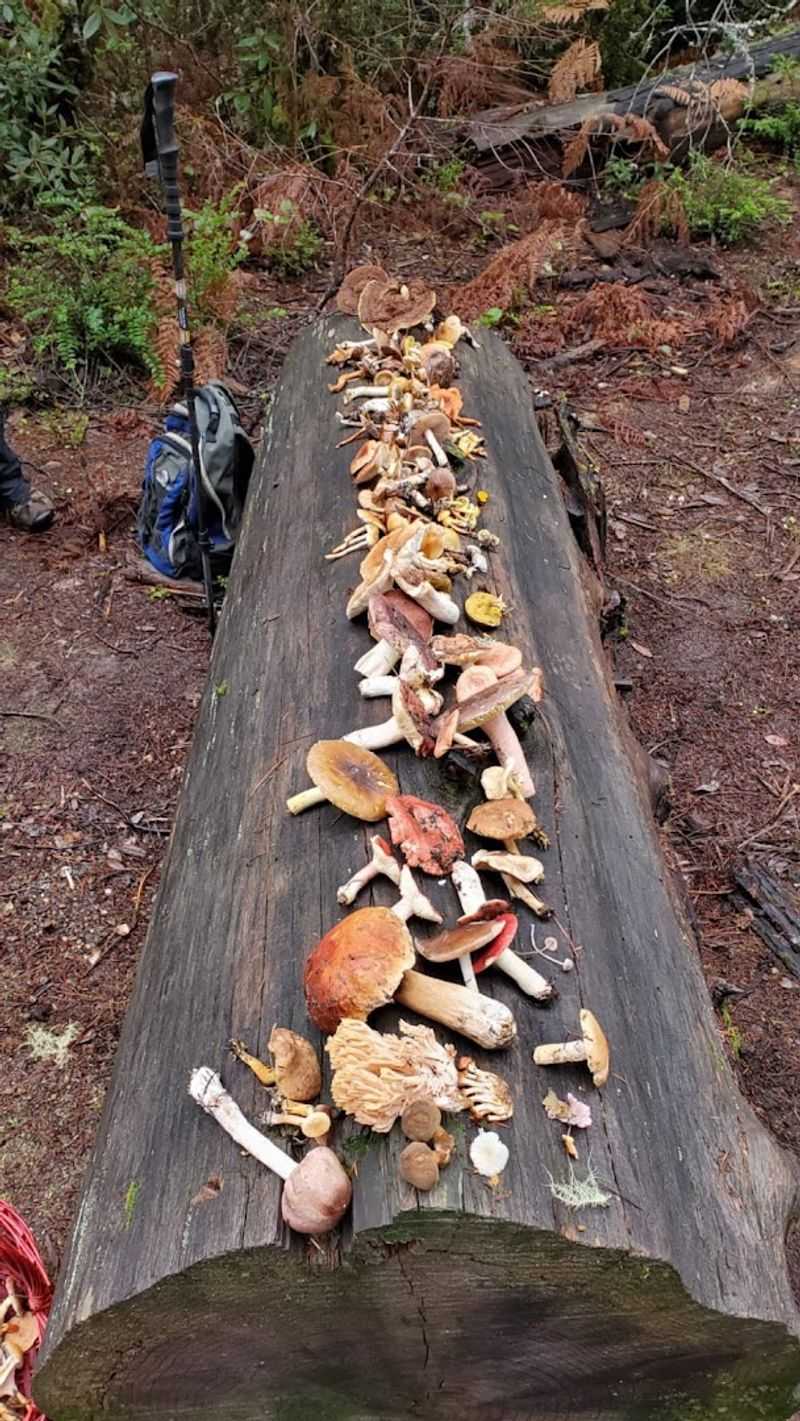
Mushroom hunting has a way of turning a quiet forest walk into something that feels almost like a treasure hunt.
ForageSF has offered seasonal mushroom classes in locations including the Santa Cruz Mountains, Sonoma County, West Marin, and parts of the Sierra Nevada.
The prime season for many of these classes runs from late fall through spring, with Sierra Morel hunting taking place specifically in spring.
Participants may encounter a wide range of wild mushrooms depending on the location and season, including chanterelles, boletes, black trumpet, morels, hedgehogs, porcini, and lion’s mane.
Classes typically span three to four hours and begin with foundational knowledge before moving into a guided walk.
After that initial phase, participants often have the opportunity to explore and hunt more independently before reconvening for identification help from the guide.
Some Sonoma County classes include a hands-on log-plugging demonstration for growing mushrooms at home, and certain programs feature a live cooking demonstration where the guide prepares a fresh mushroom dish.
Finding mushrooms is always dependent on natural conditions and is never guaranteed, but participants consistently come away with substantial knowledge about foraging ecology and safety.
Children aged 6 to 12 can join many mushroom classes free with a paying adult, with a limit of two free child tickets per group.
Learn How To Identify Finds Safely
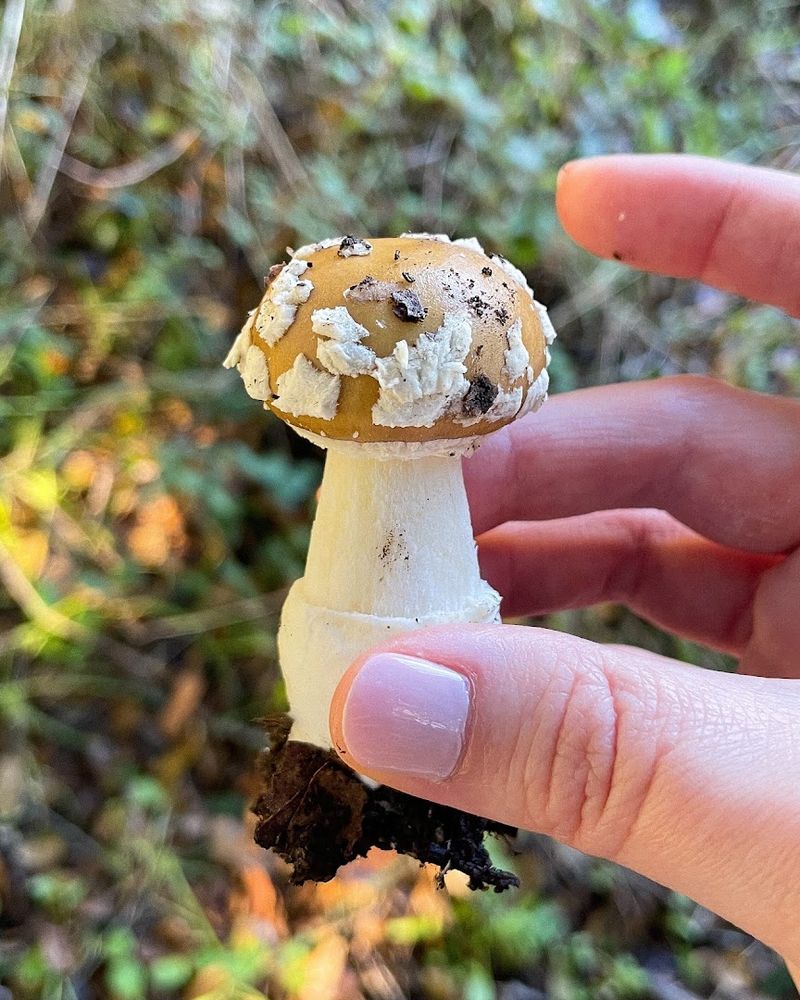
Knowing what to pick is only half the skill in foraging. The other half is knowing what to leave behind.
ForageSF mushroom outings place a strong emphasis on the crucial differences between edible fungi and dangerous look-alikes, covering identification basics alongside ecology and ethical collecting practices.
This safety-first approach runs through every class, not just as a disclaimer but as a genuine teaching priority.
The identification portion of these classes tends to be methodical and grounded in real field observation.
Guides walk participants through the physical characteristics that distinguish safe species from harmful ones, including cap shape, gill structure, spore prints, smell, and habitat.
The goal is to build enough foundational knowledge that participants can approach future foraging with genuine confidence rather than guesswork.
Guides also provide resources after the class to help participants continue building their identification skills independently.
ForageSF’s broader approach to safety extends to plant walks as well, where discussions about toxic plants and responsible harvesting practices are woven into the curriculum.
The message across all class formats is consistent: foraging responsibly means taking the time to be certain before consuming anything found in the wild.
That discipline, practiced early and reinforced throughout each outing, is what separates a rewarding foraging habit from a potentially dangerous one.
Discover Foods Hiding In Familiar Places
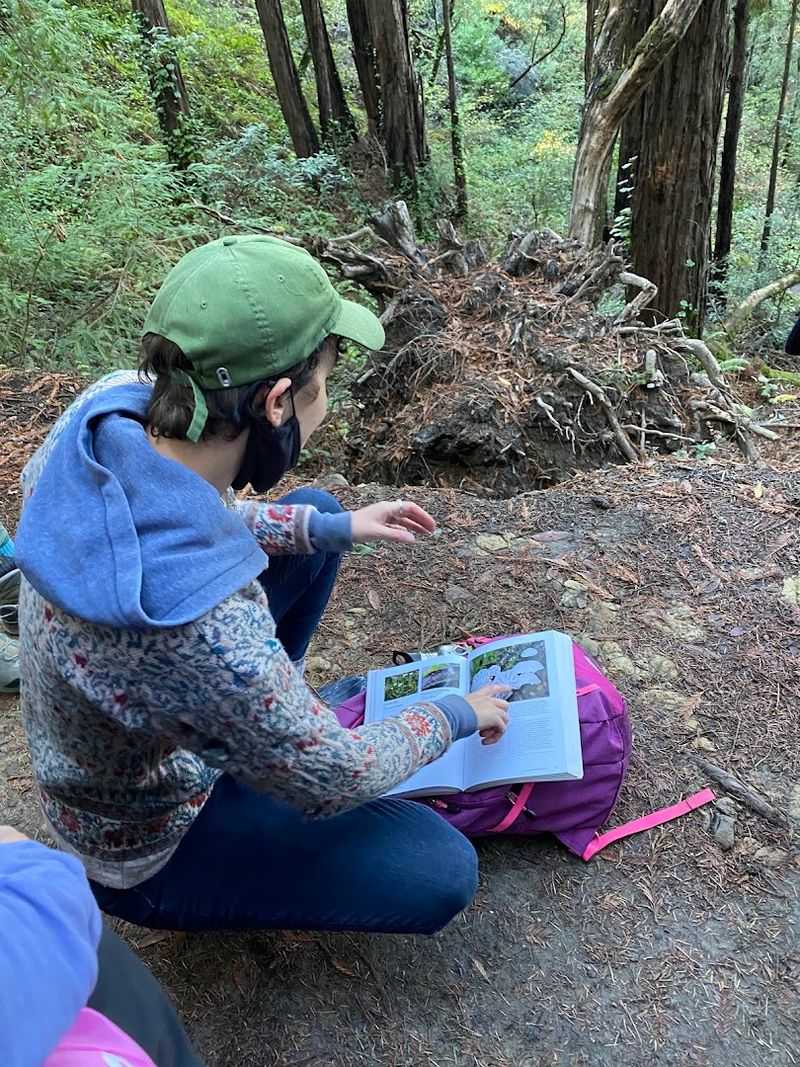
Some of the most edible plants in the Bay Area grow in places people pass through every single week.
Past ForageSF plant walks have highlighted species like miner’s lettuce, nasturtium, chickweed, wild radish, mallow, and stinging nettle, all of which appear in parks, along trails, and at urban edges across the region.
Miner’s lettuce in particular is one of the more recognizable and beginner-friendly edibles found locally.
Availability shifts throughout the year as seasonal growth patterns change, which means a spring walk and a fall walk through the same park can feel like two very different experiences.
This seasonal variation keeps repeat participants engaged and gives longtime foragers a reason to return across multiple seasons. The landscape never stays entirely the same from one visit to the next.
The wild plant walks are designed to teach participants about common local wild foods, medicinal plants, and edible flowers in a way that encourages deeper awareness of the natural environment.
Noticing what grows nearby, and understanding which of it is edible, fundamentally changes the way a person moves through familiar outdoor spaces.
Cook And Taste Part Of The Harvest
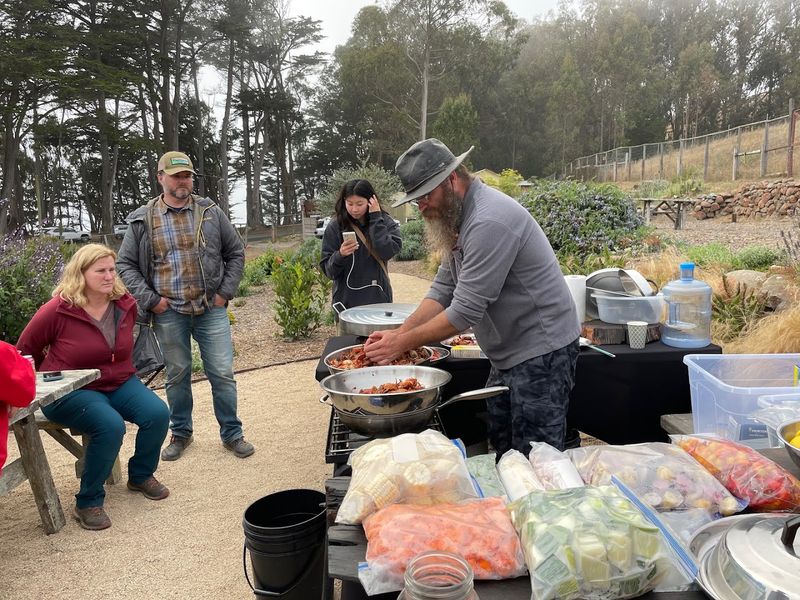
Gathering wild food is satisfying on its own, but tasting it fresh is something else entirely.
Certain ForageSF coastal programs include cooking or tasting components, turning the harvest into a full sensory experience rather than just an educational exercise.
Both crab and clam harvesting adventures in areas like Tomales Bay and Bodega Bay have included preparing and cooking the fresh catch directly on the beach.
Some mushroom classes, particularly those offered in Sonoma County, feature a live cooking demonstration where the guide prepares a fresh mushroom dish and shares tips for enhancing flavors.
Morel hunting classes have also included a cooked meal using foraged finds, giving participants a direct connection between what they found in the field and what ends up on a plate.
The experience of eating something harvested just hours earlier has a way of making the whole outing feel complete.
The exact format of any culinary component depends on the season, tide schedules, necessary licenses, guide availability, and the specific experience selected.
Not every class includes a cooking element, so checking the class description before booking is the most reliable way to know what to expect.
For those who do want to taste the harvest, choosing one of the coastal or seasonal mushroom programs with a cooking component built in tends to deliver the most rewarding end-to-end experience.
Book A Private Foraging Day For Your Group
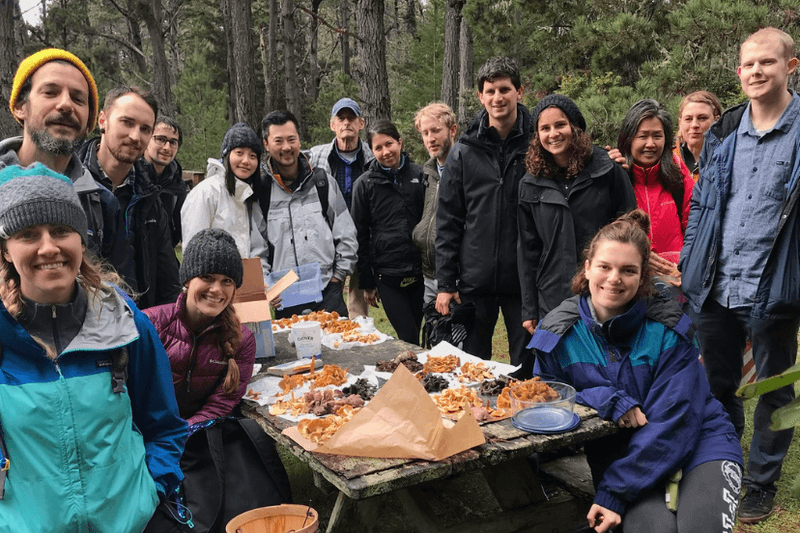
Public classes are great for meeting other curious people, but a private outing offers something different entirely.
ForageSF arranges customized foraging days for families, birthday groups, workplace teams, corporate retreats, and groups of friends looking for an outdoor experience that feels genuinely tailored to them.
The format, location, and focus of each private event can be shaped around the group’s preferences, the season, and what the terrain has to offer.
Common formats for private events include wild plant walks, coastal harvest activities with cooking, and surveys of private property.
Locations span a wide range of Bay Area settings, from urban parks and forested trails to coastlines near Tomales Bay and Bodega Bay.
Private events can also be arranged on a client’s own land, which adds a uniquely personal dimension to the experience.
Groups interested in booking a private outing can submit an inquiry form through ForageSF’s website, providing details about the desired date range, group size, occasion, location preference, and comfort level with outdoor activity.
The team then works to match those preferences with seasonal availability, appropriate routes, tide conditions, and guide scheduling.