This California Gold Rush Town Has An 1856 Hotel Saloon That Feels Straight Out Of Stagecoach Days
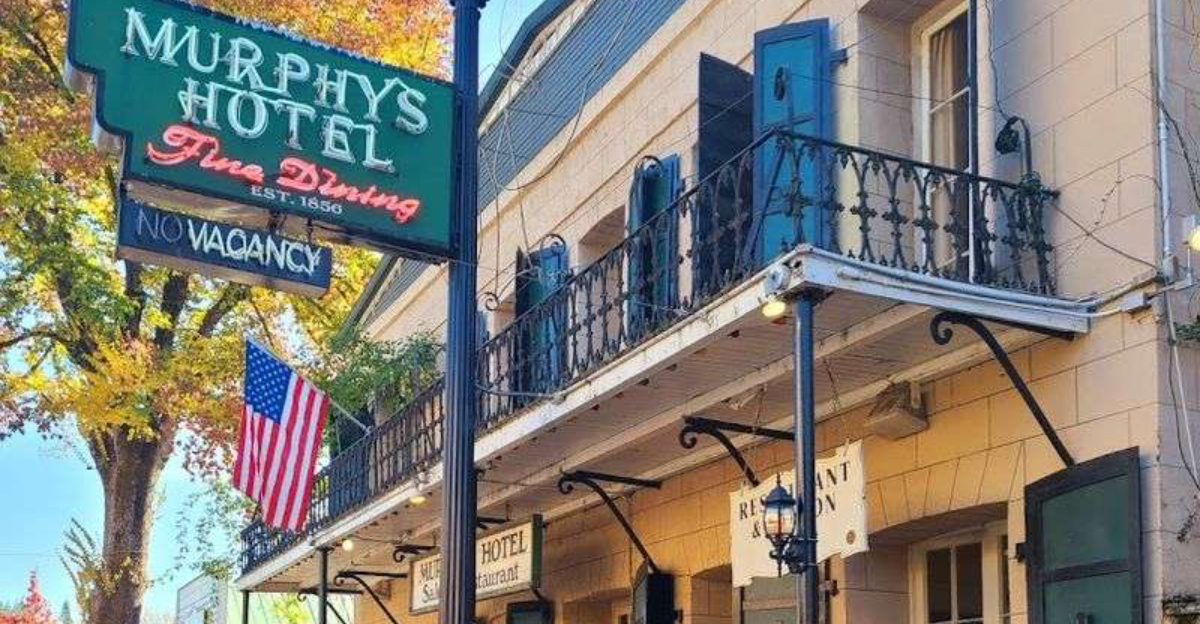
A hotel saloon from 1856 does not need much help setting the mood.
The creaking floors, old bar, historic rooms, and Gold Rush bones already know what they are doing.
Walk in, and the place feels like it has heard every kind of travel story, from dusty stagecoach arrivals to modern visitors.
Some California towns still make the Gold Rush feel close enough to order a drink beside it.
Murphys carries that old mining-era texture without turning the whole visit into a stiff history lesson.
The hotel gives the town a strong anchor, especially for travelers who like their landmarks with woodwork and a few stories hiding in the walls.
It is polished enough to welcome guests, but old enough to keep its rougher charm from disappearing.
The saloon is the best kind of time slip. Not frozen. Not fake. Just weathered and full of the kind of atmosphere newer places spend too much money trying to copy.
Walk Into A Saloon With A Bar That Dates Back To 1856
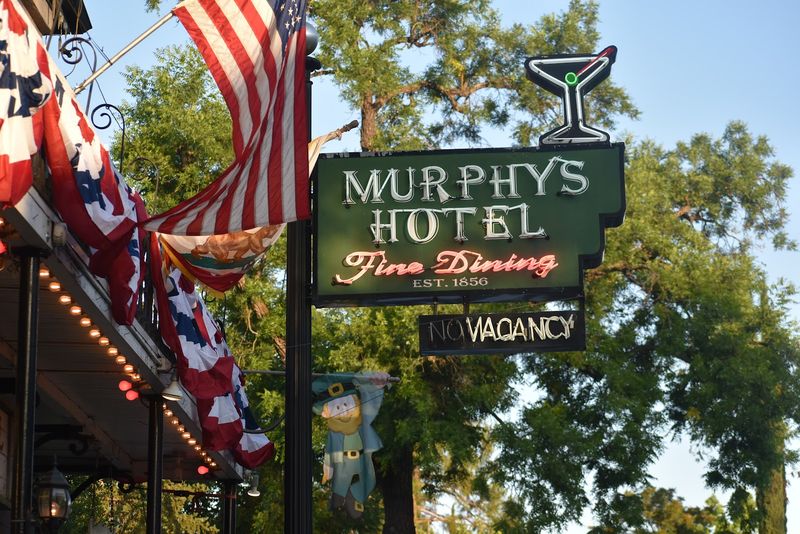
Not many bars in the country can point to a specific year and say the counter has not moved since then.
The saloon at Murphys Historic Hotel & Saloon features a 30-foot bar made from a single plank of wood that has been in place since 1856.
That kind of continuity is genuinely rare, and standing beside it gives a different feeling than looking at a reproduction.
The room around it reinforces the timeline rather than working against it.
There are no neon signs or modern fixtures competing with the woodwork, and the atmosphere leans into the era without feeling like a theme park version of the past.
The saloon has a lived-in quality that comes from actual use over more than 160 years.
For visitors who appreciate tangible history rather than curated displays behind glass, the bar itself is the main exhibit.
Locals and travelers both pull up stools here, which keeps the space feeling active rather than preserved for show.
The saloon is located inside Murphys Historic Hotel & Saloon at 457 Main St, Murphys, CA 95247, and it remains open as a functioning bar and gathering space for guests and the public alike.
Stand Inside A Hotel Built For Stagecoach Travelers
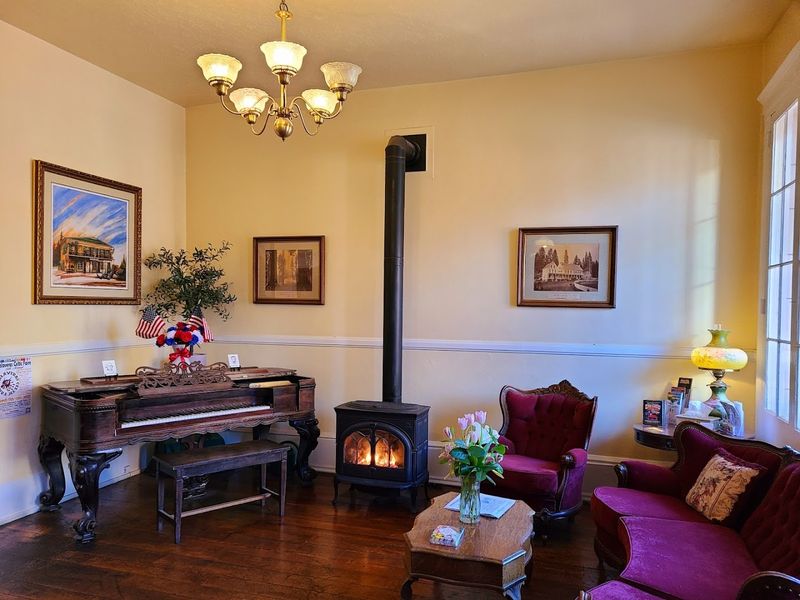
Opening its doors on August 20, 1856, the property originally operated under the name Sperry & Perry Hotel, founded by James L. Sperry and John Perry.
The timing was deliberate.
The hotel sat directly along Matteson’s Stage route, which carried travelers between Milton and Calaveras Big Trees, making it a natural and necessary stop for anyone moving through the region.
Stagecoach travel in the 1850s was exhausting, dusty, and unpredictable, so a solid hotel with a functioning saloon at the end of a long day would have felt like genuine relief.
The building was designed to serve that practical need, and its location on Main Street made it the center of activity in a town that was growing fast thanks to Gold Rush traffic.
Recognized as one of California’s oldest continuously operating hotels, the property has never fully stepped away from its original purpose.
Guests still sleep here, meals are still served, and the saloon still fills up on weekend evenings.
The connection to stagecoach-era travel is not just a marketing angle but a structural reality built into the walls, the layout, and the long history of the place still functioning today.
Look For The Details That Survived A Downtown Fire
A fire tore through much of downtown Murphys in 1859, and the hotel did not escape unscathed. What saved it from complete destruction was the material it was built from.
Stone walls and iron shutters gave the structure enough resistance to survive while neighboring buildings made of wood did not fare as well.
After the 1859 fire, the hotel was restored and reopened in 1860 with walls built entirely of stone, a deliberate choice that reflected both the lessons of the blaze and the ambition of the owners.
That same construction later helped the building weather additional fires in 1874 and another explosion and fire in 1893. Most wooden structures from the same era are long gone.
Looking at the building today, the stone construction is visible and unmistakable.
The walls have a density and solidity that newer buildings simply do not replicate, and the iron shutters are a quiet reminder of how seriously the builders took the risk of fire in a Gold Rush town.
For visitors who notice architectural details, the exterior of the hotel tells its own survival story without needing a single explanatory sign to make the point land.
Sleep In One Of The Original Historic Rooms
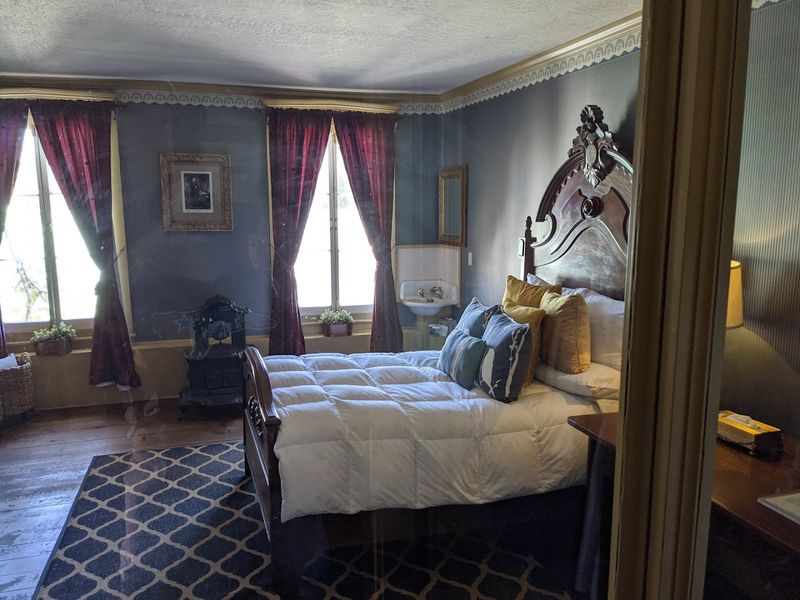
Staying in one of the nine rooms inside the original 1856 building is a different kind of overnight experience than booking a modern hotel room.
The rooms are furnished with period antiques and maintain the feel of the era intentionally.
There are no televisions, telephones, heating systems, or air conditioning units in these historic rooms, and guests typically share bathrooms located in the hallway.
That setup is not for everyone, and the hotel does not pretend otherwise.
For travelers who want comfort and modern amenities, the property also offers 20 lodge-style rooms in a newer section directly beside the historic building.
The contrast between the two options is stark, but both are available on the same property, which gives visitors a real choice based on what kind of stay they are looking for.
Some of the historic rooms carry names tied to the guests who once occupied them.
The Presidential Suite, where Ulysses S. Grant stayed during an 1880 visit, still contains a 19th-century coal stove, the original bedframe from that visit, and a barber chair used during his stay.
Sleeping in a room with that kind of documented provenance is a specific experience that no amount of modern renovation could replicate.
Notice The Old West Decor
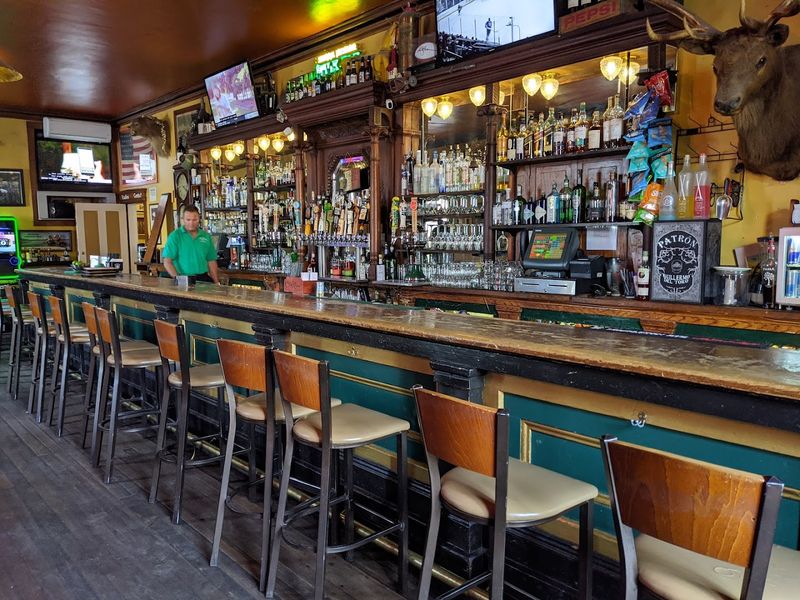
The saloon at the hotel does not rely on ghost stories or spooky branding to hold attention, and that restraint actually makes the space more interesting.
What fills the room instead is a collection of period details that feel accumulated rather than staged.
A pot-bellied stove sits in the space and reportedly has a fire burning during winter months, which adds warmth without any theatrical effort.
The walls carry mounted game heads including moose, elk, and deer, which were donated by local hunters over the years rather than ordered from a catalog.
Historic prints hang alongside them, including depictions of Custer’s Last Fight and Sheridan’s Charge at Winchester, scenes that connect the saloon visually to the broader history of the era it represents.
A 31-star American flag adds another layer of period accuracy to the room.
The overall effect is a space that feels genuinely old rather than deliberately aged.
Nothing about the decor reads as a gimmick, and the variety of objects keeps the eye moving without any single element dominating the room.
Use Main Street As The Whole Afternoon Plan
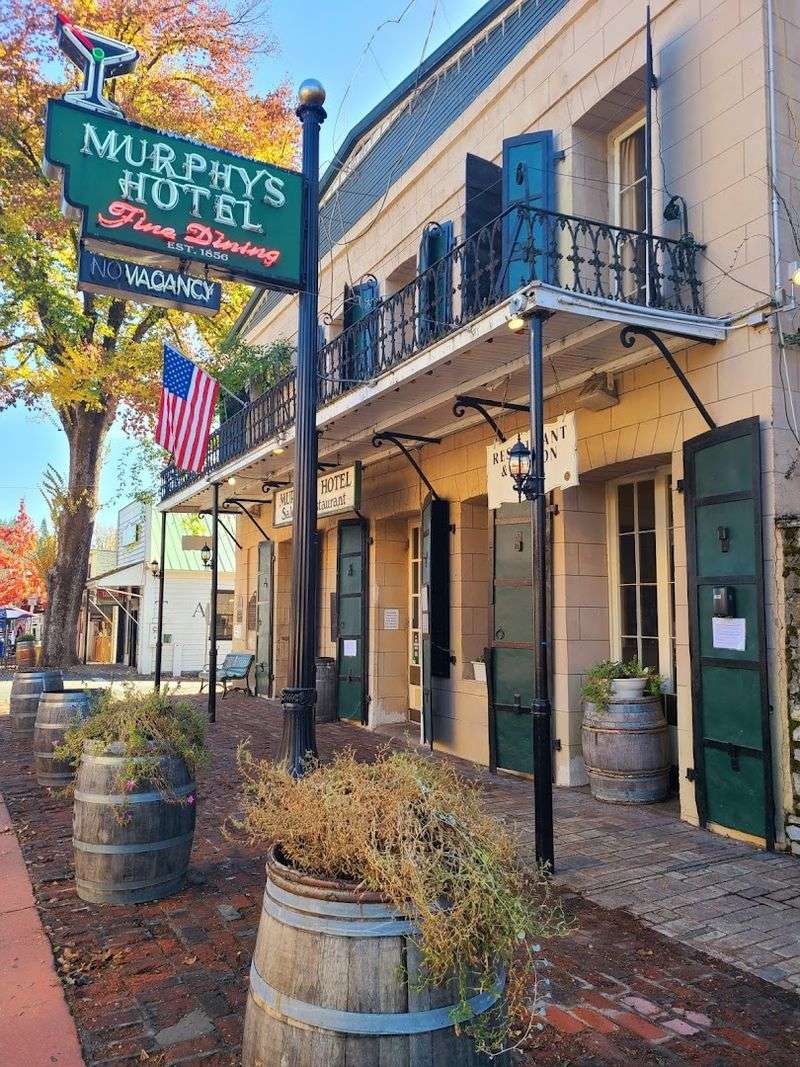
Murphys earns its nickname as the Queen of the Sierra partly because Main Street delivers a full afternoon without requiring a car.
The street is walkable and compact, with restaurants, boutique shops, historic buildings, and tasting rooms all within easy reach of each other.
The surrounding region is part of California’s Gold Country, also known as the Mother Lode, and the town reflects that heritage in its architecture and pace.
Starting at the hotel and moving along the street gives visitors a natural rhythm.
There are places to stop for food, spots to browse local goods, and buildings that carry their own histories without needing elaborate signage.
The tasting rooms reflect the wine region that has developed around Calaveras County, offering a contemporary layer to a town with deep 19th-century roots.
The walkability of Main Street makes it an accessible plan for most travelers regardless of age or mobility level.
On weekdays the street tends to feel quieter and easier to move through at a relaxed pace, while weekends bring more foot traffic and a livelier atmosphere.
Either way, the street functions as both a destination and a connector between the hotel and the broader town, making the entire block feel like a single extended experience rather than a series of separate stops.
Pair Gold Rush History With A Real Small-Town Food Stop
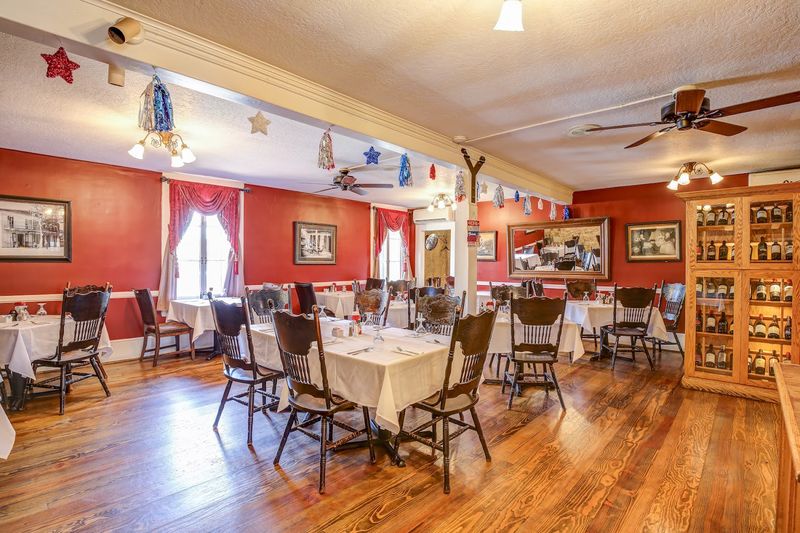
The hotel runs both a restaurant and a saloon, and meals are available throughout the day starting with breakfast and continuing through dinner.
The restaurant has a menu that includes prime rib, steaks cooked to order, fried chicken, rack of lamb, and fresh seafood, while the saloon side offers homemade pub-style food for a more casual meal.
Having both options under the same roof gives visitors flexibility depending on the kind of stop they are planning.
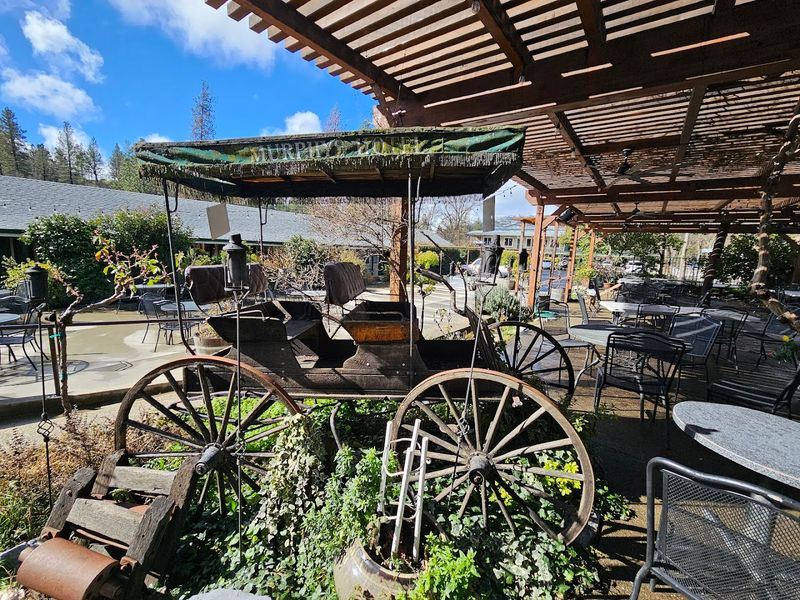
Outdoor seating on the patio is available and tends to be popular during warmer months.
The patio setting adds a relaxed quality to the meal and works well for travelers who want to eat at a comfortable pace after walking the town.
Indoor seating is also available for those who prefer the character of the historic dining room interior.
The restaurant has received generally positive feedback for its food quality, with dishes like fried chicken, French onion soup, and the filet mignon mentioned frequently in guest accounts.
Service experience can vary depending on how busy the property is on a given day, so arriving outside of peak meal hours may lead to a more relaxed dining pace.
Checking current hours before visiting is a practical step given that schedules can shift seasonally.
Take The Stagecoach Connection Beyond The Building
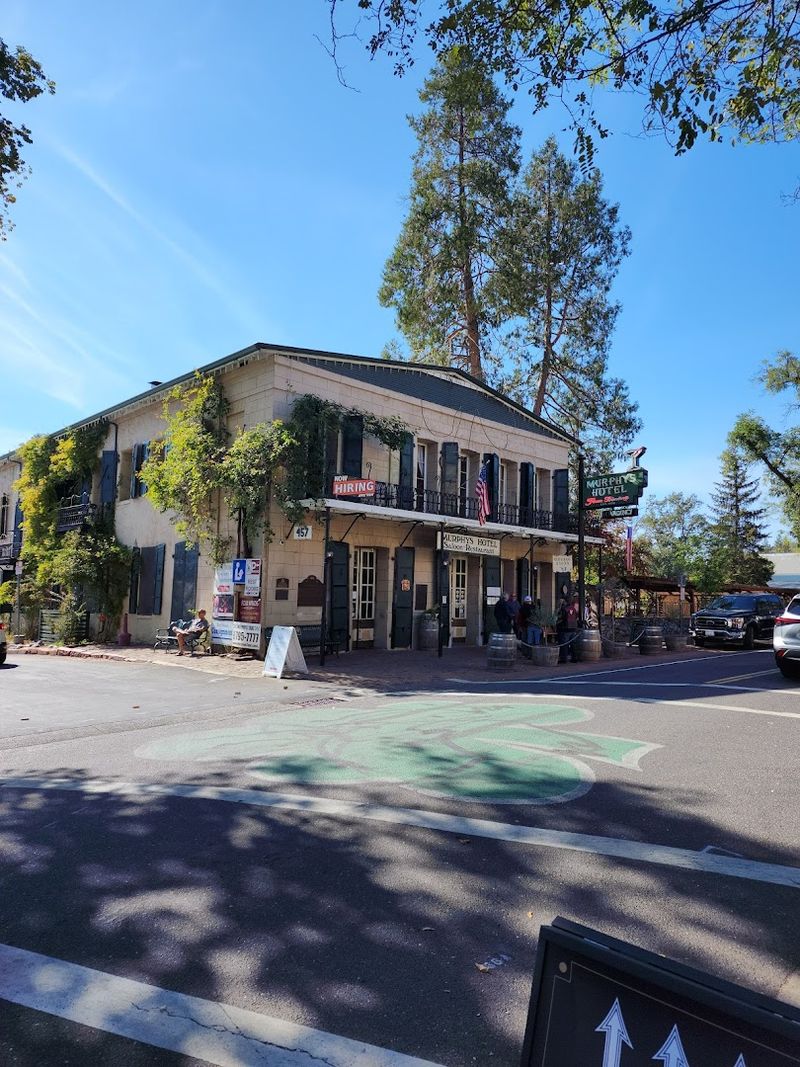
The hotel’s early success was not accidental.
Its position along the stagecoach route leading to Calaveras Big Trees made it a practical and popular stop for travelers who were making the journey specifically to see the giant sequoias.
The discovery of those trees in 1852 by A.T. Gus Dowd generated immediate excitement and drew visitors from far beyond California, creating steady traffic that the hotel was well positioned to serve.
Calaveras Big Trees State Park is home to two groves of giant sequoias and is considered one of California’s oldest continuously operated tourist destinations.
The park is still open to visitors today and sits within reasonable driving distance of Murphys, making it a natural extension of any trip that begins at the hotel.
The sequoias themselves are genuinely staggering in scale and require no historical context to be impressive, though the history adds another dimension.
Understanding the stagecoach route reframes the hotel as more than a building that happened to survive.
The property thrived because of where it sat in relation to a destination that people were actively traveling to see.
That original purpose still holds up today, with the hotel serving as a comfortable and historically grounded base for reaching the same trees that drew travelers more than 170 years ago.
Make It A Base For Murphys Instead Of A Quick Photo Stop
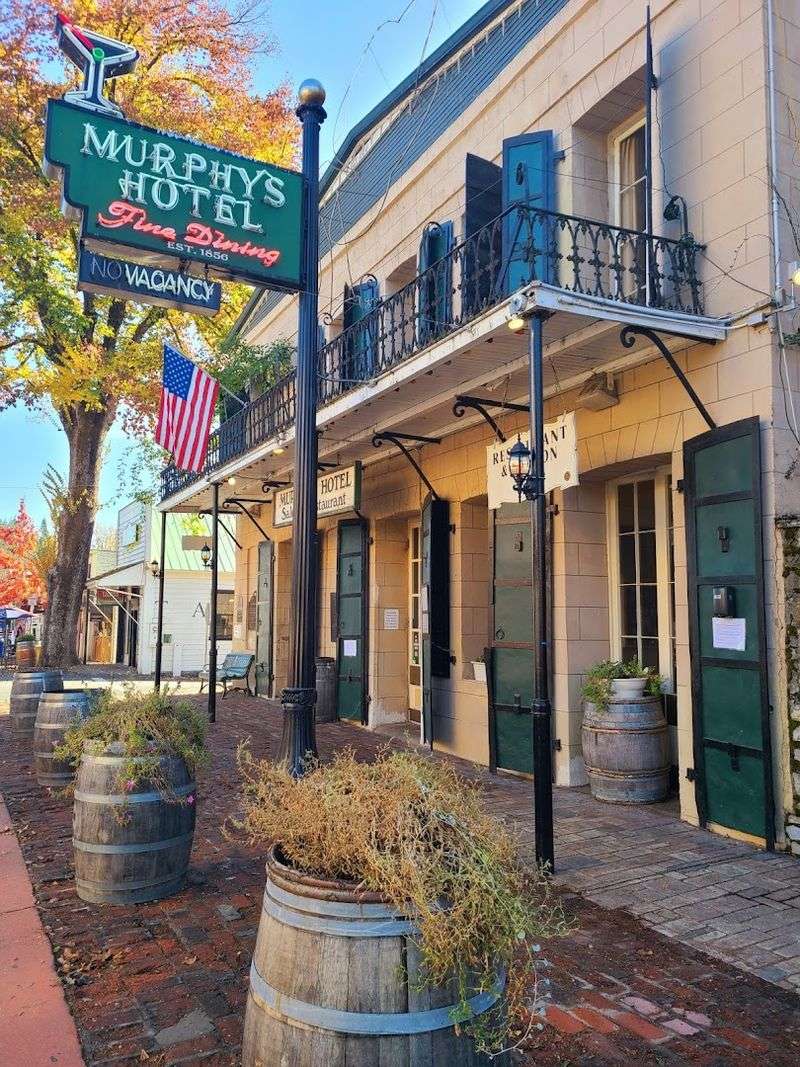
Spending more than a few hours in Murphys opens up a range of options that a quick stop does not allow.
The area around the town includes Mercer Caverns and Moaning Caverns, both of which offer underground tours that take visitors into the geology beneath the Gold Country landscape.
Hiking, cycling, gold panning, river rafting, and fishing are also available in the broader region, giving outdoor-oriented travelers plenty of direction beyond the hotel itself.
Ironstone Vineyards is a nearby destination worth noting for its scale and variety. The property offers tastings, expansive gardens, a museum, wine caves, dining options, and concert events, making it a multi-hour stop on its own.
The combination of the hotel, Main Street, the caverns, and a visit to a property like Ironstone creates a full itinerary without any need to drive far or rush between stops.
Using the hotel as a base rather than a photo opportunity changes the entire character of the trip. The historic rooms, the saloon, the restaurant, and the walkable town are all better experienced when there is time to settle in rather than move through quickly.
Murphys sits in Calaveras County’s Gold Country, and the region rewards travelers who give it more than a single afternoon to show what it has to offer.