This California Hike Leads To One Of The State’s Most Remote Ghost Towns
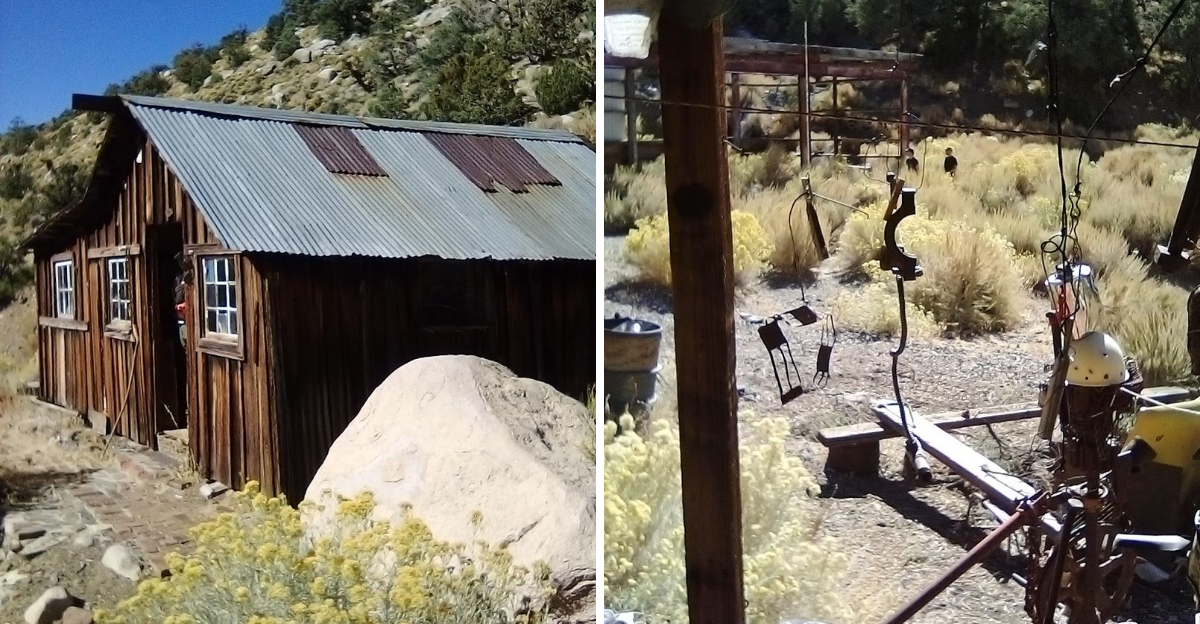
Adventure feels a little different when the trail ends somewhere most people will never see.
One California hike offers exactly that kind of reward, leading across rugged terrain to one of the state’s most remote ghost towns.
Dusty remnants and a powerful sense of isolation give the journey an atmosphere that feels far removed from the usual scenic outing.
Part of the appeal comes from earning the view rather than simply pulling up to it.
Each step builds anticipation, and the destination carries the kind of quiet mystery that makes the past feel unusually close.
California has no shortage of striking hikes, but few come with a finish this unforgettable.
The Silver Discovery That Started It All
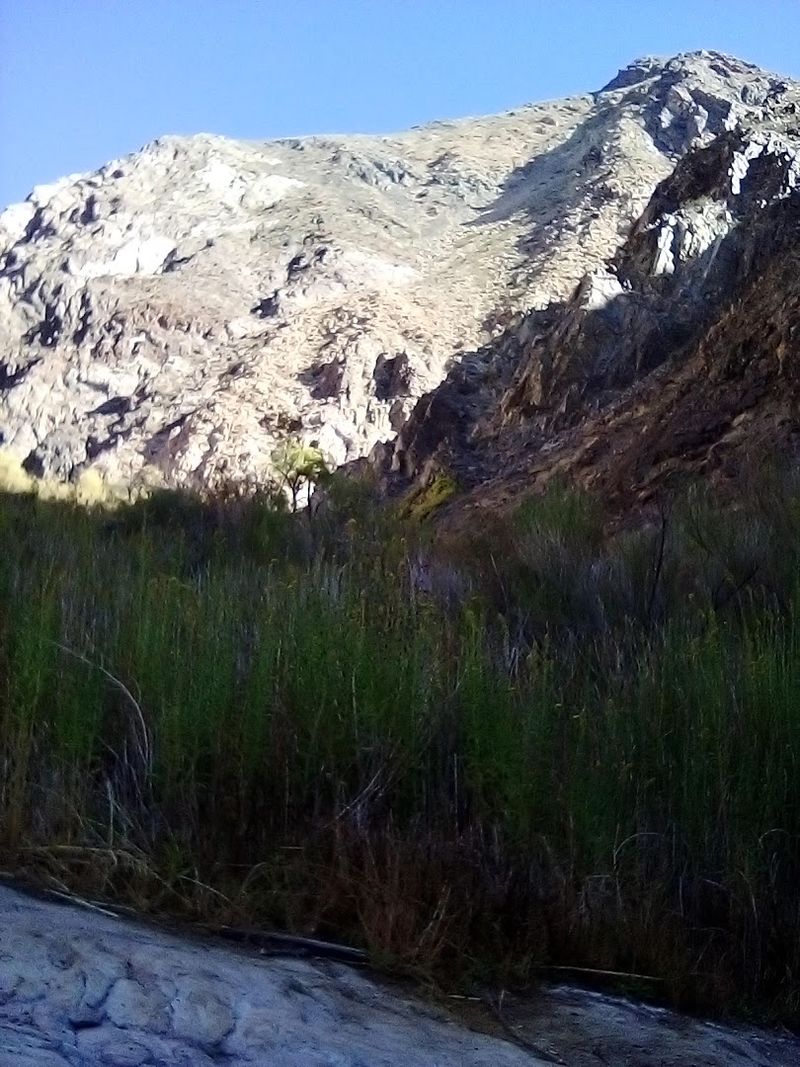
Back in 1872, prospectors working the rugged canyons of the Panamint Range stumbled onto something that would change this quiet stretch of California desert almost overnight.
Silver and copper deposits were found in Surprise Canyon, and word spread fast across the region.
Within two years, a full-scale mining boom had taken hold in one of the most remote and difficult-to-reach corners of the American West. The elevation alone made building anything here a serious challenge.
Panamint City eventually settled at around 6,200 feet, which meant hauling supplies up steep and rocky terrain long before any proper road existed.
Despite those obstacles, the promise of silver drew people who were willing to work under genuinely harsh conditions.
What made the discovery even more remarkable was how quickly the camp transformed into a town with real infrastructure. Businesses, a post office, and even a newspaper appeared in short order.
The pace of development was almost reckless, which in hindsight helps explain why the town’s collapse was just as fast as its rise.
Panamint City was never built to last forever, but its brief existence left a mark on California mining history that still draws curious hikers today.
A Boom Town With a Rough Reputation
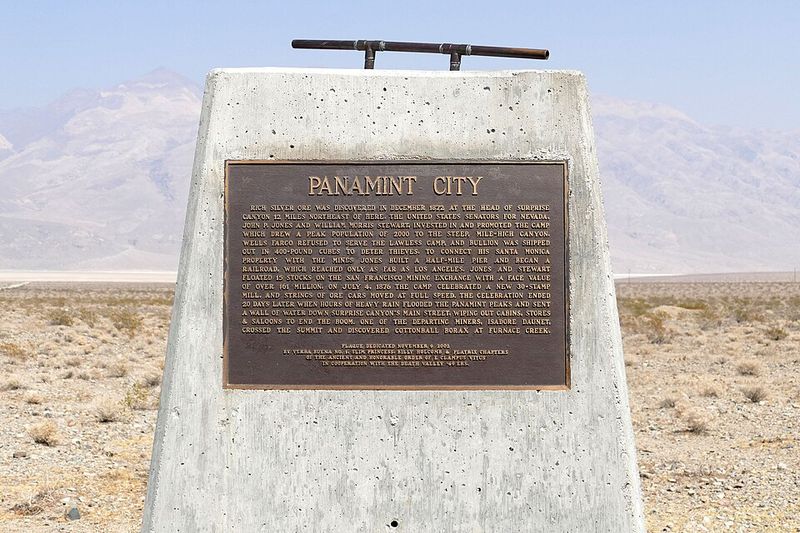
Not every mining town of the 1870s earned a reputation for being especially rough, but Panamint City managed to stand out even in an era when frontier lawlessness was fairly common.
Period accounts described the place as genuinely dangerous, with a population that included plenty of people who had reason to stay far from more established towns and law enforcement.
By 1874, roughly 2,000 residents had crowded into Surprise Canyon, which is a staggering number given how isolated and physically demanding the location was.
The population included miners, merchants, gamblers, and a colorful mix of characters who showed up wherever silver money flowed.
Saloons and businesses lined the main street, and the energy of the place was intense even by boom-town standards.
The National Park Service has noted the town’s wild character as part of what makes its history so vivid.
There was a real sense that Panamint City operated by its own rules, partly because reaching it required so much effort that outside authority rarely showed up.
That isolation cut both ways: it attracted people looking to avoid scrutiny but also created a tight community of people who depended on each other to survive in a genuinely unforgiving environment.
The Flash Flood That Ended Everything
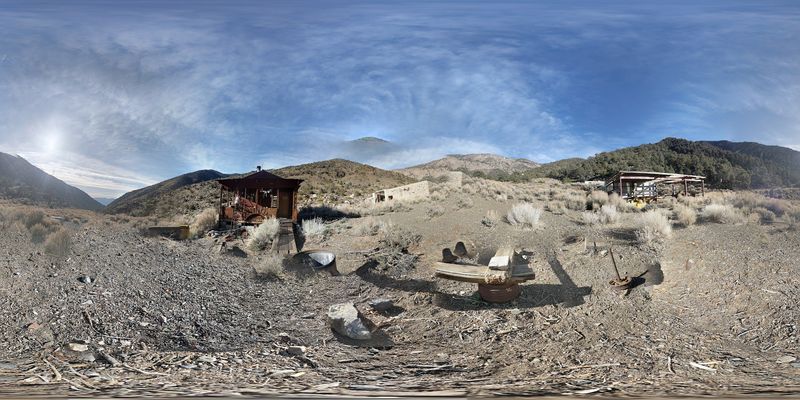
Most ghost towns fade out slowly, as mines run dry and people quietly move on to the next opportunity. Panamint City had a far more dramatic ending.
In 1876, a massive flash flood tore through Surprise Canyon with enough force to destroy a large portion of the town’s structures in a single event.
Flash floods in desert canyons can be terrifyingly powerful, and Surprise Canyon’s steep walls and narrow profile made it especially vulnerable to that kind of sudden, concentrated water flow. The flood did not simply damage buildings; it swept many of them away entirely and left the site looking fundamentally different from the active mining camp it had been just months before.
The timing mattered too. The silver boom had already begun to slow by late 1875, so the flood hit a town that was already losing momentum.
Rather than motivating a major rebuilding effort, the destruction accelerated the departure of the remaining population. What the flood left behind was a landscape of scattered ruins and foundations that hikers still encounter today.
That combination of human abandonment and natural destruction gives Panamint City a quality that feels different from most ghost towns, where the story ends more quietly and without such a clear dramatic moment.
The Iconic Smelter Chimney Still Standing
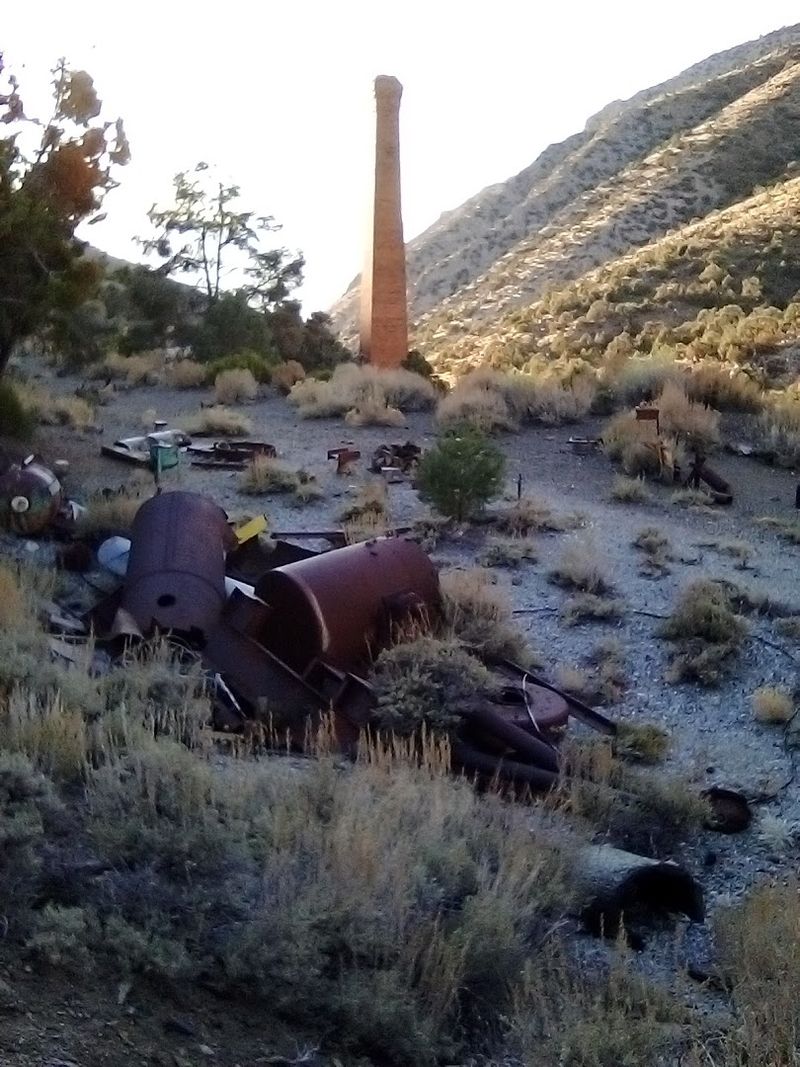
Among everything the 1876 flood left behind, one structure has become the defining image of Panamint City for hikers and history enthusiasts alike.
The brick smelter chimney still stands at the site, rising above the surrounding ruins as a clear and unmistakable marker of what this place once was.
The National Park Service specifically calls it out as the most recognizable remnant of the town’s active years.
Smelter chimneys were essential to silver and copper mining operations because they handled the intense heat needed to process raw ore.
Building one required skilled labor and durable materials, which is probably part of why this structure survived when so many wooden and tin buildings did not.
Brick holds up against both time and floodwater better than most construction materials available in a remote 1870s mining camp.
Standing near the chimney today, the scale of the original operation becomes easier to appreciate.
The structure is tall enough to be visible from a distance as hikers approach the town site, giving a sense of arrival that feels genuinely earned after miles of difficult canyon terrain.
For many visitors, seeing the chimney in person for the first time is one of those quietly memorable travel moments, the kind that stays with you because the effort required to get there makes the reward feel completely real.
What the Ruins Look Like Up Close
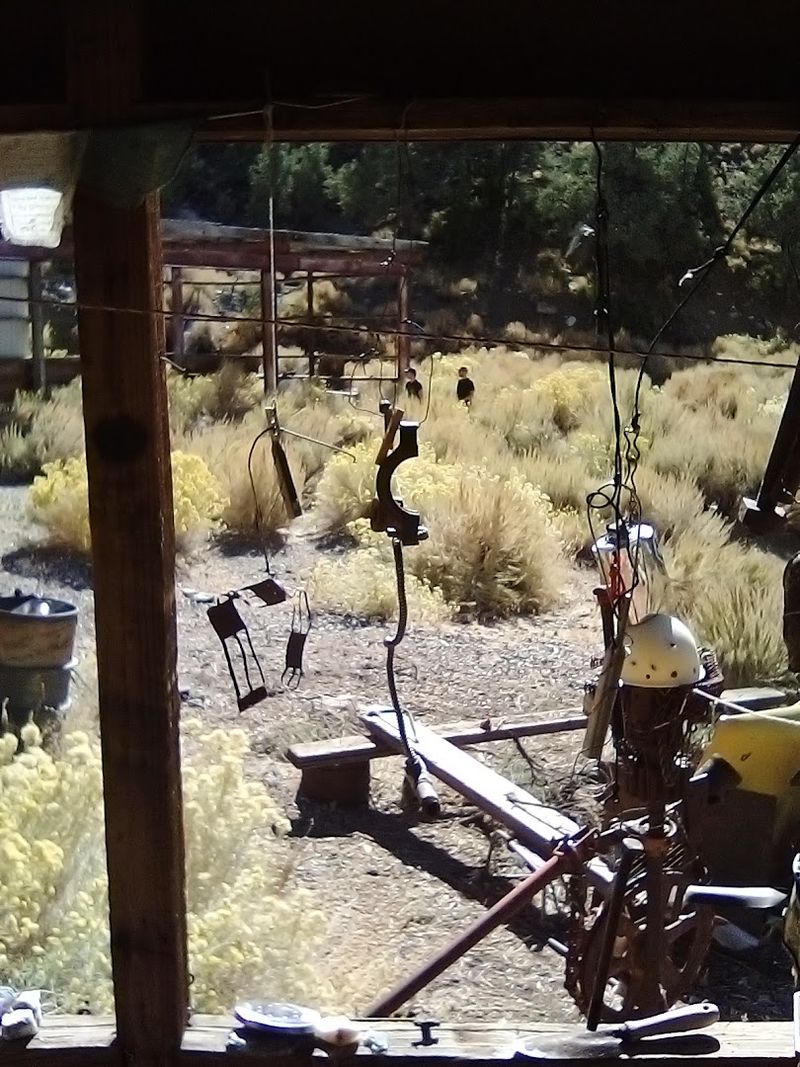
Beyond the chimney, Panamint City offers a wide scatter of remnants that reward slow and careful exploration.
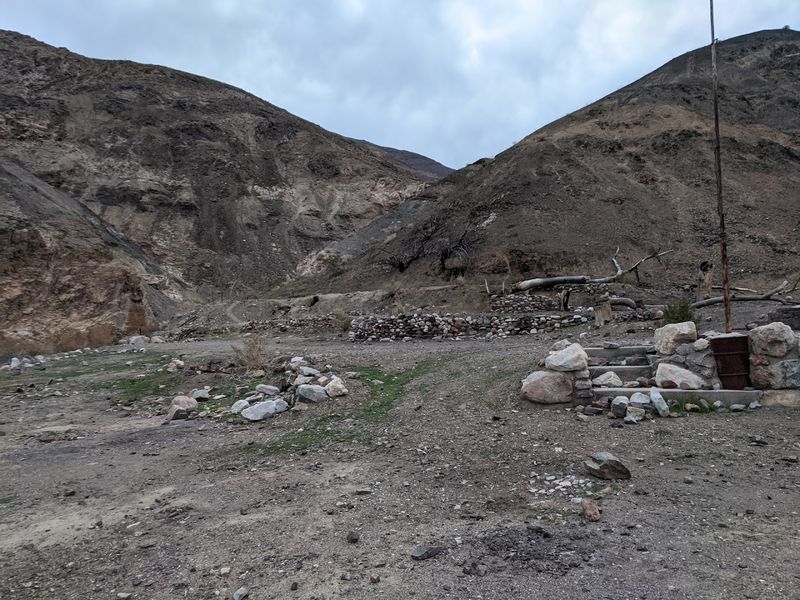
Reliable accounts of the site describe the remains of wood and tin structures, stone foundations, mining dumps, prospect holes, and tunnel openings spread across the canyon head at various points.
The layout reflects a town that grew quickly and without much formal planning.
Some of the structures are surprisingly intact given how long they have been sitting in an exposed mountain environment.
The dry air of the Panamint Range helps preserve materials that would deteriorate quickly in a wetter climate, so pieces of old lumber, metal hardware, and collapsed walls still hold recognizable shapes.
Walking through the site gives a real sense of the town’s footprint even where buildings no longer stand.
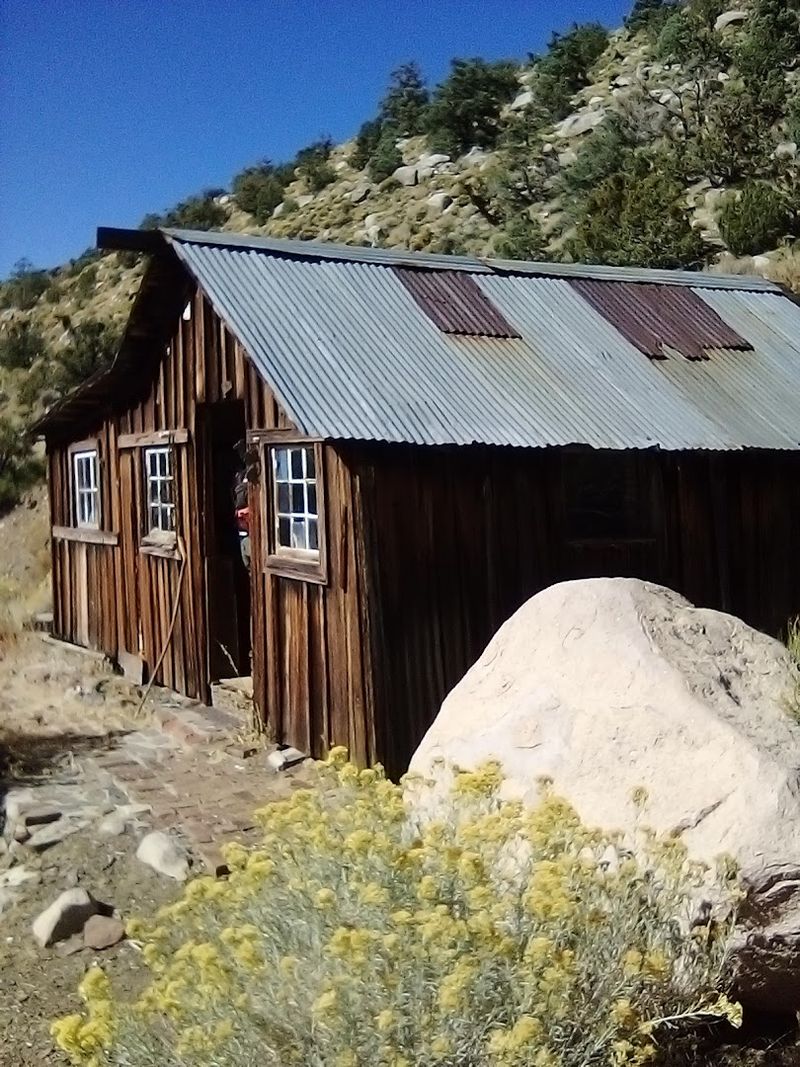
A two-room cabin sometimes referred to as the Panamint Hilton is one of the more frequently mentioned standing structures at the site.
Camping is permitted at Panamint City under Leave No Trace principles, and that cabin has offered basic shelter for overnight visitors.
The ruins as a whole are not roped off or formally managed in the way that a museum exhibit would be, which means the experience feels genuinely raw and exploratory rather than curated or sanitized.
Surprise Canyon: The Route That Gets You There
Getting to Panamint City means committing to one of the more distinctive canyon hikes.
The route through Surprise Canyon runs approximately 7.5 miles one way from the trailhead near Chris Wicht Camp, and the terrain is consistently challenging from start to finish.
There is significant elevation gain involved, and the path crosses the canyon creek multiple times along the way.
What makes Surprise Canyon genuinely unusual for this part of California is its year-round creek.
The Bureau of Land Management highlights the canyon’s flowing water and scenic character as part of what sets it apart from the dry desert approaches common to most area sites.
That water feeds a surprisingly lush strip of vegetation that feels almost out of place given the arid landscape surrounding it.
The canyon also features sections with waterfalls, pools, and thick brush that require hikers to scramble and navigate carefully rather than simply follow a clear path.
Rock obstacles appear at various points, and some sections involve hands-on route finding.
The combination of water, greenery, and rough terrain makes the approach feel more like a desert slot canyon adventure than a straightforward trail hike.
Current hiking sources consistently rate the route as strenuous and recommend it for experienced hikers with solid navigation skills.
How Hard Is the Hike, Really
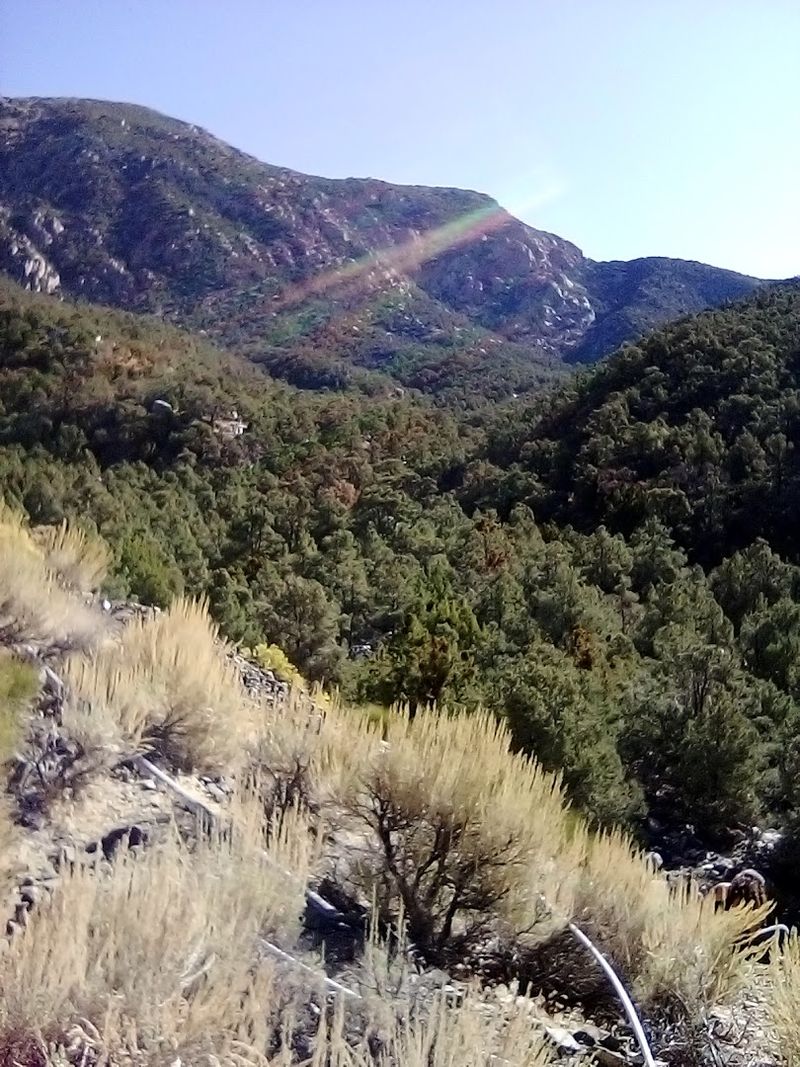
Honest trip planning for Panamint City starts with accepting that the hike is genuinely difficult.
The 7.5-mile one-way distance is only part of the story because the terrain adds layers of challenge that simple mileage does not capture.
Creek crossings, boulder scrambling, brushy overgrowth, and consistent elevation gain all add time and physical effort well beyond what a typical trail of similar length would require.
The total elevation gain on the route is substantial, climbing from the trailhead area to the town site at roughly 6,200 feet.
Hikers carrying overnight gear face an even more demanding experience because the weight compounds the difficulty of technical sections.
Most trip reports suggest allowing a full day for a round trip and recommend starting early to avoid afternoon heat, especially during warmer months.
Footwear matters considerably on this route. Trail runners or light hikers may work for some people, but waterproof boots are often recommended because of the repeated creek crossings.
The hike is not technical in a climbing sense, but it demands steady focus and a realistic assessment of personal fitness.
Planning Your Visit: Practical Details
Preparation makes the difference between a memorable adventure and a genuinely dangerous situation on a remote hike like this one.
Water is the most critical consideration because the route is long and physically demanding, and while Surprise Canyon has a year-round creek, treating or filtering any water sourced along the trail is strongly recommended.
Carrying at least three to four liters from the start is a reasonable baseline for most hikers.
Sun exposure in the Panamint Range can be intense, particularly on exposed sections of the canyon above the creek vegetation.
A wide-brimmed hat, sun-protective clothing, and high-SPF sunscreen are practical essentials rather than optional extras.
Temperatures in this region can swing dramatically between seasons and even between morning and afternoon within a single day, so layering is smart regardless of the time of year.
Cell service is essentially nonexistent in Surprise Canyon, which means navigation tools and emergency planning need to be handled before leaving the trailhead.
A downloaded offline map or a printed topo is far more reliable than relying on a phone signal.
Informing someone of the planned route and expected return time is a basic safety step that experienced hikers in remote areas treat as non-negotiable.
Checking with the National Park Service or BLM for current access conditions before any trip is also highly advisable.
What Makes Panamint City Worth the Effort
After 7.5 miles of creek crossings, boulder scrambles, and steady climbing, arriving at Panamint City delivers something that is hard to put into words but easy to feel.
The setting at the head of Surprise Canyon is dramatic in a way that photographs only partially capture.
The canyon walls rise steeply on multiple sides, the elevation gives the air a noticeable crispness compared to the desert floor below, and the ruins spread out across the terrain in a way that rewards slow exploration.
The combination of natural beauty and historical weight is unusual even among California’s many ghost towns.
Most abandoned mining sites sit in dry and exposed locations where the landscape itself feels indifferent to the human story.
Surprise Canyon feels actively engaged with its own history, partly because the same forces that created the canyon, water and geology, also shaped and eventually destroyed the town that grew here.
The smelter chimney standing against an open sky, the cabin sheltering overnight visitors, the tunnel openings and prospect holes scattered across the hillsides, all of it adds up to an experience that feels genuinely earned rather than handed over.
Panamint City rewards preparation and persistence in a way that very few destinations can honestly claim.
For hikers who want a destination with real historical depth and real physical challenge, few places in California come close to matching what this canyon holds.