This California Hospital Just Tied For No. 1 In The State And Made America’s Best Hospitals List For The 11th Straight Year
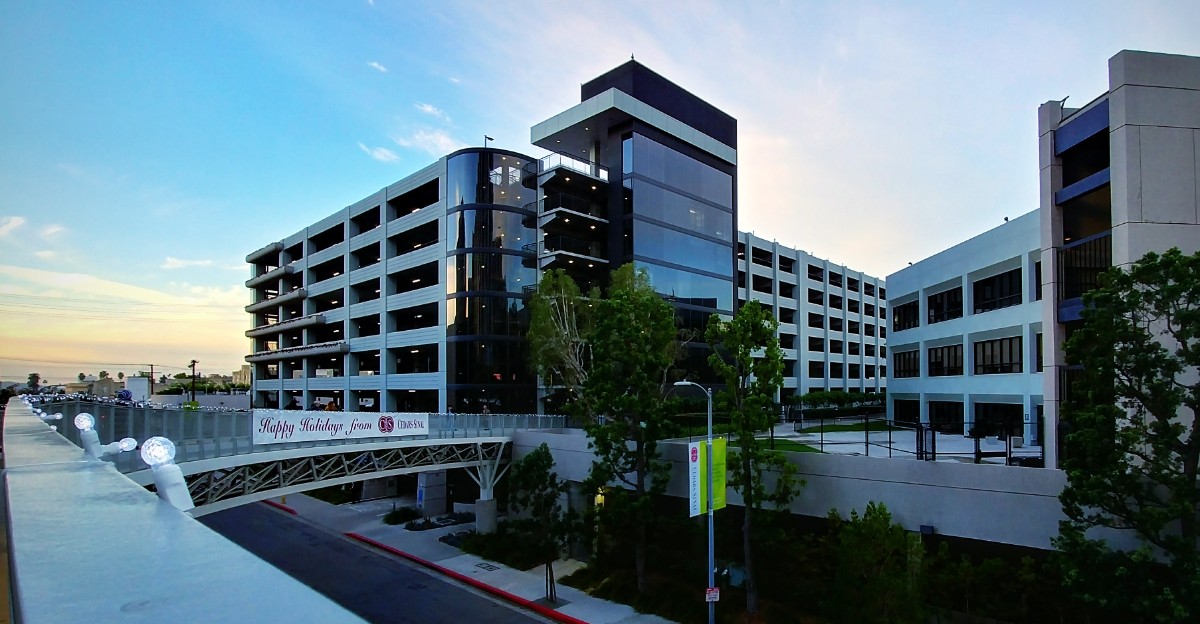
A hospital with healing gardens planted on top of its parking garages? The gardens cover 82,500 square feet, and that’s just the start.
The hallways double as an art gallery. Thousands of works hang throughout the campus, including pieces by Roy Lichtenstein and Ed Ruscha.
Now add the big news. This Los Angeles hospital just tied for No. 1 in California in the newest national rankings. It also landed on the national Honor Roll for the 11th year in a row.
I love when a place surprises you twice. Top-ranked heart care and a sculpture garden don’t usually share an address.
The story goes back to a tiny 12-bed hospital that charged nothing. So how did it grow into one of the most celebrated medical centers in the country?
Eleven Straight Years On The Honor Roll Is No Fluke
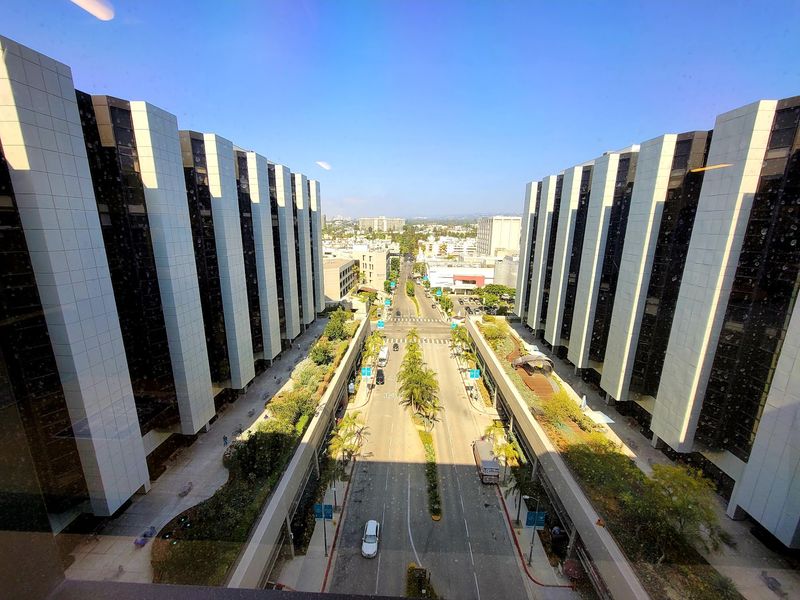
Cedars-Sinai Medical Center just earned a spot on the U.S. News and World Report Honor Roll for Best Hospitals 2026-27.
That makes 11 consecutive years on the list. Consistency like that is rare in any field.
The same rankings placed the hospital in a tie for No. 1 in California. It also tied for No. 1 in Los Angeles. In a state packed with major medical centers, that’s a serious achievement.
The Honor Roll is a short list of hospitals that stand out across many types of care. Getting there once is impressive.
Staying there for over a decade means the work holds up year after year.
Why should you care if you’re not a doctor? Rankings like these help families choose where to turn during stressful moments.
They give you a starting point when health questions feel overwhelming. I have to give this place credit for never coasting. Eleven years is longer than most smartphones last.
It’s also longer than plenty of TV shows stay on the air.
Cedars-Sinai has also received NRC Health’s Consumer Choice Award for its reputation for quality medical care in the Los Angeles region.
Three Specialties Cracked The National Top Five
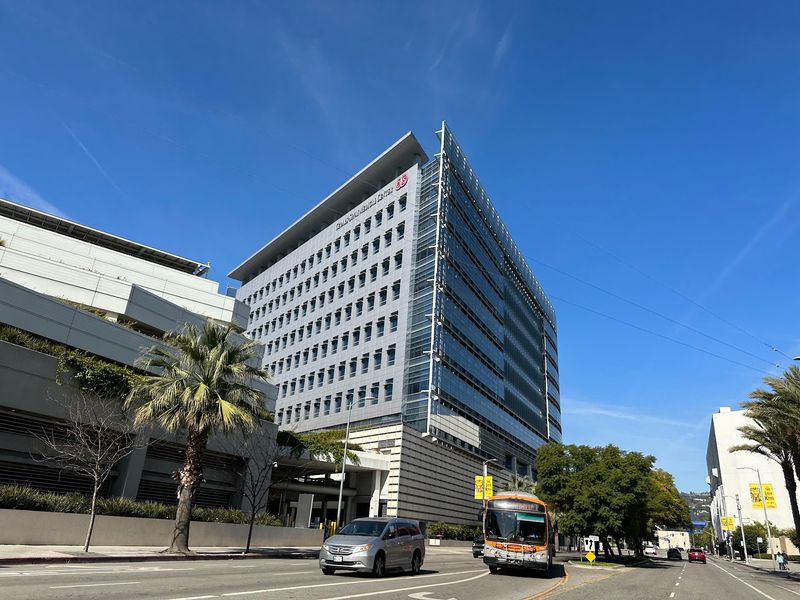
Gastroenterology and GI Surgery ranked No. 3 in the entire country. That’s the care for your stomach, intestines, and digestive system.
Not bad for a part of the body most people only think about after spicy food.
Cardiology, Heart and Vascular Surgery came in at No. 4 nationally. Orthopedics, which handles bones and joints, landed at No. 5. So your heart, your gut, and your knees all have elite backup here.
In total, ten specialties at the hospital earned recognition as top clinical programs for 2026-27. The other seven cover a wide range of needs.
They include Cancer, Diabetes and Endocrinology, Geriatrics, and Neurology and Neurosurgery. Obstetrics and Gynecology made the list too. So did Pulmonology and Lung Surgery, plus Urology.
That’s a lot of ground covered under one name.
Here’s a practical tip. When you research hospitals, check specialty rankings, not just overall scores. A hospital might shine in the exact area you need.
At Cedars-Sinai, the odds are good that your concern falls into one of those ten categories. That kind of range is genuinely reassuring.
It All Started With Just 12 Beds And No Bills
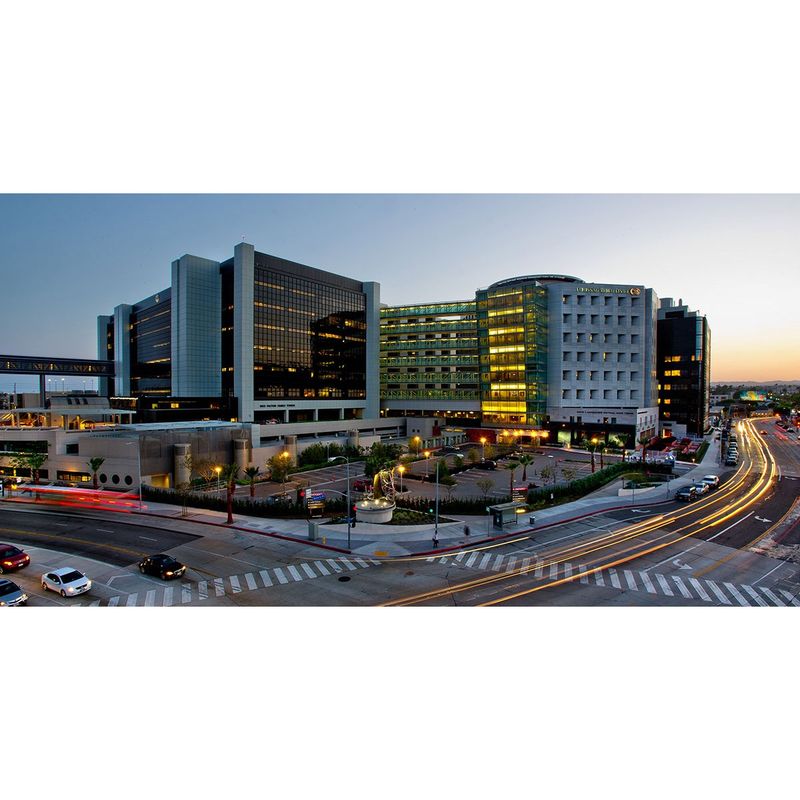
Back in 1902, a small hospital opened in Los Angeles with only 12 beds. It was called Kaspare Cohn Hospital. Every service there was free of charge.
That humble start grew over the decades. The hospital changed names and locations more than once.
One version became Cedars of Lebanon Hospital, named after the famous cedar trees of Lebanon. Meanwhile, another hospital called Mount Sinai was growing too. In 1961, the two joined forces.
The merger created what we now know as Cedars-Sinai Medical Center.
Construction on the main complex wrapped up in 1976. Later growth brought the Saperstein Critical Care Tower in 2006. The Advanced Health Sciences Pavilion followed in 2013.
I love a good underdog story, and this is one. Going from 12 beds to 919 beds is quite a glow-up. That’s like a lemonade stand turning into a national chain.
The hospital remains a nonprofit academic medical center today. Its mission still includes community service, along with patient care, research, and teaching.
That early spirit of helping people clearly stuck around for well over a century.
Bring Your Eyes Because The Hallways Are Basically A Museum
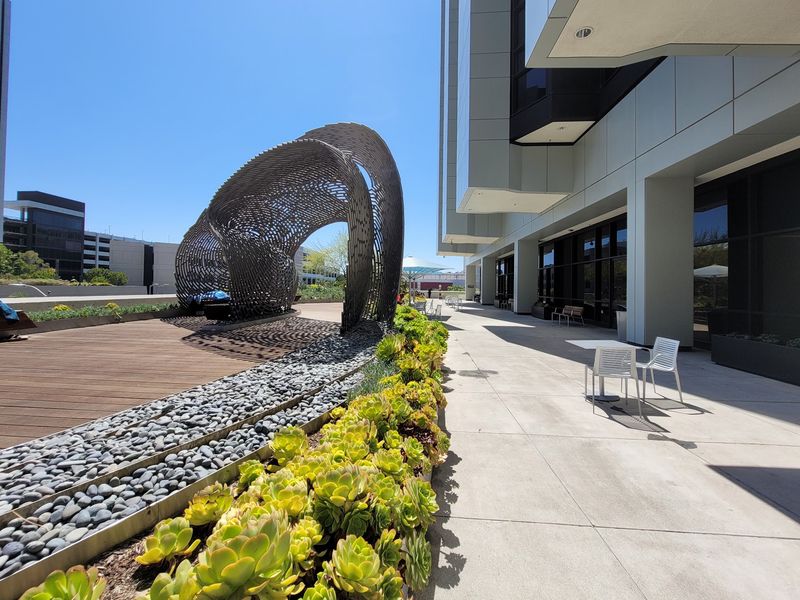
Roy Lichtenstein. Claes Oldenburg. Ed Ruscha. These are big names in modern art, and their work hangs at a hospital in Los Angeles.
The art collection at Cedars-Sinai started in 1966. Today it includes thousands of pieces by more than 1,200 artists. You’ll find works in hallways, plazas, and outdoor spaces across the campus.
This isn’t just decoration for the sake of it. The hospital runs an Art and Healing program built on the idea that art helps people feel better. A colorful painting can make a long day feel a little lighter.
Docent-led art tours are available for patients and staff. That’s a pretty unusual perk for a medical center. Most hospital tours focus on where the cafeteria is.
I can see the appeal of an idea like this. Waiting for news about a loved one is hard. Having something beautiful to look at gives your mind a short break.
So if you’re visiting, take a slow walk. Look up from your phone for a few minutes. You might spot a famous piece you’ve only seen in books before.
Somebody Planted A Garden On Top Of The Parking Garage
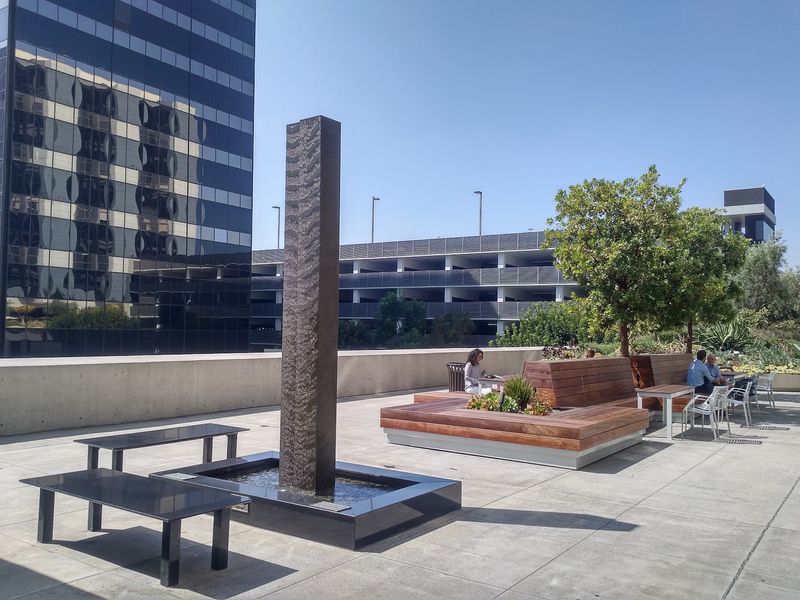
Parking garages are usually gray, loud, and forgettable. At this hospital, two of them got a serious upgrade. The rooftops now hold the Healing Gardens.
The gardens cover about 82,500 square feet around the medical center. That’s bigger than a football field. They feature sculptures and a wide mix of plants.
One section is called the Education Garden. It shows off Mediterranean-climate plants that don’t need much water. That makes a lot of sense in Southern California.
The gardens are part of a bigger water-saving effort across the campus. Together, those efforts save an estimated 28.6 million gallons each year. That’s a lot of water staying out of the drain.
Quick tip for visitors. If you need fresh air between appointments, the gardens offer a calm place to stretch your legs.
A short walk outside can clear your head faster than another vending machine snack.
I have a feeling these gardens leave an impression on plenty of people. It’s clever thinking to turn wasted roof space into something green.
The cars below probably don’t even realize what they’re missing.
Small Comforts That Make A Big Hospital Feel Kinder
Leaving a hospital can feel strangely stressful. Cedars-Sinai planned for that with a Patient Departure Lounge.
It offers recliners and warm blankets while patients get ready to go home. Nursing staff work right there in the lounge. Medications can be delivered too.
That means fewer last-minute scrambles before heading out the door.
Need a furry friend? Patients can schedule visits from therapy dogs through Volunteer Services. Honestly, few things brighten a room faster than a wagging tail.
Spiritual care runs around the clock. Chaplains from many faith traditions are available 24 hours a day. A chapel stays open day and night for patients, visitors, and staff.
Language barriers get attention as well. Certified interpreters cover almost every language, including American Sign Language. In-room TVs offer closed captioning, and TDD tools are available.
A dedicated Patient Experience Team formed in 2016. Its job is improving how patients are treated from arrival to discharge.
These details might seem small on paper. When you’re the one in the hospital gown, they matter a lot.
Patients Come From Far Beyond California
Some families travel across the world for care here. To welcome them, the main campus has an International Lounge. It’s designed for international patients and the people traveling with them.
The lounge offers complimentary coffee and tea. Culturally appropriate amenities help guests feel more at home. Quiet rooms are set aside for meditation and prayer.
You’ll also find newspapers and magazines in many languages. Reading news from home can be a real comfort during a long stay. It’s a thoughtful touch for someone far from familiar streets.
Concierge services help international visitors handle the details. Being in a new country is tough enough. Adding a medical visit on top can feel like a lot to juggle.
Honors back up that welcoming approach. BlackDoctor.org named Cedars-Sinai to its Top Hospitals for Diversity list. Serving people from many backgrounds clearly matters here.
So if you have relatives coming from overseas for treatment, mention this lounge to them. Knowing a calm space waits for them can ease some nerves.
Even a warm cup of tea feels better in good company.
Nurses Here Hold The Highest Honor In Their Field
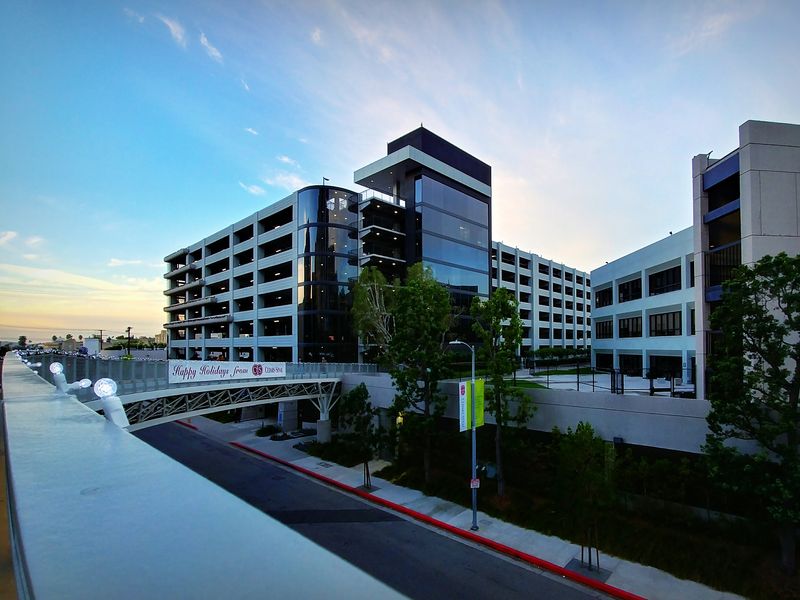
Six times now, the nurses at Cedars-Sinai Medical Center have earned Magnet designation. The award comes from the American Nurses Credentialing Center.
Many consider it the top honor in nursing. Why does that matter to you? Nurses are often the people you see most during a hospital stay.
They check on you, explain things, and notice when something seems off.
Magnet status recognizes hospitals with strong nursing standards. Earning it once takes serious effort. Earning it six times in a row shows steady commitment.
The hospital is also a teaching center. That means it trains future doctors and medical professionals.
Research happens on campus too, including work in the Regenerative Medicine Institute laboratories.
It also operates as a Level I trauma center. That’s the highest level for handling serious injuries. Emergencies in Los Angeles don’t take days off, and neither does this place.
The medical center stays open 24 hours a day, every day of the week. A useful tip for families is simple. Write down your nurse’s name each shift. It makes asking questions much easier.
Finding Your Way Around This Famous Beverly Boulevard Campus
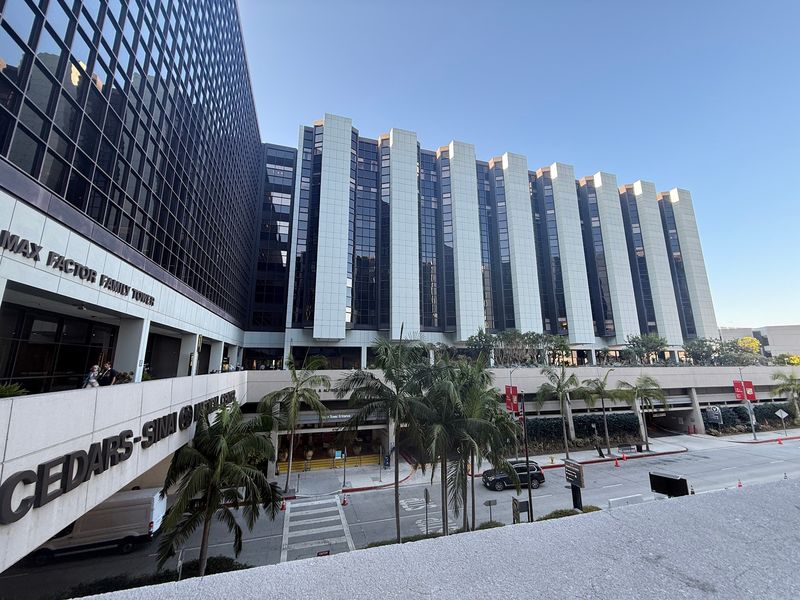
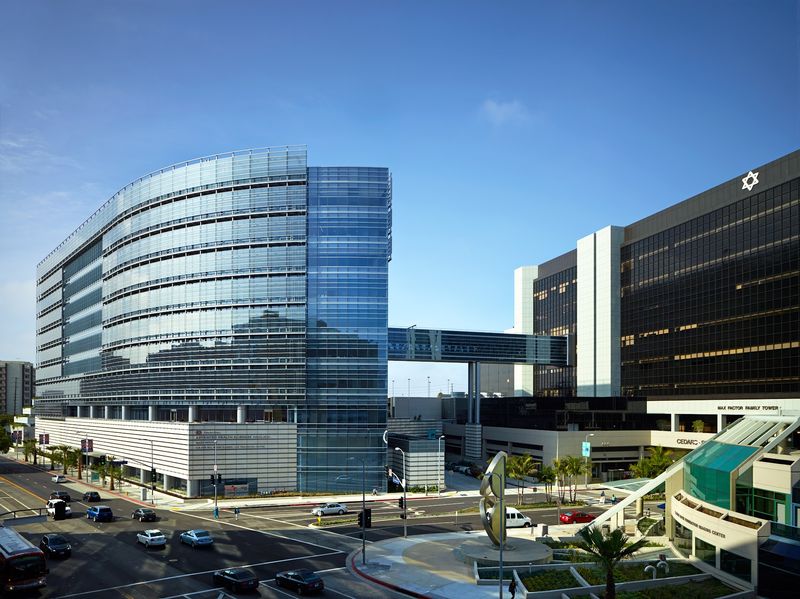
The address is easy to remember once you hear it. Cedars-Sinai Medical Center sits at 8700 Beverly Blvd, Los Angeles, CA 90048. It’s one of the best-known spots on that stretch of road.
The campus is big, so a little planning helps. Snap a photo of where you parked before heading inside. Future you will be grateful after a long day.
Both self-parking and valet are available. Patients get discounted parking on the first and last days of their stay. Every bit of savings counts when you’re juggling a hospital visit.
Pack a phone charger too. Medical visits often run longer than expected. A dead battery is the last thing you need while waiting for updates.
The hospital also reaches beyond its own walls. Its COACH for Kids program brings free medical services to underserved neighborhoods on a mobile clinic.
Care literally rolls out to families who need it.
From a 12-bed start to a tie for No. 1 in California, this place has come a long way. I’d say the garden on the garage roof is the perfect symbol for it.