This California Market Feels Like A Trip To Eastern Europe With Fresh Bread, Homemade Cakes And Hard-To-Find Imports
A good international market can turn grocery shopping into something far more interesting than crossing items off a list.
Half the fun is spotting foods you recognize, then getting distracted by something you have never tried before.
Fresh bread and homemade cakes make that distraction especially easy here.
Add shelves filled with harder-to-find imports, and a quick stop can stretch into a slow browse through flavors that rarely show up in an ordinary supermarket.
One California market can make a grocery basket feel surprisingly well-traveled without anyone needing to reach for a passport.
For shoppers familiar with Eastern European food, certain packages and bakery favorites may bring back memories immediately.
Everyone else gets the pleasure of discovering something new and deciding, mostly on instinct, that it belongs in the cart.
Just How Much Is Packed Inside
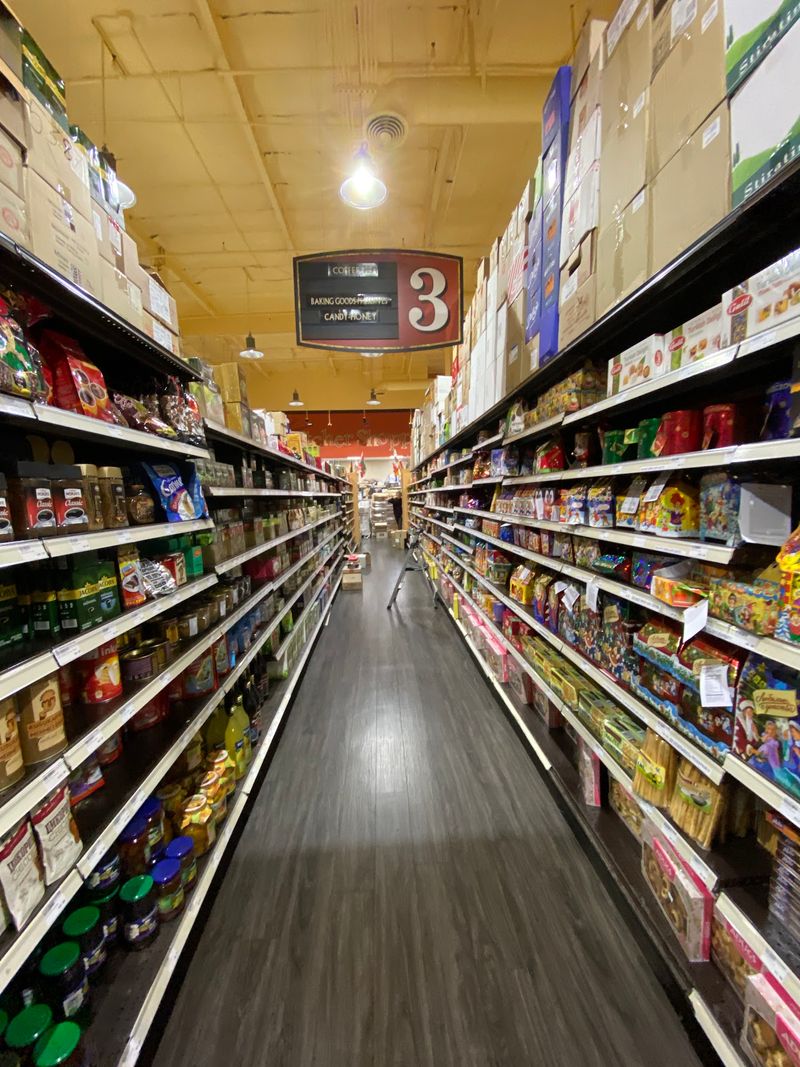
From the parking lot, the building looks like a plain neighborhood grocery store with nothing flashy about it. Step through the doors, though, and the view changes fast.
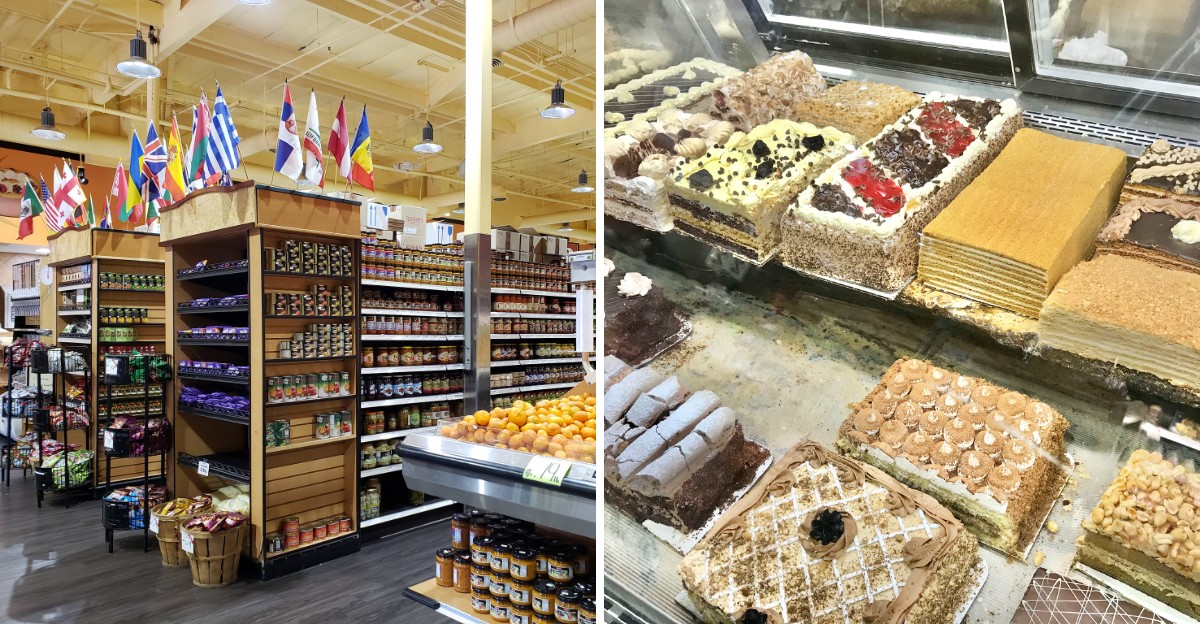
Shelves run close together and stay stocked from top to bottom with jars, boxes, bags and tins that rarely show up in mainstream supermarkets.
Labels in Cyrillic sit next to English ones, and many items carry brands that most American shoppers have never seen. The space is not huge, but it uses nearly every inch.
Shoppers often describe the layout as a small maze, and that feels like a fair way to put it.
Sausages, cakes, frozen dumplings, candy, ice cream, pickled vegetables and fresh produce all compete for attention within a few steps of each other. Turning a corner may reveal a row of something unexpected.
First-time visitors might find it helpful to do one slow lap before grabbing a cart. A quick walk around gives a sense of where the bakery, deli and frozen cases are located.
After that, it becomes much easier to decide what to try first and what to save for a return trip.
European Delicatessen is located on the northern side of Sacramento near Antelope at 4319 Elkhorn Blvd, Sacramento, California 95842.
Eastern European Food Leads The Way
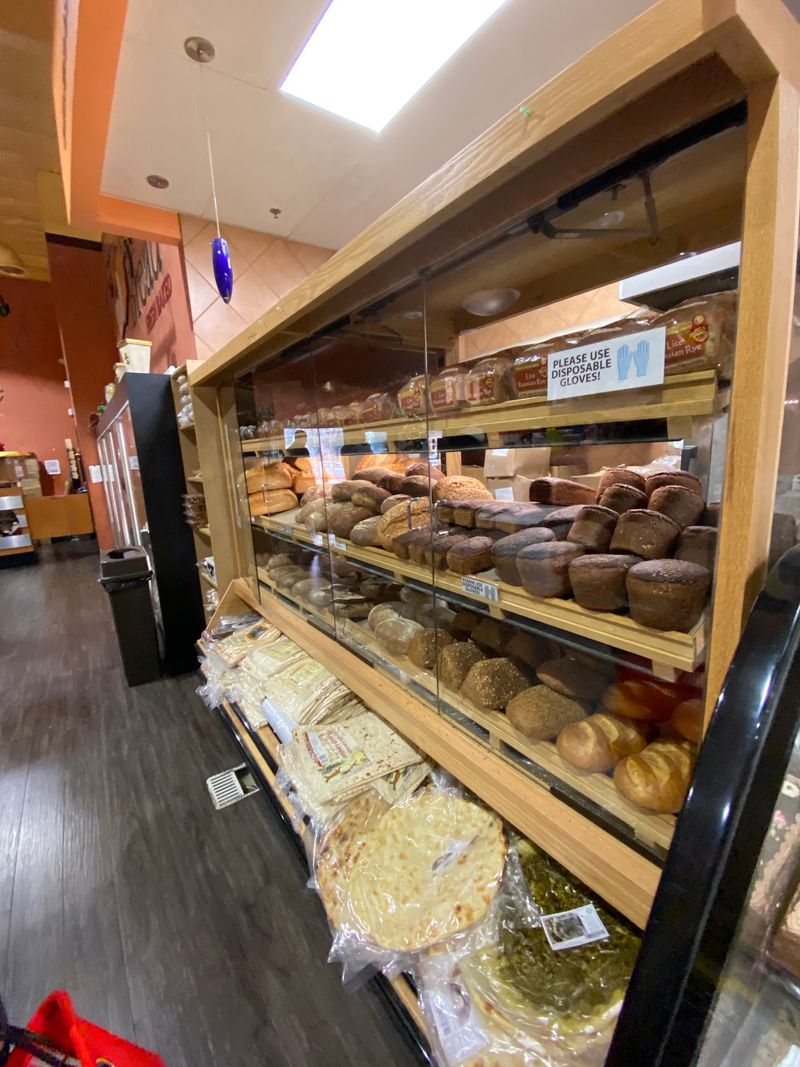
Walk past the first few aisles and the store’s personality becomes clear. The name says European, but the heart of the selection points east, toward Ukraine, Russia and neighboring Slavic countries.
Anyone expecting equal space for every corner of Europe should adjust expectations a little.
Buckwheat, farina, kefir, farmer’s cheese, herring and sauerkraut are the kinds of staples that fill the carts here.
German breads and a handful of other Central European products also appear, which adds some variety. Still, the overall feel leans strongly toward the kitchens of the former Soviet region.
For many families who grew up with these foods, the store works like a taste of home. Many staff members speak Russian and Ukrainian, and conversations in those languages are common at the counters.
English-speaking shoppers get by fine, and asking about an unfamiliar item is a reasonable way to learn something new.
Newcomers to Eastern European food might start with something simple, like a sweet cheese bar from the dairy case or a loaf of dark bread.
Those small purchases offer an easy introduction without a big commitment. Over time, a shopping list here can grow into a whole new way of cooking at home.
Sausage Lovers Get A Section All Their Own
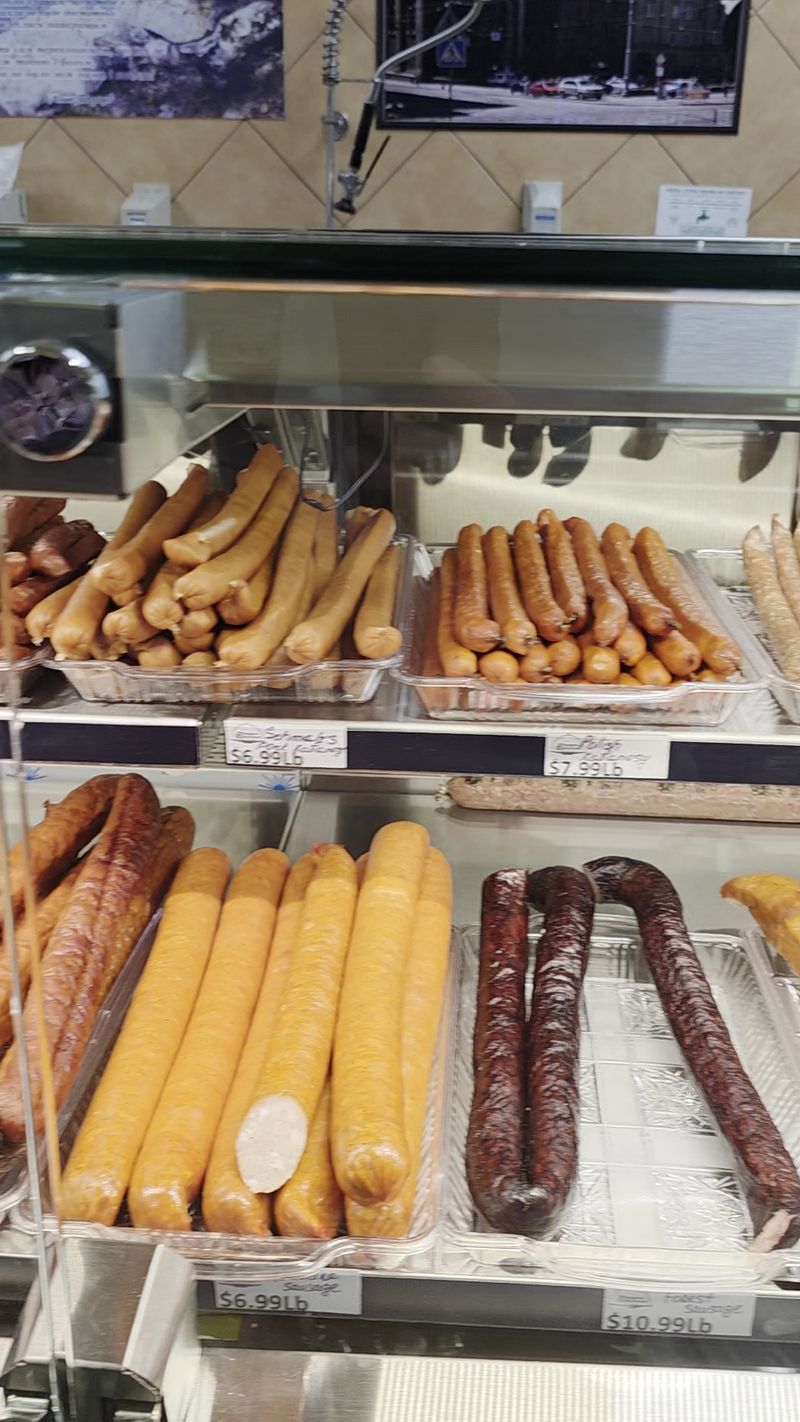
Kovbasa is the Ukrainian word for sausage, and the word fits right in at this store.
Sausage ranks among the products shoppers bring up most often, and the counter backs up that reputation with a long lineup. Smoked, dried and cooked styles may all be available on a given day.
Listings for this California store have mentioned choices such as Hungarian-style salami and German-style bologna alongside Eastern European favorites.
Some sausages come from domestic producers, while others are imported. That mix means the selection may shift from visit to visit.
For newcomers, the sheer number of options can feel like a lot. If slicing by weight is available, asking for a small amount of two or three types beats committing to a whole piece of one.
Thin slices on dark bread with a pickle on the side make a simple way to compare flavors at home.
Sausages baked inside dough are another way to enjoy them, and those can turn up among the hot foods near the deli.
A Full Deli And Meat Counter Anchors The Store
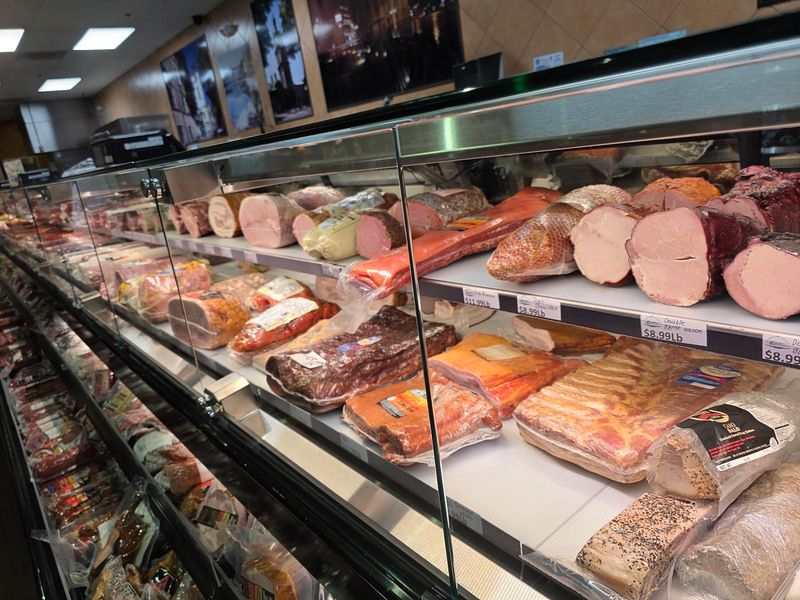
Think of the deli as the engine room of the whole store.
Behind the counter, staff handle sliced meats, cheeses and prepared foods while shoppers wait their turn. Fresh meat is also part of the lineup, so a single stop can cover both dinner plans and snack cravings.
Salami, cold cuts, European meat delicacies and several kinds of cheese are among the items on offer. The case tends to look full, with colors and textures stacked close together.
Browsing it slowly can reveal smoked meats and specialty products that are hard to track down elsewhere.
A practical tip helps here. Fish products are handled through the deli, so shoppers interested in fish should check with the deli line first rather than waiting at a separate counter.
A posted note points customers in that direction, though the process can still confuse first-timers.
Busy times can bring a line, so it helps to have a rough idea of what to order before stepping up. Knowing the approximate weight wanted, such as a quarter or half pound, also makes the exchange quicker.
Pairing a few deli items with fresh bread from nearby shelves creates an easy picnic-style meal.
Napoleon, Tiramisu And More Cake Choices
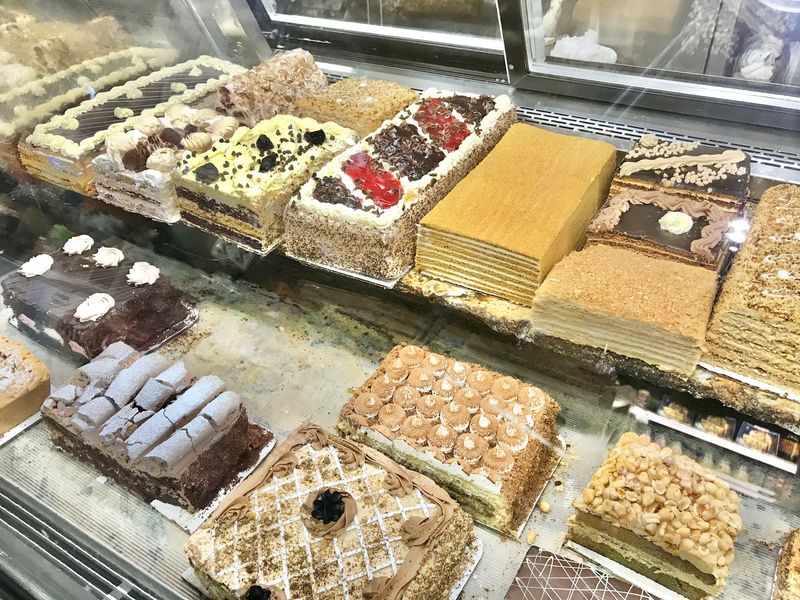
Birthday coming up and no time to bake? The bakery offers more than one route to a celebration.
Napoleon cake and tiramisu are both among the desserts shoppers have found here.
Napoleon is built from many layers of crisp, buttery pastry spread with smooth custard cream.
Crumbs from the pastry are often pressed over the top, giving it a snowy look. The cake is a favorite at family gatherings across the former Soviet region.
Tiramisu brings an Italian twist to the case, with coffee-soaked layers and a creamy topping.
Tastes vary, of course, and some people love these cakes while others prefer a different style. Trying a single slice first is a low-risk way to find a personal favorite.
Kyiv cake, a nutty meringue torte from Ukraine, is another classic that shoppers may want to ask about. Availability of any specific cake can change, so checking the case or calling ahead is the safest plan.
Whole cakes can make the bakery useful for birthdays, holidays and office parties rather than just a quick dessert stop.
Ordering or reserving ahead for a big event may help, though policies are best confirmed directly with the store.
Candy And Sweets Aisles Are Dangerous In The Best Way
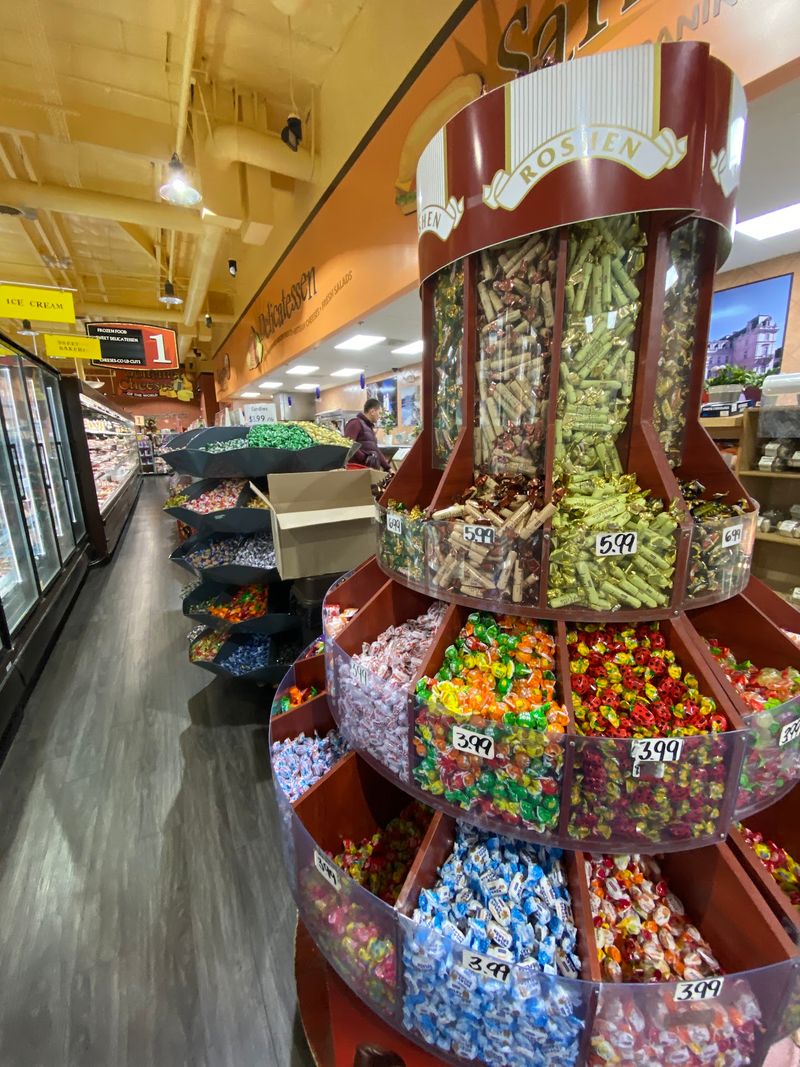
Good luck sticking to a shopping list once the candy aisle comes into view.
Imported candies and sweets are a big part of what makes the store fun to explore. Bright wrappers and unfamiliar brands can turn a quick errand into a treasure hunt.
Chocolates, wafers, cookies and hard candies from Eastern Europe line the shelves.
Sweets from the region often feature flavors such as halva, nuts, prunes or sweetened condensed milk that are less common in American candy.
Trying just one or two pieces of several kinds is a playful way to explore.
Kids might enjoy picking a few treats with colorful wrappers, while adults may recognize candies from childhood. Wrappers in Cyrillic add a little mystery, since the flavor is not always obvious from the outside.
Candy also makes a thoughtful small gift for friends who grew up in the region or enjoy trying international foods.
A small bag of assorted sweets with a loaf of bread feels personal and fun. Pairing sweets with tea is a common custom in many Eastern European homes.
Checking expiration dates is a smart habit with imported packaged foods, since items occasionally sit longer on shelves.
Check Out The Huge Dairy And Ice Cream Selection
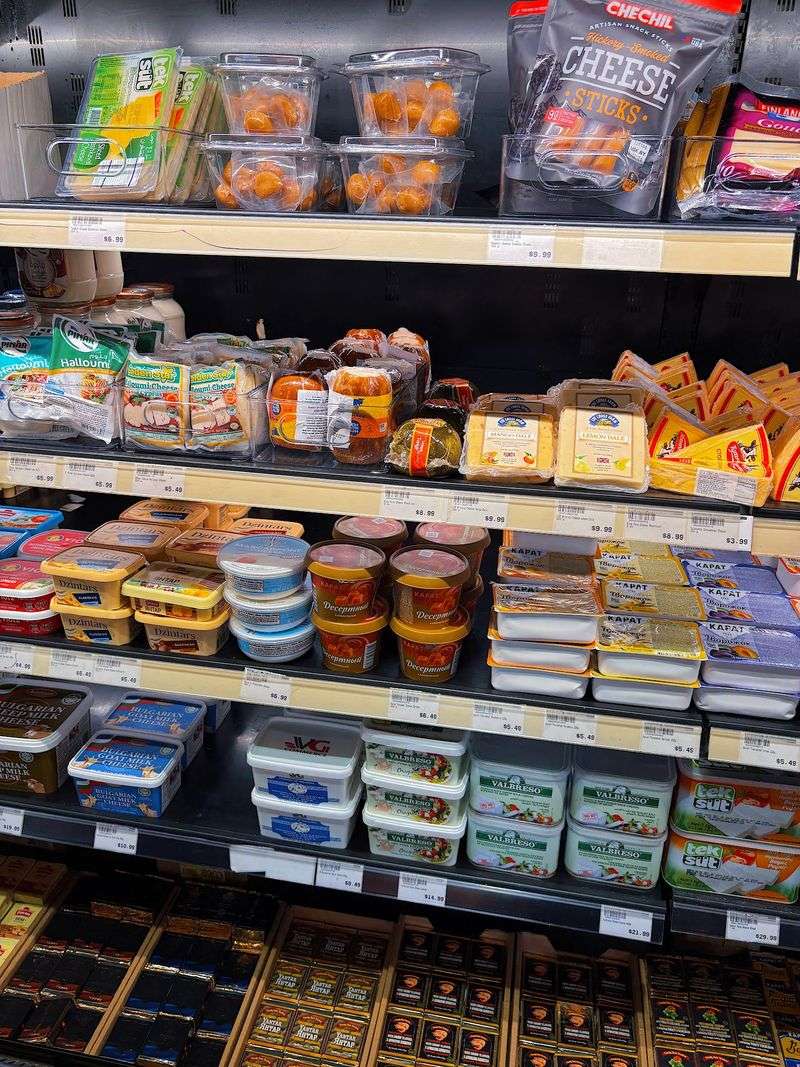
Dairy fans, get ready for a pleasant shock. The dairy and ice cream section has impressed shoppers with a range that feels larger than at many other stores.
Containers, tubs and packages stretch farther than expected in a market of this size.
Kefir, cottage cheese, farmer’s cheese, sour cream and sweet cheese bars are all part of the mix.
Farmer’s cheese, sometimes called tvorog, is a fresh, crumbly cheese used in pancakes, dumplings and breakfast dishes. Many people eat it plain with a little honey or jam.
Kefir is a tangy fermented milk drink that tastes a bit like thin yogurt. It has been popular across Eastern Europe for generations and is often enjoyed with breakfast or before bed.
Trying a small bottle first helps newcomers decide if they like the sour flavor.
The ice cream freezer deserves its own visit. Imported and specialty ice creams come in a range of flavors and styles that differ from standard American brands.
Pickles And Preserved Foods Line The Shelves
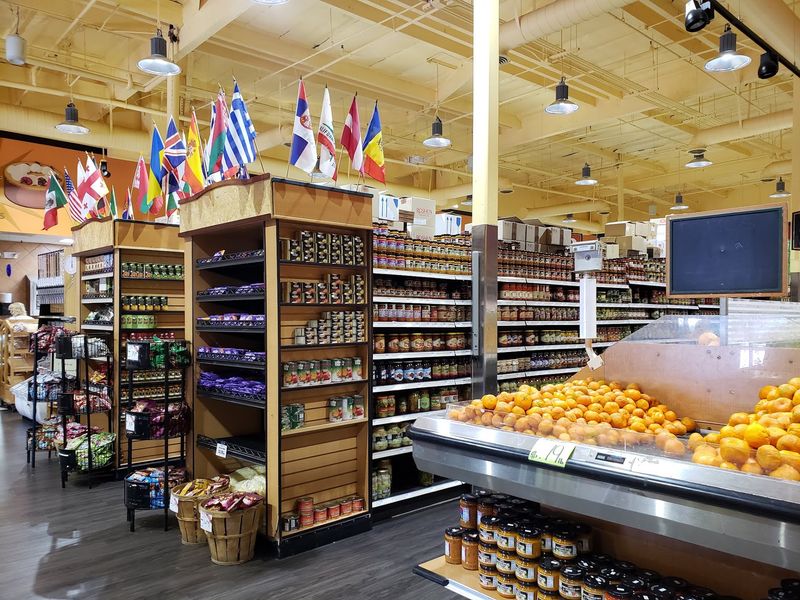
Crunch, tang and a sharp burst of brine define the jarred aisle. Canned and pickled goods are a major part of the store’s Eastern European selection, and the shelves hold far more than standard dill spears.
Pickled vegetables have a long history in the region, where long winters made preserving the summer harvest essential.
Families filled cellars with jars of cucumbers, tomatoes, cabbage and mushrooms to last until spring. Many of today’s jarred products follow those same traditions.
Sauerkraut brings a sour, crisp bite that pairs well with sausages and pork dishes. Pickled cucumbers can be saltier and more garlicky than American versions, depending on the brand.
A good tip is to buy one new jar each visit rather than several at once. That way, it becomes easier to figure out which brands and flavors match personal tastes.
Once opened, pickled foods keep best in the refrigerator with the vegetables fully covered in liquid. A spoonful on the side of almost any meal adds instant brightness.
Open Seven Days A Week
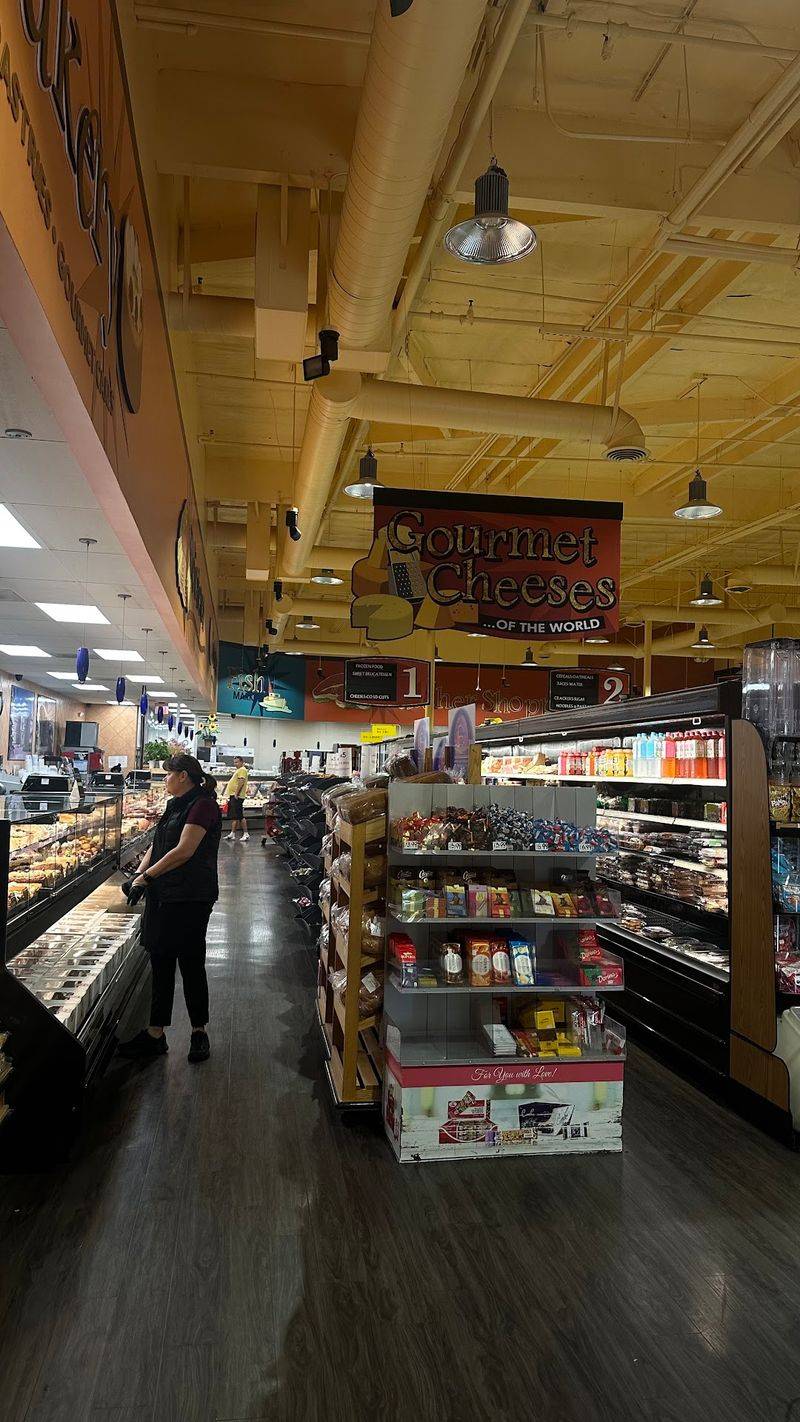
Late cravings for honey cake or pelmeni do not have to wait for the weekend. The store is open seven days a week, which makes it easy to fit a visit into almost any schedule.
Current hours run from 9 a.m. to 10 p.m. Monday through Saturday.
Sunday hours are slightly shorter, from 10 a.m. to 10 p.m.
Holiday schedules may differ, so calling ahead or checking the store’s website is a smart step.
Late evening visits can be handy for people who work during the day. Selection in the bakery and hot food areas may be thinner near closing, however, since popular items sell throughout the day.
Parking is easy to find, which makes quick stops simple. Bringing reusable bags, a cooler for cold items and a flexible shopping list sets up a relaxed trip.
With long hours every day, there is always another chance to come back for the cake that got away.