This California Mountain Hides A Free Crystal Hunt Where Quartz Covers The Ground
Free treasure hunts sound suspicious. Usually, there is a catch. A fee. A long tour.
But sometimes, a mountain like this comes along and makes the whole idea feel wonderfully simple.
Walk the ground. Look closely. Spot the pale flashes. Quartz has a way of making dirt feel suddenly interesting.
California puts the treasure hunt under your boots here, and the entry fee is basically paying attention.
The thrill is not complicated. Nobody has to be an expert. You just need patience and shoes that can handle rough ground.
The best part is how quickly the search changes the mood. A normal hike becomes a scavenger hunt.
One small crystal becomes the reason everyone starts looking harder.
The Ground Sparkles Before You Even Start Digging
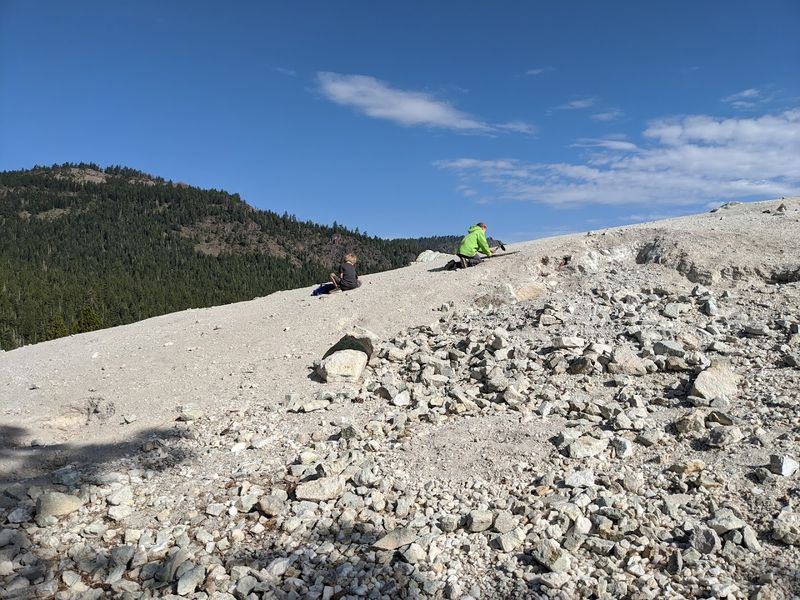
Walking up to Crystal Peak Mine for the first time can feel genuinely disorienting in the best possible way.
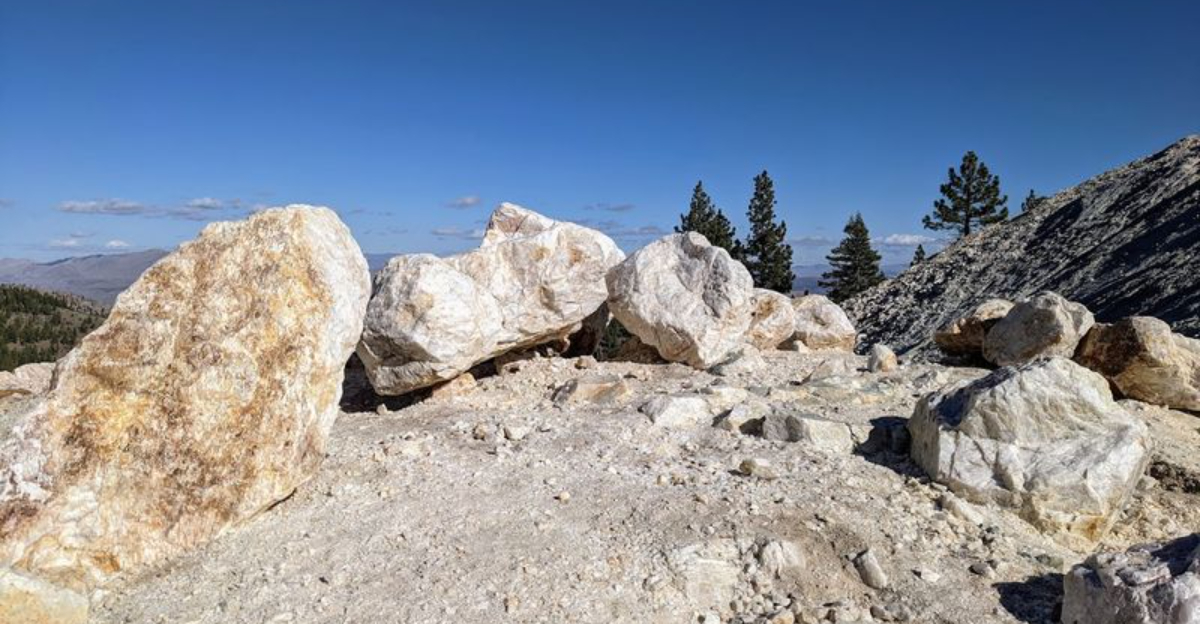
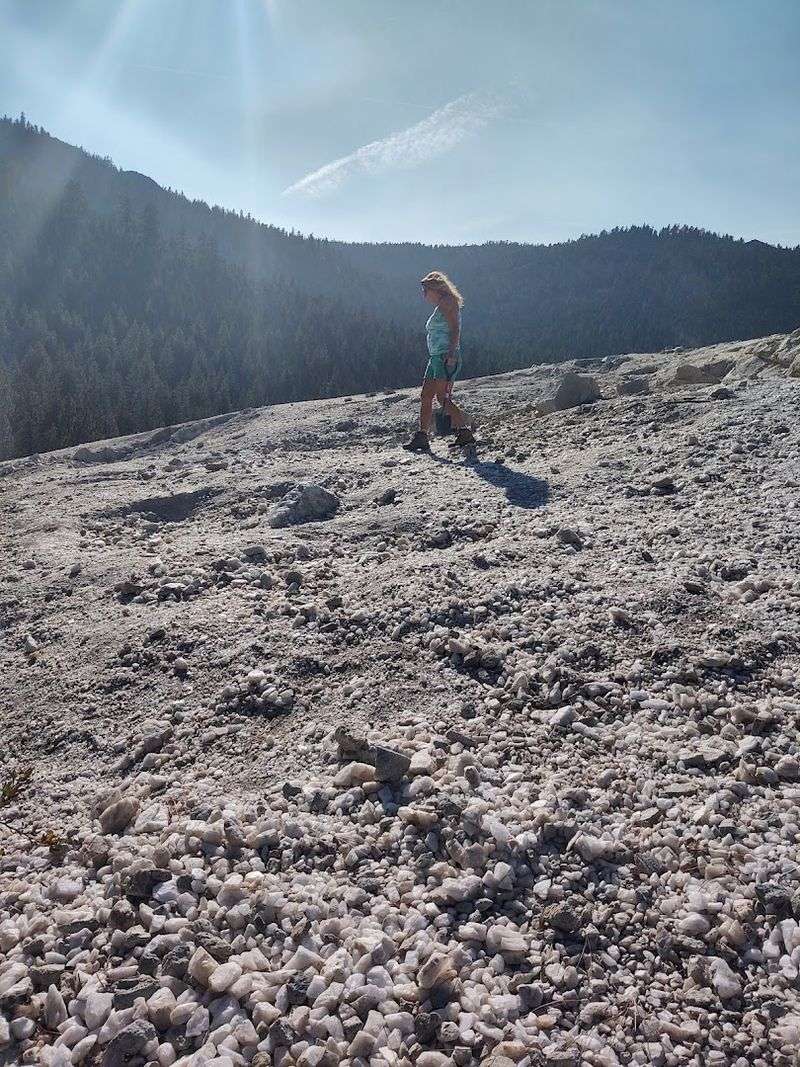
The ground catches light at odd angles, and it takes a moment to register that what you are seeing is quartz scattered openly across the surface. No digging required for the first finds.
The site sits in the southern part of the Bald Mountain Range, and the volcanic activity that happened roughly 24 million years ago left behind a landscape seeded with quartz crystals in remarkable concentrations.
Clear quartz is the most common find, but smoky quartz and amethyst-tinted pieces also turn up with some regularity.
Occasional specimens containing gold specks or rutile inclusions have also been found by patient hunters.
Surface hunting is a great way to start the visit before reaching for any tools. Moving slowly and scanning the ground carefully tends to reveal more than rushing across the area.
The experience feels more like a treasure scavenger hunt than a typical hike, and the mountain setting adds a quiet, wide-open backdrop that makes even a modest crystal find feel rewarding.
Public Land Means No Entry Fee And No Permission Slip
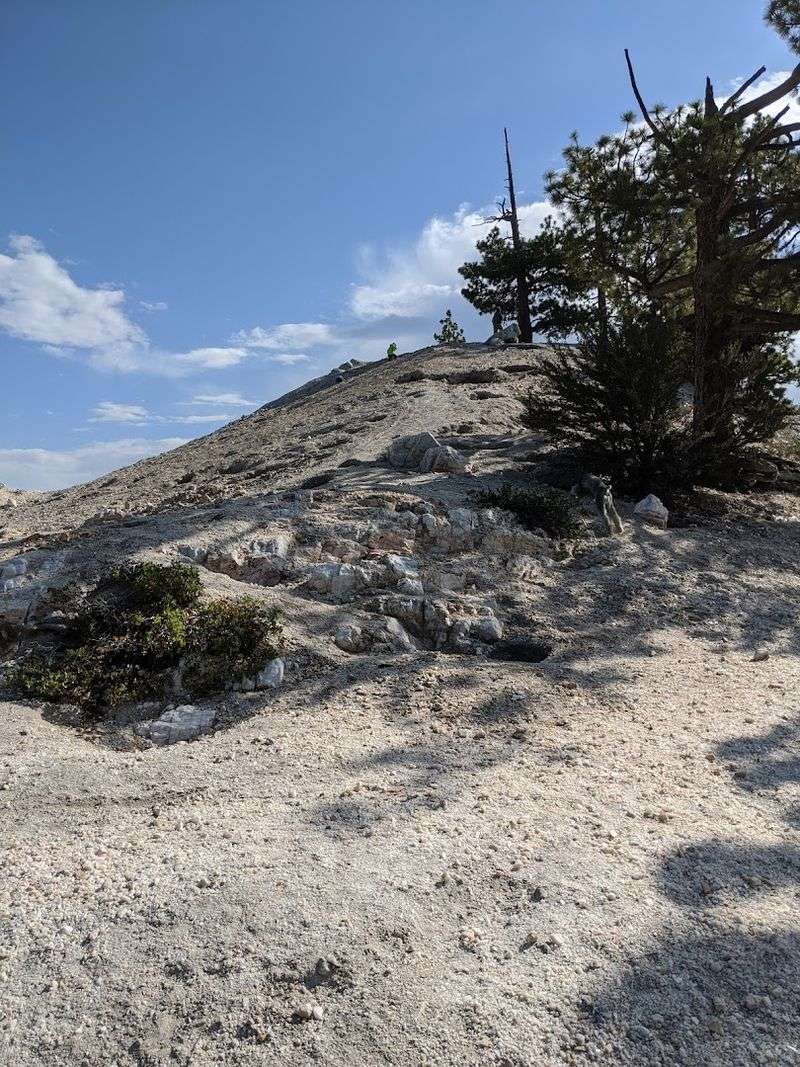
One of the most appealing facts about California’s Crystal Peak Mine is that the land is managed by the U.S. Forest Service, which means the public can access it without paying an entrance fee or obtaining a special permit.
That kind of open access is genuinely rare for a site that produces collectible minerals.
Public land managed by the Forest Service operates under rules that allow recreational mineral collecting, which is the category crystal hunting falls under when done casually and within the posted limits.
The absence of a gate, ticket booth, or ranger station at the site gives the visit a free-range quality that feels refreshingly unstructured compared to a staffed park.
Knowing the land is public also takes away any uncertainty about whether visitors are trespassing or entering private mining claims.
Checking in with the local Forest Service office before the trip is always a reasonable idea, especially to confirm that road conditions and access rules have not changed seasonally.
The Tahoe National Forest office covers much of this area and can provide current guidance on road status and any temporary closures that might affect the visit.
Quartz Is the Real Prize Here, Not Hidden Gemstones
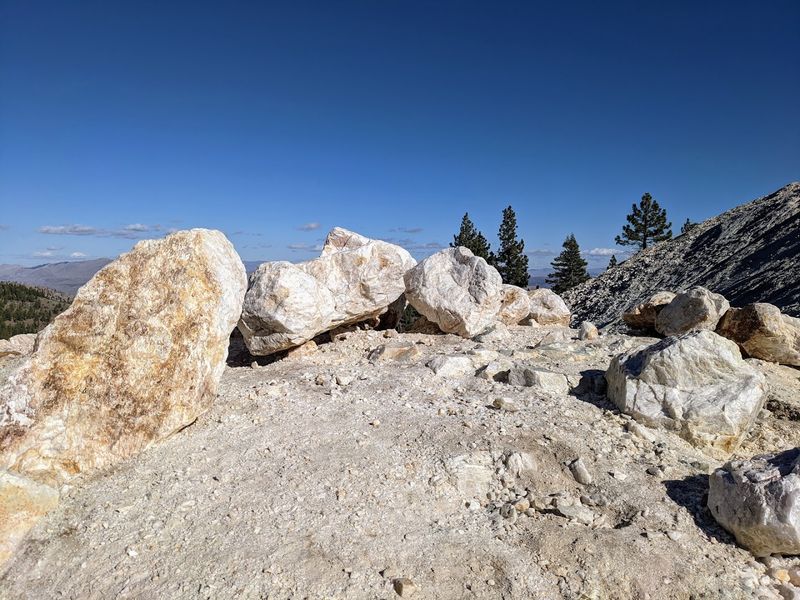
Keeping expectations honest makes the visit more enjoyable rather than less. Crystal Peak Mine produces quartz, and quartz alone deserves credit for being genuinely beautiful and worth collecting.
Expecting diamonds, rubies, or rare colored gemstones would lead to disappointment, but expecting quartz leads to real satisfaction.
Clear quartz is the dominant find, and many pieces come out of the ground with well-defined points and transparent clarity.
Smoky quartz adds variety with its warm brown tones, while amethyst-tinted specimens offer a subtle purple hue that catches light in a soft and appealing way.
Rutilated quartz and pieces with visible gold-colored specks also appear occasionally for collectors who search patiently.
Quartz has genuine value in the mineral-collecting world, and a well-formed clear quartz point from a self-collected site carries a different kind of meaning than one purchased at a rock shop.
The crystals from this location have a real geological story behind them, tied to volcanic events millions of years ago.
Approaching the hunt with appreciation for quartz on its own terms turns the experience into something genuinely memorable rather than a letdown.
A Collection Limit Keeps The Site Sustainable
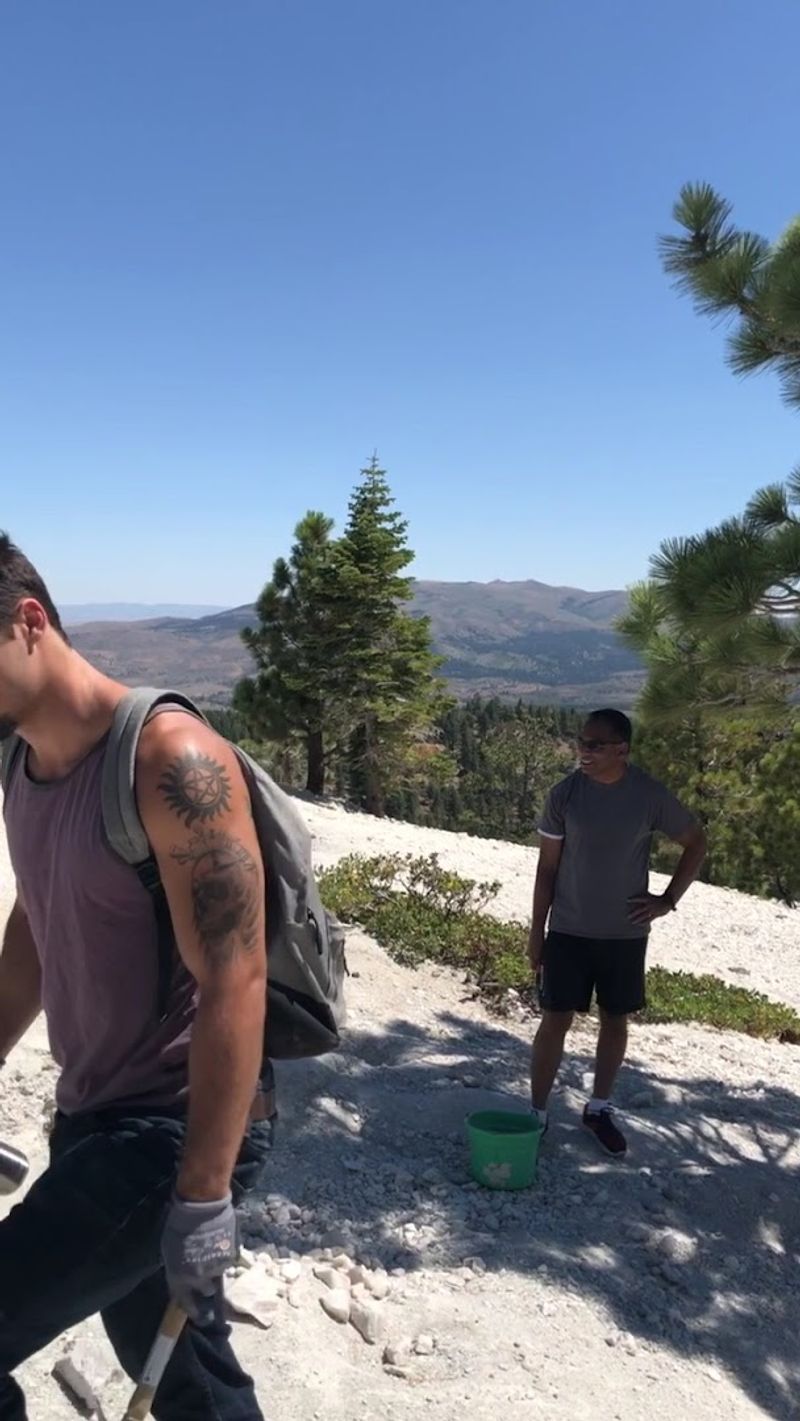
Crystal hunting at Crystal Peak Mine comes with a clear and reasonable rule: collectors are permitted to gather a maximum of one five-gallon bucket of crystals per vehicle or family per week.
That limit exists to protect the site and keep it productive for future visitors, and it is worth taking seriously.
A five-gallon bucket sounds modest, but quartz crystals are dense and the bucket fills up faster than expected.
Most casual visitors will not come close to hitting the limit during a single outing, especially if they are focused on quality over quantity.
Selecting the best specimens rather than scooping indiscriminately tends to produce a more satisfying collection anyway.
Respecting the limit is part of what keeps public mineral sites like this one accessible over time.
Sites that get over-collected or damaged by careless visitors can lose their open status entirely, which benefits no one.
Packing out only what fits within the allowed amount, leaving the landscape as undisturbed as possible, and not digging in ways that destabilize the hillside all contribute to keeping Crystal Peak Mine available for the next group of curious rock hunters.
The Right Tools Make The Hunt More Productive
Surface crystals at Crystal Peak Mine can be picked up by hand, but bringing a few simple tools opens up more possibilities and makes the visit more productive overall.
A gardening trowel is probably the most versatile single tool for the job, useful for scraping loose material and exposing crystals just below the surface layer.
A hand rake helps move debris without damaging fragile crystal points, while a small hammer and chisel allow for more deliberate work around matrix rock where crystals are still partially embedded.
A short-handled shovel is useful for moving larger amounts of loose soil or gravel in areas where the ground has already been disturbed by previous hunting activity.
Gloves protect hands from sharp edges and rough rock surfaces throughout the session.
Packing the tools in a daypack along with water, snacks, and sun protection keeps everything manageable on the walk from the vehicle to the active collecting area.
Sunscreen matters more than many visitors expect because the open mountain terrain offers less shade than a forested trail.
A small container or zippered bag for keeping the best specimens separate from rough material makes sorting easier at the end of the visit and protects finer pieces during the drive home.
The Drive Out There Is Its Own Kind Of Adventure
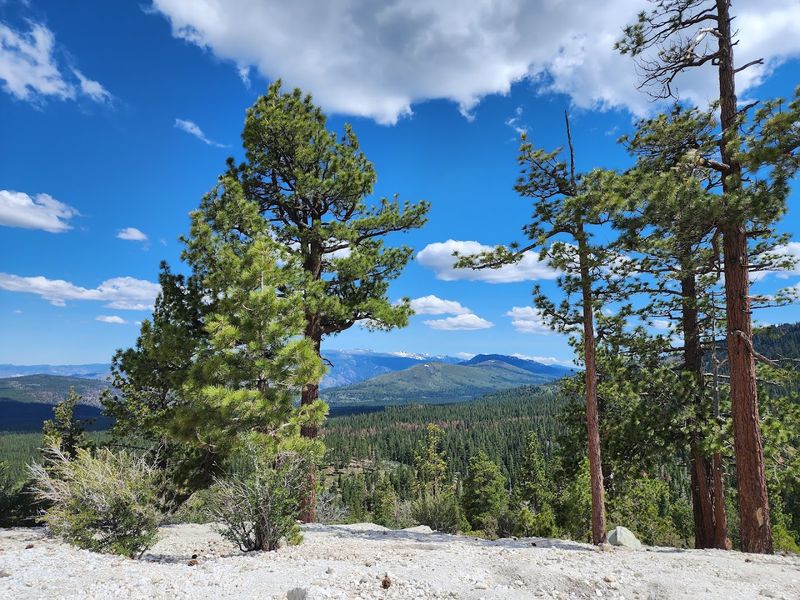
Getting to California’s Crystal Peak Mine requires navigating dirt forest roads that are often poorly marked and slow-going.
Dog Valley Road and Long Valley Road, also listed as Forest Road 033, make up the primary access route, and neither one is a smooth or casual drive. The journey out is part of the full experience.
A high-clearance vehicle is strongly recommended, and four-wheel drive capability makes a meaningful difference on the steeper and rougher sections.
The roads can be difficult to follow without advance preparation, so downloading an offline map or using a GPS track specifically for the mine approach tends to prevent wrong turns that waste significant time.
Printed directions from a reliable source are also worth having as a backup.
The slow pace of the drive through remote mountain terrain actually works in favor of the overall experience.
The landscape around the approach roads is quiet, forested, and genuinely scenic in a way that rewards attention.
Arriving at the mine after navigating an unmarked dirt road through the mountains makes the crystal-covered ground feel earned in a satisfying way.
Budget extra time for the drive both in and out to avoid feeling rushed at the site itself.
Dry Weather Is Not Just A Preference, It Is A Requirement
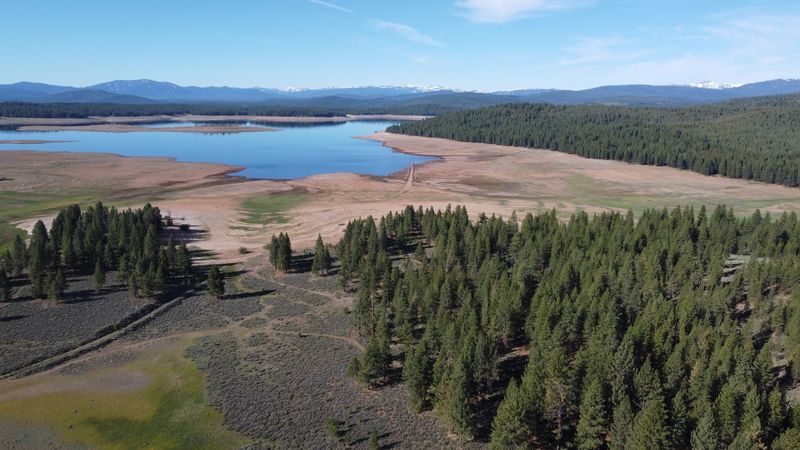
The access roads to Crystal Peak Mine can become genuinely impassable during winter or after significant rain.
Snow, mud, and ice on steep unpaved sections create conditions that even four-wheel drive vehicles struggle with, and getting stuck on a remote forest road far from cell service is a serious situation.
Planning the visit for late spring through early fall gives the best chance of finding the roads in reasonable condition.
Even within that window, checking recent weather for the Sierra Nevada foothills and the Verdi area before heading out is a smart habit.
A storm that passed through two or three days earlier can leave road surfaces soft and slick long after skies clear.
The elevation of the site means conditions can differ significantly from what the weather looks like in Reno or Truckee on the same day.
Arriving at the trailhead to find snow or deep mud with no way to turn around safely is a preventable problem with a little advance checking.
The Forest Service district office or online road condition resources for Tahoe National Forest can provide current updates that make the timing decision much easier and safer for everyone in the vehicle.
Beginners Are Completely Welcome at This Site
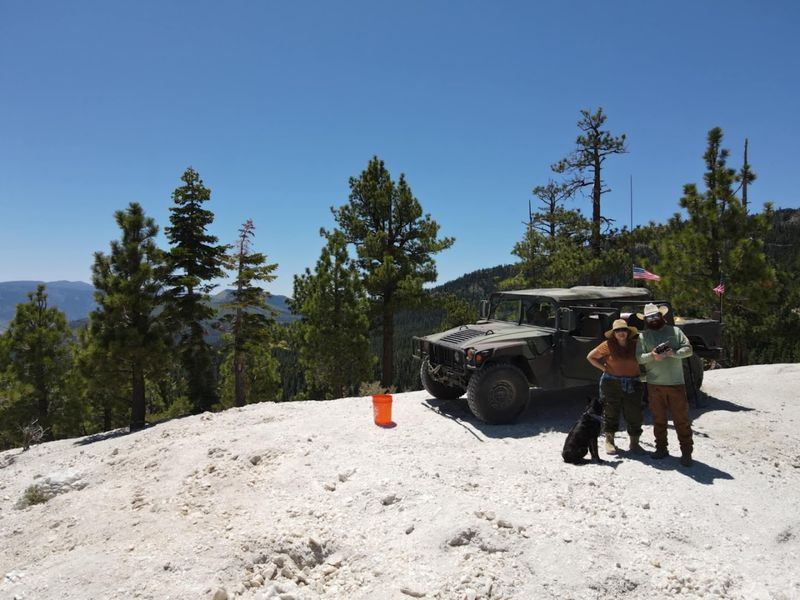
Crystal Peak Mine does not require any specialized knowledge or professional rockhounding experience to enjoy.
Sturdy shoes, a pair of work gloves, a water bottle, and some patience are genuinely enough to have a productive and satisfying visit. The surface crystals alone offer plenty for first-timers to work with.
Children tend to respond to the site with real enthusiasm because the hunt feels immediate and tangible.
Finding a quartz crystal that catches sunlight and slipping it into a pocket delivers a specific kind of satisfaction that is hard to replicate at a more curated attraction.
The open terrain and low-stakes atmosphere make the site comfortable for families who have never done any kind of mineral collecting before.
For those who want to try light digging, basic tools like a gardening trowel, a hand rake, or a small hammer and chisel can expose fresh specimens just below the surface layer.
None of those tools require special training to use safely and effectively.
Starting at the surface and working down gradually as comfort and curiosity grow is a natural progression that keeps the experience fun rather than overwhelming for anyone visiting the site for the very first time.