This California Museum Is A Must-Visit For Harley-Davidson Fans This Spring
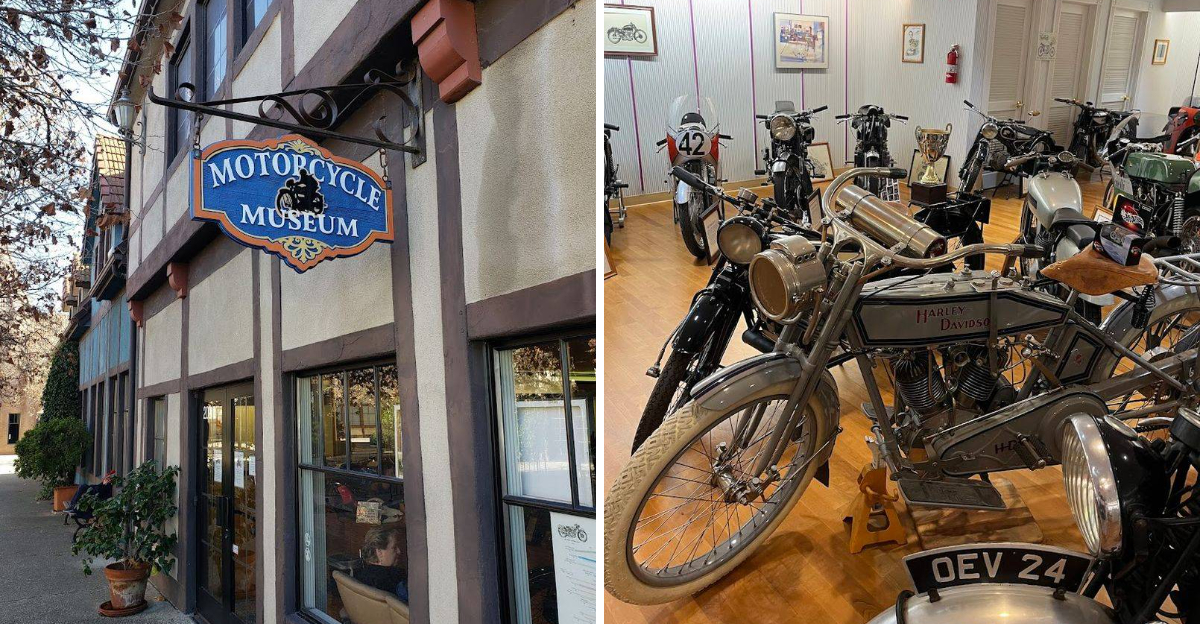
Engines built decades ago still have a way of turning heads. Chrome catches the light. Old leather seats show the marks of miles already traveled. Every machine carries a story that started long before it ever reached a museum floor.
A quiet stop in California gives visitors the chance to step into that history. Rows of beautifully preserved motorcycles sit just a few feet away, each one representing a different moment in the evolution of riding culture.
Some bikes are instantly recognizable. Others feel like rare discoveries that most people have never seen in person.
The collection lives inside the Solvang Vintage Motorcycle Museum, tucked within the Danish-style village of Solvang.
Riders, collectors, and curious travelers regularly make the trip to see machines from Harley-Davidson alongside rare European and Japanese models that helped shape the world of motorcycling.
Spring adds an extra layer of appeal. Wildflowers brighten the Santa Ynez Valley, scenic roads wind through rolling hills, and the ride into town becomes part of the experience itself.
For anyone who appreciates classic machines – or simply enjoys discovering places with real character – this small museum tends to leave a surprisingly big impression.
A Collection That Covers Over a Century of Motorcycle History
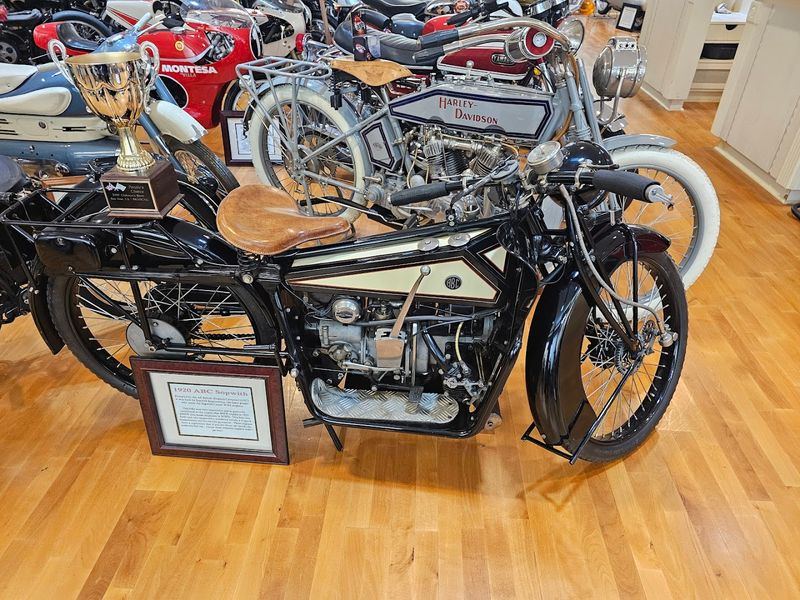
Walking into the Solvang Vintage Motorcycle Museum at 320 Alisal Rd, Solvang, CA 93463 feels less like entering a typical exhibit hall and more like stepping into someone’s very personal love letter to motorcycling.
The collection spans machines built from 1910 all the way through to more recent decades, giving visitors a rare chance to trace the full arc of how motorcycles evolved over more than a century.
Over 100 motorcycles fill the floor at any given time, each one representing a different chapter in engineering history.
The sheer range of eras on display means that visitors of nearly any background can find something that connects with them, whether they grew up riding or are simply drawn to the craftsmanship of older machines.
What makes the experience feel grounded is how close visitors can get to each bike.
There are no glass cases or roped-off zones keeping people at a distance, so the texture of aged leather seats and the detail of hand-built frames are all within arm’s reach.
For anyone who appreciates mechanical history, the depth of this collection in California is genuinely hard to match.
Rotating Exhibits Keep Every Visit Fresh
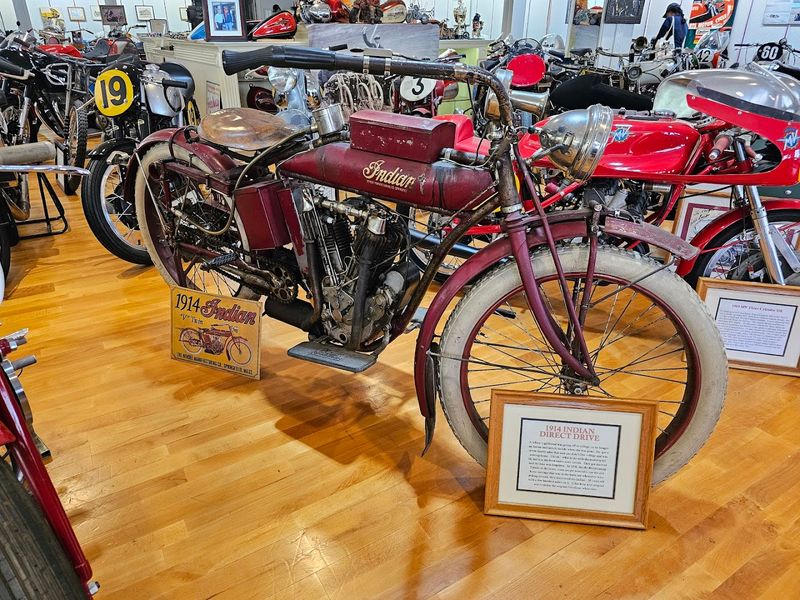
One of the quieter strengths of the Solvang Vintage Motorcycle Museum is a detail that many first-time visitors only discover after their trip: the collection rotates frequently.
Some of the motorcycles on the floor are swapped out on a regular basis, which means a visit in March could look noticeably different from one in May.
For enthusiasts who live within driving distance of Solvang, this rotation makes the museum worth returning to more than once.
Repeat visitors often report spotting bikes they had never seen before, even after multiple trips, because the curation stays active rather than static.
Spring tends to be a particularly good season to plan a visit, since the roads through the Santa Ynez Valley are at their most pleasant and the museum benefits from the increased foot traffic that the season brings.
The rotation policy also reflects a deeper philosophy behind the collection: this is not a place meant to feel frozen in time but rather one that stays alive and evolving.
For Harley-Davidson fans specifically, checking ahead to see what is currently on display could make the timing of a visit even more rewarding.
European Racing Machines Take Center Stage
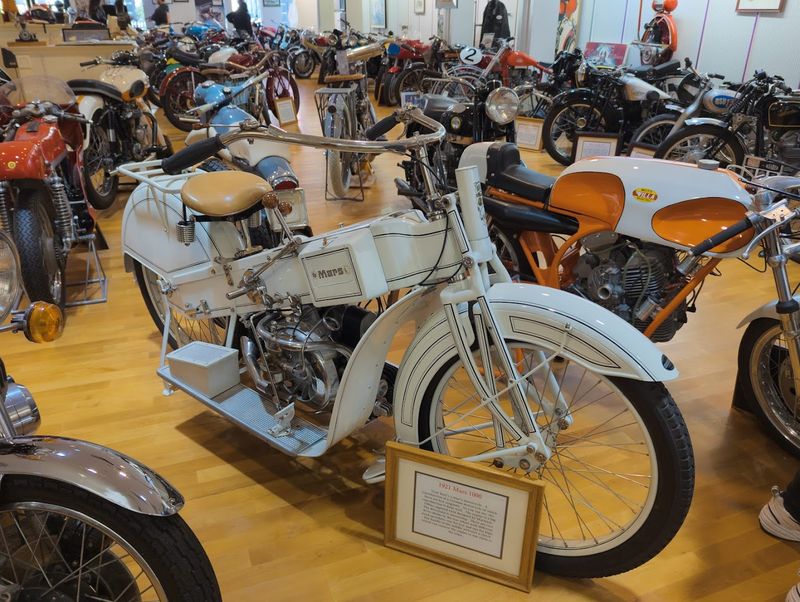
The museum’s strongest identity comes from its emphasis on European racing motorcycles, and that focus is apparent from the moment visitors step inside.
Brands like Norton, Triumph, Ducati, Vincent, Moto Guzzi, MV Agusta, Velocette, AJS, Matchless, Gilera, and BMW all appear in the collection, representing some of the most storied names in motorcycle racing history.
Many of these machines competed at the highest levels of European road racing during the mid-twentieth century, and seeing them in person carries a weight that photographs simply cannot replicate.
The proportions, the hand-formed bodywork, and the mechanical ingenuity of these older race bikes tell a story about an era when engineering and courage were equally required to win.
For visitors who primarily associate motorcycling with American brands, the European racing section of the museum can be a genuine eye-opener.
The variety of approaches to engine design, frame geometry, and overall layout across these different manufacturers is striking.
Even casual observers tend to slow down when moving through this part of the collection, drawn in by the visual drama of machines that were built not for comfort but purely for speed on some of the most demanding circuits in the world.
Harley-Davidson Models Make An Appearance
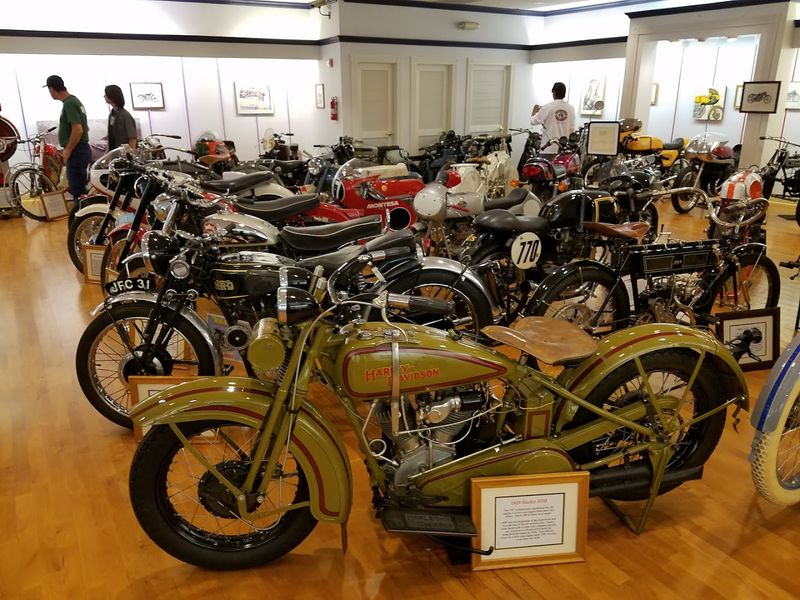
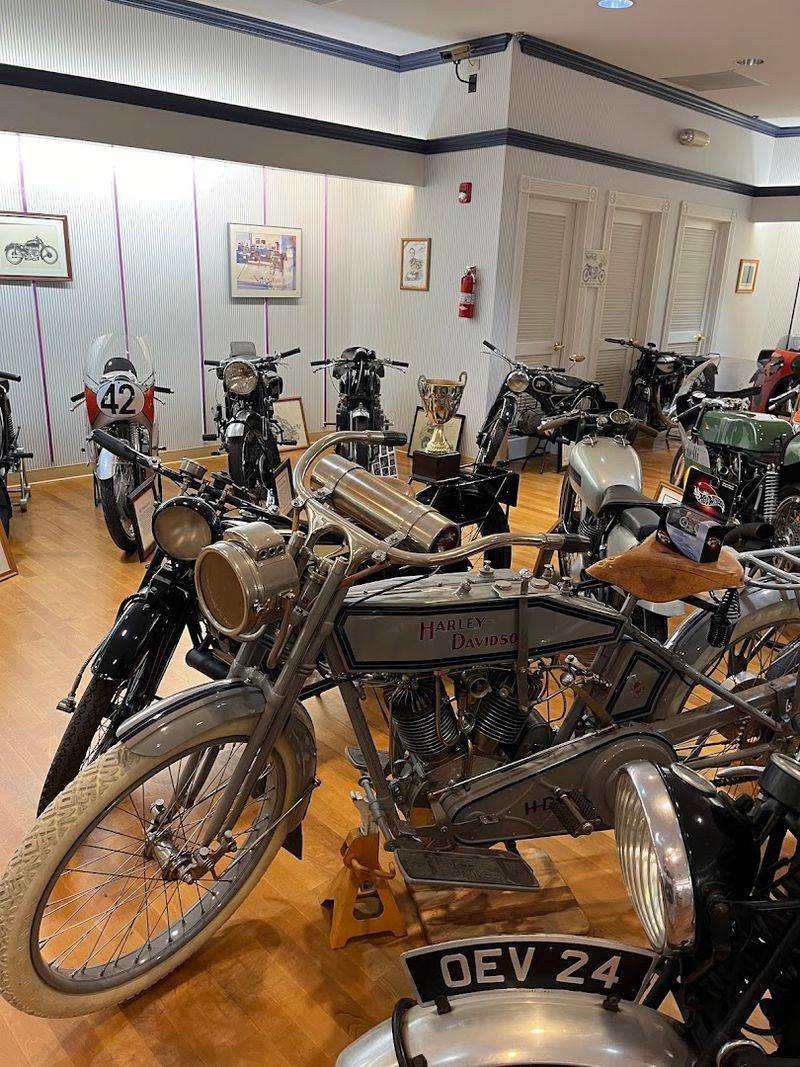
Harley-Davidson fans traveling to Solvang specifically for the museum will find that the brand does appear in the collection, though it shares the floor with a wide range of other manufacturers.
The museum’s primary curatorial focus leans toward European and Japanese motorcycles, so Harley-Davidson models tend to appear as featured highlights rather than as the dominant theme of the space.
That context actually works in the brand’s favor in an interesting way.
Seeing a Harley-Davidson placed alongside a Vincent Black Shadow or a Gilera racing machine from the same era allows visitors to appreciate how different engineering philosophies developed in parallel across different parts of the world.
The contrast adds depth to the understanding of what made each brand distinct.
For dedicated Harley fans, it may be worth checking the museum’s current rotation before visiting to get a sense of what American models are on the floor at any given time.
The museum at 320 Alisal Road in Solvang, California, does not publish a fixed permanent list of displayed bikes, since the rotating nature of the collection means the lineup can shift.
Reaching out through the museum’s website at motosolvang.com before a trip could help set accurate expectations.
No Barriers Between Visitors And The Bikes
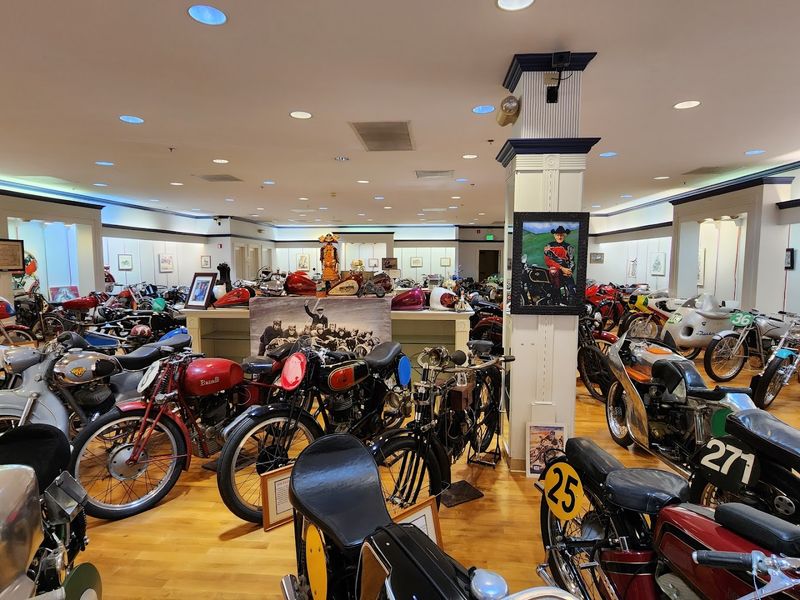
Most motorcycle museums keep their prized machines behind ropes, glass, or low barriers that remind visitors to keep their distance.
The Solvang Vintage Motorcycle Museum takes a noticeably different approach, allowing guests to walk right up to the bikes and view them from inches away.
That proximity changes the experience in meaningful ways.
The smell of aged rubber and old oil, the sight of hairline cracks in vintage paint, and the visual detail of hand-stamped engine cases all become part of the visit in a way that distant viewing simply cannot offer.
Visitors who appreciate craftsmanship tend to find this open-floor layout particularly satisfying because the machines are presented with a kind of trust and respect rather than treated as fragile objects to be protected from human curiosity.
The intimacy of the layout also makes the space feel more like a private collection than a formal institution, which aligns with the museum’s origins as a personal passion project.
Families with older children who are curious about mechanics often find the format especially engaging because the bikes feel accessible and real rather than remote and untouchable.
The overall atmosphere is relaxed and unhurried, which encourages visitors to linger and look carefully.
Weekend Hours Make It A Perfect Day Trip
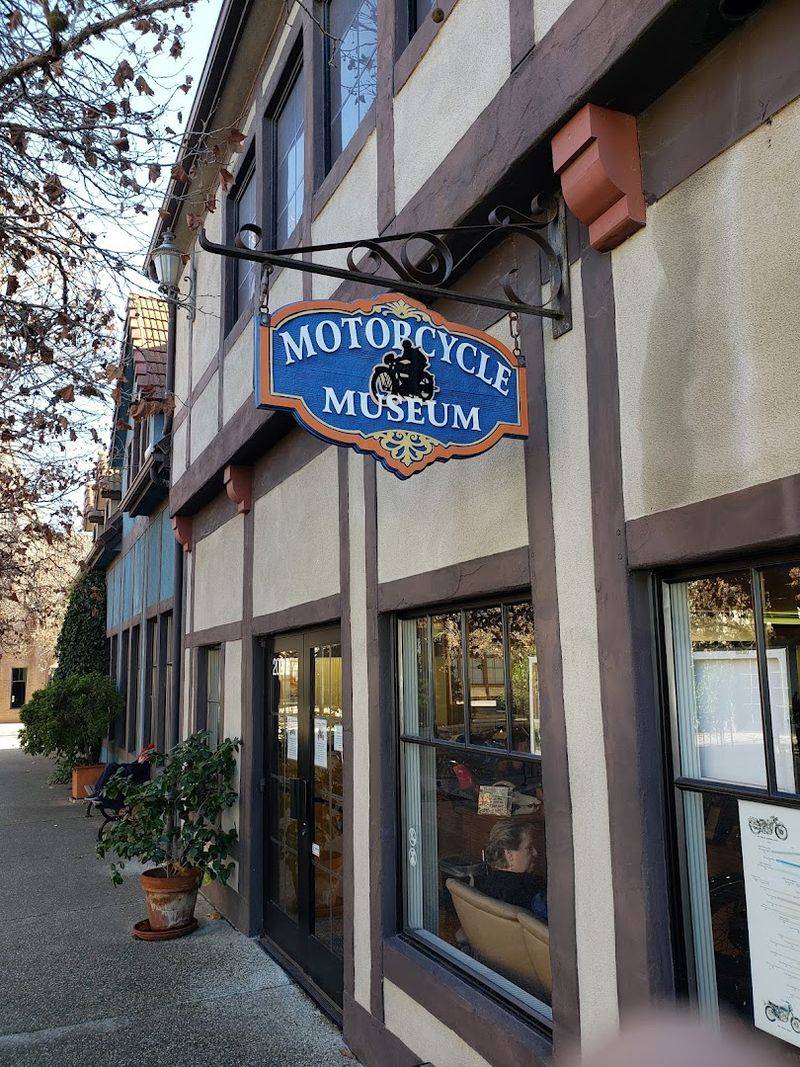
The museum keeps weekend hours from 10:00 AM to 4:00 PM, which makes it a natural anchor for a Saturday or Sunday day trip through the Santa Ynez Valley.
Visitors coming from Los Angeles or Santa Barbara typically find the drive manageable, with the route offering its own scenic rewards along the way.
Arriving closer to opening time on a weekend morning tends to mean a quieter experience on the floor, with more room to move between the bikes and more opportunity to take in each machine at a relaxed pace.
By midday the space can get busier, particularly on weekends during spring when Solvang itself draws more visitors to its Danish-themed shops and bakeries along the main street.
Planning the museum visit as the first stop of the day and then spending the afternoon exploring the rest of Solvang is a practical approach that many visitors find works well.
The town has a walkable layout and enough variety to fill several hours comfortably.
Since the museum does not appear to be open on weekdays based on available information, confirming current hours directly through motosolvang.com before making the drive is a sensible step.
Admission Is Affordable For The Whole Family
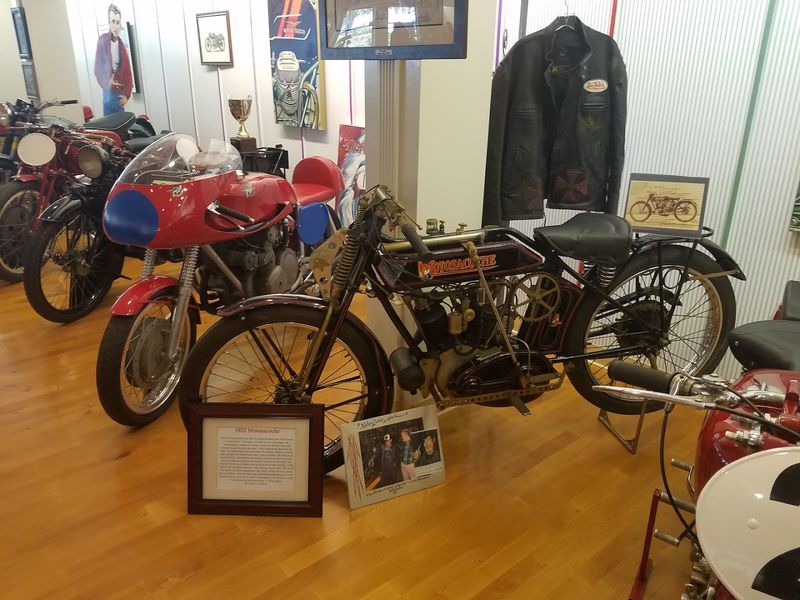
At ten dollars per person with cash only as the accepted payment method, the Solvang Vintage Motorcycle Museum keeps its entry price well within reach for most visitors.
Children ten years old and under get in free when accompanied by a guardian, which makes the museum a genuinely family-friendly stop without the financial pressure that larger attractions can carry.
The cash-only policy is worth knowing about before arriving, since Solvang does have ATMs available nearby if someone forgets to prepare.
Factoring in the admission cost alongside the broader day trip budget for fuel and food in town still tends to make the overall outing quite reasonable compared to larger California museums and attractions.
For motorcycle enthusiasts who have spent money on gear, events, and travel over the years, the admission price at this museum feels almost surprisingly modest given the quality and rarity of what is on display inside.
The value is not just in the number of bikes but in the access level and the intimacy of the experience.
Groups of friends traveling together on bikes often find that the museum makes for a satisfying cultural stop that adds meaning to a ride through the Central Coast region of California.
The Museum Sits In The Heart Of Solvang
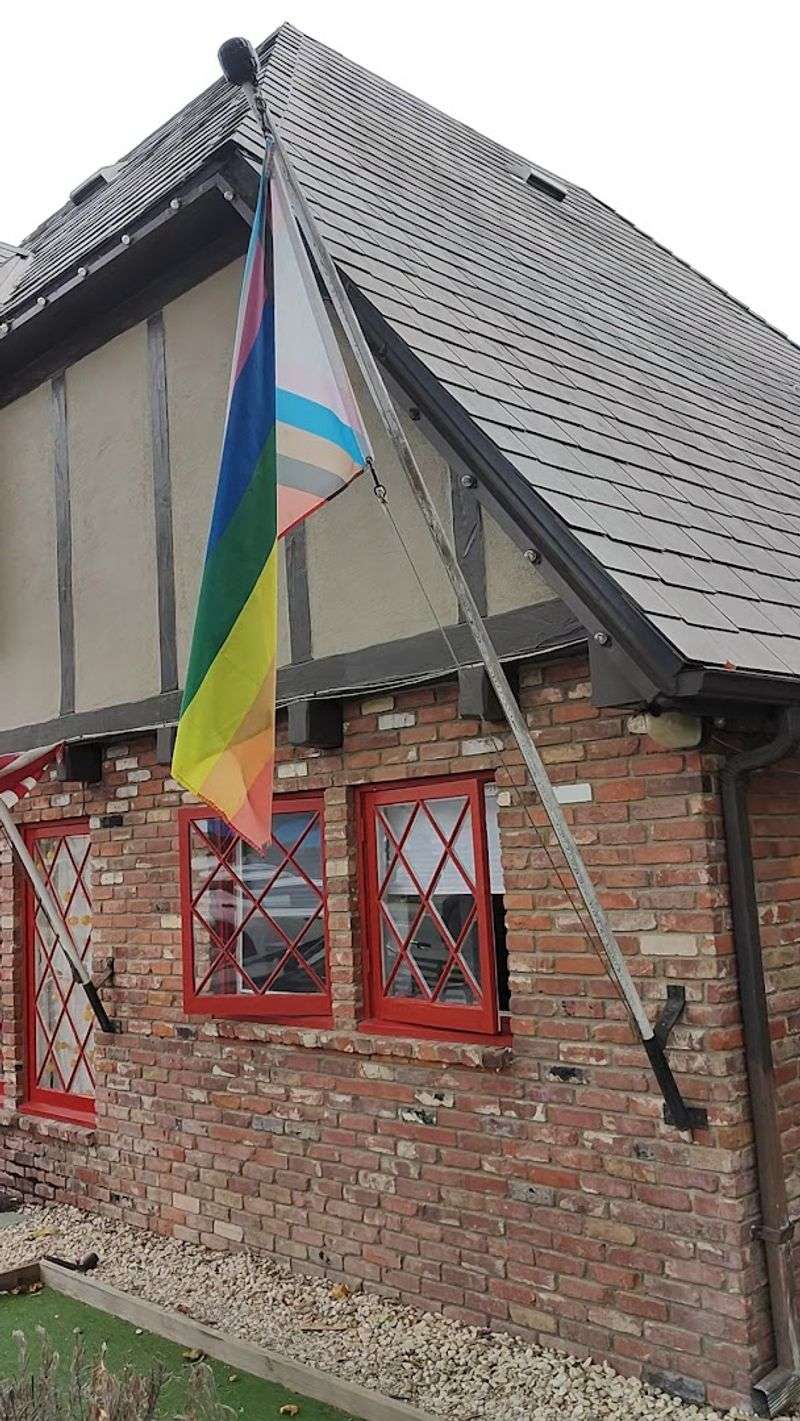
Finding the museum is straightforward because it sits right in Solvang, a compact and walkable village in the Santa Ynez Valley that is easy to navigate on foot or by bike.
The venue is located at 320 Alisal Road, Solvang, California 93463, placing it within comfortable reach of the town’s main commercial strip and several local restaurants.
Solvang itself has a distinctive visual character rooted in its Danish heritage, with half-timbered facades, windmills, and cobblestone details giving the town a storybook quality that stands apart from most California destinations.
The combination of a world-class motorcycle collection and a charming village setting makes the overall outing feel layered in a way that purely urban museum visits rarely achieve.
For riders arriving on motorcycles, the roads leading into Solvang through the Santa Ynez Valley offer some genuinely enjoyable curves and open stretches, particularly along Highway 246 and the surrounding routes.
Parking in Solvang is generally available without major difficulty, especially on weekday-adjacent mornings.
The museum’s central location within the village means visitors can easily walk to coffee or lunch before or after spending time with the collection, making the logistics of a full day there feel relaxed rather than rushed.
The Collection Belongs To A Retired Physicist
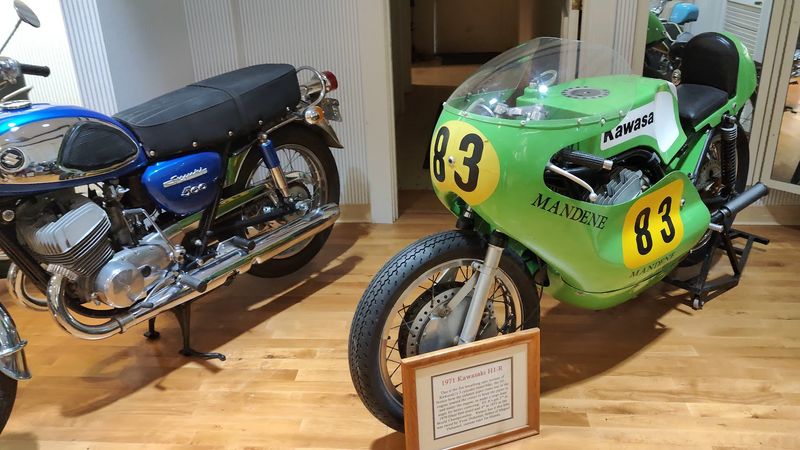
Behind every great collection is a person with a story, and the Solvang Vintage Motorcycle Museum is no exception.
The bikes on display belong to Dr. Virgil Elings, a retired physicist who built his career in science before channeling the same analytical curiosity into collecting and racing motorcycles over more than two decades.
Dr. Elings is not simply a passive collector who buys machines and stores them away.
His background in physics and his hands-on involvement in motorcycle racing give the collection a depth of knowledge that is reflected in how the bikes are presented and maintained.
The museum grew out of a genuine personal passion rather than a commercial venture, and that origin shapes the atmosphere of the space in ways that are easy to feel even without knowing the backstory.
Learning about the collector behind the collection adds a layer of meaning to the visit that transforms a simple museum trip into something more personal.
Knowing that each machine was chosen by someone who understands the engineering and has personally experienced the thrill of riding and racing makes the display feel curated with real intention.
The human story behind the Solvang Vintage Motorcycle Museum is one of the details that keeps visitors talking about it long after they leave California.
Dozens Of Iconic Motorcycle Brands Under One Roof
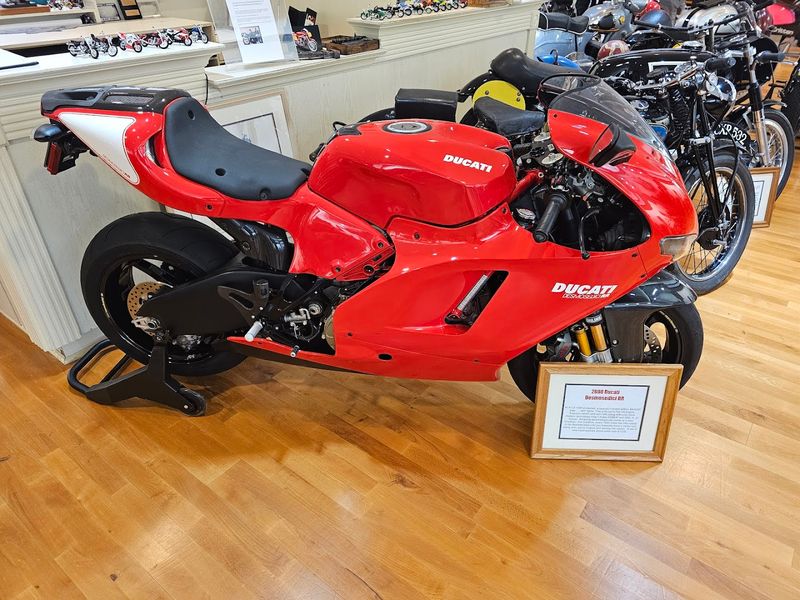
Beyond the European racing focus, the museum brings together motorcycles from an impressively wide range of manufacturers, offering visitors a kind of condensed survey of global motorcycle culture across multiple decades.
Japanese brands appear alongside British classics and Italian racing machines, creating a display that covers the full spectrum of how different countries approached the challenge of building the ideal motorcycle.
For visitors who grew up with a specific brand loyalty, seeing familiar names placed in context alongside competitors from other eras and countries can shift perspective in unexpected ways.
The design differences between a mid-century British single and a 1970s Japanese twin, for example, reveal just how many different solutions engineers found to essentially the same mechanical problem.
The breadth of the collection also means that groups of visitors with different backgrounds tend to find common ground on the museum floor, which gives the space a social energy that solo-brand museums sometimes lack.
Friends who ride different types of bikes can each find something that connects to their own experience while also discovering machines they had never encountered before.
That cross-brand range is part of what makes the Solvang Vintage Motorcycle Museum a destination rather than simply a local curiosity within California’s Central Coast region.
Educational Displays Add Context To Every Bike
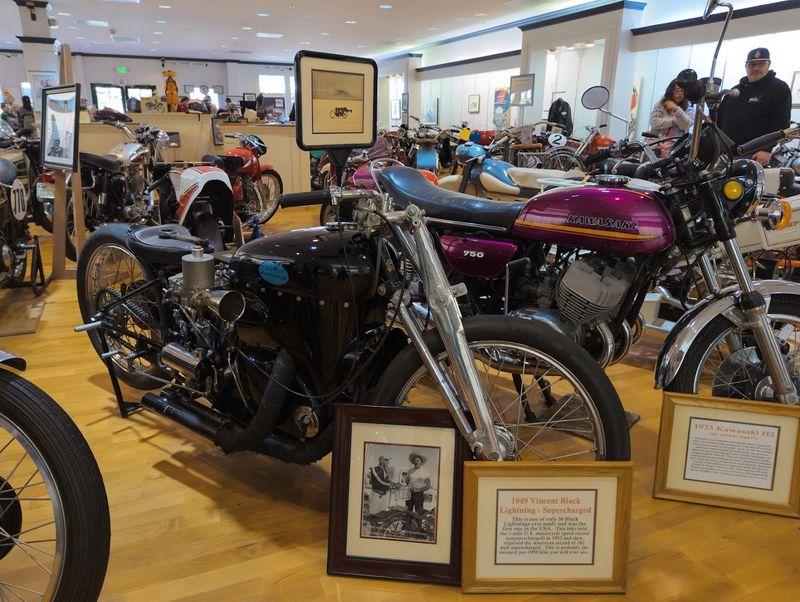
Spending time in the museum is not just a visual experience because informative displays accompany the motorcycles and help visitors understand what they are looking at.
Details about each bike’s history, technical specifications, and racing or road background give context that transforms a row of old machines into something genuinely educational.
For visitors who are not already deep into motorcycle history, these explanatory materials serve as an accessible entry point that keeps the experience from feeling overwhelming or exclusive.
Someone with no prior knowledge of vintage bikes can still leave the museum with a real sense of how the industry developed and why certain machines became legendary while others faded from memory.
Younger visitors and students tend to respond well to the combination of physical access and written explanation, since being able to stand next to a real machine while reading about its history creates a kind of learning that classroom settings rarely replicate.
The educational layer of the museum also means that a single visit can yield different takeaways depending on how much time a visitor chooses to spend reading versus simply observing.
Spring school groups and family visitors during the season often find the museum’s educational approach a welcome contrast to the more passive experience of larger California institutions.
Special Events Bring The Motorcycle Community Together
The museum occasionally hosts special events and gatherings that draw the motorcycle community together in and around the Solvang space.
These events vary in format and frequency, so checking the museum’s website at motosolvang.com for current programming is the most reliable way to find out what might be happening during a planned visit.
Community events at smaller specialized museums like this one tend to carry a different energy than large commercial motorcycle rallies.
The scale is more intimate, the conversations are more specific, and the shared interest in vintage machines creates a natural common ground among attendees that makes meeting other enthusiasts feel easy and unforced.
Spring is often when community activity around motorcycle culture picks up across California as the riding season gains momentum and more people are planning trips and gatherings.
Timing a visit to the Solvang Vintage Motorcycle Museum around one of its special events could add a social dimension to the trip that a standard weekend visit might not offer.
For Harley-Davidson fans who enjoy connecting with other riders who share an appreciation for motorcycle history, these community moments at the museum represent one of its less-publicized but genuinely rewarding aspects.
The museum’s location in Solvang also makes it a natural meeting point for group rides through the Santa Ynez Valley.