This California Nonprofit Arts-And-Crafts Thrift Store Turns Scraps Into A Treasure Hunt
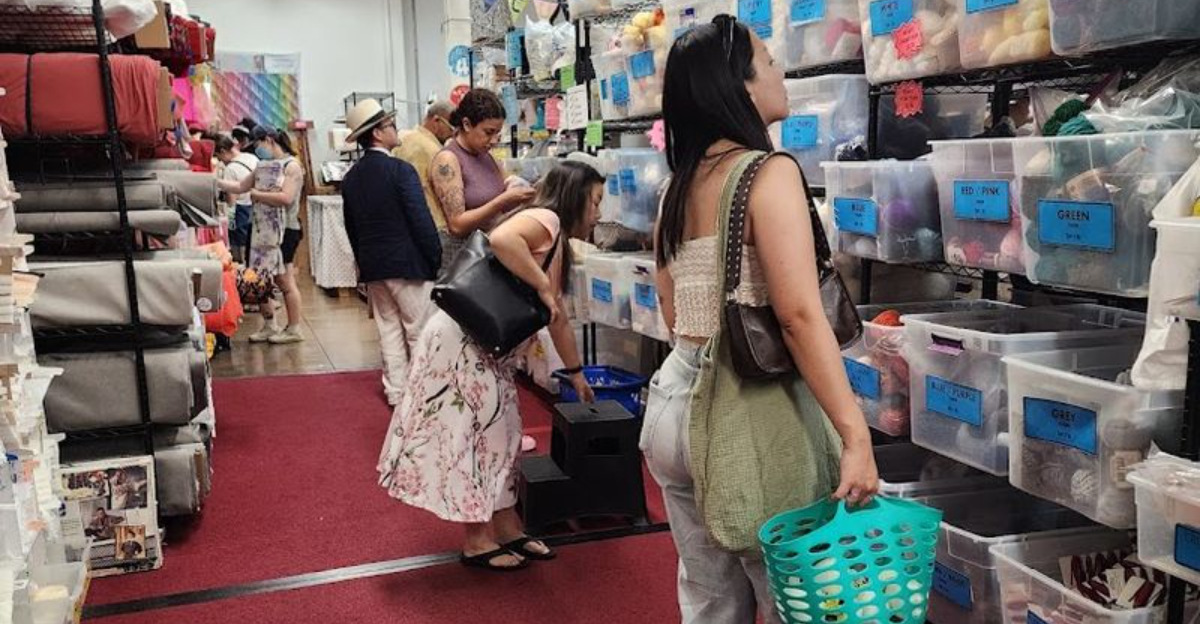
Most thrift stores make you hunt for clothes, dishes, or furniture.
This one hands you a box of odd little possibilities and lets your imagination start making questionable decisions.
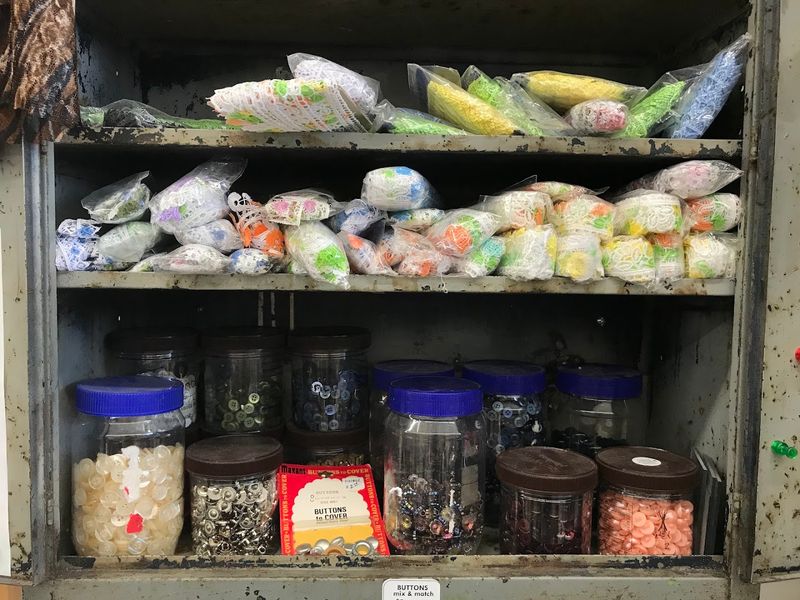
A drawer of buttons? Useful. A stack of fabric samples? Dangerous, in the best way of course.
A bin full of corks, ribbon, paper scraps, yarn, beads, and mystery craft leftovers?
Now the brain is suddenly designing three projects nobody asked for.
This is the kind of shop where “I’m just browsing” collapses almost immediately. California gets wonderfully weird when thrifting meets art class.
Instead of polished aisles and predictable supplies, the store turns rescued materials into a hands-on scavenger hunt for artists and crafters.
The nonprofit mission gives the browsing more purpose, but the real spark is how playful the place feels.
The Store Feels Like Goodwill For Craft People
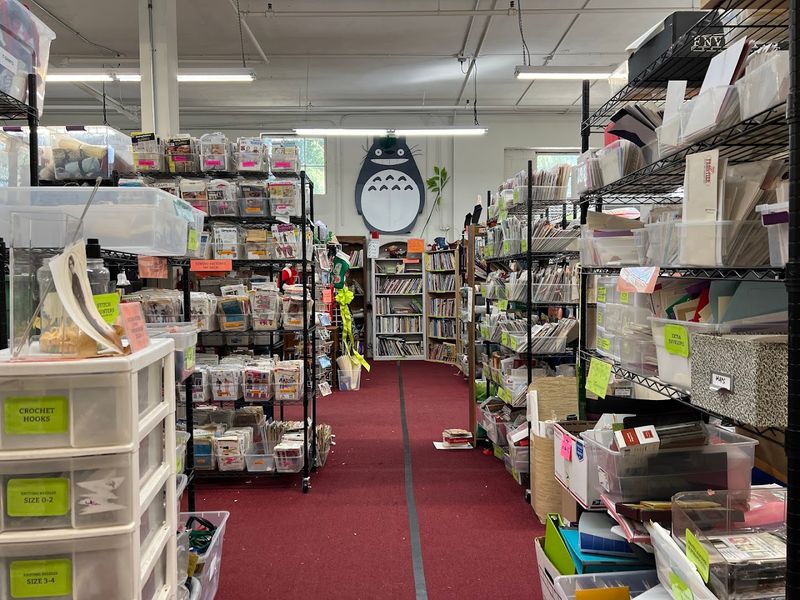
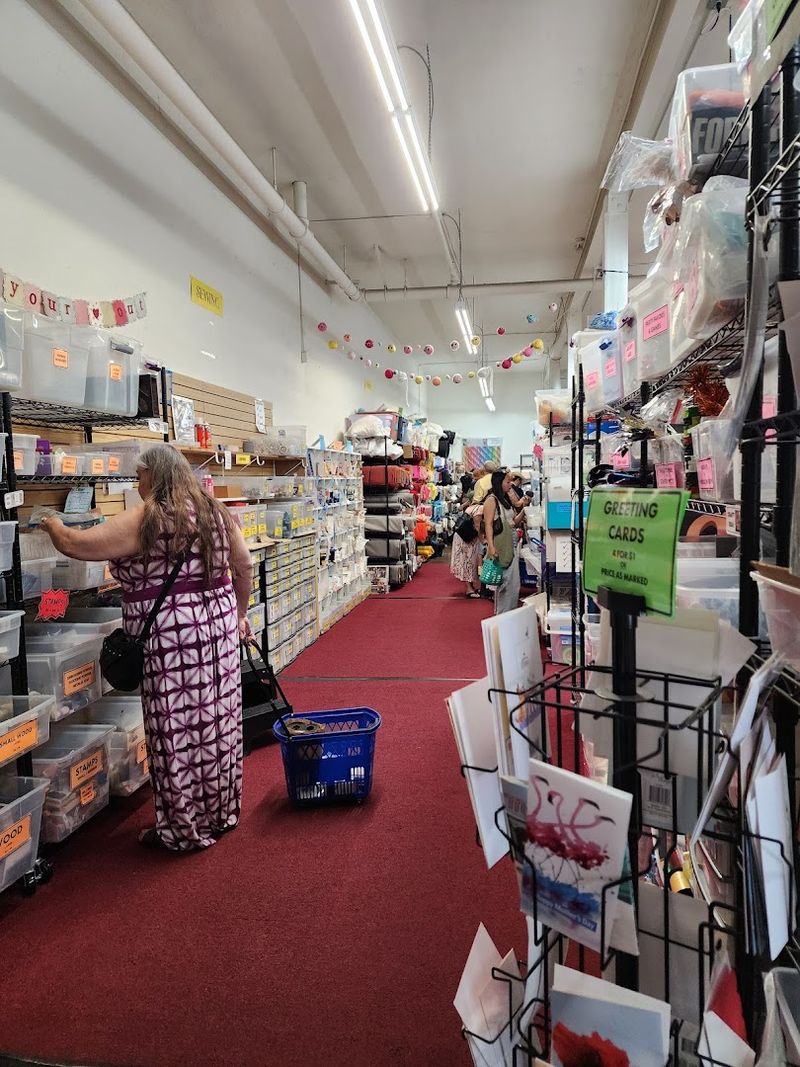
Stepping inside Remainders Creative Reuse feels a lot like entering a well-organized garage sale that someone with serious craft knowledge put together.
The store, found at 787 E Washington Blvd Suite 101 in Pasadena, California, carries donated art and craft supplies that are sorted into clearly labeled bins and sections throughout the space.
Fabric fills one area, yarn sits sorted by color and material in another, and bins of buttons, beads, thread, and paper tools fill the gaps in between.
Nothing here follows the typical retail layout of matching sets and uniform packaging.
Instead, the shelves hold a rotating mix of whatever has been donated recently, which means the inventory changes from week to week.
Prices tend to be a fraction of what similar items would cost at a standard craft store.
Fabric can go for around four dollars a yard, yarn has been priced by the pound, and smaller items like buttons can be filled into a bag for just a few dollars.
Every Shelf Has The Wait-I-Could-Use-That Problem
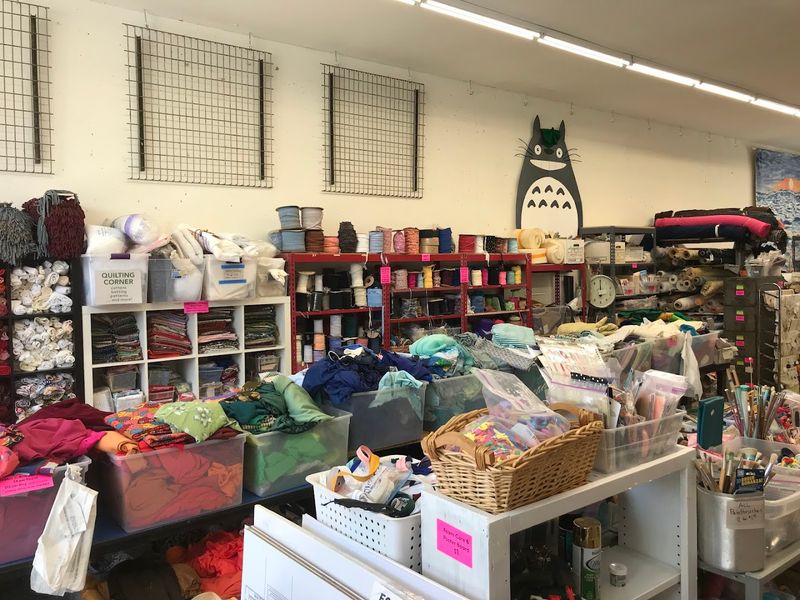
There is a particular kind of shopping spiral that happens at Remainders, and it starts the moment someone spots a bin they did not plan to look through.
The inventory here does not follow a predictable pattern, which is exactly what makes browsing feel more like an adventure than a chore.
One section might hold specialty paper alongside rubber stamps and stencils.
Another could turn up a stack of sewing patterns, a bag of upholstery fabric remnants, and a handful of crochet hooks all within arm’s reach of each other.
The randomness is not chaos, though. The store keeps things organized by category, so even when the contents are surprising, they are not hard to navigate.
The real challenge is focus. A person who walks in looking for paint might leave with yarn, foam sheets, and a craft kit they did not know existed.
That tendency to wander and accumulate is not a design flaw at Remainders. It is basically the whole experience.
Coming in with a flexible mindset and a bag with some extra room tends to make the visit more satisfying than arriving with a strict and narrow list.
The Nonprofit Mission Makes The Browsing Feel Better
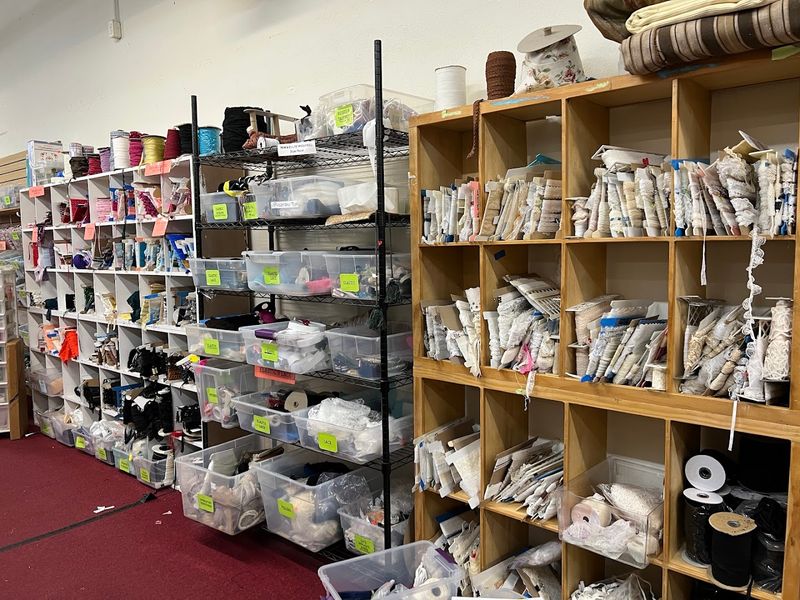
California’s Remainders Creative Reuse operates as a 501(c)(3) nonprofit organization, and that status shapes everything about how the store functions.
The goal is not simply to sell secondhand craft supplies at low prices.
The deeper purpose is to divert usable materials from landfills while making art supplies more accessible to people who might not otherwise afford them.
Each month, the organization works to keep thousands of pounds of materials out of the waste stream by accepting clean, usable donations and putting them back into circulation through the store.
That means every purchase supports both affordability and sustainability at the same time, which gives the act of shopping here a slightly different feeling than picking something up at a big-box retailer.
Artists, educators, community groups, and individual crafters all benefit from the model.
Teachers especially tend to find the store useful, since classroom supplies at full retail prices can eat through a personal budget quickly.
The nonprofit structure also means that donations to the organization may be tax-deductible, adding another reason for people with extra craft supplies to bring them in rather than tossing them.
It Turns Other People’s Leftover Supplies Into Someone Else’s Big Idea
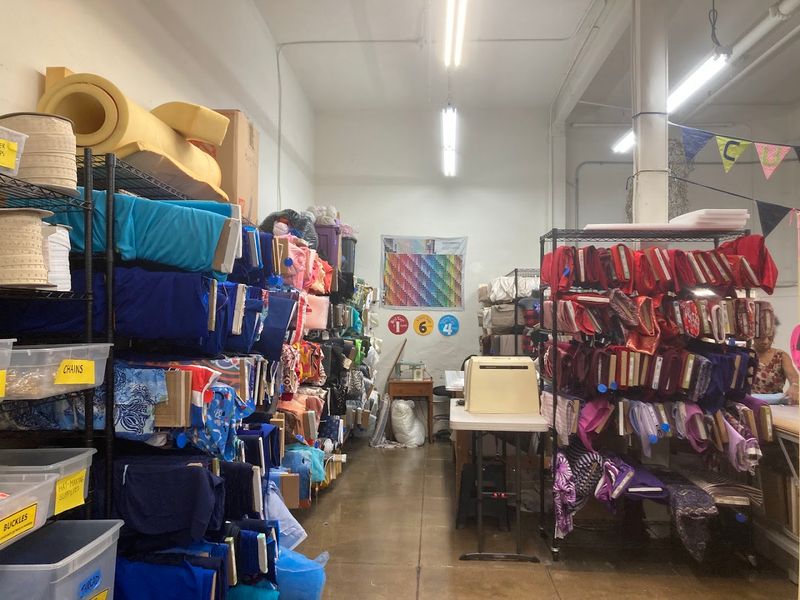
A half-used sketchbook, a bag of mixed yarn, or a stack of specialty paper might seem like clutter to the person donating it.
At Remainders, those same items become raw material for someone else’s next project.
The store runs entirely on that exchange, collecting what one person no longer needs and placing it in front of someone who can use it.
Donated items have included everything from art supplies and craft tools to sewing machines, fabric by the yard, beads, jewelry-making supplies, stamps, foam, glue, and even unopened kits for specific crafts.
The range is wide because the donations come from all kinds of people clearing out closets, downsizing studios, or finishing a creative phase they have moved on from.
What makes this cycle work is that the items are not just dumped and sold randomly. They are sorted, cleaned, and organized so that the next person can actually find and use them.
A beginner who has never sewn before might find a complete pattern collection here.
A painter restocking after finishing a large project might stumble onto a full set of brushes priced well below anything available new.
Teachers And Classroom Crafters Should Be Warned
Anyone who has spent their own money on classroom supplies knows how fast those costs can climb.
Remainders tends to be a particularly useful stop for teachers, art instructors, camp leaders, homeschool families, and anyone else who regularly needs craft materials in volume without a large budget to work with.
The store carries paper goods, scissors, glue, paint, yarn, fabric, foam, stamps, stencils, and a rotating variety of other classroom-friendly items at prices well below retail.
Buying for a group of students becomes a very different financial calculation when fabric costs four dollars a yard and buttons can be filled into a bag for just a few dollars.
Those savings make it easier to say yes to more ambitious projects.
The only honest warning is that inventory is not guaranteed. Remainders is a donation-driven store, which means a specific item may or may not be in stock on any given visit.
Planning a class project around a single material and counting on finding it here could lead to disappointment.
The better strategy is to visit regularly, stock up when useful items appear, and build a small reserve of materials over time rather than waiting until a deadline is close.
The Classes Make It Less Intimidating
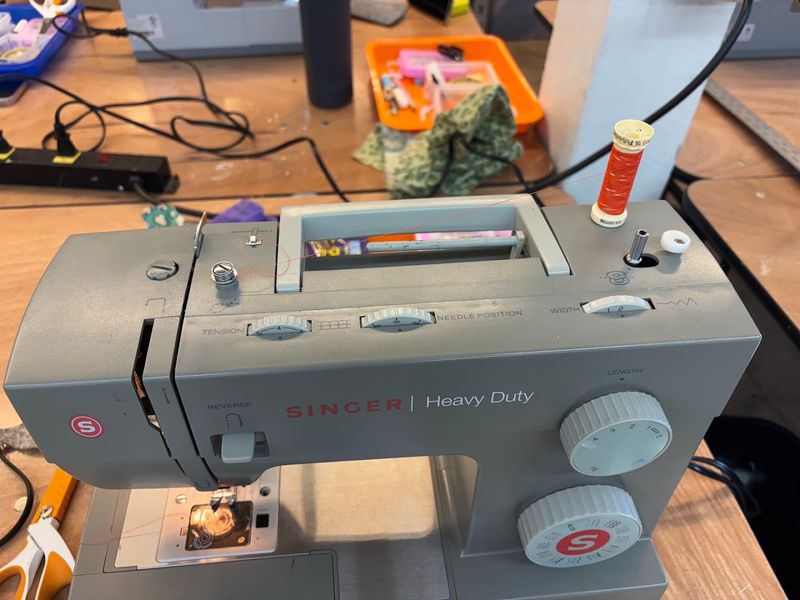
Not everyone who walks into a creative reuse store feels confident about what to do with the materials they find.
The classes and events at Remainders help bridge that gap by giving people structured ways to learn skills alongside others in the same community.
Programs cover a range of activities including sewing, arts and crafts, and other hands-on workshops suited to different experience levels.
Sewing classes appear consistently in the schedule and tend to draw both complete beginners and people looking to build on basic skills.
Beyond sewing, the upstairs space also hosts concerts, markets, and community meetups, which means the programming reaches people who might not think of themselves as crafters at all.
The variety keeps the calendar from feeling narrow or repetitive.
Classes are taught by volunteers, which means the teaching style and approach can vary depending on who is leading a given session.
That variability is worth keeping in mind when registering for something new.
Checking the current class schedule on the Remainders website before visiting gives a clearer picture of what is coming up and whether a particular offering matches a specific skill level or interest.
The overall atmosphere during classes tends to be supportive and low-pressure rather than formal or competitive.
The Inventory Can Get Wonderfully Specific
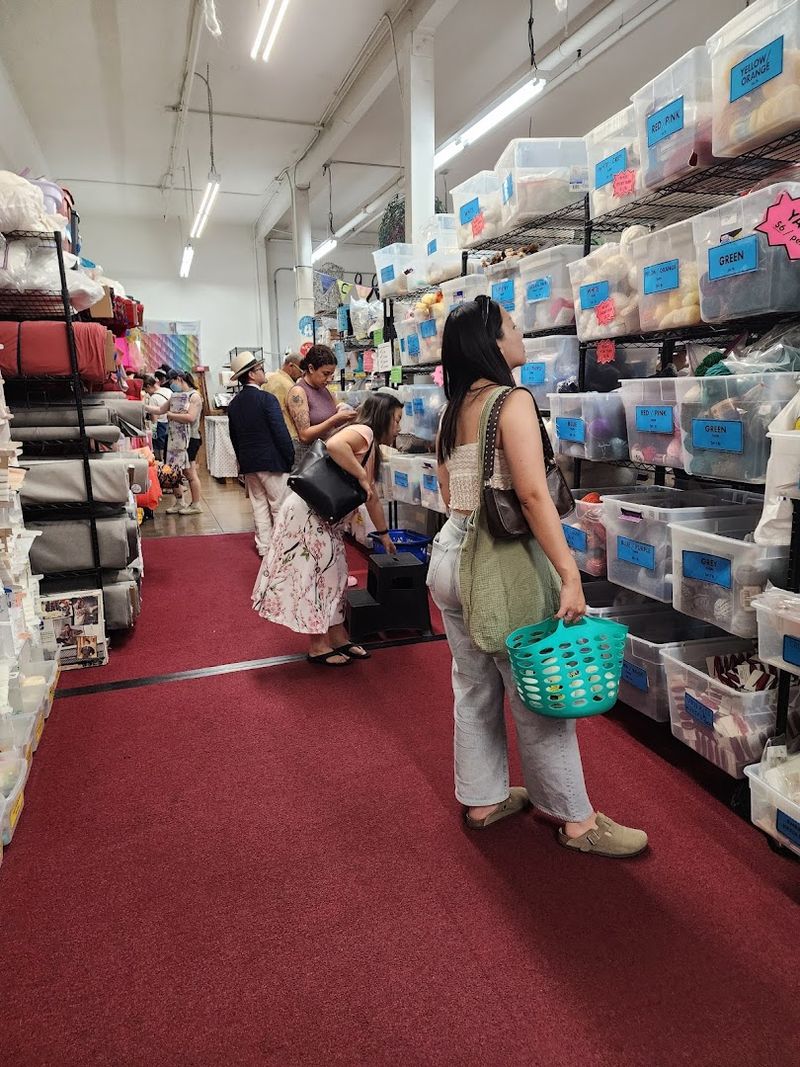
The range of what might turn up at Remainders on any given visit is genuinely hard to predict, and that unpredictability leans toward the impressive end of the spectrum.
The accepted donations list covers art supplies, craft books, sewing and fashion books, cameras, craft tools, beads, foam, glue, stamps, stencils, and scissors.
But the actual shelves have also held things like gouache paint, upholstery fabric remnants, knitting needles, crochet hooks, wrapping paper, party supplies, and jewelry-making components.
Finding something specific and niche, like a particular type of paint medium or a hard-to-source fiber, tends to feel especially satisfying here because it was not something that could be counted on.
The store has yielded brand-new unopened supplies mixed in alongside gently used items, which means quality varies but can occasionally surprise in a very positive direction.
Yarn has been sold by the pound and sorted by color and material, making it easier to find specific fiber types without digging blindly.
Fabric remnants have been available by the yard or by weight depending on the type.
The pricing structure is clearly marked throughout the store, which helps shoppers make quick decisions without needing to ask about every item.
It Gives Pasadena A Very Different Kind Of Thrift Stop
Pasadena has a solid selection of secondhand shops, vintage stores, and resale spots covering furniture, clothing, and general household goods.
Remainders stands apart from all of them by focusing exclusively on creative materials. That narrowed scope is what gives the store its distinct identity and draws people from well outside the immediate neighborhood.
The store sits at 787 E Washington Blvd Suite 101 in Pasadena, California and is open Wednesday through Sunday from 10 AM to 6 PM, with Monday and Tuesday as closed days.
Visitors coming from farther away, including parts of greater Los Angeles and surrounding communities, have noted that the drive is worth making even when it takes over an hour each way.
Parking near the store can be limited, with street parking being the primary option for many visitors. Arriving a bit earlier in the day or on a weekday tends to make finding a spot a little easier.
The store’s location on Washington Boulevard places it in a walkable stretch of Pasadena that has other points of interest nearby, making it a reasonable anchor for a broader afternoon out.
For anyone building a creative-focused day trip, Remainders tends to be the kind of stop that takes longer than expected in the best possible way.