This California Bakery In Sacramento Is Only Open 3 Days A Week And Locals Still Line Up
Three days a week does not sound like much time to build a routine. Yet people manage.
At this California bakery, limited opening days have turned a simple pastry run into something that feels worth planning around.
The line can start forming before the shelves have had much chance to settle, especially when regulars already know what they are hoping to find.
That scarcity adds a little tension to the visit.
You cannot assume the pastry you want will still be waiting later, and there is a certain satisfaction in arriving early enough to beat the sellout rush.
The appeal goes beyond novelty, though.
People keep coming back because the baking gives them a reason to organize part of the week around it.
Meet The Tiny Bakery Behind Sacramento’s Weekend Lines
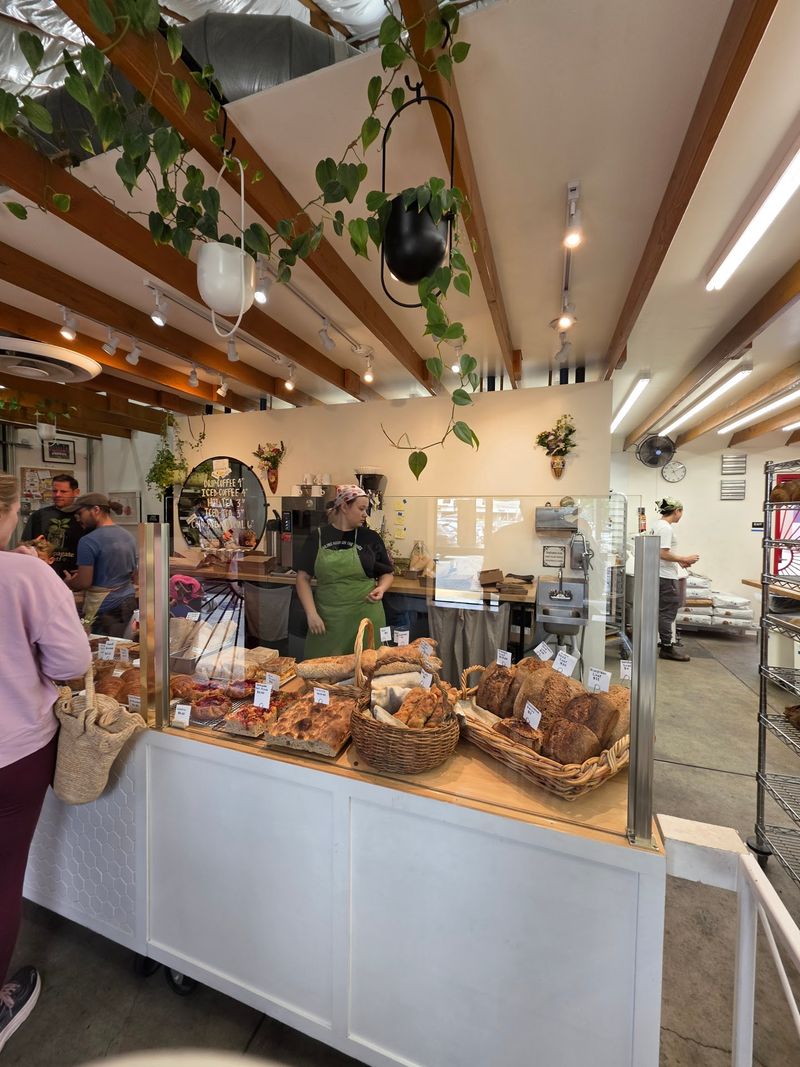
Small spaces have a way of feeling busier than they are, and this one proves it every weekend morning.
The shop describes itself as a community bakery, and the focus is narrow on purpose: handmade sourdough bread and pastries, made in house.
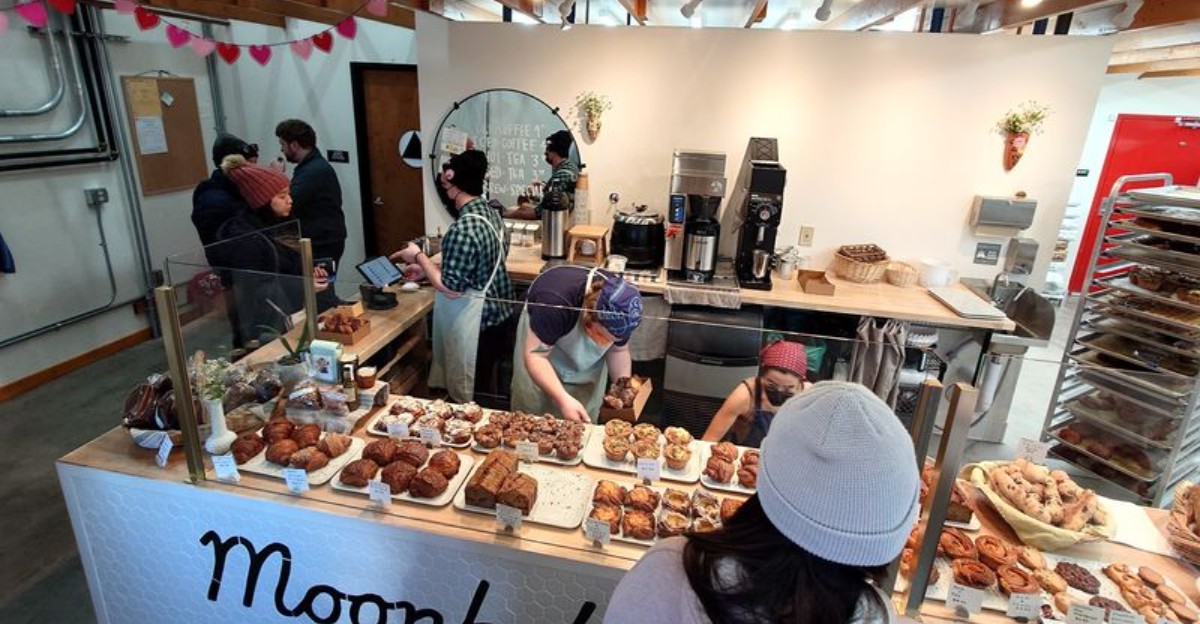
Inside, the room is compact rather than spacious, so most people order and step back outside with a paper bag in hand.
A small patio area with limited seating sits out front, and the space is often shared, which means patience helps if a table is the goal.
Because the footprint is modest, the pace inside moves along steadily even when the door is closed to keep flies out.
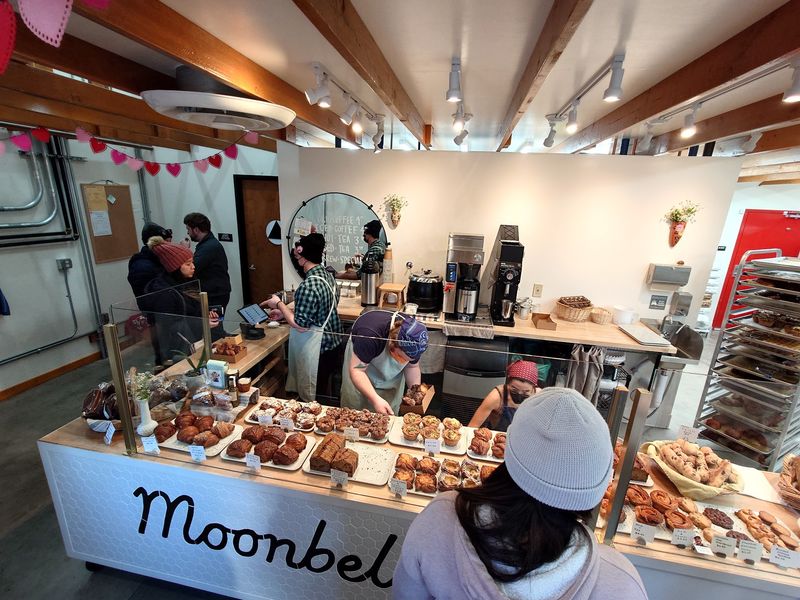
Staff work through orders efficiently, and the counter changes as trays come and go through the morning.
Parking around the building is limited, so leaving a few extra minutes to find a spot is a reasonable plan.
Some nearby residents simply walk over, which fits the neighborhood feel of the place.
Moonbelly Bakery sits at 6511 Folsom Blvd, Sacramento, California 95819, in an East Sacramento block that stays fairly quiet outside of bakery hours.
The Line Can Stretch Right Out Onto The Sidewalk
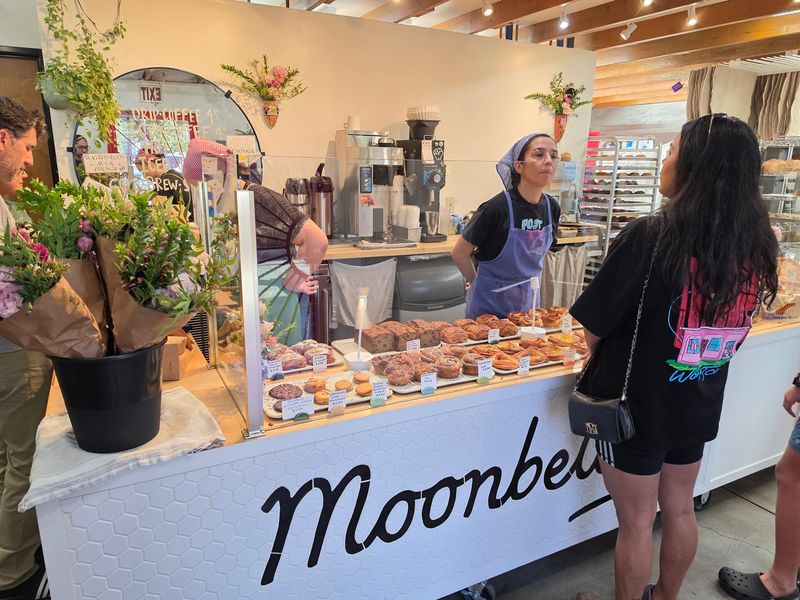
Weekend mornings here come with a queue, and it is not a rare event.
Public radio coverage in Sacramento documented a Saturday morning line flowing out the door and onto the sidewalk, and noted that mid-morning crowds are a regular pattern rather than a one-time rush.
What that means for a visitor is simple: plan for a wait rather than hoping to avoid one. The line does tend to keep moving because the ordering process is straightforward and the staff work quickly behind the counter.
Standing outside can actually be part of the fun, since people in line often talk about what they are ordering and which items they have tried before. Newcomers pick up a surprising amount of menu advice that way.
Weather matters more than usual because the wait happens outdoors. Sacramento summer mornings can warm up fast, and winter mornings can feel damp, so dressing for the sidewalk is worth a thought.
Arriving right at opening usually means a shorter line than showing up at nine or ten. Later arrivals may wait longer and find fewer items, which is the trade-off for a sleep-in start.
You Only Get Three Days A Week To Visit
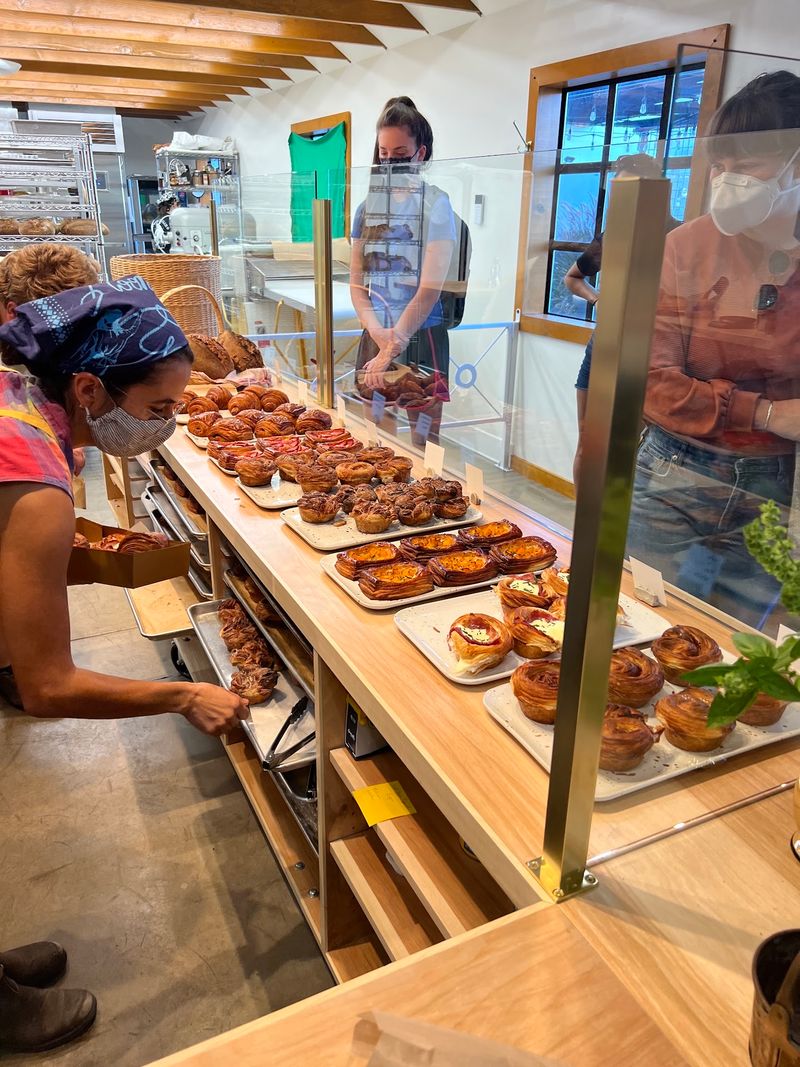
Three days. That is the whole window, and it shapes everything about a trip here.
Current hours run Friday, Saturday, and Sunday from 8 a.m. until 1:30 p.m., with the shop closed Monday through Thursday.
Anyone driving in from outside the area should double-check the schedule before setting out, since hours at small bakeries can shift around holidays.
The short week explains a lot about the crowds. Everyone who wants bread or pastries has to fit into the same handful of mornings, which naturally concentrates the traffic.
Friday tends to feel a little calmer than Saturday for many visitors, though that is not guaranteed. Sunday brings its own rhythm, with a slower, more relaxed pace of arrivals in some cases.
Closing at 1:30 p.m. also means there is no afternoon backup plan. Showing up at noon may still work, but the selection will be thinner than it was at eight.
For families or groups, picking a specific day and arriving early is the most reliable approach.
The Croissant Case Is Where Things Get Serious
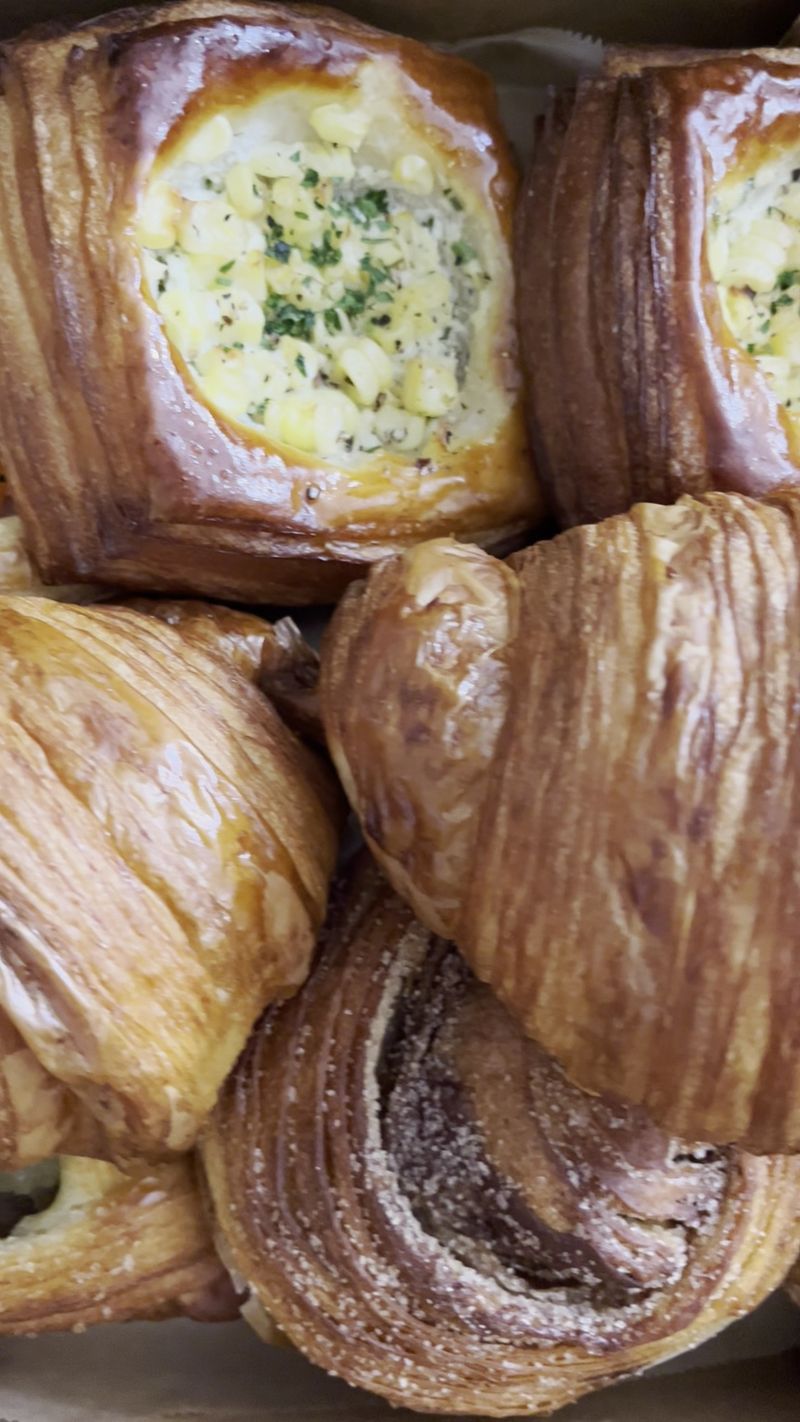
Butter, layers, and a lot of hand work go into the front of the counter.
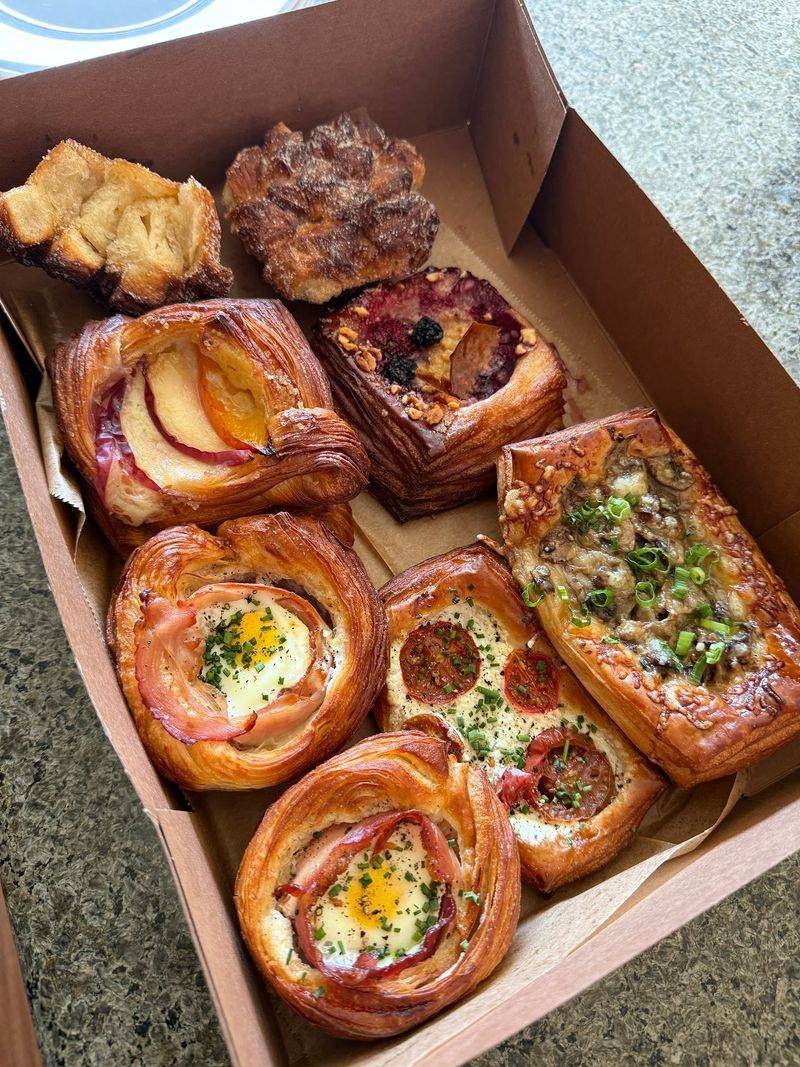
The current menu carries traditional croissants alongside chocolate, almond, ham and cheese, and egg and ham versions.
Seasonal fruit croissants and seasonal vegetable croissants round out the case, and those change as produce shifts through the year.
Sweet and savory sit side by side, which makes it easy to build a small mixed order instead of committing to just one style. Pastries here are not oversized, so picking two or three to share is a common move.
Savory options give the case real range. A ham and cheese croissant or an egg and ham croissant works as a genuine breakfast rather than a side treat.
For anyone unsure where to start, the traditional croissant is a fair benchmark since it shows the dough without added filling. The almond version comes up often among repeat visitors.
Availability depends on timing, and specific croissants may run out as the morning goes on. Asking what came out most recently is a reasonable way to get something still warm.
Prices have generally been described as fair for handmade work of this kind, though costs can change over time.
Arriving Later Unlocks A Different Part Of The Menu
Not everything comes out at once, which rewards a bit of strategy.
Seasonal quiche and brown butter almond cake appear after 9:30 a.m., so an eight o’clock arrival will miss them.
Limited sandwiches and focaccia follow after 10:30 a.m., which shifts the counter toward lunch territory.
The staggered release means the same bakery feels different at 8:15 than it does at 10:45. Early birds get the widest pastry selection, and later arrivals get options the first customers never see.
Sandwiches are described as limited, so quantities are small and can go quickly. Anyone hoping for one should aim close to the 10:30 mark rather than drifting in near closing.
Brown butter almond cake has been a favorite among people who prefer something less flaky than a croissant. It offers a softer, cakier texture with a crisp exterior.
Quiche changes with the season, which means the filling is not fixed. Asking what is in it that day is normal and helpful for anyone avoiding certain ingredients.
Balancing all of it comes down to priorities. Croissants and buns favor an early trip, while sandwiches, focaccia, and quiche reward a mid-morning visit with a slightly longer wait.
Saturday And Sunday Bring Even More Bread
Weekends add something the Friday crowd does not get.
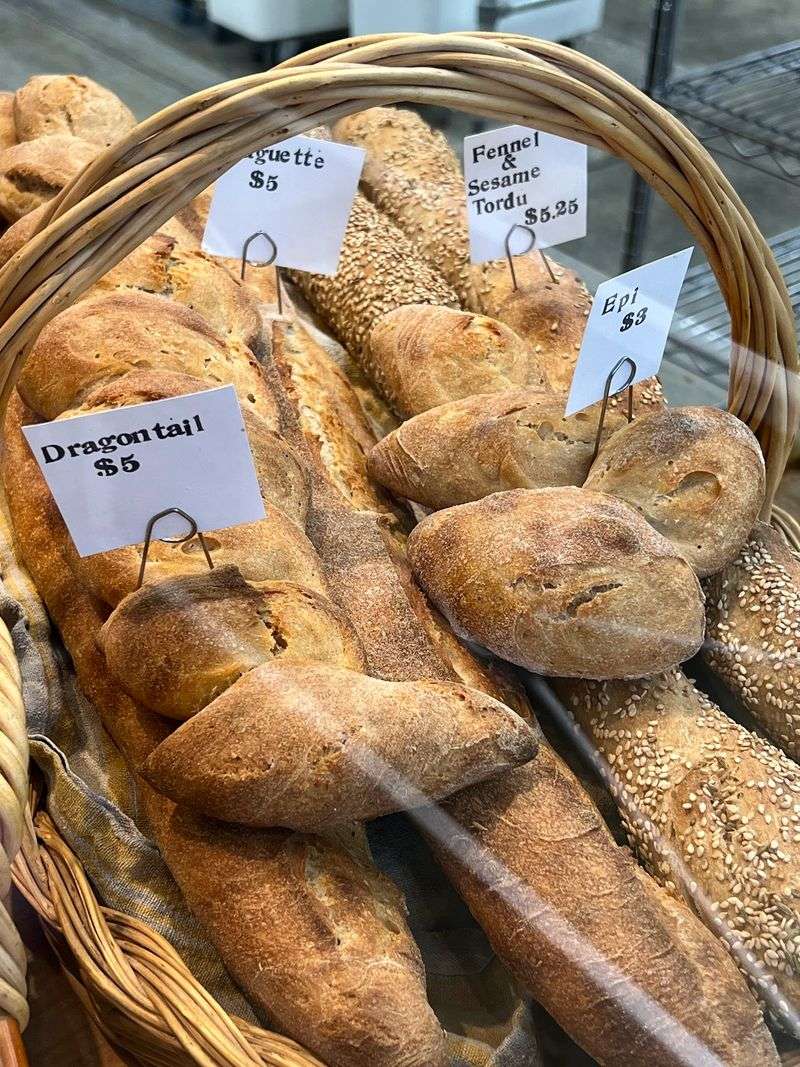
Baguettes and epi are currently scheduled for Saturday and Sunday after 10:30 a.m., which gives later arrivals a specific reason to show up mid-morning.
Epi is a baguette shaped into pointed sections that resemble a wheat stalk, and pieces tear off easily by hand.
For anyone building a weekend meal, that timing is useful to know. Bread coming out after 10:30 tends to be at its freshest right then, and a warm loaf in the bag is part of the appeal.
The weekend-only schedule for these items also spreads out demand a little. Early customers focus on pastries, and the bread crowd arrives later.
Because quantities are finite, waiting until well past noon may not work. Sticking closer to the release time improves the odds.
Bread here is sourdough-based, which means a firmer crust and a tangier flavor than standard supermarket loaves. Anyone new to that style may want to buy one loaf first before committing to several.
Storage matters too, since crusty bread firms up quickly. Eating it the same day, or slicing and freezing the rest, keeps the texture closer to how it left the oven.
The Sourdough Selection Goes Far Beyond One Loaf
Bread is not an afterthought here, and the loaf list proves it.
Menu offerings include table loaves, seed loaves, walnut loaves, sunflower loaves, sandwich loaves, Bluegrass loaves, and cinnamon swirl loaves.
The table loaf is a whole wheat sourdough and serves as a solid everyday choice.
Seeded, walnut, and sunflower versions each change the texture in a noticeable way. Nuts and seeds add crunch and a slightly heavier crumb, which suits toast and hearty sandwiches.
Sandwich loaves lean toward a softer, more uniform shape that slices cleanly. Anyone packing lunches during the week may find that format the most practical of the group.
Cinnamon swirl sits closer to the sweet end and works well toasted. The Bluegrass loaf has its own fans among regular customers.
Loaves can still be warm when they reach the counter, which is a nice surprise but also a reason to carry them carefully. Letting the bread cool before slicing usually gives a better texture.
Availability varies by day and by hour, so not every loaf will be on the shelf at every visit. Buying whatever looks freshest, rather than fixating on one specific type, tends to make the trip more satisfying.
The Open Kitchen Lets Customers See The Work Happening
Watching dough get shaped is a surprisingly good way to pass a wait.
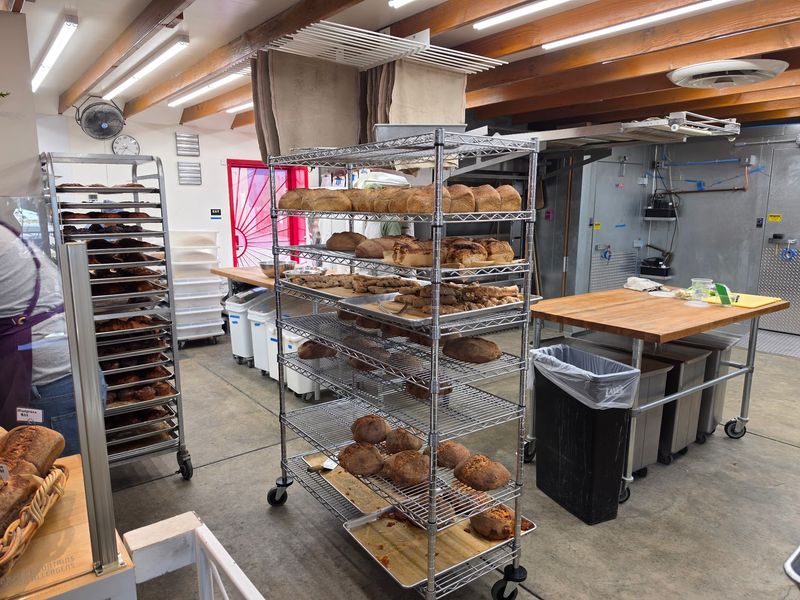
Rather than hiding production behind a wall, the bakery was designed so customers standing inside can see bakers working in the open kitchen. That layout choice turns the line into part of the experience.
Sounds and smells come with it. Trays sliding, oven doors opening, and the steady smell of butter and baking bread fill the small room.
Kids often find this the best part of the visit. There is real movement to watch instead of just a counter and a menu board.
Transparency also builds trust. Seeing items assembled by hand makes it clear that the pastries in the case were made on site that morning.
Because the space is compact, staying aware of where the line ends and where staff need to move keeps things comfortable for everyone. The shop asks that the front door stay closed, which helps keep flies out.
Photography is common, though being mindful of other customers is simply good manners. Stepping aside to take a picture keeps the queue moving.
The overall feeling is closer to a working kitchen than a polished cafe, and that honest, busy atmosphere is a large part of the appeal.