This 32-Mile California Rail Trail Near Fair Oaks Feels Made For A Spring Ride
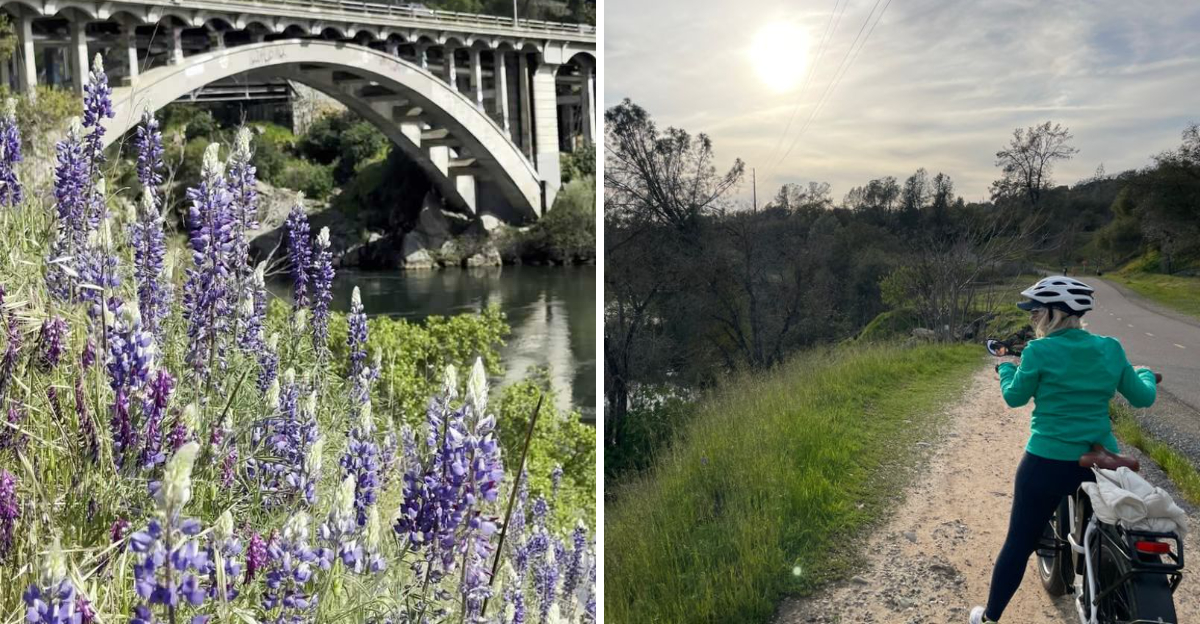
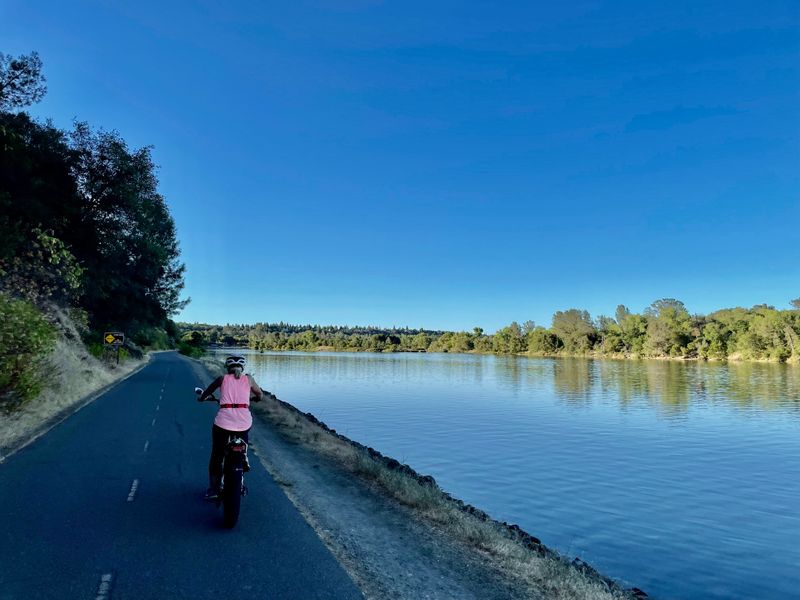
A stretch of pavement curves beside the American River in Northern California, and suddenly the noise of traffic feels far away. Tires hum softly against smooth asphalt. Sunlight filters through tall trees while the water moves steadily beside you.
The Jedediah Smith Memorial Trail gives California riders an easy way to trade busy streets for open sky. This 32-mile path runs through Sacramento County, linking Discovery Park to Folsom Lake in one continuous, car-free route.
In Fair Oaks, access comes without hassle, placing you right in the middle of one of the most scenic sections.
Spring transforms the ride. Trees leaf out in bright green. Wildflowers edge the pavement. The air feels warm but never heavy, cool enough to keep you moving comfortably for miles.
Families cruise at relaxed speeds. Serious cyclists settle into longer distances. Walkers and runners find their rhythm without crowding the path. The energy feels steady, never chaotic.
You can spin out for twenty minutes and head back. You can commit to a full-day ride and watch the landscape shift from shaded riverbank to open parkland. The river stays close the entire time, constant and calming.
It is more than just a bike trail. It is one of those rare California escapes that feels far removed, even though it sits right in the middle of everything.
1. A Full 32 Miles Of Paved Pathway
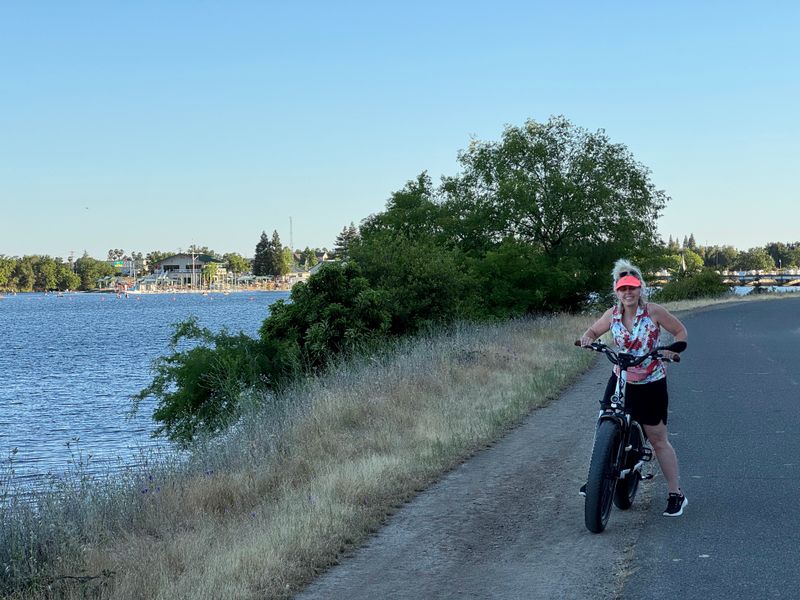
Stretching from Discovery Park all the way to Folsom Lake, the Jedediah Smith Memorial Trail covers 32 continuous miles of smooth pavement.
Riders can choose to tackle the entire distance or pick shorter sections that fit their available time and energy level.
The trail remains flat for most of its length, which makes it accessible to beginners and families with younger children.
Fair Oaks sits roughly in the middle of this route, making it a convenient starting point for exploring either direction.
Heading west leads toward Sacramento’s urban parks, while riding east brings you closer to Folsom Lake’s wider landscapes.
The consistent pavement quality means fewer interruptions from cracks or rough patches that can slow down a ride.
Most people complete the full trail in about four to five hours at a relaxed pace with stops along the way.
Commuters use sections of it daily because the direct route saves time compared to navigating city streets.
The distance feels manageable because access points appear every few miles, allowing riders to exit or rest as needed without committing to the entire length.
2. Multiple Access Points Throughout Fair Oaks
Fair Oaks offers several convenient spots where riders can join the trail without searching for hidden entrances.
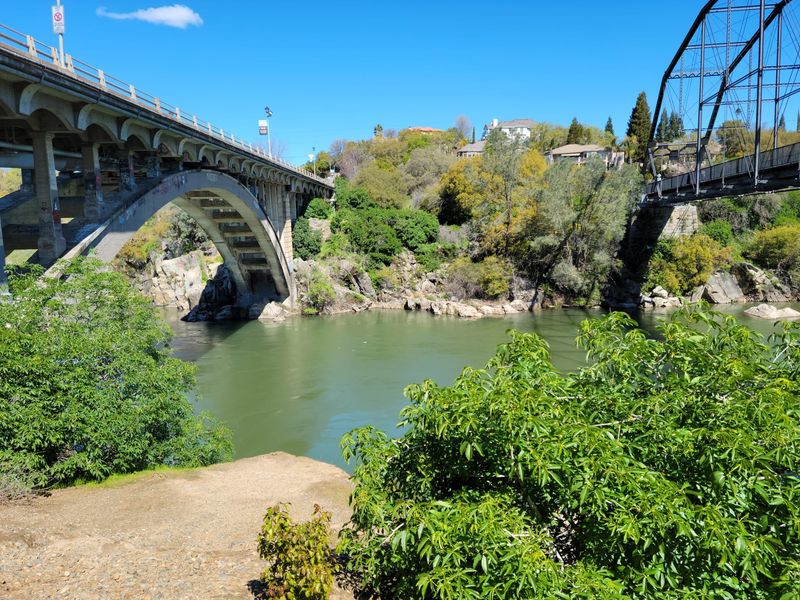
The Fair Oaks Bridge provides one of the most recognizable access points and connects directly to the eastern end of Fair Oaks Boulevard.
Parking is available near this bridge, and the area includes basic facilities that make it easy to prepare for a ride.
William B. Pond Recreation Area serves as another popular entry point with more extensive parking and restroom facilities.
This location tends to be less crowded during weekday mornings, which appeals to people who prefer a quieter start. The recreation area also offers picnic tables and shaded spots for post-ride relaxation.
Other smaller access points exist along side streets throughout Fair Oaks, though parking may be more limited at these locations. Knowing multiple entry options helps riders avoid congested areas during busy weekend afternoons.
Each access point connects seamlessly to the main trail, so there is no confusion about which direction to head once you start riding.
3. Scenic Views Along The American River
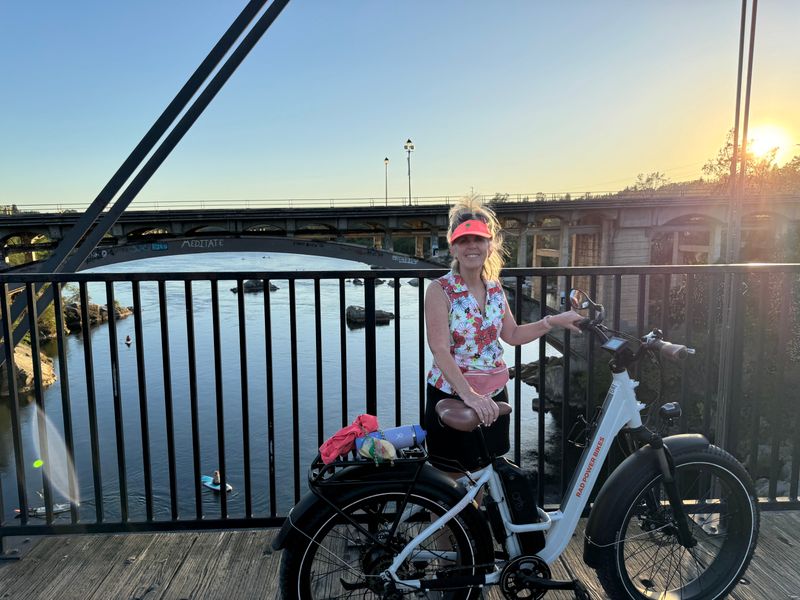
Riding beside the American River in California provides constantly changing scenery that keeps the experience interesting mile after mile.
The water level varies throughout spring depending on recent rainfall, and the river’s movement creates a soothing background sound that makes the ride feel peaceful.
Trees line much of the route and provide dappled shade that keeps temperatures comfortable even as the day warms up.
Wildlife appears frequently along this stretch, including ducks, herons, and occasionally deer grazing near the water’s edge.
The trail sits close enough to the river that you can hear the water moving over rocks in shallower sections.
Sunlight reflects off the surface during morning rides and creates bright patterns that shift as you move.
Several spots along the trail offer wider views where the trees open up and reveal longer stretches of river.
These areas make good stopping points for taking photos or simply pausing to watch the water flow past.
The natural setting feels surprisingly removed from nearby neighborhoods despite being easily accessible from residential streets.
4. Safe Paved Surface For All Skill Levels
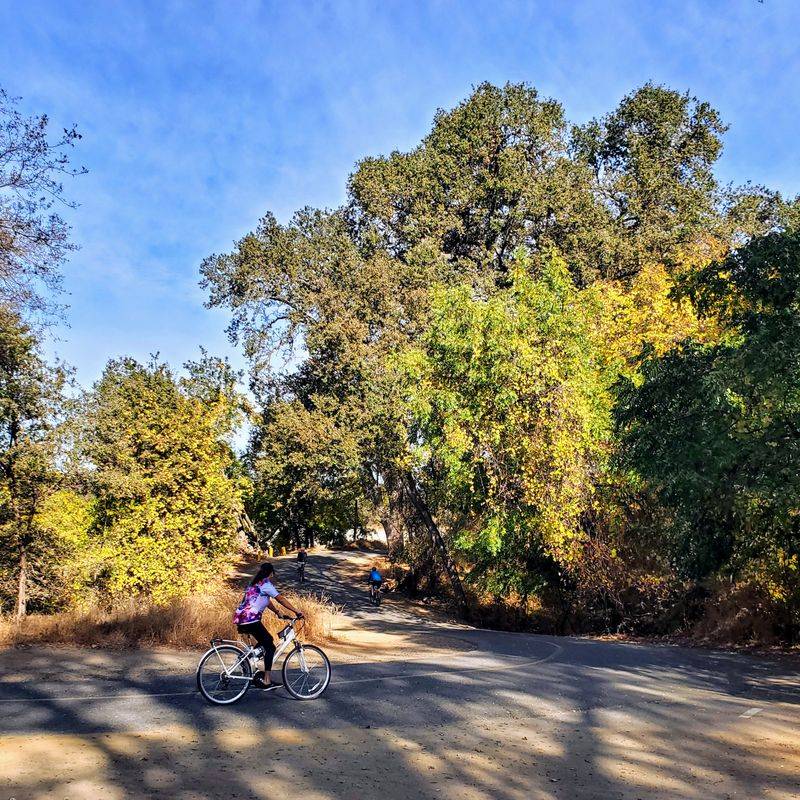
The fully paved surface eliminates concerns about loose gravel or muddy patches that can make riding tricky for less experienced cyclists.
Yellow lines mark the trail in most sections, helping separate faster riders from pedestrians and creating a safer environment for everyone.
The width accommodates two-way traffic comfortably, though busier weekends require more attention to other trail users.
Gentle slopes appear occasionally but nothing steep enough to discourage beginners or young riders.
The trail design prioritizes accessibility, and wheelchair users can navigate most sections without difficulty.
Surface maintenance happens regularly, which keeps the pavement in good condition and minimizes the risk of tire damage from potholes or cracks.
Families with children appreciate the predictable surface because it allows kids to focus on riding rather than navigating obstacles.
Training wheels work fine on this trail, and many parents use it as a teaching location for children learning to ride independently.
The combination of smooth pavement and relatively flat terrain builds confidence for riders who are still developing their skills.
5. Historic Fair Oaks Bridge Landmark
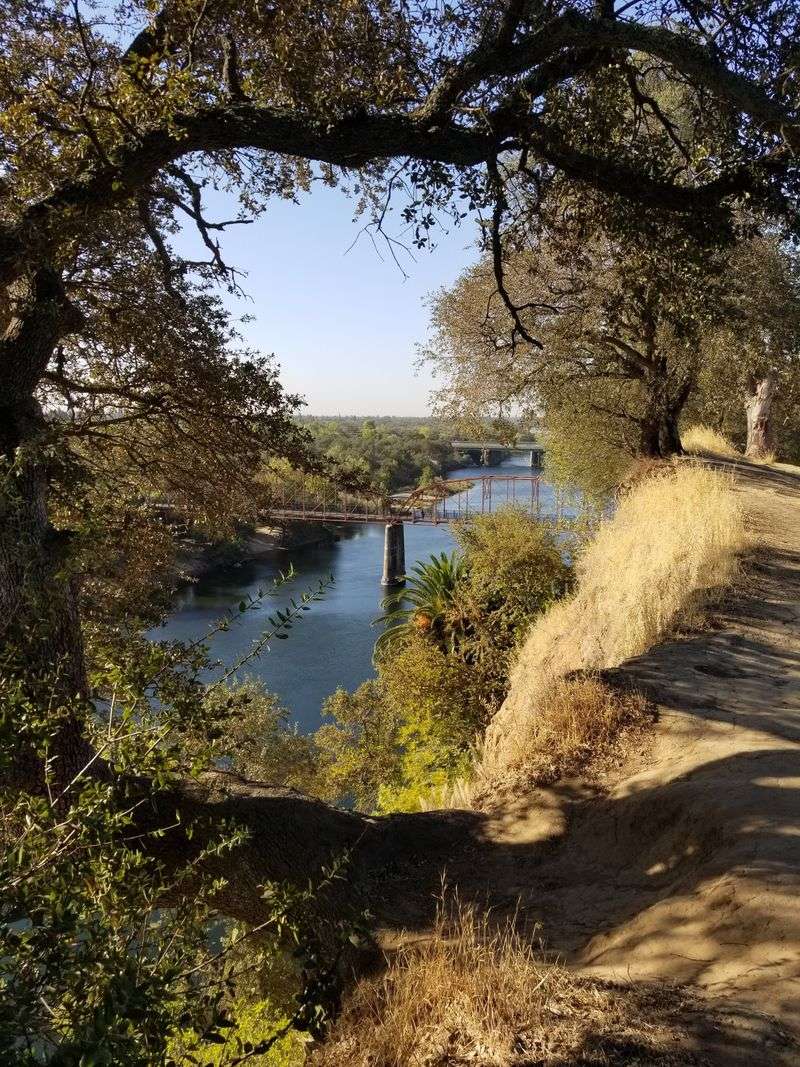
Built in the early 1900s, California’s Fair Oaks Bridge stands as one of the trail’s most distinctive landmarks with its classic truss design.
The bridge’s metal framework creates interesting shadows on sunny days, and its historic character adds visual interest to the modern paved trail.
Crossing this bridge gives riders a sense of the area’s transportation history while enjoying contemporary recreational infrastructure.
The structure spans the American River and connects different sections of trail on either bank.
From the bridge deck, you get elevated views of the water flowing below and can often spot fish or waterfowl in the river.
The bridge’s age shows in its weathered appearance, but regular maintenance keeps it safe and functional for current use.
Photographers frequently stop here because the combination of historic architecture and natural surroundings creates compelling compositions. The bridge appears in many promotional materials about the trail system.
Riding across it feels different from the ground-level portions of the trail and provides a brief change in perspective that breaks up longer rides.
6. Perfect For Spring Riding Conditions
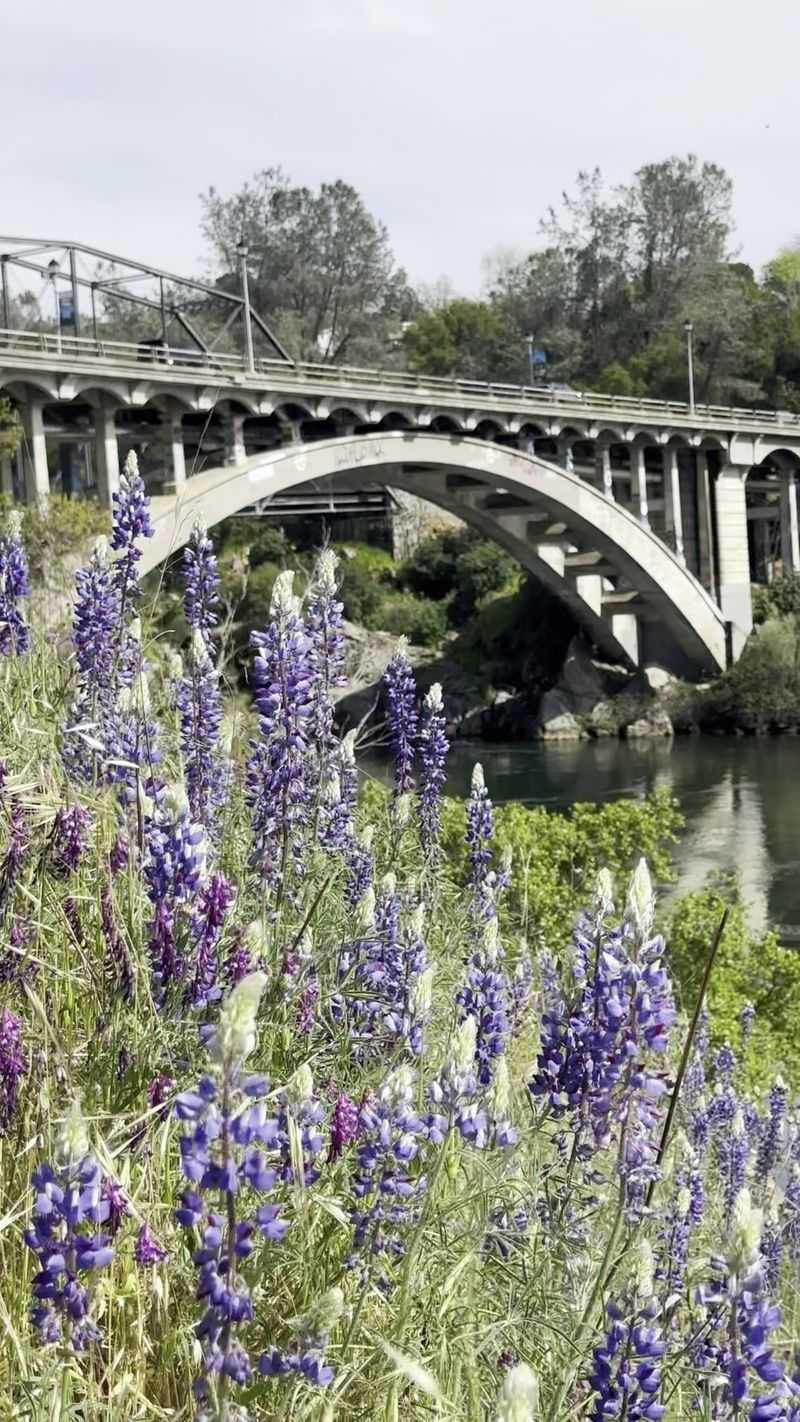
Spring brings ideal weather to the Sacramento region with temperatures typically ranging from the mid-50s to low 70s during the day.
These conditions allow for comfortable riding without the intense heat that arrives in summer months.
Morning fog occasionally lingers near the river but usually clears by mid-morning, leaving bright sunshine and clear skies.
Wildflowers bloom along the trail’s edges during March and April, adding splashes of yellow and purple to the green landscape.
Trees leaf out during this season and create fuller canopies that will provide shade later in the year. The river runs higher in spring due to snowmelt from the Sierra Nevada, which makes the water views more dramatic.
Rain becomes less frequent as spring progresses, though occasional showers can still occur through early April. Checking the weather forecast before heading out helps avoid unexpected wet conditions.
The trail drains well after rain, so even if there has been recent precipitation, the paved surface typically dries quickly and remains rideable within hours.
7. Wildlife Viewing Opportunities
Deer appear regularly along the trail, especially during early morning or late afternoon hours when they come down to the river to drink.
Western rattlesnakes live in the area but tend to avoid the busy paved trail, preferring the quieter hillsides and brush away from foot traffic.
Woodpeckers can be heard tapping on trees throughout the wooded sections, and their distinctive sound carries clearly in the morning air.
Coyotes occasionally cross the trail but rarely approach people or create safety concerns. River otters make appearances in the water, though spotting them requires patience and a bit of luck.
The variety of bird species includes herons, egrets, and numerous songbirds that nest in the riverside vegetation.
Bringing binoculars adds to the experience for people interested in getting closer looks at birds or distant animals.
The trail’s proximity to the river and adjacent wild areas creates an unusually rich wildlife corridor considering how close it sits to residential neighborhoods.
Most animals remain wary of trail users and maintain safe distances, but the frequency of sightings makes each ride feel like a small nature expedition.
8. 15 MPH Speed Limit For Safety
Trail regulations enforce a 15 mph speed limit to keep all users safe and comfortable. This pace allows cyclists to react to unexpected situations like children wandering into the path or dogs on long leashes.
Faster riders sometimes find this limit restrictive, but it creates a more relaxed atmosphere that encourages families and casual users to feel welcome.
The speed restriction becomes especially important during busy weekend afternoons when trail traffic increases significantly.
Passing slower users requires calling out “on your left” before overtaking, which gives pedestrians time to move aside.
The combination of speed limits and passing etiquette helps prevent collisions and reduces tension between different types of trail users.
Enforcement is not constant, but rangers do patrol the trail and can issue citations for excessive speed.
Most experienced riders self-regulate and understand that the limit protects everyone’s enjoyment of the space.
The rule also helps maintain the trail’s reputation as a family-friendly location rather than a racing venue, which keeps the overall atmosphere welcoming and stress-free.
9. Year-Round Accessibility
The trail remains open throughout the year regardless of season, which makes it a reliable option for regular exercise or outdoor time.
Winter months bring cooler temperatures and occasional rain, but the paved surface stays usable except during active storms. Summer heat can be intense, so early morning or evening rides work better during July and August.
Designated accessible parking spaces exist at both major endpoints and several access points in between, including locations near Fair Oaks, California.
The trail’s flat profile and smooth pavement meet accessibility standards for wheelchair users. This design choice expands who can enjoy the trail and ensures that mobility limitations do not prevent people from experiencing the American River corridor.
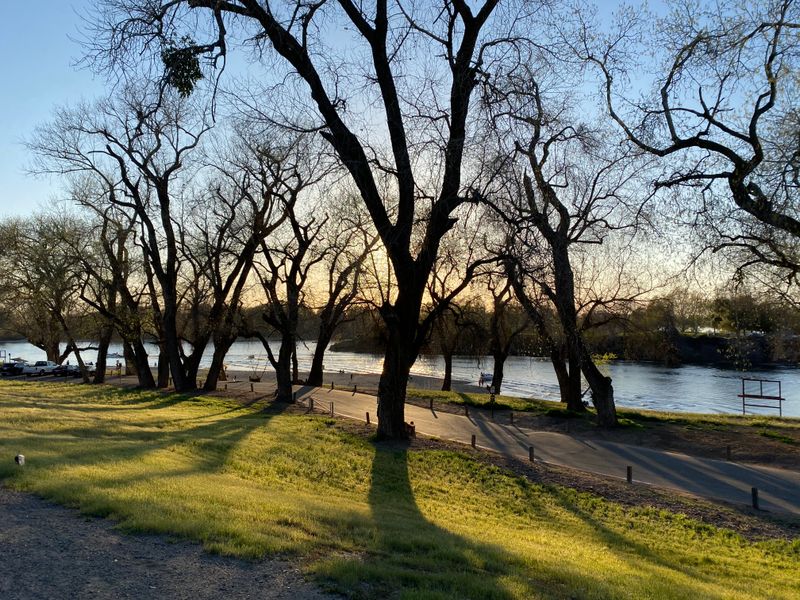
Seasonal changes bring different experiences, from spring wildflowers to autumn leaf colors to winter’s stark bare branches.
The trail never closes for maintenance for extended periods, though short sections might occasionally be temporarily blocked for repairs.
This year-round availability makes it easy to build trail visits into regular routines rather than treating them as special occasions that require perfect weather.
10. Connection To Discovery Park And Folsom Lake
Starting from Discovery Park in Sacramento, the trail provides an urban entry point with ample parking and easy freeway access.
This western terminus sits where the American River meets the Sacramento River, creating a distinctive geographical starting point.
From there, the trail heads east through increasingly suburban and natural landscapes as it approaches Fair Oaks and beyond.
The eastern terminus at Beal’s Point on Folsom Lake offers a dramatic contrast with its wider water views and hillier surrounding terrain.
Riders who complete the full distance experience a gradual transition from city parks to lakeside recreation areas.
The connection between these two major landmarks creates a sense of accomplishment for people who finish the entire route.
Fair Oaks occupies a middle position that allows for shorter rides in either direction while still accessing the trail’s most scenic sections. The trail’s continuous nature means no confusing intersections or route-finding challenges.
This straightforward layout appeals to visitors unfamiliar with the area because getting lost is nearly impossible when following a single paved path.
11. Popular Among Commuters And Recreational Riders
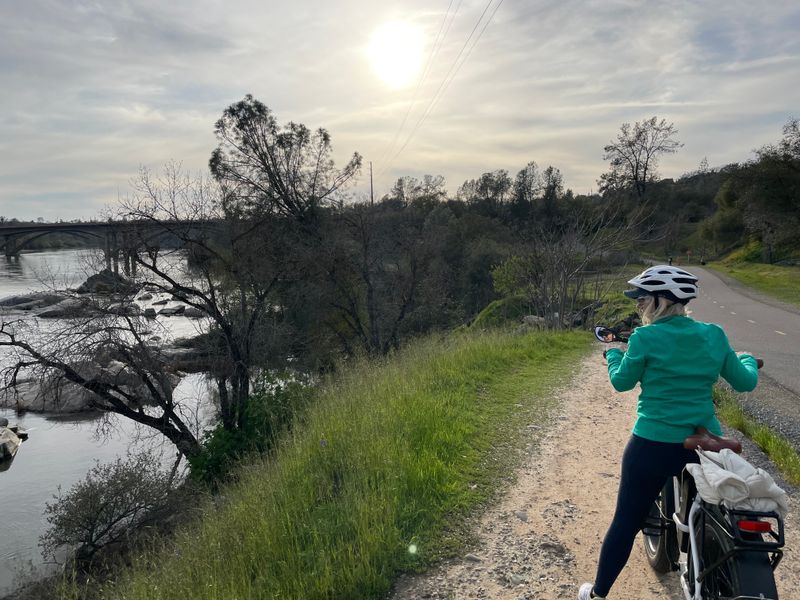
Commuters use the trail daily to travel between home and work, taking advantage of the direct route that avoids traffic congestion.
The separation from vehicle traffic eliminates concerns about car doors opening or drivers making unexpected turns.
Many regular commuters recognize each other and develop a sense of community through their shared morning and evening rides.
Recreational riders include everyone from serious cyclists training for events to casual weekend explorers enjoying family outings. This mix of users creates a lively atmosphere without feeling overcrowded most of the time.
The trail accommodates both purposes well because its length allows faster riders to find open stretches while its accessibility welcomes less experienced users.
Weekday mornings tend to see more commuters, while weekends bring families and recreational groups.
Understanding these patterns helps riders choose times that match their preferences for busier or quieter experiences.
The trail’s dual purpose as both transportation corridor and recreation space demonstrates how well-designed infrastructure can serve multiple community needs simultaneously.
12. Passes Through Multiple Riverside Parks
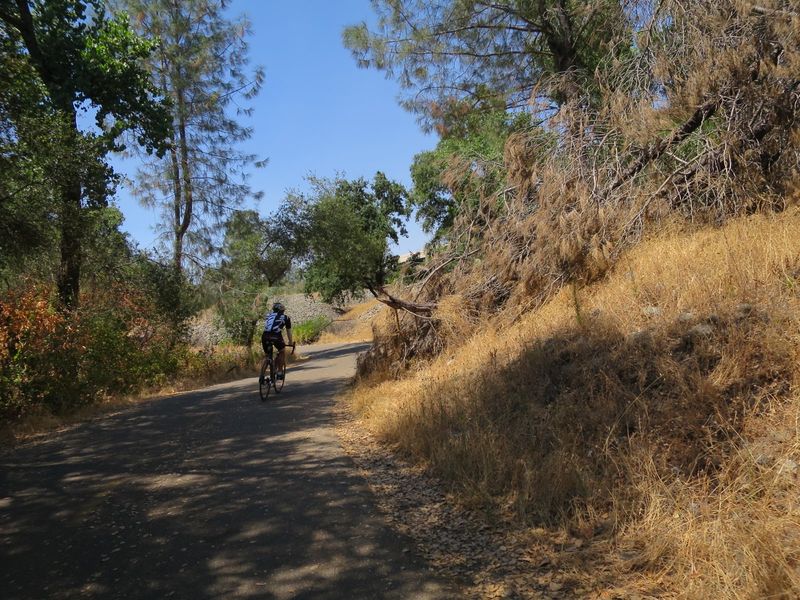
River Bend Park offers one of several green spaces along the trail where riders can stop for breaks or picnics. These parks include picnic tables, restrooms, and sometimes playground equipment for children.
The spacing of these parks creates natural rest points roughly every few miles, which helps break up longer rides into manageable segments.
William B. Pond Recreation Area near Fair Oaks provides more extensive facilities including larger parking lots and better-maintained restrooms.
The park’s location makes it a popular gathering spot for group rides or family outings.
Shade trees in these parks offer relief from direct sun, and the grass areas allow for stretching or relaxing away from the paved trail.
Each park has its own character and amenities, so regular riders often develop preferences based on which facilities matter most to them.
Some parks offer direct river access where people can wade or cool off on hot days. The variety of parks along the route means that riders are never too far from basic services or a comfortable place to take a break.
13. Trail Etiquette Keeps Everyone Safe
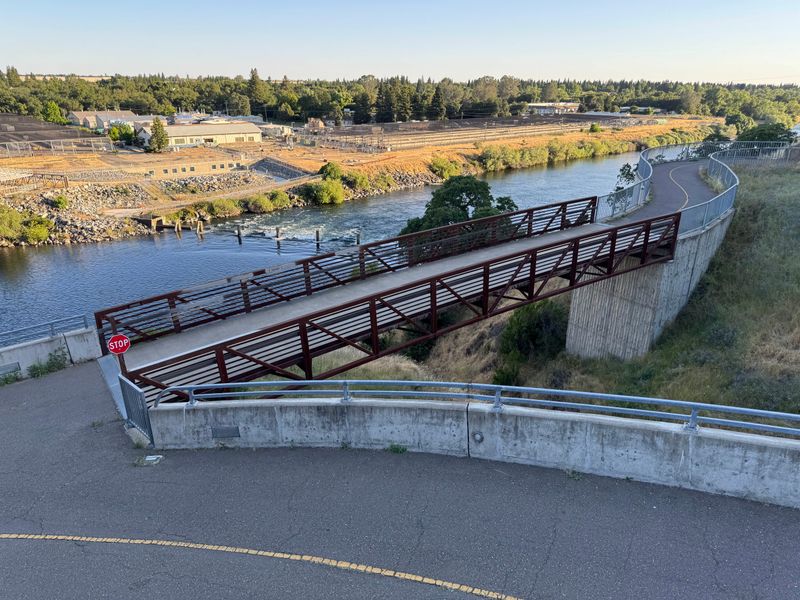
Pedestrians should stay on the left shoulder to keep themselves visible to approaching cyclists and create predictable traffic patterns.
Cyclists and inline skaters remain on the paved path to the right of the yellow line, which separates them from foot traffic.
This system works well when everyone follows the guidelines and pays attention to their surroundings.
Announcing passes with a clear “on your left” gives pedestrians time to move aside or at least avoid sudden movements that could cause collisions.
Wearing earbuds or headphones is discouraged because it reduces awareness of approaching riders or other trail users.
Dogs must remain on leashes no longer than six feet to prevent them from wandering into the path of cyclists.
Horses are permitted only at designated crossings and bridges rather than along the main trail, which prevents conflicts between different user groups. These rules exist because the trail serves so many different purposes and user types.
Following basic etiquette transforms a potentially chaotic shared space into a pleasant experience where everyone can enjoy their chosen activity without stress or conflict.