This California Restaurant Is Quietly Famous For Its French Toast
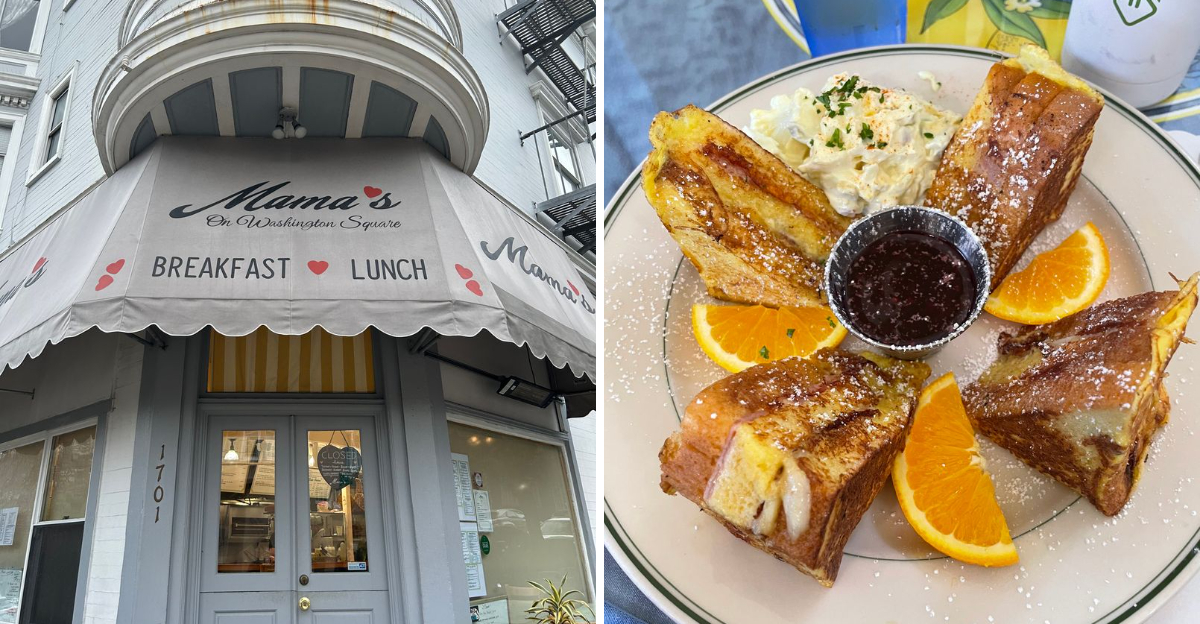
California is packed with flashy brunch openings and picture-perfect café launches, but one tiny North Beach breakfast counter still pulls a line before the doors even unlock.
There’s no neon sign screaming for attention. No influencer wall. Just a steady crowd of people who already know what they’re here for.
They show up early. They expect to wait. And somehow, no one seems annoyed about it.
Mama’s on Washington Square has turned a simple breakfast into a full-on ritual. The French toast is the reason.
Golden on the outside, soft in the center, made with house-baked bread that instantly ruins the average version everywhere else.
One bite and it clicks. That’s why the line exists. Inside, the space feels tight, cozy, and buzzing with anticipation. Tables sit close together. Conversations overlap. Plates land and heads turn.
The menu offers plenty of choices, but most people already know what they’re ordering before they sit down.
California loves chasing the next big food trend. This spot never needed one. It mastered a classic and let word of mouth do the rest.
1. A Legacy Rooted In Family Tradition

Since opening in 1964, this family-owned restaurant has remained committed to the same principles that guided its earliest days.
The space maintains a sense of continuity that many modern dining spots lack, with décor choices and menu staples that have barely shifted over the years.
Visitors stepping inside find themselves in a setting that feels deliberately preserved rather than updated for contemporary trends.
The restaurant occupies 1701 Stockton Street in San Francisco, positioned directly across from Washington Square Park in the North Beach area.
The location itself contributes to the timeless quality, as the neighborhood retains much of its Italian-American character and historic architecture.
The building’s Victorian features blend naturally with the surrounding streetscape, creating a sense of place that feels anchored in a specific era.
Inside, yellow walls and lemon-patterned tablecloths create a cheerful backdrop without feeling overly themed or cutesy.
Antique touches appear throughout, from framed photographs to vintage kitchenware displayed on shelves.
The overall effect suggests a space that has evolved organically rather than through calculated design updates, which may explain why regular customers describe it as comfortable rather than stylish.
The family ownership ensures that decisions about menu items, ingredients, and atmosphere remain consistent across decades, avoiding the shifts that often come with corporate ownership or frequent management changes.
2. French Toast Sampler With House-Baked Breads
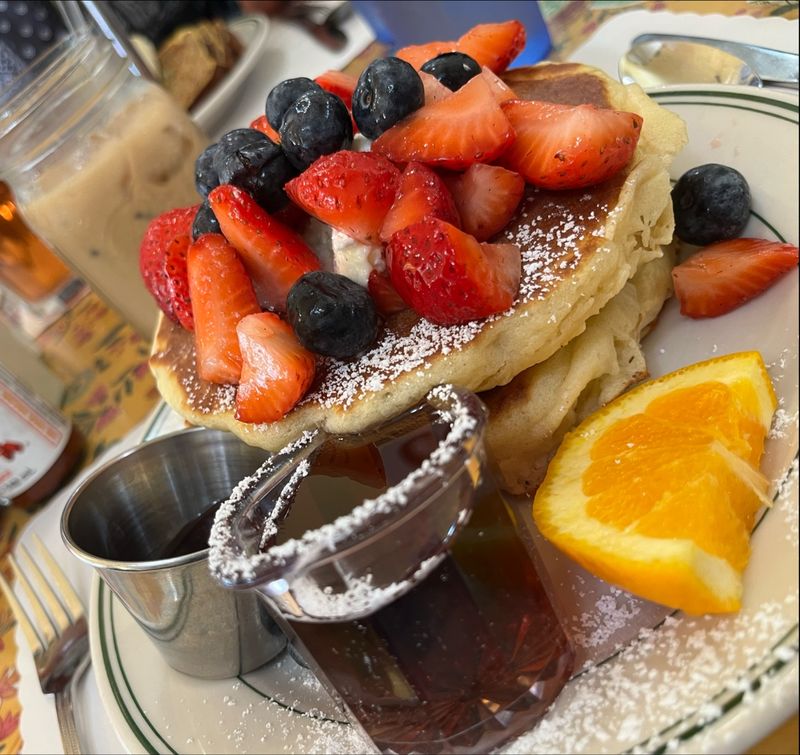
The French Toast Sampler stands out as the menu item that draws much of the attention, offering three distinct bread varieties on a single plate.
Cranberry orange walnut, banana nut, and cinnamon brioche each bring different textures and flavor profiles, allowing diners to compare house-baked breads side by side.
Fresh bananas and seasonal berries cover the top, adding natural sweetness and color without overwhelming the bread itself.
Each bread type gets baked in-house, a detail that separates this dish from typical diner French toast made with standard sliced bread.
The cranberry orange walnut version delivers a tart edge balanced by citrus brightness and nutty crunch.
Banana nut offers a softer, sweeter profile with a tender crumb that soaks up egg batter without falling apart.
Cinnamon brioche brings richness and a slightly buttery quality, with cinnamon woven throughout rather than just sprinkled on top.
The portion size tends toward generous, often leaving diners with enough food to share or take home.
The berries and bananas change with the season, meaning the exact fruit mix may vary depending on when someone visits. Syrup arrives on the side, giving each person control over sweetness levels.
The combination of three breads on one plate allows for variety without committing to a full order of any single type, which may appeal to those who prefer sampling over choosing just one option.
3. Swedish Cinnamon French Toast For Classic Comfort
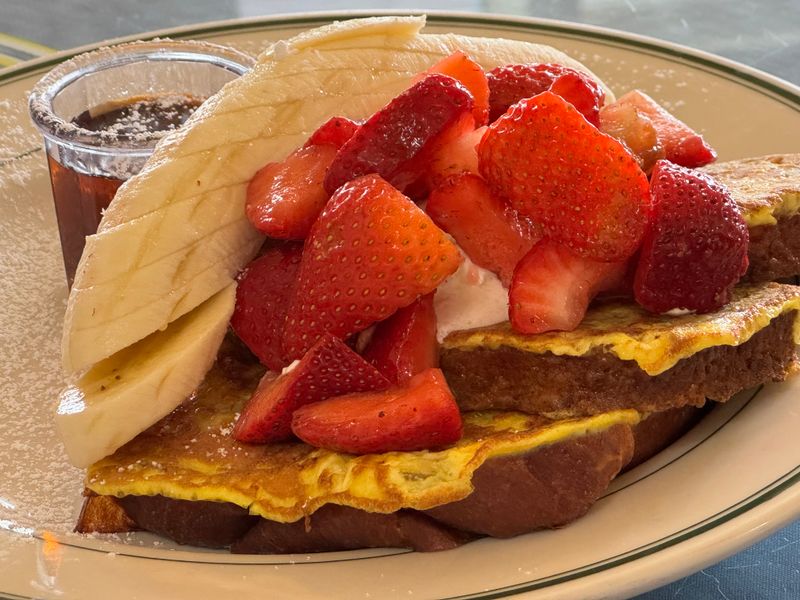
For those who prefer straightforward flavors without extra mix-ins, the Swedish Cinnamon French Toast delivers exactly what its name suggests.
The bread arrives with cinnamon baked directly into the dough, creating swirls of spice throughout each slice rather than just a surface coating.
This approach means every bite carries consistent cinnamon flavor, avoiding the uneven distribution that sometimes happens when cinnamon gets added only as a topping.
The texture leans toward soft and slightly dense, with enough structure to hold up under egg batter and griddle heat.
A light dusting of powdered sugar often appears on top, adding visual appeal and a touch of extra sweetness.
The bread itself tastes mildly sweet even before syrup, which means those who prefer less sugar can enjoy it with minimal additions.
This version tends to appeal to people who grew up eating cinnamon toast or cinnamon rolls, as it captures similar flavor memories in French toast form.
The simplicity works in its favor, allowing the quality of the bread and the careful preparation to stand out without competing flavors.
Some diners order this alongside eggs or bacon to balance the sweetness with savory elements.
The Swedish cinnamon variety remains a consistent menu presence, suggesting it holds steady popularity among regulars who return specifically for this particular combination of spice and comfort.
4. Chocolate Cinnamon French Toast With Seasonal Berries
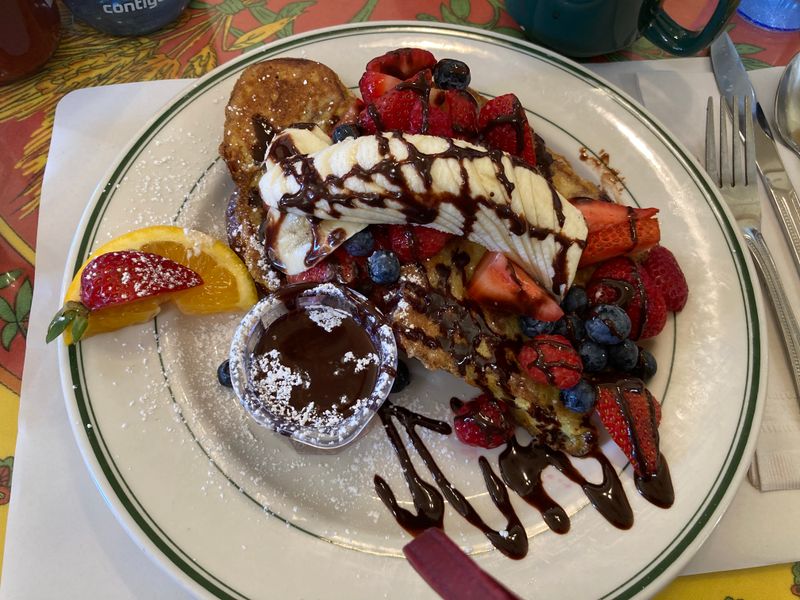
Described as a house favorite, the Chocolate Cinnamon French Toast combines two popular flavors in a single bread base.
Chocolate appears throughout the bread rather than as a sauce or drizzle, creating pockets of cocoa richness that contrast with the warmth of cinnamon.
Fresh seasonal berries and banana slices cover the top, their natural acidity cutting through the sweetness of chocolate and cinnamon.
The chocolate element remains subtle rather than overwhelming, avoiding the dessert-like intensity that might feel too heavy for breakfast.
The bread maintains a tender texture despite the added cocoa, soaking up egg batter without becoming soggy.
Cinnamon provides a spicy counterpoint that prevents the dish from tasting one-dimensional or overly sweet, even with chocolate present.
Seasonal berries vary throughout the year, meaning the exact fruit mix changes with availability. Strawberries, blueberries, and raspberries appear frequently, each adding different levels of tartness and texture.
Bananas offer creaminess and natural sweetness that complements both chocolate and cinnamon.
The combination of flavors creates a more complex taste experience than plain French toast, which may explain why this version earns mention as a favorite among regular customers.
Some people find this option satisfying enough to skip syrup entirely, relying on the inherent sweetness of the bread and fruit instead.
5. Cranberry Orange French Toast With Walnut Crunch
Tart cranberries, fresh orange juice, and walnuts combine in this house-baked bread that offers a more complex flavor profile than typical sweet breakfast options.
The cranberries provide bursts of tartness that balance the natural sweetness of the bread and any added syrup.
Orange juice gets incorporated into the dough itself, creating a subtle citrus brightness that runs throughout rather than sitting on top as a glaze or sauce.
Walnuts add textural contrast and a slightly bitter, earthy quality that complements both the fruit and citrus elements.
The nuts get distributed throughout the bread, appearing in most bites without overwhelming the overall composition.
The combination of tart, sweet, and nutty flavors creates a more sophisticated taste experience that may appeal to those who find traditional French toast too one-dimensional.
The bread maintains enough structure to hold together despite the moisture from cranberries and orange juice, avoiding the mushiness that can happen when too much liquid gets added to dough.
The crust develops a slight crispness during cooking, providing a textural contrast to the softer interior.
This version tends to pair well with the fresh berries and bananas that come standard with most French toast orders, as the tartness of the bread doesn’t clash with the fruit toppings.
Some California diners appreciate this option for feeling slightly less indulgent than chocolate or cinnamon-heavy versions, even though the calorie content remains similar.
6. Monte Cristo Sandwich As A Savory Alternative
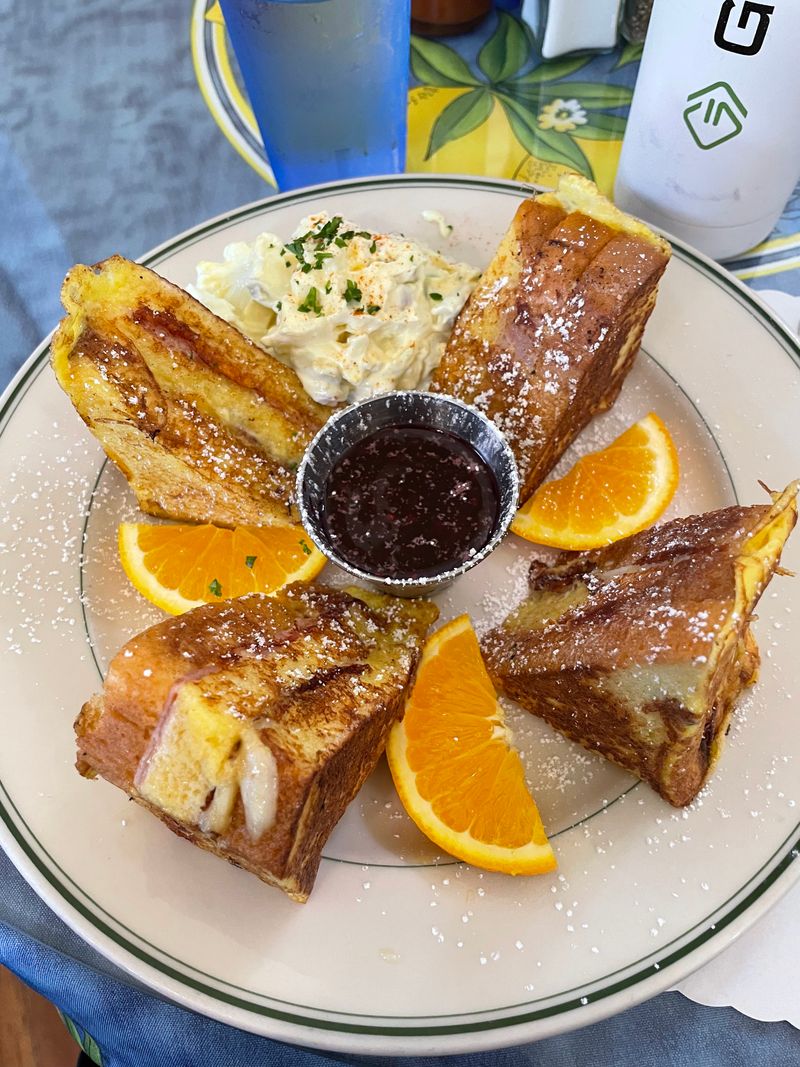
Not everyone arrives craving sweet breakfast dishes, which may explain the popularity of the Monte Cristo sandwich on a menu otherwise dominated by French toast variations.
Roasted turkey breast, honey-baked ham, cheddar, and Gruyère cheese get layered together, then dipped in egg batter and grilled until the exterior turns golden and the cheese melts throughout.
The result resembles French toast in cooking method but delivers entirely savory flavors.
Homemade jam arrives on the side, offering a sweet contrast that diners can apply as they wish or ignore entirely.
The combination of sweet jam with savory meat and cheese follows traditional Monte Cristo preparation, though some people prefer to eat it without any sweet element.
The egg batter creates a slightly crispy exterior that gives way to tender bread and melted cheese inside, with the meats providing substance and saltiness.
The portion size tends toward substantial, often requiring a knife and fork rather than hand-held eating.
The sandwich can serve as a bridge option for groups where some people want sweet breakfast items while others prefer savory, allowing everyone to order from the same restaurant without compromise.
The choice of both cheddar and Gruyère adds complexity beyond single-cheese versions, with Gruyère contributing a nutty, slightly sharp quality that elevates the overall flavor.
This dish demonstrates that the restaurant’s attention to quality extends beyond its famous French toast into other menu categories.
7. Homemade Baked Goods Available For Pre-Order
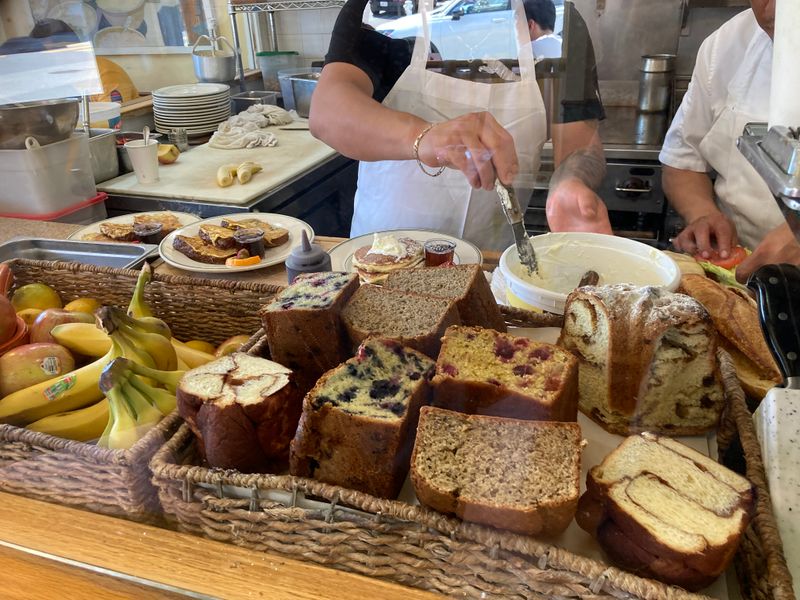
Beyond the sit-down menu, the restaurant produces a range of baked goods that customers can order in advance for special occasions or personal enjoyment.
Carrot cake, poppy seed cake, brownies, and kugelhopf represent the core offerings, each made using the same house-baking approach that defines the French toast breads.
These items require pre-ordering rather than walk-in purchase, suggesting limited daily production and a focus on quality over volume.
During holiday seasons, gift baskets become available, combining various baked goods into packages suitable for giving.
The pre-order system allows the kitchen to manage production schedules and ingredient sourcing without maintaining large inventories of finished goods.
This approach aligns with the restaurant’s overall philosophy of making items fresh rather than relying on mass production or wholesale suppliers.
The availability of these baked goods extends the restaurant’s reach beyond breakfast and brunch hours, allowing customers to enjoy house-made items at home or share them with others who might not have visited the restaurant yet.
The inclusion of kugelhopf, a traditional European cake, hints at the family’s possible heritage influences and adds variety beyond standard American bakery items.
The fact that these goods require advance ordering suggests steady demand, as the restaurant likely wouldn’t maintain this program without consistent customer interest.
For regular customers, the baked goods offer a way to enjoy the restaurant’s style of preparation outside the typical dining experience.
8. Cozy Atmosphere With Washington Square Park Views
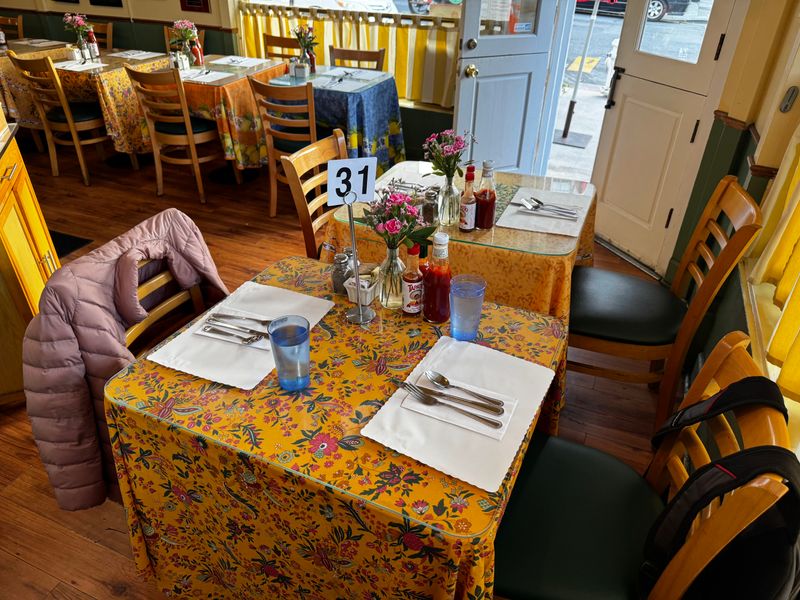
The restaurant’s location directly across from Washington Square Park provides a pleasant backdrop that enhances the overall dining experience without relying on elaborate interior design.
Large windows allow natural light to fill the space during morning hours, creating a bright atmosphere that feels appropriate for breakfast.
The park itself offers greenery and open space, a contrast to the dense urban surroundings of North Beach, California.
Inside, the décor maintains a deliberately vintage quality with lemon-patterned tablecloths that add color without overwhelming the senses. Yellow walls reinforce the cheerful, sunny mood that many people seek in breakfast settings.
Antique items scattered throughout the space suggest careful curation over time rather than a single design overhaul, giving the room a lived-in quality that new restaurants often struggle to achieve.
The Victorian architecture of the building contributes historical character that aligns with the neighborhood’s preserved Italian-American heritage.
The overall size remains modest, with limited seating that creates intimacy but also contributes to wait times during peak hours.
The combination of natural light, vintage touches, and park views creates an environment that feels distinct from chain breakfast restaurants or modern brunch spots with industrial design elements.
Some customers arrive early specifically to secure window seats overlooking the park, suggesting that the location adds measurable value to the dining experience beyond just the food quality.
9. Payment Policy And Practical Considerations
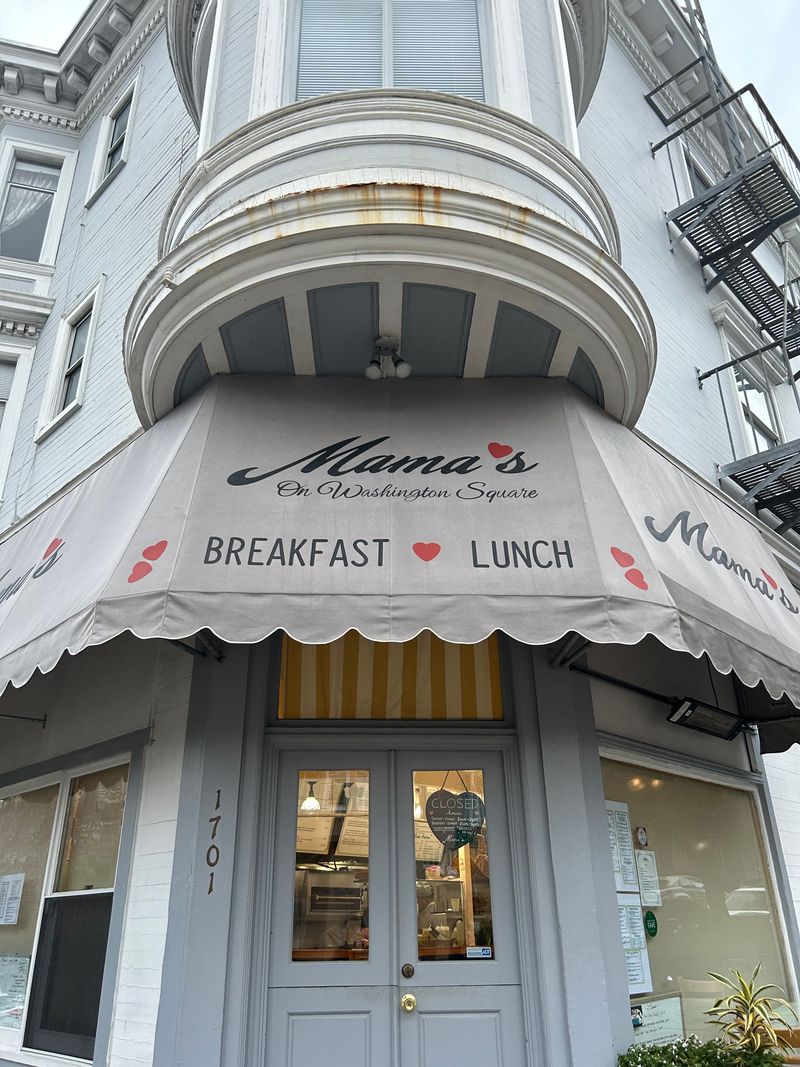
The restaurant now accepts both cash and debit cards, giving guests a little more flexibility while still keeping things refreshingly simple.
Credit cards are not part of the equation, so first time visitors should come prepared with either physical cash or a debit card ready to go.
In a neighborhood where most spots have gone fully digital, that detail can still surprise people.
ATMs are easy to find nearby in North Beach, but knowing the payment policy ahead of time helps avoid any awkward end of meal scramble. The limited payment options feel intentional rather than outdated.
Whether it is about minimizing processing fees or sticking with a system that has worked for decades, the approach signals a restaurant that is comfortable doing things its own way.
Operating hours stay just as focused. The doors open Tuesday through Friday from 8:00 AM to 2:00 PM, stretch to 3:00 PM on weekends, and remain closed on Mondays.
Those tight windows concentrate the crowds into prime breakfast and brunch hours, adding to the buzz and occasional wait times. Instead of stretching into dinner service, the kitchen zeroes in on what it does best.
The streamlined hours and straightforward payment setup may require a little planning, but they also reinforce the sense that this place thrives by sticking to its roots rather than chasing every modern trend.
10. Popularity And Strategic Timing For Visits
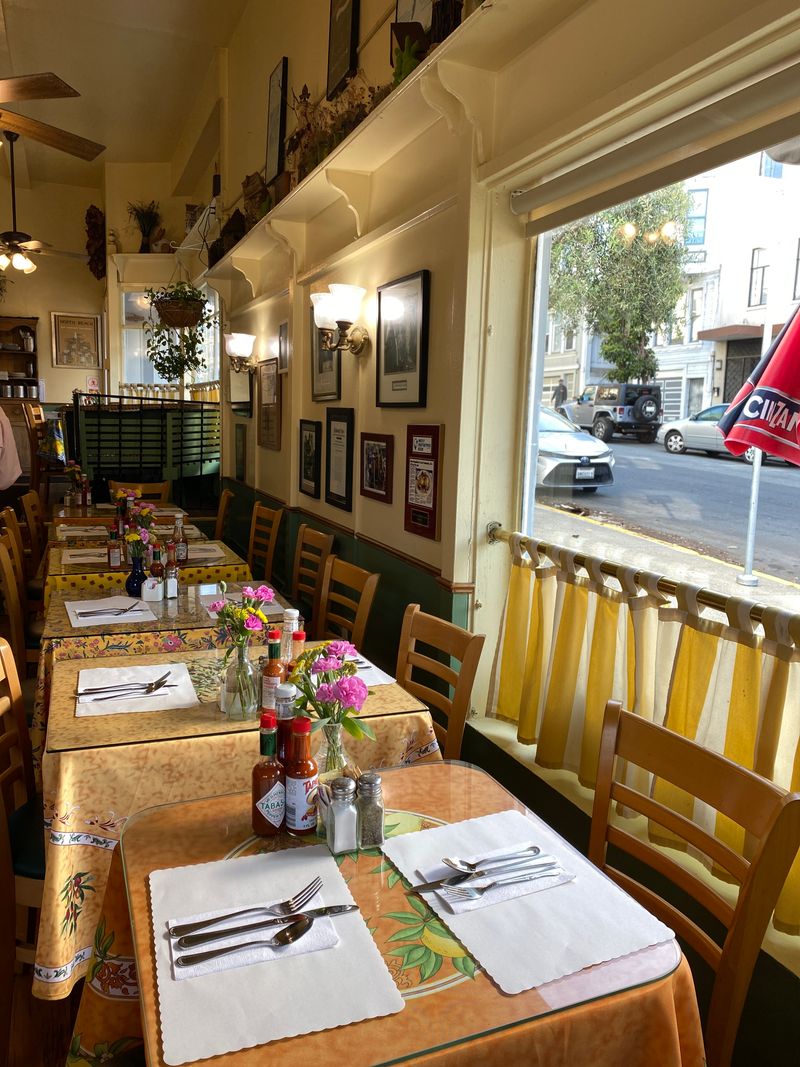
Weekend mornings bring the longest wait times, sometimes extending to 45 minutes or more as locals and tourists compete for limited seating.
The restaurant does not take reservations, meaning everyone joins the same queue regardless of party size or how far they traveled.
Arriving early, particularly on weekdays, offers the best chance of shorter waits and a more relaxed dining pace.
The popularity stems entirely from word-of-mouth recommendations and repeat customers rather than advertising or social media promotion, suggesting that the food quality speaks for itself.
This organic growth has built a steady customer base that returns regularly, sometimes bringing friends or family members who haven’t yet experienced the restaurant.
The lack of reservation system means that planning around potential wait times becomes part of the experience, with some people bringing books or newspapers to pass the time.
Weekday visits between Tuesday and Friday tend to move faster, as the local work schedule keeps many potential customers away during morning hours.
The restaurant’s proximity to Washington Square Park provides a pleasant waiting area when weather permits, allowing people to sit on benches or walk around rather than standing directly outside the entrance.
Some regular customers have developed strategies for minimizing wait times, such as arriving right at opening or visiting during the final hour before closing.
The consistent crowds demonstrate sustained demand that has persisted across decades, suggesting that the restaurant has successfully maintained quality standards that keep people returning despite the inconvenience of waiting.