This California Restaurant Lets You Ride A Hillside Cable Car Down To A Creekside Dinner
Dinner starts before you even reach the table.
Instead of walking straight through a front door, you descend a steep hillside aboard a tiny cable car, watching greenery and garden paths slip past as the restaurant slowly comes into view below.
It feels closer to entering a hidden retreat than arriving for a reservation.
Few California restaurants make the journey to your seat this memorable.
Once you reach the bottom, the setting keeps the mood going with creekside scenery and a dining room that seems tucked into the hillside itself.
Take a minute before opening the menu. The arrival deserves it.
You can ride back up later, but there is no need to think about that yet. For now, let the cable car do the dramatic entrance and enjoy the rare restaurant where getting to dinner becomes its own story.
Ride The Little Cable Car Down The Hillside
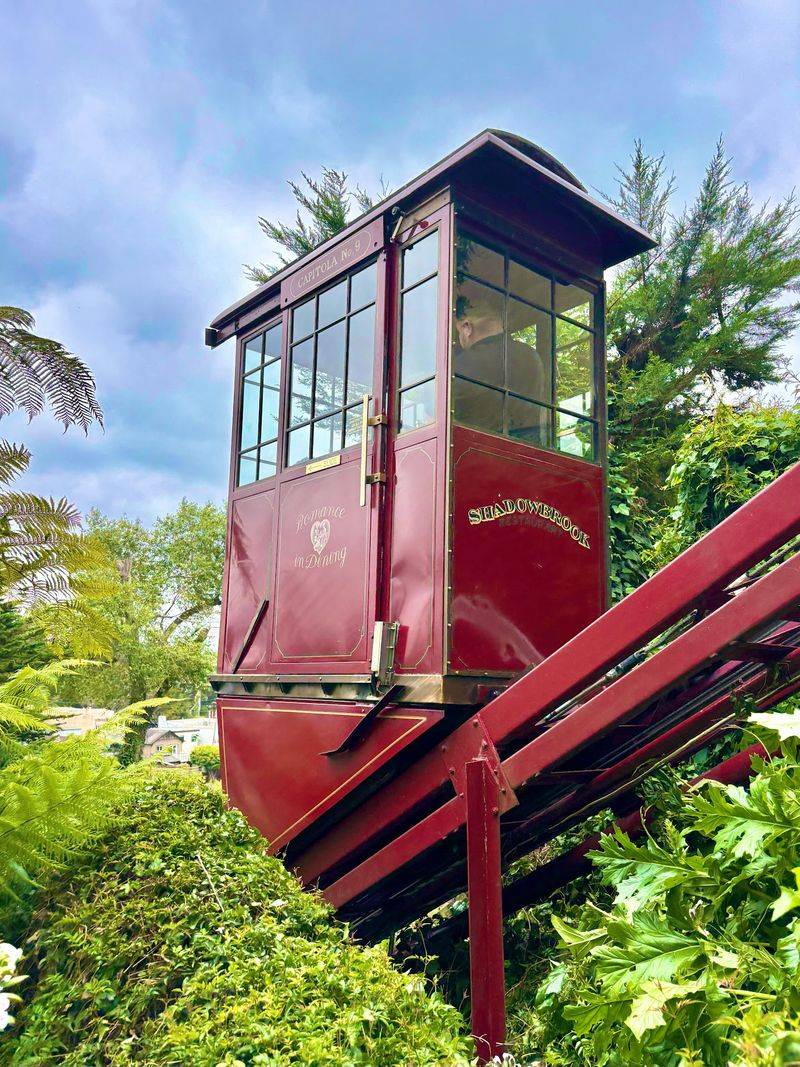
Few restaurants hand guests a ride before a menu, yet the short red funicular here does exactly that.
Shadowbrook Restaurant sits at 1750 Wharf Rd, Capitola, CA 95010, at the bottom of a wooded slope that drops steeply from street level.
The cable car was added in 1958, and it still carries guests from the upper entrance down toward the dining room doors.
The ride itself is short, often finishing in about a minute, so anyone expecting a long journey may be surprised by how quickly it ends.
What makes it memorable is the setting rather than the speed, since the car passes through dense plantings and offers glimpses of the greenery framing the building below.
There is no extra charge to ride, and a line can form during busy evenings. Guests in a hurry may prefer the stairs, which run parallel to the track and reach the same place.
The car also serves a practical purpose beyond charm, giving people who cannot manage stairs a way down to the tables.
Children tend to treat it as the highlight of the night, and adults often ride down before walking back up later.
Reservations are recommended, and arriving a few minutes early leaves room for the ride without rushing toward a table.
Take The Garden Path If You Want The Scenic Route
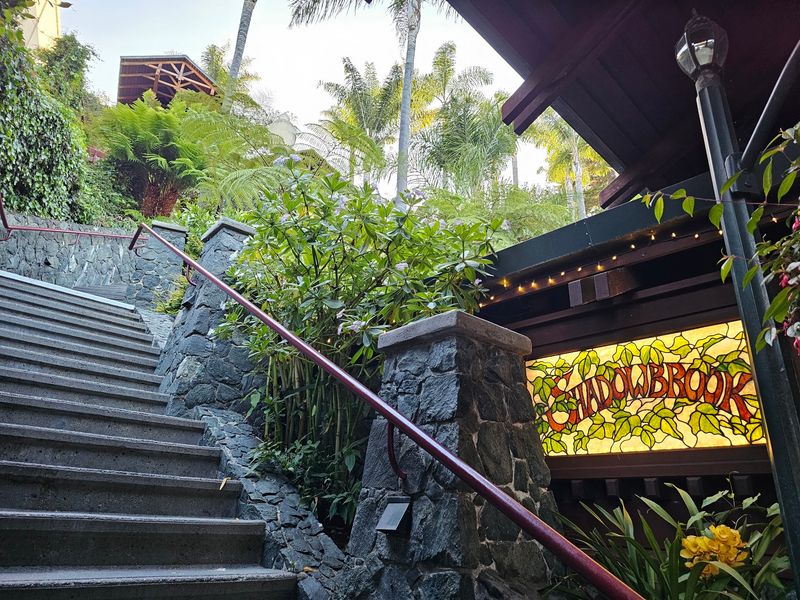
Walking down beats riding for anyone who likes to slow the evening down a little.
A meandering garden path winds along the hillside beside the cable car track, dropping through plantings thick enough that some visitors describe the stretch as a fern forest.
Stone steps, curving railings, and shaded corners give the walk a layered feel rather than a straight shot to the door.
Water features and statues appear along the way, and the landscaping mixes unusual foliage with more familiar coastal greenery.
People often stop partway to take photos, which means the pace can be slower than expected when several groups head down at once.
Footwear matters more here than on the cable car, since the steps are outdoors and can be damp during cooler months.
Anyone wearing dress shoes may want to take the steps carefully or simply ride down and walk back up afterward.
The path is lit in the evening, and the change from open sky to shaded canopy is noticeable as the slope drops toward creek level. Cooler air often settles near the bottom, so a light layer helps.
Plenty of guests do both, riding down before dinner and climbing the garden route afterward as a way to stretch out a long meal.
See How The Restaurant Hugs Soquel Creek
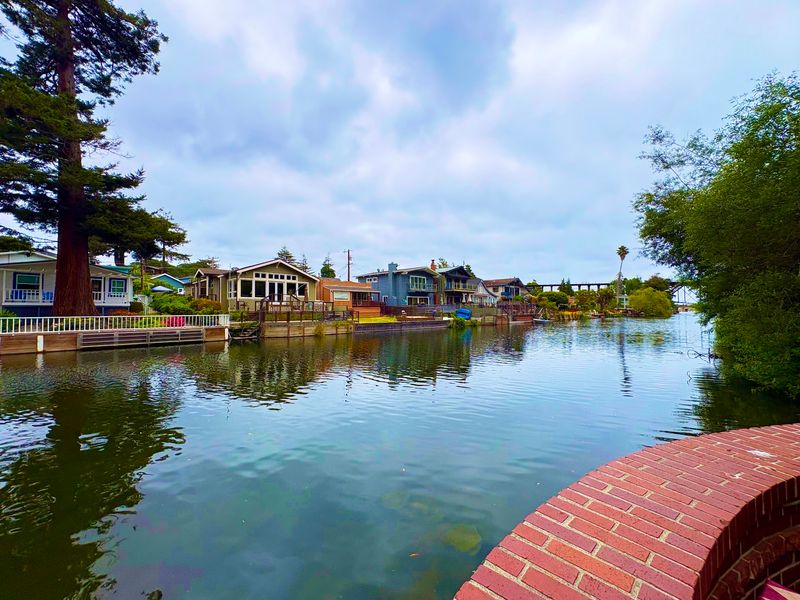
Water changes the mood of a meal, and the creek does most of the work here.
The building sits directly along the banks of Soquel Creek, close enough that tables near the windows look straight out at the moving water and the trees leaning over it.
Kayakers sometimes pass by during daylight hours, which gives diners something quiet to watch between courses.
The sound level outside tends to stay gentle, with water and birds replacing traffic noise from the road above.
Because the restaurant sits below street level, the busy road nearby fades out almost entirely once guests reach the bottom of the slope.
Window tables and creekside patio seats are the most requested, so noting a preference when booking may help, though specific tables cannot be promised.
Earlier reservations often mean more daylight on the water, which shifts the whole feel of the room.
Evening brings a different atmosphere, with soft lighting reflecting off the creek surface and the surrounding foliage fading into shadow.
Temperatures near the water can drop after sunset, and outdoor areas use heat lamps to help. Guests planning to sit outside during cooler months may still want a jacket, since the creekside air holds a chill.
Look Back At A Capitola Tradition That Started In 1947
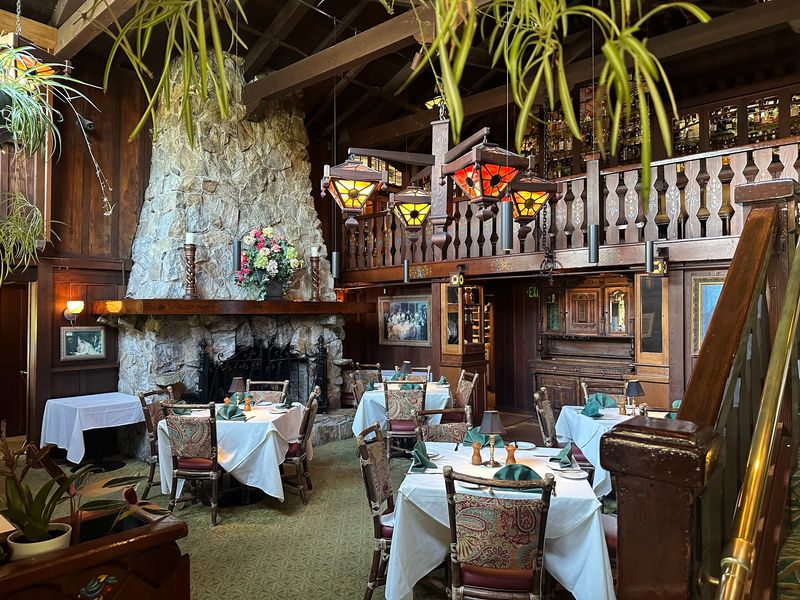
Nearly eight decades of dinners have passed through this building, and the bones of the place still show it.
The structure began as a log cabin built in the 1920s as a summer home, long before any restaurant existed on the site. Dining service started in 1947, and the property grew room by room over the following decades.
Additions came at different times, including the cable car in 1958 and later expansions that brought new dining spaces and a bakery department.
The result is a building that feels stitched together in the best sense, with older sections sitting beside newer ones.
History shows up in small physical details rather than plaques and displays.
Stone fireplaces, exposed redwood, and brickwork all point back to different construction periods, and the original cabin walls still form part of one dining space.
For visitors interested in local landmarks, the restaurant works as both a meal and a look at how a hillside summer cabin turned into a long-running Capitola institution.
Staff often know the background well and may share details about the property when asked.
Anyone curious about how the rooms came together can simply ask while ordering, since the story tends to make the wait between courses pass quickly.
Explore Dining Rooms That Feel Completely Different From One Another
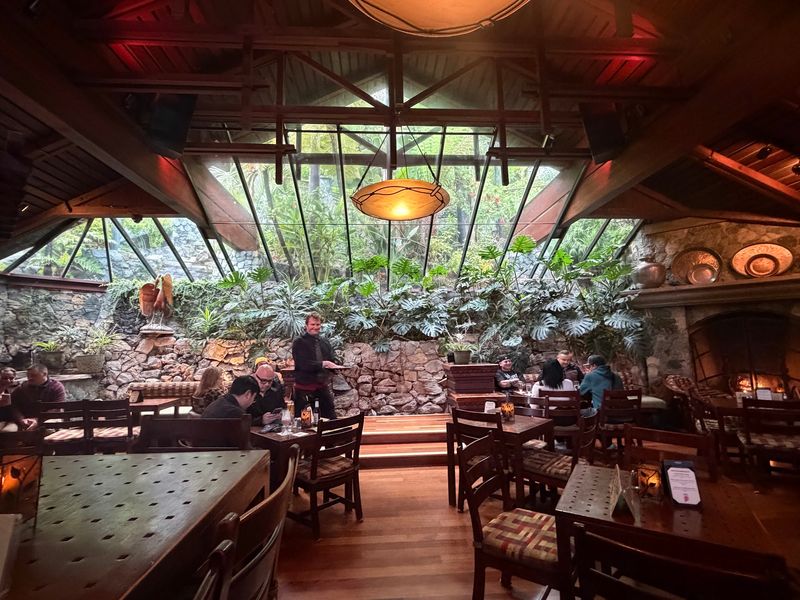
Booking a table here means choosing a mood as much as a time slot.
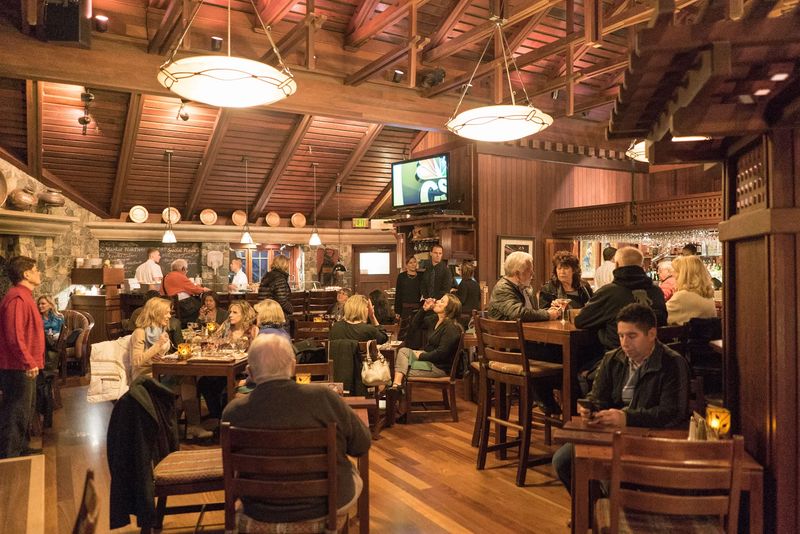
Several distinct dining rooms fill the building, and each carries its own materials, lighting, and level of privacy.
The Fireside Room formed part of the original log cabin and holds a large stone fireplace, giving it the most rustic feel of the group.
Redwood walls define the Redwood Room, which also looks out toward the chef’s herb garden.
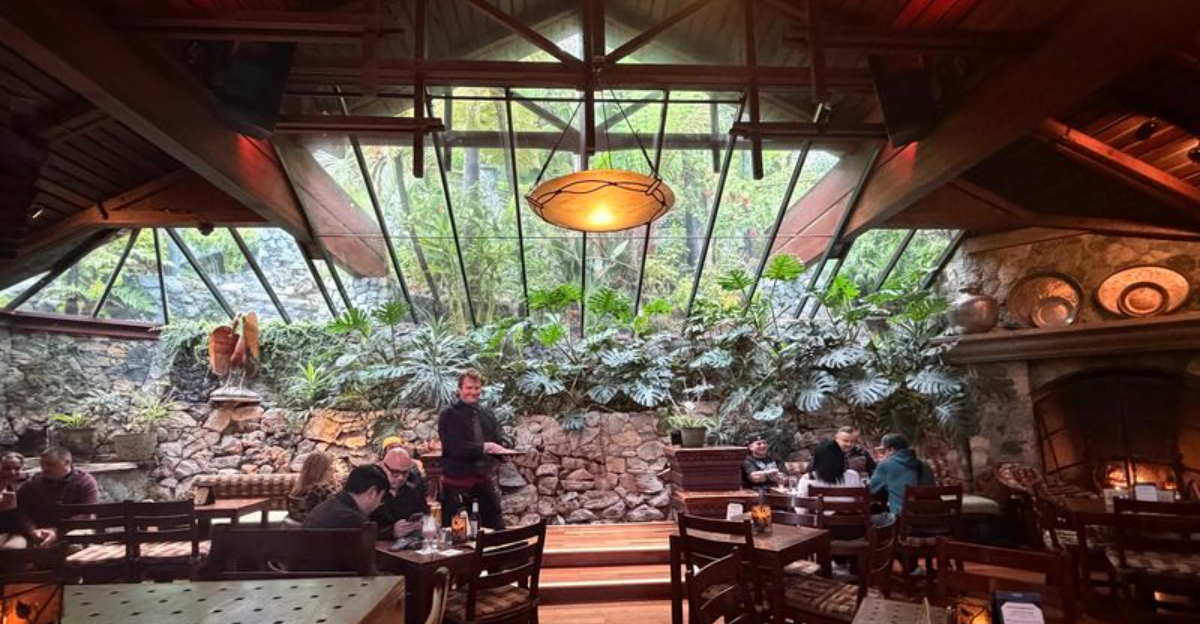
For brighter surroundings, the Greenhouse Room uses stained glass and opens toward the creekside gardens, letting in far more natural light during daytime meals.
A cellar room added in the mid 1980s sits surrounded by the restaurant’s bottle collection, and the lounge area includes a large skylight aimed up the hillside.
Some guests compare the effect to sitting inside a terrarium, since greenery fills the view overhead.
Noise levels vary between spaces, with smaller rooms feeling quieter and the busier areas carrying more conversation.
Larger groups may fit better in open sections, while couples often prefer tucked-away corners.
Walking through the building before or after eating is worth the few extra minutes, since the layout curves and climbs in ways that are hard to picture from a single table.
Order The Slow-Roasted Prime Rib
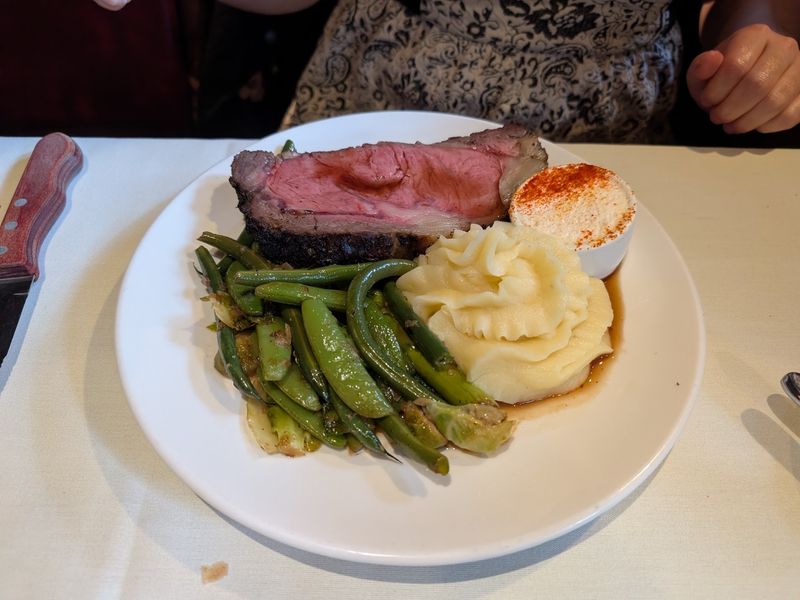
Some dishes stick around because guests keep asking for them, and prime rib is that dish here.
Slow-roasted prime rib appears on the current dining room menu, served with garlic-whipped potato, creamed spinach, horseradish cream, and jus.
The combination leans traditional rather than experimental, which suits the older, wood-lined rooms it gets served in.
Doneness matters with a cut like this, so stating a preference clearly when ordering helps.
Servers can describe how the kitchen prepares it, and asking questions before the plate arrives usually leads to a better result than adjusting afterward.
Portions tend toward filling, which means starters and dessert may be worth planning around rather than piling on. Sharing an appetizer is a common approach for anyone eyeing the bakery items later.
The menu covers more ground than beef alone, with seafood, poultry, and pasta options rounding out the choices.
There is also a separate lounge menu that differs from the dining room list, so guests wanting the prime rib should confirm which menu they are looking at.
Prices sit in the higher range for the area, matching the setting and the service pace.
Try The Creamy Artichoke Soup
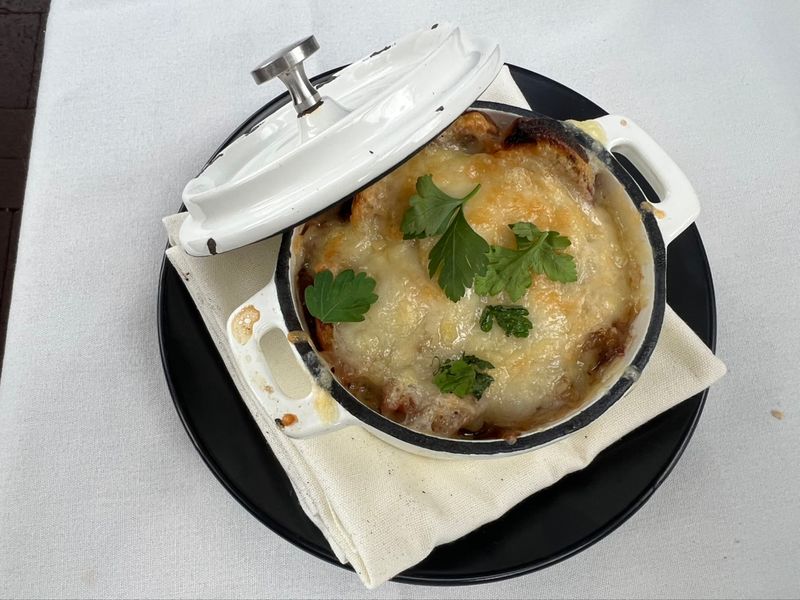
Artichokes are the state vegetable of California, and this soup puts them front and center.
Creamy artichoke soup holds a spot on the current menu and offers something more specific than the usual steak-and-seafood shorthand.
The texture is smooth and the flavor mild, making it an easy opener for people who want something warm before a heavier main course.
Soup also works well in a setting where the creekside air can feel cool, particularly for guests seated on the patio or terrace during the evening. Warmth in the first course sets a comfortable tone for everything after it.
Portion size fits a starter rather than a meal, so pairing it with a salad or a shared appetizer makes sense for anyone with a bigger appetite. Splitting a bowl between two people is also common when several courses are planned.
Menus at the restaurant shift with seasons and specials, so confirming availability when ordering is wise rather than assuming every item stays year round. Servers generally know what the kitchen is running that day.
Guests with dietary needs should mention them early, since ingredients in cream-based dishes vary. Asking before ordering saves time and keeps the meal moving at a relaxed pace.
Save Room For Something Made By The In-House Bakery
Dessert here does not come from a delivery truck, which changes the ending of the meal.
A bakery department was added to the property in the mid 1980s, and it prepares breads, pastries, and desserts on the premises. Bread arriving at the table and the sweets closing out dinner come from the same kitchen operation.
Baking on site allows the restaurant to change offerings as seasons and ingredients shift, so the dessert list may look different from one visit to the next.
Chocolate options and fruit-based desserts both appear regularly, and warm items pair naturally with the cooler creekside evenings. Portions can be generous enough to share between two people after a full dinner.
Pacing helps here more than anything else, since the meal moves slowly by design. Skipping a second starter leaves room for the part of dinner most guests remember.
Coffee tends to arrive without pressure to finish quickly, which suits a room built for lingering.
Anyone celebrating a birthday or anniversary can note it when reserving, though specific extras depend on the restaurant and cannot be guaranteed.