This California Restaurant Packs Flavors From Across Africa Onto One Seriously Unusual Menu
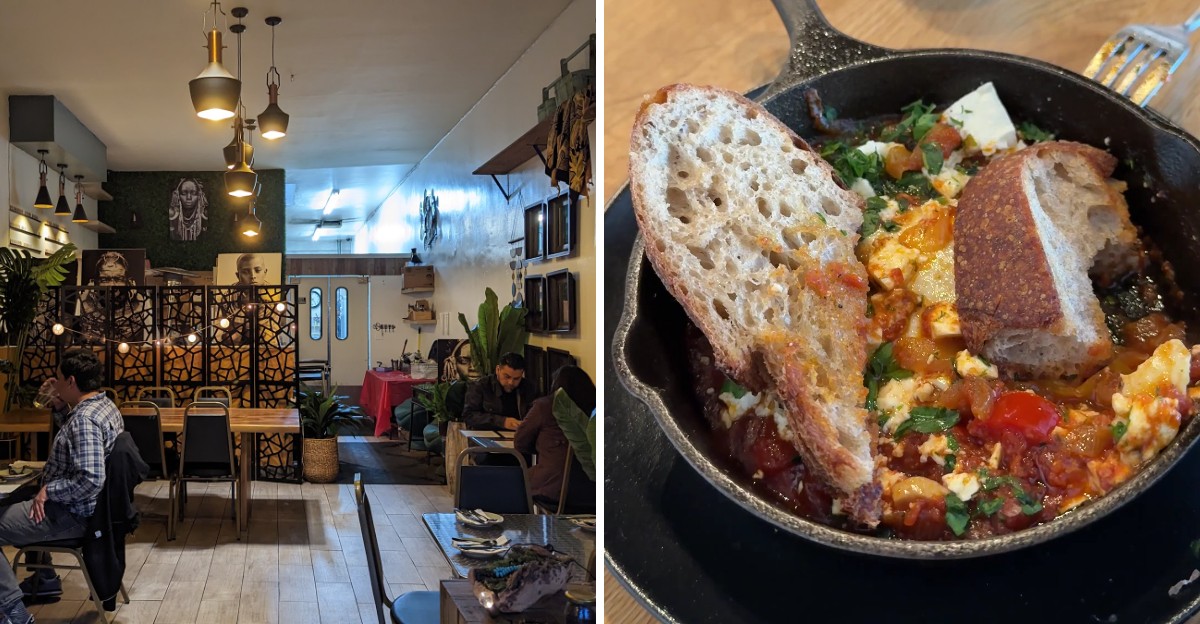
Ordering dinner gets more interesting when the menu refuses to stay in one culinary lane. One meal can introduce flavors and dishes connected to places thousands of miles apart.
At one unusual restaurant, African food traditions provide the inspiration, but the menu is far from predictable.
Different regional influences get their turn, giving curious diners a chance to discover something beyond the dishes they already know.
A single dinner in California can cover an impressive amount of African culinary ground without anyone changing tables.
That variety makes choosing an order part of the fun. Something unfamiliar might beat the dish you originally planned to try, and sharing becomes a very sensible strategy.
Come with an open mind and an appetite. Deciding what deserves the first bite may take a while.
It Was Founded By An Ethiopian Refugee
Every family recipe carries a small piece of a journey, and the story behind this kitchen shows that clearly.
The founder is an Ethiopian refugee who went on to become a trained chef. Her own life experience shaped the restaurant long before the first plate ever reached a table.
According to the restaurant, the concept grew from a simple but powerful idea. Migration can carry recipes, traditions and memories across borders, even when people have to leave nearly everything else behind.
A spice blend, a way of folding dough or a slow-cooked stew might be the one thing that still feels like home.
Public reporting notes that the founder was born in a refugee camp and came to the United States as a child with her mother.
The food business started around 2018 as a catering extension of a nonprofit she helped build. From there, it slowly grew into a full restaurant with its own dining room.
Knowing that background can change how a meal feels. A bowl of lentils or a crispy pastry stops being just lunch and starts to feel like a shared memory.
Diners who enjoy learning the story behind their food will likely find plenty to think about here.
The Restaurant Has A Bigger Mission Than Dinner
Behind the menu sits a business model that works a lot like a training ground.
Flavors From Afar operates as a social enterprise, which means helping people is built right into how the restaurant runs. Workforce development sits at the center of that plan.
The restaurant creates hospitality jobs and learning opportunities for refugees and others it calls culture keepers. Those are people who hold onto the recipes and food traditions of their home communities.
Working in a real kitchen can help them build skills for future jobs in the food world.
The effort connects to the Tiyya Foundation, a nonprofit that supports refugee and displaced Indigenous families. Its programs have included mentoring, education support and workshops.
The restaurant has described a revenue-sharing approach, where cooks who share family recipes can earn a portion of profits from their featured dishes.
So what does that mean for a regular diner? Ordering a plate of food here can support job training and community programs at the same time.
Nobody needs to do anything special beyond showing up hungry.
Curious guests can ask staff about the mission, since many visitors say the team seems happy to chat.
The Current Menu Travels Across Africa
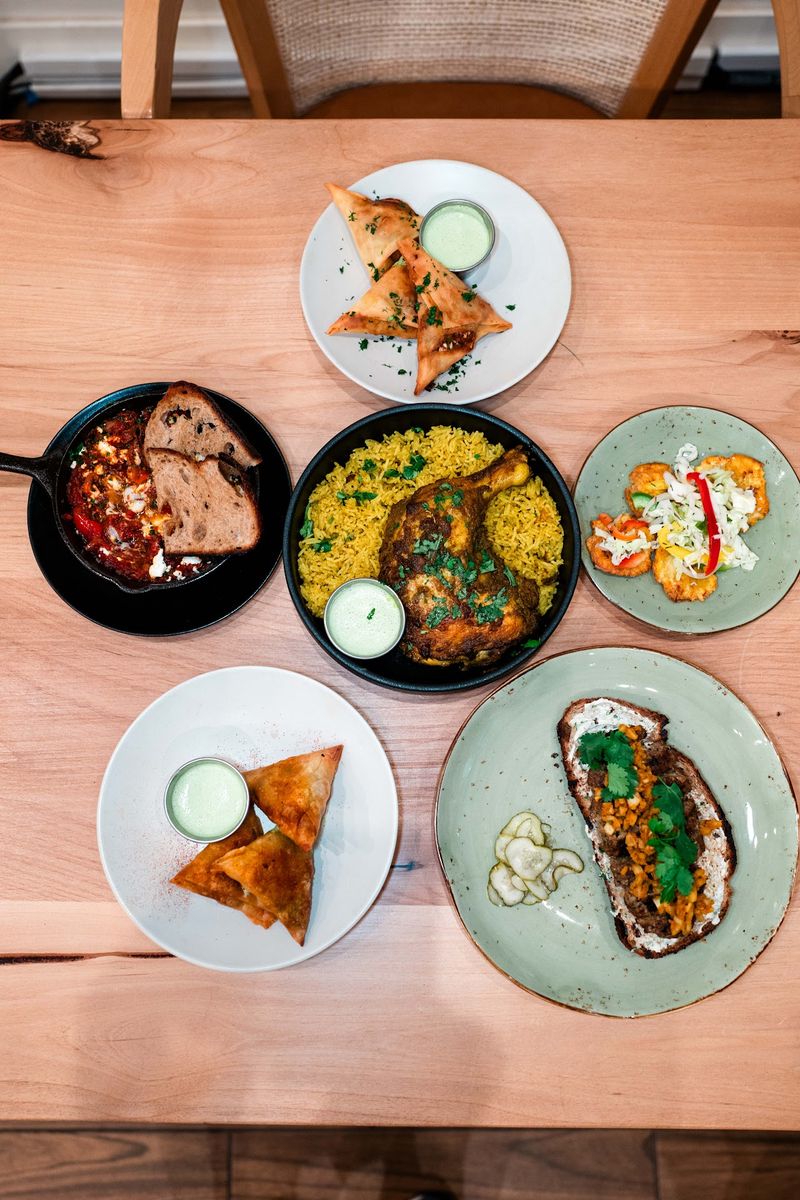
Most restaurants pick one country and stay there, but the kitchen here has a much bigger map in mind.
Instead of focusing on a single cuisine, the current menu reaches into East, West, North and Southern African cooking. It also draws on traditions connected to the African diaspora.
Africa has 54 countries and thousands of food traditions, so no single menu could cover everything. What this California spot does is pick specific dishes and link each one to a clear place or region.
A diner might start in Somalia, move to Egypt and finish somewhere along the Swahili Coast, all at one table.
That approach makes the meal feel a bit like a guided tour. Sharing several plates is one easy way to taste more regions in a single visit.
Groups of friends might find it fun to order a spread and pass dishes around.
Spice levels, textures and cooking styles change a lot from plate to plate. Some dishes lean bright and citrusy, while others feel slow-cooked and deep.
Menus at the restaurant have changed over the years, so the exact lineup may not stay the same forever.
Start With Somali Sambusas
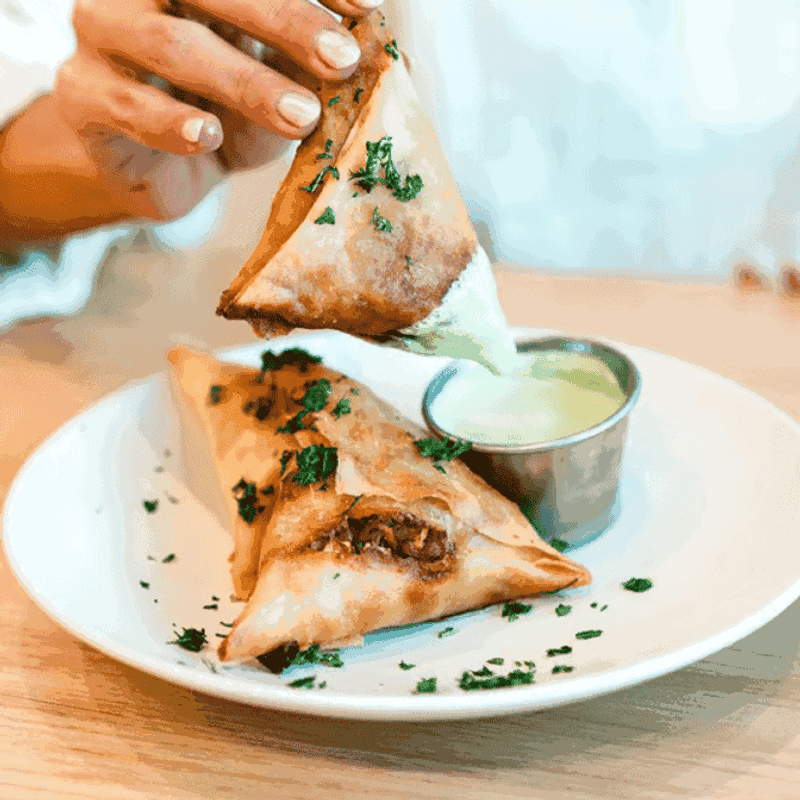
Crunch comes first with these, and it sets the tone for the whole meal. Somali sambusas are crisp East African pastries, and the restaurant fills its version with Xawaash-spiced lamb, onion and herbs.
The pastries are finished with berbere and served with Somali basbaas chile sauce.
Xawaash is a warm Somali spice blend that often includes cumin, coriander, black pepper and cardamom.
Berbere is a well-known Ethiopian spice mix with a reddish color and a gentle to strong kick. Basbaas is a Somali chile sauce that adds a fresh, spicy lift.
Not a fan of meat? A vegan vegetable version is also on the menu, so plant-based diners do not have to miss out.
Sambusas show up often in conversations about the restaurant, which says a lot about how popular they seem to be.
The shape looks a lot like a samosa, and the two snacks are often described as close cousins.
Eating them warm is the best way to enjoy that shattering outer layer. Letting them sit too long, especially in a takeout box, might soften the crust a bit.
Ordering one plate for the table works nicely as a starter while everyone looks over the rest of the menu.
Then Jump To Mozambique And Southern Africa
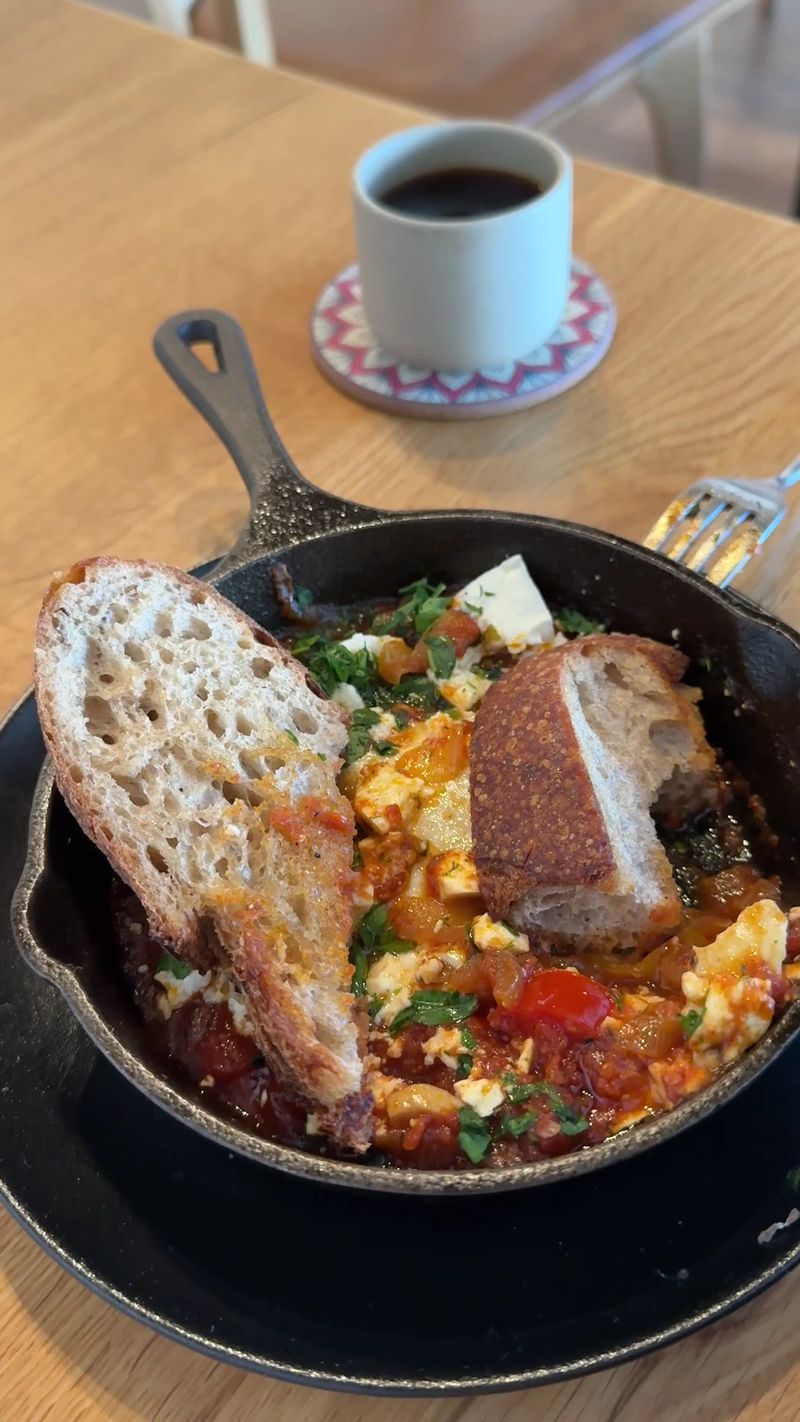
Heat lovers tend to perk up at the words peri-peri. The cast-iron peri-peri shrimp brings a flavor profile that feels completely different from the Somali pastries at the start of the menu.
Roasted shrimp meet a spicy peri-peri sauce, charred lemon and fresh herbs.
The restaurant ties the dish directly to Mozambique and Southern Africa. Peri-peri is the name for a small, fiery chile, and the sauce made from it often mixes chiles with garlic, citrus and oil.
Portuguese traders and local cooks helped spread the style across the region and far beyond.
Charred lemon plays a quiet but helpful role. Squeezing it over the shrimp adds a smoky, sour brightness that can cut through the heat.
Fresh herbs bring a cool, green note that keeps each bite from feeling too heavy.
Cast iron holds heat very well, so the dish may arrive sizzling or still quite hot. Taking a moment before digging in can save a burned tongue.
Spice sensitivity differs from person to person, so asking the server about heat level is a reasonable idea.
Pairing the shrimp with a milder side, such as rice or plantains, can help balance things out. A cool glass of water nearby can help too.
Egyptian Koshari Is One Of The Meat-Free Entrées
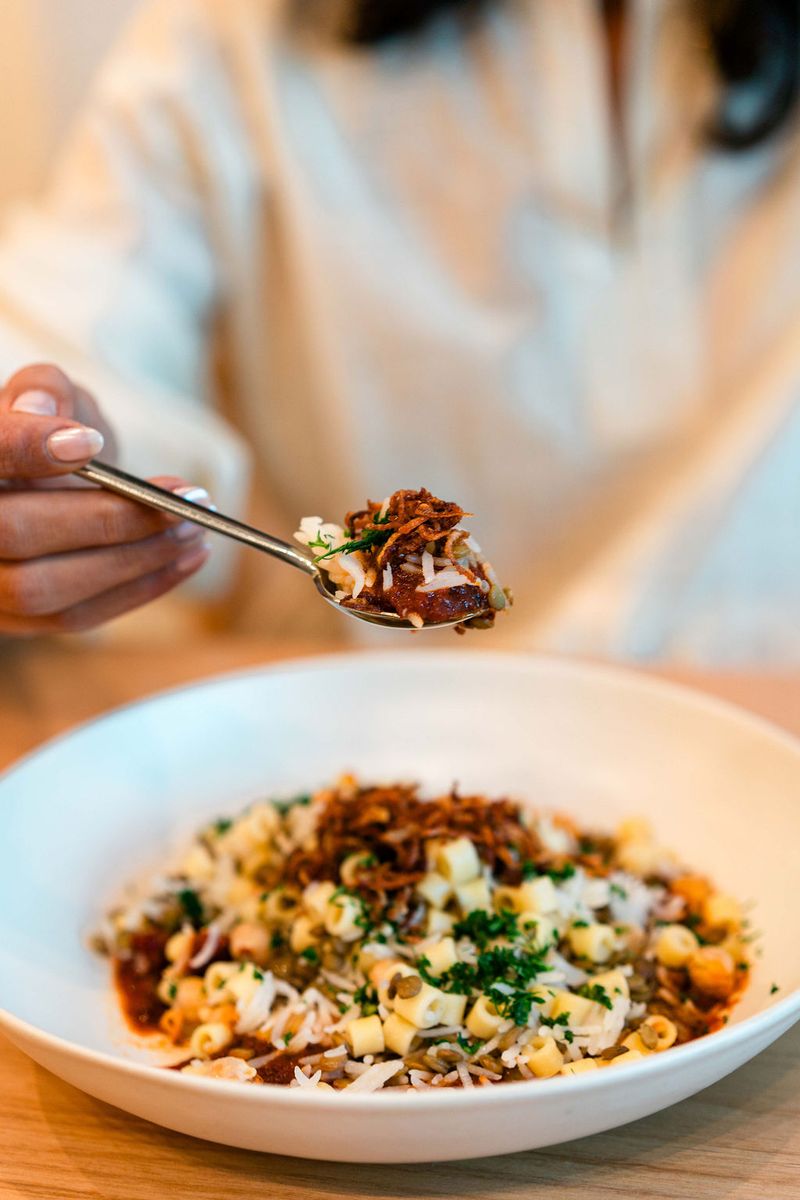
Carb lovers and plant-based eaters can agree on at least one bowl. The restaurant’s version combines lentils, rice, chickpeas and pasta with a spiced tomato sauce.
Crispy shallots and a cumin vinaigrette go on top.
Koshari is often called a national dish of Egypt, and it is a common street food in Cairo.
Many Egyptian versions stack the ingredients in layers so each spoonful holds a little of everything. The dish grew popular as a filling, budget-friendly meal for workers and families.
Here, koshari sits among the meat-free entrées, and it is fully vegan. That makes it a strong choice for plant-based diners who want something hearty rather than a small side salad.
Texture is a big part of the fun. Soft lentils and tender pasta contrast with the crunch of fried shallots.
The tangy cumin vinaigrette brightens the tomato sauce so the bowl does not feel flat.
A good tip is to mix everything together before the first bite. Stirring helps the sauce coat each grain and noodle evenly.
Portions of starchy dishes can be surprisingly filling, so sharing a bowl alongside a lighter plate might be a smart move for smaller appetites.
Senegal Shows Up Through Chicken Yassa
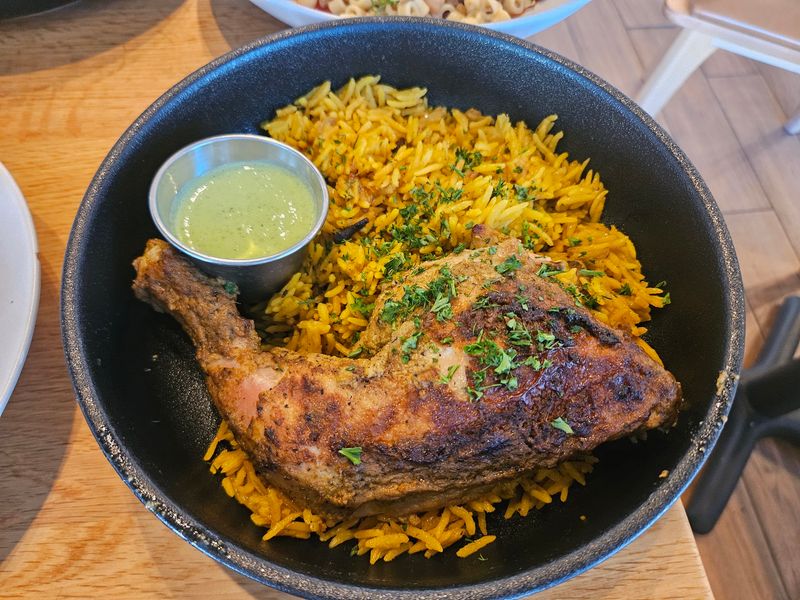
Onions rarely get the spotlight, but in chicken yassa they are the star. The restaurant serves bone-in chicken with caramelized Senegalese yassa onions, mustard, citrus and fresh herbs.
Yassa is traditionally linked to the Casamance region in southern Senegal. Many home cooks marinate the chicken in lemon or lime juice with lots of sliced onions before cooking.
Mustard adds a sharp tang that plays against that sweetness. Citrus keeps the flavor bright, and herbs finish things off with a fresh touch.
The result may feel tangy and comforting at the same time, a mix that is easy to enjoy even for first-timers.
Yassa is a good example of how each plate on the menu keeps a clear link to a particular culinary tradition. Instead of blending many cultures into one dish, the kitchen lets Senegalese flavors speak for themselves.
Bone-in chicken usually stays juicier than boneless cuts, though it takes a little more work to eat.
The Menu Isn’t The Only Way It Showcases Different Cultures
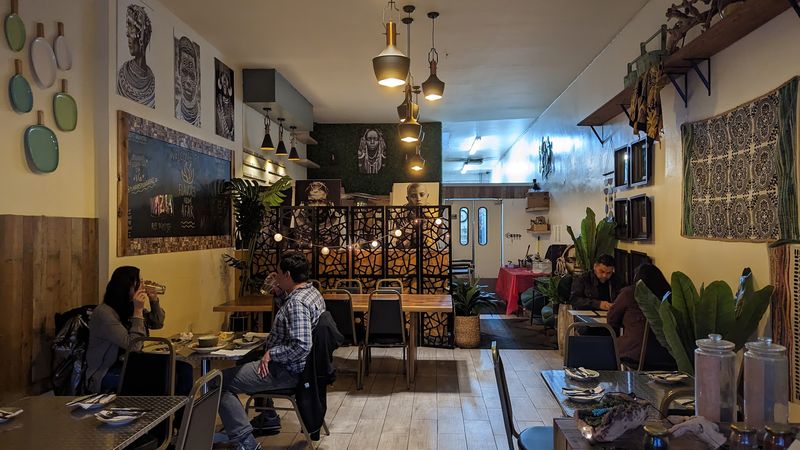
Regular menu items are only part of the picture. The restaurant also hosts rotating experiences that spotlight displaced chefs and the culinary traditions they carry.
Past features have included cuisines from places outside Africa too, such as Haitian dinners and Native American menus.
Some events have taken the form of multi-course dinners built around a single culture. The idea is to let chefs share food on their own terms, with full stories attached.
A Friday night global dinner series has been part of the lineup as well, featuring different cooks, many of whom have gone through the restaurant’s training program.
Dates, themes and formats can shift, so nothing should be assumed without checking. Reservation platforms and the official website usually carry the latest details.
Special events can fill up, especially when they feature a popular cuisine or a limited number of seats. Booking ahead is a sensible step for anyone set on a particular night.
Beyond meals, the space has hosted community gatherings, and some guests even use it for daytime co-working over lunch.
That flexible, neighborly feel is part of what keeps the restaurant from feeling like a typical dining room.
Where To Find It
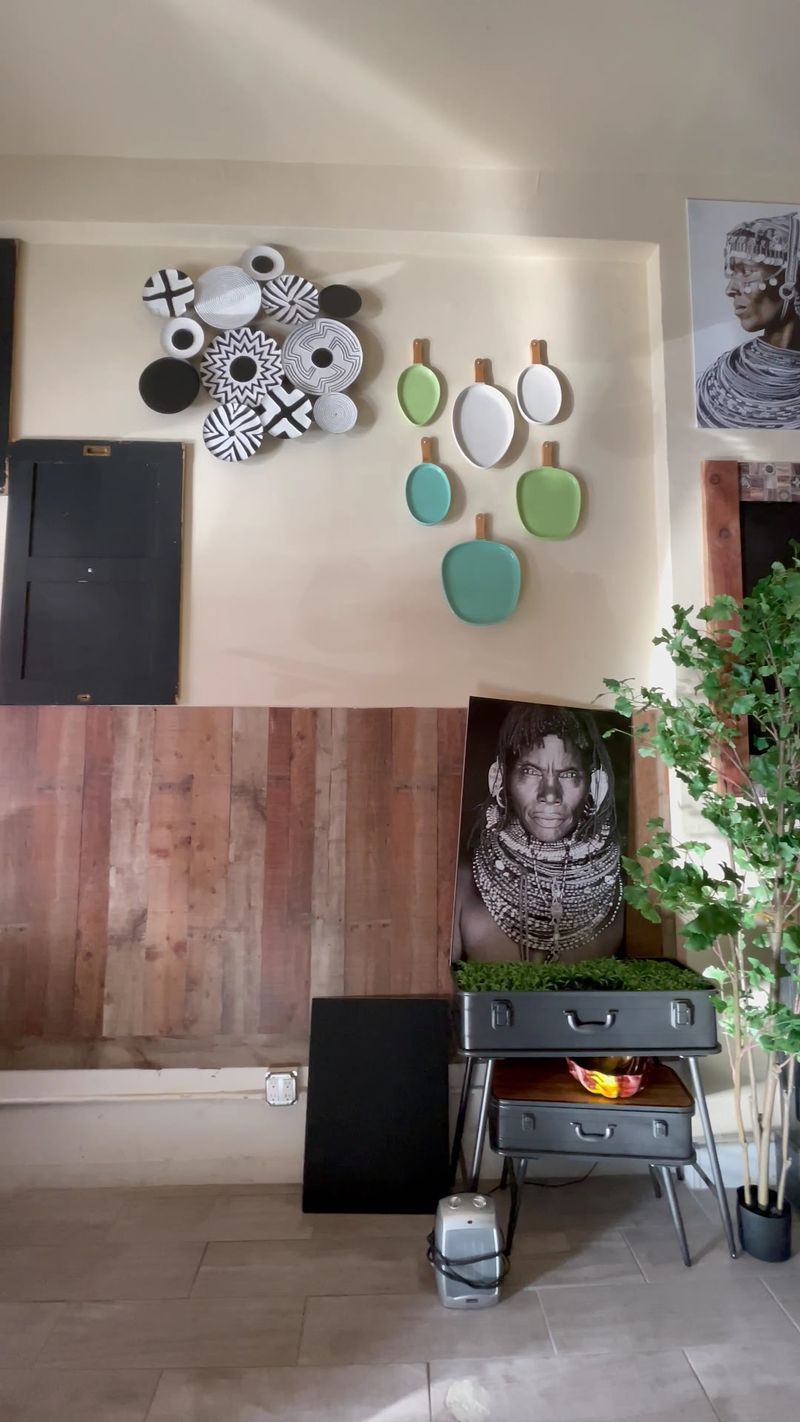
Finding the dining room is fairly simple once the right stretch of boulevard comes into view.
Flavors From Afar sits at 5652 Hollywood Boulevard, Los Angeles, California 90028, in the East Hollywood area. The storefront faces the busy street, so keeping an eye on building numbers helps.
According to the official website, hours run from 11 a.m. to 10 p.m., Wednesday through Sunday. The restaurant is closed on Mondays and Tuesdays, so planning around those days can save a wasted trip.
Street parking along the boulevard is available, though it can be a challenge at busy times. Allowing extra minutes to circle the block may make arrival less stressful.
Rideshare or public transit could be easier options for some visitors, and the Metro B Line’s Hollywood/Western station is a short walk away.
Lunch hours may feel calmer, and some guests enjoy the space for a relaxed midday meal. Dinner can bring a livelier mood, particularly on weekends.
Pairing a meal with nearby sightseeing is easy, since the location sits not far from central Hollywood.