This California River Town Feels Like The Last Affordable Escape With Homes Under $200,000
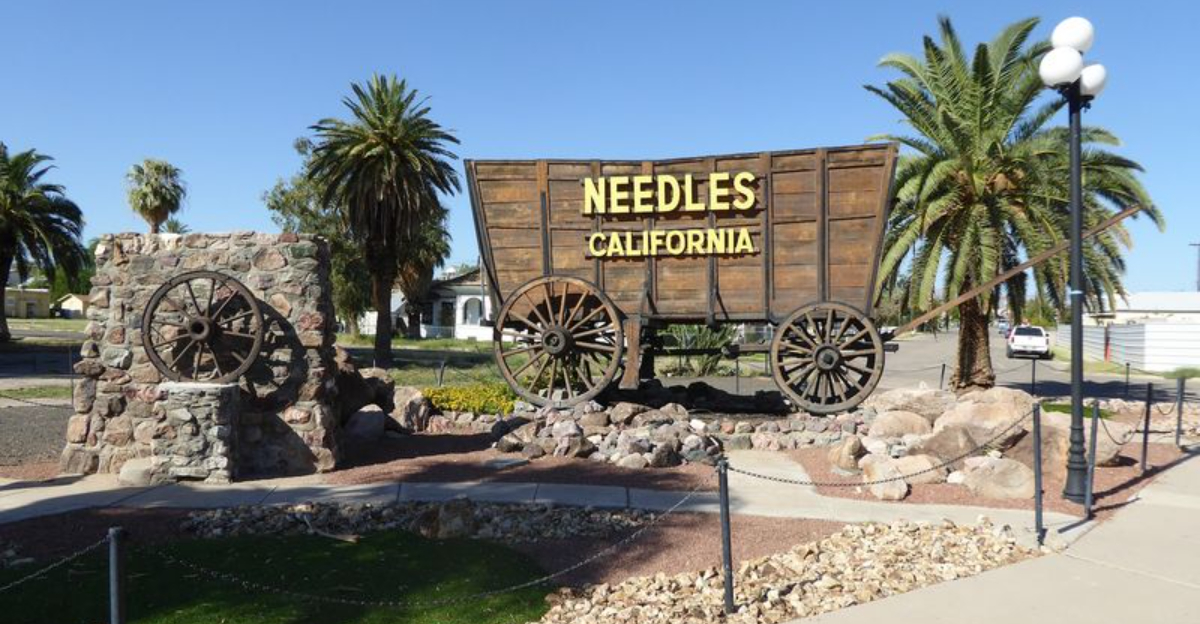
California affordability usually sounds like a setup for disappointment.
Then a river town like this shows up and makes the math feel less impossible.
Homes under $200,000 can still be found here. That’s rare enough to make people pause before scrolling past.
The appeal is not just the number. It is the setting.
Desert light. Colorado River access. A slower pace.
A town that feels far removed from the usual California housing panic.
Of course, affordable does not mean effortless. Remote living comes with real questions.
Jobs matter. Heat matters. Distance matters. Still, the idea is hard to ignore.
A place with river-town character and lower home prices? This feels like one of the last loopholes in a state where housing makes everyone wince.
For the right buyer, this escape might be worth a closer look.
Why The Under-$200,000 Claim Actually Works
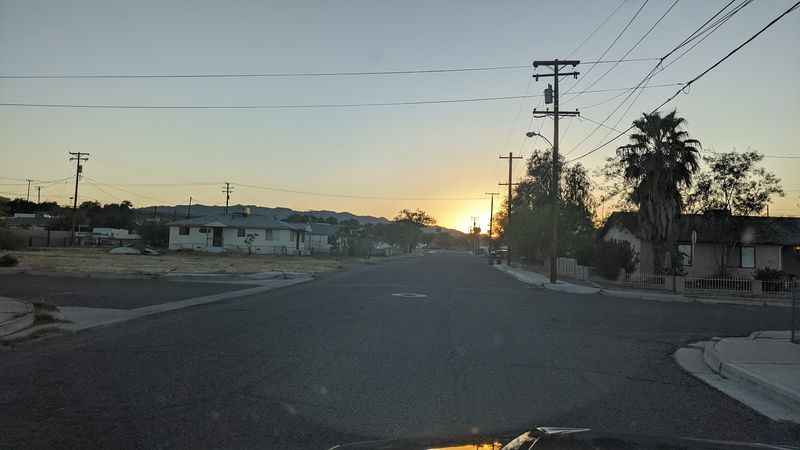
Most California real estate headlines feel like a setup for disappointment, but the numbers in Needles hold up surprisingly well under scrutiny.
The median sale price in May 2026 landed around $156,000, with the median list price sitting near $199,900 and the average home value reported at approximately $189,085.
Several active listings have appeared well under $100,000, which is nearly unheard of anywhere else in the state.
Housing costs in Needles run about 39 percent below the national average, and the overall cost of living sits 37 percent below the California average.
That gap matters enormously for buyers who have been priced out of coastal markets, inland cities, and even many rural areas across the state.
The market tends to move at a measured pace, with homes selling in a median of around 80 days, giving buyers more breathing room than competitive urban markets typically allow.
Appreciation over the past decade has averaged about 7.33 percent annually, though the most recent year showed slower growth at roughly 1.43 percent.
For a first-time buyer or someone looking to stretch retirement savings, the math here works in a way that feels refreshingly honest rather than aspirational.
You Get A Real Colorado River Setting, Not Just A Cheap Zip Code
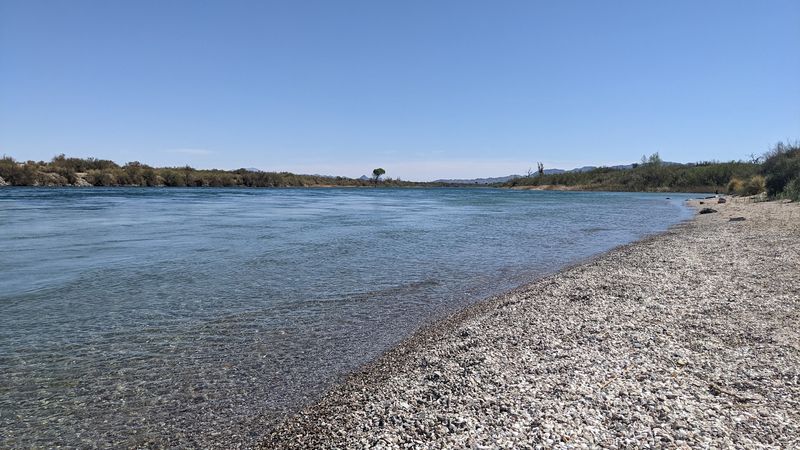
Affordability paired with a riverfront setting is not something most people expect to find in California, yet that combination is exactly what shows up in Needles.
The Colorado River runs along the eastern edge of town, offering sandy beaches, calm stretches of water suitable for boating, and waterfront campgrounds that bring the outdoors right into everyday life.
The city’s own tourism page highlights the river as a central part of local recreation, pointing to swimming spots, fishing areas, and launch points for watercraft.
These are not polished resort amenities behind a paywall but accessible outdoor spaces that residents and visitors can use without a membership or a reservation at a boutique hotel.
Sitting beside a major river in the middle of the Mojave Desert creates a sensory contrast that feels genuinely surprising.
The sound of moving water, the cooler air near the banks, and the wide open sky above the river corridor give the town a natural anchor that a cheap zip code alone could never provide.
For buyers weighing affordability against lifestyle quality, the Colorado River setting adds real value that does not show up on any cost-of-living index but absolutely shapes daily experience in Needles.
Route 66 Gives The Town Its Road-Trip Personality
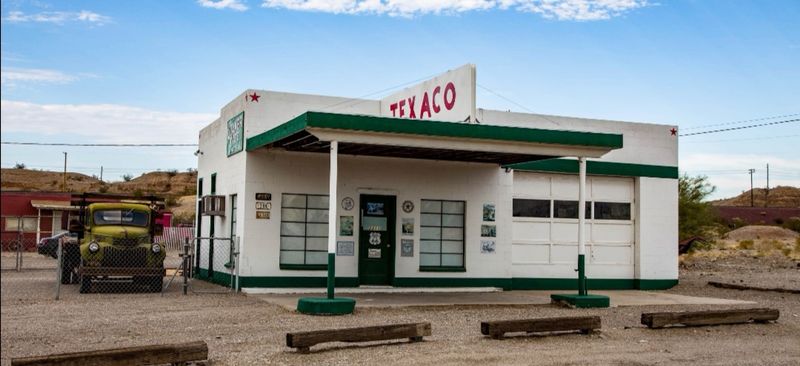
There is a particular feeling that comes from standing on a stretch of road that once carried cross-country travelers through decades of American history, and Needles delivers that feeling without any theatrical effort.
Historic Route 66 runs directly through town, lending the streets a sun-worn, unhurried character that coastal California towns tend to lose once they get discovered and polished up.
Old motel signs, vintage storefronts, and the general layout of the main drag carry a visual language that road-trip enthusiasts recognize immediately.
The town does not curate this atmosphere for tourism purposes so much as it simply preserves it through the natural pace of a small desert community that has not been overrun by rapid development.
Route 66 also connects Needles to a larger cultural story about American mobility, westward migration, and the open road.
The BLM’s Historic Route 66 Needles to Barstow Scenic Byway extends that story outward, linking the town to Mojave desert landscapes and classic roadside stops along a recognized scenic corridor.
For anyone who has ever felt the pull of a long highway and an empty horizon, the road-trip personality baked into Needles feels less like a marketing angle and more like a genuine character trait the town was born with.
Needles Regional Museum Adds A Little Old-School Curiosity
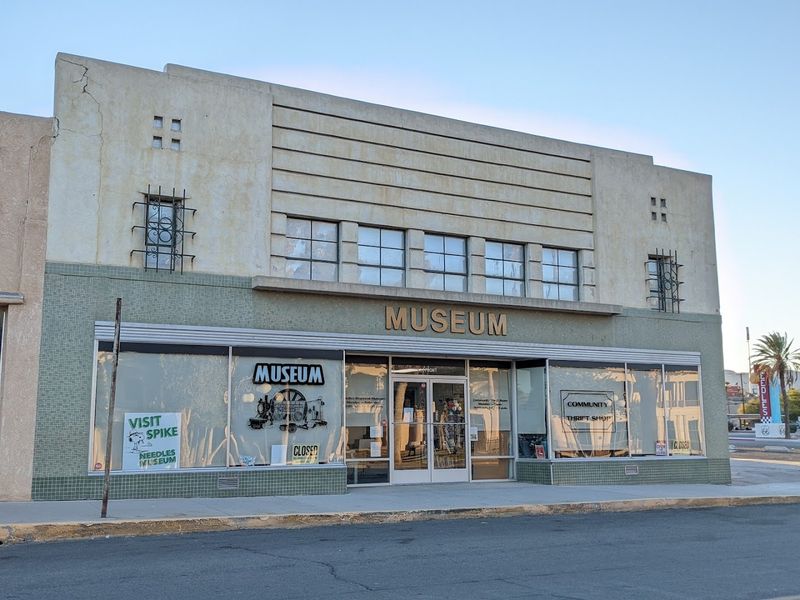
Small towns with genuine history tend to collect it in unexpected places, and in Needles that collection lives at the Needles Regional Museum.
Located near the El Garces train depot, the museum gathers Route 66 artifacts, local photographs, and historical objects that trace the town’s layered past as a railroad hub, a desert crossing point, and a Route 66 landmark.
Visit California points travelers specifically toward the museum as a worthwhile stop, which adds credibility to its appeal for anyone passing through on a road trip or settling in as a new resident curious about local roots.
The exhibits tend to reflect the kind of community-built curation that feels personal rather than institutional, where objects carry stories tied to real local experience rather than generic regional history.
For a town of Needles’ size, having a dedicated museum with this kind of focus is a meaningful cultural anchor.
It gives residents and visitors a place to understand why the town exists where it does, how the railroad shaped its early identity, and how Route 66 extended that identity into the mid-twentieth century.
Spending an hour inside tends to reframe the drive through town from a simple gas stop into something that feels worth slowing down for and paying closer attention to along the way.
El Garces Gives The Town A Landmark With Real Character
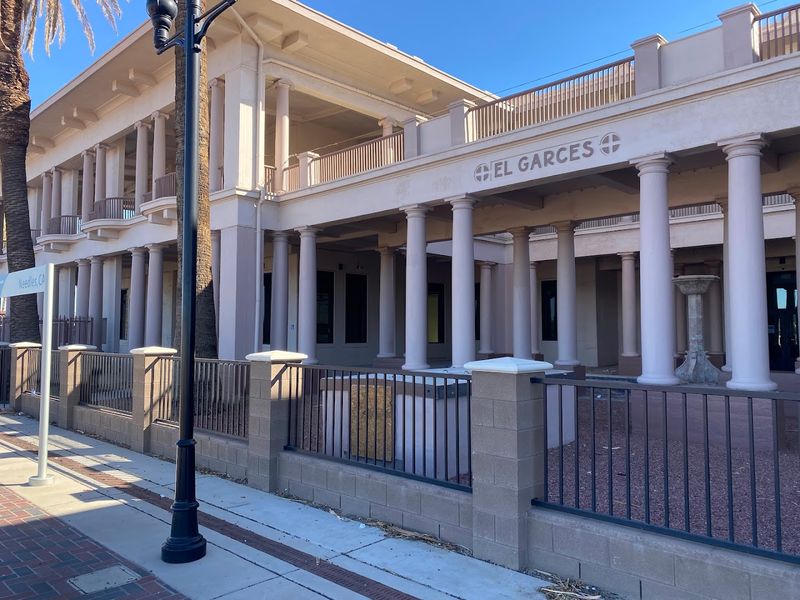
Railroad history has a way of leaving behind buildings that outlast the era that built them, and El Garces in Needles is one of the more striking examples of that pattern in Southern California.
The depot, originally built by the Santa Fe Railway in 1908, carries Spanish Mission Revival architecture that feels almost theatrical against the surrounding desert landscape, with a scale that signals the ambitions of an earlier era of rail travel.
The city of Needles notes the reopening of the El Garces Train Depot in 2014 as a meaningful moment in the town’s ongoing relationship with its own history.
The building had fallen into disrepair over the decades, and its revival added a tangible landmark that gives the downtown area a focal point beyond just passing through on the highway.
Standing near El Garces, the architectural detail feels out of proportion to the town’s current size in the best possible way.
The building communicates that Needles was once a significant stop on a transcontinental route, a place where travelers paused and the country moved through.
For anyone interested in railroad history or American architectural heritage, the depot offers a grounded, unhurried experience that does not require a museum ticket or a guided tour to appreciate fully.
Murals Make The Desert Streets More Fun To Explore
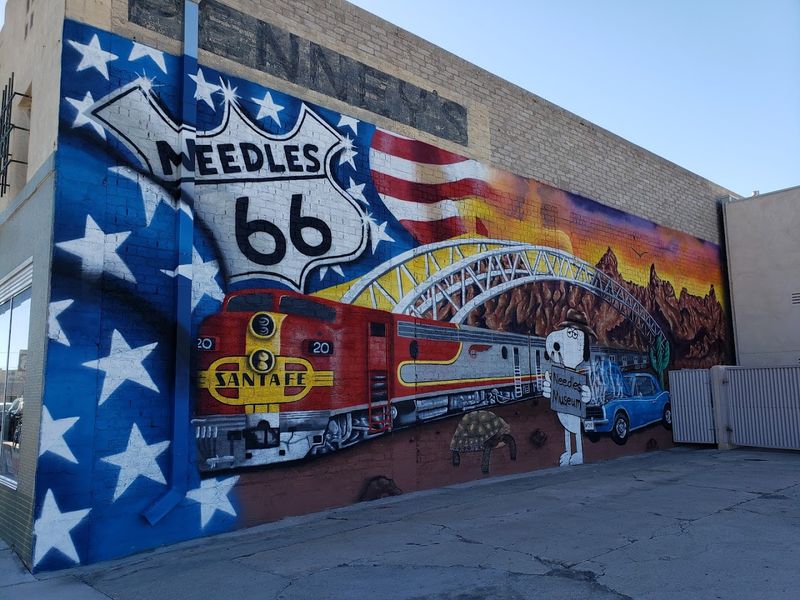
Walking through a town with murals on its walls changes the pace of exploration in a way that is hard to quantify but easy to feel.
Downtown Needles has that quality, with painted walls that carry the visual energy of Route 66 culture, desert imagery, and local identity in a format that turns a casual stroll into something worth photographing and lingering over.
The city’s tourism page specifically mentions murals as part of the local character, which signals that this is an intentional part of how Needles presents itself rather than a handful of accidental art projects.
The artwork tends to reflect the town’s road-trip heritage and desert setting, giving the streets a visual narrative that connects to the broader Route 66 corridor running through the region.
For new residents or weekend visitors, the murals provide an easy and free way to explore the downtown area without needing a map or an itinerary.
Each painted wall adds a layer of personality to a block that might otherwise read as a quiet desert street.
The cumulative effect of several murals across a small downtown creates a sense of place that feels genuinely earned rather than manufactured, which makes the experience of discovering them feel more satisfying.
Outdoor Space Stretches Far Beyond Town
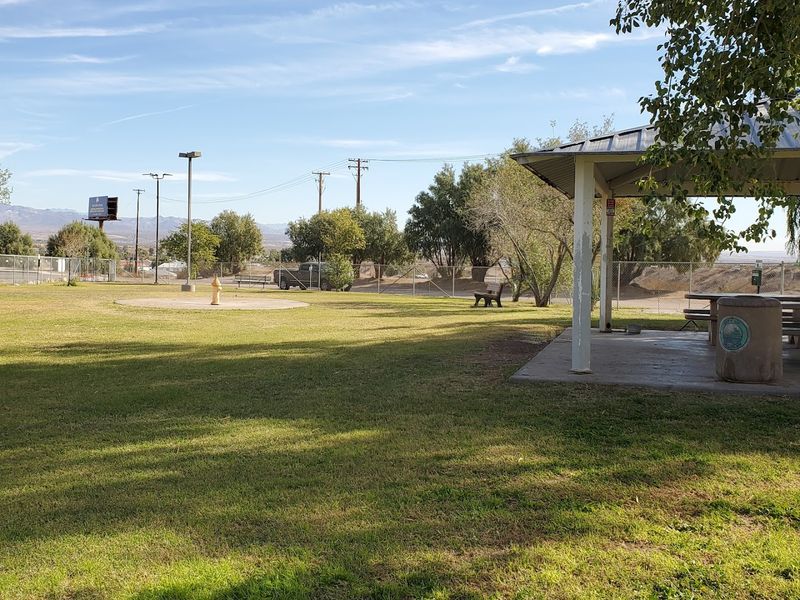
Living in Needles puts a person within reach of some of the most expansive public land in the American Southwest, and that access is a significant part of the town’s appeal for outdoor-minded residents and visitors.
The BLM’s Historic Route 66 Needles to Barstow Scenic Byway connects the town to a long stretch of Mojave desert terrain, wilderness areas, and classic roadside stops that extend the outdoor experience well beyond the city limits.
The byway runs through landscapes that shift in texture and color across the miles, from rocky desert flats to elevated terrain with longer sight lines.
Public land access along this corridor means hiking, exploring, and simply driving without the crowds that tend to accumulate at more heavily marketed destinations in the state.
For residents who value space and quiet over urban convenience, the surrounding public lands function as a vast backyard that never requires an admission fee or a reservation.
The combination of river access in town and open desert beyond it gives Needles a recreational range that is genuinely uncommon at this price point in California.
Whether someone prefers water-based activities or dry-land exploration, the geography around Needles accommodates both without requiring a long drive to reach either option from a home base in town.
The Golf Course Comes With A River-Town Twist
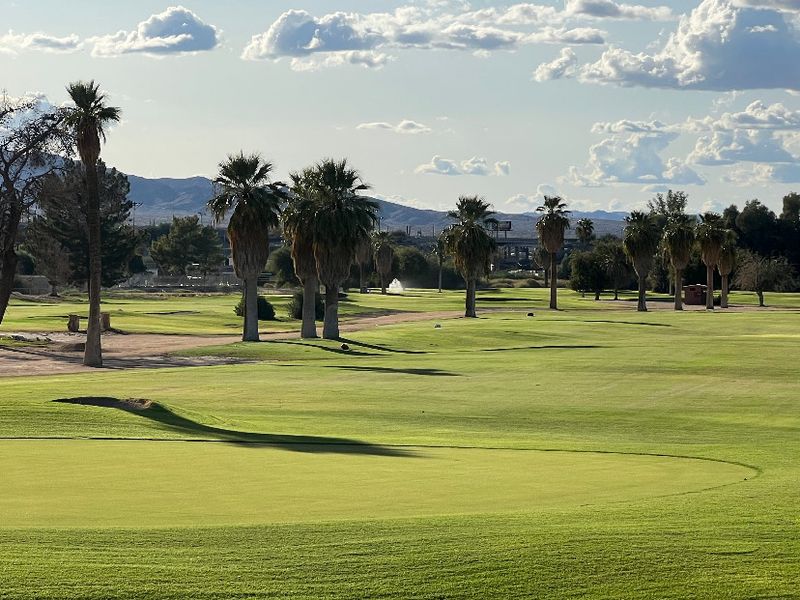
A golf course in a desert river town carries a different energy than one built inside a gated resort community, and the waterfront golf option in Needles reflects that distinction in a practical and unpretentious way.
The city’s tourism page includes waterfront golf as part of the local recreation lineup, positioning it alongside beaches and outdoor activities rather than luxury amenities or premium memberships.
Playing golf near the Colorado River means the landscape itself becomes part of the experience in a way that inland desert courses cannot replicate.
The proximity to water shapes the air temperature, the light quality, and the general atmosphere of a round in ways that tend to make the setting feel more interesting than a standard desert layout.
For residents who enjoy golf but have felt priced out of the sport at resort-town courses, the existence of a local option in Needles adds one more everyday perk to a town already working hard on the affordability front.
Recreation without resort pricing is a meaningful quality-of-life factor that does not always make it into cost-of-living comparisons but genuinely affects how comfortable and enjoyable daily life feels over time.
Needles quietly offers that combination in a setting that most golf towns at this price point simply cannot match geographically.
California Affordability Feels Almost Unreal Here
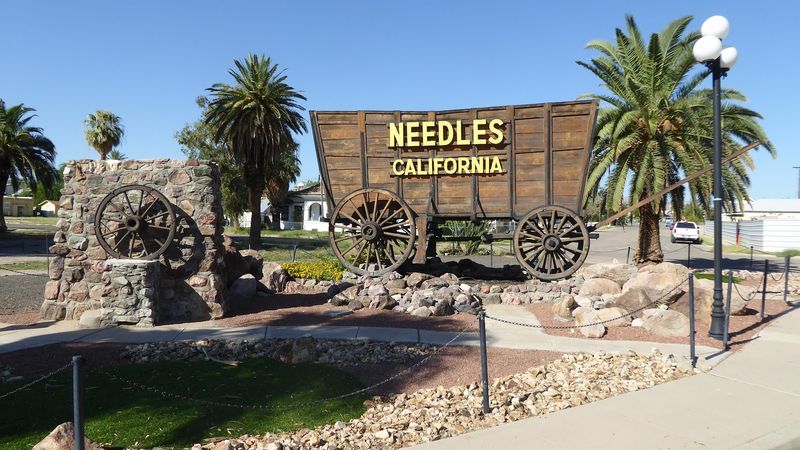
Renting in Needles runs around $1,100 to $1,300 per month on average as of mid-2026, which sits roughly 33 percent below the national rental average.
That figure alone separates the town from nearly every other California community of similar size, where rental costs have climbed far beyond what median incomes can comfortably support without significant financial strain.
The overall cost of living sits 11 percent below the national average and 37 percent below the California average, meaning groceries, utilities, and daily expenses also tend to feel lighter here than in most of the state.
The market does show signs of gradual appreciation, with a cumulative rate of about 102.85 percent over the past decade, so the affordability window is real but not guaranteed to stay open indefinitely.
Homes in Needles are not always move-in ready, and buyers should approach the market with realistic expectations and proper inspections.
Even so, the combination of low purchase prices, manageable rent, and a lower cost of living makes Needles one of the few places in California where the word affordable still carries its full and honest meaning.