This California Sandwich Shop Has Been Serving The Same Legendary Recipe For Generations
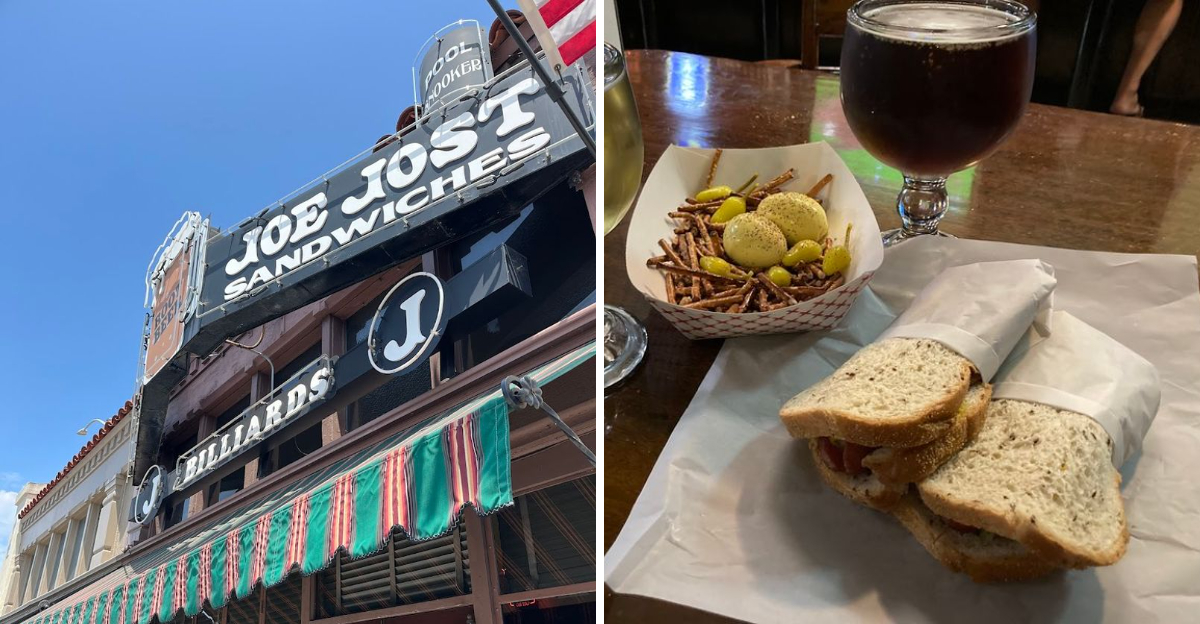
Push open the door and you step into a room that feels settled. The bar is worn smooth from decades of elbows. The floor creaks a little. Conversations overlap in an easy, familiar way.
This sandwich shop has operated the same way since 1924. The menu is still simple. The recipes are still the originals. The rhythm of the place hasn’t shifted much either.
People come in knowing exactly what they want. A Special sandwich. A cold schooner. No one needs a long explanation. Orders are short. Movements are practiced.
Nothing about the space feels staged. The lighting is straightforward. The fixtures are functional. The walls hold photos and memories because they’ve been there long enough to earn them.
Families return out of habit as much as nostalgia. Parents bring their kids for the same sandwich they grew up eating. Friends meet at the same stretch of bar they’ve claimed for years.
California changes quickly. Restaurants remodel, rebrand, and reinvent. This place stayed steady. It focused on doing a few things well and doing them the same way every day.
That consistency is what people trust. And that trust is what keeps the doors open.
1. A Barbershop Beginning That Shaped History
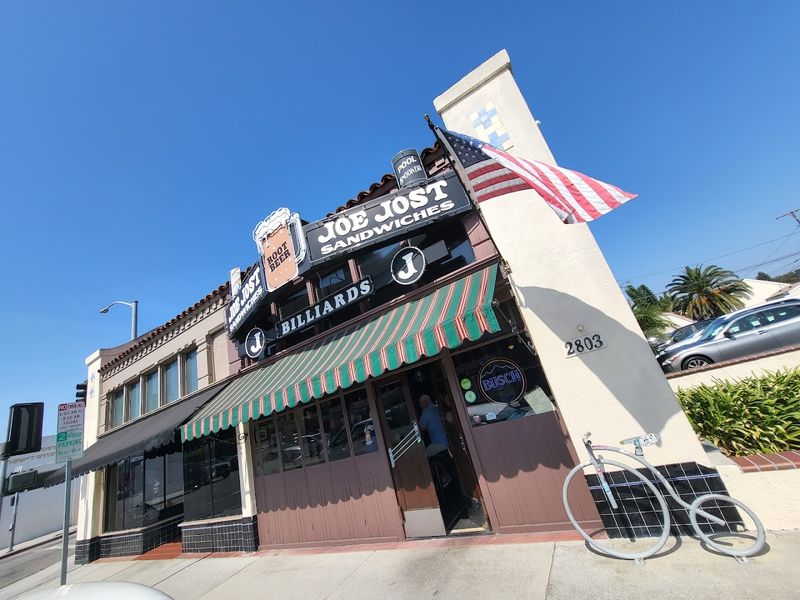
Joe Jost opened his business in 1924 as a barbershop, not a tavern. The location at 2803 East Anaheim Street in Long Beach became a gathering spot where men came for haircuts and conversation during the early days of the city’s growth.
Prohibition was in full effect, which meant no legal drinking establishments could operate. Rather than simply cutting hair, Joe adapted to the times by serving root beer to his customers.
The barbershop became a social hub where people could relax and enjoy a non-alcoholic beverage while getting groomed.
This creative response to restrictive laws showed the entrepreneurial spirit that would define the business for decades. When Prohibition ended in 1933, the barbershop transformed into a tavern.
Joe obtained a liquor license and began serving beer alongside his root beer, marking the official birth of Joe Jost’s Sandwiches.
The transition happened naturally because the customer base was already established and loyal. The original barbershop roots influenced the no-nonsense atmosphere that still exists today.
Plain wooden furniture, straightforward service, and honest pricing became trademarks.
The space retained its working-class character, never trying to become fancy or upscale, which helped it survive through changing neighborhood demographics and economic shifts over the following nine decades.
2. The Joe’s Special Sandwich Recipe From 1934
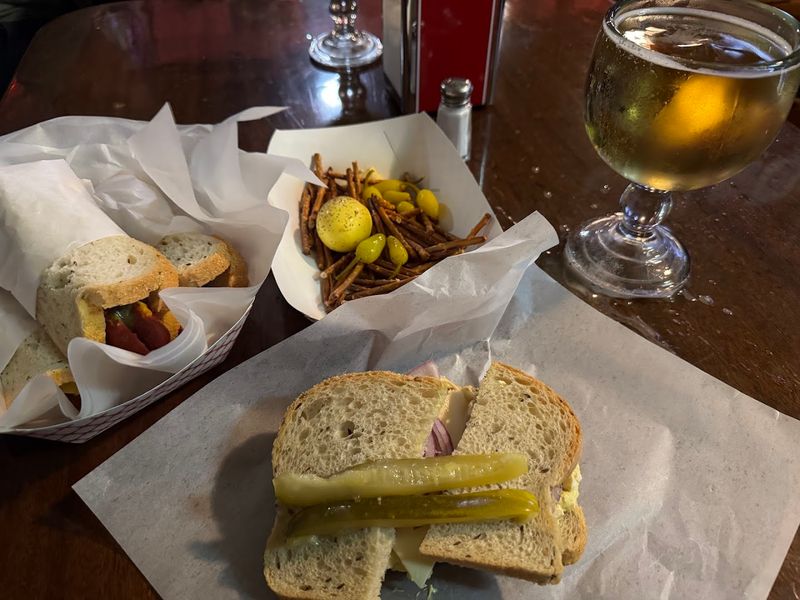
Since 1934, the Joe’s Special sandwich has remained unchanged in both recipe and preparation method.
The foundation starts with a Polish sausage made from a family spice blend that has been kept secret for nearly ninety years.
Nobody outside the family knows the exact combination of seasonings that gives the sausage its distinctive flavor profile.
Swiss cheese melts over the hot sausage, creating a creamy texture that balances the spiced meat. Pickles add a sharp, tangy contrast that cuts through the richness.
Yellow mustard provides the final layer of flavor, tying all the elements together with its vinegary bite.
Rye bread serves as the vessel, chosen for its sturdy texture and slightly sour taste. The bread gets lightly toasted to prevent it from becoming soggy from the meat juices and condiments.
Each sandwich is assembled in the same order every single time, following the original method established decades ago. The simplicity of the sandwich reflects Depression-era values when the recipe was created.
Good ingredients prepared well without unnecessary embellishment satisfied hungry workers who needed filling, affordable food.
The sandwich costs far less than modern gourmet offerings while delivering more satisfaction to those who appreciate straightforward flavors.
Thousands of these sandwiches are made each week, yet the quality never wavers from the original standard set in 1934.
3. Millions Of Pickled Eggs Served Over Decades
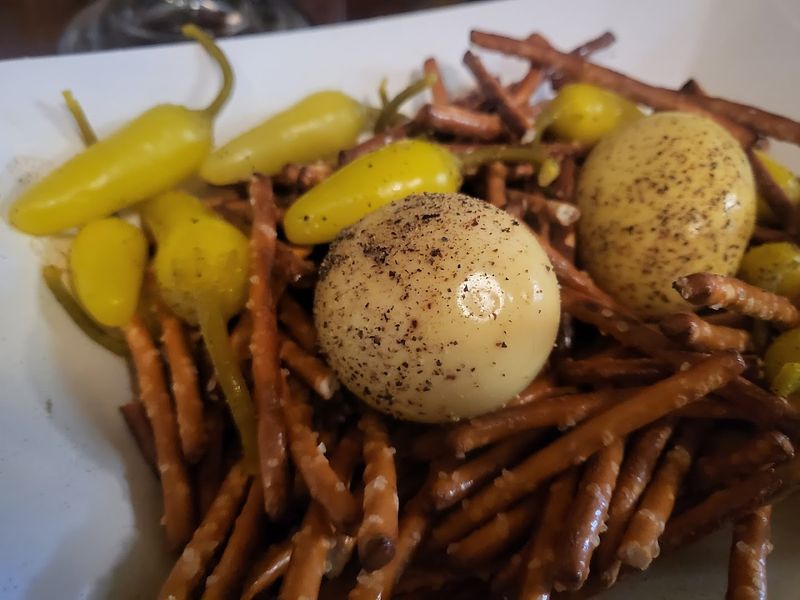
Pickled eggs at Joe Jost’s have achieved legendary status among regulars and food enthusiasts across Southern California.
The preparation process involves a special brine recipe that gives the eggs their distinctive flavor and firm texture.
Each egg sits in the brine for the exact amount of time needed to achieve the right balance of tang and creaminess.
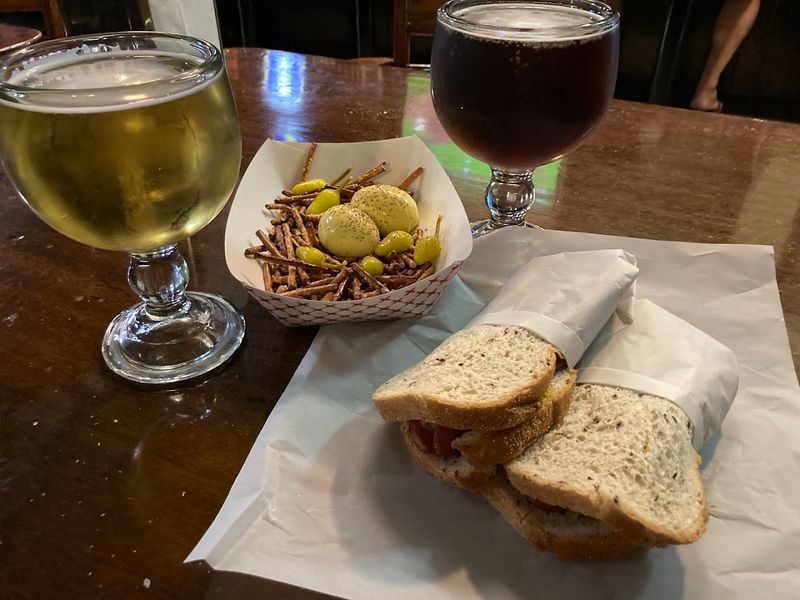
The presentation has remained consistent since the early years. Each pickled egg arrives on a small mound of pretzels with chili peppers arranged around it.
The pretzels provide a salty crunch that complements the egg’s smooth texture, while the peppers add heat for those who want extra kick.
Over the decades, the tavern has sold millions of these eggs to customers ranging from dockworkers to business executives.
The eggs became particularly popular as a quick protein-rich snack that paired well with cold beverages.
Many customers order multiple eggs during a single visit, making them one of the most frequently ordered items.
The eggs represent old-school tavern culture when simple bar snacks were made fresh daily rather than delivered frozen in plastic bags. Each batch is prepared on-site following the same methods used generations ago.
The consistency of quality explains why people who moved away from Long Beach often return specifically to enjoy these pickled eggs, sometimes bringing friends and family to share the experience.
4. Fresh Roasted Peanuts Daily Since The 1980s
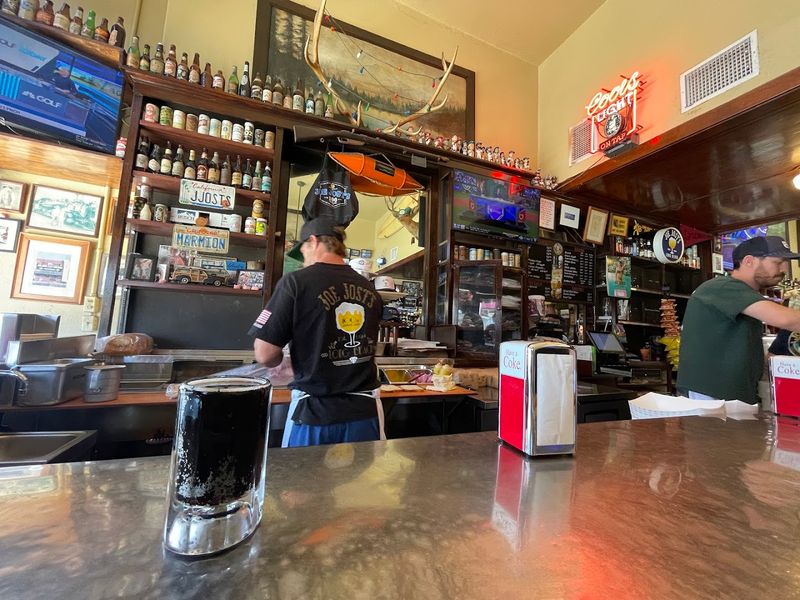
Grade AA jumbo fancy Virginia peanuts are roasted fresh every single day at the tavern. The roasting tradition began in the late 1980s but follows methods that date back nearly a century.
The aroma of roasting peanuts fills the space, creating an inviting atmosphere that draws people in from the street.
The peanuts are available in various sizes, from small bags for individual snacking to larger quantities for taking home. Regular customers often purchase multiple bags to keep in their pantries.
The freshness makes a noticeable difference compared to mass-produced peanuts that sit on store shelves for weeks or months.
Virginia peanuts were chosen for their large size and rich flavor. The Grade AA designation means only the highest quality nuts make it into the roaster.
Any peanuts that do not meet strict standards are rejected, ensuring every batch maintains the same excellence.
The daily roasting schedule means the peanuts are never more than a few hours old when purchased. This commitment to freshness requires extra labor and attention but results in a superior product.
The shells are perfectly crisp, and the nuts inside have a buttery richness that cannot be replicated with stale or poorly stored peanuts.
Many families have made buying these peanuts part of their regular routine, stopping by weekly to stock up on their favorite snack.
5. The Coldest Beer Temperature In Long Beach
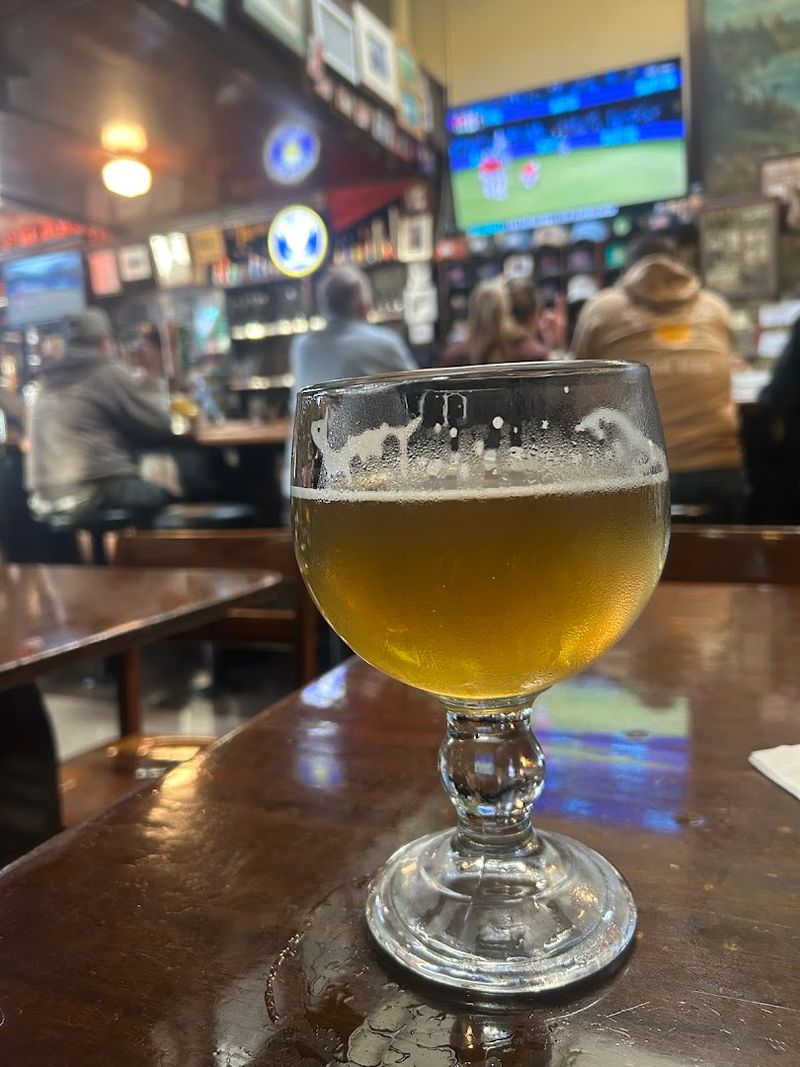
Beer at Joe Jost’s is served at an icy 29 degrees Fahrenheit, just below the freezing point of water. The temperature is carefully monitored to ensure consistency across all taps.
This commitment to extreme coldness has earned the tavern a reputation for serving the coldest beer in Long Beach.
The selection includes popular brands like Busch, Coors Light, and Shiner Bock. Each variety is kept at the same frigid temperature regardless of style or alcohol content.
The glassware is also chilled before being filled, adding an extra layer of coldness to each pour. Customers notice the difference immediately when they take their first sip.
The extreme cold creates a refreshing sensation that is especially appreciated during hot Southern California summers.
Condensation forms on the outside of glasses within seconds, creating a frosty appearance that signals the temperature inside.
The cold temperature also affects how the beer tastes, muting some flavors while emphasizing others. Some beer purists argue that serving beer this cold diminishes the ability to taste subtle notes.
However, the tavern’s customers prefer the ice-cold approach, which has been the standard for generations.
The temperature has become so associated with the establishment that many people specifically mention the cold beer when recommending the place to others.
6. Original 1920s Fixtures Create Time Capsule Atmosphere
Walking into the restrooms at Joe Jost’s means stepping back into the 1920s. The original sinks and toilets from the barbershop era remain in working condition nearly a century after installation.
The porcelain fixtures show their age with small chips and discoloration, but they function perfectly and add authentic character to the space.
These vintage fixtures represent a time when products were built to last for decades rather than being replaced every few years.
The craftsmanship evident in the old porcelain and metal components surpasses modern mass-produced equivalents.
Restoration experts have offered to replace the fixtures with reproduction pieces, but the owners have refused, preferring to maintain the genuine articles.
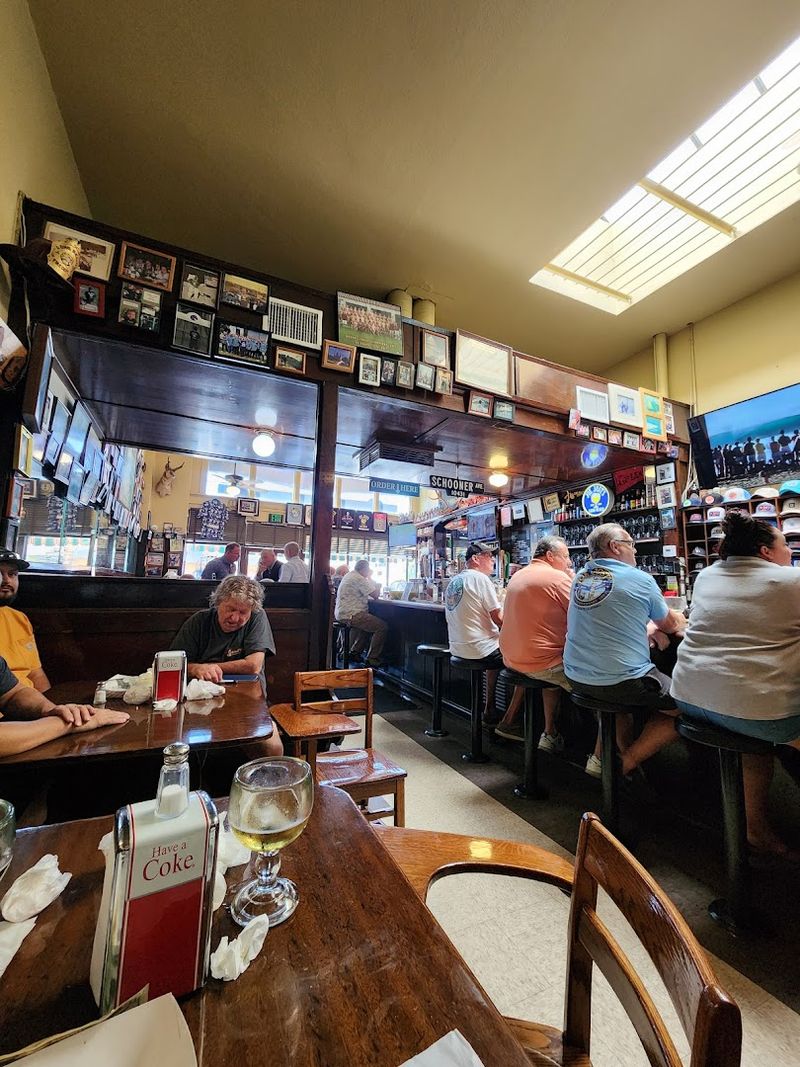
The rest of the tavern features similar vintage elements. Old wooden tables show wear patterns from generations of elbows and glasses. The bar itself has been refinished multiple times but retains its original structure and shape.
Light fixtures, door handles, and even some of the glassware date back to the early decades of operation.
This commitment to preserving original elements creates an atmosphere that cannot be replicated through modern design choices. The space feels lived-in and genuine rather than staged or artificial.
Young visitors often express surprise at seeing such old fixtures still in use, while older customers appreciate the continuity with their memories from decades past.
7. The Wall Of Fame Shows Global Reach
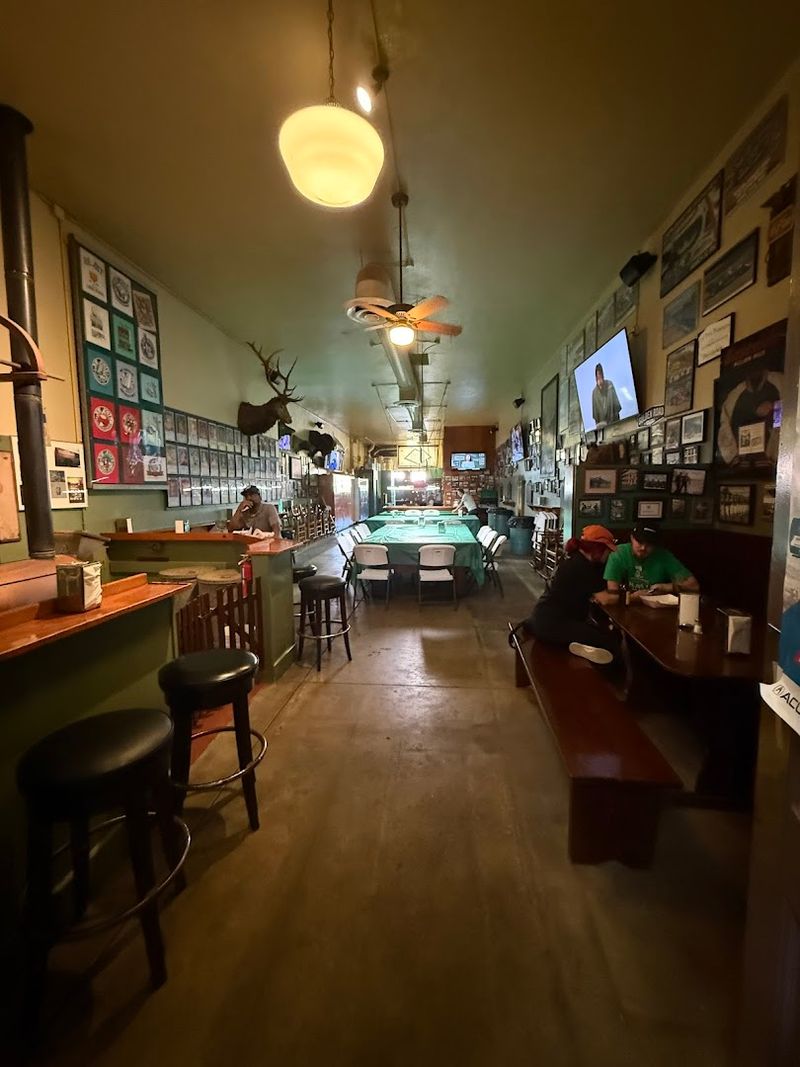
Hundreds of photographs cover a dedicated wall inside the tavern, each showing a customer wearing a Joe Jost’s t-shirt at some location around the world.
The Wall of Fame began organically when a few customers brought back photos from their travels. The tradition caught on, and now the wall spans from floor to ceiling with images from six continents.
The photographs show the shirts at famous landmarks like the Eiffel Tower, the Great Wall of China, and Machu Picchu. Other images capture more obscure locations, from remote beaches to mountain peaks.
Some photos date back decades and show faded colors and outdated clothing styles, while others were added within the past few weeks. Each photograph represents a personal connection between the customer and the tavern.
People who move away from Long Beach maintain their ties to the place by purchasing shirts and photographing them during their adventures.
The wall demonstrates how a small neighborhood tavern can develop a following that extends far beyond its immediate geographic area.
Visitors often spend significant time examining the wall, searching for interesting locations or recognizing faces of people they know.
The display has become a conversation starter, with strangers bonding over shared travel experiences or discussing places they hope to visit.
The wall grows continuously as more customers contribute their photos, creating a living document of the tavern’s extended community.
8. Pool And Shuffleboard Keep Patrons Engaged
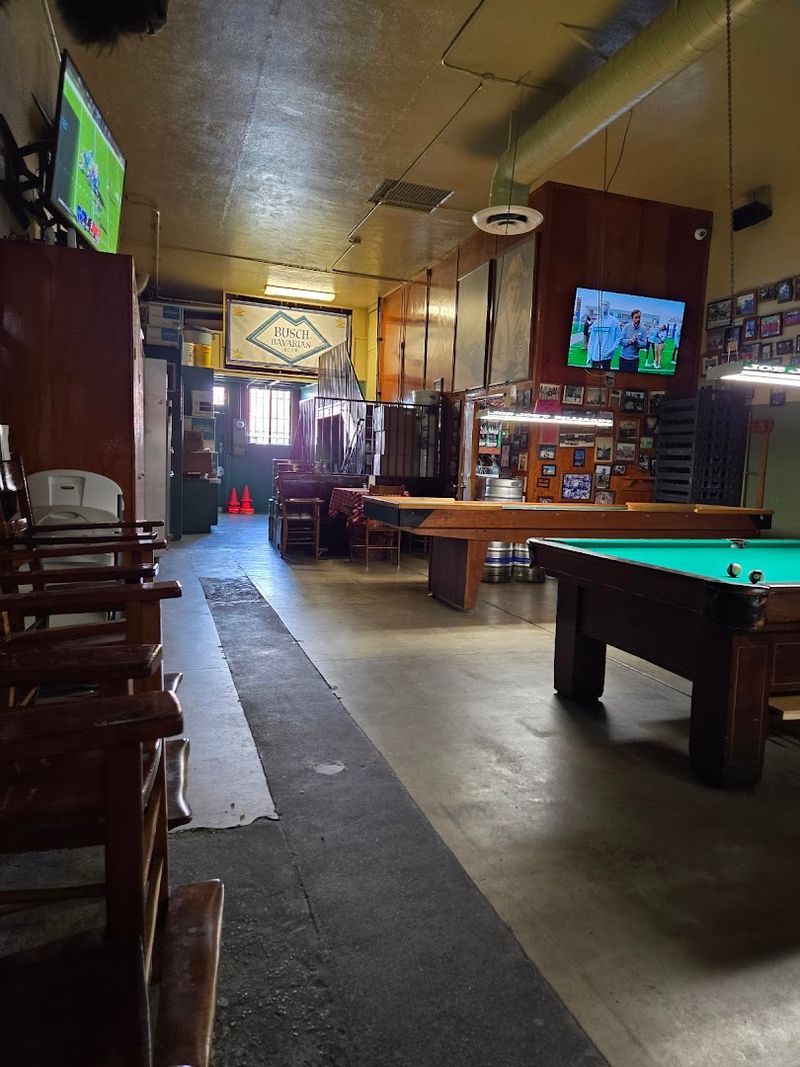
Entertainment at Joe Jost’s comes from old-fashioned games rather than electronic screens or digital devices.
A well-maintained pool table occupies one section of the space, seeing constant use throughout the day and evening.
The felt shows wear from decades of play but is replaced when necessary to ensure good ball roll and fair gameplay.
Shuffleboard tables provide another activity option, particularly popular among older patrons who remember when the game was common in taverns and social clubs.
The smooth wooden surface requires regular maintenance to keep the pucks gliding properly. Scoring follows traditional rules, with friendly competition developing between regular players who have established unofficial tournaments.
These games encourage social interaction in ways that solitary phone scrolling cannot match. Players chat between shots, give each other tips, and engage in good-natured trash talk.
Strangers often join games together, breaking down social barriers through shared activity. The games also slow down the pace of drinking, as people focus on their shots rather than rapidly consuming beverages.
The presence of these games reflects the tavern’s function as a community gathering space rather than just a place to eat and drink.
Young people discovering the games for the first time often become enthusiastic players, learning skills that were common knowledge for previous generations.
The games connect different age groups through shared experiences, creating intergenerational bonds that strengthen the community atmosphere.
9. Cash-Only Policy Maintains Old-School Simplicity
No credit cards are accepted at Joe Jost’s, only cash. The policy has remained unchanged even as the rest of the world has moved toward digital payments and contactless transactions.
An ATM is available nearby for customers who arrive without sufficient bills, but the tavern itself handles only physical currency.
The cash-only approach speeds up transactions at the bar.
Bartenders can make change quickly without dealing with card readers, receipt printers, or electronic authorization delays.
During busy periods, this efficiency becomes especially valuable, allowing staff to serve more customers in less time.
The system also reduces transaction fees that would otherwise cut into the small profit margins on low-priced menu items.
Some younger customers initially express frustration with the policy, accustomed to paying for everything with their phones or cards. However, most adapt quickly and appreciate the simplicity once they understand the reasoning.
Regular customers make sure to stop at an ATM before arriving, incorporating the cash withdrawal into their routine.
The policy also creates a psychological effect on spending. Handing over physical bills makes the cost of purchases more tangible than swiping a card.
Customers tend to set a cash budget for their visit and stick to it, promoting more responsible consumption.
The cash-only policy has become part of the tavern’s identity, another way it resists conforming to modern expectations while maintaining its traditional character.
10. Family Ownership Preserves Traditions Across Generations
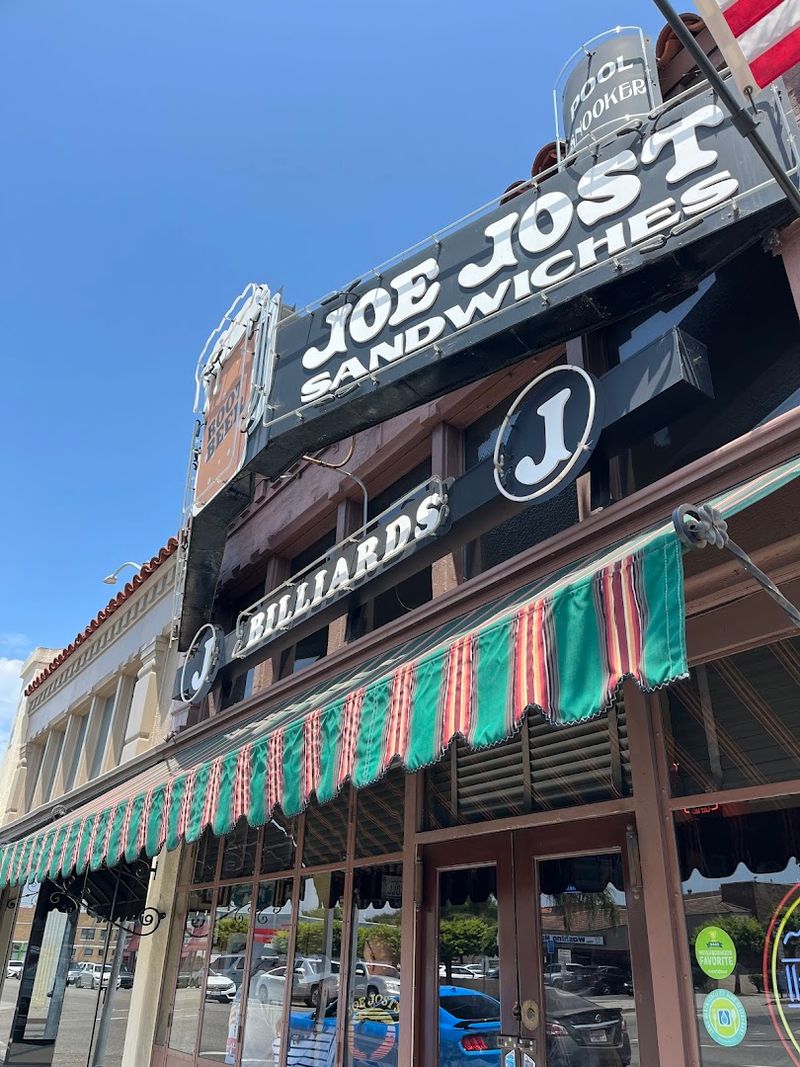
The current owner of Joe Jost’s is the grandson of the founder, representing the third generation of family management. This continuity of ownership has been crucial in maintaining the tavern’s character and traditions.
Family members understand the importance of preserving what made the place special rather than chasing trends or maximizing short-term profits.
Each generation has faced pressure to modernize or change the concept. Real estate developers have made offers to purchase the property for redevelopment.
Restaurant consultants have suggested menu expansions and concept updates. The family has consistently declined these opportunities, choosing instead to maintain the legacy they inherited.
The knowledge of recipes, preparation methods, and business practices has been passed down directly from one generation to the next.
The grandson learned by working alongside his grandfather and father, absorbing not just technical skills but also the philosophy of running a community institution.
This hands-on apprenticeship cannot be replicated through business school education or management training programs.
Family ownership also means decisions are made with long-term sustainability in mind rather than quarterly profit targets. The tavern operates as a stewardship responsibility rather than just a business asset.
When the current owner eventually passes the torch to the next generation, the same values and commitment to tradition will guide future decisions, ensuring Joe Jost’s remains unchanged for another century if possible.