This California Seafood Restaurant Serves Fresh Shrimp With Stunning Morro Bay Views
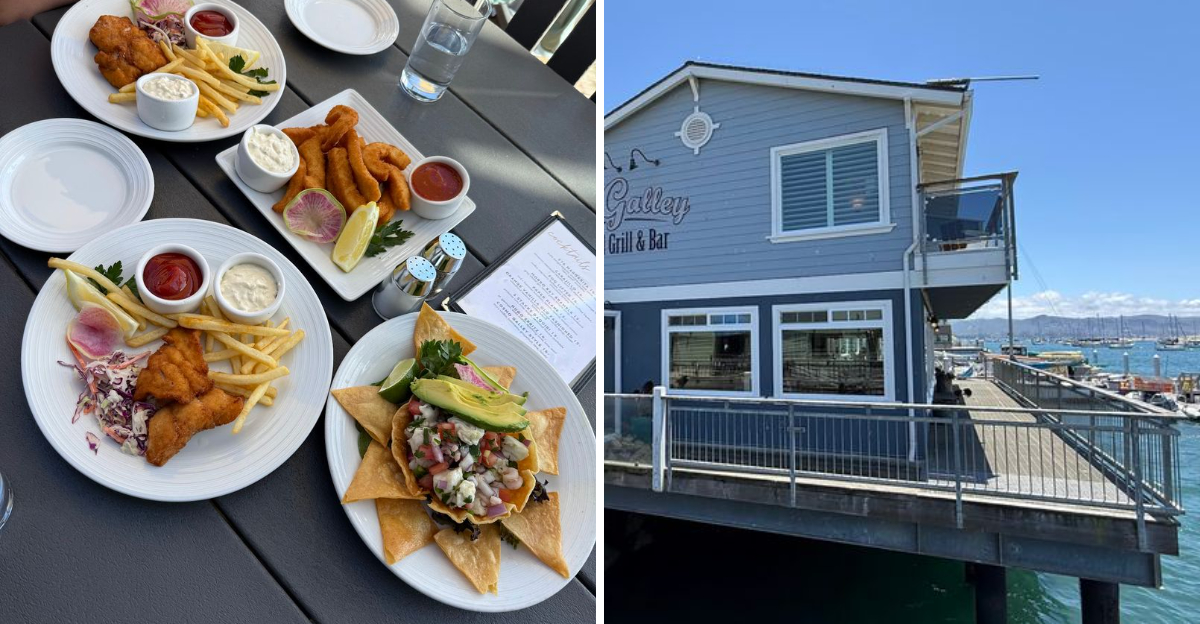
The shrimp may be what brings you in, but the view has a habit of stealing the first few minutes.
Boats drift across the water, Morro Rock anchors the horizon, and suddenly dinner feels less like a meal and more like a very well-timed pause in the day.
You start with the bay, then remember there is a plate in front of you.
Seafood dining along this stretch of California comes with scenery that makes lingering almost unavoidable.
Fresh shrimp, coastal air, and a waterfront table create a combination that does not need much embellishment. Take a bite, look up, then do it again. That rhythm is enough.
The best seat is the one that lets you forget about everything beyond the glass for a while.
By the time the plates are cleared, you may remember the flavor first. Or the sunset. Either answer is probably the right one.
A Dining Room Pointed Straight Across the Bay
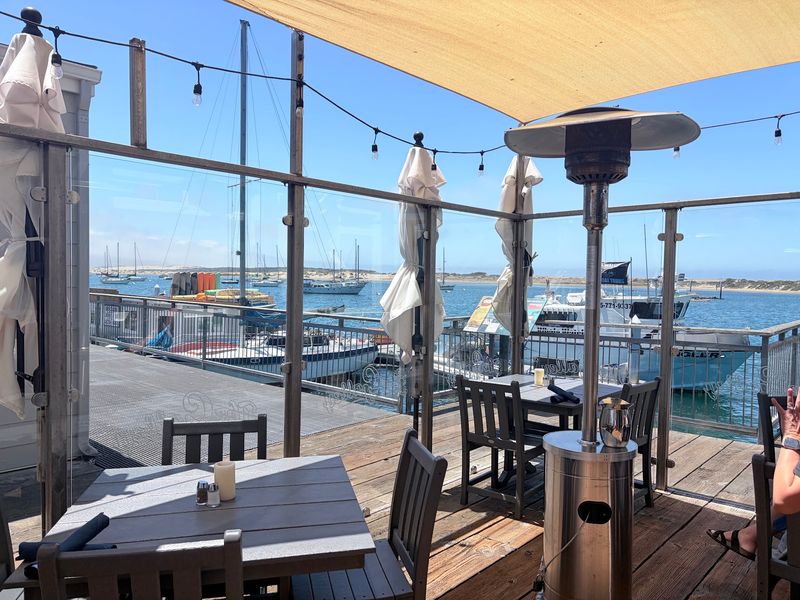
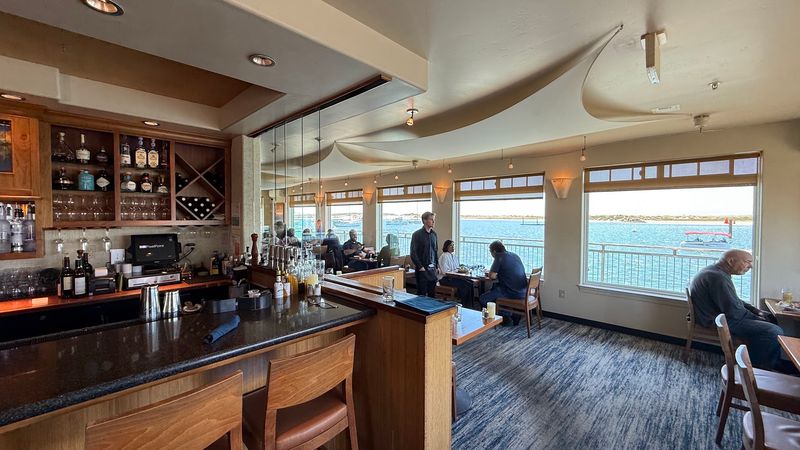
Few waterfront rooms make a view feel this effortless. Seating inside is arranged so tables face the bay, which means the water stays in sight from just about anywhere the host places you.
Light shifts through the day, from bright midday glare bouncing off moored boats to a softer glow near closing.
Sound levels stay moderate on most visits, with conversation and plates blending into a steady hum.
Tables have enough space between them to move around comfortably, so the room feels intimate without feeling tight. Chairs are standard dining height and the service rhythm runs steady rather than rushed.
Window seats fill first, especially in the hour before sunset. Arriving earlier in the dinner window improves the odds of landing one, though sightlines from the interior tables remain strong.
Guests seated slightly back still watch the water, the boats, and foot traffic moving along the Embarcadero.
Bring a light layer if planning to linger after dark, since the coastal air cools quickly once the sun drops. Photographs turn out best while the sun still sits above the horizon.
Late afternoon visits often deliver the calmest room and the clearest views. Restrooms are located outside the main dining area, which is worth knowing ahead of time.
Shrimp Scampi Keeps Regulars Coming Back
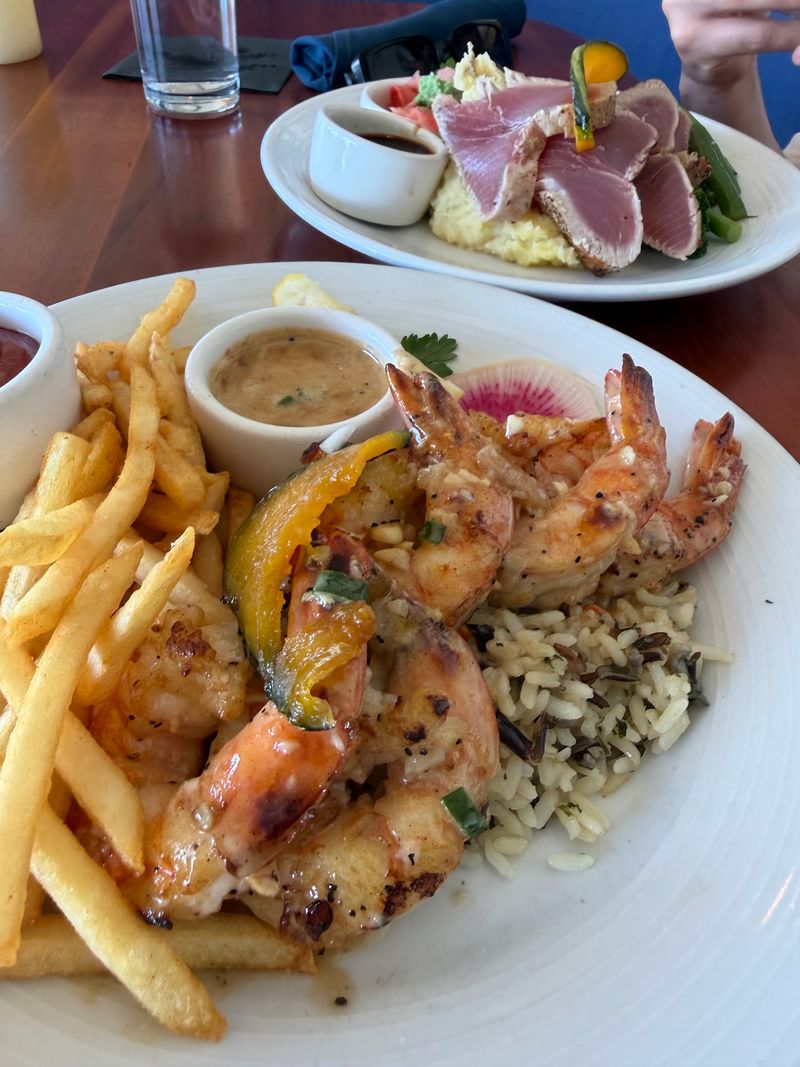
Ask longtime visitors what to order and shrimp scampi lands near the top of the list.
Jumbo prawns are sauteed with garlic, lemon, and butter, which keeps the focus on the shellfish itself. The result is rich without burying the natural sweetness of the shrimp.
Bread arrives before the meal in the form of warm rolls with soft creamed butter. Saving a roll for the scampi is a smart move, since the pan sauce is worth mopping up.
Portions run generous enough that an appetizer beforehand is optional rather than necessary.
Ordering here rewards a little curiosity.
Servers keep track of daily specials, and asking about them often turns up seafood that is not printed on the regular menu. Shrimp also appears in other forms across the menu for anyone who wants it prepared differently.
Pacing tends to be comfortable rather than hurried, so plates arrive with breathing room between courses. Prices sit in the range you would expect for fresh coastal seafood with a view attached.
Checking the current menu online before heading over helps, since seasonal items and pricing shift over time.
Wild-Caught Fish Bought From the Local Fleet
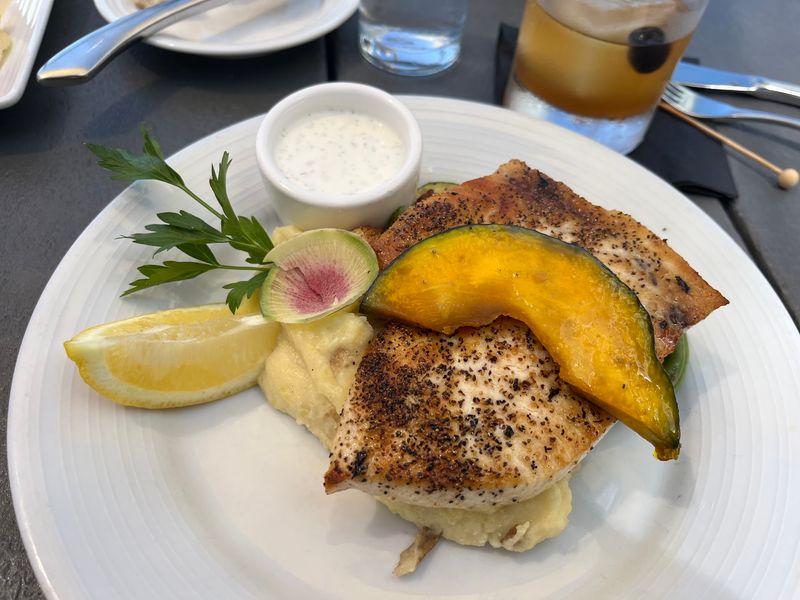
Morro Bay still works as a fishing town, and the kitchen leans on that fact. Wild-caught fish from the local fleet gets priority whenever availability allows, which shortens the distance between boat and plate.
Chefs also work with trusted purveyors when the local catch runs thin, so the menu stays stocked.
What that means for diners is simple. Species listed on any given night reflect what the boats brought in and what is running well at the moment.
Freshness shows up in texture more than anything else. Flaky white fish holds together on the fork instead of falling apart, and firmer species keep a clean bite.
Cooking times stay short for the same reason.
Buying locally has a ripple effect beyond dinner. Money stays closer to the harbor, and the fleet tied up outside the window has a steady buyer.
For visitors curious about where seafood comes from, few settings make the connection this obvious.
Availability does change, so the fish that made last month’s visit memorable might not be listed tonight.
Sauces Arrive on the Side, Not Poured Over
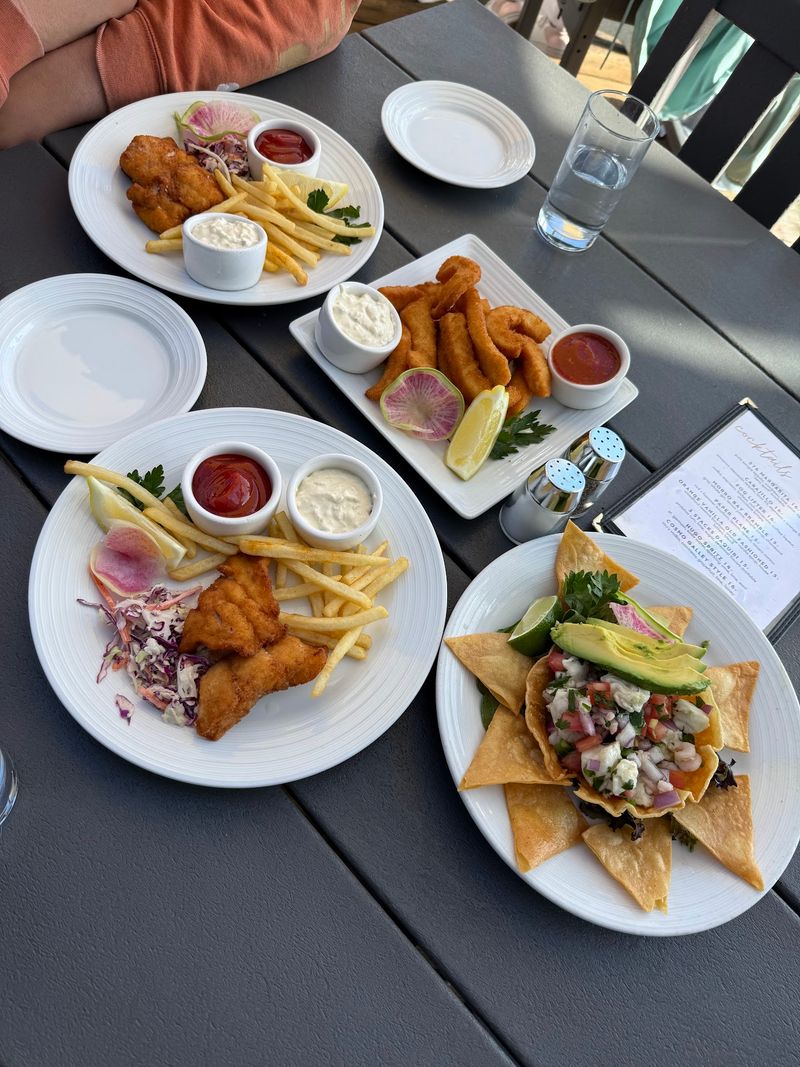
Control over flavor is not something most restaurants hand to the table, but sauces here typically arrive on the side.
Diners add as much or as little as they want, which changes how a plate tastes from bite to bite. Anyone sensitive to salt or richness benefits right away.
Practical upside shows up for families too. Kids who prefer plain fish get exactly that, while someone across the table can spoon on a generous amount without negotiation.
Splitting a dish becomes easier when the sauce is not already covering everything.
Trying a small amount first is worth the effort. Fresh fish carries plenty of its own flavor, and a light touch often lands better than a heavy one.
Adding more takes a second, while taking it away is impossible.
Servers can explain what comes with each dish, including salsas, herb-based sauces, and cream preparations that rotate with the menu.
Asking about substitutions is normal, and swaps are handled without drama. For diners managing allergies or ingredient restrictions, the side-sauce setup removes a lot of guesswork.
Vegetables With a Los Osos Valley Backstory
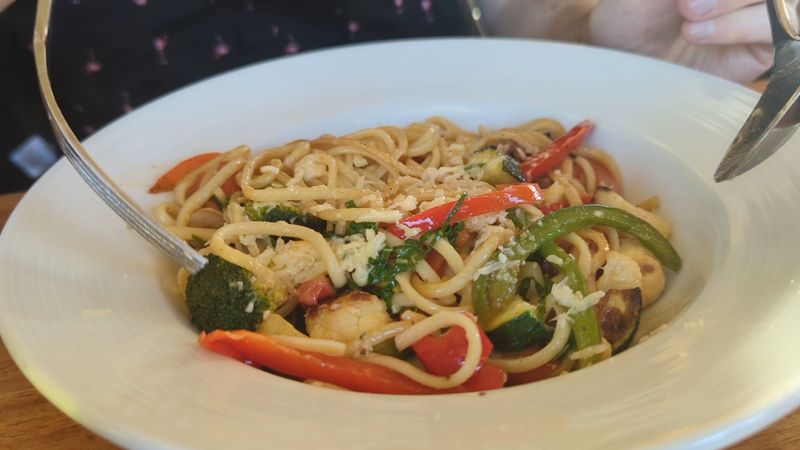
Vegetables rarely get top billing at a seafood restaurant, though here they carry a story of their own.
Produce comes from the head chef’s family farm in nearby Los Osos Valley, only a short drive inland from the harbor. Short travel time means vegetables arrive without spending days in transit.
Freshness is easy to notice on the plate. Greens hold their crispness, and cooked vegetables keep their color instead of turning dull.
Simple preparation lets that quality come through the same way it does with the fish.
Knowing where food comes from adds something to a meal without changing the price on the menu.
Farm-to-table gets used loosely across the industry, but a family farm supplying a family-run kitchen is about as direct as the phrase gets. The distance involved is measured in miles rather than states.
Los Osos Valley sits between Morro Bay and San Luis Obispo, an area long known for agriculture. Driving past farmland on the way in gives context for what lands on the plate later.
Morro Rock Turns Window Seats Into Prime Real Estate
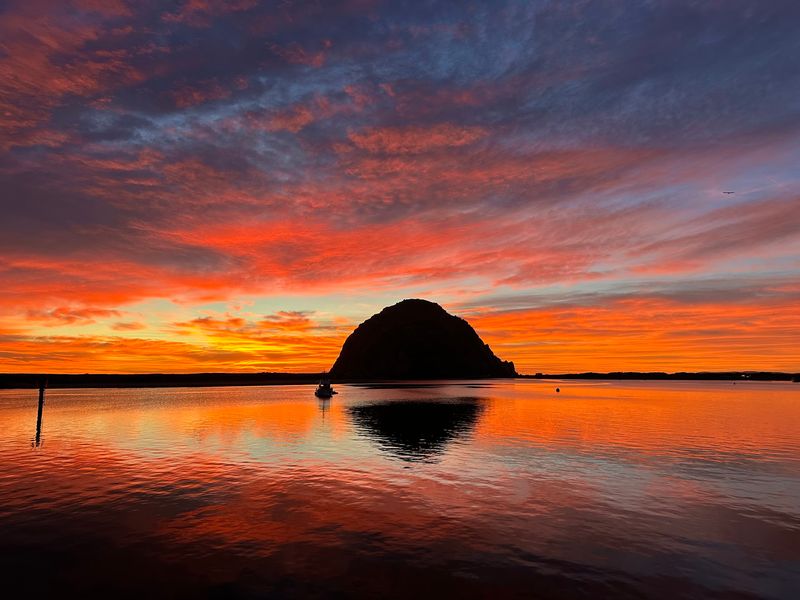
Backdrops rarely come more recognizable than the volcanic landmark rising across the water.
Morro Rock anchors the view from the dining room, and the restaurant makes no secret of promoting it. Window seats get requested constantly for that reason.
Light on the rock changes through the afternoon. Midday brings sharp detail and strong shadows, while late day softens the outline and warms the color.
Fog can erase it entirely, which is part of coastal life.
Anyone hoping for a window table should plan around timing rather than luck. Early arrival during dinner service, especially on weekends, improves the odds considerably.
Sunset draws the biggest crowd, so the earlier part of the evening is usually easier.
Seats away from the glass still deliver a view worth having. The room is not deep, and the water remains visible from most positions.
Combining the meal with a walk along the Embarcadero afterward gives a closer look at the rock from the shoreline.
Photographers often find the best angles from the patio, where nothing sits between the camera and the water.
Hours Worth Checking Before Heading Over
Showing up to a locked door ruins an evening fast. Doors typically open at 11:30 in the morning, with closing time around 8 most nights and 8:30 on Friday and Saturday. Tuesday is normally a closed day.
Lunch service opens the door to a quieter experience. Midday brings fewer crowds than the dinner rush, and the light across the bay is bright and clear. Afternoon visits also make wildlife easier to spot.
Sunset timing shifts through the year, which matters for anyone hoping to eat while the sky changes color. Summer sunsets fall well within service hours, while winter sunsets arrive much earlier in the evening.
Checking sunset time before choosing an arrival slot is a small step with a big payoff.
Hours can change with the season or for holidays.
Confirming online or by phone before driving over is the safest approach, especially for a special occasion. Weekday evenings generally feel calmer than Friday and Saturday.
Last seating happens before the posted closing time, so arriving thirty minutes ahead of close is cutting it close.
An Address Right in the Middle of the Waterfront
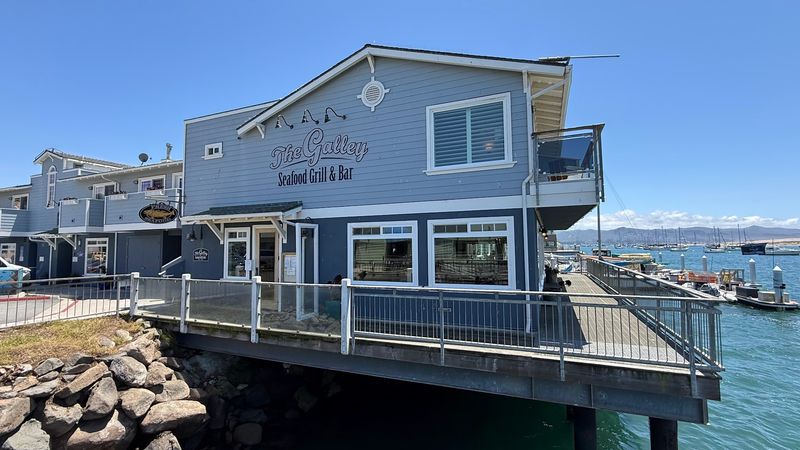
Finding the place takes almost no effort once you are walking the waterfront.
The Galley Seafood Grill & Bar is located at 899 Embarcadero, Morro Bay, California 93442, right in the middle of the harbor’s main strip.
Shops, boat tours, and other restaurants sit within a short walk in either direction.
Parking near the Embarcadero is limited, especially on weekends and during peak season. Street parking exists a block or two uphill, and walking down often beats circling for a closer spot.
Combining a meal with the rest of the waterfront makes for an easy afternoon. A walk toward Morro Rock, a stop at the harbor shops, and dinner overlooking the bay fill several hours without much driving.
The area is flat and walkable, which helps for anyone with mobility considerations.
Lodging sits close by as well, including options directly above the restaurant. Staying nearby removes the parking question entirely and makes an early dinner simple to arrange.
Anyone exploring the Central Coast can slot the stop into a larger day without rearranging plans. Signage along the Embarcadero makes the storefront easy to identify from the sidewalk.