This California Steakhouse Feels Frozen In Time, And The Steaks Still Cook Over Red Oak
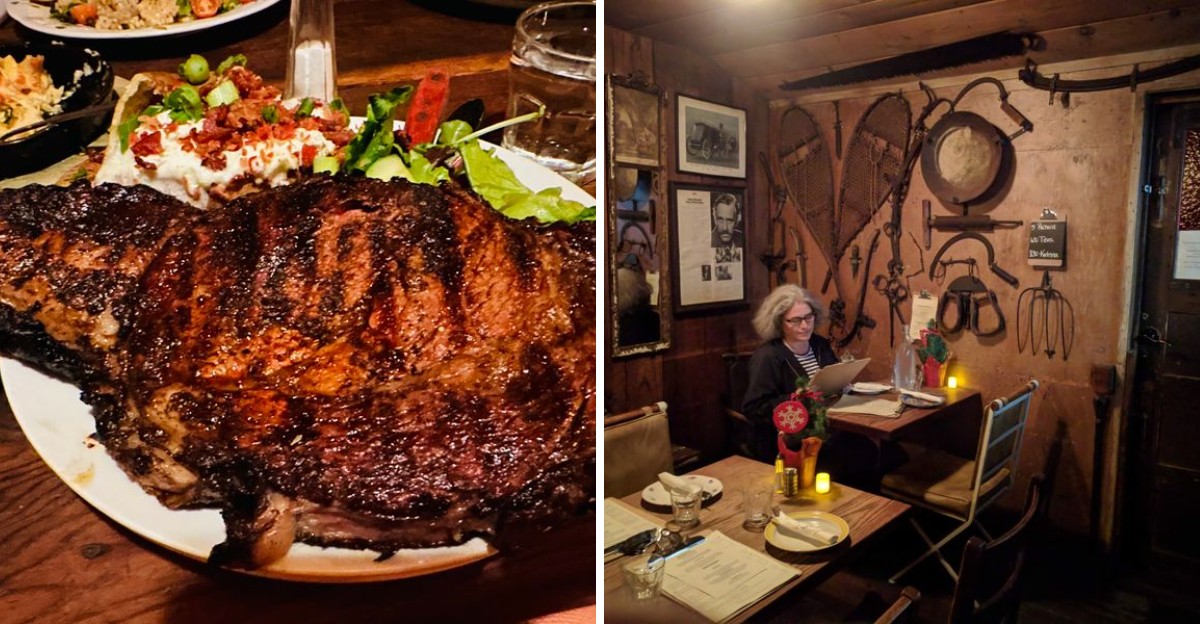
The first clue is the fire.
Not a sleek modern grill hidden somewhere behind the kitchen doors, but red oak doing the work the old-fashioned way.
This California steakhouse has held onto a style of cooking that feels increasingly rare, pairing flame-cooked steaks with a dining room that seems pleasantly uninterested in chasing trends.
You are not coming here for minimalist décor or a plate arranged with tweezers. You are coming for smoke, history, and dinner that would have looked perfectly at home decades ago.
Look around before the food arrives. The room has stories in it.
Then the steak hits the table and the reason this place never needed much reinvention becomes pretty obvious.
A Country Store That Became A Steakhouse
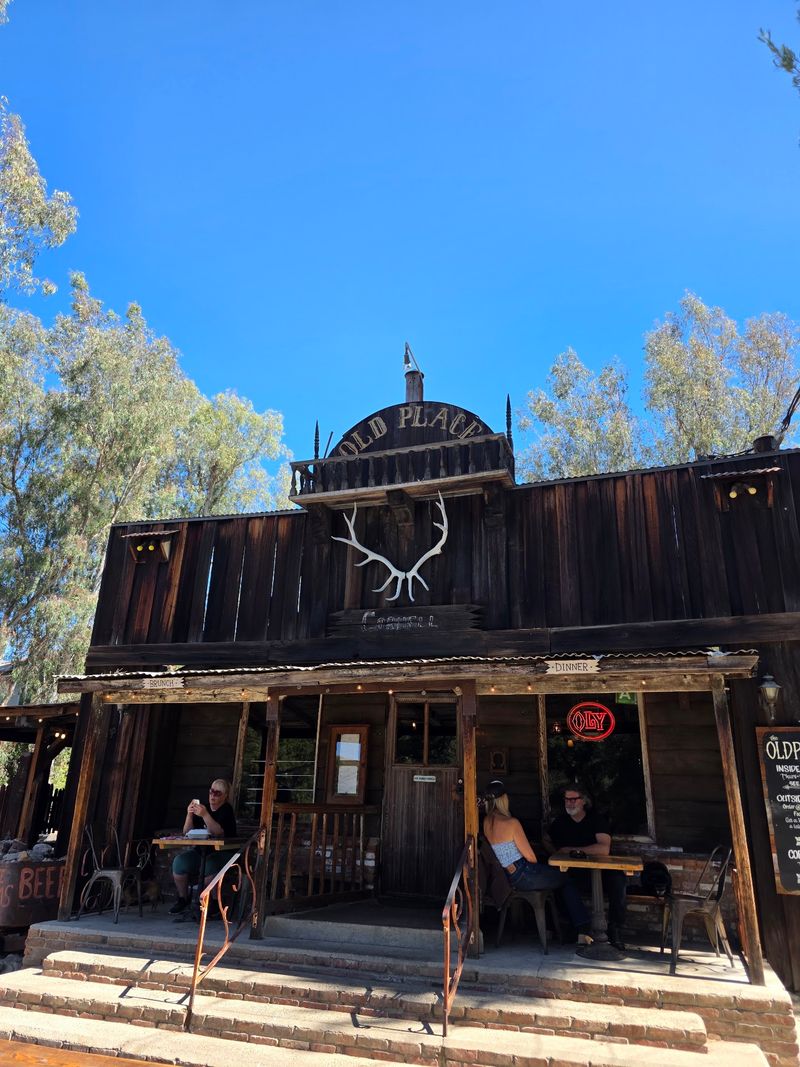
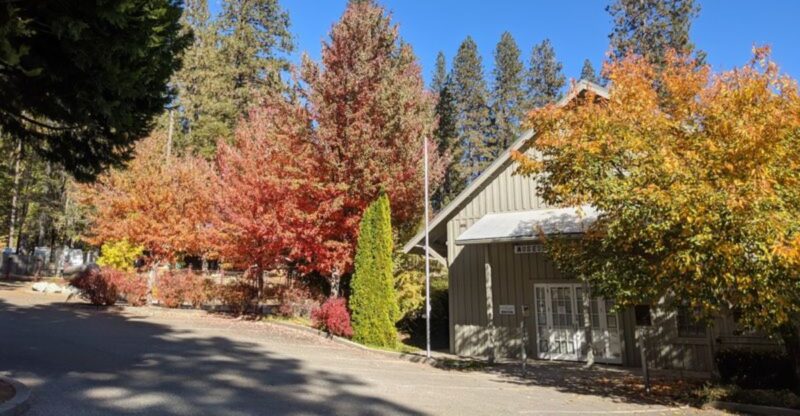
Long before anyone thought about steak dinners here, the little wooden building served the tiny village of Cornell as a general store and post office.
Built around 1915, the structure was once known as Hank’s Country Store and Cornell Post Office, in the Santa Monica Mountains where roads were rough and neighbors were few.
Locals came for supplies, mail, and conversation, and the building absorbed decades of small daily routines. Walking up to it now, the sense of age is obvious right away.
The wood has weathered, the porch sits low, and nothing looks like it was designed by a corporate team.
Oak trees crowd the property, and the surrounding hills feel far removed from freeway traffic even though Los Angeles is not far away.
The bones of the original store still shape the dining space, including the compact rooms and the narrow doorways that a modern architect would probably widen.
Guests often spend a few minutes outside before heading in, simply looking at the old siding and the surrounding trees.
For anyone who enjoys buildings with real stories attached, the setting at 29983 Mulholland Hwy, Agoura Hills, California 91301 does a lot of the work before the food ever arrives.
Red Oak Smoke Does The Heavy Lifting
Wood, not gas, powers the cooking here.
The kitchen centers on a grill that burns local red oak, a method that predates modern steakhouse equipment by a long stretch.
Red oak burns hot and steady, and it leaves behind a smoky flavor that is noticeable without overwhelming the meat.
Cooking over live fire takes attention. Coals shift, heat rises and falls, and the cook has to read the fire rather than set a dial.
The smell reaches the parking area on most days. Oak smoke drifting through the trees is often the first hint that dinner is underway, and it sets expectations before anyone sits down.
Inside, the sound of the grill and the low hum of conversation blend together in a way that feels lived-in rather than staged.
Understanding the method helps with ordering. Fire-cooked meat carries char and smoke, and medium rare or medium tends to highlight those flavors especially well.
Many regulars stick with those temperatures for exactly that reason.
Steaks Take Center Stage On The Menu
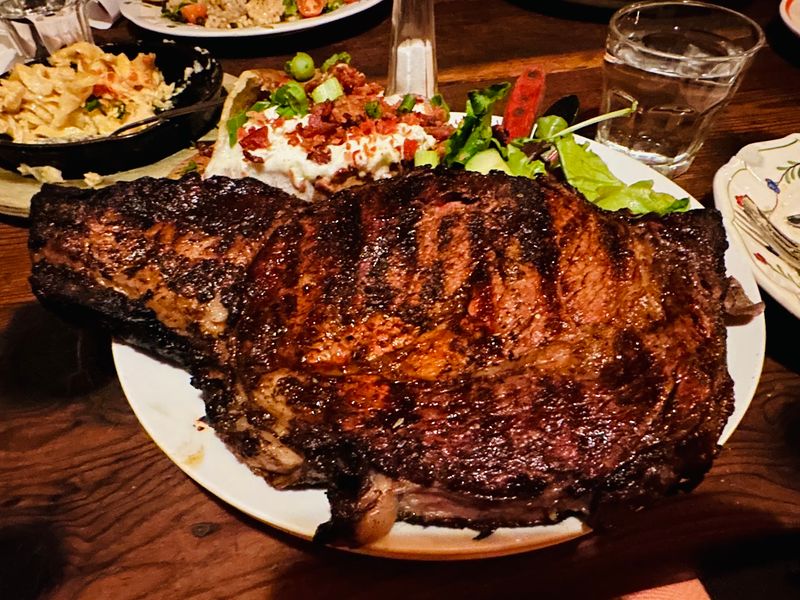
Beef is the reason many people make the drive out here in the first place.
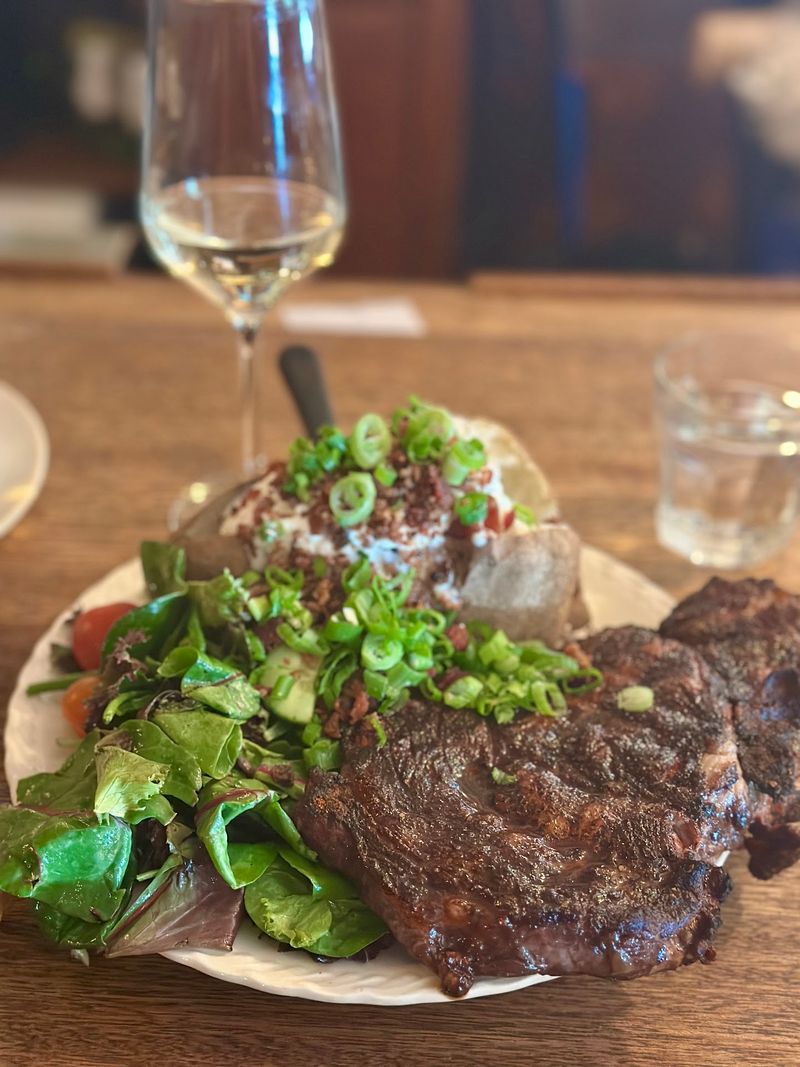
Current steak choices include a 12-ounce sirloin, a 22-ounce ribeye, and a 16-ounce bone-in filet, with an oak-grilled Black Angus sirloin also listed on the menu. Portions run generous, and leftovers are common.
Each cut goes over the red oak fire, which gives the outside a firm char while the inside stays juicy.
Baked potatoes are a frequent pairing, and the combination is about as straightforward as steakhouse eating gets. Nothing arrives with elaborate garnishes or complicated sauces.
Pricing sits in the range expected for a full steakhouse meal, and a service charge is added automatically to checks. Knowing that ahead of time helps guests plan a budget without surprises when the bill lands.
Sharing works well here given the size of the larger cuts. Two people splitting a ribeye with sides is a reasonable approach, especially for anyone who also wants dessert later.
Ordering early in the service window also improves the odds of getting a specific cut, since the kitchen works with what it has on hand that day rather than pulling from deep storage.
Inside, The Dining Room Barely Changed
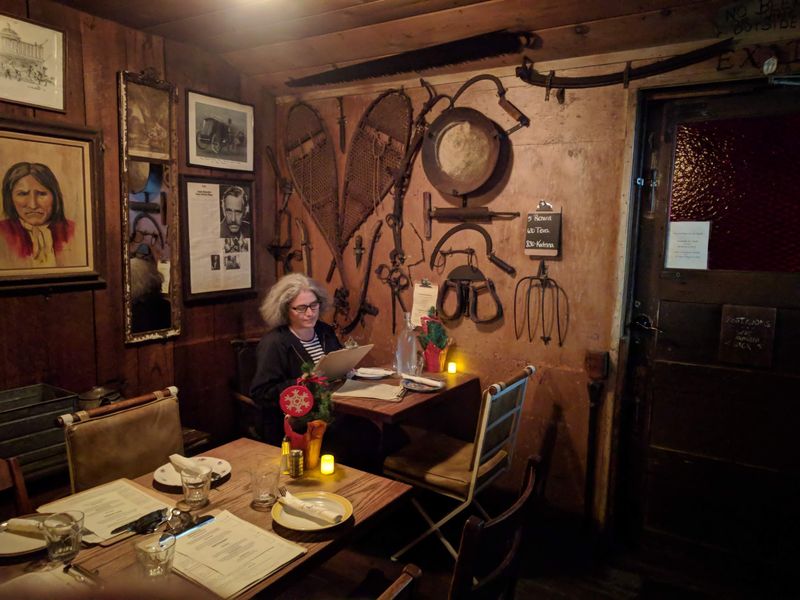
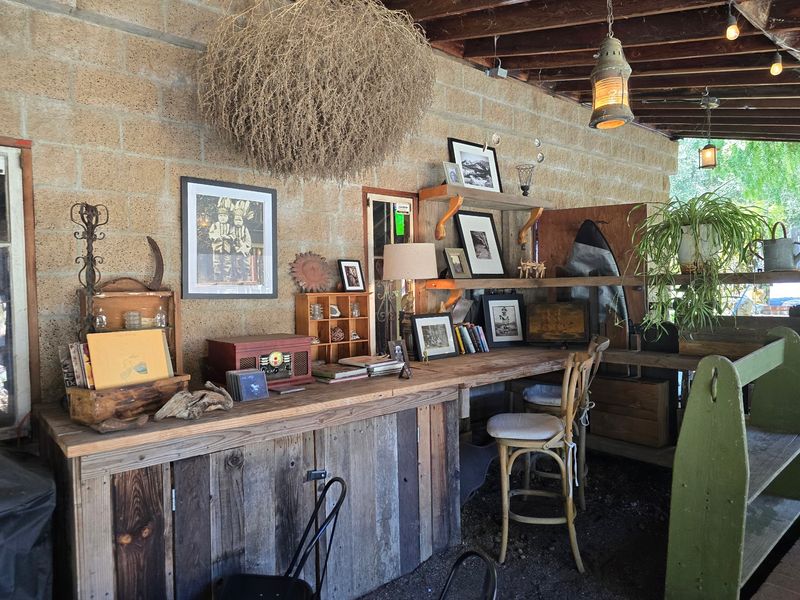
Step through the door and the change in light is immediate. Warm wood tones, low lighting, and old western touches fill a space that holds only five booths and three tables.
Aged materials and antique details cover nearly every surface, and the tight layout keeps everything within arm’s reach.
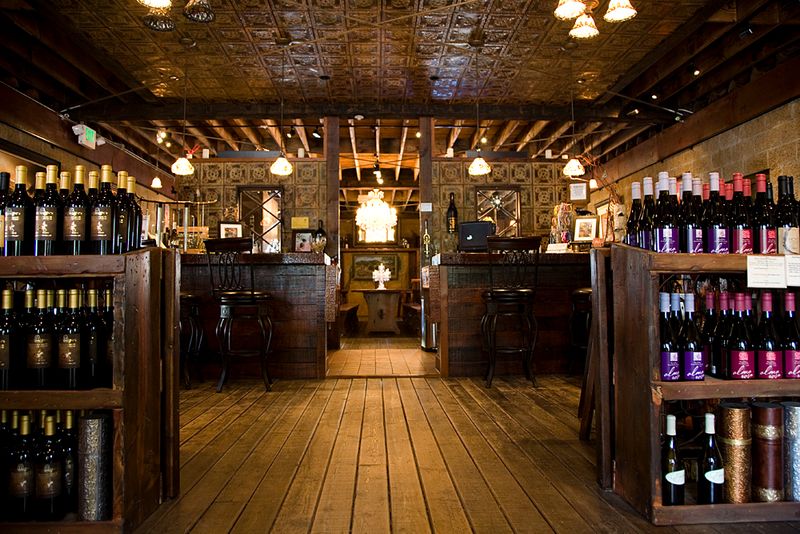
At the center of the main dining room stands a bar salvaged from a saloon in Virginia City, Nevada.
The piece fits the room so naturally that many guests assume it was always there. Details like that are the reason the interior feels genuinely old rather than styled to look old.
Comfort inside leans cozy rather than spacious. Booths are wooden and snug, tables sit close together, and conversation from neighboring parties is easy to hear.
Noise levels rise on busy nights, though the sound tends to feel companionable instead of harsh. Lighting stays dim, which suits the mood but can make reading a menu a little tricky.
Live music sometimes happens, with local musicians occasionally playing near the tables. Guests who prefer quieter meals often choose Thursday evenings over weekend nights.
Because the room is so small, reservations for indoor seating fill quickly.
Booking several weeks ahead is common practice, especially for groups hoping to sit together in one of the booths.
The Original Post Office Corner Survives
Mail once moved through this building, and evidence of that still exists inside.
The private room called the Mailroom holds the original Cornell post office sorting table, kept right where it functioned decades ago.
Rows of small compartments remain visible, a quiet reminder of the building’s first job. The space now works as a private dining area.
Groups can sit around the table in a room that carries more history per square foot than most museums manage.
The Mailroom is also wheelchair accessible, which matters at a property where the terrain outside can be uneven.
Preservation like this is intentional. Rather than clearing out old furnishings to make room for more seats, the owners kept the sorting table as a working part of the restaurant.
Guests eating there are literally using a piece of local infrastructure from another century.
Anyone interested in the Mailroom should ask about availability when booking, since private spaces usually require advance arrangement.
Even guests seated elsewhere often appreciate knowing the room exists, and the staff are generally happy to point out historical details throughout the building.
Small touches like the sorting table explain why the property feels stopped in time.
Weekend Mornings Bring Cinnamon Rolls And Skillets
Breakfast only happens two days a week, and that scarcity is part of the draw.
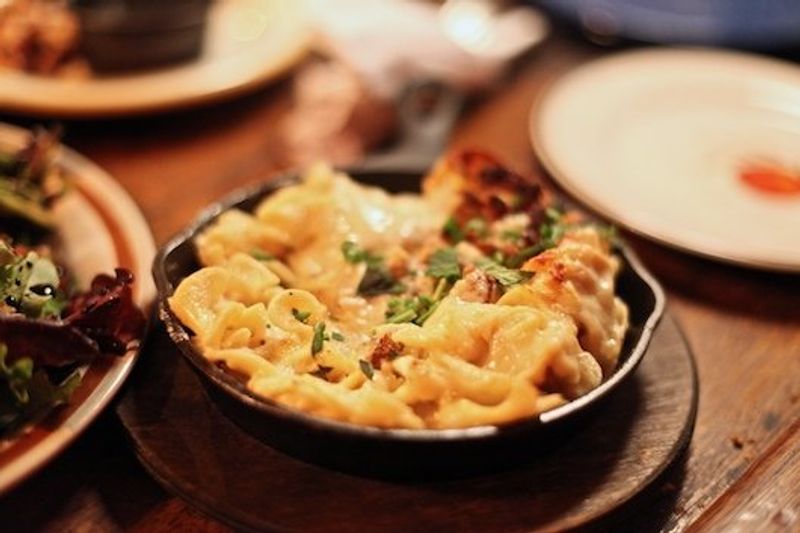
Saturday and Sunday mornings bring house-made cinnamon rolls, often served hot in a skillet, along with steak and eggs and the Old Place breakfast burrito.
Service runs from 9:30 in the morning until 2:00 in the afternoon on those days. Mornings out here feel different from evenings.
Sunlight filters through the oaks, the air is cooler, and the pace on the grounds is slower before the dinner crowd arrives.
Many guests eat outside at tables scattered across the property, where covered spots offer shade.
Sunday mornings in particular attract a crowd of car enthusiasts and motorcyclists who gather in the parking areas.
Classic cars and unusual vehicles show up regularly, turning the lot into an informal gathering spot.
Peacocks also wander the grounds, which delights first-time visitors and surprises almost everyone.
Ordering on weekend mornings sometimes happens through a service window rather than at a table, so the experience is more casual than an indoor dinner.
Lines can form during peak hours around late morning.
Arriving closer to opening usually means shorter waits and better odds on the cinnamon rolls, which are among the most requested items and can run out as the morning goes on.
Lunch Sandwiches Get Time Over The Fire
Midday meals here follow the same fire-first philosophy as dinner.
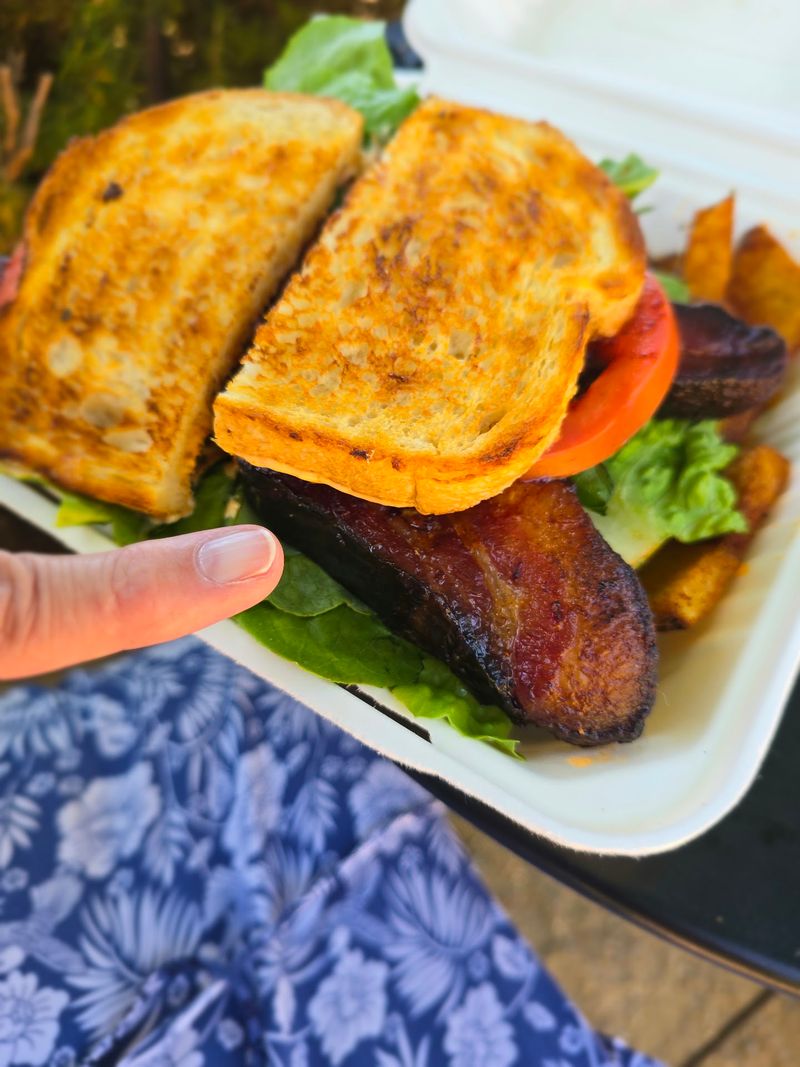
Lunch is served Friday through Sunday, and the standouts include a steak sandwich and a four-cheese sandwich, both built on sourdough that gets finished over the oak grill.
Bread picks up char and smoke, which changes the whole character of a sandwich most people think they already know. Potato wedges frequently show up alongside, cut thick and cooked through.
A BLT with notably thick-cut bacon also appears on the menu and has developed its own following.
Portions lean large, so arriving very hungry is not a bad strategy.
Lunch tends to feel more relaxed than dinner. Outdoor seating spreads across the grounds under trees and covered areas, and guests often linger for a while after finishing.
The pace is unhurried, and nobody seems in a rush to turn tables during the middle of the day. Weekday visits are not an option, since the restaurant closes Monday through Wednesday.
Friday lunch typically draws smaller crowds than weekend service, making it a solid choice for anyone who wants the food without the busiest atmosphere.
Checking the hours before setting out remains wise, because the limited schedule catches plenty of would-be visitors off guard after a long drive through the canyon.
Comfort Dishes And Cast-Iron Desserts Round Things Out
Not everyone who visits wants a steak, and the kitchen accounts for that.
Hearty options include chicken pot pie made with shredded chicken, celery, carrots, cream sauce and mashed potatoes, plus a beef stew served with mashed potatoes and oak-grilled portobello mushrooms.
Dishes at California’s Old Place arrive warm and filling rather than fussy. Desserts follow the same practical approach.
Seasonal fruit cobbler, chocolate lava cake, and a chocolate chip cookie with nuts are each prepared individually in cast-iron skillets, with hand-whipped cream on top.
Skillets hold heat well, so dessert stays warm through the last bite. Ordering dessert early is a reasonable move.
Because everything is made to order and nothing sits frozen, kitchen timing can stretch during busy stretches, and letting the server know ahead keeps the meal flowing.
Sharing a skillet dessert between two people is common given the portion sizes throughout the menu.
All of it stays in the family that started the restaurant.
More than five decades after opening, ownership passed from the founder to his son, and the approach has stayed focused on history rather than renovation.
That steadiness is what keeps the building, the oak fire, and the cast-iron skillets working together the same way they have for years.