This California Steakhouse Has Been Drawing Long Drives For Prime Rib Dinner For Eight Decades
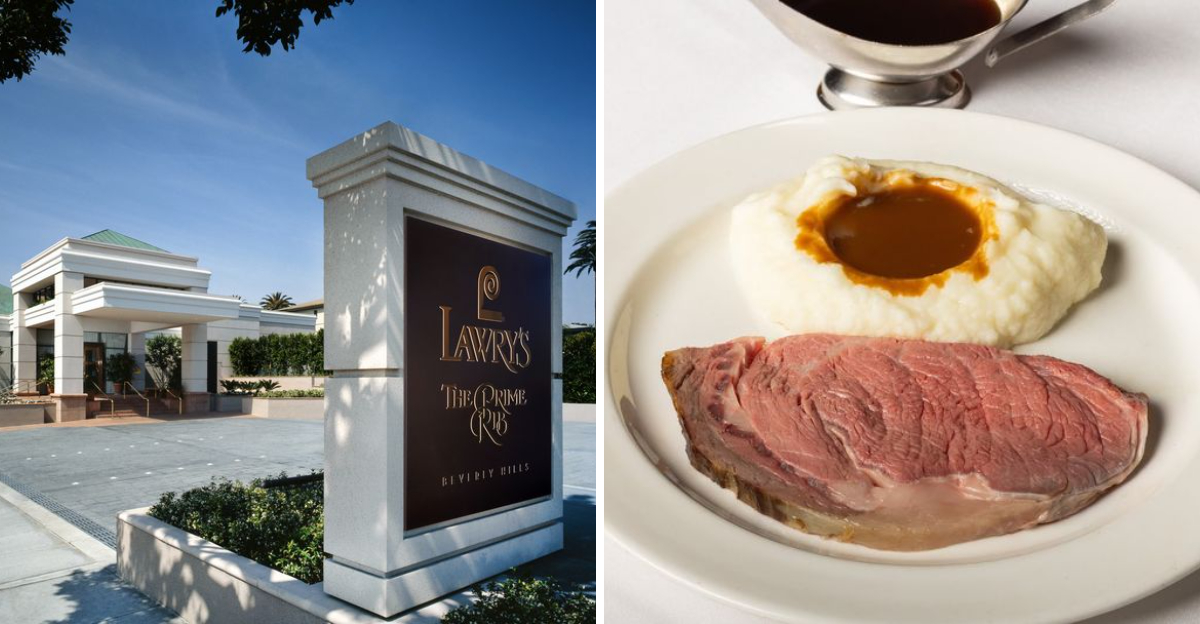
For over 80 years, Lawry’s The Prime Rib has been a place where every meal feels like an occasion.
The silver carts glide through the room, each carver expertly serving perfectly roasted prime rib, while diners enjoy the timeless atmosphere that has made the restaurant a California institution.
Every cut of meat, tender and flavorful, tells the story of a place that takes pride in its tradition.
People travel from all over to experience this iconic dish, knowing they’ll be treated to more than just a great meal.
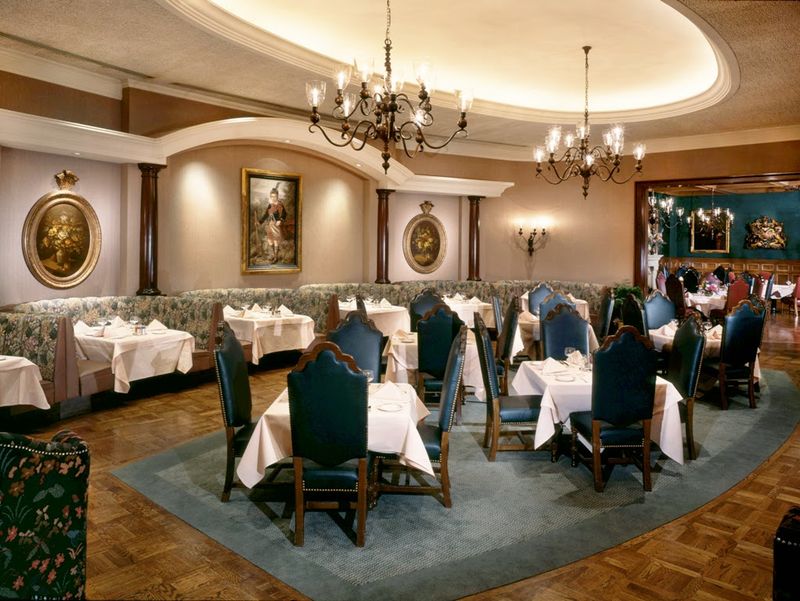
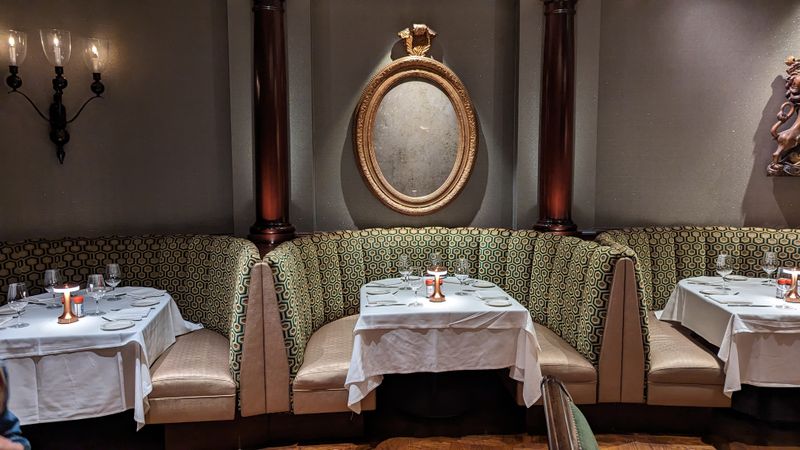
The atmosphere at Lawry’s reflects its history, with every detail contributing to the sense of timeless charm that makes the prime rib even more memorable.
From the gleaming carts to the expert service, every part of the experience is crafted to make you feel part of something special.
Lawry’s The Prime Rib has been serving generations of guests, making it a true destination for those seeking both delicious food and a slice of history.
1. Founded In 1938 By Two Visionaries
Lawrence L. Frank and Walter Van de Kamp opened Lawry’s The Prime Rib in Beverly Hills during a time when most restaurants offered varied menus.
Their bold decision to focus exclusively on prime rib seemed risky, but it paid off in ways they could hardly have imagined.
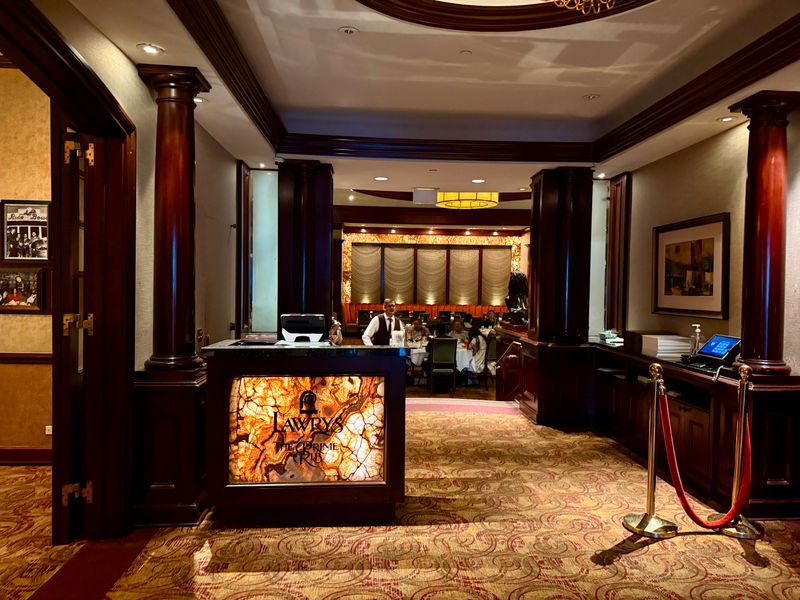
The restaurant is located at 100 N La Cienega Blvd, Beverly Hills, CA 90211, where it has remained a fixture for over eight decades.
Frank and Van de Kamp believed that mastering one dish would create something truly special. They spent countless hours perfecting their roasting technique and seasoning blend.
Their dedication transformed a simple cut of beef into an art form that would inspire generations of diners. The partnership between these two men combined culinary skill with business savvy.
Frank handled the kitchen innovations while Van de Kamp managed operations. Together they built a restaurant that would become synonymous with excellence in American dining.
Today, Lawry’s continues to honor the founders’ original vision. The restaurant still follows many of the same recipes and techniques developed in 1938.
This commitment to tradition has kept the restaurant relevant through changing food trends and economic shifts.
2. The Legendary 600-Pound Silver Cart
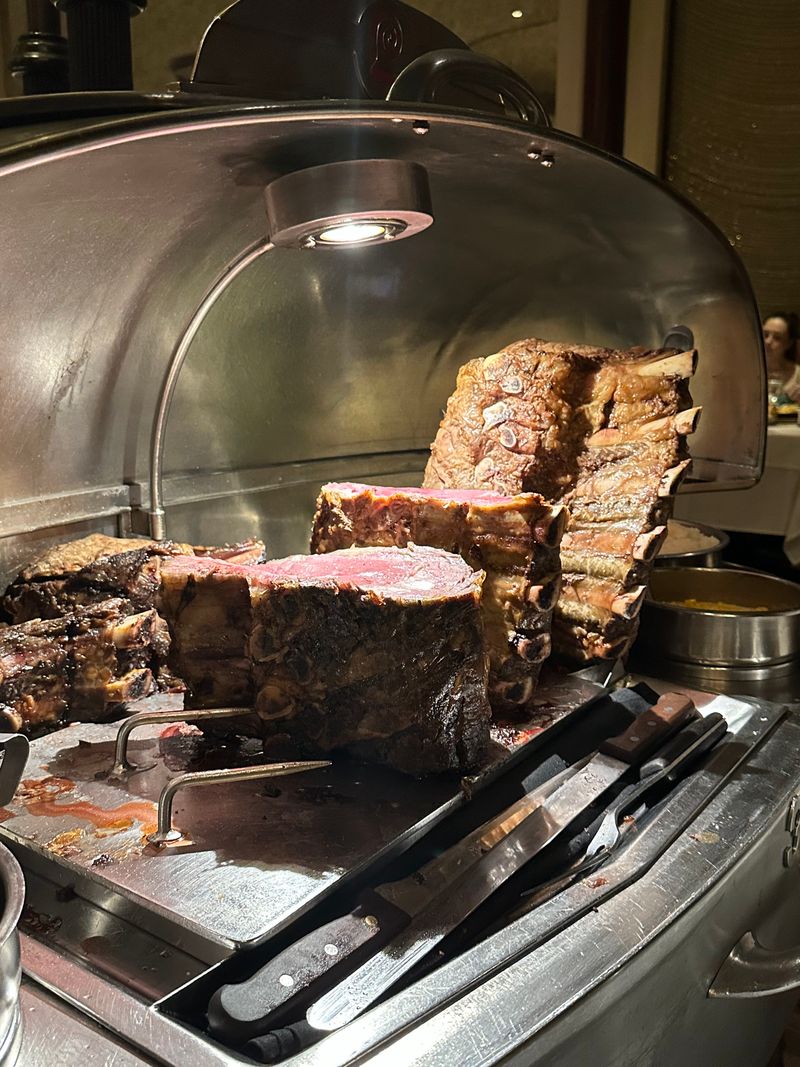
Walking into Lawry’s means encountering one of the most impressive pieces of restaurant equipment ever created. The massive Art Deco silver cart weighs 600 pounds and gleams under the dining room lights.
Lawrence Frank designed this stunning piece himself, wanting something that would turn the simple act of serving meat into theater.
Each cart holds perfectly roasted prime rib kept at ideal temperature throughout service. The weight comes from solid construction and heavy-duty materials built to last decades.
These carts have been rolling through the dining room since the restaurant’s earliest days. Watching a carver wheel the cart to your table creates immediate anticipation.
The polished silver reflects the warm lighting, and the aroma of seasoned beef fills the air. Guests often take photos of the cart before their meal is even served.
The design combines beauty with function in ways that modern equipment rarely achieves.
Every detail was considered, from the height for comfortable carving to the wheels that glide smoothly across carpet. This cart represents the restaurant’s commitment to making every aspect of the meal memorable.
3. Six Months Of Training For Expert Carvers
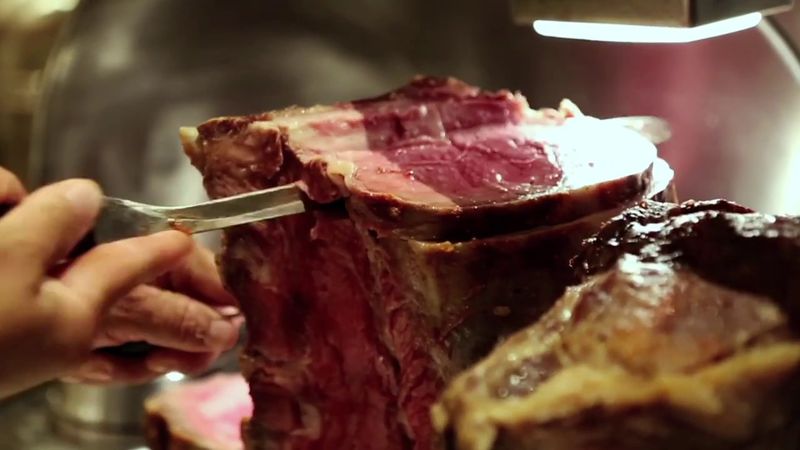
Becoming a carver at Lawry’s requires dedication that goes far beyond typical restaurant training. New staff members spend six months learning the precise techniques needed to join the Royal Order of Carvers.
This intensive program ensures that every slice meets the restaurant’s exacting standards. Trainees learn to identify different cuts and understand how thickness affects texture and flavor.
They practice their knife skills daily, working toward the smooth, confident motions that experienced carvers display.
The training also covers presentation, timing, and how to interact gracefully with guests during service. Carvers must master the art of reading the meat to determine grain direction and optimal slicing angles.
They learn to adjust their technique based on whether guests prefer rare, medium, or well-done portions. This knowledge takes time to develop and cannot be rushed.
The Royal Order of Carvers represents a proud tradition within the restaurant. Members wear their status with honor, knowing they have achieved a level of skill that few possess.
This commitment to training excellence ensures that the dining experience remains consistent across decades.
4. Creating The Famous Seasoned Salt
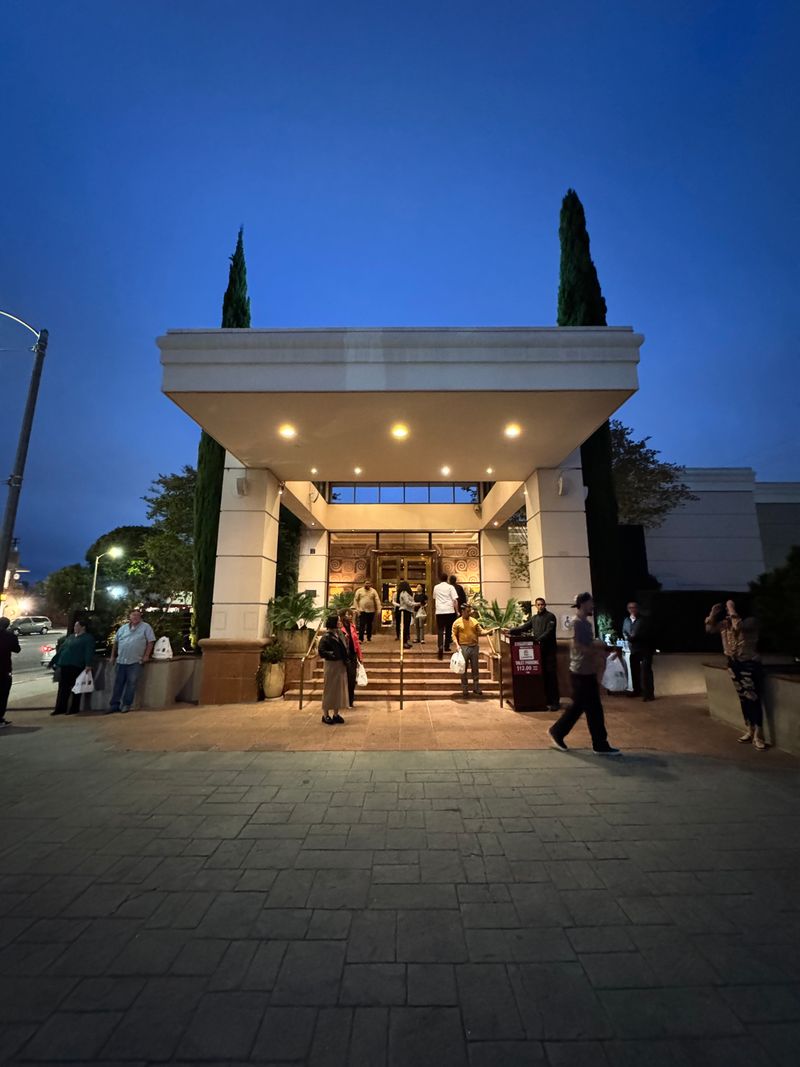
Before opening the restaurant, Lawrence Frank experimented with herb and spice combinations in his kitchen. He wanted a blend that would enhance beef without overwhelming its natural flavor.
After countless trials, he created a mixture of 17 herbs and spices that became Lawry’s Seasoned Salt. The original purpose was purely for restaurant use, but guests kept asking where they could buy the seasoning.
Frank recognized a business opportunity and began packaging the blend for retail sale. This side venture eventually grew into a massive consumer products company.
The exact recipe remains a closely guarded secret, though the distinctive orange color and savory aroma are instantly recognizable.
Home cooks across America have used Lawry’s Seasoned Salt on everything from grilled chicken to roasted vegetables.
The blend has become a pantry staple in millions of households. This seasoning represents an unexpected legacy from a steakhouse focused on one signature dish.
Few restaurants have created products that achieved such widespread retail success.
The orange bottle with its familiar label connects home cooking to the restaurant’s professional kitchen in a tangible way.
5. Original Pricing That Seems Impossible Today
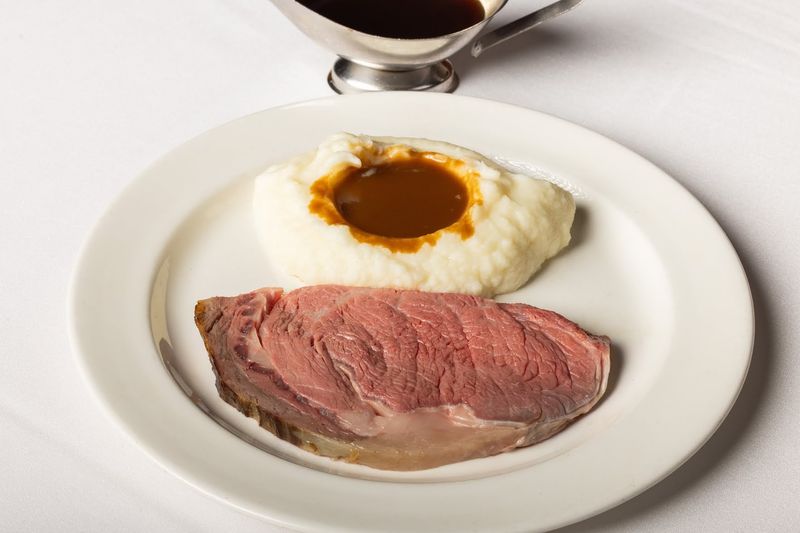
Back in 1938, a complete prime rib dinner at Lawry’s cost just one dollar and twenty-five cents. That price included the perfectly roasted meat, fluffy Yorkshire pudding, and creamy mashed potatoes.
Comparing this to modern menu prices shows how dramatically dining costs have changed over the decades. A dollar and a quarter could buy quite a lot during the Great Depression era.
For many diners, Lawry’s represented an affordable luxury during difficult economic times. The restaurant’s success proved that people would seek out quality experiences even when money was tight.
Frank and Van de Kamp priced their meals carefully to attract a broad customer base. They wanted everyone to experience exceptional prime rib, not just wealthy patrons.
This democratic approach to fine dining helped build the restaurant’s loyal following. Today’s prices reflect current costs for premium beef, skilled labor, and maintaining a historic property.
However, the value proposition remains similar in spirit. Guests still receive generous portions, expert service, and an experience that feels special enough to justify the investment.
6. Pioneering Valet Parking And Doggie Bags
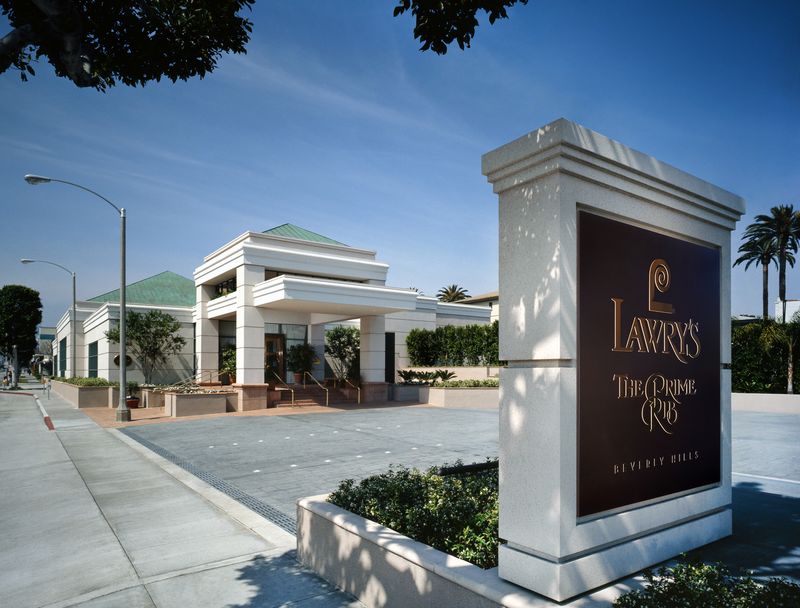
Lawry’s introduced innovations that seem ordinary today but were revolutionary in the restaurant industry’s early days.
The restaurant is credited with creating valet parking service, recognizing that guests arriving in nice clothes appreciated not having to search for parking spots.
This simple convenience elevated the dining experience before guests even entered the building.
The term doggie bag also originated at Lawry’s, addressing the generous portions that many diners could not finish. Rather than waste quality food, the restaurant encouraged guests to take leftovers home.
The playful name made the practice socially acceptable at a time when requesting takeout containers might have seemed improper.
Both innovations reflected the founders’ attention to the complete guest experience. They thought beyond the meal itself to consider arrival, departure, and what happened after leaving.
This holistic approach to hospitality set standards that the entire industry would eventually adopt. Modern diners benefit from these conveniences without realizing their origin story.
Valet parking and takeout containers are now expected at many establishments.
Lawry’s role in normalizing these practices demonstrates how one restaurant can influence dining culture far beyond its own doors.
7. The Spinning Bowl Salad Tradition
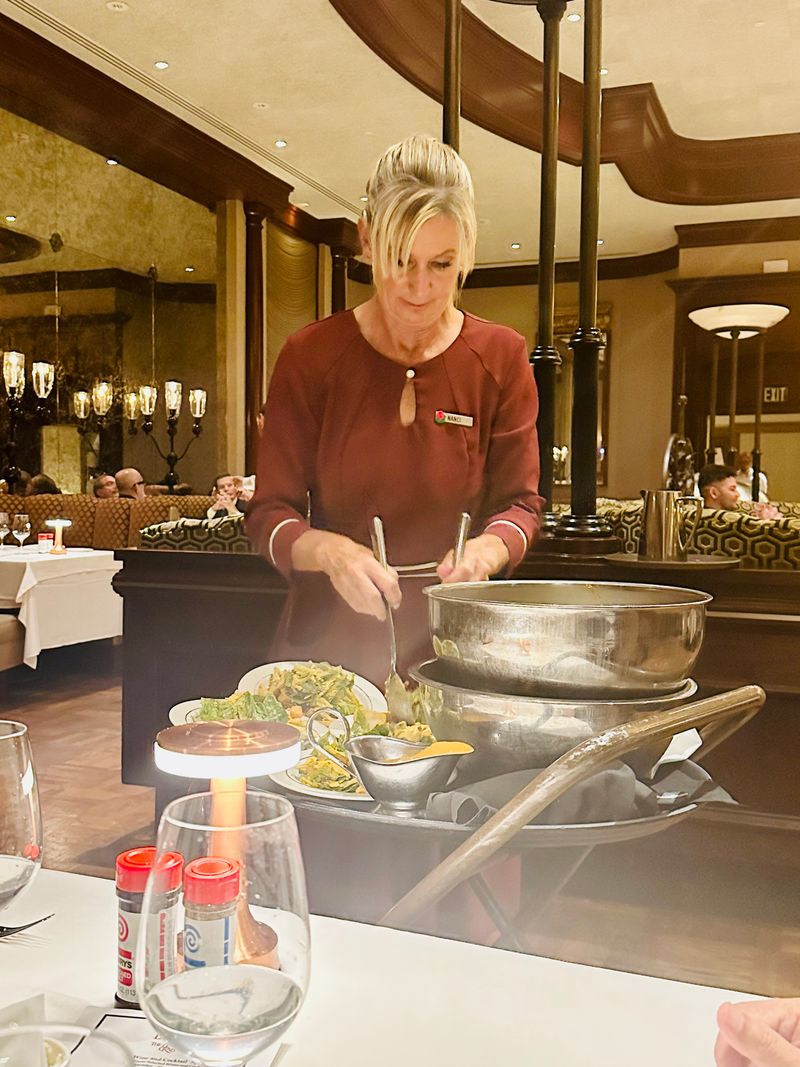
Among Lawry’s signature offerings, the Famous Original Spinning Bowl Salad holds a special place in diners’ hearts. Servers prepare this salad tableside using a large bowl placed on a bed of ice.
The spinning motion during preparation chills the greens while evenly distributing the dressing. The technique requires skill and creates an entertaining show for guests watching the preparation.
Crisp lettuce, fresh vegetables, and Lawry’s special dressing come together through this theatrical process. The result tastes as good as the preparation looks impressive.
This salad has been part of the menu since the restaurant opened in 1938. Its enduring popularity proves that simple ingredients prepared with care can become legendary.
Many longtime guests consider the meal incomplete without starting with this classic dish. The spinning bowl represents Lawry’s commitment to tableside service and presentation.
Everything from the temperature of the greens to the ratio of dressing gets careful attention. This level of detail applied to a simple salad shows why the restaurant has maintained its reputation for decades.
8. Menu Expansion In 1993
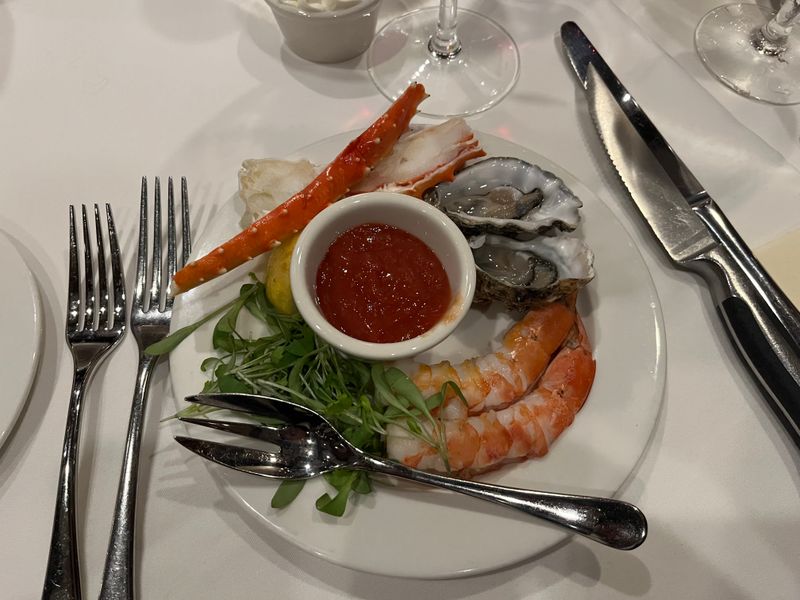
For over five decades, Lawry’s served only prime rib, Yorkshire pudding, and accompaniments. The focused menu was central to the restaurant’s identity and success.
However, in 1993, management made the significant decision to add lobster and fresh fish options. This expansion recognized changing diner preferences while maintaining the restaurant’s core focus.
Some guests wanted seafood choices, and accommodating them made sense without abandoning the prime rib tradition.
The additions were carefully selected to meet the same quality standards as the signature dish. Introducing new menu items after 55 years carried risks that management considered carefully.
Longtime patrons might have viewed changes as betraying the original concept.
The restaurant handled the transition thoughtfully, positioning seafood as complementary options rather than replacements.
Today, the expanded menu serves groups with varied preferences while keeping prime rib as the star. Guests who choose fish or lobster still experience the same tableside service and attention to detail.
The additions broadened the restaurant’s appeal without diluting what made it special in the first place.
9. Annual Beef Bowl Tradition Since 1956
Every year before the Rose Bowl game, Lawry’s hosts the Beef Bowl event for the competing college football teams. This tradition began in 1956 and has continued for nearly seven decades.
Players and coaches gather at the restaurant for a feast of prime rib and all the traditional accompaniments. The event provides a memorable experience during the busy bowl game preparations.
Athletes appreciate the generous portions and quality food that fuel their training. For many players, the Beef Bowl represents their first visit to Lawry’s and creates lasting memories.
Hosting this annual event demonstrates the restaurant’s connection to Southern California culture beyond just serving meals.
The Rose Bowl is a major regional tradition, and Lawry’s participation links the restaurant to this celebrated sporting event.
Photographs from past Beef Bowls show generations of teams enjoying the hospitality. The tradition also generates positive publicity and reinforces Lawry’s reputation for excellence.
Sports fans across the country hear about the Beef Bowl through game coverage and media reports. This exposure introduces the restaurant to audiences who might not otherwise know about this Beverly Hills institution.
10. International Locations Across The Globe
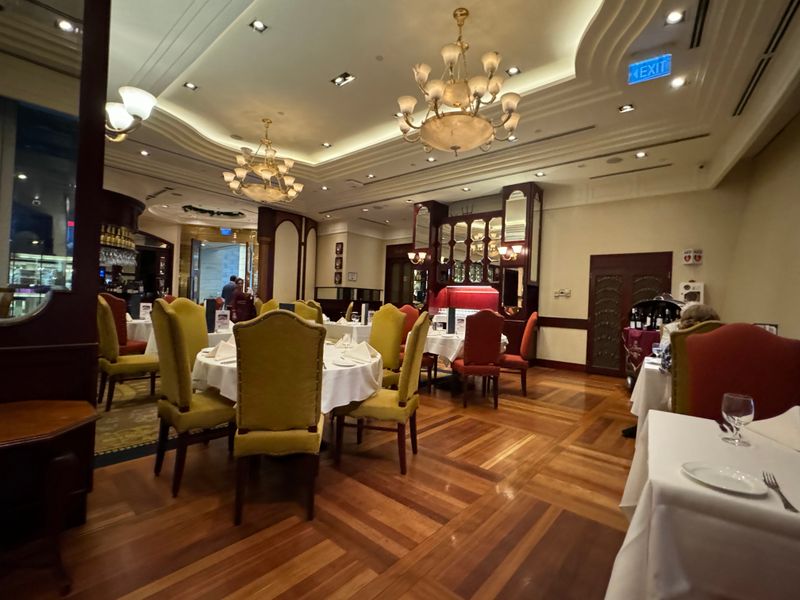
While the original Beverly Hills location remains the flagship, Lawry’s has expanded to other cities over the decades.
Domestic locations include Chicago and Las Vegas, bringing the prime rib experience to different regions. These restaurants maintain the same standards and traditions established in California.
International expansion has taken Lawry’s to Asia, with locations in Singapore, Tokyo, Osaka, Seoul, Taipei, and Hong Kong.
These restaurants introduce the American steakhouse tradition to diners in different cultures. The signature silver carts and tableside carving translate across language barriers.
Each location adapts slightly to local preferences while preserving core elements of the Lawry’s experience.
The Tokyo restaurant might offer different side dishes, but the prime rib preparation remains consistent.
This balance between consistency and flexibility allows the brand to succeed in varied markets. Global expansion demonstrates that Lawry’s appeal extends far beyond California.
The combination of quality food, theatrical service, and attention to detail resonates with diners worldwide.
These international locations introduce new audiences to traditions started in Beverly Hills more than eight decades ago.
11. Recognition Through Culinary Media
Food Network and other culinary programs have featured Lawry’s in episodes highlighting exceptional American restaurants.
These appearances introduce the steakhouse to viewers who may never have heard of it otherwise. Television coverage showcases the silver carts, carving techniques, and the restaurant’s rich history.
Media recognition validates what longtime guests have known for decades. Lawry’s represents something special in the American dining landscape.
The restaurant’s photogenic qualities and compelling story make it ideal for food television programming. Being featured on national television brings new customers from across the country.
Visitors planning trips to Los Angeles often add Lawry’s to their itinerary after seeing it on screen. This exposure has helped the restaurant maintain relevance with younger generations who discover it through modern media.
The restaurant’s willingness to participate in these programs shows confidence in its product and service. Lawry’s has nothing to hide and everything to showcase.
Television cameras capture the same experience that regular guests enjoy, proving that the restaurant’s reputation rests on genuine quality rather than marketing hype.