This California Steakhouse Turns Prime Rib Into A Real Art Form
A good steak is the expectation. Nothing complicated. Just a solid dinner that does the job. That expectation doesn’t hold for long.
The first detail shows up before the plate even settles. Care in the presentation. Precision in the temperature.
A level of control that signals something more deliberate happening behind the scenes. Each step points to a kitchen that treats every cut with intention, not routine.
Then the shift happens. Prime rib stops being just another option on the menu. The texture stands out. The seasoning lands exactly where it should. The slow roast brings everything together in a way that lingers well past the last bite.
Across California, meals like this quietly reset what a steakhouse experience can look like.
What starts as a simple dinner turns into something far more considered. People return because the standard changes, and once that happens, it is hard to go back to anything less.
The Cupertino Location Blends Two Culinary Worlds Seamlessly

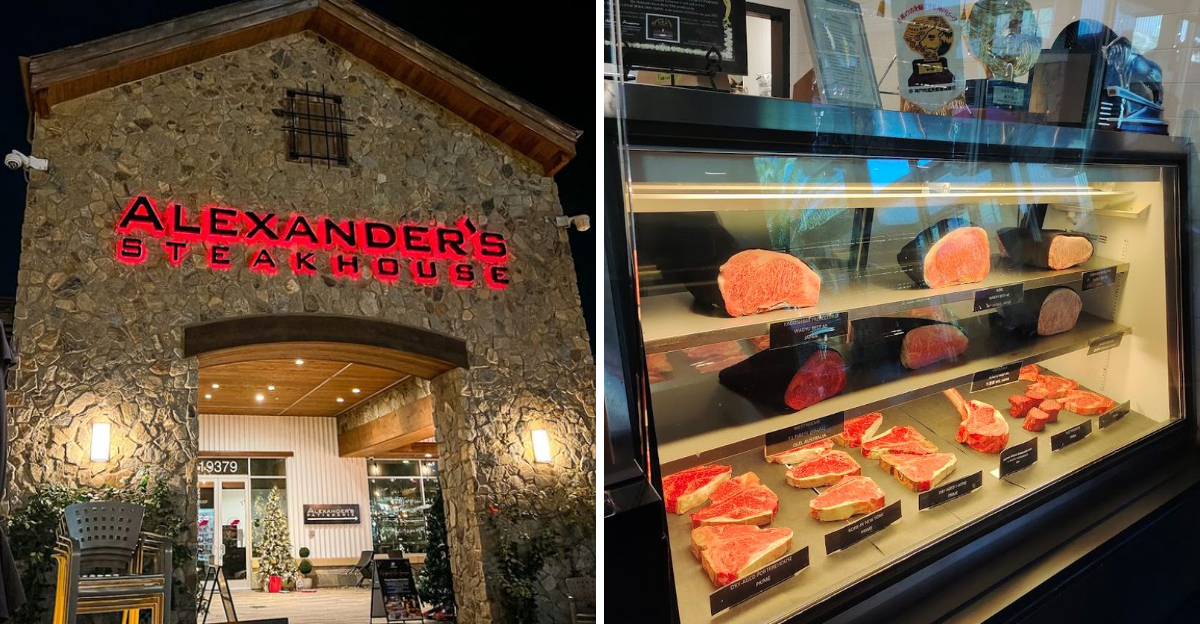
Alexander’s Steakhouse in Cupertino is not a typical American steakhouse in the traditional sense.
The restaurant is described as a posh temple to beef that fuses steakhouse classics with Japanese culinary influences, and that fusion shows up in both the menu design and the overall atmosphere.
Located at 19379 Stevens Creek Blvd, Cupertino, CA 95014, the venue operates in a white-tablecloth space that feels elevated without being stiff or intimidating.
The Japanese influence adds an interesting layer to the dining experience.
Wagyu options, precise preparation techniques, and a refined aesthetic sensibility all reflect a kitchen that draws from more than one tradition.
For guests who appreciate the craft behind Japanese beef culture, the menu offers entry points that go well beyond the standard steakhouse format.
At the same time, the American steakhouse roots remain clearly present.
Classic cuts, familiar sides, and a focus on premium beef keep the menu accessible to guests who simply want a great steak without needing to navigate unfamiliar territory.
The blend works because neither side overwhelms the other.
The result is a dining room where someone ordering a filet mignon and someone curious about A5 Wagyu can both feel like they are exactly where they should be.
Prime Rib Sundays Are A Weekly Tradition Worth Knowing About
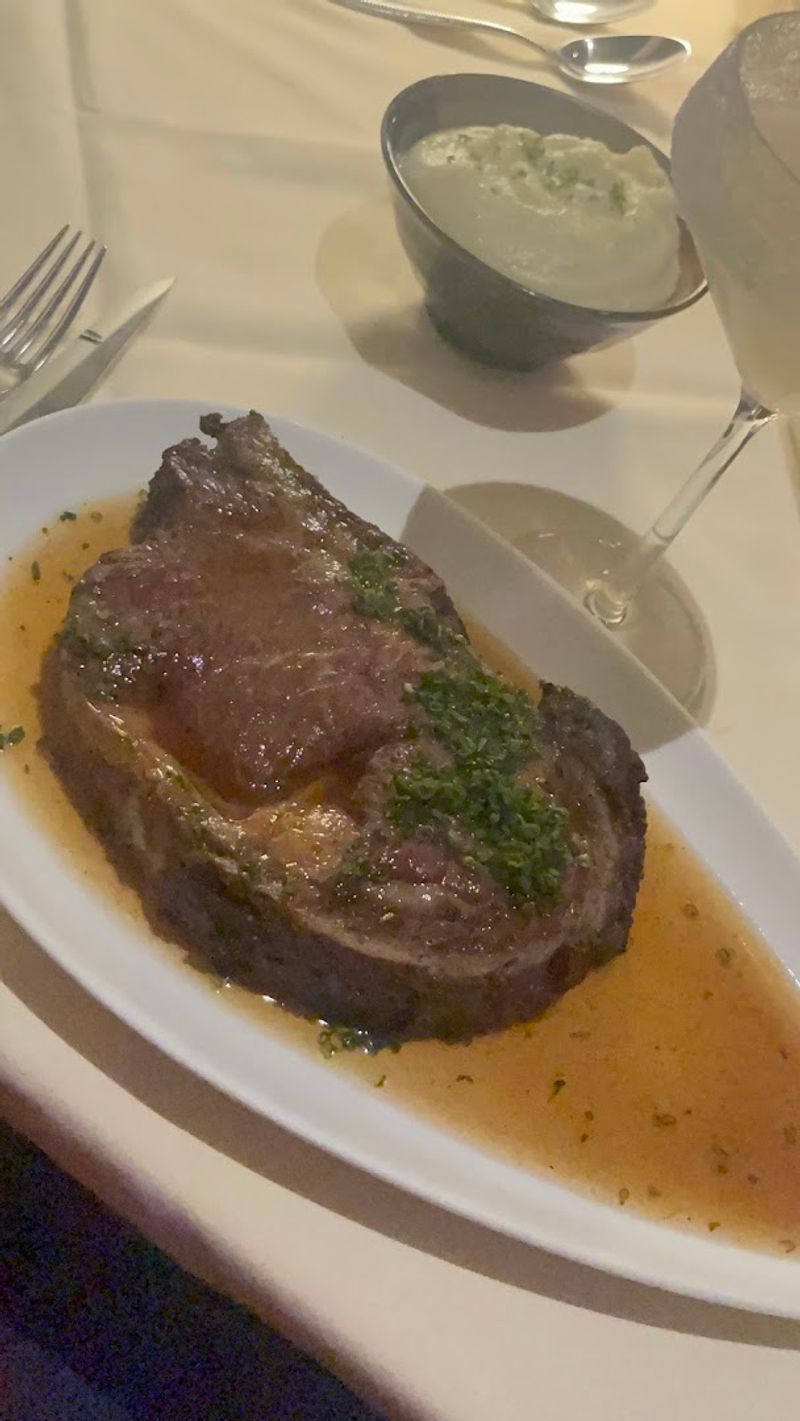
Every Sunday at Alexander’s Steakhouse, the kitchen rolls out a dedicated Prime Rib Dinner that has become one of its most talked-about recurring offerings.
Priced at $82, the meal centers around a generous 16-ounce cut of prime rib that is slow-roasted with care and served alongside crisp mixed greens, creamy mashed potatoes, traditional au jus, and zesty horseradish.
The combination feels both classic and intentional, like a Sunday ritual elevated to fine-dining standards.
The Pasadena location hosts this weekly special, giving guests a reason to return on a regular basis rather than treating a visit as a one-time occasion.
There is something grounding about a restaurant that commits to a recurring feature rather than rotating it out of the menu unpredictably.
It signals consistency, which matters when the centerpiece of the meal is something as nuanced as prime rib.
For anyone who has not yet experienced prime rib done at this level, Sunday is a natural starting point.
The structured menu makes ordering straightforward, and the accompaniments are chosen to complement rather than compete with the star of the plate.
Checking the official website ahead of time is always a smart move to confirm availability.
Aged Mid-Western Beef Is The Foundation Of Every Cut
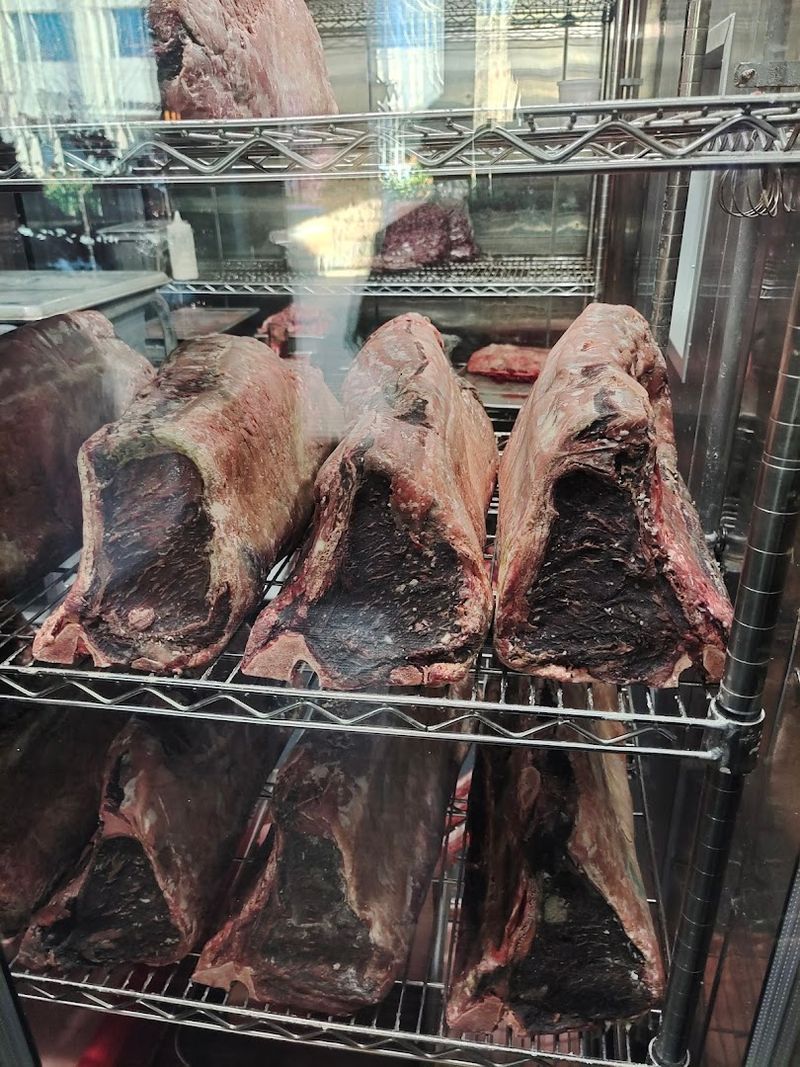
The quality of any prime rib starts long before it reaches the oven, and at Alexander’s Steakhouse, that process begins with sourcing.
The prime rib is made from aged Mid-Western beef, a choice that reflects a deliberate commitment to flavor and texture over convenience.
Beef from this region is known for its rich marbling, which develops partly because of the pronounced seasonal changes the cattle experience throughout the year.
Marbling matters more than most diners realize.
Those thin ribbons of fat running through the muscle are what keep the meat moist during the slow-roasting process and what give each bite its depth of flavor.
Without proper marbling, even the most careful cooking technique can fall flat.
The sourcing decision is essentially the first act of craftsmanship in what becomes a multi-step process.
Aged beef also has a more concentrated flavor profile compared to fresh cuts, which adds complexity to the final dish without requiring heavy seasoning or sauces to mask anything.
The kitchen at Alexander’s seems to understand that great ingredients do most of the work on their own.
Starting with aged Mid-Western beef means the prime rib arrives at the table already carrying a story worth tasting.
Slow-Roasting Is The Technique That Makes The Difference
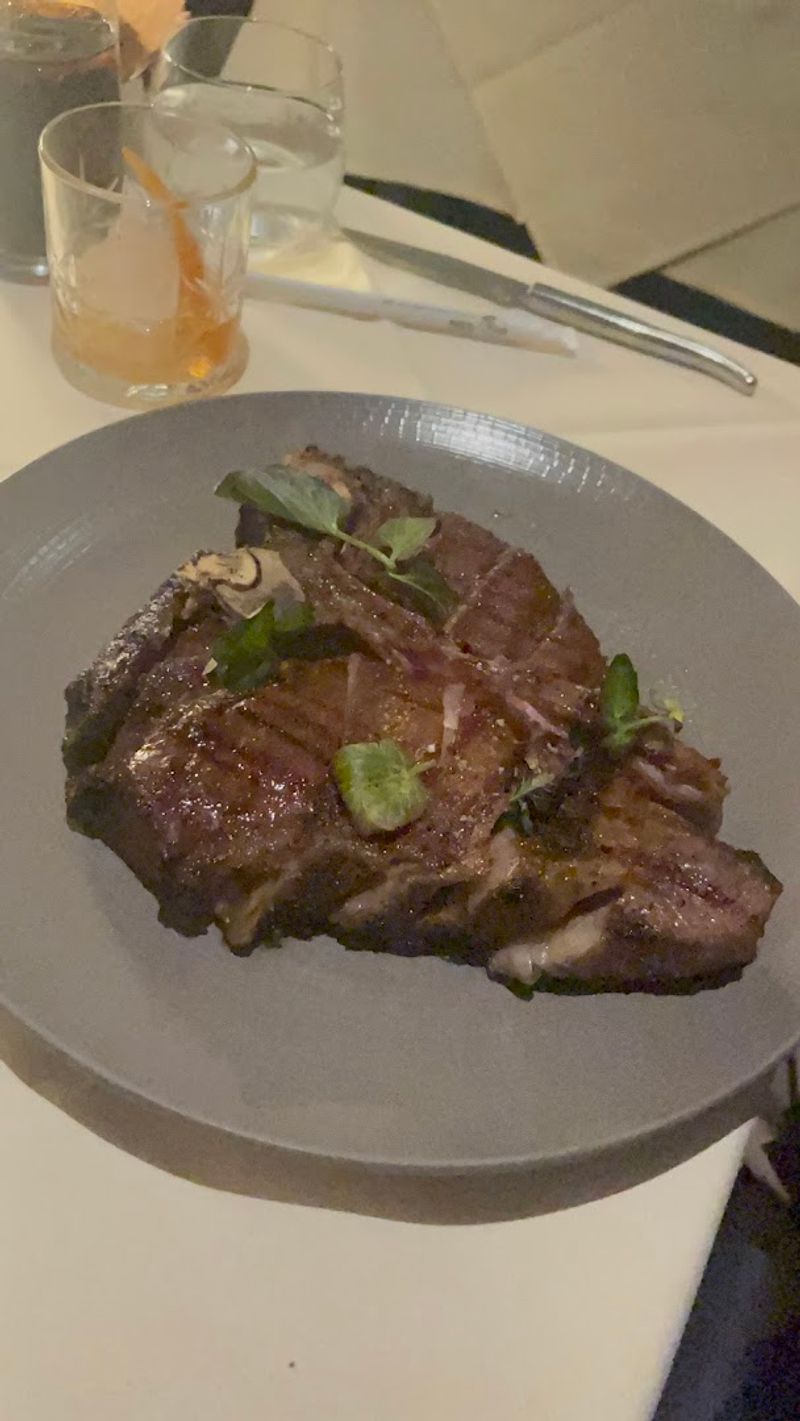
Speed is the enemy of great prime rib, and the kitchen at Alexander’s Steakhouse seems to operate with that understanding baked into the process.
The prime rib is seasoned with a straightforward rub before being placed into a slow roast that carries it to a rare or medium-rare doneness.
That unhurried approach is what separates a genuinely tender result from a cut that simply looks impressive on the plate.
Slow-roasting allows the internal temperature to rise gradually and evenly, which means the meat does not tighten up or lose moisture the way it might under higher heat.
The outside develops a crust while the inside stays pink, juicy, and yielding.
It is a method that requires patience and timing, two things that cannot be rushed or faked in a professional kitchen.
The natural flavors of the beef are also preserved rather than overwhelmed when the roasting process is handled this way.
Heavy sauces and excessive seasoning become unnecessary when the meat itself is already doing the heavy lifting.
The slow-roasting technique at Alexander’s is not a shortcut or a trend but a foundational choice that defines what prime rib can be when it is treated with genuine respect and culinary intention.
Prime Rib Shows Up In More Than One Form On The Menu
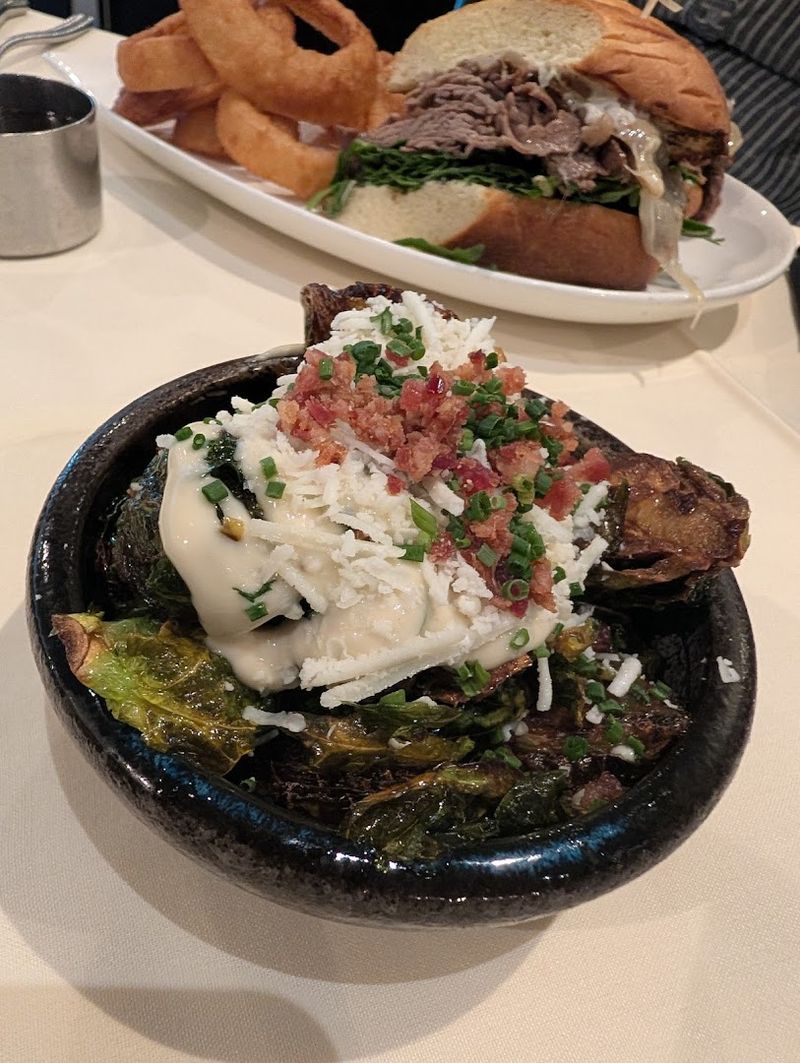
Not every guest arrives at a steakhouse wanting a full slab of roasted beef, and Alexander’s Steakhouse seems to account for that reality in a practical and appealing way.
The prime rib appears on the menu in alternative formats, including a French dip sandwich that features thinly shaved prime rib paired with horseradish and served alongside au jus for dipping.
It is a more casual presentation of the same high-quality ingredient, and it works well for guests who want something a little lighter or different.
Offering the same premium cut in multiple forms shows a kitchen that thinks about its ingredients creatively rather than rigidly.
The French dip format also makes the prime rib accessible to guests who might not be ready to commit to a full dinner portion, especially during lunch service when lighter options tend to be more appealing.
It is a smart menu decision that extends the reach of a signature ingredient.
The texture of thinly shaved prime rib in a sandwich is noticeably different from a thick carved slice, and that contrast is part of what makes the alternative preparation interesting.
Each format highlights different qualities of the same cut.
Having both options available gives the menu range without requiring the kitchen to introduce entirely new proteins or concepts.
The Restaurant Hosts Exclusive Events And Seasonal Offerings
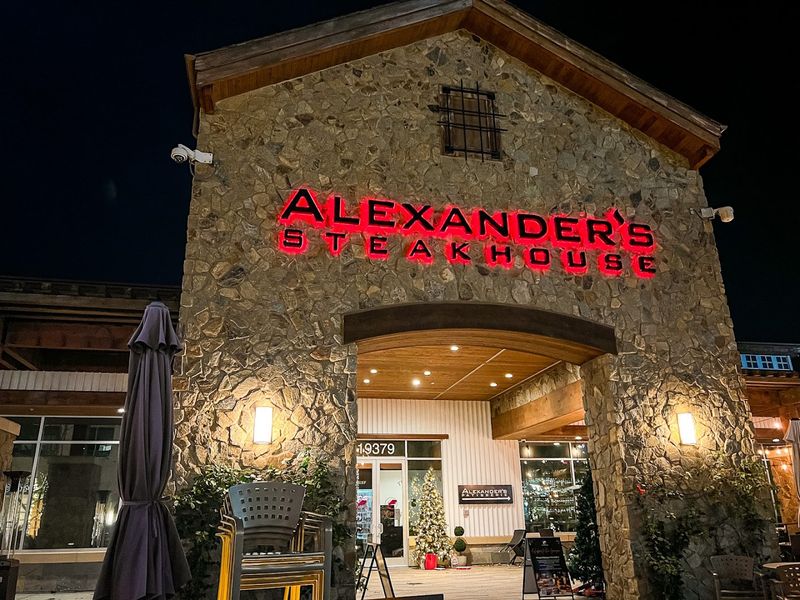
Beyond the regular dinner service, Alexander’s Steakhouse builds out its calendar with exclusive events and seasonal dining experiences that give guests additional reasons to visit throughout the year.
The Prime Rib Sunday special is one example of a recurring offering that sits outside the standard a-la-carte format, giving the restaurant a rhythm of special occasions that keeps things feeling fresh and purposeful.
Seasonal offerings at a restaurant of this caliber tend to reflect what is available at peak quality, which means the menu and event programming can shift in ways that reward guests who visit more than once.
Checking the events page on the official website is a reliable way to stay informed about what is coming up, since the schedule can change based on the time of year or special circumstances.
Private room reservations are also available for larger groups, which adds another dimension to the event experience.
Having a dedicated space for a celebration or business dinner changes the feel of the meal significantly.
The room provides a level of privacy and focus that a regular table in the main dining area simply cannot replicate.
For anyone planning a milestone occasion, exploring the private dining options at Alexander’s is worth considering well in advance.
The Atmosphere Leans Toward Intimate And Unhurried

Walking into Alexander’s Steakhouse, the lighting sets the tone before the menu even arrives.
The dining room tends toward dim, warm illumination that creates an intimate mood without making the space feel dark or unwelcoming.
Tablecloths are white and settings are immaculate, which communicates care and attention to the physical environment as much as to the food itself.
The pacing of service tends to be unhurried, which suits the nature of fine dining where the goal is to linger rather than rush.
Guests who come expecting a quick meal may want to adjust their expectations, but for those who arrive ready to settle in, the rhythm of the evening feels natural and comfortable.
There is a sense that the staff understands when to be present and when to step back.
Noise levels in the main dining room stay relatively controlled compared to louder casual restaurants, which makes conversation easier and contributes to the overall sense of calm.
The space feels designed for occasions that deserve a certain quality of attention, whether that is a birthday, an anniversary, or simply a dinner that someone has been looking forward to for a while.
The atmosphere does a quiet but effective job of signaling that the meal ahead is going to be worth slowing down for.
Japanese Wagyu Options Set This Steakhouse Apart
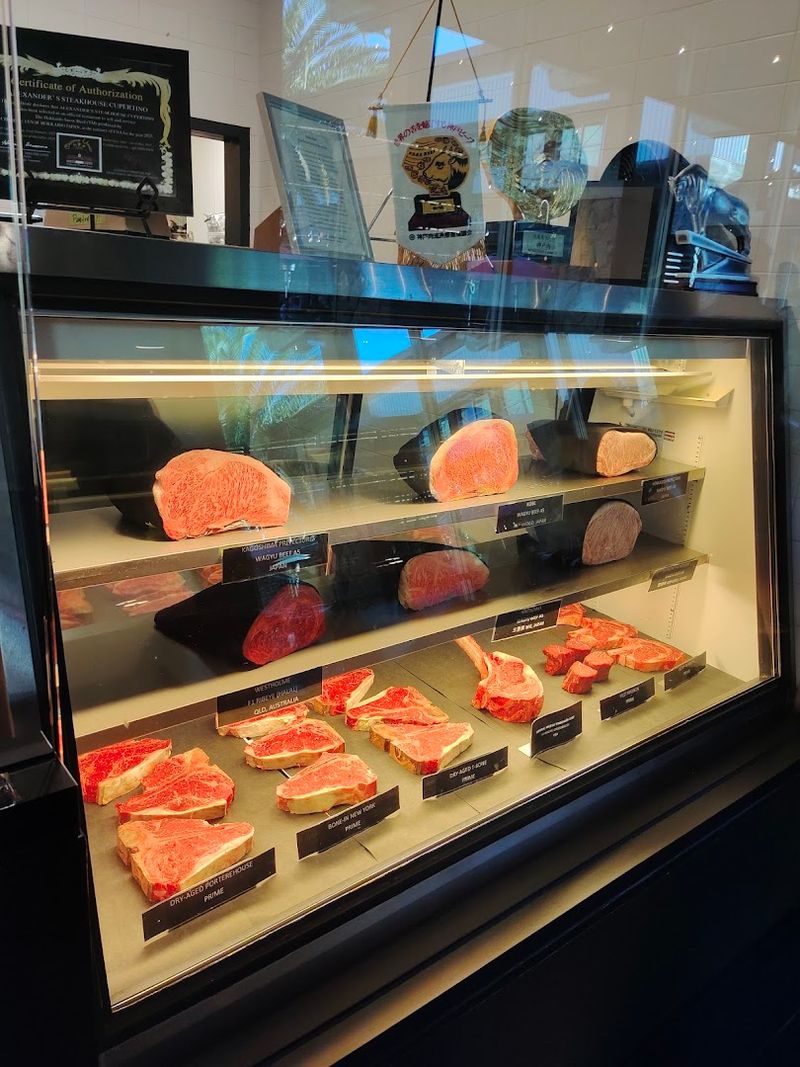
Few steakhouses in California offer the range of authentic Japanese Wagyu that Alexander’s Steakhouse carries on its menu.
Options have included Kobe A5 and Matsuzaka A5, two of the most prized beef varieties in Japanese culinary tradition.
The Matsuzaka A5 in particular is relatively rare to find outside of Japan, and the Cupertino location reportedly began importing it in recent years, making it a genuinely distinctive offering for guests who follow premium beef closely.
The texture of A5 Wagyu is unlike standard American beef in almost every way.
The fat content is exceptionally high and distributed so evenly throughout the muscle that the eating experience is often described as tender beyond expectation.
For guests who have not tried it before, starting with a smaller portion alongside a more familiar cut can be a good approach to understanding the difference.
Having both American-style prime beef and Japanese Wagyu on the same menu is not common, and it reflects the dual identity that Alexander’s Steakhouse has cultivated over the years.
The kitchen appears equally capable of handling both traditions with skill.
For guests who want to explore the Japanese side of the menu, asking the serving staff for guidance tends to yield helpful and knowledgeable recommendations without any pressure.
The Menu Extends Well Beyond Steak For Non-Beef Eaters

A restaurant built around beef might seem like a difficult destination for guests who do not eat steak, but Alexander’s Steakhouse has put thought into its broader menu in ways that make the experience work for mixed groups.
Dishes like tuna tartare, grilled octopus, hamachi shots, salmon tartare, and crab popcorn appear as starters that stand confidently on their own merits rather than feeling like afterthoughts added to fill space on the menu.
Vegetarian accommodations are also reportedly available upon request, which suggests the kitchen has flexibility beyond its printed menu.
For guests with dietary considerations, communicating those needs early in the meal tends to result in a more tailored and satisfying experience.
The serving staff has been noted for being knowledgeable and accommodating, which helps when navigating options that are not always explicitly listed.
Side dishes like mac and cheese, mashed potatoes, unagi fried rice, and creamy spinach round out the menu with options that work whether or not the main course involves beef.
The mac and cheese in particular has drawn consistent praise from guests who describe it as unexpectedly excellent for a steakhouse side.
Having a menu with this kind of range makes Alexander’s a viable choice even for groups where not everyone is a committed carnivore.
Desserts And Complimentary Touches Add A Memorable Finish

The end of a meal at Alexander’s Steakhouse tends to leave a distinct impression, and not just because of the dessert menu.
Complimentary cotton candy arrives as a final touch at the close of dinner, a detail that catches most guests off guard in the best possible way.
It is playful and unexpected in a setting that otherwise leans formal, and that contrast is part of what makes it memorable.
For guests celebrating a special occasion, the restaurant has been known to prepare handwritten cards and complimentary desserts as a gesture of acknowledgment.
A souffle with apple compote and a banana bomb have both appeared on the dessert menu as noteworthy options, with the souffle drawing particular attention for its texture and presentation.
The coconut creme brulee has also been mentioned as a standout finish for guests who prefer something lighter and more classic.
Complimentary marshmallows have appeared alongside desserts for certain celebrations, adding another small but thoughtful element to the close of a meal.
These finishing details reflect a kitchen and front-of-house team that thinks about the full arc of the dining experience rather than treating the meal as complete the moment the main course is cleared.
The result is a sense that the restaurant genuinely wants guests to leave feeling taken care of.