This California Thrift Store Is An All-Day Adventure With Over 100,000 Items To Explore
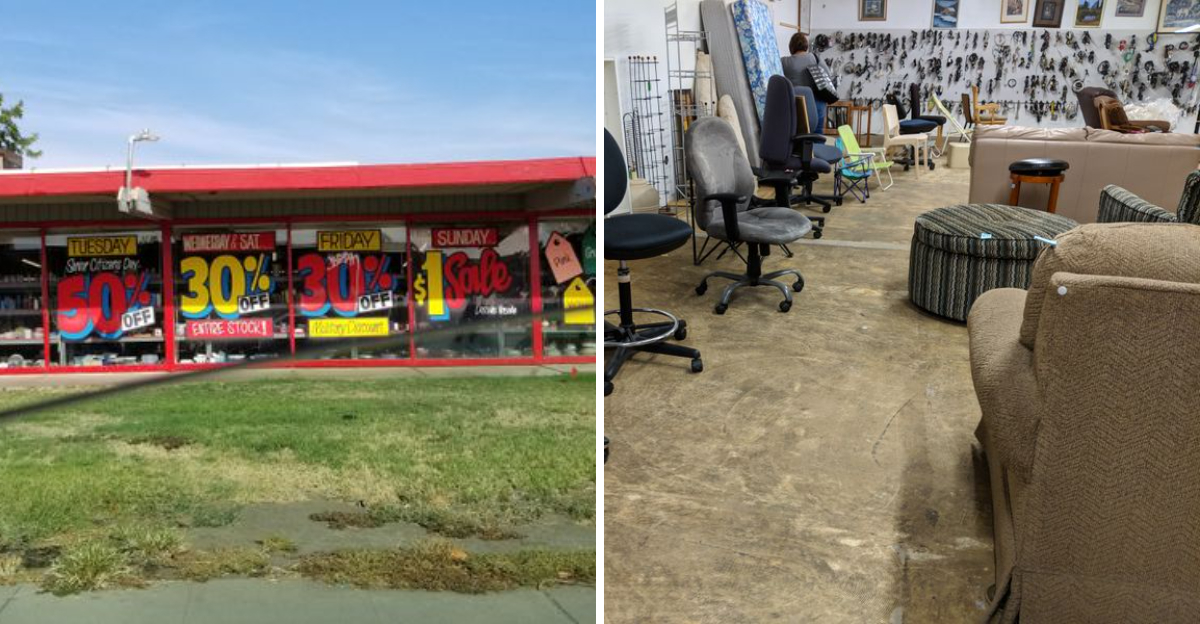
Treasure hunting doesn’t usually come with fluorescent lighting and shopping carts – but at the right thrift store, it absolutely can.
There’s a place in California where people walk in planning to “just take a quick look”… and somehow emerge hours later with a cart full of vintage denim, unexpected home décor, and stories about the wildest thing they almost bought.
It’s the kind of store where every aisle feels like it might hold buried gold – and turning one more corner becomes impossible to resist.
In Fresno’s San Joaquin Valley, one thrift destination has quietly built a reputation for doing more than offering cheap finds.
This is where bargain hunters lose track of time, casual browsers become serious treasure seekers, and ordinary secondhand shopping turns into a full-blown adventure.
If you think you’ve seen everything a thrift store can offer, this place might just prove you wrong.
1. Over 100,000 Items Fill the Store At All Times
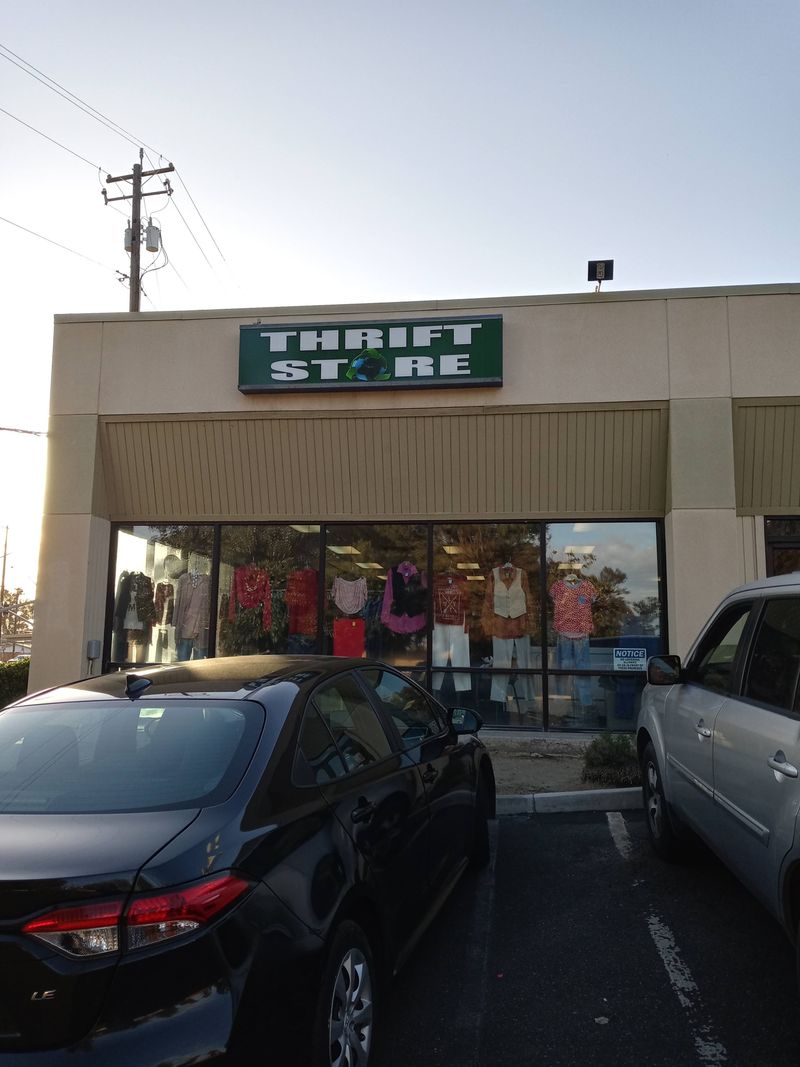
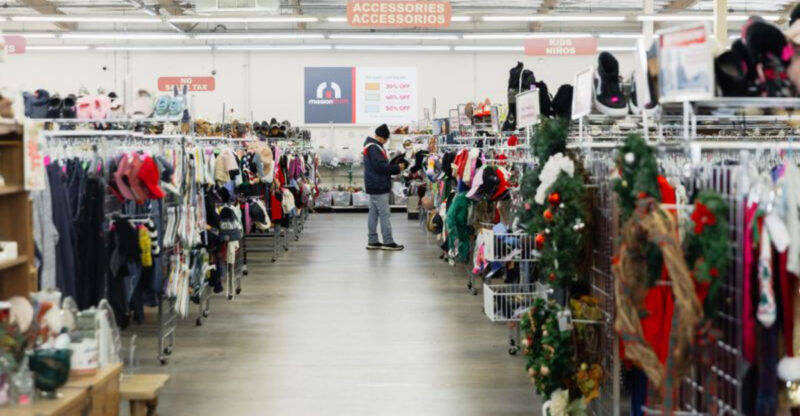
Walking through the entrance feels like stepping into a retail universe where nearly every category imaginable claims its own territory.
The sheer volume of merchandise creates an atmosphere where comparison shopping becomes effortless because dozens of similar items sit side by side waiting for evaluation.
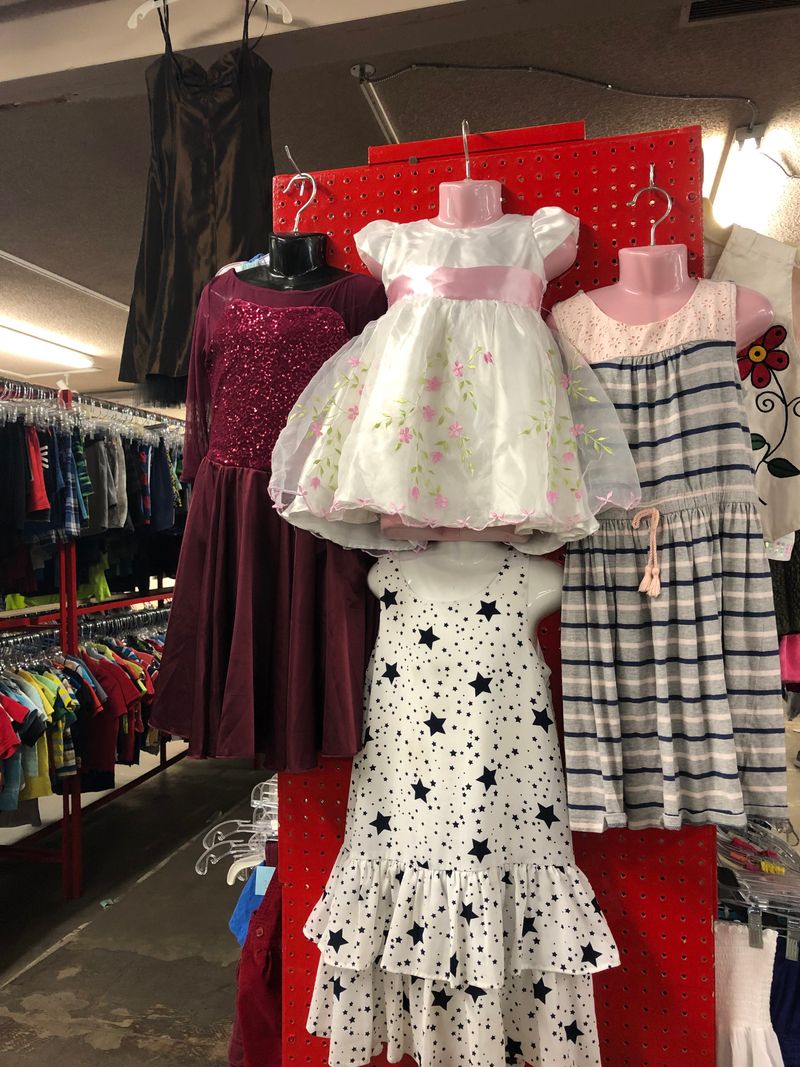
Clothing racks stretch in long rows organized by type, while shelves stacked with kitchenware and home goods form their own distinct zones throughout the space.
The store maintains this massive inventory at 2424 N Cedar Ave, Fresno, CA 93703, ensuring that even frequent visitors encounter new options during each trip.
Unlike smaller thrift operations where selection feels limited after a few visits, this location refreshes constantly while keeping core categories fully stocked.
Shoppers appreciate how the quantity never sacrifices organization, with clear pathways and logical groupings that prevent the overwhelming chaos common in overstuffed secondhand shops.
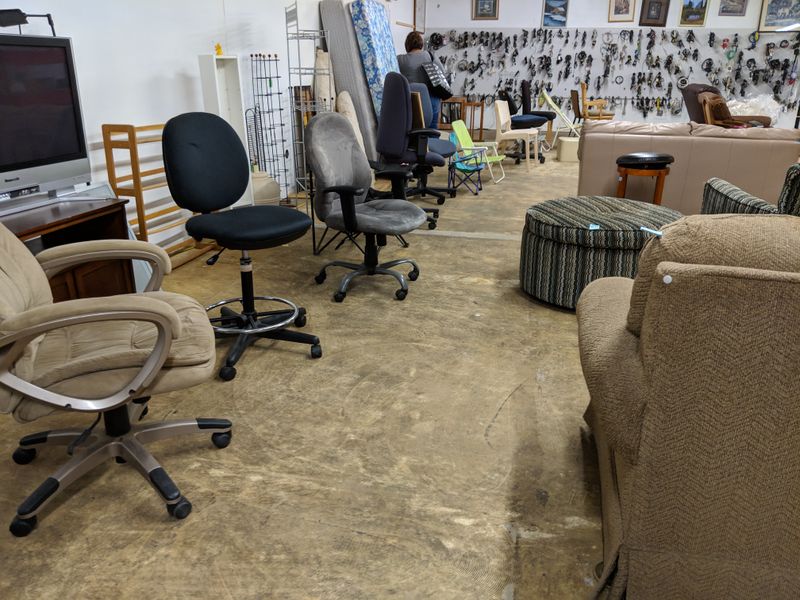
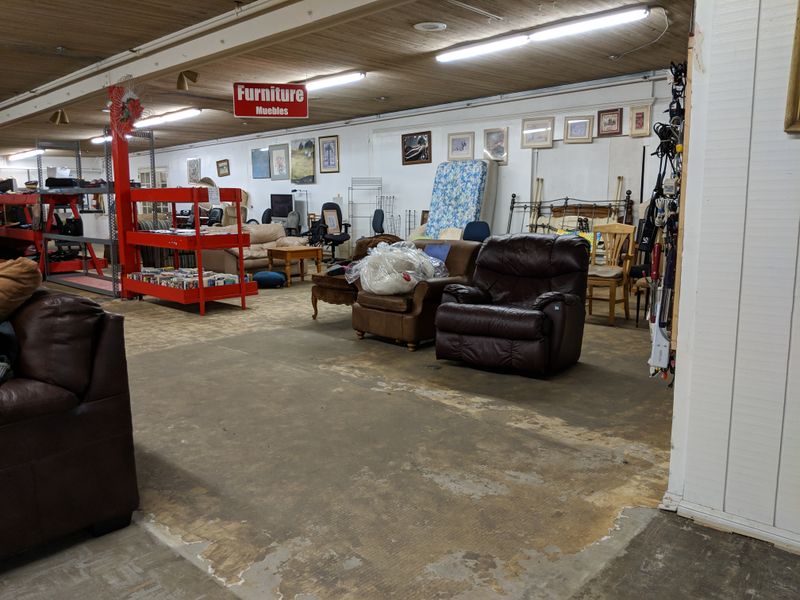
Furniture occupies dedicated floor space where sofas, tables, and storage pieces display in arrangements that help visualize how they might look at home.
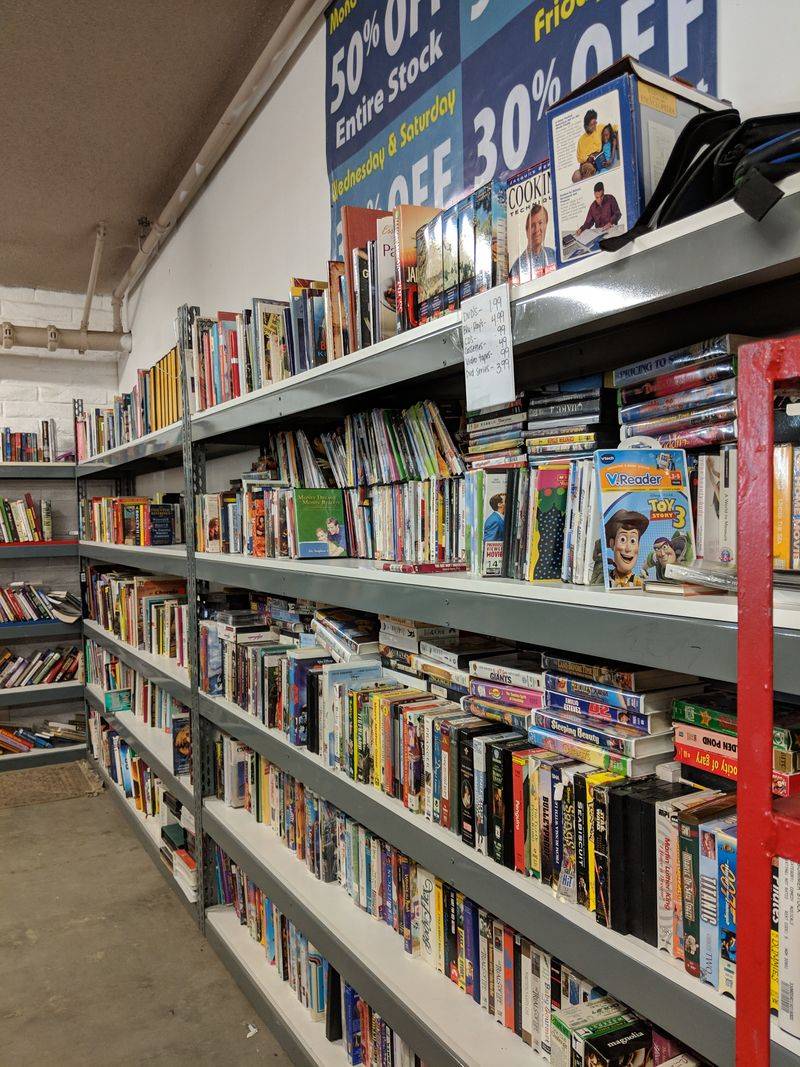
Electronics and books claim their own sections, while toys and collectibles fill bins and shelves that invite leisurely browsing.
The scale of inventory means that whether hunting for a specific item or simply exploring, discovering something worthwhile becomes highly probable rather than a lucky accident.
2. More Than 6,000 New Items Arrive Every Week
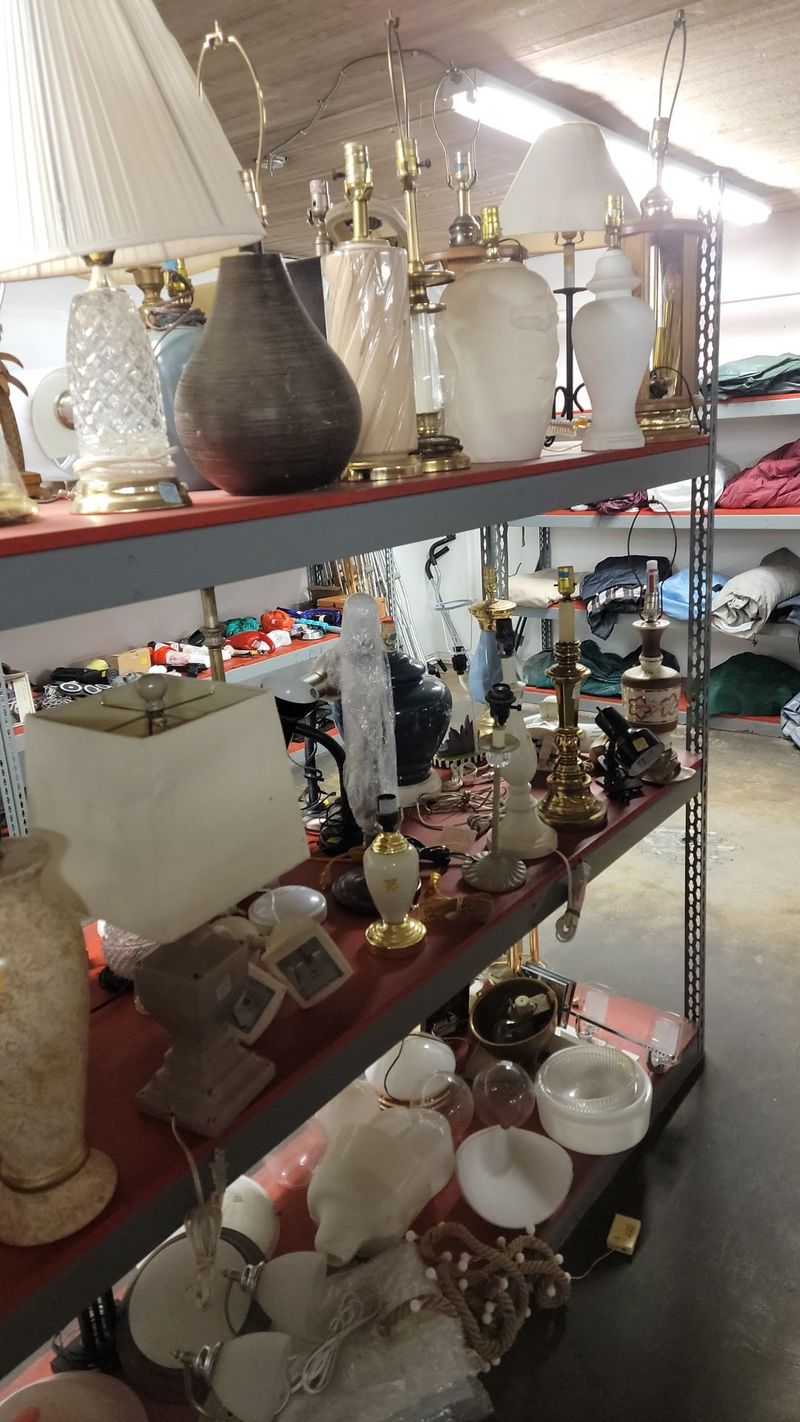
Frequent shoppers develop routines around knowing when fresh merchandise hits the floor because timing a visit right can mean finding premium items before others spot them.
The constant influx of new donations and purchases keeps the treasure hunt feeling alive even for people who visit multiple times weekly.
Staff work steadily to process incoming goods, ensuring that quality items make it to racks and shelves quickly rather than languishing in back rooms for weeks.
This weekly refresh rate means that walking the same aisles on different days produces entirely different results.
Someone searching for vintage denim might find nothing on Tuesday but discover five perfect pairs by Saturday.
Kitchen enthusiasts return regularly knowing that cookware, small appliances, and serving pieces cycle through at a pace that rewards persistence without requiring daily visits.
The volume of new arrivals also creates opportunities for seasonal finds and trend-based items that reflect current donation patterns.
Spring often brings gardening tools and outdoor furniture, while fall sees an uptick in cold-weather clothing and holiday decorations.
Rather than waiting months for inventory turnover like traditional retail, this accelerated pace keeps the shopping experience dynamic and unpredictable in ways that make each visit feel distinct from the last, encouraging shoppers to allocate more time for thorough exploration.
3. Clothing Gets Organized By Category, Color, And Size
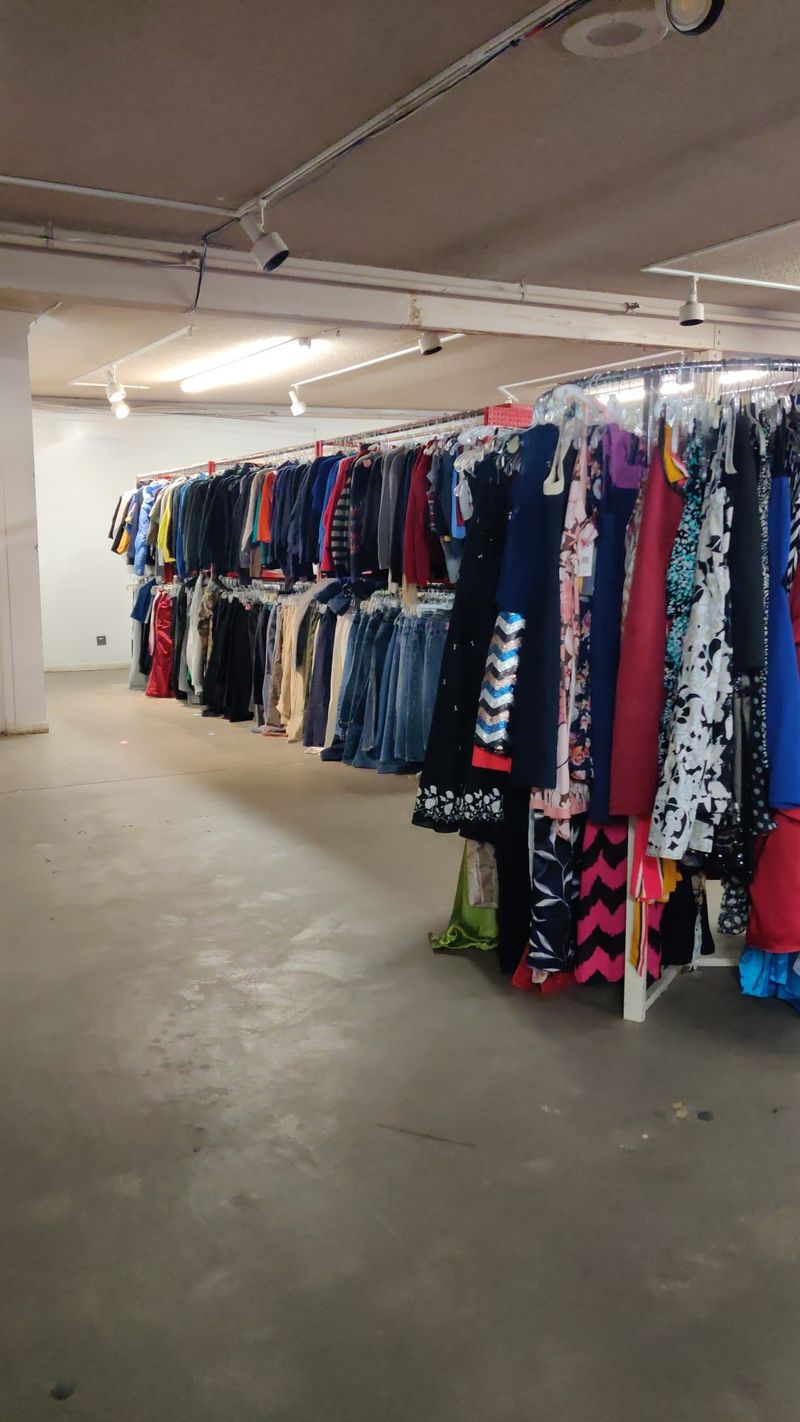
Many thrift stores frustrate shoppers by jamming random garments together without regard for logic or ease of navigation.
Searching for a specific size or style in such chaos turns what should be enjoyable into exhausting work.
This store takes the opposite approach by implementing retail-level organization that respects customers’ time and helps them locate desired items without endless digging through mismatched racks.
The category system separates men’s, women’s, and children’s clothing into distinct areas, then breaks down further into shirts, pants, dresses, outerwear, and other specific types.
Within each category, color coding creates visual flow that makes scanning easier, while size markers clearly indicate where smaller or larger options begin and end.
This thoughtful arrangement transforms browsing from a random gamble into a systematic process where finding the right item becomes straightforward.
Shoppers working within budget constraints or seeking particular styles benefit enormously from this structure.
Parents hunting for kids’ clothes can zero in on the right age range without wading through adult sections.
Fashion-conscious browsers looking for specific colors to match existing wardrobes can walk directly to relevant racks.
The system also helps staff maintain order more easily, ensuring that newly processed items land in correct locations rather than creating pockets of disorganization that undermine the overall shopping experience and extend time needed to complete successful trips.
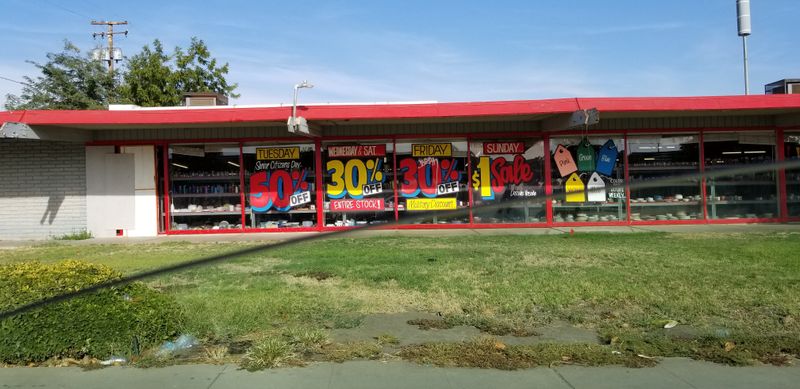
4. Weekly Color-Tag Sales Offer Deep Discounts
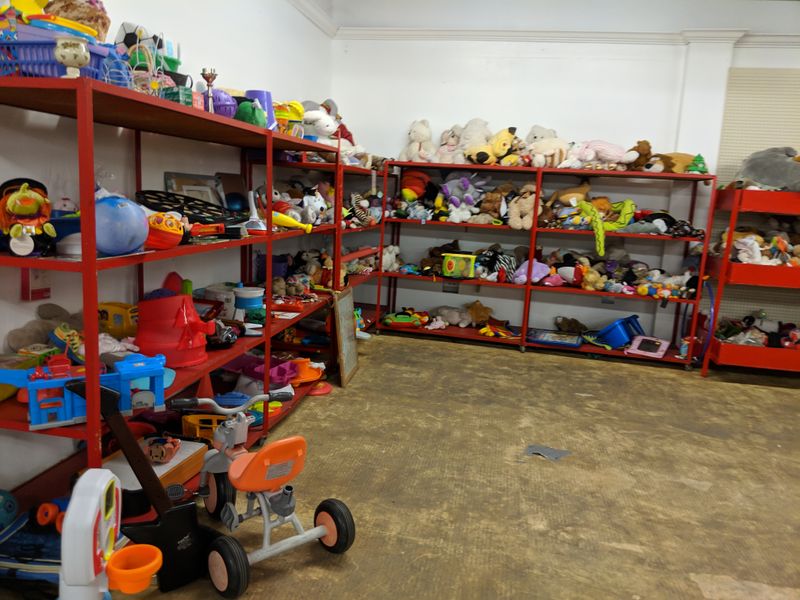
Savvy bargain hunters learn to check which tag color earns the weekly discount before starting their shopping rounds.
The rotating color system creates a gamble element where patience sometimes pays off spectacularly.
Someone eyeing a jacket on Monday might decide to wait if its tag color goes on sale Wednesday, though risking another shopper snagging it first.
The discount structure encourages shoppers to explore beyond their usual categories because exceptional deals might lurk in unexpected places.
A person focused solely on clothing might venture into housewares when learning that blue tags carry fifty percent off.
This cross-shopping behavior benefits both customers seeking variety and the store moving inventory across all departments rather than just popular sections.
Regular visitors develop strategies around the color rotation, sometimes holding off on purchases if they suspect their desired tag shade will discount soon.
Others prefer grabbing items immediately rather than gambling on future sales.
The system also creates natural urgency during discount weeks, prompting faster decisions as shoppers recognize that waiting might mean missing out entirely.
These weekly sales transform routine thrift browsing into a more engaging experience where timing and strategy influence outcomes, adding layers of interest that keep the shopping adventure feeling fresh rather than predictable across multiple visits throughout the month.
5. Operating Hours Accommodate Different Shopping Schedules
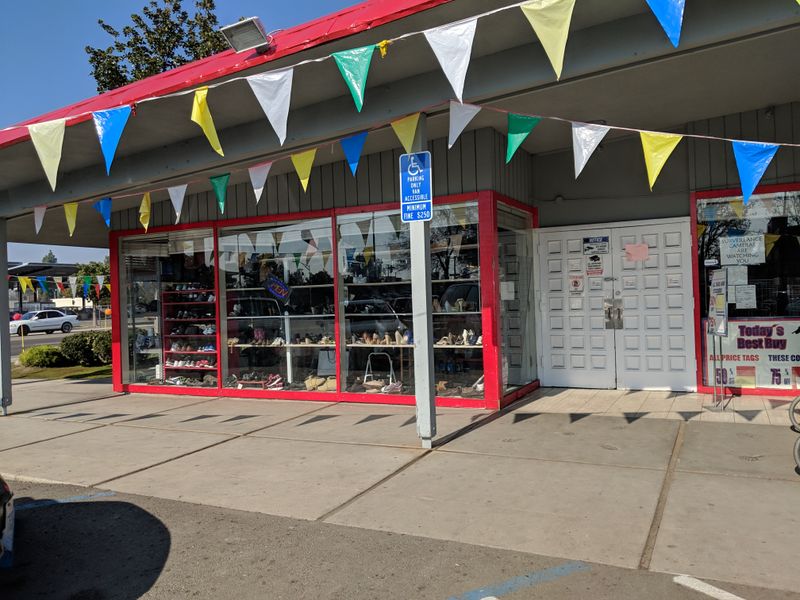
Early risers appreciate that doors open at nine on weekdays, allowing them to shop before temperatures climb during hot valley summers.
Morning hours tend to attract serious hunters who want first crack at newly stocked items from overnight processing.
The calm atmosphere before midday crowds arrive makes it easier to browse methodically without navigating around other shoppers or waiting for access to popular sections.
The store operates Monday through Saturday from 9 AM to 8 PM, with Sunday hours running from 10 AM to 6 PM.
These extended weekday hours serve people working non-traditional schedules who need evening shopping options after standard business hours close elsewhere.
Parents often visit after school pickup, while night-shift workers stop by during morning hours that work better for their sleep schedules.
Weekend hours accommodate families making thrift shopping a leisure activity rather than a rushed errand. Sunday’s slightly shorter schedule still provides ample time for thorough browsing without feeling rushed.
The consistent weekly schedule helps regular customers plan visits around other commitments, knowing the store will be open when they arrive.
Late evening hours during the week prove especially valuable during summer when shopping after dinner beats dealing with afternoon heat.
This makes the extended schedule a practical consideration that enhances the all-day adventure potential by giving people flexibility to visit whenever their personal schedules allow rather than forcing everyone into narrow time windows.
6. The Store Employs Between 20 And 30 Team Members
A well-staffed store makes a noticeable difference in how smoothly operations run and how pleasant the shopping experience feels.
Having enough employees means that someone stays available to answer questions about pricing, help locate specific items, or provide guidance about sales and policies.
This accessibility prevents the frustration common in understaffed retail environments where finding assistance becomes a challenge that interrupts the browsing flow.
The team size also enables the store to maintain its organization standards despite the constant influx of new merchandise and heavy customer traffic.
Staff members continuously work to keep racks neat, return misplaced items to correct locations, and process incoming donations efficiently.
Without adequate staffing, even the best organizational systems eventually break down under the pressure of daily operations, leading to cluttered aisles and disorganized sections that make shopping less enjoyable.
Employment opportunities at this scale contribute meaningfully to the local Fresno economy by providing jobs for community members.
The range of 20 to 30 positions suggests the store adjusts staffing levels based on seasonal demand and operational needs rather than running perpetually short-handed.
Shoppers benefit from this approach through faster checkout lines, cleaner facilities, and more responsive customer service that collectively enhance the overall experience and make spending extended time in the store feel comfortable rather than frustrating when needs arise.
7. A Rewards Program Provides Points For Every Dollar Spent
Loyalty programs work best when they reward behavior customers already practice rather than requiring awkward changes to shopping habits.
Earning points automatically with each purchase means that regular thrift shoppers accumulate benefits simply by continuing their normal routines.
The system recognizes and values repeat business without demanding complicated actions or forcing people to remember special steps during checkout.
Accumulated points translate into tangible savings that make future shopping trips even more affordable.
Frequent visitors who already stretch budgets by choosing secondhand options appreciate the extra discount layer that rewards their consistency.
The program also encourages shoppers to consolidate thrift purchases at this location rather than splitting trips among multiple stores, knowing that concentration builds points faster toward meaningful rewards.
Unlike programs requiring apps or complex tracking systems, a straightforward earn-per-dollar structure stays simple enough that shoppers of all ages and tech comfort levels can participate easily.
Parents outfitting growing children, college students furnishing apartments, and collectors hunting specific items all benefit equally from points that accumulate regardless of purchase category.
The rewards system adds another dimension to the shopping adventure by creating long-term value beyond individual transactions.
It transforms occasional visits into sustained relationships where loyalty receives recognition through practical benefits that make each dollar spent work harder toward future savings and encourage continued engagement.
8. Sustainability Efforts Keep Items Out Of Landfills
Environmental consciousness drives many shoppers toward thrift stores as they recognize that buying secondhand reduces demand for new manufacturing and extends the useful life of existing goods.
Each purchase represents an item saved from premature disposal, contributing to waste reduction in tangible ways.
The store processes millions of pounds of clothing, shoes, and household items annually, giving these goods additional years of service rather than immediate trips to landfills where they would occupy space and potentially release harmful materials as they decompose.
This recycling function operates quietly behind the shopping experience but adds meaningful purpose to every transaction.
Customers leave knowing their purchases support environmental goals beyond personal savings.
Donors also participate in this cycle by choosing to pass along usable items rather than discarding them, creating a community-wide system that benefits everyone through reduced waste and increased resource efficiency.
The scale of material diverted from waste streams demonstrates how retail operations can align profit with environmental responsibility.
Furniture, electronics, and other bulky items particularly benefit from this extended lifecycle since they often contain materials that prove difficult or expensive to recycle through traditional municipal programs.
By creating a marketplace for these goods, the store enables continued use until items genuinely reach end-of-life rather than being discarded prematurely, making each shopping visit part of a larger environmental effort that adds purpose beyond bargain hunting.
9. Community Support Includes Donations To Local Causes
Retail businesses that give back to their communities create connections beyond simple commerce, transforming shopping into an act that supports broader social good.
The store demonstrates this commitment through various initiatives including donating percentages of sales to cancer charities during breast cancer awareness month.
These contributions mean that shoppers inadvertently support important causes simply by making purchases they would complete anyway, adding an extra layer of positive impact to routine thrift browsing.
Local charitable partnerships ensure that money circulates within the Fresno community rather than flowing to distant corporate headquarters.
This geographic focus strengthens regional networks and helps address needs specific to valley residents.
Shoppers who value community connection appreciate knowing that their spending contributes to local welfare in measurable ways beyond just employment and tax revenue.
The store’s willingness to align business operations with charitable goals demonstrates that profitability and social responsibility can coexist successfully.
Rather than viewing community support as optional philanthropy separate from core business, integrating giving into regular operations makes it sustainable and consistent.
Customers respond positively to this approach, often choosing to shop at businesses that demonstrate community commitment over those that operate purely for profit extraction.
This relationship between commerce and charity enriches the shopping experience by adding purpose and meaning that extends beyond individual transactions into lasting community benefit.
10. Helpful Staff And Clean Environment Enhance Shopping Comfort
Store cleanliness dramatically affects how long people feel comfortable browsing and how likely they are to return for future visits.
A well-maintained environment signals respect for customers and merchandise alike, creating an atmosphere where spending hours exploring feels pleasant rather than draining.
Regular cleaning, organized displays, and maintained facilities make the space inviting in ways that encourage extended visits necessary for thorough treasure hunting. Staff attitude shapes customer experience just as powerfully as physical conditions.
Helpful employees who respond positively to questions and offer genuine assistance rather than hovering or ignoring shoppers create a welcoming atmosphere.
This balance between availability and giving customers space to browse independently proves essential in thrift environments where part of the fun involves personal discovery without feeling watched or rushed through decisions.
Customer feedback consistently highlights these dual factors as reasons people choose this location over competing thrift options. Great prices matter, but they mean less if the shopping experience feels unpleasant or stressful.
Clean bathrooms, well-lit aisles, and staff members who genuinely seem to enjoy helping customers collectively create conditions where the all-day adventure promised in the store’s reputation becomes reality.
These operational details transform what could be a quick bargain hunt into a comfortable, enjoyable outing worth extended time investment that yields better finds through patient, thorough exploration.