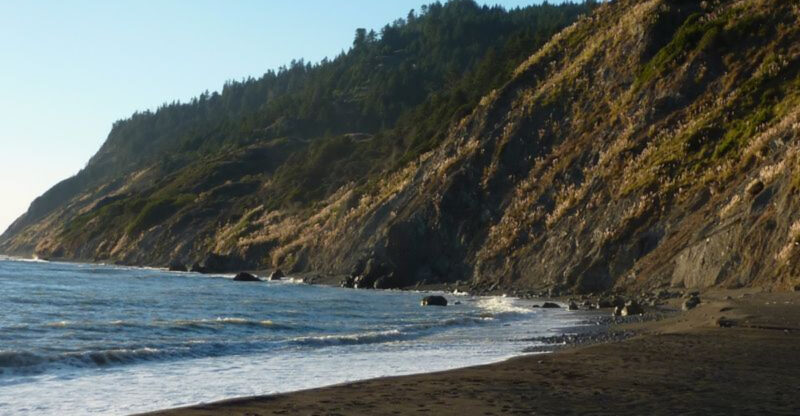
This Charming California Coastal Town Inspired Some Of John Steinbeck’s Most Famous Novels
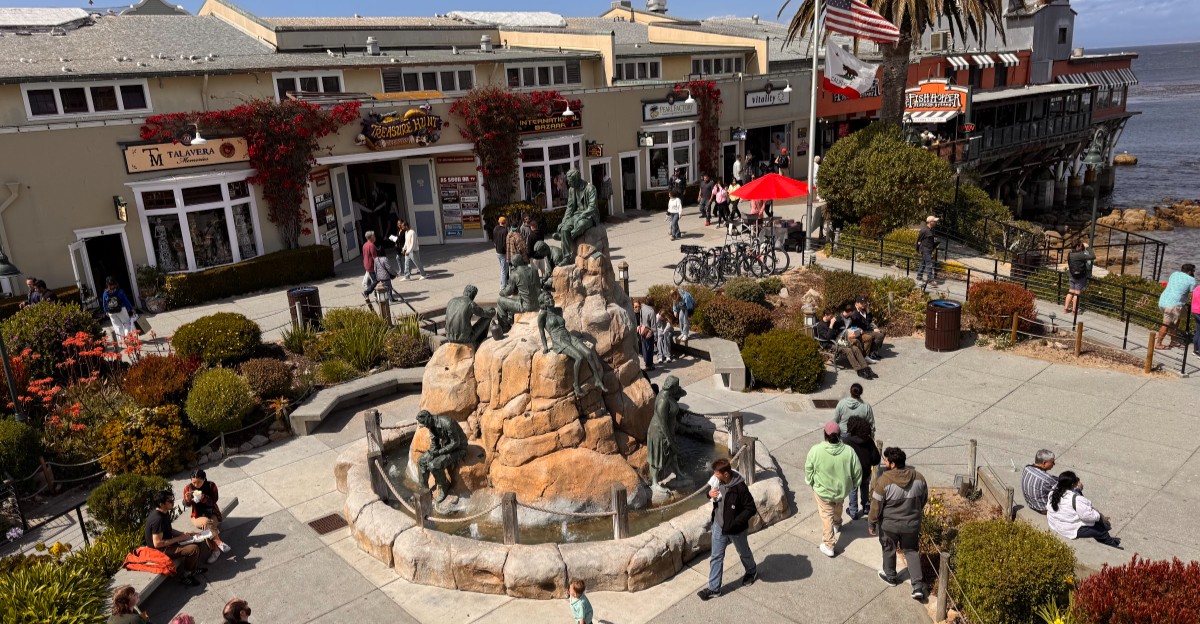
A whole street changed its name because of a novel. Back in 1958, a busy waterfront road officially traded its old name for the title of a John Steinbeck book.
That street once hummed with sardine canneries. Today, it sits steps from one of the most famous aquariums in the world, which stands on the site of an old cannery.
I never would have guessed that a fish-packing district could become a pilgrimage spot for book lovers. Yet the real lab of the man behind one beloved Steinbeck character still stands there.
This corner of California also hides adobes, a historic constitution site, and whales just offshore.
Let’s see how did one small coastal town end up holding so much story in so little space.
A Novel So Popular It Renamed A Whole Street
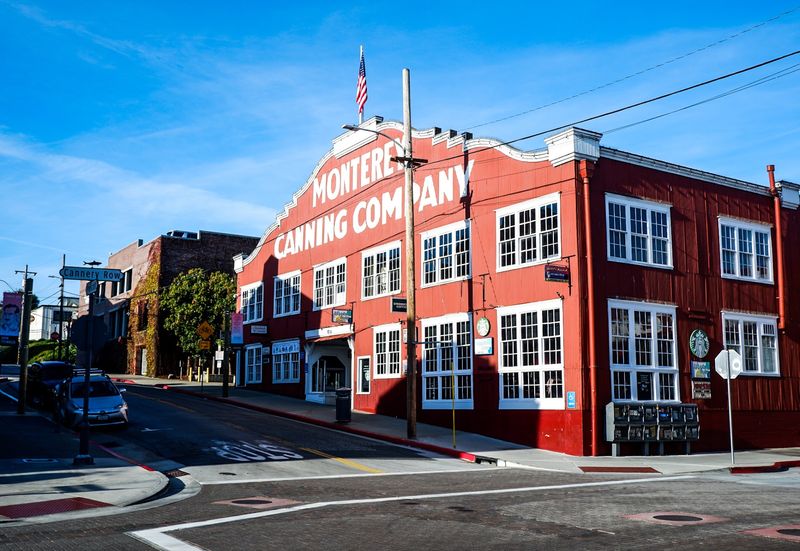
Ocean View Avenue sounds pleasant enough, but Monterey, Monterey County, California, had a better idea. In 1958, the city renamed the street Cannery Row, honoring John Steinbeck’s 1945 novel.
The book captured life along a waterfront packed with sardine canneries. Steinbeck filled it with scrappy, lovable characters who felt as salty as the air.
The canneries have since quieted, and the buildings now hold shops, restaurants, and attractions. Still, the street keeps its gritty backstory close, and you can feel the book’s spirit in its old industrial bones.
Before you go, consider reading the novel or at least a few chapters. It turns a regular stroll into a fun game of spotting the real places behind the fiction.
Steinbeck wrote about this stretch with humor and real affection. He also returned to it in his 1954 follow-up, Sweet Thursday, so fans get two books set on the same lively block.
Bring comfortable shoes, since the street rewards slow wandering. Every corner seems to whisper a little story, and few towns can say a novelist helped name their main attraction.
Meet The Real Man Behind Doc At This Humble Lab
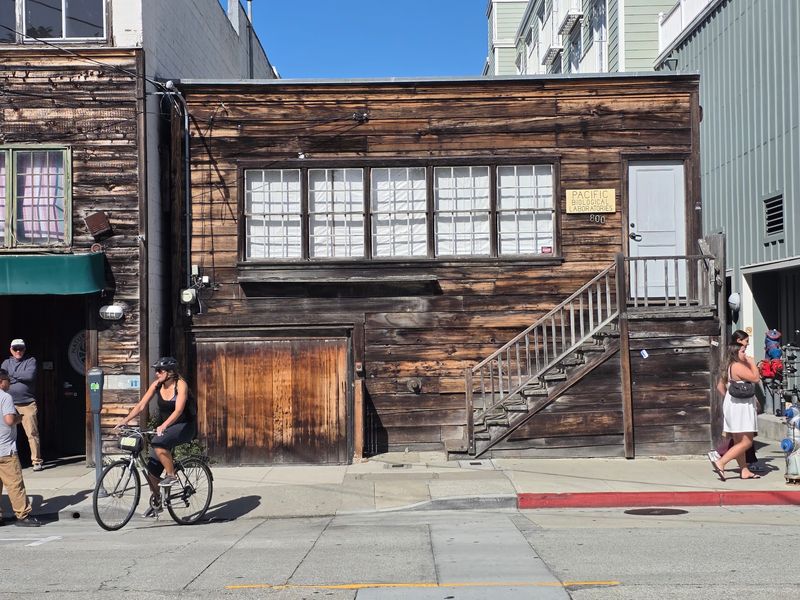
Plenty of fictional heroes are pure invention. Doc from Cannery Row was not, and his real-life workplace still stands.
Marine biologist Ed Ricketts ran Pacific Biological Laboratories at 800 Cannery Row, Monterey, CA. He was a close friend of Steinbeck and the clear inspiration for the kind, curious Doc.
The lab collected and sold marine specimens. It also became a gathering spot for artists, writers, and big thinkers who loved long conversations.
That mix of science and creativity shaped Steinbeck’s writing in a big way. The two men even traveled together on a research trip to the Sea of Cortez.
The building looks modest beside its flashier neighbors, which makes it easy to walk right past. Slow down and look for it, because this small spot carries enormous literary weight.
For book fans, standing outside feels a bit like meeting a character in person. It’s a reminder that great stories often start with real friendships.
Snap a photo, then think about the late-night talks that once filled those walls. Honestly, few buildings in California hold this much quiet history.
You Can Stare At A Living Kelp Forest For Way Too Long
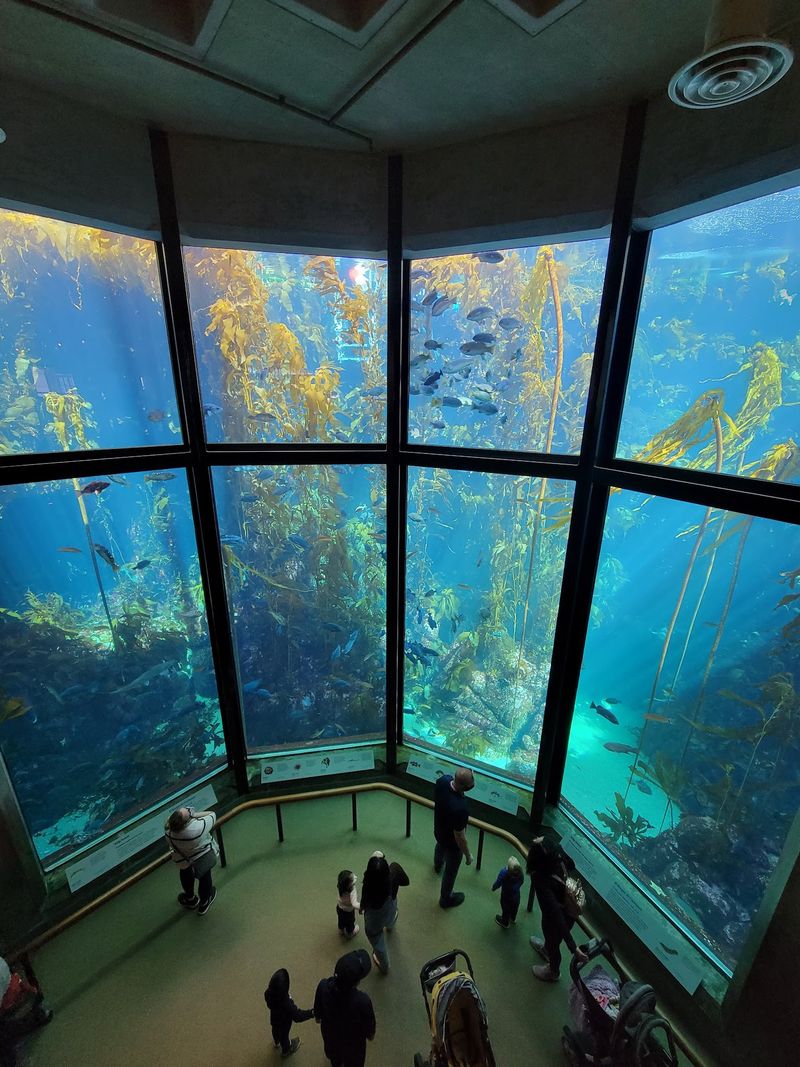
More than 81,000 animals and plants representing 771 species live at the Monterey Bay Aquarium. That’s a big crowd for a building that sits on the site of an old sardine cannery.
You’ll find it at 886 Cannery Row, Monterey, CA 93940. It houses animals and plants representing 771 species and stands as a global leader in ocean conservation and education.
When the aquarium opened in 1984, it showed the first living kelp forest ever displayed. The tall, swaying exhibit still draws people in like a slow-moving movie.
Sea otters bring the playful energy, while the Open Sea gallery feels calm and vast. Both make it hard to keep track of time.
The newer exhibit, Into the Deep: Exploring Our Undiscovered Ocean, features North America’s largest collection of deep-sea animals. Some of them look like they wandered out of a science fiction story.
The aquarium is open daily, though it closes on Christmas. Hours can shift by season, so check before heading over.
Plan for several hours here. Ed Ricketts, the ocean-loving inspiration for Doc, would likely approve of every single tank.
Fishing Boats Once Ruled This Wooden Wharf
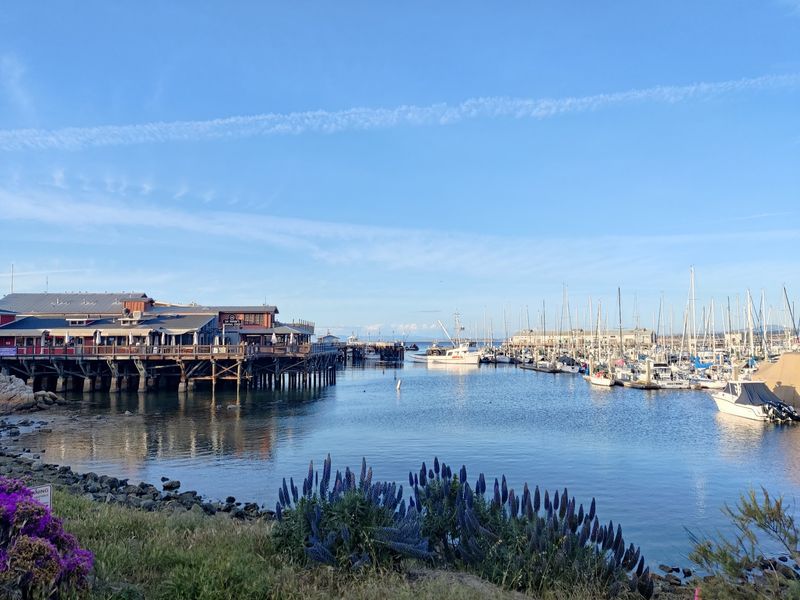
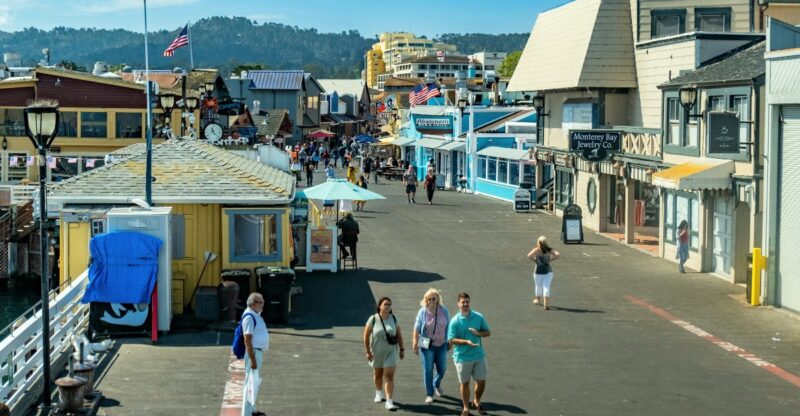
From the 1870s until the 1960s, Old Fisherman’s Wharf worked hard as a commercial fishing hub. Boats came and went while the town’s seafood trade kept humming.
Today, the pier at 1 Old Fisherman’s Wharf, Monterey, California, 93940, has a lighter job. It mixes dining, shopping, and entertainment with plenty of harbor views.
Fresh seafood remains a big part of the scene here. That feels fitting for a spot built on the fishing business.
The wharf is also a launch point for fun on the water. You can find options for marine life viewing, fishing, and sailing.
It sits a short stroll from Cannery Row, so pairing the two is easy. Think of it as a double feature of Monterey history.
The wharf stays open every day, including holidays. Individual shops and restaurants set their own hours, so plan around the places you most want to visit.
Keep your eyes on the water while you walk. In a bay this lively, the local wildlife sometimes steals the show from the souvenirs.
Whales Might Be The Best Neighbors In Town
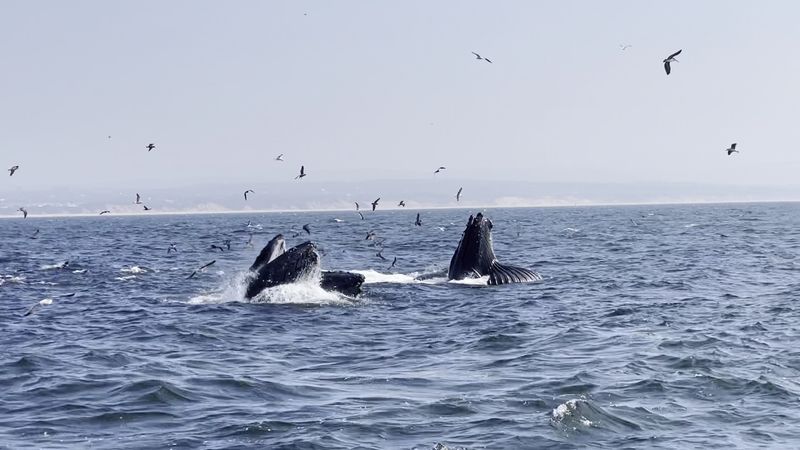
Beneath Monterey Bay lies Monterey Canyon, one of North America’s largest submarine canyons, reaching depths of more than 11,000 feet.
The bay is part of the Monterey Bay National Marine Sanctuary, a huge protected area. It supports over 30 species of mammals, more than 300 types of fish, and nearly 100 bird species.
That richness makes whale watching a top activity here. Whales and dolphins show up often, which keeps boat decks buzzing with excitement.
Many tours leave from Old Fisherman’s Wharf or nearby Moss Landing. Some operators feel so confident that they offer another trip if you don’t spot marine life.
Pack layers, because ocean breezes can feel chilly even on bright days. Sunscreen and a snack are smart additions too.
Steinbeck and Ricketts spent their lives curious about these waters. A trip onto the bay lets you share a little of that wonder.
Bring binoculars if you have them. A spout on the horizon can turn a regular afternoon into the highlight of your whole California trip.
California Basically Got Its Start Right Here
Long before Steinbeck typed a word, Monterey was already making history. The city was founded in 1770 with a Spanish mission and presidio.
It later served as the capital of California under both Spanish and Mexican rule. Talk about an impressive résumé for a seaside town.
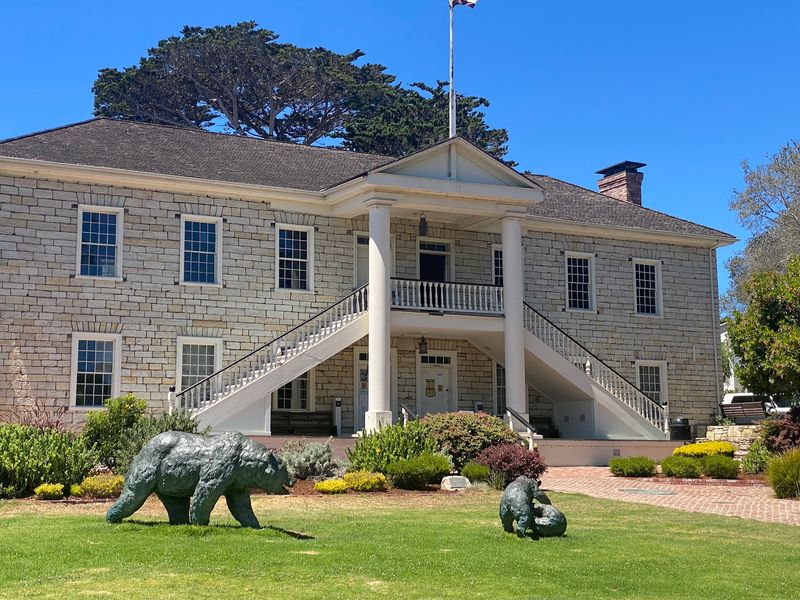
Colton Hall stands at 570 Pacific St, Monterey, CA 93940. Built in the late 1840s, it hosted California’s first constitutional convention in 1849.
Delegates drafted the state’s founding document inside these walls. Today, the Colton Hall Museum shows period furniture and exhibits from that era.
Best part? Entry is free, which makes it an easy add to any itinerary.
History buffs and curious kids alike can get a lot out of a short visit. The rooms help big moments in textbooks feel real and personal.
Give yourself time to wander the surrounding downtown afterward. Colton Hall offers a solid starting point for understanding how this town shaped the whole Golden State.
Old Adobes Turn A Simple Walk Into A Time Machine
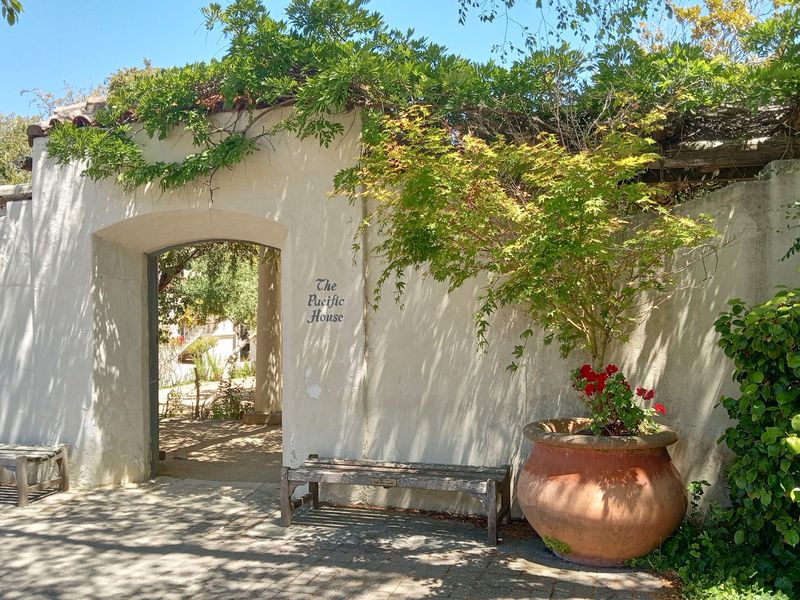
Here’s a bragging right most cities can’t touch. Monterey has more original Mexican-era adobes than any other city in California.
These thick-walled buildings date back to a time when the town led the region. Their simple shapes and earthy walls feel very different from modern storefronts.
Downtown Monterey is designated as a National Historic Landmark District. That status recognizes how much of its early story still stands today.
A self-guided stroll works well for most travelers. Pick up a map and let the old buildings guide your route.
Pair your adobe walk with a stop at Colton Hall nearby. Together, they paint a clear picture of early California life.
This side of town offers a calmer pace than the waterfront. It’s a nice break when Cannery Row feels busy.
Steinbeck wrote about the gritty cannery years, but the town’s roots run much deeper. Exploring these streets shows just how many chapters Monterey has written over the centuries.
Pirates, Puzzles, And Arcades Keep Cannery Row Playful
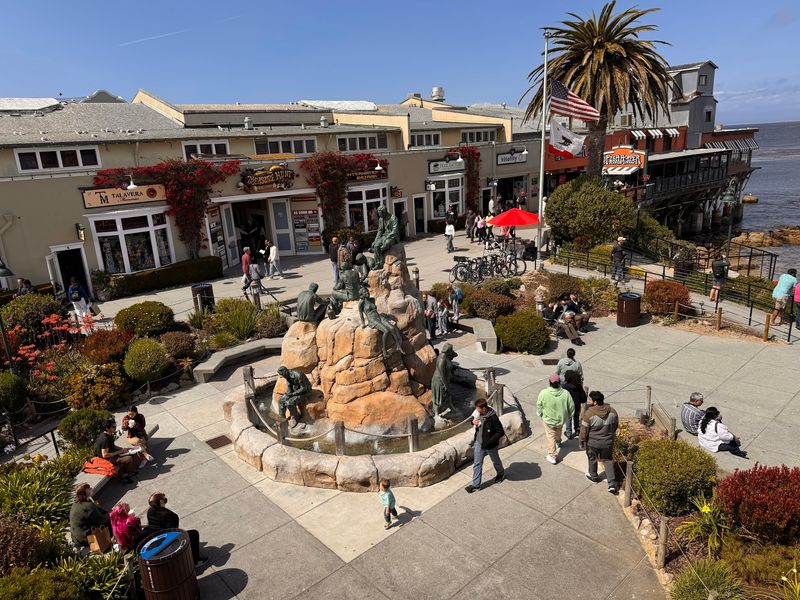
Steinbeck’s characters loved a good time, and modern Cannery Row keeps that tradition going. The street mixes its history with some lighthearted attractions.
Treasure Hunt: The Ride offers an interactive, pirate-themed adventure. It’s a fun pick for families who like a little action.
Puzzle fans can try a themed challenge at Escape Room 831. Bring teammates who stay cool under pressure.
Oscar’s Playground serves up both retro and modern arcade games. Daniel’s Wood Land Shooting Gallery adds a classic test of aim.
Shopping fills the gaps between attractions. Boutiques and artisan galleries make it easy to find a souvenir that isn’t just another magnet.
These spots work well on a foggy afternoon or after the aquarium. Kids especially appreciate the change of pace.
It might seem a long way from sardine canneries to arcade tokens. Still, the street’s playful energy feels like something Mack and the boys from the novel would heartily cheer.
Save Your Camera Battery For This Famous Coastal Drive
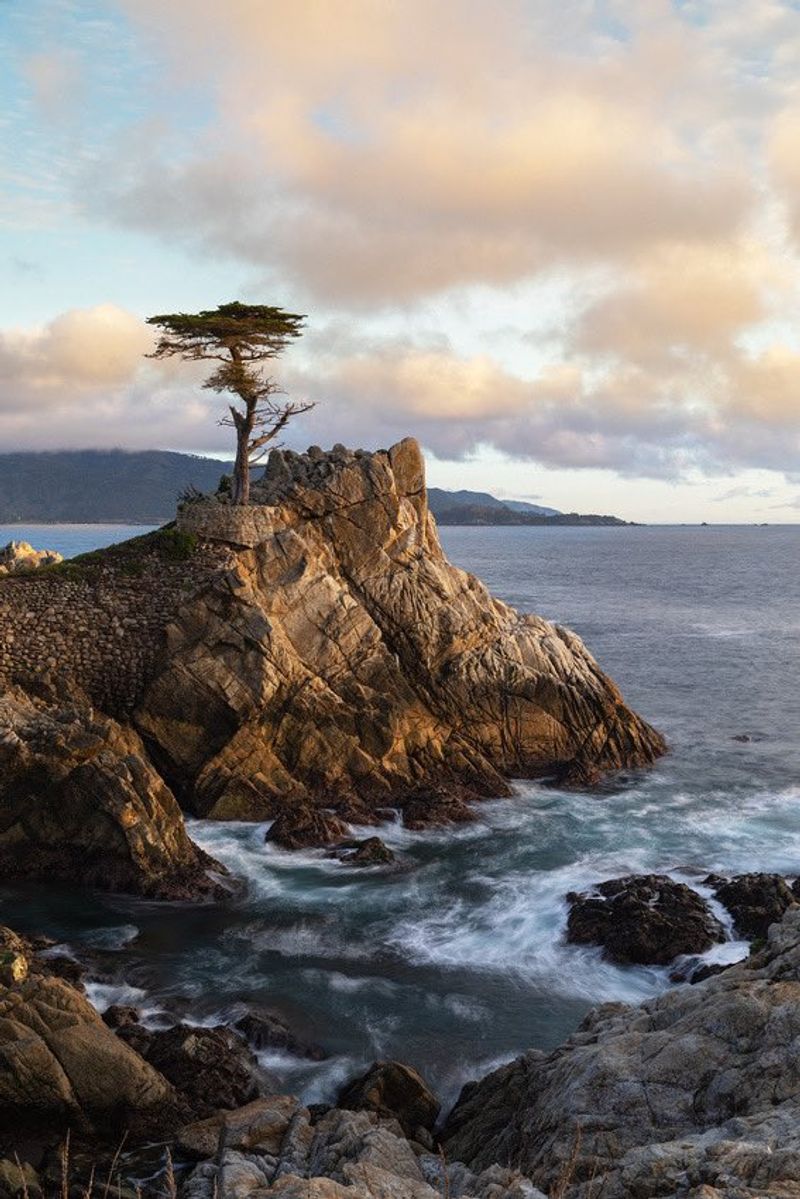
Just beyond town, 17-Mile Drive delivers some of the most dramatic scenery in California. It winds between Pacific Grove and Pebble Beach.
Wind-shaped cypress trees cling to rocky shores along the route. Wide ocean views pop up around nearly every bend.
Famous stops include The Lone Cypress, Spanish Bay, and Stillwater Cove. You’ll also see world-renowned golf courses, including Pebble Beach Golf Links.
The roadway is privately managed, so drivers pay a per-vehicle entrance fee. That fee can often be reimbursed with a qualifying purchase at participating Pebble Beach resorts.
Cyclists and pedestrians can enter for free. That’s a sweet deal if you enjoy pedaling with an ocean breeze.
Gates open from sunrise to sunset, with longer hours in summer. Check timing before you go so you don’t rush the best viewpoints.
Plan this drive near the end of your Monterey trip. After all those stories, a quiet coastline makes the perfect final page.