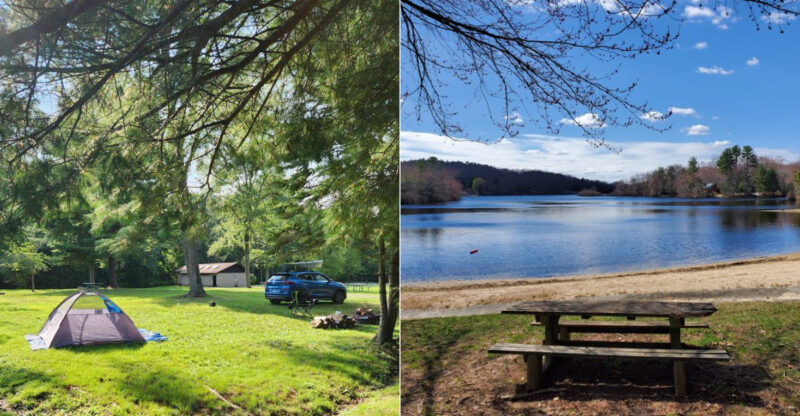
This Charming Connecticut Hill Town Averages A Cool 70 Degrees Even In September
September can still feel stubbornly summery, which makes a town with naturally cooler afternoons sound pretty tempting.
Up in the hills, the air tends to cooperate. The 1991–2020 climate normal puts the September average high near 69 degrees, so sweaters can start looking reasonable earlier here than in much of the state.
That cooler weather suits the whole mood.
Think quiet roads, wooded scenery, and the first little hints that fall is waiting just around the corner. You can spend the day outside without feeling like summer is refusing to leave.
It is easy to see why September feels especially good in this part of Connecticut.
The season arrives gently here.
No dramatic mountain expedition is required, either. The charm comes from having a small hill town where crisp air and an unhurried afternoon already feel like enough of a getaway.
1. Small-Town Charm Meets Mountain Scenery
Tiny towns have their own rhythm. Here, the day seems to stretch a little longer.
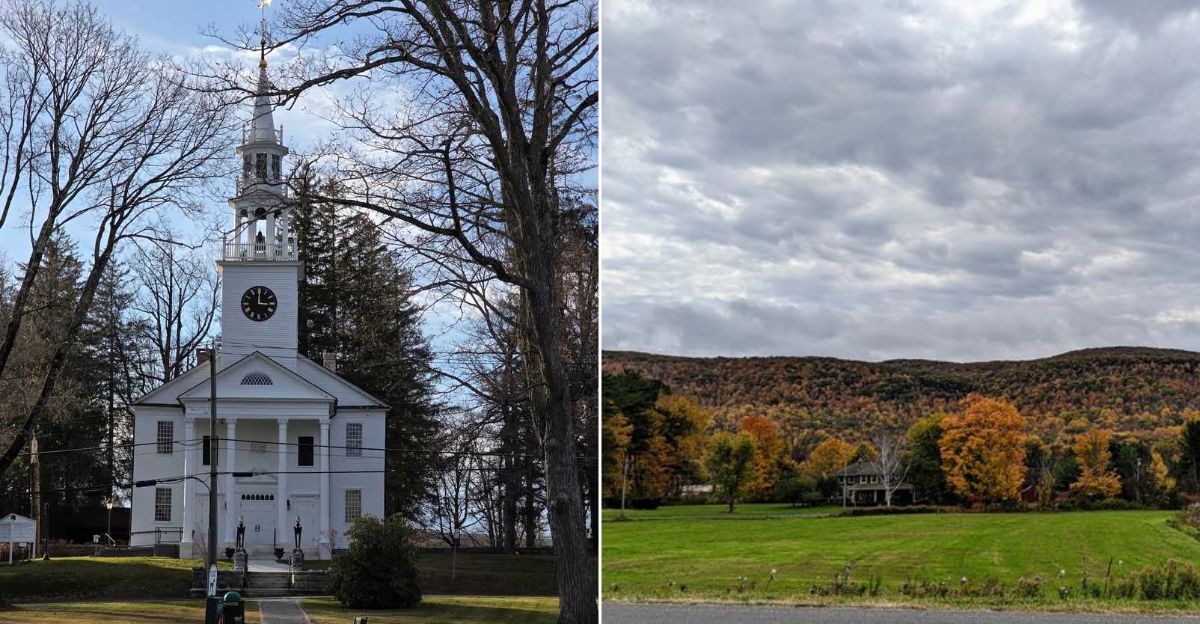
With fewer than 1,600 residents, Norfolk keeps that easy pace without feeling frozen in time. Around the village green, historic buildings give the center a handsome, lived-in character rather than the polished look of a recreated attraction.
History runs deep here. The Norfolk Historical Society Museum occupies the former Norfolk Academy building from 1840, while the nearby library traces its design to architect George Keller in 1888.
Together, they help explain why the center feels so connected to its past.
The town itself was incorporated in 1758 after settlement moved slowly through terrain that was heavily wooded and difficult to farm. That landscape is still part of the appeal today.
Hills rise beyond the streets, and the surrounding Litchfield Hills make even a simple stroll around the green feel close to the countryside.
Nothing here asks you to rush. Visitors can wander the historic center, notice the architecture, and enjoy the quieter mood.
Norfolk feels especially rewarding when you leave room in the day and let the scenery set the pace. Its small scale and calm atmosphere make it wonderfully easy to explore on foot.
2. Northwestern Hills Surround The Entire Town
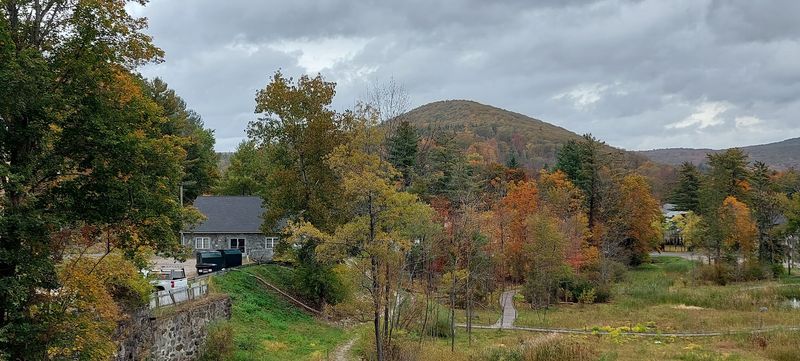
Look in any direction from Norfolk and hills fill the frame. The town covers roughly 46.4 square miles, of which about 45.3 square miles is land, and a huge share of that ground is woods and slope rather than pavement.
Sitting within the Litchfield Hills section of the Appalachian range gives Norfolk a topography that feels far more dramatic than much of the state. Roads bend around ridges instead of cutting through them, and elevation changes come quickly.
Trails threaded through the surrounding hills are maintained by groups including the Norfolk Land Trust and Great Mountain Forest. They stay open year-round, which means the same paths serve hikers in September, foliage watchers in October, and snowshoe walkers in February.
For planning purposes, that abundance of land is both the appeal and the practical challenge. Cell service can be spotty in the deeper woods, so a paper map or a downloaded trail map earns its keep.
Driving between trailheads is part of the experience here, and the drives are short. Distances feel small even when the scenery keeps changing, and a single afternoon can easily include a ridge view, a shaded forest path, and a stop back at the village center.
3. September Highs Hover Around 70 Degrees
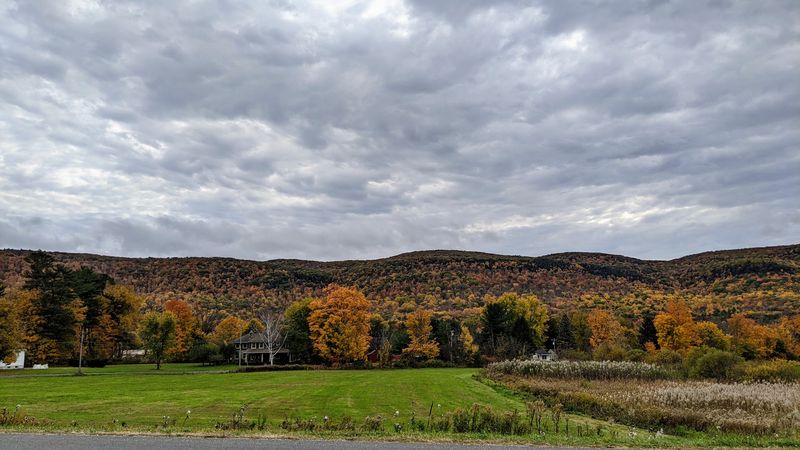
Seventy degrees is a comfortable number, and September in Norfolk tends to deliver it. Average high temperatures for the month generally land in the low to mid 70s, with recent September readings averaging right around 71 degrees, while overnight lows often settle into the mid 50s.
Daily swings can be wider than the averages suggest. Individual September days in town have ranged from the low 60s to the upper 70s, so a morning that starts chilly can finish pleasantly warm.
Light frost is not unusual in some parts of Norfolk during September, which says a lot about the crispness of the air up here. That early bite is exactly what draws people who find late summer elsewhere too heavy.
Practical packing matters more than you might expect for a state trip. Layers work best: a long-sleeve shirt, a light jacket or fleece for mornings and evenings, and something breathable for midday hiking.
The payoff is comfortable walking weather at a time of year when much of the region is still sticky. Trails feel easier, picnics last longer, and sitting outside after sunset actually calls for a blanket rather than a fan.
4. Higher Elevation Keeps Summers Cooler
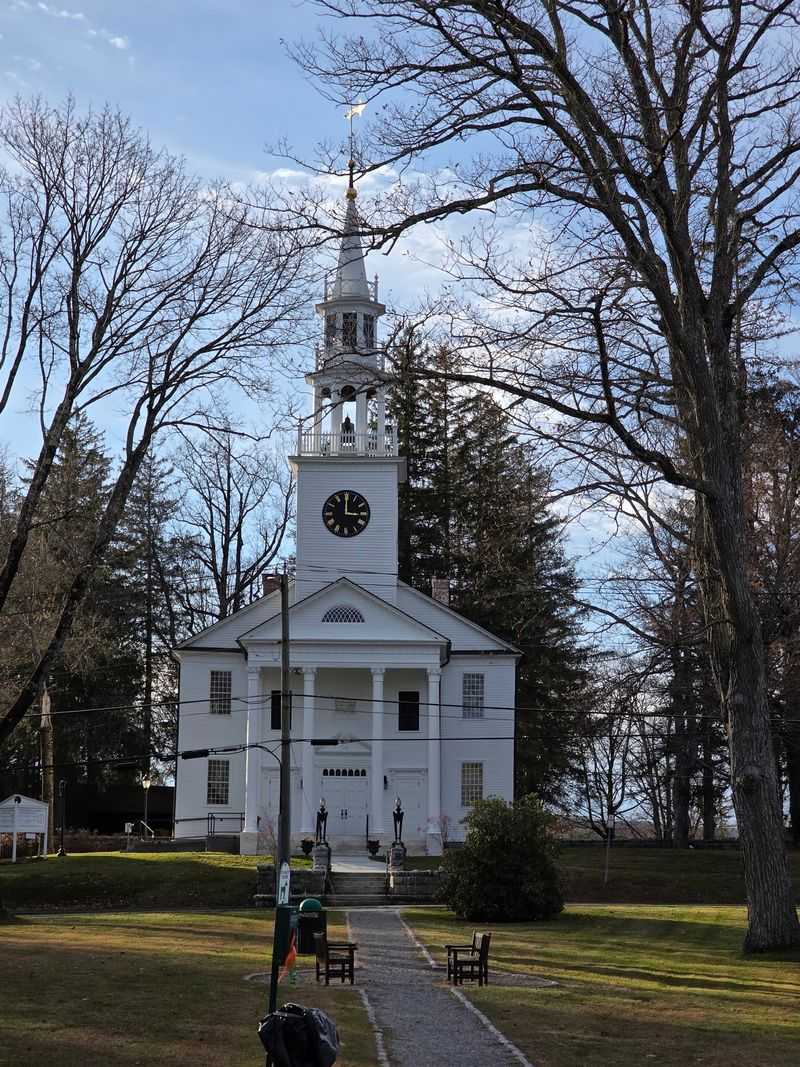
Bring a sweater. Seriously, even summer can feel surprisingly crisp up here.
Norfolk has earned its nickname, the “Icebox of Connecticut,” through a combination of elevation and a cooler climate than much of the state. At roughly 1,230 feet above sea level, the town often runs cooler than lower, more developed areas.
That elevation has shaped more than the weather. Dense woods and rocky ground made early settlement difficult, and Norfolk did not incorporate until 1758.
The same rugged setting now works in visitors’ favor, especially when warm weather makes a walk or hike elsewhere feel heavy.
On many days, the air feels fresher and evenings cool down quickly once the sun slips behind the hills. Town climate records note that temperatures can run about 5 to 10 degrees cooler than lower places such as Hartford and Torrington.
That makes porch time more comfortable and outdoor plans easier to enjoy during the warmer months.
Visitors arriving from lower elevations may notice the change before they even park. Packing an extra layer is a smart move, especially if the day stretches into evening.
The Icebox reputation may sound dramatic, but Norfolk’s cooler mountain air gives the nickname plenty of staying power.
5. Forests Shape Much Of The Landscape
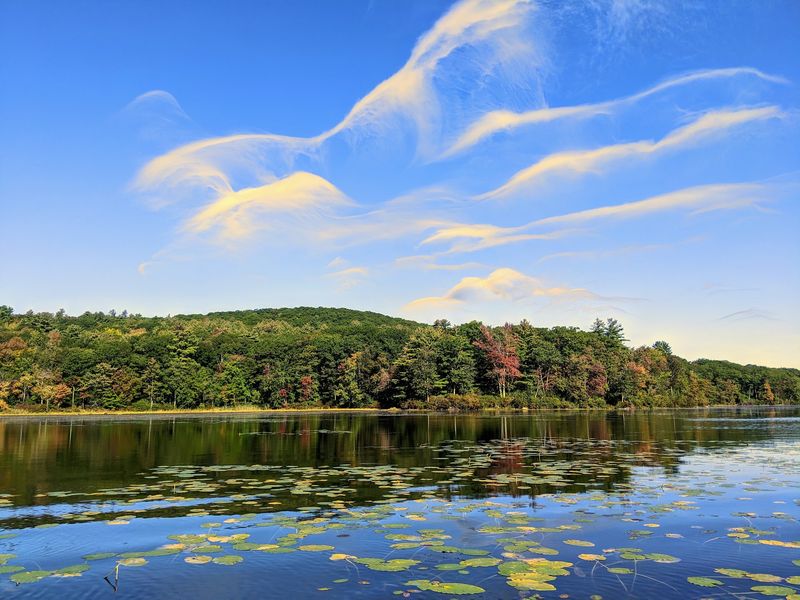
Woods are not just scenery in Norfolk, they are the structure of the place. Hardwoods including sugar maple and American beech fill much of the town, and their canopies keep trails shaded and cool well into the afternoon.
Miles of paths wind through those woodlands, maintained largely by local conservation groups such as the Norfolk Land Trust and Great Mountain Forest. Hiking, trail running, and cycling all have room here, and the trails remain accessible through every season.
Three state parks fall within the town’s borders, and each brings its own network of wooded routes. That combination of public land and conserved private forest means access is unusually generous for a town this small.
Underfoot, expect roots, stones, and occasional wet patches rather than smooth gravel paths. Sturdy shoes with grip make a real difference, especially after rain.
Beech leaves hold a papery gold color long after maples have dropped, which stretches the visual season for anyone visiting late. Listen for the sound of the canopy on a windy day, since it carries differently in a mature hardwood forest.
Water bottles, bug spray in warmer months, and a printed trail map round out a sensible day pack.
6. Haystack Mountain Adds Sweeping Views

Climb the stone tower on Haystack Mountain and the state suddenly looks much larger. The summit reaches about 1,680 feet, and the 34-foot tower crowning it was built in 1929 and is recognized on the National Register of Historic Places.
Views from the top run a full 360 degrees. On clear days they reach the Berkshires in Massachusetts, into New York, and as far as Vermont’s Green Mountains.
Getting there can be as easy or as ambitious as you like. A twisting park road climbs partway up the slope, leaving a shorter walk to the summit, while the 1.6-mile Yellow Trail loop offers a longer route through the woods.
Timing matters for drivers, since the park’s interior road is typically open to vehicles from late April until November. Outside that window, the walk up is the way.
Picnic areas and a quiet pond sit within Haystack Mountain State Park, making it easy to turn a short hike into a half-day outing.
Visit in early summer and mountain laurel, the state flower, blooms along the trails. Come in late September and the same slopes trade blossoms for color, with cool air making the climb feel effortless.
7. Music And Art Bring Extra Character
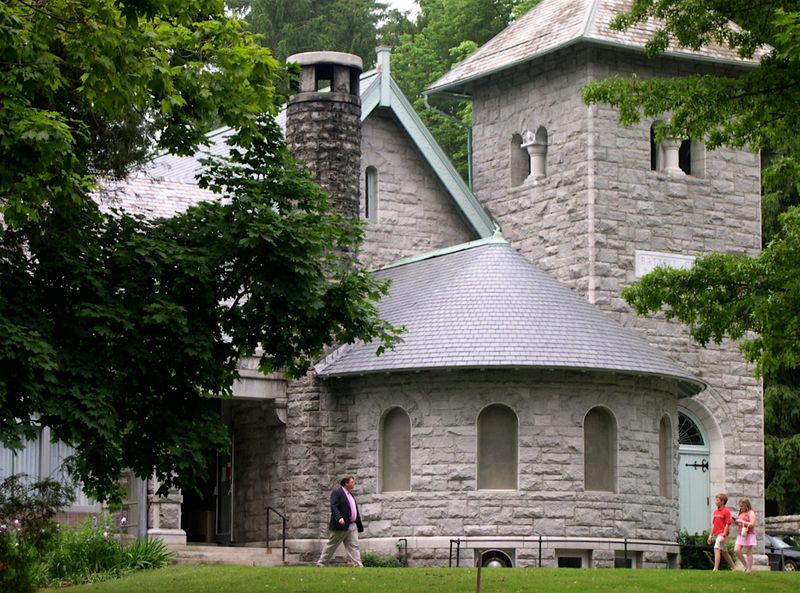
Music really does travel well here. In Norfolk, concerts spill into summer evenings and old buildings keep the arts close to everyday life.
The town’s “Music City of the Hills” reputation is backed by the Norfolk Chamber Music Festival, Yale School of Music’s long-running summer program.
Performances fill the Music Shed, a redwood-and-cedar hall built in 1906 and still praised for its acoustics. Infinity Music Hall adds a different energy, bringing rock, folk, jazz, and other touring acts to its restored Victorian theater throughout the year.
The cultural scene reaches well beyond music. Norfolk Library hosts art exhibitions, lectures, films, and Haystack Book Festival events, making it one of the town’s busiest gathering places.
Historic stained-glass windows also appear around town, including works associated with Louis Comfort Tiffany.
For a closer look at local history, the Norfolk Historical Society Museum rotates exhibitions inside the former Norfolk Academy building. The museum now welcomes visitors at 13 Village Green, Norfolk, CT 06058.
Norfolk Artisans Guild adds another stop for locally made work, while Weekend in Norfolk brings special events each August. Together, these places give the town a creative streak that feels surprisingly big for such a small community throughout the year.
8. Fall Makes The Hills Even More Beautiful
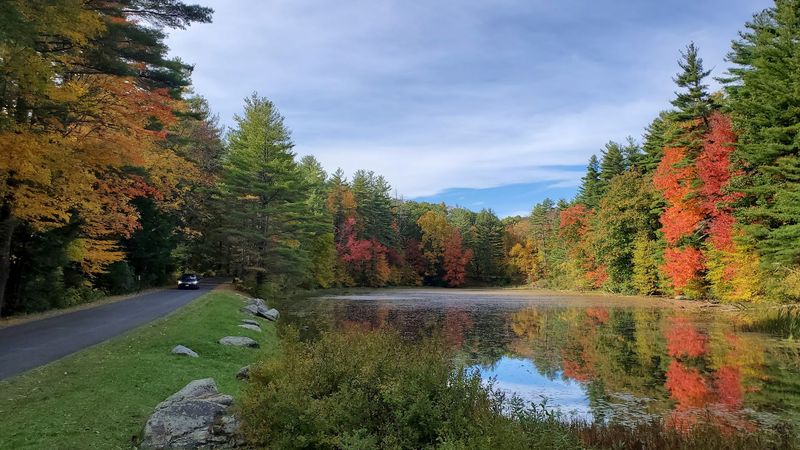
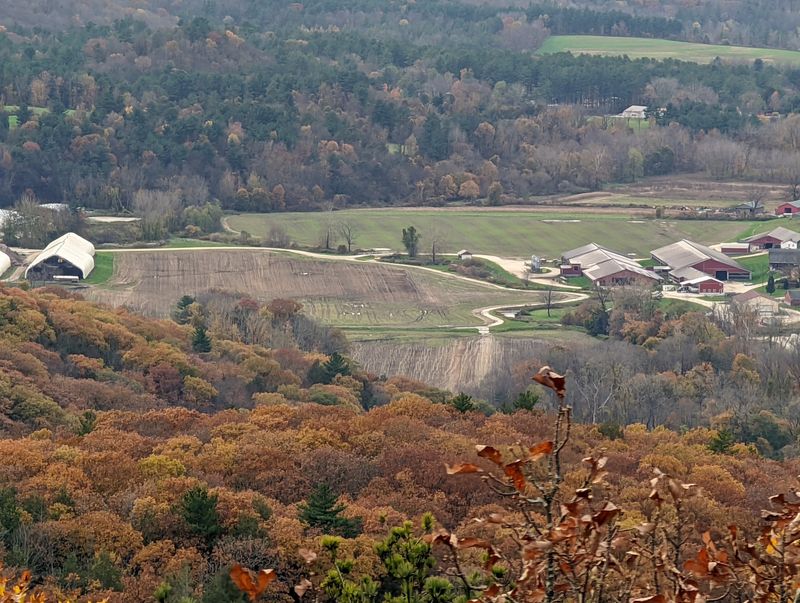
Autumn arrives early up here, and that is a genuine advantage. Norfolk is often among the first state towns to show fall color, with peak foliage typically running from late September into mid-October.
Elevation and cool nights combine to push the maples ahead of schedule. Travelers chasing color often find the hills already turning while lower parts of the state are still green.
Vantage points are easy to find. Haystack Mountain delivers the widest panoramas, while Dennis Hill State Park and Campbell Falls offer their own memorable outlooks over the surrounding forest.
Scenic driving works beautifully in this corner of the state, and marked routes such as Loop 2 pass historic New England architecture and open farmland framed by color. Cyclists get the same rewards at a slower pace along the town’s many miles of trails.
Events add to the season’s appeal, including Oktoberfest activities and the annual Haystack Mountain Challenge. Weekends draw more visitors than weekdays, so an early start helps if you want quiet trails and easy parking.
Pack a thermos, expect chilly mornings, and plan to linger. Fall in these hills rewards people who stop the car and walk a while.