This Charming Nebraska Italian Joint Has A James Beard-Nominated Chef Behind It
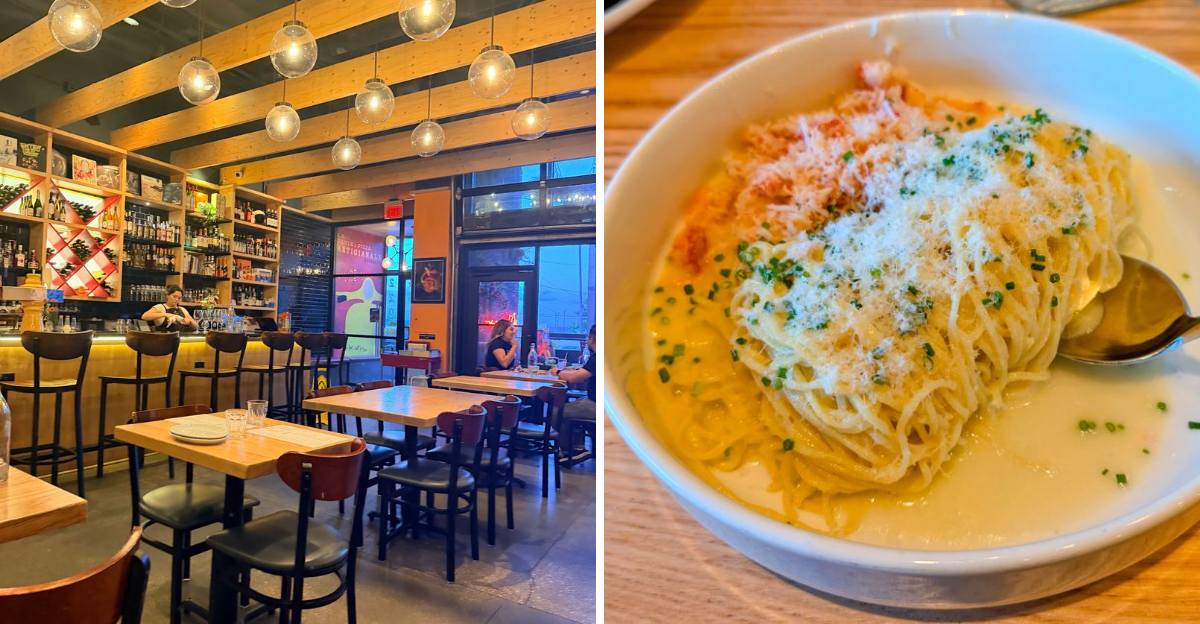
There is serious culinary talent hiding behind a restaurant that feels remarkably easygoing. That contrast makes the story interesting.
A James Beard nomination puts a chef in rare company, but dinner here is not presented like an occasion that requires studying the menu beforehand or saving the experience for a milestone.
This Nebraska Italian restaurant pairs the impressive pedigree with the familiar pleasure of handmade pasta and a neighborhood atmosphere.
The result feels approachable rather than showy.
You can settle in expecting a comforting Italian meal and discover there is considerably more thought happening behind each plate than the relaxed surroundings initially suggest.
Knowing who is in the kitchen adds another layer to the experience, especially when the food arrives without unnecessary theatrics.
Sometimes impressive credentials come framed on a wall. Here, they are better understood one forkful at a time.
A James Beard Semifinalist Helped Create It
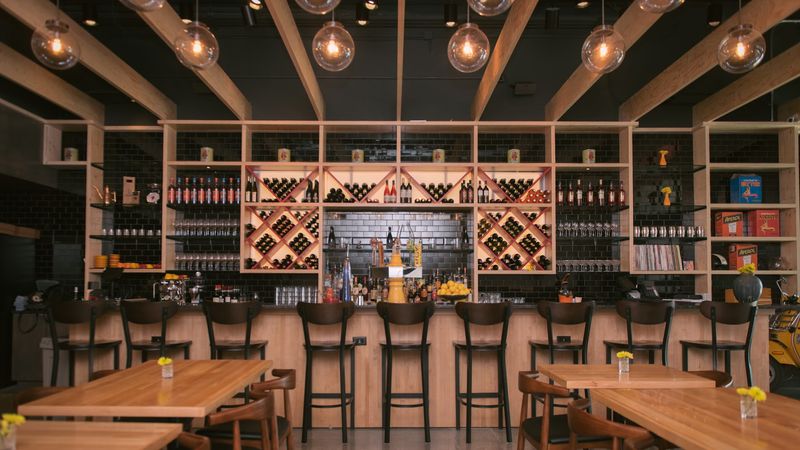
Credentials do not cook dinner, but they do explain a lot about why a menu reads the way it does.
The culinary vision behind Via Farina came partly from Paul Kulik, an executive chef whose work has been recognized on a national level.
His resume includes time at Omaha’s Boiler Room, and that stretch of his career earned him a 2012 James Beard Best Chef semifinalist nod.
For a city sometimes overlooked in food conversations, that kind of recognition carried real weight.
The project came together through a collaboration with Maven Social Group, which handled the business side while the kitchen side focused on technique and sourcing.
That split shows up in small ways once a meal begins, from how the pasta is portioned to how the pizzas are built.
Guests do not need to know any of this background to enjoy the food, though it helps explain why the dishes feel considered rather than thrown together.
Sauces are balanced instead of heavy, and the starters are sized for sharing rather than overwhelming.
Knowing that a semifinalist chef helped shape the concept makes that first bite of fresh pasta land a little differently.
It Opened In Omaha’s Little Italy
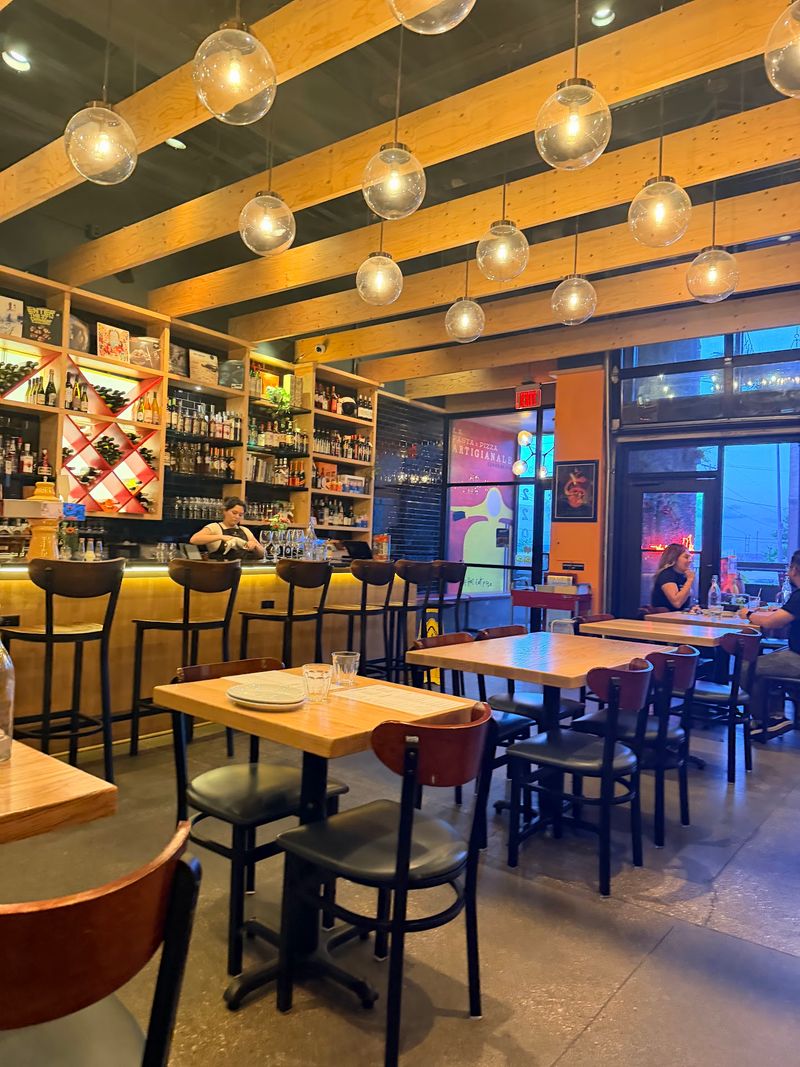
Neighborhood choice can shape a restaurant as much as its recipes do.
The first Via Farina opened its doors in May 2016 inside Omaha’s historic Little Italy neighborhood, a district with deep roots tied to Italian families who settled there generations ago.
Placing an Italian concept in that specific pocket of the city was not accidental. The setting gives the food a sense of context that a strip mall location simply could not offer.
Walking through the area before or after dinner is part of the appeal.
Older brick buildings, modest homes, and quiet residential streets sit within a short distance of the restaurant, which makes the visit feel more like an outing than a quick stop.
The neighborhood also sits close to downtown, so pairing dinner with a nearby event works well for many visitors. People heading to concerts or shows often build the meal into their evening plans.
Weekday visits generally feel calmer than weekends, and the surrounding streets tend to be quieter during the earlier dinner hours.
Little Italy has changed over the decades, but this restaurant gave the area a modern dining anchor that still nods to its heritage.
The Original Restaurant Sits On South 10th Street
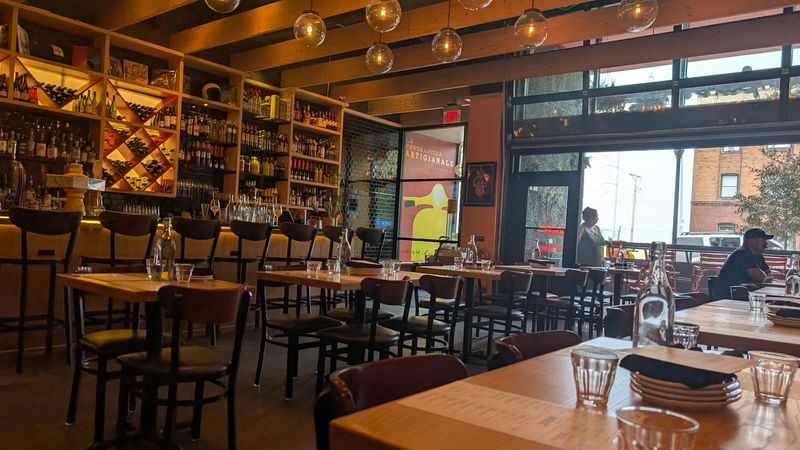
Finding the front entrance takes a moment for first-timers, so a little advance planning helps.
Via Farina Downtown is located at 1108 S 10th St, Omaha, NE 68108, tucked along a street that runs south from the busier downtown core.
The building includes a floor-to-ceiling garage-style door that opens onto a patio when the weather cooperates. On mild evenings that opening creates an indoor-outdoor feel that many guests appreciate.
Street parking is available nearby and is generally free, though availability shifts depending on the day and any nearby events. A parking garage sits within walking distance for anyone who prefers a guaranteed spot.
Hours run from noon to ten on Fridays and Saturdays, two to nine on Sundays, and four to nine Monday through Thursday.
The dining room is on the cozier side with a limited number of tables, so reservations are strongly encouraged.
Noise levels stay moderate, and the space works for conversation without shouting. Anyone looking for a relaxed sit-down meal rather than a rushed bite will likely find the pacing comfortable.
The Kitchen Takes A Modern Approach To Italian Food
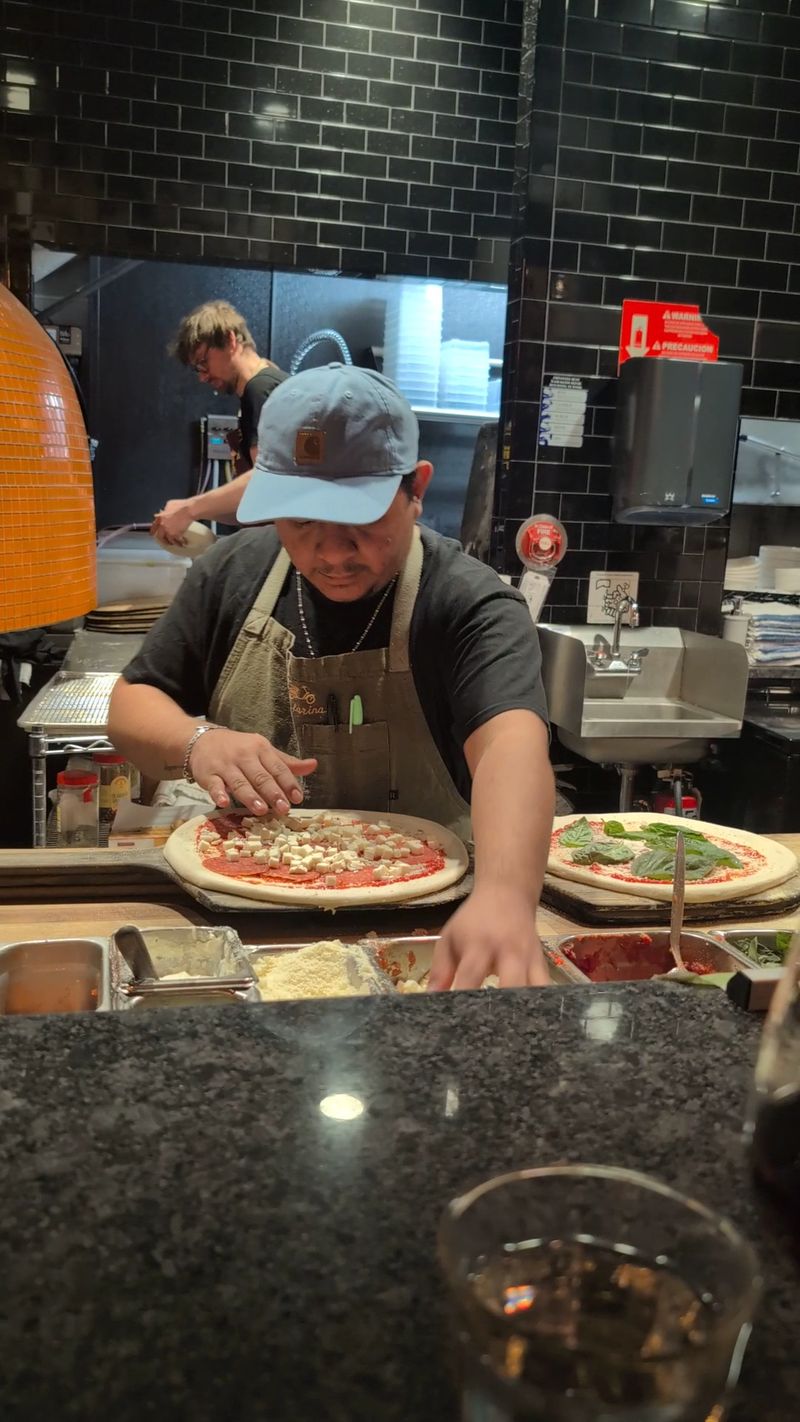
Expect something different from the checkered-tablecloth version of Italian dining.
The kitchen here describes its style as a modern interpretation of classic Italian cooking rather than a strictly traditional red-sauce restaurant.
That distinction matters when reading the menu. Familiar names appear, but the execution often includes ingredients or techniques that push past the standard playbook.
Plates arrive looking intentional rather than piled high. Portions lean toward moderate, which suits a meal built around sharing a starter, a pasta, and a pizza among a couple of people.
The value here sits in craft and freshness rather than sheer volume, and knowing that upfront makes the experience smoother.
Ordering across categories tends to work well. Splitting a shareable starter, then adding one pasta and one pizza for two people, gives a good sense of what the kitchen does.
Servers generally know the menu well and can explain unfamiliar dishes without making anyone feel rushed.
Gluten-free options have been available, though menus change, so confirming current offerings when booking is the safest approach for anyone with dietary needs.
The Pasta Is Made In-House Every Day
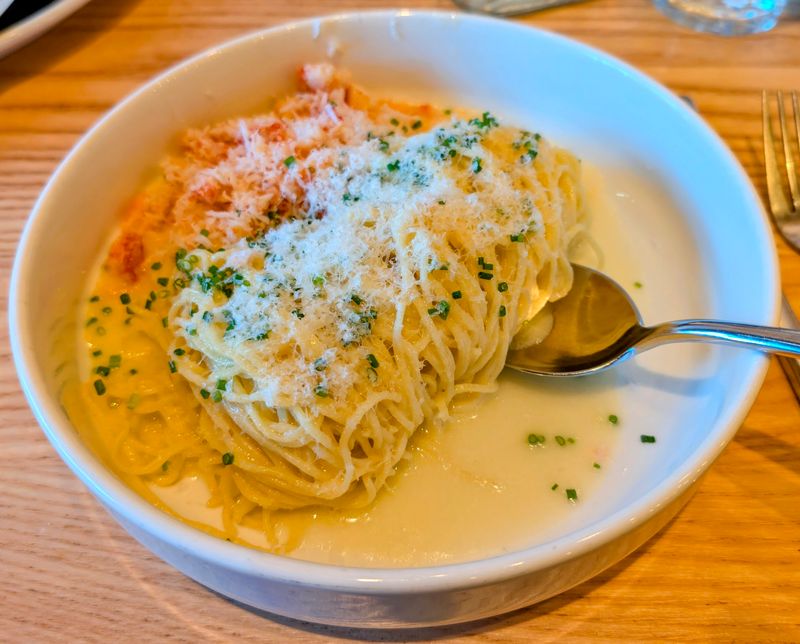
Fresh pasta has a texture that dried boxed noodles cannot match, and that difference is the heart of this kitchen. All of the pasta served here is made in-house daily, according to the restaurant.
The result is a noodle that holds sauce differently and has a softer, springier bite. Hand-cut shapes tend to have slight variations that show they were not machine-extruded and bagged.
Because production happens fresh each day, shapes and specials can shift. Regular guests sometimes notice new pasta dishes appearing alongside the standards.
Ordering pasta is one of the more reliable ways to understand what makes this place tick. The noodles carry the dish, and simpler preparations often let that quality come through most clearly.
Portion sizes lean toward refined rather than oversized, which fits a meal where multiple courses get shared. Anyone arriving very hungry might plan on adding a starter or a pizza.
Daily production also means the kitchen can be responsive. Seasonal ingredients show up in pasta dishes as availability allows.
For a first visit, choosing one pasta and one pizza for two people gives a balanced picture of the kitchen’s two main strengths.
The Bread Is Made In-House Too
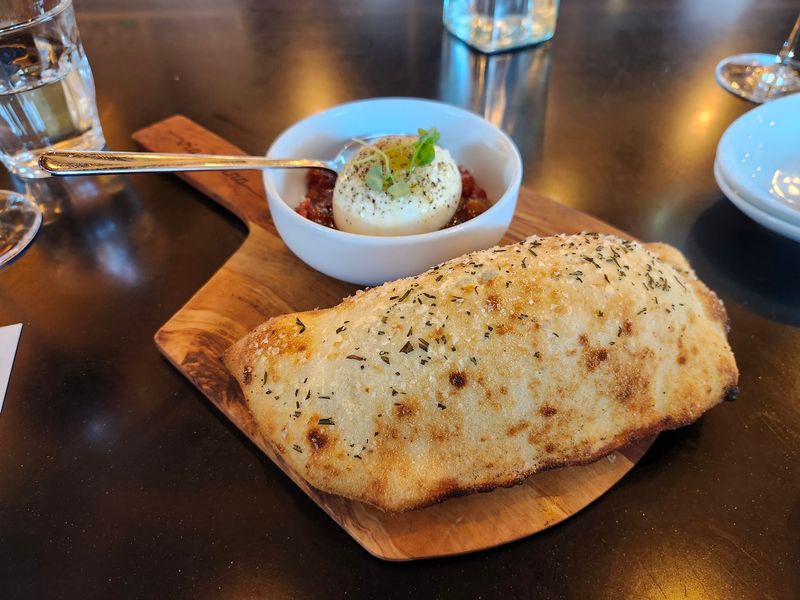
Bread often gets treated as filler, but not here. The same from-scratch routine that produces the pasta extends to the breads, which the restaurant says are produced in-house each day.
Warm bread arriving early in a meal sets a tone. The crust holds a bit of crackle while the inside stays soft enough to soak up olive oil or leftover sauce.
Focaccia has shown up in the restaurant’s catering work, which suggests the bread program handles more than just table service. That kind of range points to a kitchen comfortable with dough in several forms.
Ordering bread as a starter makes sense for tables planning to linger. It gives everyone something to share while pastas and pizzas come together in the kitchen.
Baking daily also means the bread is genuinely fresh rather than reheated from a delivery. The difference in texture is noticeable within the first bite.
For anyone watching their budget, a bread starter plus a shared pizza can make for a satisfying and reasonably priced meal. Pairing it with a shareable vegetable dish rounds things out nicely.
Menu items rotate, so bread offerings can change with the seasons. Checking the current menu ahead of time avoids surprises.
The Pizza Dough Gets Serious Attention
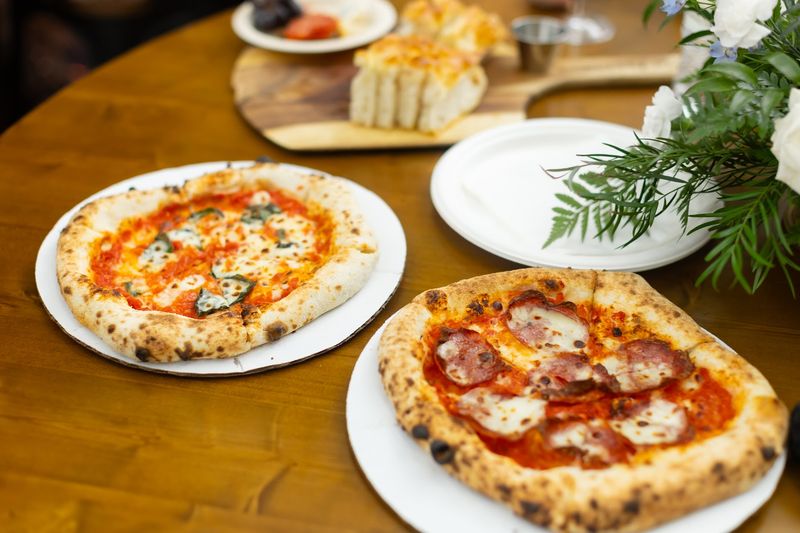
Great pizza starts long before anyone turns on the oven. Visit Omaha has highlighted the multi-day pizza-dough process used here, and the restaurant describes the results as sourdough Neapolitan-style pizzas.
Stretching fermentation across several days builds flavor in the crust itself. Instead of tasting like plain bread, the dough develops a mild tang and a chewier structure.
The crust puffs up around the rim while staying thinner in the center, which is typical of the Neapolitan style. Center slices can be slightly soft, and eating them with a fork and knife is completely normal.
Because the dough is sourdough-based, some people find it easier on the stomach than quick-rise commercial dough, though that varies person to person. It is not a gluten-free product.
Pizzas here are sized more for individual eating or splitting between two people alongside another dish. Ordering one per person works for a hungry group.
The multi-day schedule means dough supply is planned in advance. On especially busy nights certain items can run out, which is a normal reality of small-batch production.
Arriving earlier in the service window improves the odds of getting exactly what a table has in mind.
Even The Starters Feel Properly Italian
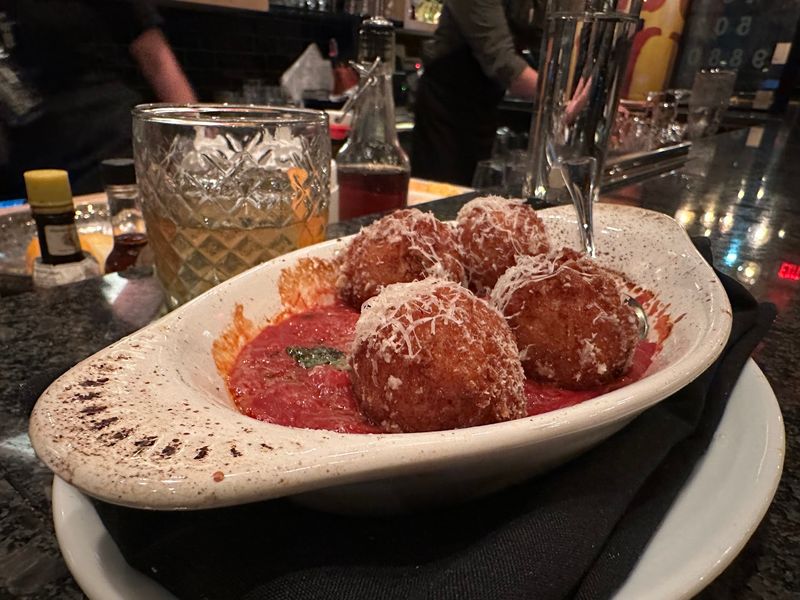
Starters here are built for passing around rather than eating alone. Arancini arrive with pomodoro and Italian cheeses, while other current shareables include burrata and hand-pulled mozzarella.
Arancini are fried rice balls with a crisp exterior and a soft, cheesy middle. Dipping them in the pomodoro adds brightness that cuts through the richness.
Burrata is a fresh cheese with a creamy center that spills out once cut. Spreading it over bread is the easiest way to enjoy it, and it splits neatly among several people.
Hand-pulled mozzarella shows off technique in a very direct way. Stretching curd by hand produces a softer texture than pre-packaged versions.
Choosing one or two starters for a table of four is usually enough. Ordering more than that can fill everyone up before the pasta and pizza arrive.
Starters also help pace a meal, especially on busier nights when kitchen timing stretches a bit. Having something on the table keeps conversation comfortable.
Vegetable-based shareables have appeared on the menu at various times, including wood-fired preparations. Availability changes, so asking about current options is the best approach.
The Original Success Has Grown Into Two Omaha Locations
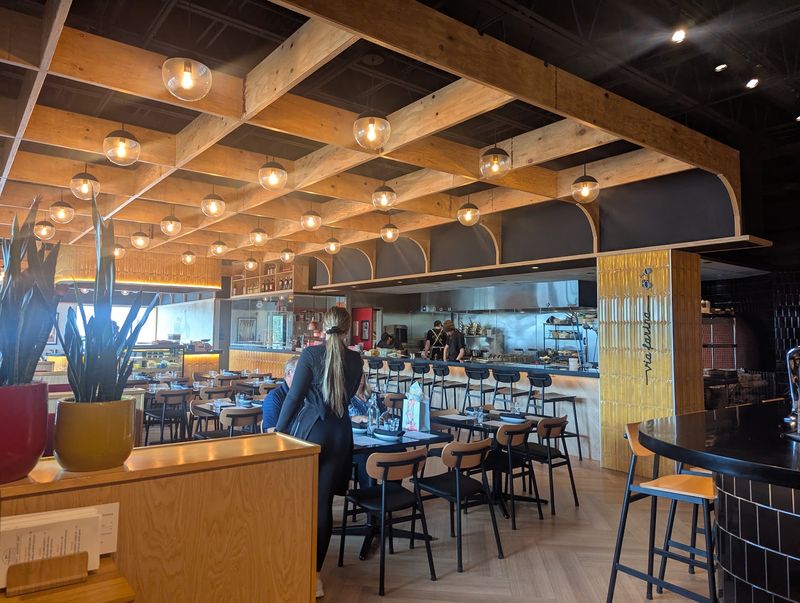
Growth says something about how a concept lands with a city. What began as one restaurant in Little Italy now operates as two Omaha locations, with the second at Regency Landing.
The newer spot sits at 10730 Pacific Street, giving west Omaha residents a shorter drive for the same pasta and wood-fired pizza. Having a second option also spreads out demand on busy weekend evenings.
Each location carries its own atmosphere shaped by its building and surroundings. The downtown space leans cozier with its garage-door patio, while the Pacific Street site fits into a shopping and dining area.
For anyone attending a downtown event, the original remains the more convenient choice. Visitors staying on the west side may find the second location easier to reach without downtown parking considerations.
Menus and hours can differ slightly between the two, so checking the specific location before heading out is a good habit. Reservations remain a smart move at either address.
Two locations also mean the kitchen team has scaled its daily pasta and bread production, which speaks to the commitment behind the from-scratch approach.
Choosing between them mostly comes down to where the evening starts and ends.