This Connecticut Academy Ranked No. 1 Among Regional Public Colleges And Charges No Tuition
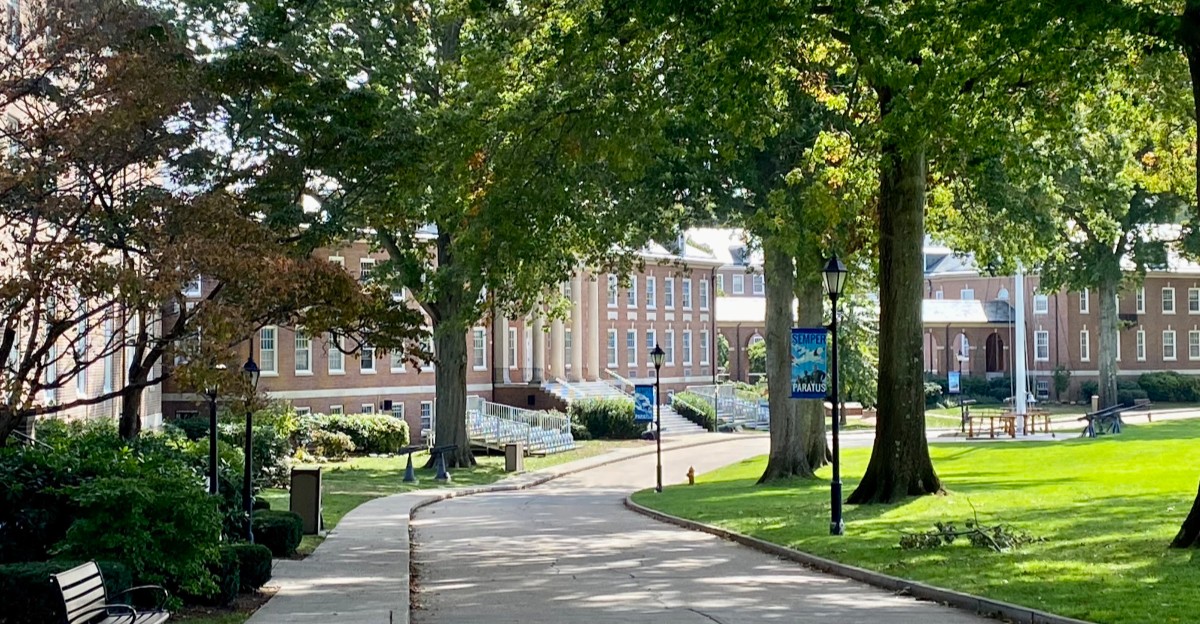
College tuition can make even the most prepared parents nervous. So when a school offers a four-year education without charging tuition, it deserves a closer look.
But there’s more to this story than saving money.
One Connecticut academy has earned the top spot in a major college ranking, and its approach to education is quite different from what most students expect.
For families weighing college costs, Connecticut has an unusual option that comes with responsibilities beyond the classroom.
Students here receive housing, meals, and an education without the usual tuition bill. There’s even a paycheck involved.
Sounds like a pretty sweet deal, right?
Well, there’s an important commitment attached. This school prepares students for a specific career, and graduation comes with obligations that traditional colleges don’t require.
That makes the decision about much more than money.
For the right student, though, the combination of academic recognition, financial benefits, and a clear career path could be worth serious consideration.
1. Meet The School Behind The Buzz
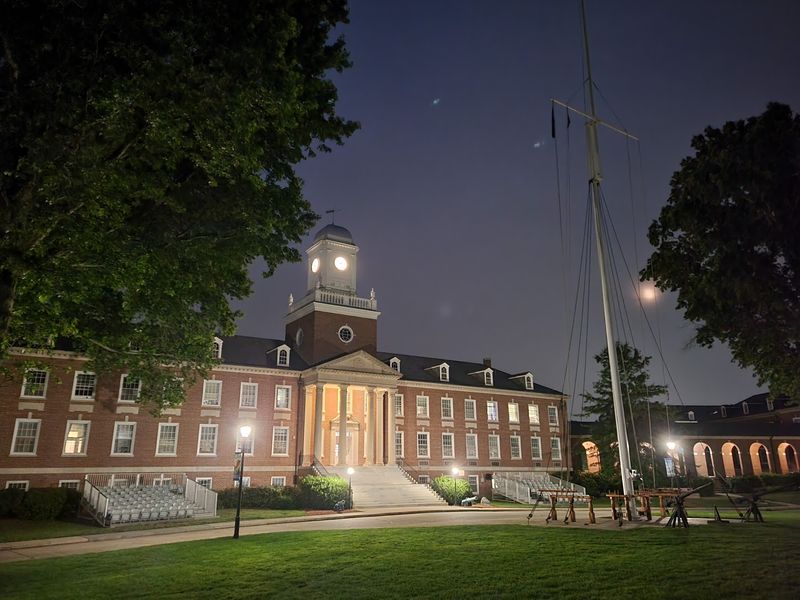
What if college came with free tuition and a guaranteed career path? That’s part of what makes the United States Coast Guard Academy in New London so unusual.
Students here aren’t simply working toward a degree. They’re preparing to become officers in the U.S.
Coast Guard, which means college life looks quite different from what you’d experience on a typical campus.
Instead of ordinary student routines, cadets follow structured schedules that combine academics with physical training and leadership development. Sports and other activities also play a role in preparing them for responsibilities after graduation.
The financial side is especially interesting. Cadets receive tuition, room, and board at no cost, making the academy an unusual alternative to colleges with expensive annual bills.
In return, graduates commit to serving in the Coast Guard.
Admission is competitive, and applicants need strong academic records, physical fitness, and the determination to handle a demanding program.
The academy’s campus stands at 31 Mohegan Avenue in New London, overlooking the Thames River.
Its smaller student body also creates a different atmosphere from a large public university.
Cadets graduate with a bachelor’s degree and a commission as an officer. For students drawn to public service, that combination can be appealing.
And graduating without a traditional college tuition bill is certainly worth a closer look.
2. How A Small School Landed At The Top
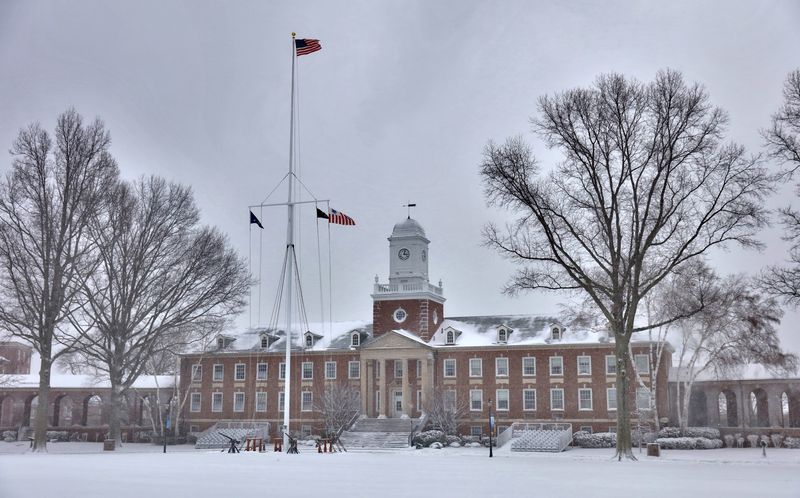
U.S. News & World Report ranked the academy No. 1 overall among Regional Colleges in the North for 2026, as well as No. 1 among public schools in that category.
That category groups schools that focus mostly on undergraduate students. So the comparison is fair, and the result still stands out.
Size plays a big part in the story. The academy enrolls roughly 1,100 cadets, which is small compared with many state universities.
A smaller campus can mean you are known by name instead of by ID number. Instructors and leaders get to see how each cadet grows over four years.
The academy is also accredited by the New England Commission of Higher Education. Accreditation tells you the school meets accepted standards for quality and learning.
Rankings are only one tool for picking a college, of course. Still, they give you a quick way to compare schools side by side.
When you research colleges, read what each ranking actually measures. A school that fits your goals matters more than a shiny number on a list.
3. Zero Tuition And A Paycheck Too
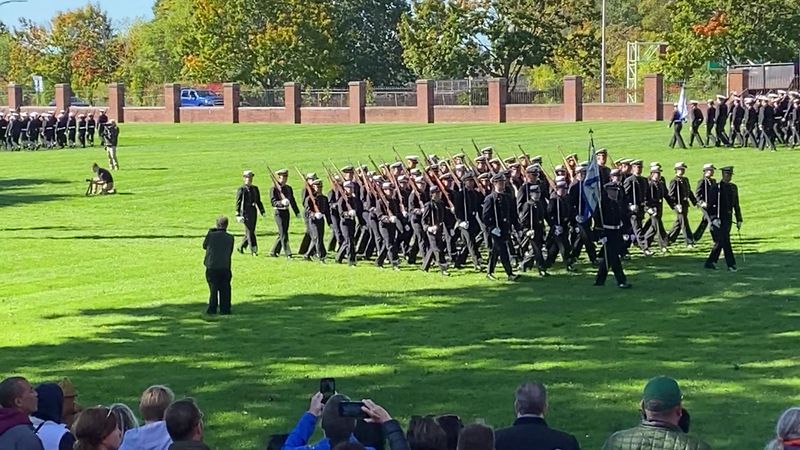
Student loans can follow people around for years like a loyal but very expensive puppy. At this academy, U.S. cadets pay nothing for tuition, room, or board.
That alone would turn heads. Then you learn that cadets also receive a monthly stipend.
Because of that setup, many graduates finish school with savings instead of debt. Imagine starting your career without loan payments eating your first paychecks.
The academy values the full education at more than $280,000. That number covers a lot of classes, meals, training, and housing over four years.
There is a fair trade attached to this deal. Graduates agree to a five-year active-duty service obligation in the Coast Guard.
For some students, that commitment is the whole point. They want a steady job, real responsibility, and a chance to serve their country.
Before applying, talk with your family about what five years of service would mean. Ask about job duties, possible locations, and daily life.
Thinking it through now helps you make a choice you feel good about later. Free college is great, but the right fit is even better.
4. Roots That Reach Back To 1876
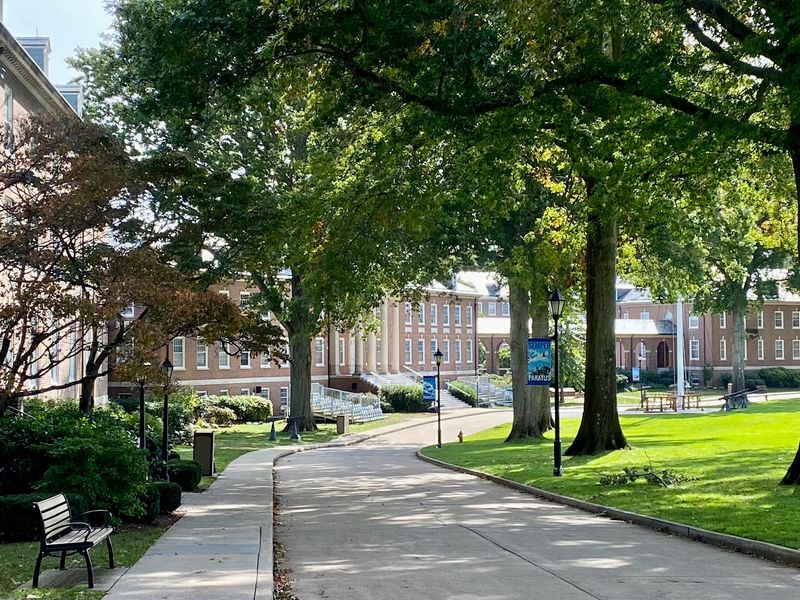
This school had classrooms that floated. Seriously!
Long before it had a permanent campus, future Coast Guard officers were learning their skills aboard training ships.
The story goes back to 1876, when the institution began as the School of Instruction of the Revenue Cutter Service. That was decades before the modern U.S. Coast Guard officially formed in 1915.
Back then, learning on the water was a major part of preparing for a career at sea. Cadets gained practical experience aboard ships, building skills they would eventually need as officers.
Things changed in 1932 when the academy moved to its current home in New London. Today, the 103-acre campus overlooks the Thames River, giving students a fitting setting for their maritime education.
One interesting historical connection involves Alexander Hamilton. He helped establish the Revenue Cutter Service in 1790, which is why he’s often recognized as a founding figure in Coast Guard history.
Visitors can also spot a bronze statue honoring Hamilton on campus.
The academy has changed considerably since those early training voyages, but its original purpose remains familiar.
Nearly 150 years later, preparing young people for leadership at sea is still central to what happens here.
5. Ten Majors With A Clear Mission

Choosing a major can feel like picking one ice cream flavor forever. Here, the menu is short but packed with useful options.
The academy offers ten academic majors. They cover engineering, science, management, and government.
Every cadet also takes a liberal arts core curriculum. That means you study writing, history, and other subjects beyond your major.
Why mix it all together? Officers need to solve technical problems and also communicate clearly with people.
Every graduate earns a Bachelor of Science degree. On top of that, each one is commissioned as an Ensign in the U.S. Coast Guard.
So graduation day brings two big wins at once. You get a college degree and a starting job title in the same ceremony.
If you are still in middle or high school, take strong math and science classes. Those subjects support many of the majors offered here.
Reading and writing skills matter too, so do not skip them. Good officers explain plans clearly, and that starts with practice now.
Exploring the majors online can help you picture your future path.
6. Sound Bodies, Stout Hearts, Alert Minds
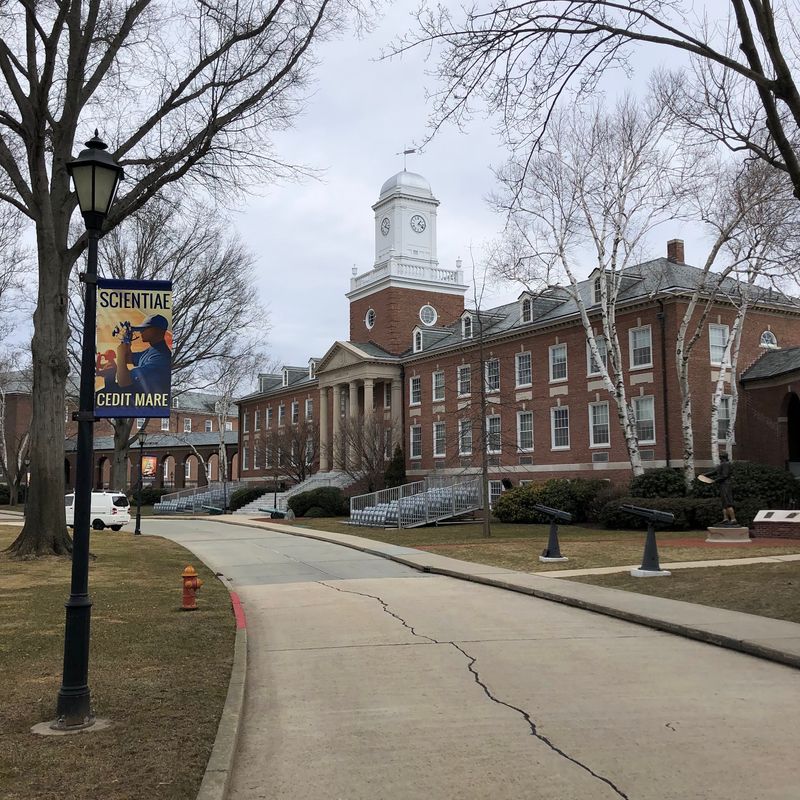
Mottos usually sit quietly on a wall, but this one shapes every single day. The academy aims to graduate people with sound bodies, stout hearts, and alert minds.
Each part of that phrase connects to real parts of cadet life. Nothing here is just for show.
Sound bodies come from required participation in competitive sports. Every cadet stays active, not just the star athletes.
That rule keeps fitness part of normal routine. It also builds teamwork, since many sports depend on trusting your teammates.
Stout hearts point to courage and character. Cadets go through leadership development that pushes them to take responsibility for others.
Alert minds come from tough academics and sharp thinking under pressure. Officers often make quick choices where clear thinking really counts.
You can borrow this idea even if you never apply. Try balancing exercise, kindness, and learning in your own weekly schedule.
Small habits, like daily walks and steady homework time, add up fast. The academy just turns those habits into a full-time lifestyle.
7. Life As A Cadet Is No Ordinary Dorm Story
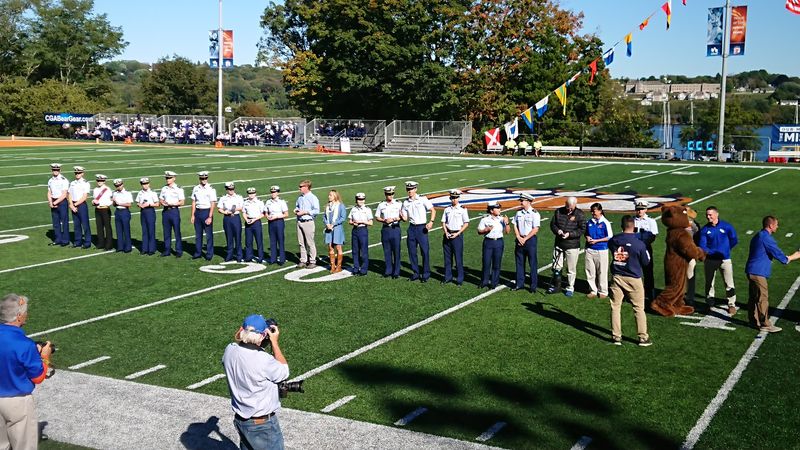
Ever wondered what college would be like if sleeping in wasn’t part of the deal? At the United States Coast Guard Academy, mornings start early, and cadets have plenty to accomplish before the day is over.
Life here follows a military-style schedule that combines college classes with physical training and leadership responsibilities. Free time exists, but cadets learn quickly how to manage it around their commitments.
One interesting part of the system is how responsibilities change each year. New cadets begin by learning military customs and teamwork, while upperclassmen gradually take on leadership roles.
By graduation, they’ve spent four years practicing skills they’ll need as Coast Guard officers.
High school students curious about this lifestyle can get an early introduction through the academy’s Academy Introduction Mission, better known as AIM.
This summer program offers a brief experience of cadet routines, giving prospective applicants a better understanding of the physical and academic expectations.
It’s a useful opportunity to discover whether military college life matches your interests before making a major commitment.
The structured environment can be demanding, especially for students accustomed to setting their own schedules.
But for those who enjoy teamwork and working toward clear goals, the experience offers a very different kind of college education.
8. Planning A Look At The Campus
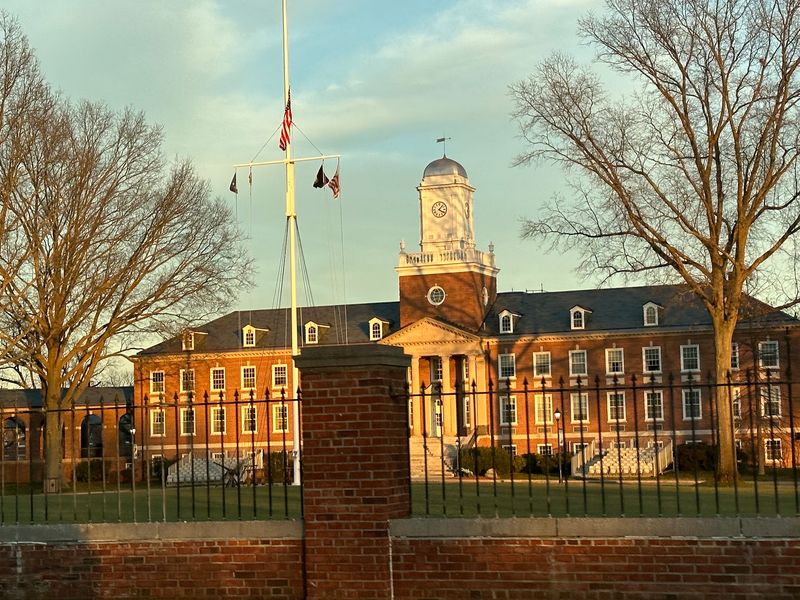
Seeing a campus in person can tell you more than a dozen brochures. Just know that a military school has different visitor rules than a typical college.
The academy is an active military base. Visitors generally need proper identification to get on campus.
Tours may be limited, so plan ahead instead of showing up on a whim. The official website and admissions phone line can point you to current options.
Big events, like graduation, often come with special parking plans. Watch for published instructions so you are not circling the lot in confusion.
The campus sits on a hillside along the Thames River. Comfortable walking shoes are a smart choice for exploring the grounds.
Families of cadets often find themselves here for ceremonies and weekends. Visiting during those times can show how close the community feels.
Prospective students should bring questions to any visit. Ask about classes, sports, training, and what the service commitment looks like.
You leave with answers, a clearer picture, and maybe a new dream. Not bad for a school that charges zero tuition.