This Connecticut Cider Mill Has Endless Apple Donuts And A Loyal Local Following
Fall has a way of making one warm cider donut feel like a perfectly reasonable reason to get in the car.
This mill keeps that craving alive with fresh cider donuts that have become part of the seasonal routine for generations of visitors. The bakery also turns out pies and other treats on site, so stopping for “just one thing” can get ambitious very quickly.
By September, Connecticut apple season is fully awake, and the combination of orchard air and cinnamon-sugar sweetness does a lot of convincing.
The loyal following makes sense once you see how strongly people tie this place to fall.
You come for the cider, spot the donuts, and suddenly the ride home includes a box you are definitely not planning to share evenly.
That kind of tradition is hard to manufacture.
It grows one season at a time, until a simple bakery stop starts feeling like part of autumn itself.
1. Fall Tradition Runs Deep Here
Fall gets serious once the cider donuts show up. The smell reaches you before the first bite does.
Warm bakery aromas drift through the farm store, making an ordinary stop feel dangerously easy to stretch into a much longer visit.
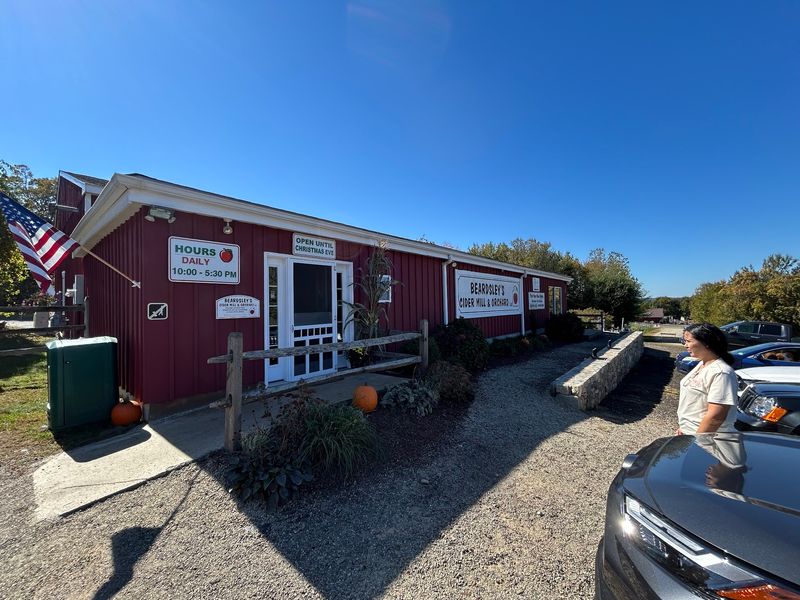
Beardsley’s Cider Mill & Orchard has been part of Shelton’s White Hills since 1849, and that long history helps explain why so many people return when apple season rolls around.
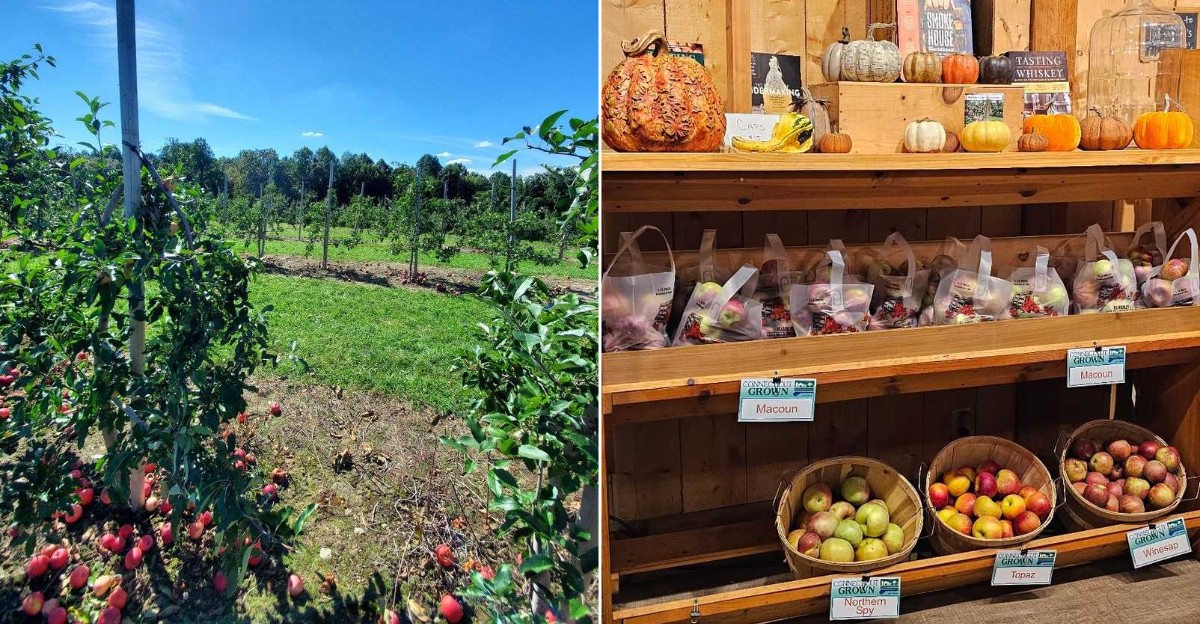
The farm still grows thousands of dwarf apple trees, with pick-your-own weekends bringing another reason to visit during the harvest.
Inside the store, cider donuts remain one of the biggest temptations. Fresh pies are baked on the premises every day, filling the room with the kind of aroma that can ruin any plan to leave empty-handed.
The bakery also turns out seasonal treats alongside its cider, which is pressed from ripe apples at the mill.
What keeps the place memorable is how little it needs to complicate the experience. People come for familiar fall flavors and return because the routine still feels reassuringly recognizable.
That consistency has helped turn a quick bakery stop into a seasonal habit that stretches across generations.
2. The Farm Dates Back To 1849
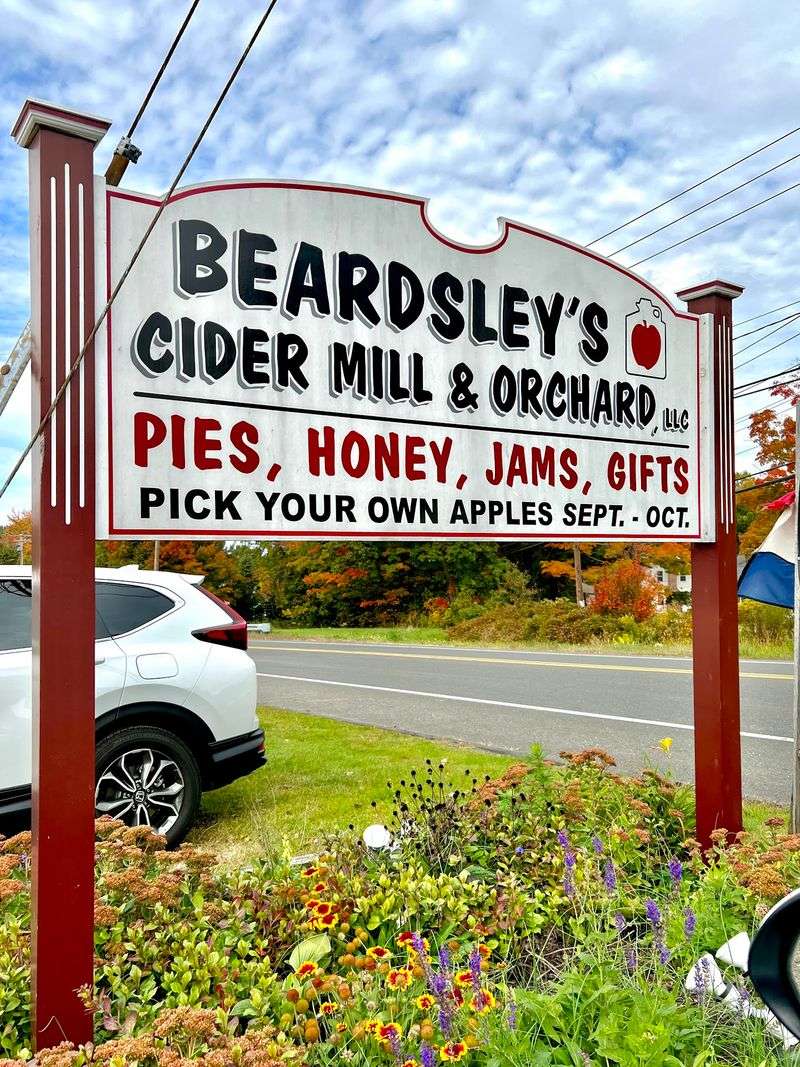
1849 is a long time for one piece of land to stay in agriculture, especially in a state where farmland has often given way to housing. Farming has continued at this Shelton property since then, passing through generations.
Dairy came first. Cows worked these fields long before apples became the main attraction, and the shift happened gradually rather than overnight.
Apple trees were first planted here in the 1920s, and remarkably, a few of those original trees still contribute to the harvest today. Standing near century-old fruit trees is a quiet reminder of how patient orchard work really is.
A turning point came in 1973, when a school bus crash led to the barn burning down. The farm continued, but that event reshaped what the property would become.
Over the years the orchards have been replanted and renewed, a deliberate decision aimed at keeping the land in farming rather than letting it be developed. That choice is worth appreciating when you look out across the rows.
History here is not presented as a museum exhibit. It shows up in the trees, the layout of the fields, and the simple fact that the place is still working.
3. White Hills Sets The Country Scene
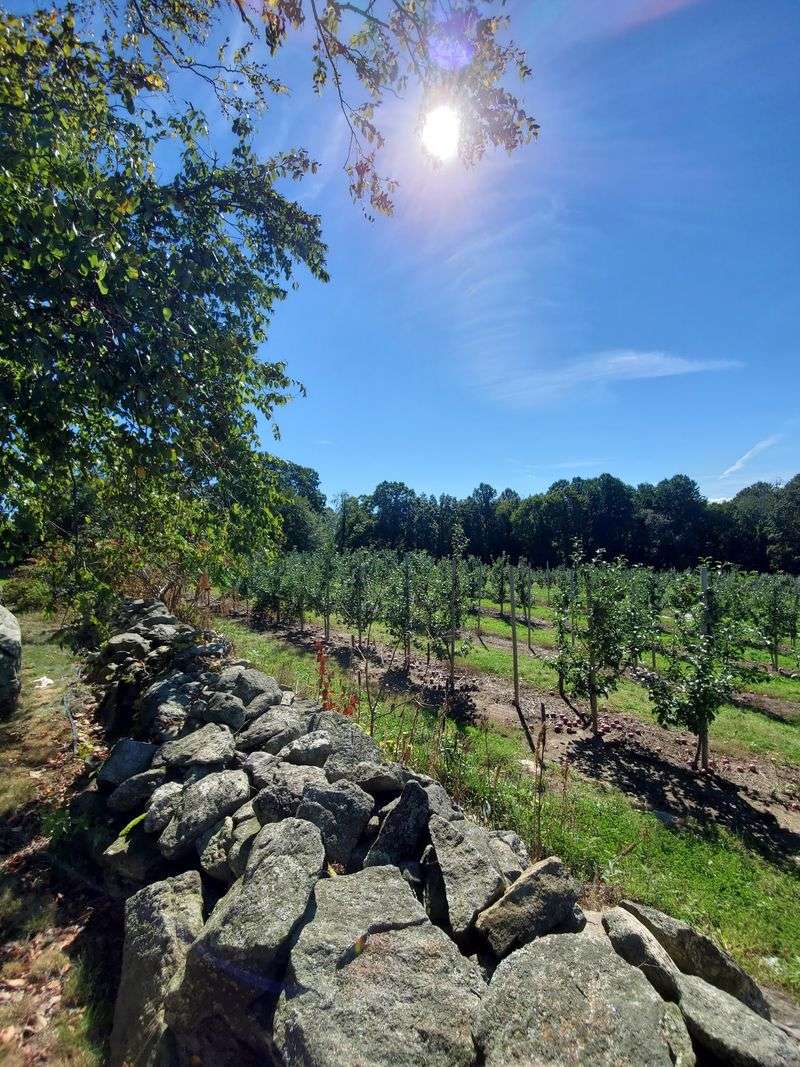
The drive starts changing before you arrive. Busy roads give way to a quieter stretch of Shelton, and suddenly the orchard feels much farther from everyday traffic than it really is.
This is the White Hills section of town, where Beardsley’s family has farmed the same land since 1849. The rural setting is a big part of the experience.
Rows of apple trees spread across gently rolling ground, and the farm’s pick-your-own orchard now holds thousands of dwarf trees designed to keep the fruit within easy reach.
Autumn suits the property especially well. Cooler air moves across the open fields, while the orchard changes as different apple varieties ripen through September and October.
Pick-your-own runs on weekends when weather and available fruit cooperate.
The setting also makes it easy to slow down after visiting the farm store. An outdoor family area offers an orchard view, giving visitors somewhere to enjoy their treats before heading home.
The mill’s address is 278 Leavenworth Rd in Shelton. The surrounding farmland makes that simple street address feel like the start of a proper fall escape.
Even the drive out feels like part of the outing.
4. Cider Donuts Steal The Show
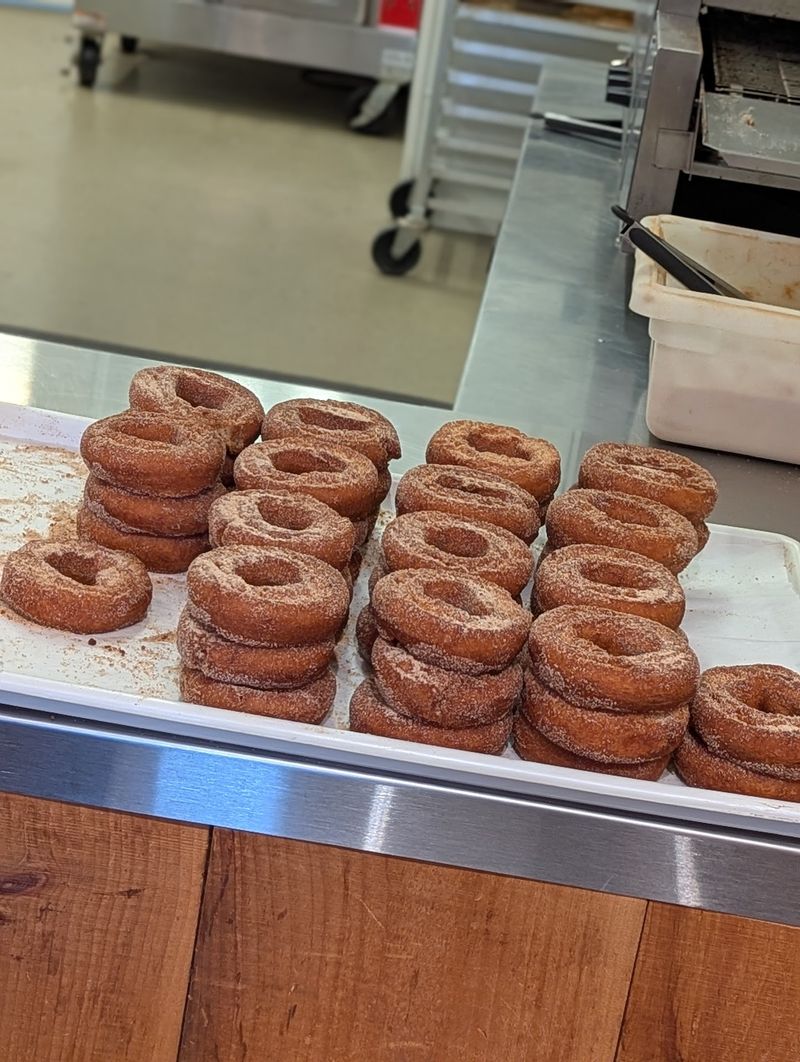
Warm, plump, and just slightly crisp on the outside, the cider donuts are the reason many people make the drive in the first place. They are baked on site throughout the day, not trucked in from somewhere else.
Part of what sets them apart is the finishing step. After baking, the donuts pass through a conveyor oven, which gives the exterior a light crunch while the inside stays tender.
These are cake donuts made with cider and pureed apple, so they taste more like fruit than frying oil. Longtime fans describe them as sweet without being heavy.
Buy a few extra. Donuts have a way of disappearing on the ride home, and the ones you meant to save for breakfast rarely survive.
The bakery does far more than donuts, though. Pies come in flavors including apple, peach, and pumpkin, and the apple crumb in particular has a devoted following among regulars.
There are also gluten-free cookies, fruit breads, and scones for anyone who wants something different or has dietary needs to consider.
Get there earlier in the day for the widest selection, especially on autumn weekends when the counter stays busy.
5. Fresh Cider Is Pressed On Site
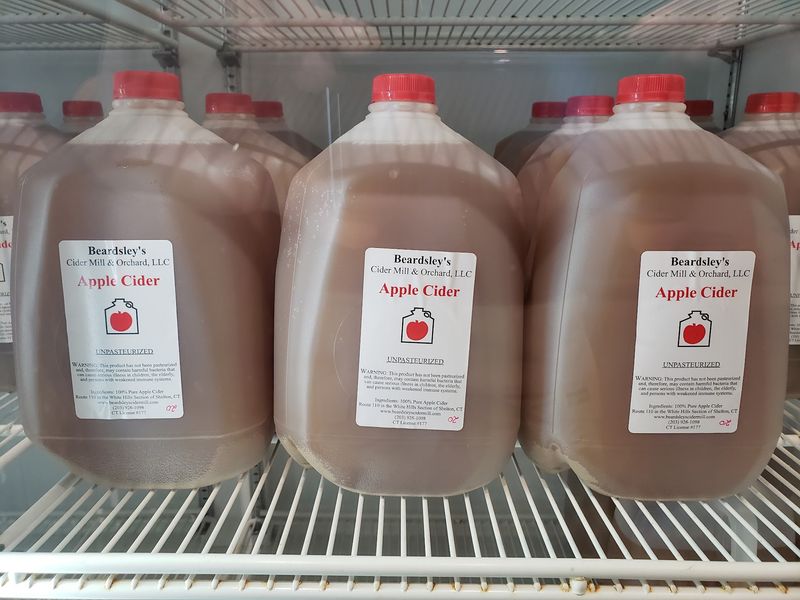
Watching cider get made is oddly hypnotic. In the mill room, apples are ground and pressed while visitors look on, and that transparency is part of the appeal for a lot of families.
Roughly 25 average-sized apples go into a single gallon. Once you know that number, the jug in your hands feels a little more impressive.
Cleanliness is taken seriously throughout the process. Apples are washed at least once and often twice before pressing, the press system uses high-pressure washers, and the entire mill room is washed down and sanitized at the end of each pressing day.
Instead of heat pasteurization, the cider is treated with ultraviolet light. That method helps keep the bright, fresh apple flavor that heat can dull.
Everything is pressed in small batches, which is another reason the cider tastes so lively rather than flat.
The finished product is 100 percent pure juice made from sound, ripe fruit, with nothing padding it out. Untreated cider, useful for home projects, is also offered on certain dates or particular weekends.
Cold or hot, a cup of it alongside a warm donut is about as fall as Connecticut gets.
6. Thousands Of Dwarf Apple Trees Fill The Orchard
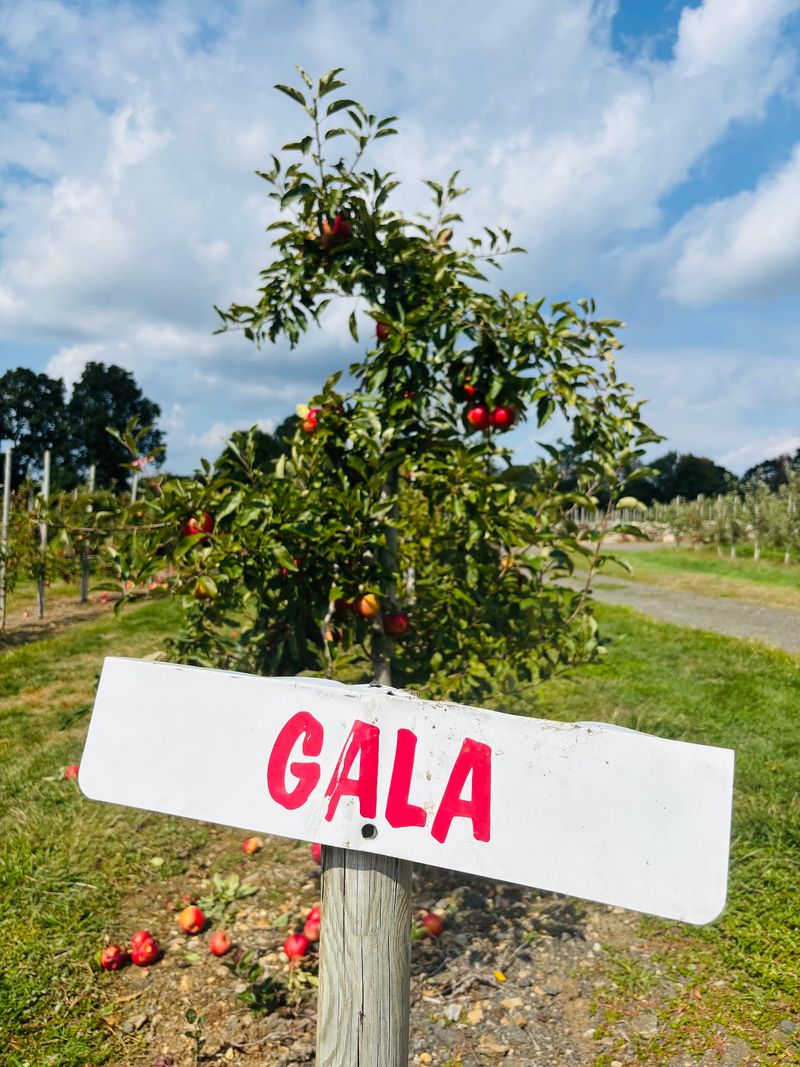
Between 13,000 and 14,000 apple trees grow across these fields, and thousands of them are dwarf varieties planted specifically to make picking easier. Growing only about 10 to 12 feet tall, they put fruit within reach instead of high overhead.
For young kids, that difference is everything. Little hands can actually pick their own apples here without needing to be lifted or handed a pole.
Variety is another strong point, with more than 20 kinds grown on the property. Gala, Honeycrisp, Macoun, Liberty, Empire, and Granny Smith all appear among them, so bakers and snackers alike have options.
Staff working the orchard are often happy to explain which apple suits pies, which stays crisp for lunchboxes, and which one is ripe that week.
Peaches grow here too, roughly 400 trees worth, though those are not part of the pick-your-own program.
Orchard care follows an Integrated Pest Management approach, meaning scouting and monitoring determine when any agricultural application is actually needed rather than spraying on a fixed schedule.
Walking the rows takes less time than you might expect, which makes the orchard manageable for a short outing with restless children.
7. Weekends Bring Pick-Your-Own Apples
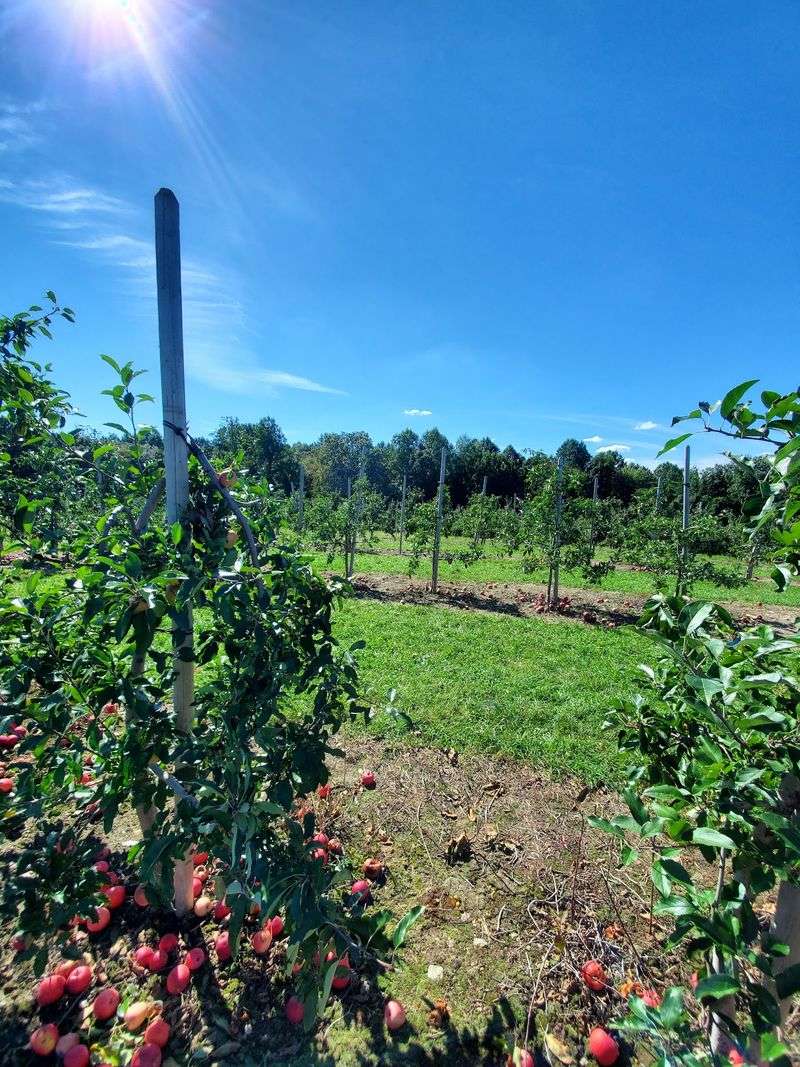
Pick-your-own runs on weekends only, so plan accordingly before loading everyone into the car. The season generally begins in mid-September and continues into mid or late October, depending on weather and how the fruit is coming along.
Picking hours typically run from 10:00 AM until roughly 4:45 or 5:00 PM. Arriving shortly after opening is a smart move if you want a calmer walk through the rows.
You will need one of the farm’s own picking bags, priced at $20 and cash only. Each one is a peck bag holding about 10 to 12 pounds of fruit, which is plenty for pies and a week of snacking.
Bring cash for picking even though the store itself accepts cards. That one detail trips up first-time visitors more than anything else.
Large bags, backpacks, and purses over 10 inches are not allowed in the orchard, and pets must stay home apart from service dogs, both in line with Good Agricultural Practices.
The orchard ground is uneven and not suitable for wheelchairs, though the retail shop is handicap accessible.
Mid-September and early October usually offer the widest mix of ripe varieties.
8. The Short Season Makes Fall Feel Special
Blink and the season starts moving fast. That is part of the fun here.
Beardsley’s Cider Mill & Orchard only opens for part of the year, which gives every visit a little more excitement than an ordinary stop.
The farm store begins its season in August and generally operates daily from 10 a.m. to 5:30 p.m. It stays open through Christmas Eve, when the doors close early at 1 p.m.
After that, visitors have to wait for the next season to roll around.
Apple picking lasts for an even shorter stretch. Pick-your-own usually begins in September and continues on weekends while enough ripe fruit remains, often wrapping up sometime in October.
Weather and growing conditions can shift those dates each year.
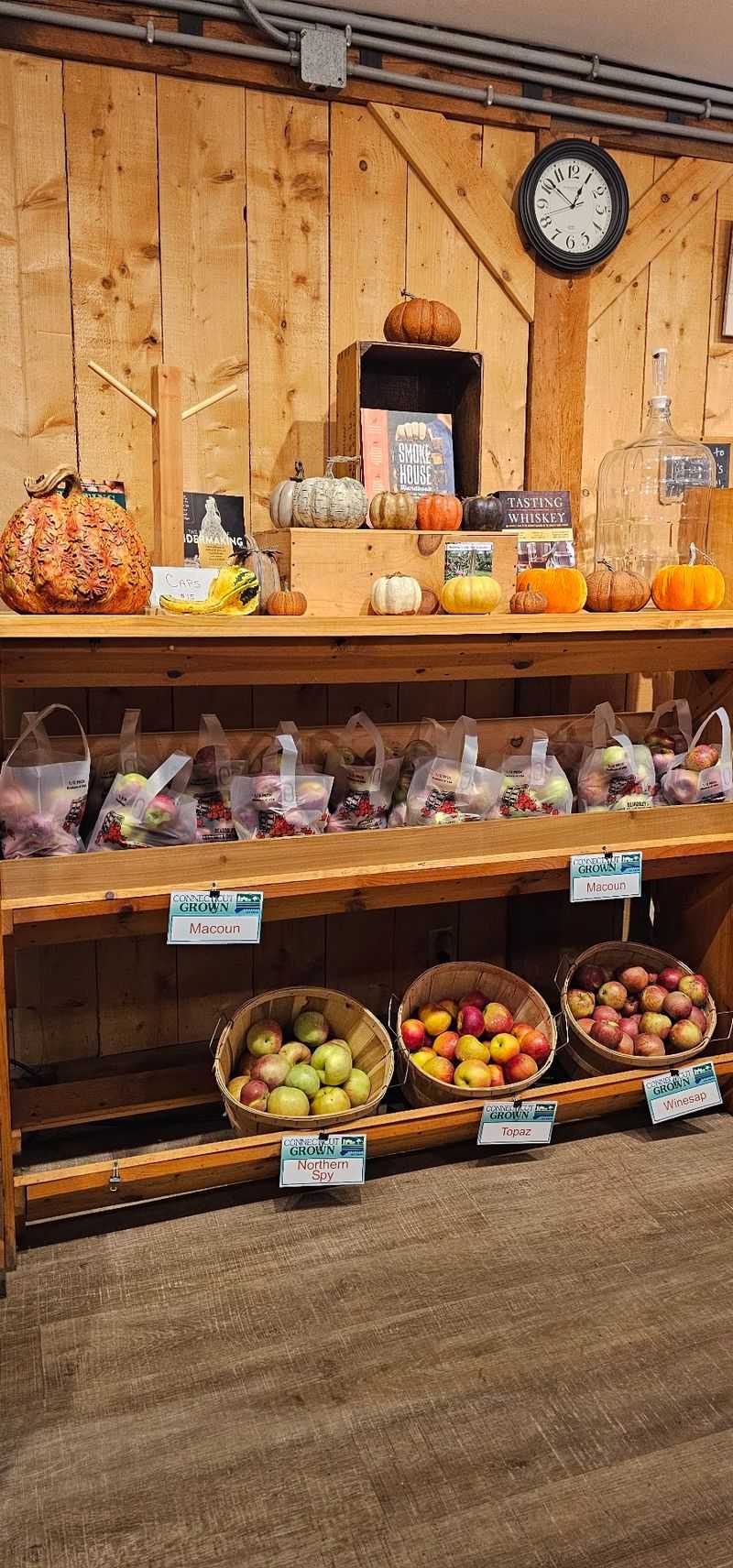
Once picking ends, the farm store keeps plenty of autumn flavor around. Fresh cider, apples, cider donuts, and house-baked pies continue through the colder weeks, with holiday baking becoming especially popular as Thanksgiving and Christmas approach.
That short annual run is one reason people plan ahead instead of putting the trip off. The orchard changes quickly, the bakery gets busier, and suddenly another season has slipped by.
Regulars know the rhythm well, which only makes returning the following year feel more like tradition.