This Connecticut Country Market Is Basically The Costco Of Fresh Groceries And Local Goods
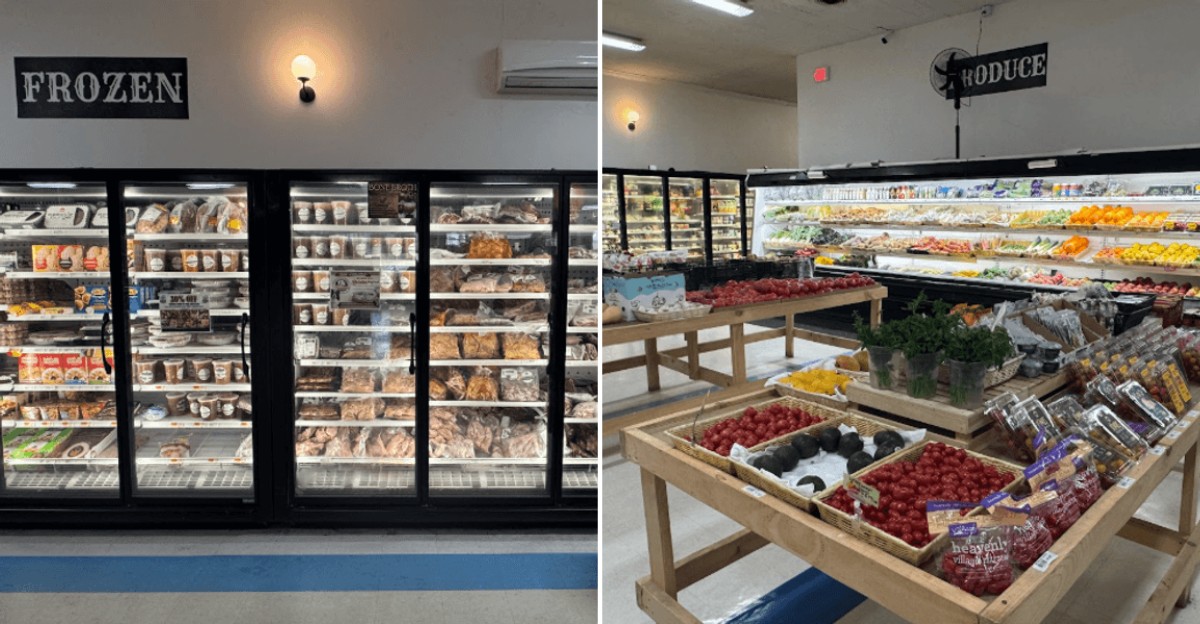
Country markets usually suggest a few baskets and a small roadside counter. This one has much bigger ambitions.
Fresh produce, local goods, and shelves packed with everyday staples give the place the feel of a full grocery trip dressed in farm-market clothing.
Connecticut shoppers who like buying close to home can easily spend more time here than they planned.
The scale is what makes the comparison so entertaining.
You can come in for vegetables and end up mentally reorganizing the week’s meals before you reach the register.
How often does a country market make you feel like you should have brought a bigger shopping list?
The atmosphere still feels grounded in the farm rather than in a giant chain store.
That balance gives the place its personality.
You get abundance without losing the local feel, which is exactly why a quick stop can turn into a full cart and a much more ambitious dinner plan.
1. Farm Stand Roots Grew Into Something Much Bigger
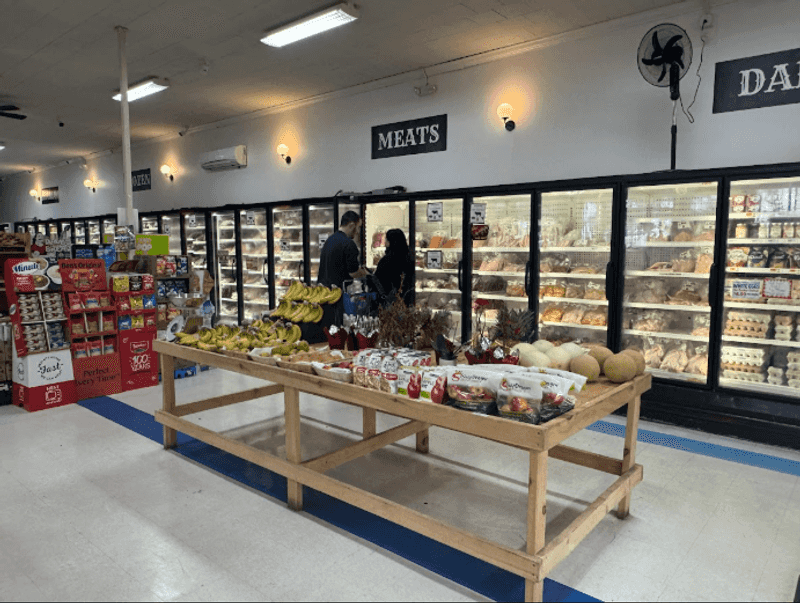
Big grocery stops can have surprisingly tiny beginnings. This one started with vegetables and flowers sold from a simple roadside setup, long before shoppers had aisles to browse or prepared food to take home.
Stone Gardens Farm officially began in 1998, and its growth since then has followed the farm itself rather than some carefully scripted retail plan.
More acreage gradually came into use, much of it leased, allowing the growers to expand both the amount and variety of produce they could offer. As the operation grew, the little stand eventually became something much more substantial.
The biggest changes came when a country kitchen and USDA butchery joined the mix. Fresh vegetables could now share space with prepared meals and meats raised through the farm operation, turning a produce stop into a much fuller shopping trip.
That history still helps explain why the market feels different from an ordinary grocery store. Many of the choices grew naturally out of what the farm was already producing and what customers kept coming back for.
Over time, it became the kind of Connecticut market where the farm’s own story still shapes what shoppers see today.
Those early sales happened outside Shelton’s Dairy on Birdseye Road in Shelton. What began there with a modest roadside display eventually developed into a family-run farm and market with far more to offer.
The transformation took years, which is exactly what makes the story so memorable.
2. Huntington Center Became The New Home In 2023
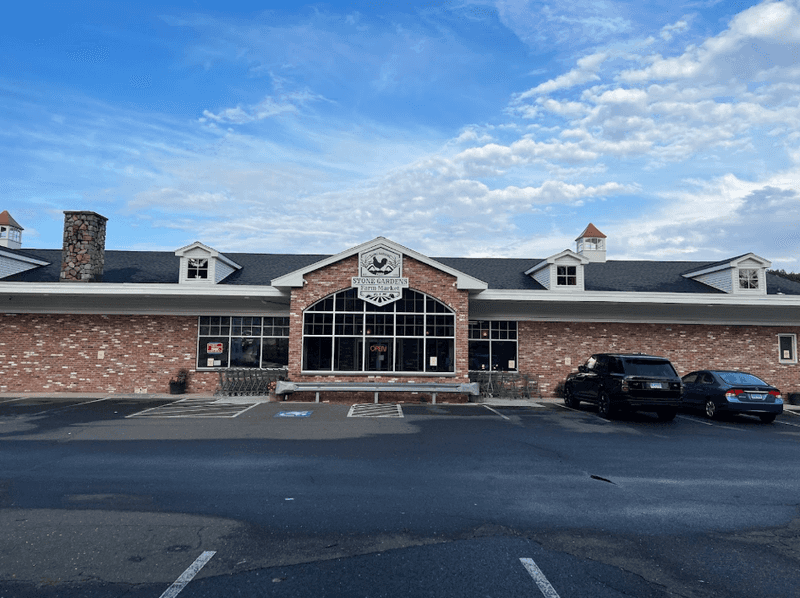
This is when the farm stand got a serious upgrade. In 2023, the longtime Shelton operation expanded into Huntington Center, giving shoppers more room and turning a farm-market visit into something closer to a full grocery run.
The change made everyday shopping much easier without pushing the farm itself into the background.
Extra space brought a much broader selection. Produce grown by Stone Gardens still plays an important role, joined by meats from the farm and goods sourced from other regional producers.
Grocery staples now fill in the gaps, while dairy, frozen foods, and specialty products make it possible to handle much more of the weekly shopping in one stop.
Prepared food became another major draw. The kitchen offers grab-and-go meals and hot selections that work well for lunch or an easy dinner, while the deli adds more choices for shoppers who arrive hungry.
Freshly prepared foods keep the market from feeling like a standard grocery store with a farm label attached.
The newer space is clean, organized, and easy to browse, with convenient parking directly outside.
The market operates at 40 Huntington St, Shelton, CT 06484. Hours run from 8 AM to 7 PM Monday through Saturday.
Sunday hours are 8 AM to 4 PM, making weekend shopping just as easy.
3. The Farm’s Founders Established A Legacy In 1998
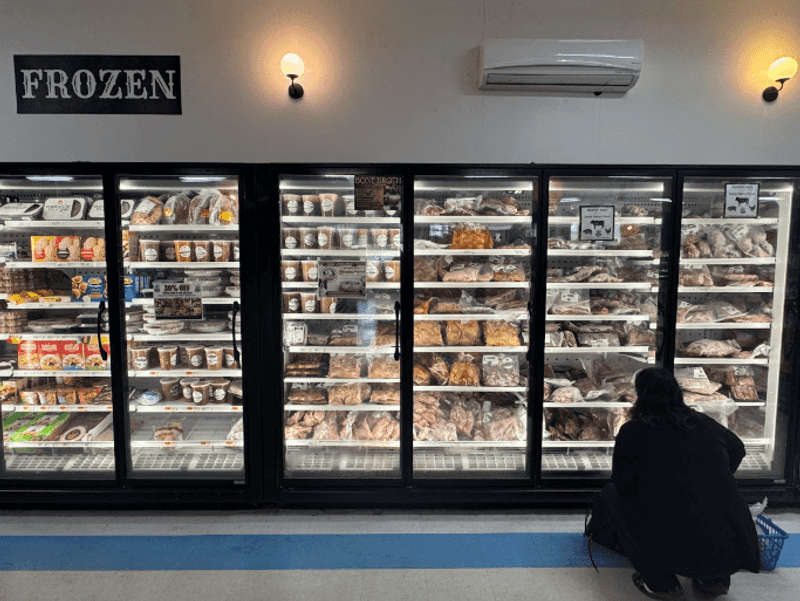
Every long-running farm business starts with somebody deciding to plant more than they need. That is essentially how this one began in 1998, with fresh vegetables and cut flowers sold from a small stand and a plan no more complicated than growing good food and selling it close to home.
The couple behind it did not stop at produce for long.
Adding beef cattle was the decision that shaped everything that followed. Once livestock joined the vegetable fields, the farm became a two-track operation, and that combination still defines the shopping list today.
Vegetables from the fields and farm-raised meats both come from the Stone Gardens operation, while the retail market now operates separately at 40 Huntington Street.
Twenty-plus years of steady expansion followed, with new crops, new products, and eventually an entire market built around the harvest.
Understanding that background changes how the store feels when you walk it. The meat case and produce racks feature Stone Gardens products alongside meats and produce sourced from other local farms.
For shoppers who care about knowing where dinner came from, that continuity is the whole appeal, and it is the reason customers keep making the trip year after year.
4. Farm-Grown Produce Still Leads The Way
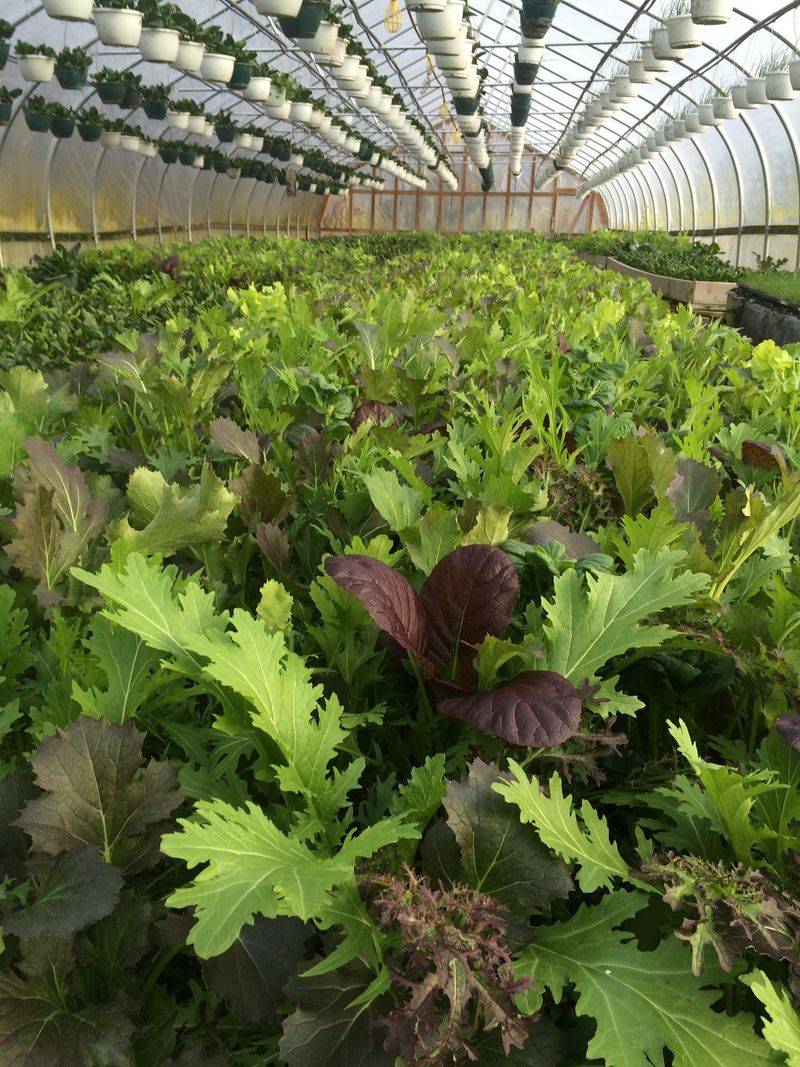
Sixty acres of mixed vegetables sit behind the shelves you browse. That is the working number of ground the farm plants each year, and it explains why the produce section changes so noticeably from one month to the next.
Picking happens daily, which is exactly why the greens look like they still remember the field.
Leafy greens, root vegetables, and seasonal fruit rotate through as the growing calendar allows, and the sweet corn in particular has a devoted local following. Shoppers often say the produce here tastes noticeably different from what they find in a big chain store.
Growing practices matter behind the scenes. The farm uses Integrated Pest Management, rotates crops yearly, and feeds the soil with compost and manure to keep the fields productive and the environmental footprint modest.
Plenty of what gets harvested never even makes it to the display racks. A good share heads straight into the country kitchen, where it turns into soups, salads, and prepared dishes sold a few steps away.
Shop with a flexible plan rather than a rigid recipe, and let whatever is peaking that week decide your dinner.
5. The USDA Butchery Keeps The Farm Connection Close
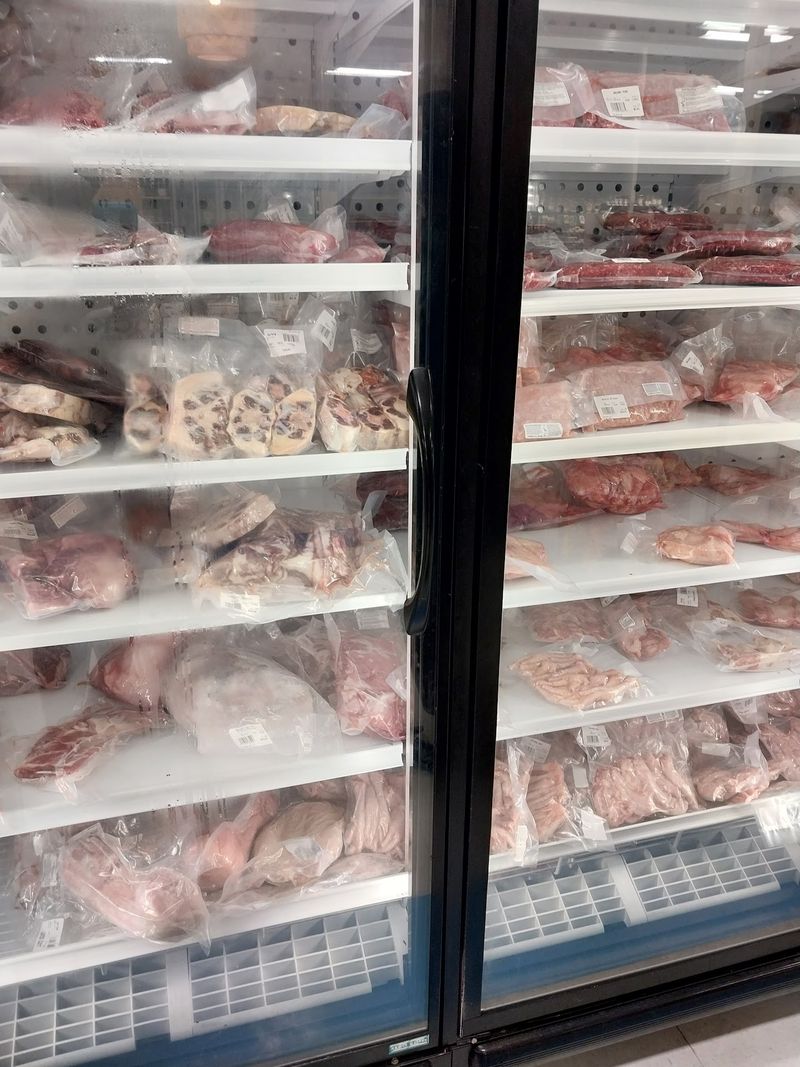
The meat case has a story of its own. What looks like one section of the market is actually tied to a major milestone for Stone Gardens Farm, which became the first farm in the state with its own USDA-approved cutting room.
The room began operating under USDA inspection in early 2022. Beef, pork, lamb, and goat can be cut and packaged there, giving the farm much more control over how its meat moves from the farm to the customer.
Custom processing is available as well, with additional options for smoked products.
That setup matters most when it comes to the farm’s own beef. Cattle are raised on local farmland without added growth hormones or antibiotics, and finished cuts are vacuum sealed and frozen to help maintain freshness.
Shoppers who want to stock the freezer can go even bigger. Beef shares are offered in quarter, half, or whole-cow sizes, with USDA butchering and packaging included.
Customers can submit a cutting order so the final assortment better matches how they cook at home.
The cutting room also allows Stone Gardens to process meat for other farmers, extending its role beyond the market itself. What began as a produce operation now handles a surprisingly large portion of the journey from local farm to dinner table.
6. The Skilled Butcher Oversees The Meat Counter
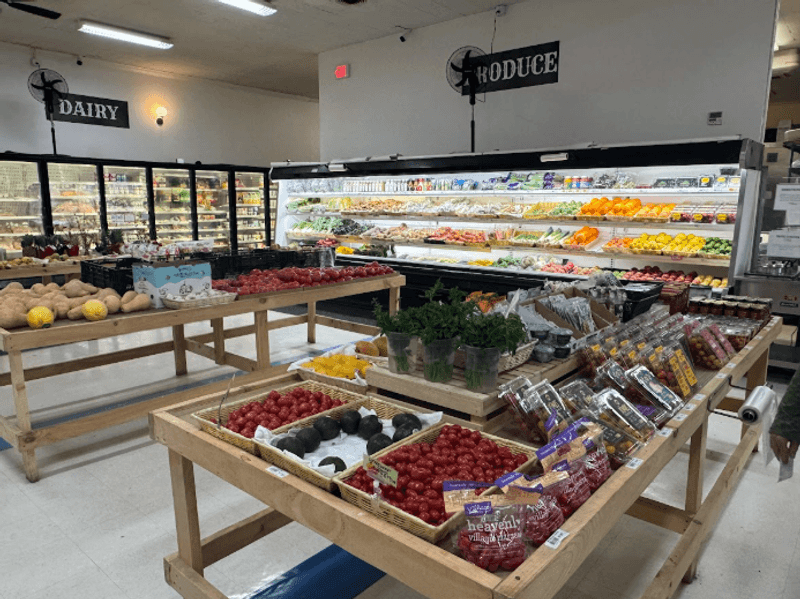
Ask a question at the meat counter and you will usually get a real answer, not a shrug. Butchery here is handled by a USDA-certified butcher whose work covers every stage of cutting and packaging, and the counter has run under USDA inspection since January 2022.
That level of oversight is unusual for a farm this size.
The payoff shows up in variety. Regular shoppers point to the less common cuts as a reason to keep coming back, since a smaller in-house operation can offer things a centralized supply chain rarely bothers with.
Special requests are welcome, and staff will help arrange an order for a specific cut when it is available.
Beyond the case, the market serves as a pickup point for chicken shares and cow shares, so households can buy meat the way farms actually sell it.
Service is a big part of the reputation. Visitors frequently mention how friendly and knowledgeable the team is, and how comfortable it feels to ask for cooking advice.
If you are new to whole-animal buying, this is a forgiving place to start asking questions.
7. The Country Kitchen Changes With The Seasons
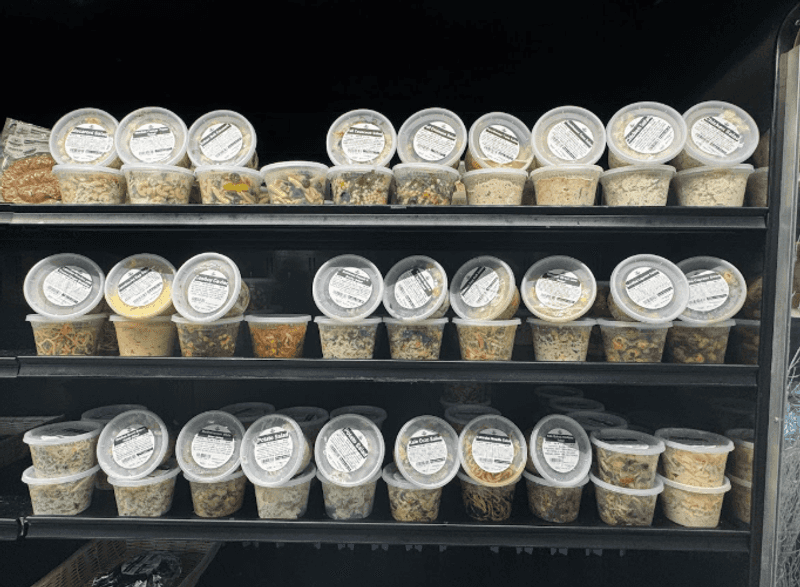
Dinner on a busy weeknight is where the country kitchen earns its keep. Menus shift with the harvest, so what fills the cases in July looks nothing like what shows up in November.
Much of the cooking leans on vegetables picked from the farm’s own fields days or even hours earlier.
Expect prepared meals, deli items, hot soups, and a daily hot and cold bar. Ready-made salads have a strong following, and shoppers regularly praise the variety of quiches, soups, and prepared proteins as easy answers to nights when cooking is not happening.
Healthier options are built in through the FIT + FRESH program, which includes vegan choices alongside lighter breakfast, lunch, and dinner picks. Anyone shopping around dietary restrictions will also find gluten-free, nut-free, and soy-free products elsewhere in the store.
Catering is available too, with menus put together around fresh, locally sourced ingredients for gatherings of different sizes.
A practical tip: swing by earlier in the day for the widest selection, and treat the prepared case as a legitimate shortcut rather than a backup plan. It is one of the most useful corners of the building.
8. Holiday Turkeys Keep Families Coming Back Each Year
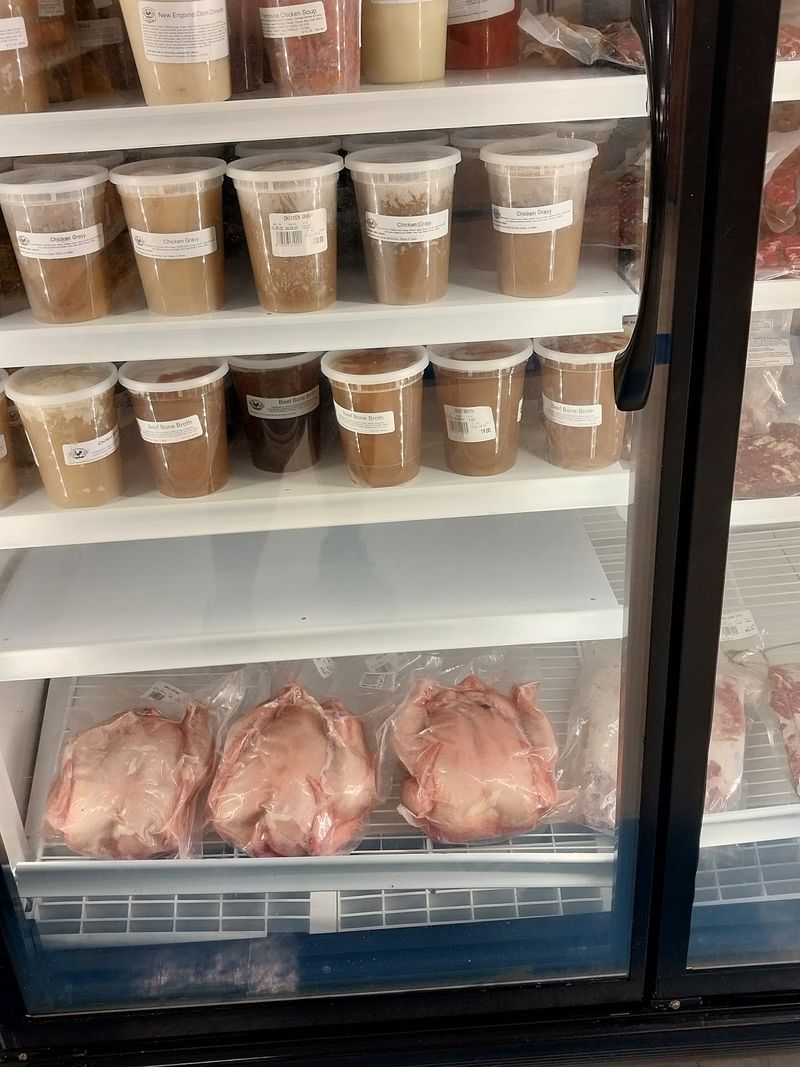
More than 500 turkeys are raised on the farm each year for the holiday season, and for plenty of local families, reserving one has become as much a tradition as the meal itself.
The birds are raised in Shelton and are guaranteed free of antibiotics and added growth hormones.
What longtime customers really talk about is the timing. Turkeys are processed fresh during the week of Thanksgiving and never frozen, which is a meaningful difference if you have ever wrestled with thawing a rock-solid bird days ahead of dinner.
Because of that approach, holiday turkeys are sold by pre-order only.
Sizes generally run from about 12 pounds up past 25 pounds, and they go on a first-come, first-served basis, so ordering early matters if your table needs a specific weight.
Plan ahead, put in the order, and treat pickup week as part of the holiday routine.
It is a small piece of the business, but it captures the whole idea behind this market: food raised nearby, handled carefully, and sold by people who know exactly where it came from.