This Connecticut Garden Is Filled With Rare Peonies That Are Too Pretty To Pick
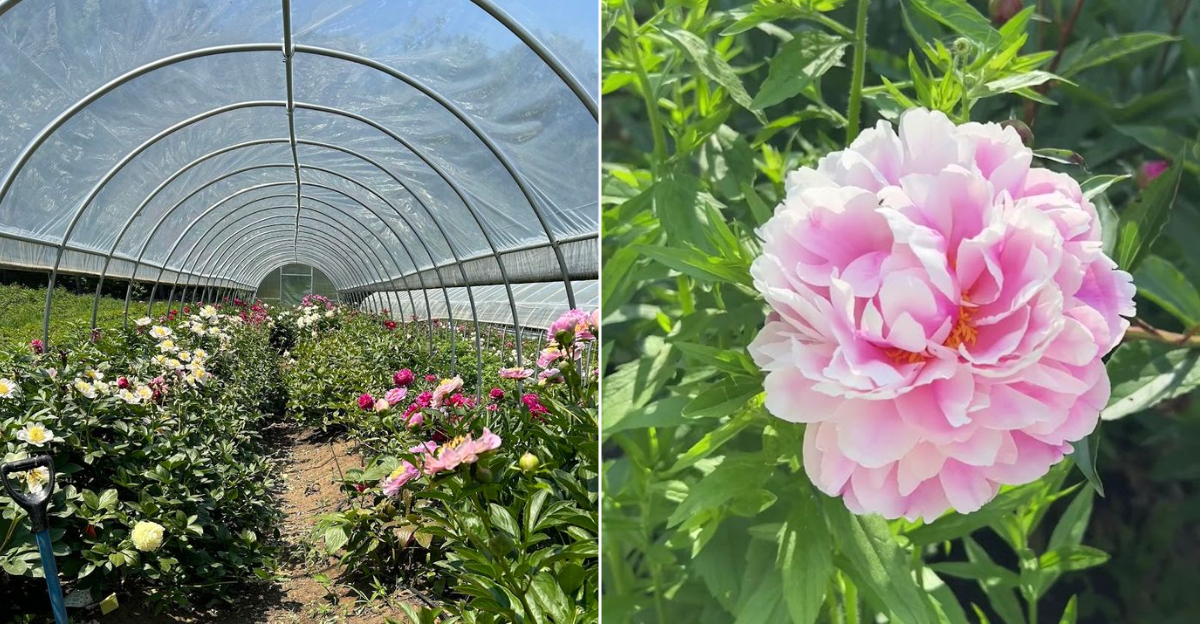
Peony season is one of those things that sounds lovely in theory and then completely exceeds every expectation the moment you are actually standing in the middle of a garden full of them. This one takes that experience somewhere really special.
The rare varieties here are genuinely unlike anything most people have encountered before and that element of surprise hits hard the moment you start exploring properly. Blooms so beautiful they almost feel wrong to touch let alone pick.
Connecticut has a peony garden so filled with rare and breathtaking varieties that visitors consistently leave slightly stunned by what they just walked through. Photographers come specifically for this and still leave feeling like their camera did not fully do it justice.
The window for catching these peonies at peak bloom is short which makes showing up at the right time feel like a genuinely rewarding decision worth planning around.
1. A Thomaston Garden Made For Peony Lovers
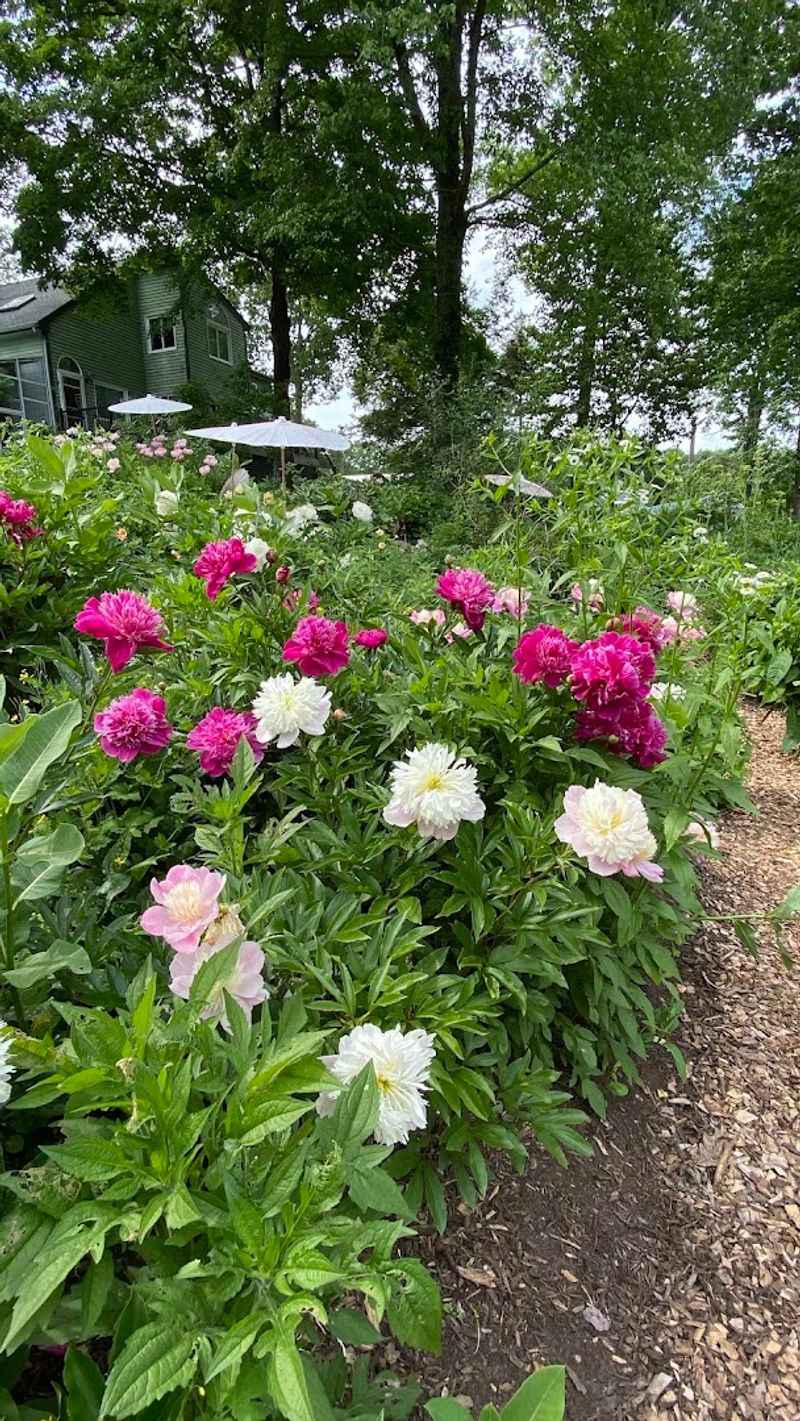
A garden devoted to peonies can feel almost transportive when bloom season arrives, and Cricket Hill Garden has earned that kind of loyalty over decades of careful growing.
This family-run nursery began in 1989 with a focus on Chinese tree peonies and became one of the early U.S. sources for true-to-name varieties, building a reputation among gardeners who appreciate rare plants, thoughtful cultivation, and a setting that encourages lingering.
The display garden covers about six to seven acres, with rows of peonies, unusual ornamentals, and edible landscape plants arranged across a quiet Thomaston property. During peak bloom, the experience feels wonderfully unhurried, with color, fragrance, and form changing from plant to plant.
The natural backdrop adds to the pleasure, giving the flowers room to shine without making the garden feel overly formal.
You’ll find Cricket Hill Garden at 670 Walnut Hill Road in Thomaston. Its growing practices emphasize environmental care, and peonies here are raised without synthetic pesticides, herbicides, or fungicides.
For devoted peony lovers, curious gardeners, or visitors who simply enjoy a beautiful specialty nursery, this is the kind of place that rewards slow browsing and close attention.
2. Why The Blooms Feel So Special
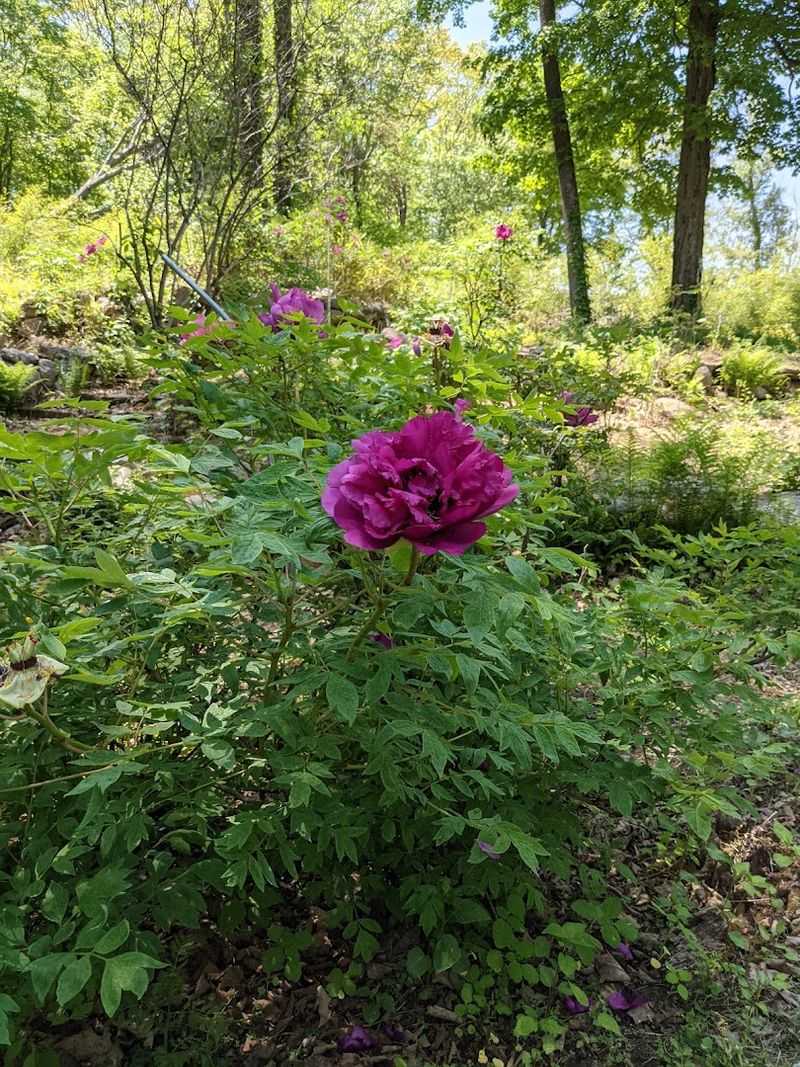
There is something almost surprising about seeing a tree peony bloom for the first time.
Unlike the softer herbaceous varieties many gardeners grow at home, Chinese tree peonies produce woody stems that persist year after year and blossoms that can measure anywhere from six to ten inches across.
The flowers carry a noticeable fragrance and come in colors that range from soft cream to deep burgundy, often with a silky texture that looks almost unreal in direct sunlight.
Cricket Hill Garden was among the first nurseries in the United States to offer true-to-name varieties of authentic Chinese tree peonies. That distinction matters because many peonies sold under similar names elsewhere may not carry the same genetic heritage or visual character.
The careful sourcing and on-site propagation practiced here helps ensure that what visitors see in the display garden accurately reflects what they might eventually grow at home.
Beyond their visual impact, these blooms have a sense of permanence that annual flowers simply cannot offer. A well-established tree peony can live for generations with proper care.
That longevity gives the garden a layered, lived-in quality that makes each visit feel like encountering something genuinely timeless rather than just seasonally pretty.
3. Rare Flowers In A Peaceful Setting
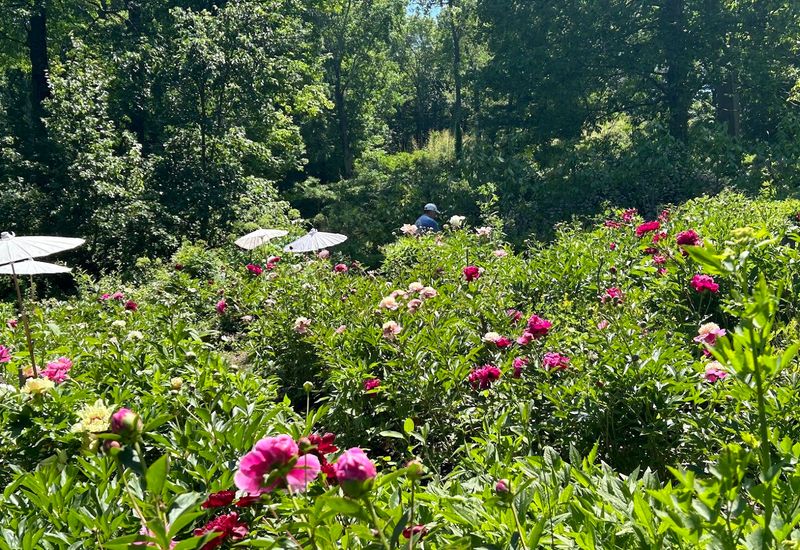
Intersectional peonies, also known as Itoh hybrids, occupy a fascinating middle ground between tree and herbaceous varieties.
First developed in the 1960s, these hybrids combine the finely cut foliage and multi-petaled flower forms of tree peonies with the die-back habit of herbaceous types, meaning the green stems fade in autumn but the root system stays strong underground.
The result is a plant that tends to be notably disease-resistant and capable of extending the overall blooming season.
Cricket Hill Garden grows well-known Itoh varieties including Garden Treasure, First Arrival, Cora Louise, and Bartzella.
Each of these cultivars offers a distinct color palette and flower structure, giving visitors a chance to compare varieties side by side in a real garden setting rather than through catalog photos.
Seeing them planted in open ground, surrounded by natural light and space, helps visitors make much more informed choices about what might suit their own gardens.
The peaceful atmosphere of the property adds to the experience of exploring these unusual plants. There are no crowded walkways or rushed interactions, just open rows of carefully tended peonies growing in clean soil.
For flower lovers who appreciate both beauty and botanical curiosity, the intersectional collection here tends to be a genuine highlight of any spring visit.
4. When Peony Season Feels Magical
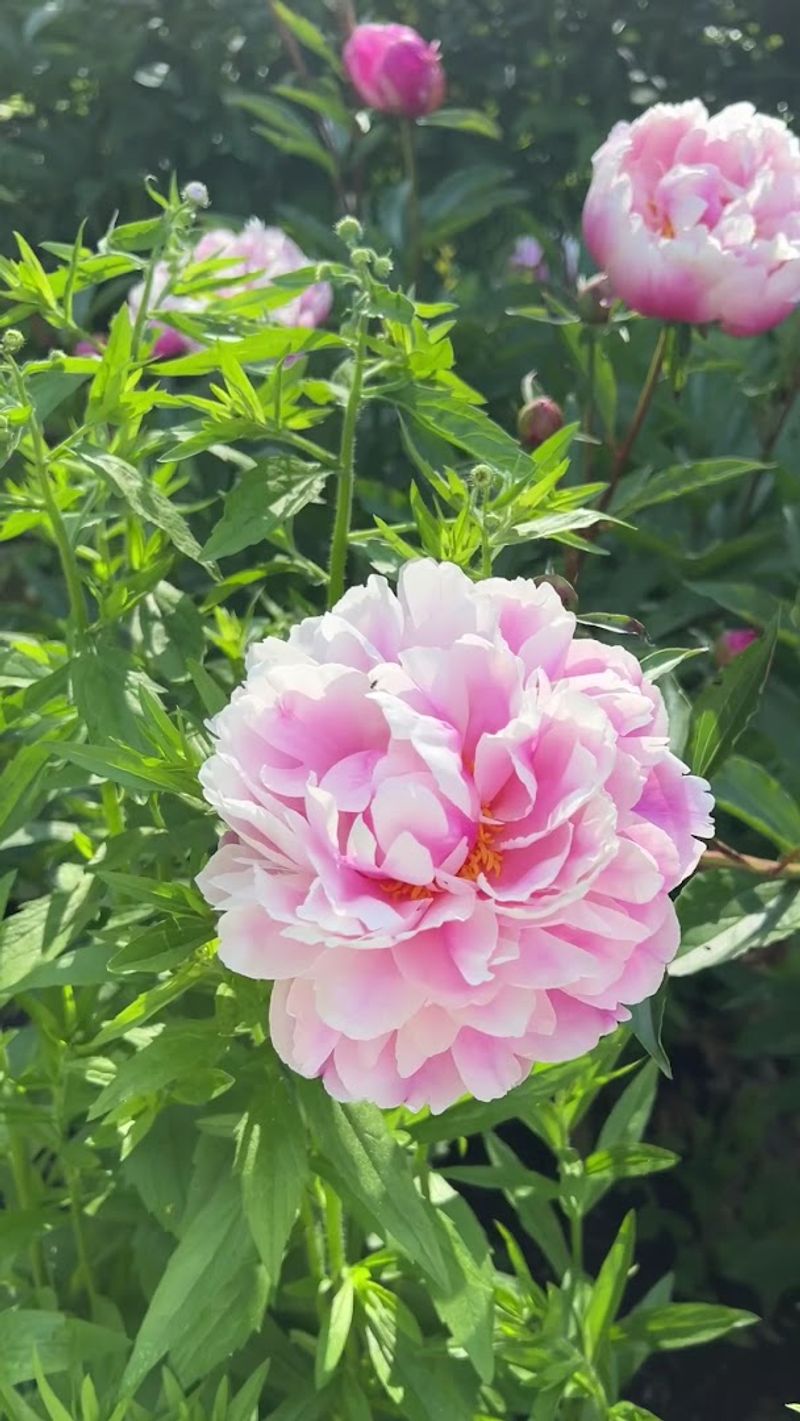
The display garden typically reaches peak bloom from early May through mid-June, with different varieties opening at different points across those weeks.
Tree peonies tend to lead the season, followed by intersectional hybrids and then the herbaceous Chinese varieties, creating a rolling sequence of color that rewards visitors who come more than once.
The third week of May is often cited as a particularly good window for seeing tree peonies at their most full and vibrant. Weather patterns can shift bloom timing from year to year, so checking the garden’s website before planning a trip tends to be a practical step.
The nursery provides updated bloom information that can help visitors choose the right weekend to make the drive.
Arriving on a weekday tends to offer a quieter experience, with more room to walk slowly and observe the flowers without distraction. The light in the morning hours can be especially flattering on the blooms, bringing out the subtle color gradations that photographs often struggle to capture.
Spring visits here have a sensory quality that feels genuinely different from most garden experiences, with fragrance, color, and texture all present at once in a compact and walkable space.
5. A Pretty Stop For Garden Inspiration
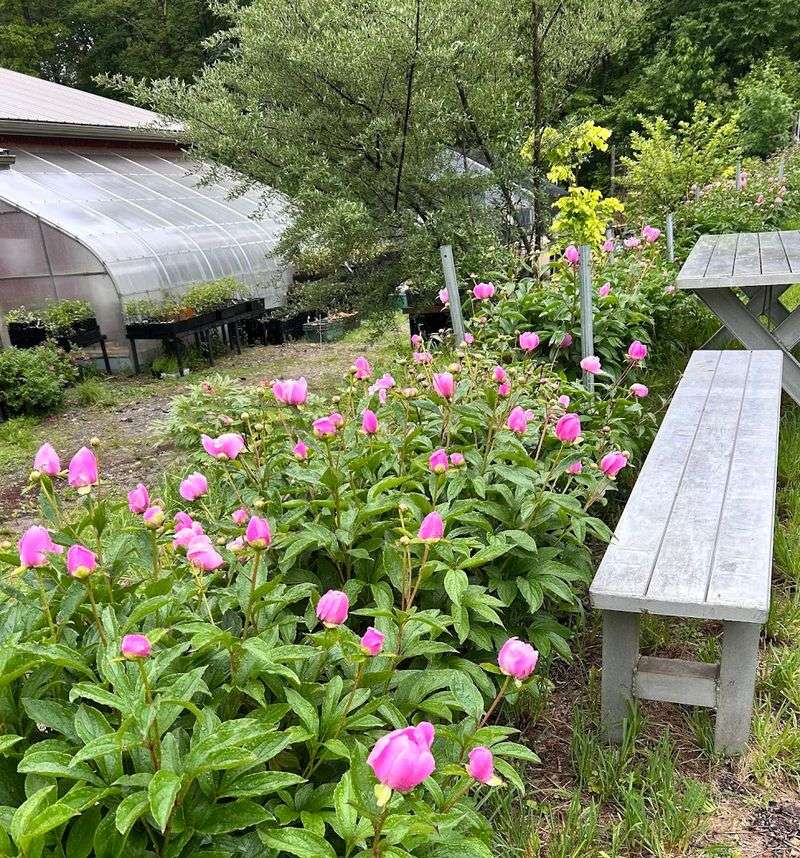
Garden inspiration does not always come from books or videos. Sometimes it arrives simply by standing in a well-designed space and observing how plants are arranged, how colors sit next to each other, and how a garden flows from one section to the next.
Cricket Hill Garden offers exactly that kind of grounded, visual education for anyone interested in growing peonies or designing a garden around them.
The display garden showcases roughly 400 unique varieties of tree, herbaceous, and intersectional peonies, all trialed and evaluated on-site over many years.
Seeing that range in a single location gives visitors a practical sense of scale, proportion, and color harmony that is hard to replicate any other way.
Labels on the plants help identify varieties, making it easier to connect what looks appealing in the garden with what might be available for purchase.
Beyond the peonies, the property also features a demonstration orchard with fruit trees including Asian pears, pawpaws, and heirloom apples, as well as hardy berry plants and ornamental shrubs.
The diversity of the space means that even visitors with broader gardening interests tend to find something worth pausing over.
The overall experience feels less like a commercial nursery visit and more like a genuine afternoon of quiet discovery in a thoughtfully cultivated landscape.
6. What Makes This Nursery Different
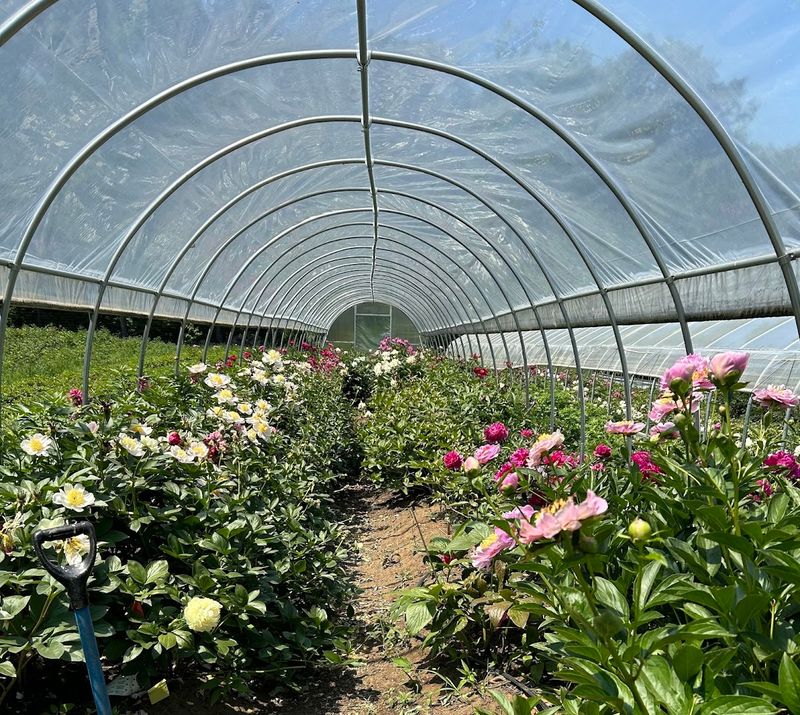
Most nurseries carry a predictable selection of plants that can be found at dozens of other places within driving distance. Cricket Hill Garden takes a noticeably different approach by focusing almost exclusively on rare and unusual varieties that are genuinely difficult to find elsewhere.
The nursery has trialed over 500 peony cultivars since its founding, selecting only those that perform reliably and offer something visually or botanically distinctive.
Plants for sale are available at the red barn on the property during the growing season. The selection includes rooted peonies in containers, and the staff tends to be knowledgeable about care requirements, planting timing, and variety characteristics.
That kind of hands-on guidance is something that larger commercial nurseries often cannot provide, and it tends to make a real difference for gardeners who are purchasing peonies for the first time.
All propagation happens on-site, which means the plants sold here are grown under the same organic conditions as the display garden rather than sourced from outside growers. That consistency matters for plant health and authenticity.
For gardeners who want to invest in something long-lasting and genuinely rare, the nursery’s commitment to quality over volume makes it stand apart from more generalized garden centers in a way that becomes obvious almost immediately upon arrival.
7. Rows Of Color Worth Slowing Down For
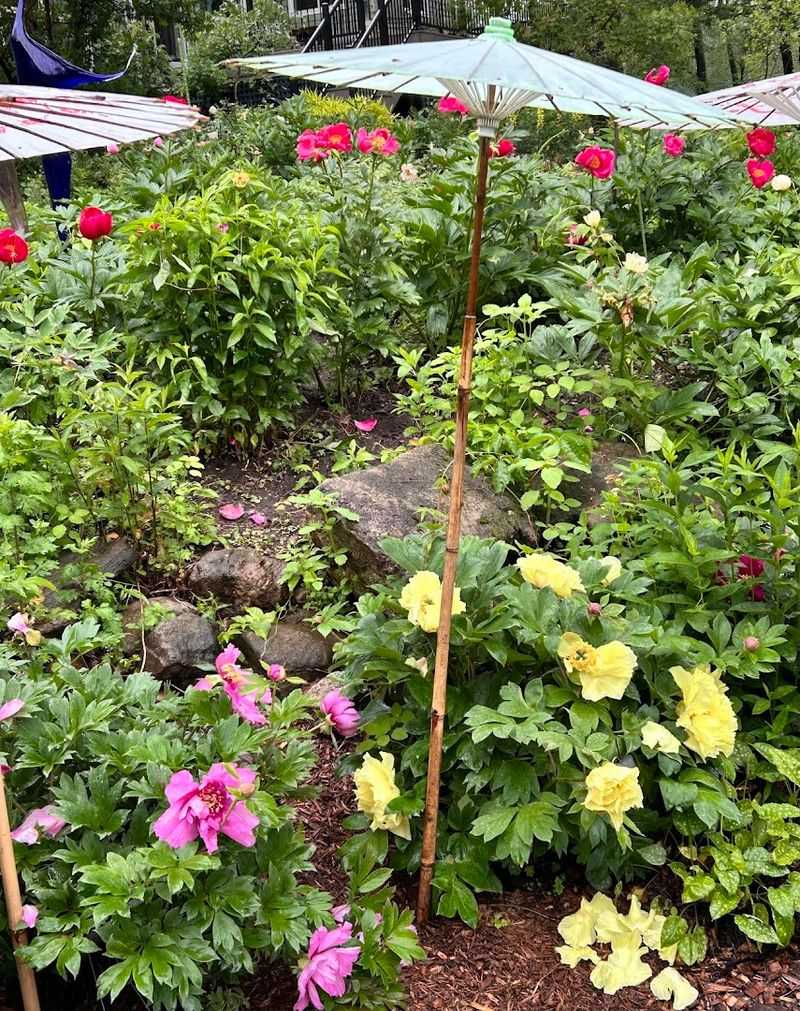
Color variety is one of the most striking aspects of the display garden at Cricket Hill Garden. The peony collection spans a remarkably wide spectrum, from pale ivory and soft blush through vivid coral, lavender, and near-black burgundy.
Chinese herbaceous varieties like Water Lotus and Purple Phoenix Feather demonstrate just how expressive peony coloring can be when cultivars are selected for diversity rather than commercial uniformity.
Walking the rows slowly allows visitors to notice subtle differences in petal texture, flower form, and fragrance that might be overlooked at a faster pace.
Some blooms have a dense, layered structure with dozens of petals packed tightly at the center, while others open into a looser, more relaxed form that catches light differently depending on the time of day.
Both styles have their own kind of visual appeal, and seeing them side by side makes it easier to develop genuine personal preferences.
The organic growing practices used throughout the garden contribute to the overall visual quality of the blooms. Without synthetic inputs, plants tend to develop at a natural pace that produces flowers with strong color saturation and healthy foliage.
For anyone who has only seen peonies in a grocery store bouquet, the living rows at Cricket Hill Garden offer a genuinely different and much more vivid impression of what these flowers can look like.
8. The History Behind The Garden
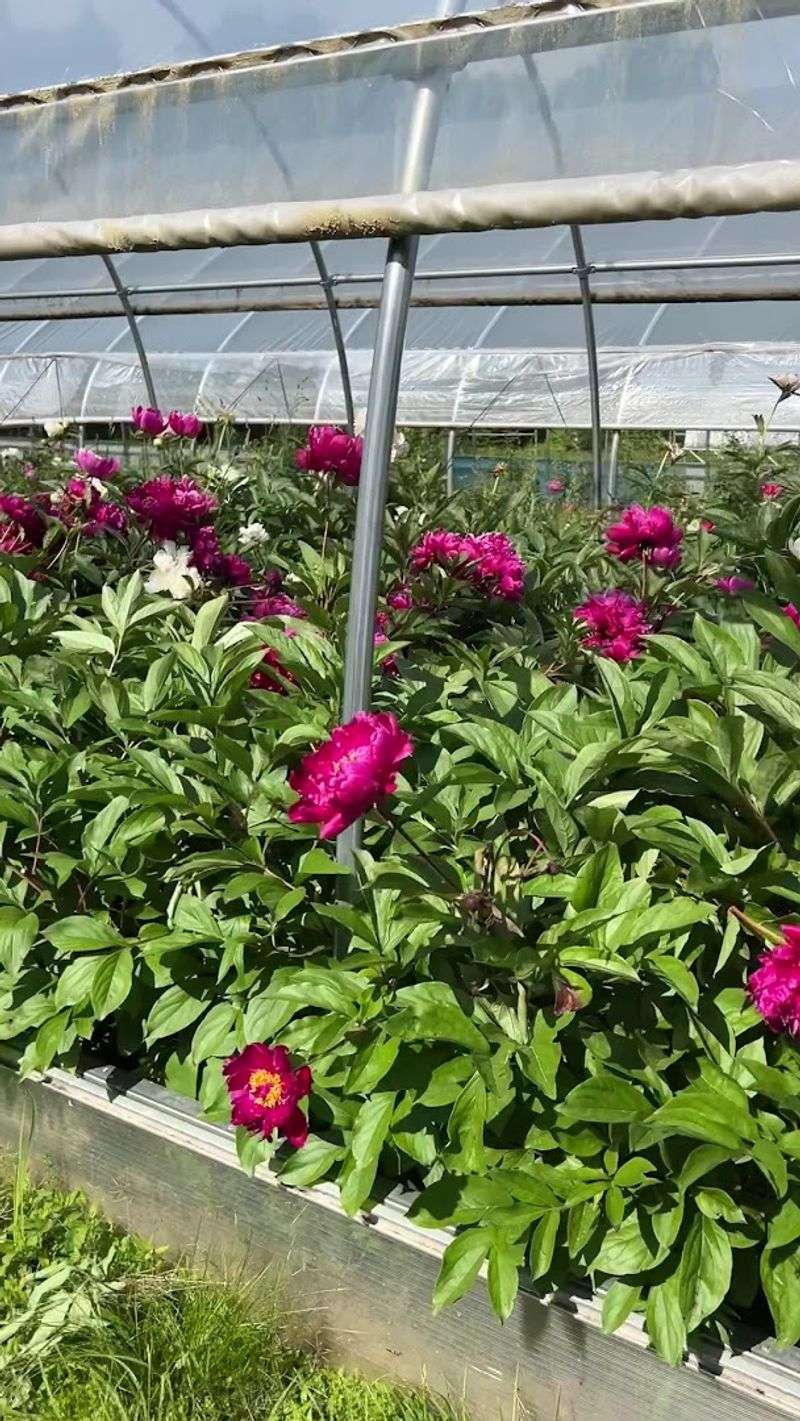
Cricket Hill Garden was founded in 1989, which gives it more than three decades of accumulated knowledge, plant stock, and on-site trials behind it.
The nursery began as a family project with a specific focus on bringing authentic Chinese tree peonies to American gardeners at a time when true-to-name varieties were genuinely rare in the United States.
That founding mission shaped everything about how the garden developed over the years.
The nursery is now a second-generation family business, currently operated as a family venture with roots that go back to the original founding vision. That continuity shows in the depth of the plant collection and the consistency of the growing practices.
A garden that has been tended by the same family across multiple decades develops a kind of institutional knowledge that simply cannot be rushed or replicated quickly.
The historical connection to Chinese peony culture is woven into the garden’s identity in a meaningful way. China has cultivated tree peonies for over a thousand years, and the varieties grown at Cricket Hill Garden carry that heritage into a hillside setting.
For visitors with an interest in botanical history or plant provenance, that background adds a layer of context that makes the blooms feel even more significant than their visual beauty alone might suggest.