This Connecticut Horse Rescue Gives Rescued Horses Acres Of Room To Roam And Most People Have Never Heard Of It
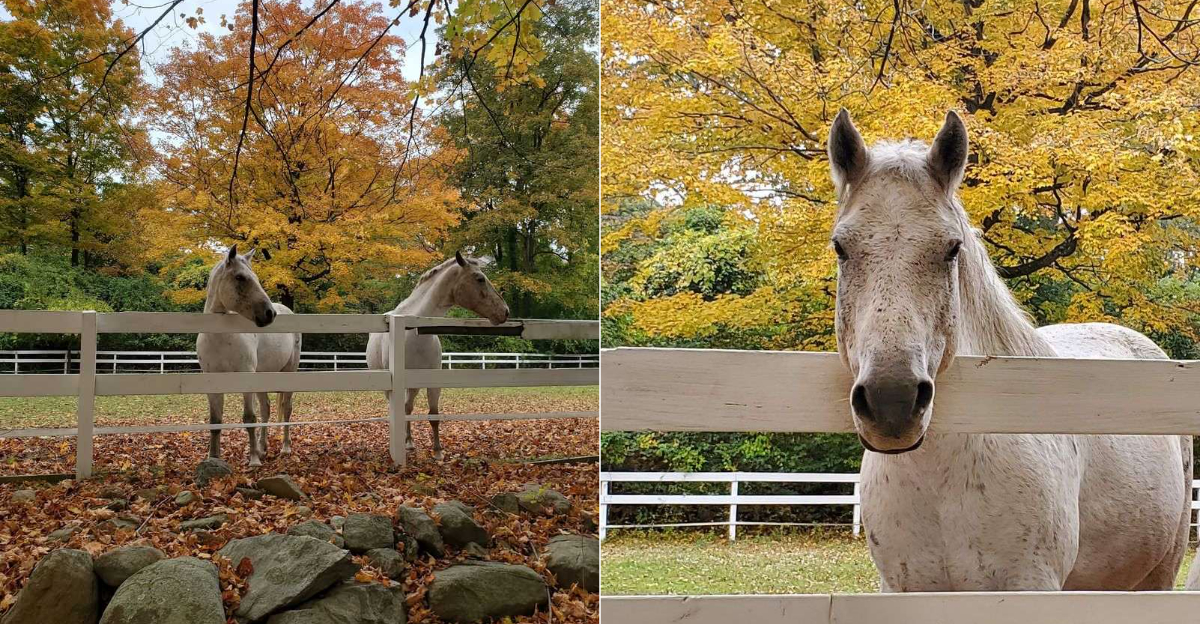
A horse that has spent too long without freedom can change in remarkable ways once life finally gives it space. Here, recovery is not squeezed into a stall or rushed along.
Acres of open ground let rescued horses move at their own pace, relearn trust, and simply exist without constant pressure. That makes every quiet improvement feel important.
A cautious step toward a caregiver. A relaxed afternoon in the pasture.
The first hint that an animal is beginning to feel safe again. Those moments are small, but they are exactly where hope lives.
Most people have never heard of this rescue, which makes its work feel even more extraordinary. Behind the scenes, patient care keeps turning difficult pasts into calmer futures.
The story is not about what these horses went through. It is about what becomes possible afterward.
For rescued horses getting a genuine second chance, this peaceful Connecticut sanctuary offers room to heal and a future that finally feels open.
1. Second Chances Shape Everything At This Horse Rescue
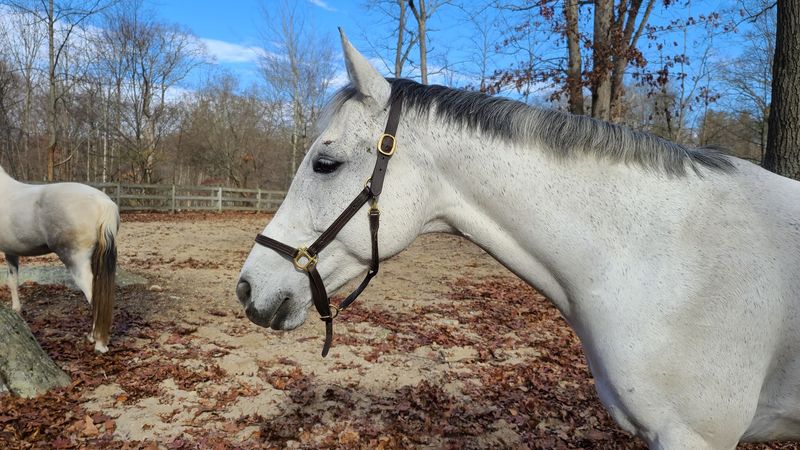
Second chances look different here. Sometimes they arrive on four hooves.
At Rising Starr Horse Rescue, the entire mission revolves around helping horses rebuild confidence and prepare for a safer future.
The organization rescues horses that need another opportunity, then works through rehabilitation and retraining before carefully matching suitable animals with new homes. That process cannot be rushed.
Progress may take months, with each horse moving forward at its own pace.
The work extends beyond daily care as well. Educational programs introduce visitors to responsible horsemanship while explaining the commitment that comes with caring for these animals.
Riding programs also help participants understand how patience and consistent attention can shape the bond between people and horses.
What makes the experience especially meaningful is how much learning happens in both directions. Horses receive steady care while gradually becoming more comfortable around people.
Visitors get to see how trust develops through calm interactions rather than instant results.
That philosophy runs through the rescue’s everyday work. Volunteers help with feeding and grooming while supporting the routines that keep the horses comfortable.
Here, a fresh start is not simply an idea. It is something built patiently, one horse at a time.
2. Silver Spring Road Leads To Its Sprawling Farm
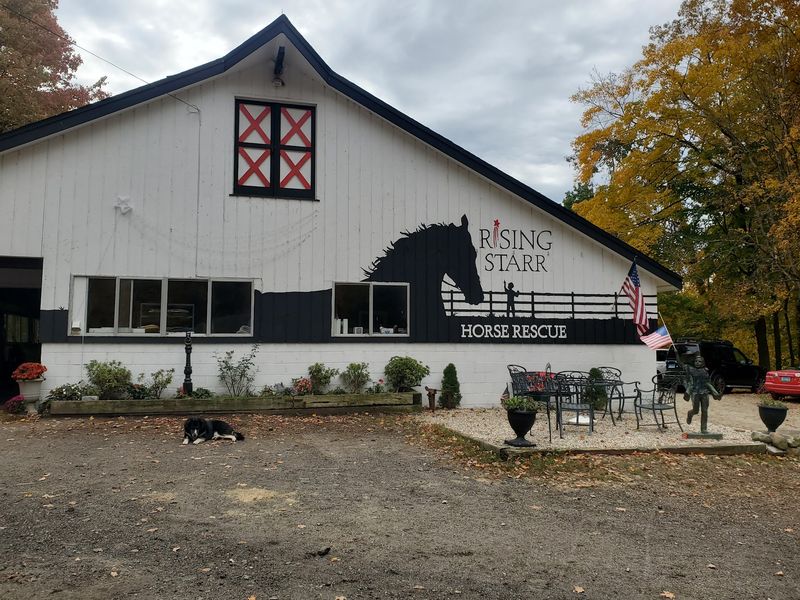
Horses have plenty of room to stretch out here. The drive through Wilton gives way to open fencing and pasture, making the approach feel removed from busier roads.
That quieter setting became home to Rising Starr Horse Rescue after the organization expanded from Redding in late 2019.
Founded in 2015, the rescue needed more space as its work grew. The former Larkspur Farm property already had the infrastructure for serious horse care, including a 30-stall barn and indoor and outdoor riding arenas.
That indoor space is especially valuable when rain or cold weather makes outdoor training difficult, allowing exercise and rehabilitation routines to continue consistently.
The farm remains an active working rescue rather than a polished visitor attraction. Current posted hours cover Monday through Thursday, Saturday, and Sunday, although checking ahead before a visit is sensible because programs and activities can affect the day.
The Wilton property is at 93 Silver Spring Road, surrounded by roughly 40 acres used by the rescue. On-site programs and volunteer opportunities give the public several ways to experience the farm more closely.
Even with all that activity, the setting keeps a calm, down-to-earth character that suits the horses and the work happening around them.
3. Rescued Horses Arrive Ready For Brighter New Chapters
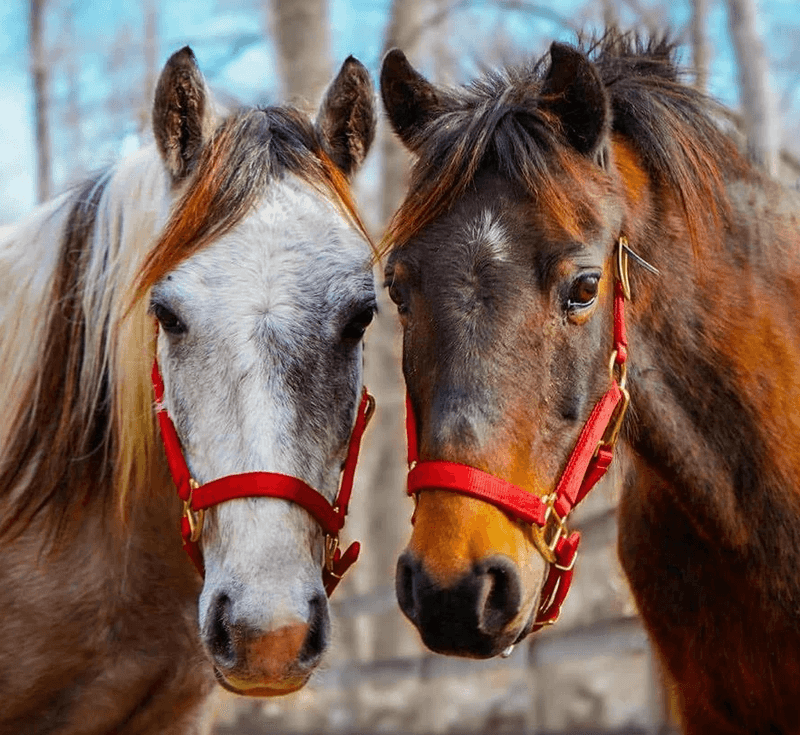
Arrival day rarely looks triumphant. Horses come off the trailer underweight, sore, sometimes flinching at hands they have no reason to trust.
Many have endured abandonment or neglect, and a number have faced the immediate threat of slaughter before someone intervened.
The first priorities are unglamorous and urgent. Veterinary attention, steady nourishment, hoof care, and a secure place to sleep come before anyone thinks about training or adoption.
Physical recovery is measurable. You can see ribs disappear under a filling-out frame and watch a dull coat turn glossy over a few months of good feed.
Emotional recovery moves on its own schedule.
Horses who have never known consistent kindness need repetition before they believe it. That means the same people, the same routine, the same calm voice at the same hour, until a flinch becomes a curious ear turn and then a nose reaching over the stall door.
The rescue takes a whole-horse approach, treating body and mind as parts of the same recovery. A horse who is physically sound but still panicked is not ready for a new home, and nobody here pretends otherwise.
Given time, most of them find their personalities again. That reemergence, more than any weight chart, is the sign a brighter chapter has genuinely started.
4. Forty Acres Give Them Room Beyond The Barn
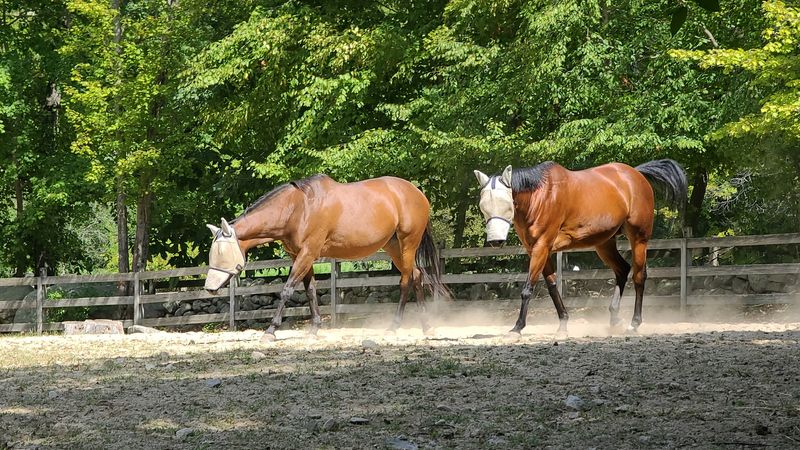
Forty acres sounds like a number until you watch a horse use it. The Wilton property gives the herd real space to roam, graze, roll in the dirt, and interact the way horses are wired to do.
Turnout time is tailored rather than uniform. Some horses spend roughly four to eight hours a day in the paddocks, while others live outside around the clock depending on what suits their bodies and temperaments best.
That flexibility matters more than most people realize. A horse recovering from a physical setback may need controlled turnout, while an anxious one often settles faster with constant access to open air and companions.
Movement is medicine for horses. Grazing keeps digestion working the way it should, walking keeps joints loose, and social contact with other horses lowers stress in ways no supplement can match.
The acreage also lets the rescue take in a rotating population without crowding anyone. Fields can be rested and rotated, which keeps grass healthy and reduces the parasite load that comes with overgrazed ground.
Stand at the fence on a clear afternoon and the scene explains itself. Heads down, tails swishing, the occasional burst of speed across open grass.
For animals who arrived with nothing, that ordinary freedom is the whole point.
5. Thirty Stalls Anchor The Working Rescue Farm
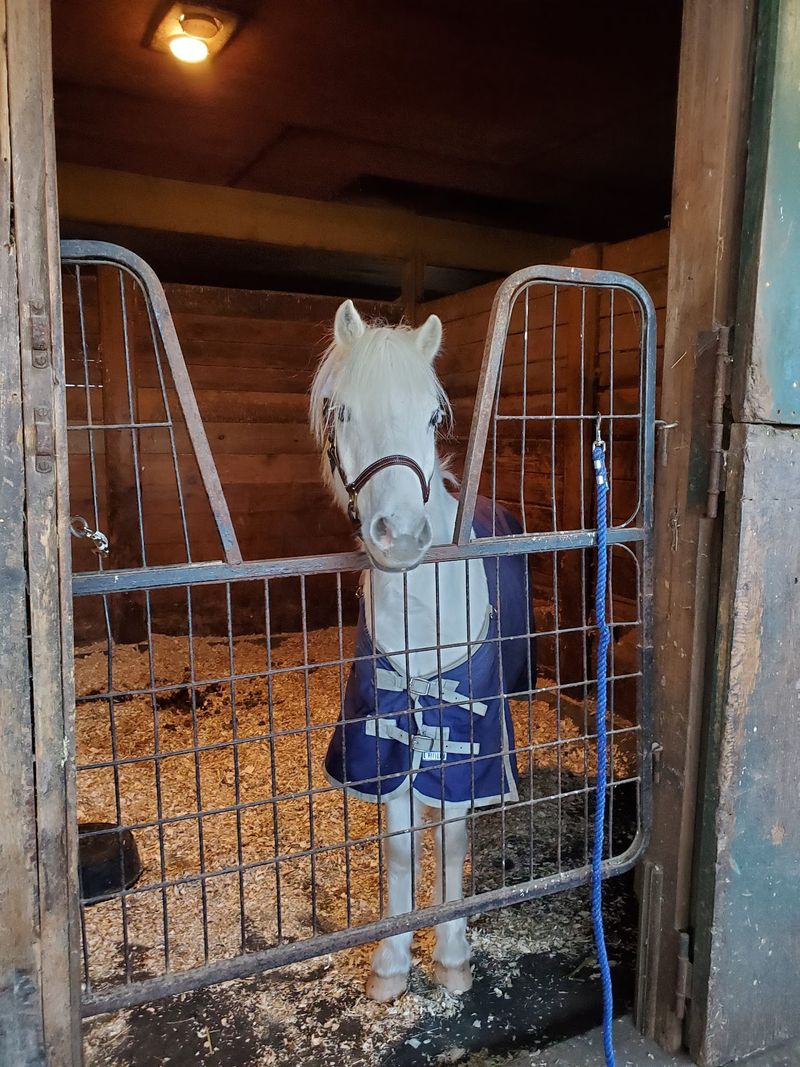
The barn is where the day begins and ends. Thirty stalls anchor the property, serving as the hub for feeding, individual attention, medical care, and the structured programs that run through the week.
Demand showed itself fast. By May 2020, only months after the move to Wilton, the barn was already operating at full capacity, which says plenty about how many horses in the region need help.
Each stall is sized so a horse can lie down, stand, and turn comfortably, with shelter from wind, rain, and the worst of the summer sun. Comfort here is practical, not decorative.
Cleaning happens six to seven days a week, and that relentless schedule is one of the least visible but most important parts of horse health. Clean bedding protects hooves and lungs, and a well-kept barn smells like shavings and hay rather than anything sharp.
On average, horses spend somewhere between nine and twelve hours stalled per day, with the rest of their time outdoors in the fields.
The balance between the two is deliberate. Stalls provide safety, monitoring, and rest.
Pastures provide freedom and movement. Neither works alone, and the combination is what allows individualized care at this scale.
6. Rehabilitation Prepares Horses For Carefully Chosen Homes
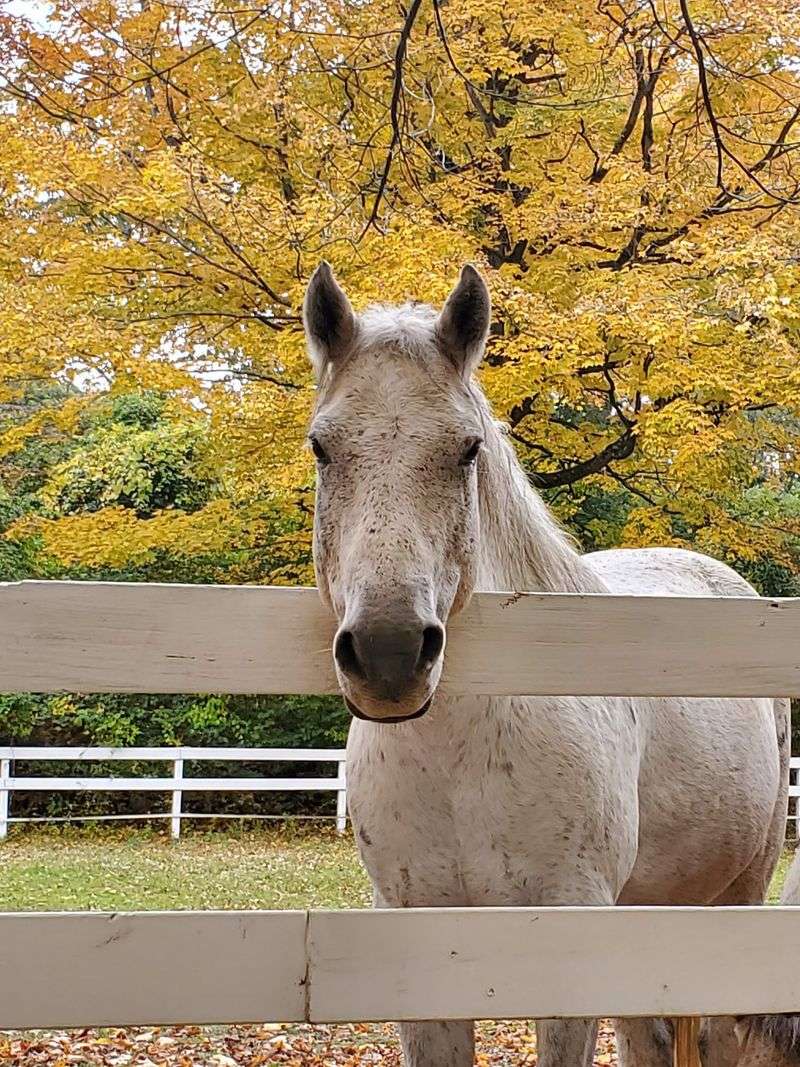
Rescue is the beginning of the story, not the end of it. Once a horse is medically stable and eating well, the work shifts toward training, evaluation, and figuring out what kind of home would actually suit that particular animal.
The adoption process is deliberately thorough. It opens with a detailed application, followed by reference checks and in-depth phone conversations with the people hoping to adopt.
If things look promising, an applicant visits the farm to meet the horse in person. A site visit to the potential new home follows, conducted either in person or virtually, so the rescue knows exactly where the horse would be living.
The stated goal is finding the best fit for the horse rather than the fastest placement. Even when a particular horse draws heavy interest, the rescue prioritizes completing its training and evaluation before placement.
Support does not stop at the trailer. Rising Starr commits to lifetime follow-up for every horse adopted, functioning as a safety net if circumstances change years down the road.
That promise reshapes what adoption means. It is less a handoff than an ongoing relationship, and it explains why placements here tend to hold rather than send horses cycling back through the system again.
7. Volunteers Help Horses Rebuild Trust Every Day
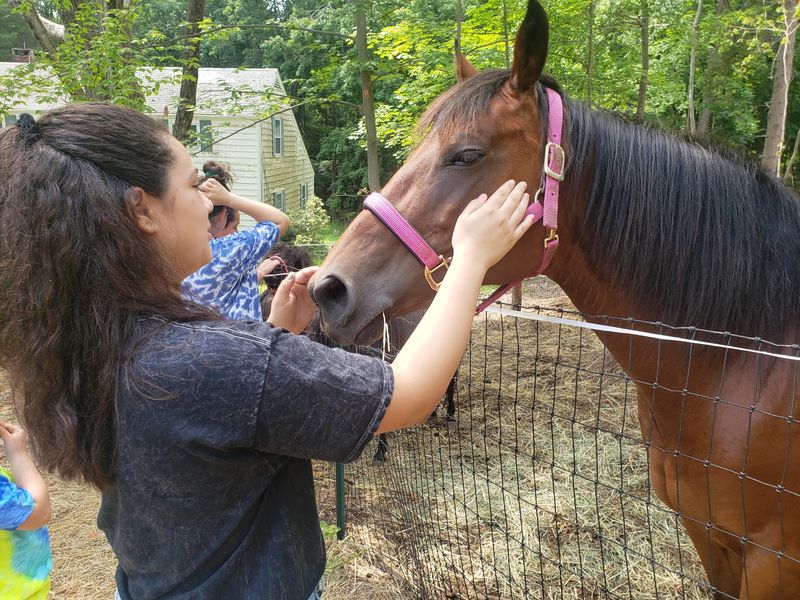
Roughly 100 volunteers keep this place running, and they come from every age group and background you can imagine. Some are teenagers who fell for horses young.
Others are retirees who wanted their mornings to mean something.
The work is honest labor. Mucking stalls, filling water buckets, maintaining paddocks, grooming, and blanketing take up most of the hours, and none of it is glamorous.
There is a quieter category of volunteering too. Some people simply sit with horses who are shy or shaken, offering nothing but calm company until the animal decides a human presence is safe.
That patience does more than it appears to. For a horse who has learned to expect rough handling, a person who asks for nothing is a genuinely new experience, and confidence rebuilds in small increments from there.
Riding is not part of the volunteer program, which surprises some newcomers. Instead, everyone receives education on responsible horse ownership and proper equine care, so the knowledge spreads beyond the fence line.
Visitors frequently describe the crew as welcoming and generous with information, quick to introduce a horse by name and explain how it came to be here.
The result is a community that understands what these animals need and keeps showing up to provide it.
8. Each Success Story Keeps The Mission Moving Forward
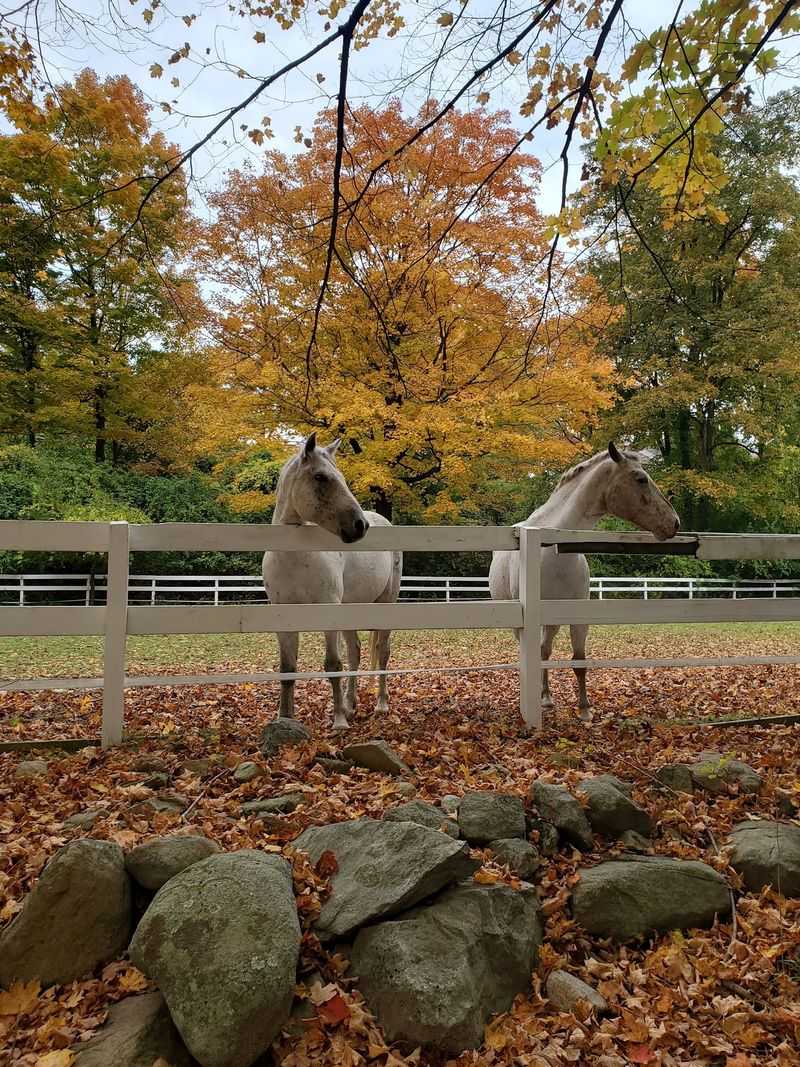
The numbers make the mission feel real. More than 300 horses have been rescued, while over 210 have already moved into permanent homes.
Each successful placement creates room for another horse that needs care.
Rising Starr Horse Rescue has built its work around more than rescue alone. Its interactive programs give people of different ages the chance to learn horsemanship while developing responsibility and confidence around the animals.
That connection between horses and people has become an important part of the organization’s wider purpose.
The Wilton-based rescue also works with StandFast Alliance through StandFast Equine. The partnership combines rescued horses with resilience training for military members and first responders, creating hands-on experiences centered on leadership and connection.
Education remains another major piece of the work. Programs introduce participants to proper horse care while helping raise awareness about at-risk horses and responsible treatment.
That combination gives the farm a reach well beyond its stalls. In Connecticut, visitors can meet rescued horses while seeing how rehabilitation and education fit together.
Every adoption opens another opportunity. Every program brings new people into the mission.
That steady progress is what makes this Wilton rescue worth knowing.