This Connecticut Lavender Farm Is A Purple Wonderland In Full Bloom
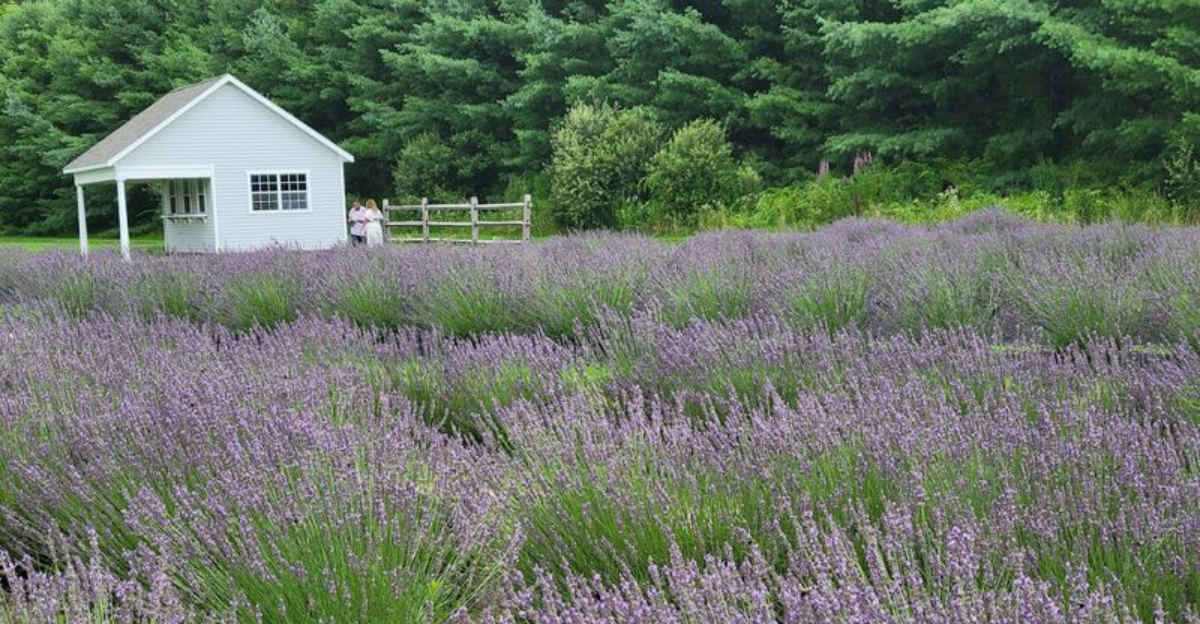
There are places you visit and places you experience and this one sits firmly in the second category.
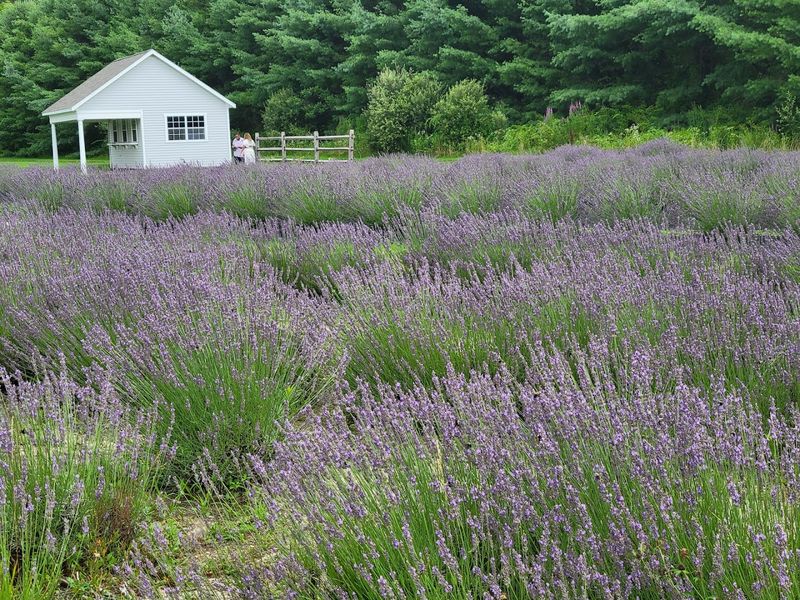
Fields stretching as far as you can see, every shade of purple imaginable, and that specific lavender scent in the air that hits you before you even reach the entrance. The kind of place that makes even the most camera shy person stop and say okay fine just one photo – which then turns into forty five.
Peak bloom season draws people from all over and once you see it in person you completely understand the hype without anyone having to explain it.
This Connecticut lavender farm in full bloom is genuinely one of those sights that stops you mid step and makes you forget what you were even thinking about.
Come prepared for a slow, wandering kind of afternoon and bring someone who appreciates a really beautiful place done by nature at its best.
1. The Bloom Season That Turns Killingworth Purple

There is a short window each year when the fields at Lavender Pond Farm shift from green to a deep, hazy purple that feels almost unreal on a sunny morning. Peak bloom typically falls in July, and that is when the farm looks its most dramatic and photogenic.
The lavender rows fill out fully and the color carries all the way to the tree line at the edges of the property.
Visiting in early July tends to offer the best combination of full blooms and comfortable walking weather. By mid-to-late August, many of the plants have dried or faded, so timing the trip matters more than most people expect.
A quick check of the farm’s website or social media before heading out can help confirm current bloom conditions.
Even on a slightly overcast day, the scent from ten thousand lavender plants hangs in the air and makes the whole experience feel grounded and calming. The farm started in 2014 and has been refining its growing process ever since, which shows in how well-maintained the fields look during peak season.
Arriving on a mild weekday morning means fewer crowds and a more relaxed pace through the rows.
2. Rows Of Lavender Across A Twenty-Five-Acre Farm
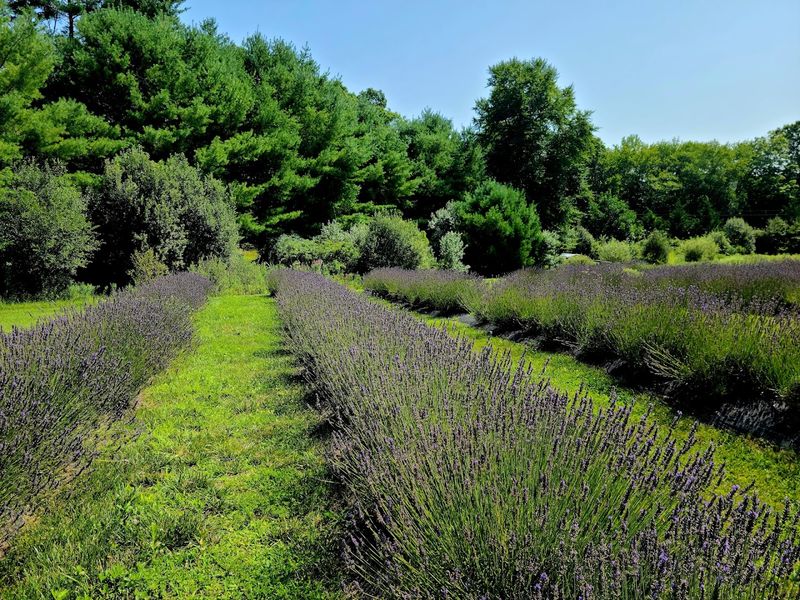
Walking the rows of lavender at this farm feels different from strolling through a typical garden. The scale of twenty-five acres means there is real depth to the landscape, and the rows stretch far enough that the far end seems to blur into a soft purple haze.
Around ten thousand individual plants are spread across the property, and the variety among them is noticeable up close.
Different cultivars of lavender grow in different sections, and each one has slightly different shades, textures, and bloom shapes. Some plants grow tall and airy while others stay compact and dense.
Walking slowly through the rows gives a chance to notice those differences and take in the full sensory range of the place.
The paths between the rows are wide enough for comfortable walking even when the farm is busy. Bees are a consistent presence throughout the fields since lavender is a major pollinator plant, and they tend to stay focused on the flowers rather than the visitors.
Children who are nervous around bees should be prepared, but the bees generally go about their work without paying much attention to people passing through. The overall layout feels open and easy to navigate at a relaxed pace.
3. The Train Ride Through The Fields
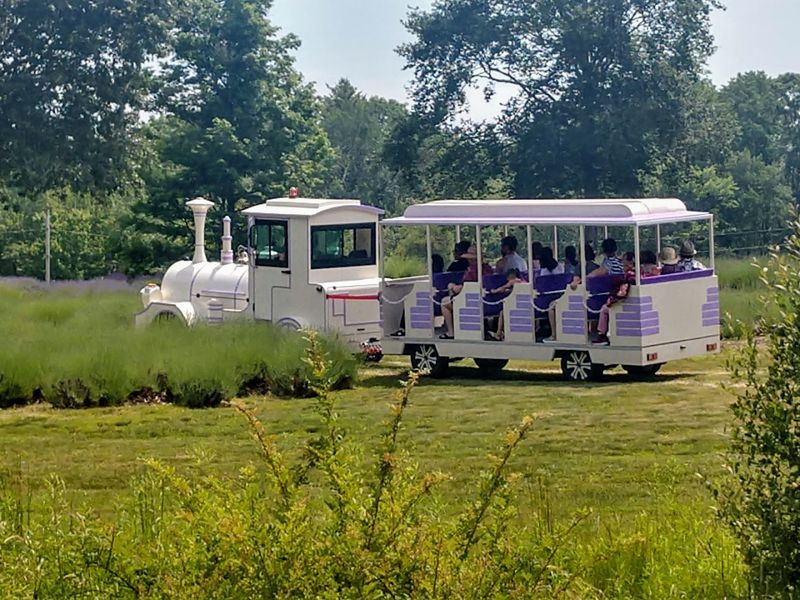
One of the most talked-about features at the farm is the small purple electric train that circles the property on a guided tour. The ride lasts around fifteen minutes and covers sections of the farm that are harder to reach on foot, giving riders a broader sense of the full layout.
A fee applies for the train ride, though entrance to the farm grounds themselves is free.
The driver narrates the tour and shares information about how lavender is grown, what makes each variety different, and details about the farm’s history and sustainability practices. The farm runs entirely on solar power, which tends to come up during the tour as a point of pride.
For families with younger children, the train is often a highlight that keeps kids engaged throughout the visit.
Seating on the train is open-air, so a mild and sunny day makes the experience noticeably more enjoyable. The tour moves at a gentle pace and covers enough ground to give first-time visitors a solid orientation of the property.
Arriving a little earlier in the day can help avoid a wait if the farm is busy, especially on weekends during peak bloom season when the train tends to fill up quickly.
4. A Farm Shop Filled With Lavender Gifts

The gift shop at Lavender Pond Farm is small but packed with a surprising range of lavender-based products that are made without preservatives. Soaps, lotions, essential oils, bug sprays, hand sanitizers, and infused honey are among the most popular items on the shelves.
The honey in particular sells out quickly and is limited to two jars per household, so arriving early during peak season gives the best chance of finding it in stock.
Lavender plants are also available for purchase, with pricing that stays consistent regardless of which variety is chosen. Staff members tend to be knowledgeable about the different plant types and can offer guidance on how to get the best blooms at home.
That kind of hands-on help makes the plant section feel more like a conversation than a transaction.
Lavender lemonade and other light refreshments have been available in the shop area during the season, making it a natural stopping point after a walk through the fields. The shop also carries some decorative items and locally made crafts.
Prices are generally considered reasonable given the handmade and locally sourced nature of most products. Browsing takes only a few minutes but the selection tends to pull people in longer than expected.
5. Pond Paths, Bees, Chickens, And Quiet Corners
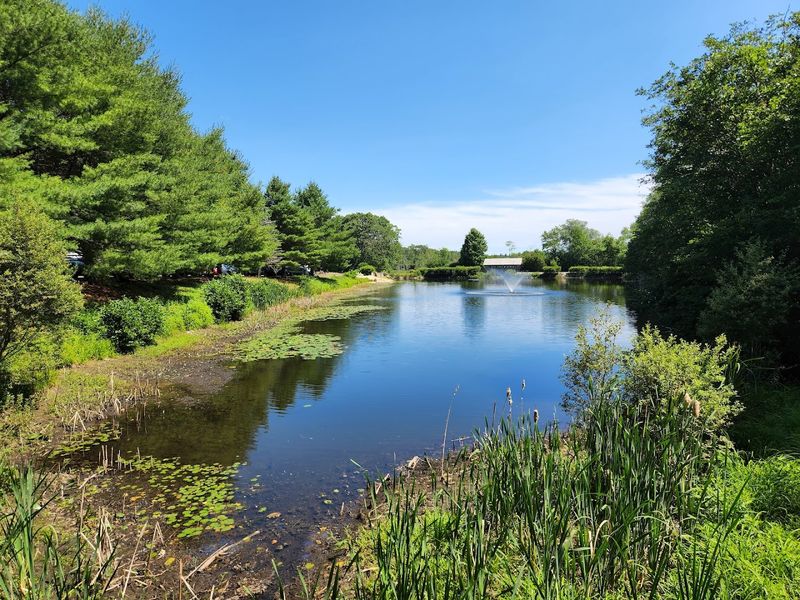
Beyond the lavender rows, the farm offers a full loop trail around the pond that adds a quieter and more naturalistic dimension to the visit. The path winds through shaded areas and past open water, giving a sense of the full property beyond just the flower fields.
Two ponds sit on the land and both add to the calm, unhurried feeling that makes the farm feel like a genuine retreat.
Chickens roam a section of the property and tend to draw a lot of attention from younger visitors. The hens are well-kept and come right up to the fence, which makes for an easy and enjoyable interaction.
Outdoor games including giant chess and cornhole are set up in open areas, giving families something to do between walking the trails and browsing the shop.
A fairy garden tucked into a wooded section of the property adds a whimsical element that surprises many first-time visitors. The small handmade setups are detailed and fun to discover along the trail.
Picnic areas allow visitors to bring their own food and settle in for a longer stay. The overall atmosphere along the pond paths feels slower and more contemplative compared to the busier lavender rows closer to the entrance.
6. The Covered Bridge That Adds Extra Charm
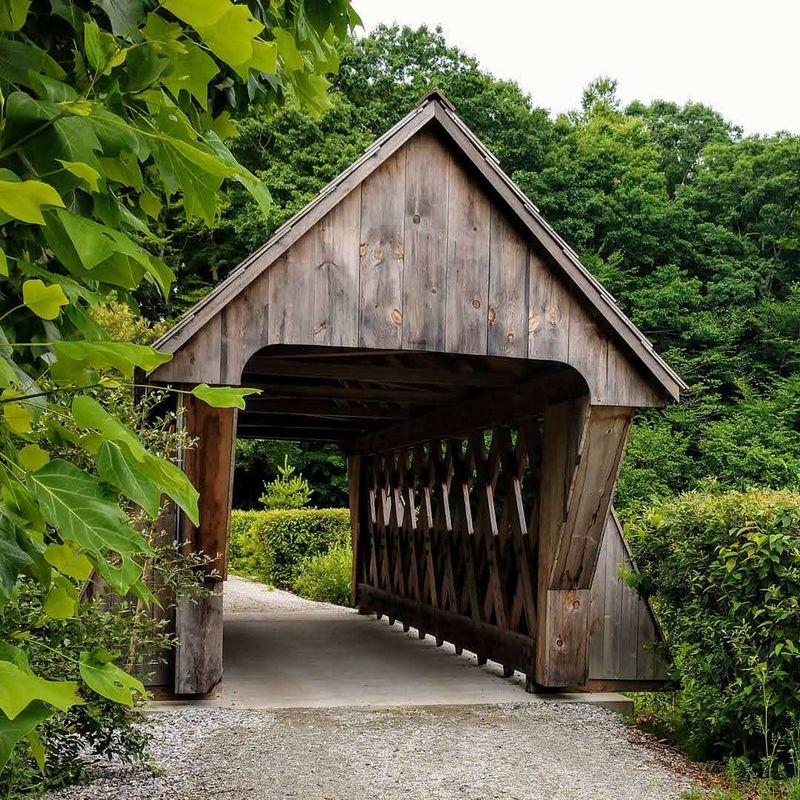
A covered wooden bridge sits on the property and has become one of the most photographed spots on the farm. It crosses over a section near the pond and fits naturally into the rural landscape in a way that feels genuinely charming rather than staged.
The bridge adds a layer of classic New England character to an already picturesque setting.
Photographers visiting the farm for portrait sessions often use the bridge as a backdrop because the wood tones and surrounding greenery create a warm and textured frame. The golden hour light that filters through the trees near the bridge in late afternoon is particularly flattering for photos.
Families tend to gather here naturally, and the spot rarely feels rushed even when the farm is at capacity.
The bridge connects two sections of the walking trail and functions as a genuine part of the path rather than just a decorative feature. Walking across it gives a slightly elevated view of the pond and the surrounding landscape.
The structure is well-maintained and sturdy, and it holds up to steady foot traffic throughout the season. Stopping here for a few minutes before looping back toward the shop makes for a satisfying end to a walk around the property.
7. When To Visit For Peak Lavender Color
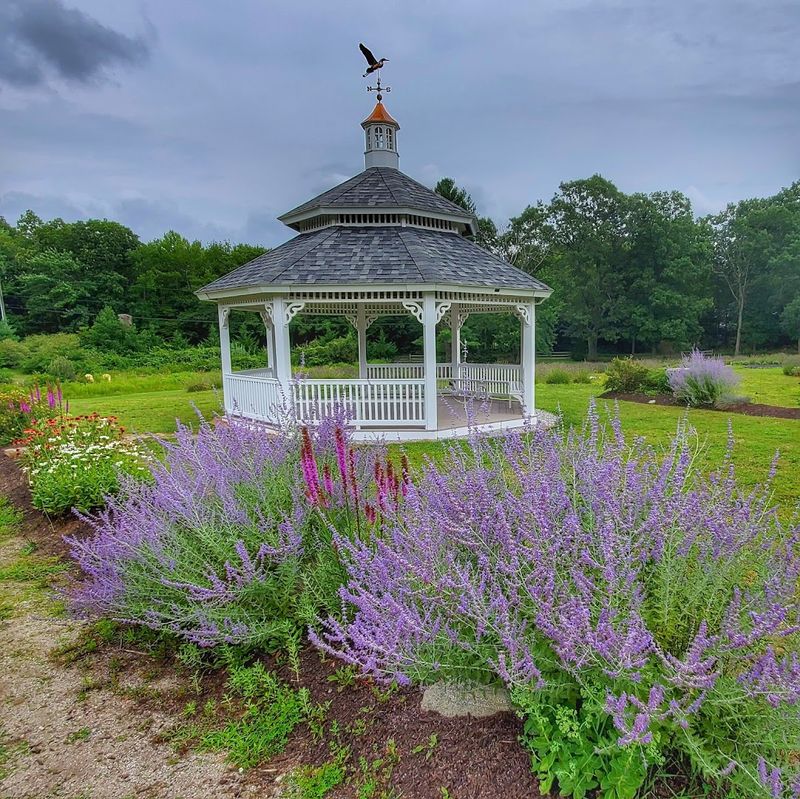
Early July is widely considered the best time to visit if full purple bloom and fragrance are the main goals. The lavender plants tend to reach their peak color during this window, and the combination of warm temperatures and long daylight hours makes for ideal walking conditions.
Arriving on a mild day with a light breeze makes the scent noticeably stronger throughout the fields.
Weekday mornings offer a noticeably calmer experience compared to weekend afternoons during peak bloom. The parking lot can fill up on busy Saturdays, so arriving closer to the 10 AM opening time helps avoid a longer walk from the car.
The farm is open every day of the week, with hours running from 10 AM to 4 PM on most days and a slightly shorter window on Wednesdays from 10 AM to 2 PM.
Visiting in August is still worthwhile but expectations should be adjusted since many plants begin to dry out as the season winds down. September and October visits shift the experience toward the gift shop and grounds rather than the fields themselves.
8. What To Know Before Planning Your Day Trip
Lavender Pond Farm is located at 318 Roast Meat Hill Rd, Killingworth, CT 06419, and the address is straightforward to find with most navigation apps. Parking on site is free, which makes the logistics of arriving simple without any added cost at the gate.
Entrance to the grounds is also free, with charges applying only to specific add-ons like the train ride.
The farm is open seven days a week during the season, running from 10 AM to 4 PM on most days and 10 AM to 2 PM on Wednesdays. Calling ahead at the farm’s listed number or checking the website can confirm any seasonal schedule changes before making the trip.
Restroom facilities on site are port-a-potties with a handwashing station, so planning accordingly is helpful especially for families with young children.
Dogs are welcome on the grounds based on visitor accounts, though checking current pet policies before arrival is a good habit. The farm does not have an on-site cafe, so bringing snacks or a packed lunch to enjoy at the picnic areas is a practical option.
Nearby options for food exist along the surrounding roads for those who prefer to grab something before or after the visit. Comfortable walking shoes are a straightforward recommendation given the uneven terrain throughout the fields and trails.