This Connecticut Museum Holds Centuries Of Art You’ll Want To See In Person
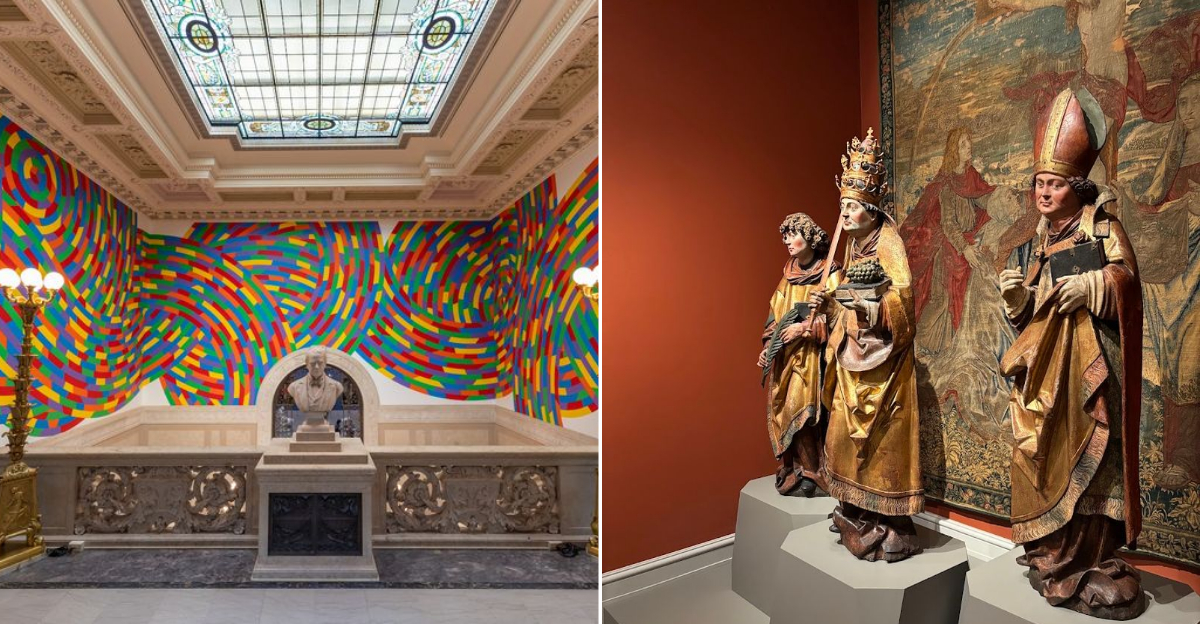
Some art looks fine in a book and completely different when you’re standing in front of it – and this is very much one of those situations.
Walking through this Connecticut museum is the kind of experience that reminds you why seeing art in person will never be replaced by a screen, no matter how good the resolution gets.
Centuries worth of paintings, sculptures and decorative works spanning cultures and movements that range from ancient to modern – all under one roof and all demanding a closer look than you originally planned to give.
The building itself is worth showing up for, carrying that specific weight and grandeur that makes you instinctively lower your voice when you walk in. First timers always underestimate how long they’ll need and veterans always find something they somehow missed before.
Clear your afternoon, wear comfortable shoes, and let yourself get genuinely lost in here.
1. Oldest Public Art Museum In The United States
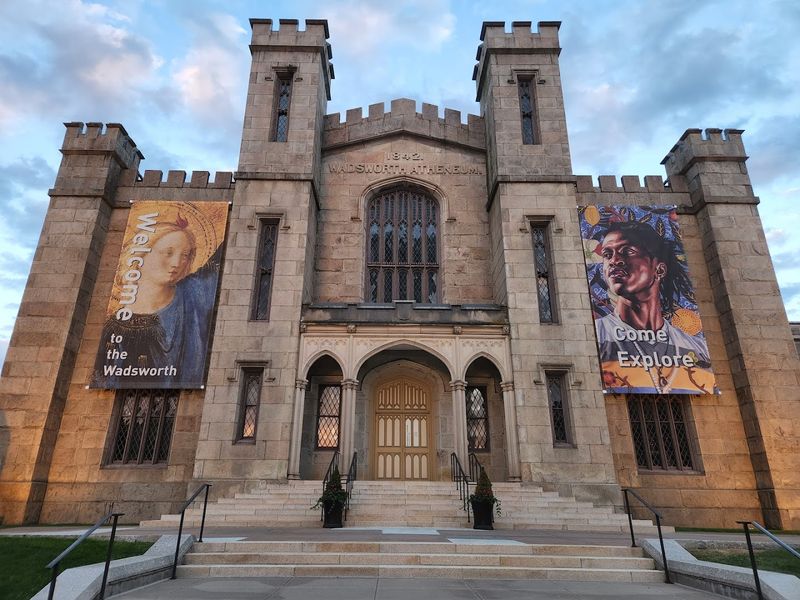
With a history as long and meaningful as any in the country, this institution offers an experience that immerses visitors in centuries of art and culture. Founded in 1842, it holds the distinction of being the oldest continuously operating public art museum in the United States.
That kind of legacy is not just a number on a plaque but something visitors can genuinely feel as they walk through its doors.
Long before many American cities had public cultural institutions, Hartford was already opening its galleries to the public. The museum was established through the generosity of Daniel Wadsworth, who believed that access to art should not be limited to the wealthy.
Spending time here feels different from visiting a newer institution, with a sense of depth and rootedness that comes from knowing generations of people have stood in the same galleries, looking at the same walls. Situated at 600 Main St, Hartford, CT 06103, the building itself carries that history in its stone and mortar, making the experience feel both grounding and genuinely special.
2. Artworks Spanning More Than Five Thousand Years
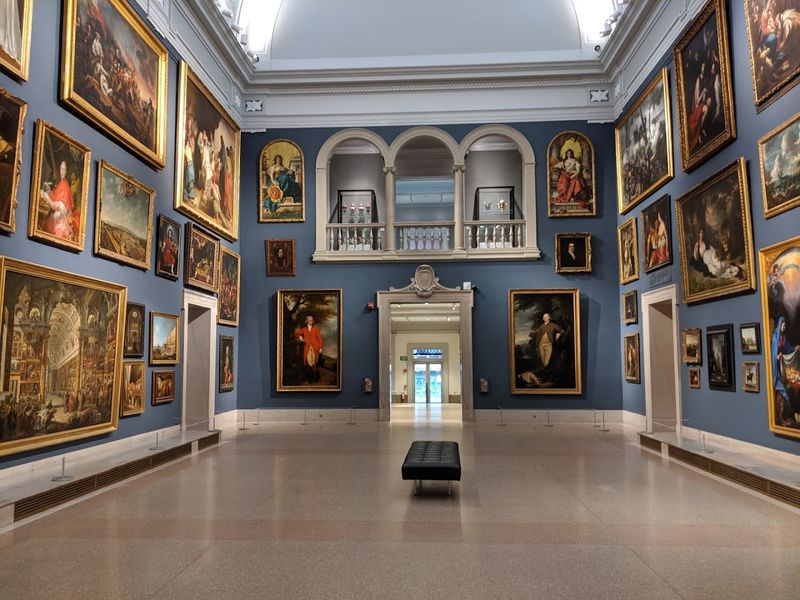
Holding more than 50,000 objects in its permanent collection, the Wadsworth Atheneum covers an astonishing range of human artistic expression. From ancient Egyptian artifacts and classical antiquities to costumes, textiles, and contemporary works, the breadth of what is on display here is genuinely hard to prepare for.
Visitors often remark that every room seems to lead somewhere entirely new and unexpected.
That kind of range means there is something to connect with no matter what a visitor’s background or interest level might be. A person drawn to ancient history could spend a long stretch of time with objects that predate recorded writing, while someone more interested in 20th-century design could move through entirely different wings without any overlap.
The collection does not feel padded or scattered but rather carefully assembled over nearly two centuries of acquisition and curation.
Pacing tends to matter a lot in a museum this expansive. Comfortable shoes are a practical consideration, and taking breaks in the quieter gallery spaces helps the experience feel relaxed rather than rushed.
Most visitors find that two to three hours gives a solid overview, though returning for a second or third visit reveals even more of what the collection holds.
3. Masterpieces From European Baroque To Modernism
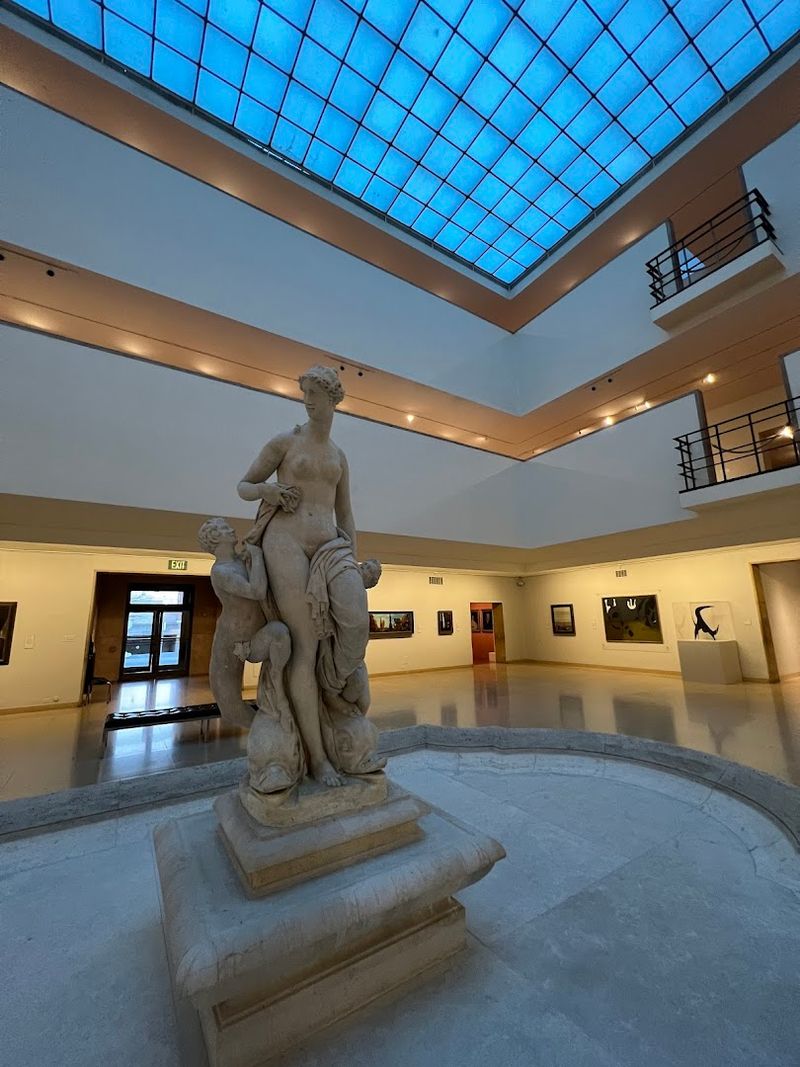
One of the most talked-about strengths of the Wadsworth Atheneum collection is its European holdings, which stretch from the dramatic chiaroscuro of Baroque masters all the way through Impressionism and into early Modernism. Works by artists including Caravaggio, Rubens, and Monet are part of a collection that would be impressive in any major city.
Finding that caliber of European painting in Hartford tends to genuinely surprise first-time visitors.
The Baroque galleries in particular tend to leave a strong impression. The scale of the canvases, the intensity of the light and shadow, and the theatrical energy of the compositions feel almost cinematic in person.
Reproductions in textbooks simply do not capture what it is like to stand a few feet away from a painting of that size and power.
Moving through the European galleries in roughly chronological order helps give a sense of how artistic styles evolved across centuries. The transition from the heavy drama of the 1600s through the lighter palette of the 1800s and into the fragmented forms of early Modernism becomes visually clear in a way that reading about it never quite achieves.
The Wadsworth Atheneum makes that kind of art history feel alive and accessible rather than academic.
4. Iconic Hudson River School And American Paintings
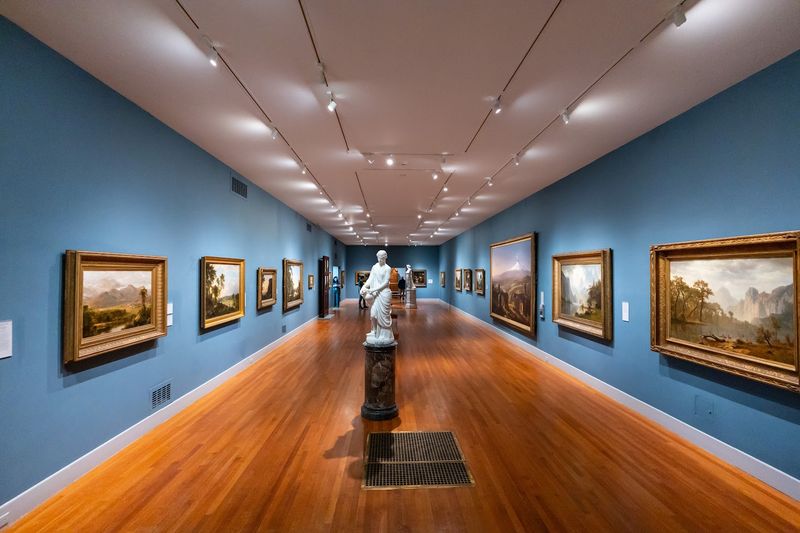
American landscape painting found one of its most powerful expressions in the Hudson River School, and the Wadsworth Atheneum holds a notable collection of works from this movement. These large-scale canvases depicting dramatic American wilderness scenes were some of the most celebrated paintings of the 19th century, and standing in front of them today still carries real visual weight.
The scale and ambition of these works reflect a period when American artists were actively defining what art from this country could look like.
Thomas Cole, widely considered the founder of the Hudson River School, had a direct connection to Connecticut and the broader New England region, making the presence of these works at the Wadsworth Atheneum feel particularly fitting. The paintings tend to depict rivers, mountains, and forests with a sense of grandeur that feels both romantic and deeply American.
Light plays a central role in many of these compositions, and the way natural illumination in the galleries interacts with the painted light on the canvases adds another layer to the viewing experience.
Beyond the Hudson River School, the American painting galleries cover a wide range of styles and periods. Folk art, portraiture, and later 20th-century American works all have a presence here, giving visitors a broad sense of how artistic identity in the United States developed over time.
5. Historic Gothic Revival Architecture In Downtown Hartford
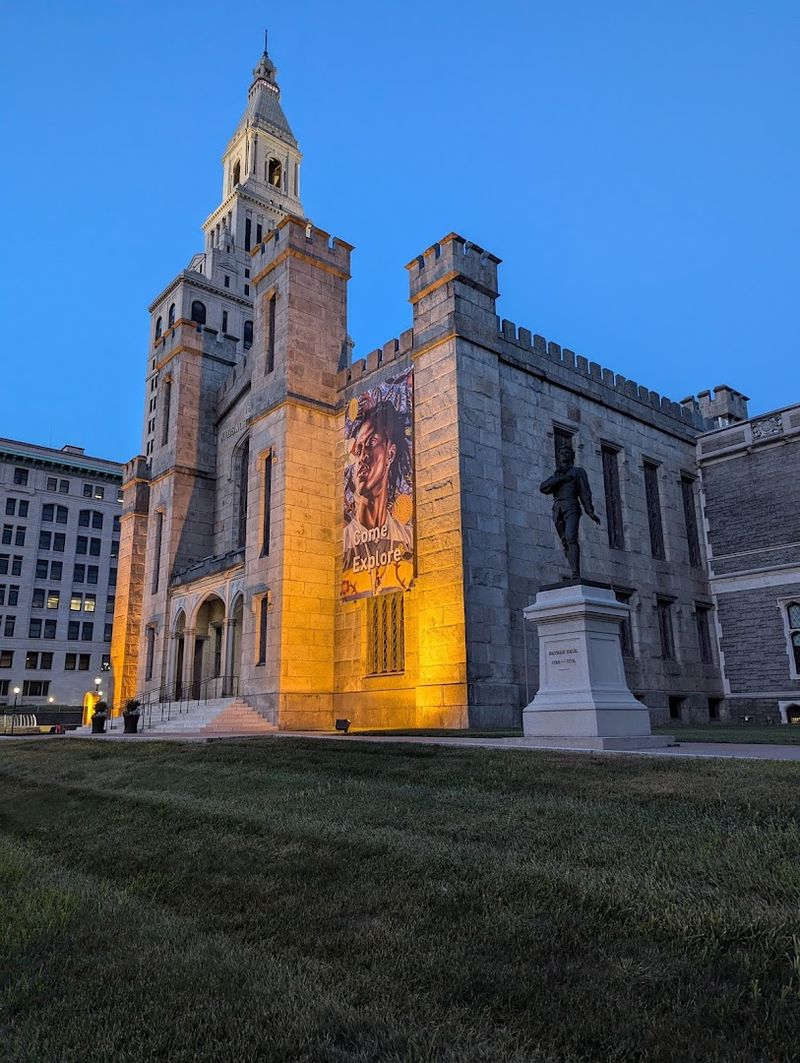
Even before stepping inside, the building housing the Wadsworth Atheneum makes a strong impression. The original structure was completed in 1844 in a Gothic Revival style that gives it a distinctly castle-like appearance, with crenellated towers, pointed arches, and rough-cut stone that stands out dramatically against the surrounding downtown streetscape.
Hartford does not lack for interesting architecture, but this building remains one of its most visually striking landmarks.
Over the decades, the museum expanded through several additions that blend different architectural styles while maintaining a sense of visual cohesion. The interior reflects this layered history, with spaces that shift in scale and atmosphere as visitors move from one wing to another.
Some rooms feel grand and ceremonial while others are more intimate, which helps break up the pacing of a longer visit.
The Great Hall is often cited as one of the most memorable interior spaces in the entire museum. Its height, proportions, and the quality of light that filters through create an atmosphere that feels genuinely different from a standard gallery space.
The structure and the collection together make a compelling case for why this museum deserves more national attention than it sometimes receives.
6. Special Exhibitions And Rotating Shows Worth Timing Your Visit Around
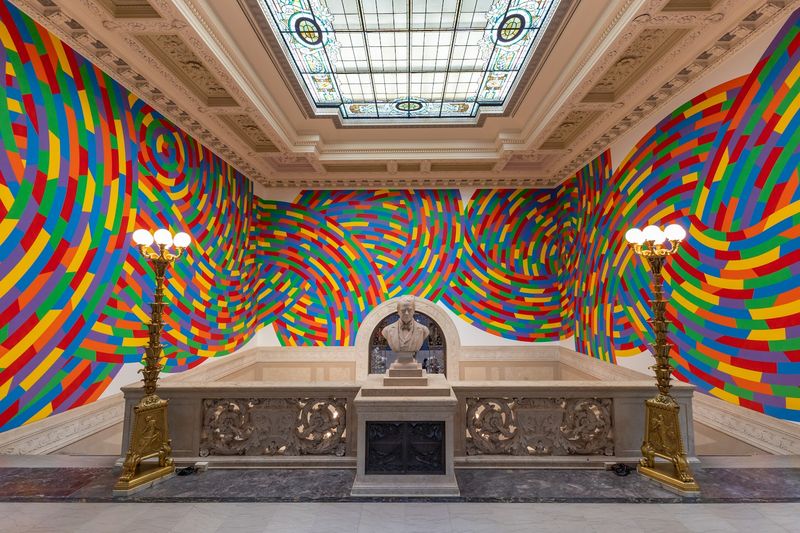
Beyond the permanent collection, the Wadsworth Atheneum consistently presents special exhibitions that bring new perspectives and works to Hartford. These rotating shows cover a wide range of themes, artists, and time periods, meaning that a return visit even a few months later could feel like an entirely different experience.
Annual events like the Festival of Trees draw visitors who might not typically visit an art museum, filling the galleries with decorated trees and seasonal programming that blends cultural celebration with the permanent collection. Second Saturday events offer another reason to visit regularly, often including hands-on activities and community programming that make the museum feel lively and welcoming rather than formal or intimidating.
Timing a visit around a special exhibition can add a layer of focus to the experience. Rather than trying to see everything in one afternoon, building a visit around a specific show and then exploring surrounding galleries tends to feel more satisfying and less overwhelming.
The museum’s programming reflects a genuine commitment to keeping the collection relevant and engaging for a wide range of audiences throughout the year.
7. Where To Find The Museum In Connecticut’s Capital
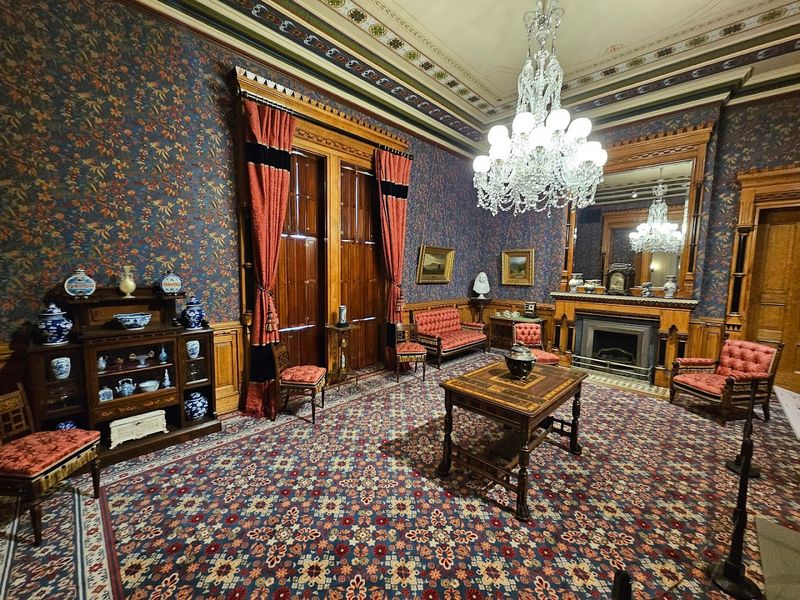
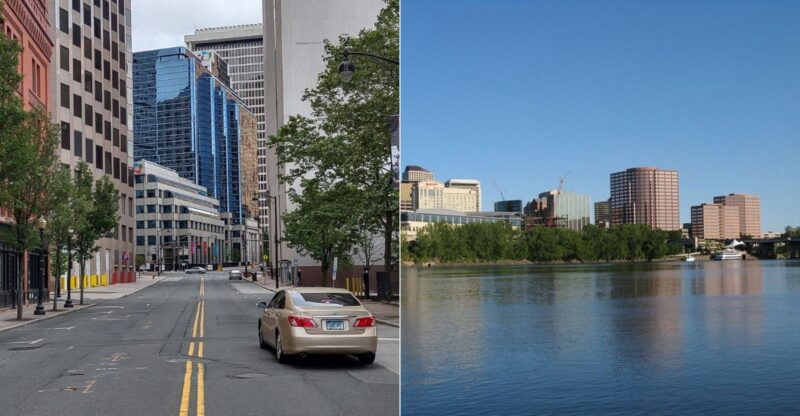
Located at 600 Main St, Hartford, CT 06103, the Wadsworth Atheneum sits in the center of downtown Hartford, making it accessible from multiple directions and easy to combine with other stops in the city. Street parking and nearby parking garages are available in the surrounding blocks, and the museum is also reachable by public transit for visitors coming from other parts of Connecticut.
Downtown Hartford has a walkable quality around the museum’s immediate neighborhood, with other cultural and historic sites within reasonable distance. Arriving with some extra time to explore the surrounding area before or after a museum visit can make the trip feel more complete.
The museum’s central location means it fits naturally into a broader day trip itinerary rather than requiring a dedicated long drive for a single stop.
For visitors coming from outside Hartford, the drive from New Haven takes roughly 40 minutes and from Springfield, Massachusetts, around 30 minutes. Planning arrival before peak weekend afternoon hours tends to allow for easier parking and a calmer start to the visit.
The museum’s position in the heart of Connecticut’s capital also gives the experience a sense of civic significance that adds to its overall appeal.
8. Can’t-Miss Highlights And Gallery Spaces On Display
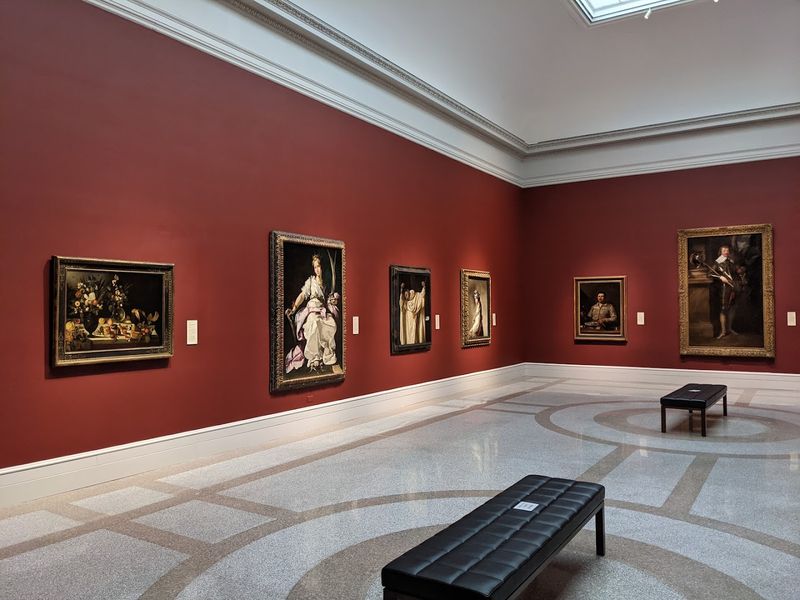
With three floors and what feels like rooms upon rooms of art, knowing where to focus during a first visit helps make the experience more rewarding. The European Baroque galleries and the Hudson River School paintings are frequently highlighted as standout areas, but the museum’s collection of African and African American art, including the Yoruba World exhibit, has drawn particular attention for its depth and thoughtful presentation.
Each of these sections has a distinct atmosphere that makes moving between them feel like genuine exploration.
A Van Gogh self-portrait is among the works that tend to stop visitors in their tracks, and the museum’s holdings in Impressionism and Post-Impressionism are strong enough to hold their own against much larger institutions. The costume and textiles collection offers yet another dimension, covering fashion history in ways that complement the fine art galleries rather than feeling like a separate museum entirely.
The on-site cafe provides a natural resting point partway through a longer visit. Taking a break there before returning to the upper floors tends to make the second half of a visit feel refreshed rather than fatigued.
The gift shop near the exit carries a thoughtful selection of art books and prints worth browsing before leaving.
9. Best Seasons And Hours To Plan Your Visit
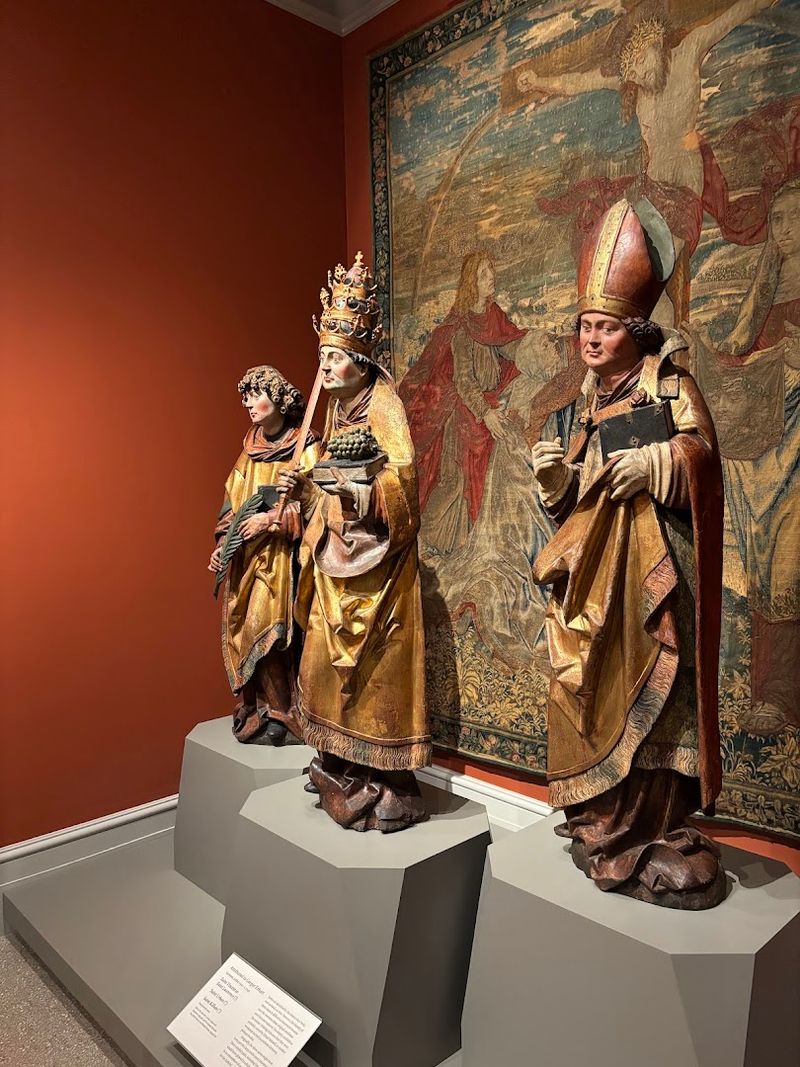
Knowing the museum’s schedule before arriving saves time and helps shape a better visit. The Wadsworth Atheneum is open Wednesday through Friday from 12 PM to 5 PM and on Saturday and Sunday from 10 AM to 5 PM.
The museum is closed on Mondays and Tuesdays, so planning around those days is essential. Arriving earlier in the day on weekends gives more time to move through the galleries without feeling rushed toward closing.
Weekday visits tend to offer a quieter, more contemplative atmosphere, while weekends bring more energy and occasionally more families with children. Both experiences have their appeal depending on what kind of visit feels most comfortable.
The museum also offers free admission on certain days each month, which is worth checking on the website in advance since those days can draw larger crowds.
Seasonally, autumn and winter visits carry their own appeal, especially during the annual Festival of Trees event that fills the galleries with decorated installations and seasonal programming. Spring and summer visits tend to align well with day trips from elsewhere in New England when travel is easier and daylight hours are longer.