This Connecticut Museum Turns Learning Into A Hands-On Adventure With Amazing Animals
Kids learn a lot faster when the lesson can move, squeak, or stare back at them.
That playful energy is a big part of what makes this museum feel more like an adventure than a classroom.
Exhibits encourage curiosity instead of asking visitors to simply stand back and read. Then the animals enter the picture.
For families exploring Connecticut, this museum mixes hands-on learning with live animal encounters that make science feel immediate and surprisingly fun.
What would you remember better, a paragraph about an animal or seeing one up close? Exactly.
That is why the experience works so well.
Children can explore at their own pace, ask a hundred questions, and keep finding new things to notice.
The museum stays small enough to feel manageable but lively enough to hold attention.
Learning sneaks in naturally here, which is probably the best kind.
You leave with curious kids who may not even realize how much they picked up.
1. Hands-On Learning Leads The Fun
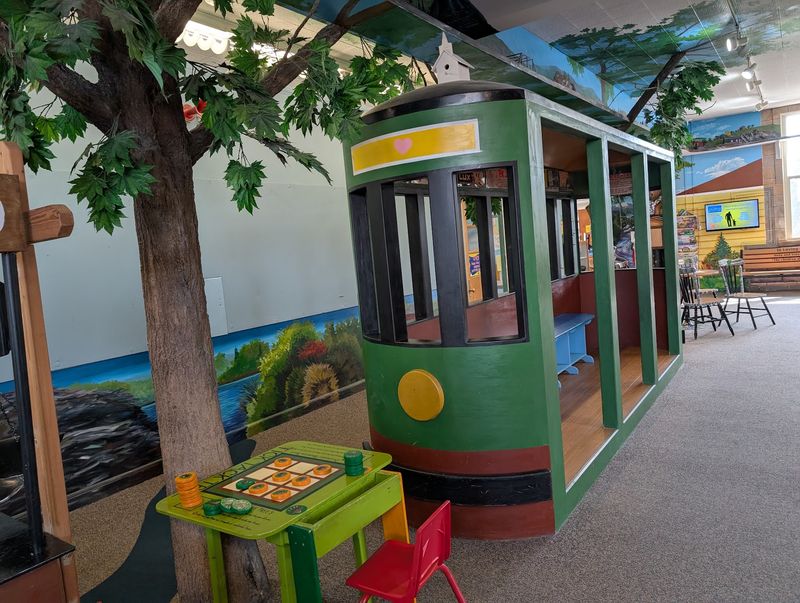
Curiosity runs the show here. Kids are encouraged to touch things, try things, and figure out what happens next. Staying perfectly quiet would almost miss the point.
Lutz Children’s Museum is built around hands-on learning, with interactive exhibits designed primarily for children ages two through ten. Instead of simply looking through glass, younger visitors can explore spaces that turn everyday subjects into something they can actually experience.
The Main Street exhibit sends kids back to 1943 with period details and opportunities for imaginative play. Elsewhere, the Farm exhibit introduces agriculture through activities and real animals, including chickens and rabbits.
Animals are an especially memorable part of a visit. The museum keeps ambassador creatures that help children learn about habitats and biology through close observation.
Its Animal Room currently includes reptiles and other small creatures, with scheduled meet-and-greet sessions adding another chance to see them up close.
The compact setting also makes it easier for children to move between exhibits without an exhausting amount of ground to cover.
Learning rarely feels like an assignment here. One discovery simply leads to another, and that is exactly how the museum likes it.
2. South Main Street Keeps It Easy To Find
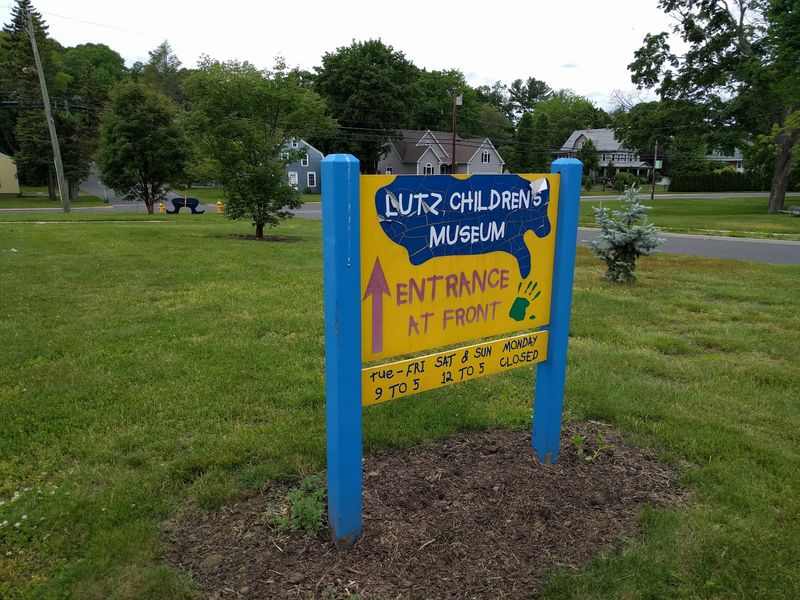
Getting there does not require much planning. That is always a win with kids in the car.
The museum sits just off I-384 near downtown Manchester, so families coming from around the region can reach it without a complicated detour.
Its smaller scale also works in parents’ favor. This is not a sprawling museum that takes half the day simply to cross.
Families can move through the exhibits comfortably, spend time with the animals, and still fit the outing around lunch or an afternoon nap.
Hours change slightly on weekends. The museum currently opens from 9 a.m. to 4 p.m.
Tuesday through Friday, then noon to 4 p.m. on Saturday and Sunday. Mondays are closed.
Saving on admission is possible too. Library passes offer half-price admission, and Manchester Public Library is among the libraries that carry one for the museum.
The museum’s address is 247 South Main Street in Manchester. Reservations are not required for a regular visit, which keeps spontaneous outings pleasantly simple.
That combination makes it especially handy when you want an activity that feels worthwhile without consuming the entire day.
3. The Museum Is Built For Young Explorers
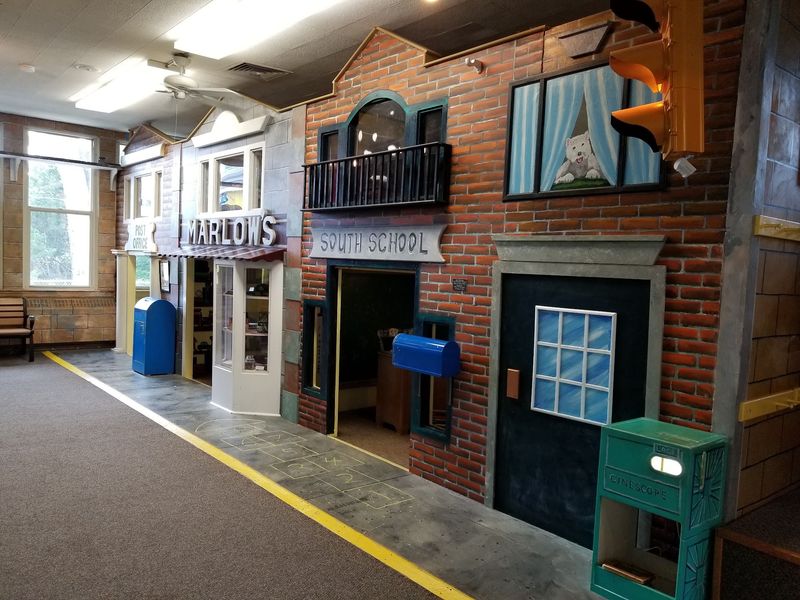
Scale is the secret weapon. Everything from exhibit height to walkway width seems measured against a child rather than an adult, so kids can reach, see, and operate things without constant lifting or help.
Families with more than one child especially appreciate the sight lines. Sections connect in a way that lets a parent keep eyes on a five-year-old at the pretend post office while a two-year-old plays a few steps away.
Visitors regularly describe the space as cozy and easy to manage, the kind of place where nobody wanders off and disappears into a crowd. That contained feeling lowers stress for caregivers and builds confidence in kids.
Independence is part of the design. Children can choose what to try next, spend ten minutes on one station or thirty seconds, then move on without anyone rushing them.
Crowds tend to stay reasonable, particularly on weekday mornings shortly after opening, which is a smart window if your child prefers quieter surroundings.
Staff circulate and tidy stations throughout the day so the next group finds things ready to use. Small touches like that keep the exhibits working the way they were meant to and make repeat visits feel fresh rather than worn out.
4. Live Animals Make Learning Feel Real
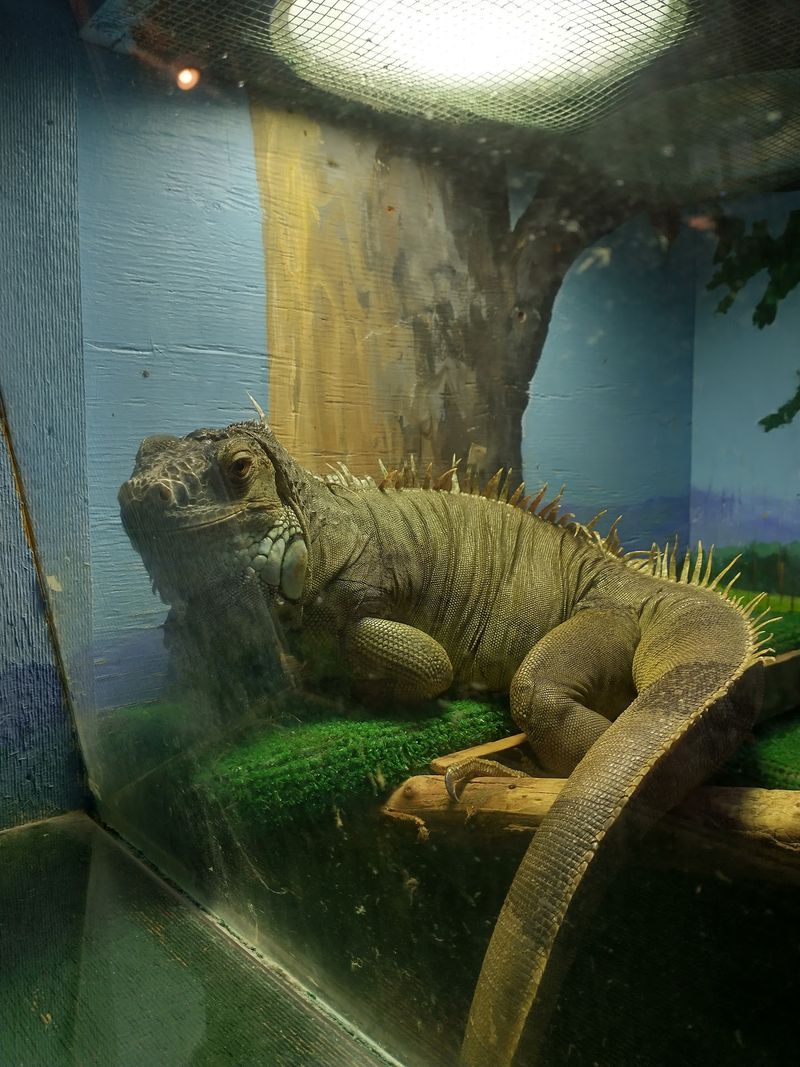
Books can only take a kid so far. Watching a chinchilla groom itself or hearing a screech owl call in person lands differently, and the museum leans hard into that idea.
More than 75 animals live at the museum, serving as animal ambassadors rather than background decoration. Each one helps teach something specific about habitat, diet, body structure, or behavior.
Children pick up lessons almost without noticing. Why does a turtle have that shell shape?
What does a rabbit’s nose twitching actually mean? Questions come fast when the subject is breathing right in front of you.
Empathy grows alongside the facts. Seeing animals cared for daily gives kids a real sense of responsibility and a reason to care about creatures beyond the museum walls.
Visitors frequently comment on how clean and well kept the animal areas are, noting the absence of odors and the healthy look of the residents. That kind of care shows in small details.
Outdoor spaces add another layer, including gardens and a bee hive that some families single out as an unexpected highlight.
For many children, this section becomes the reason they beg to return, long after the pretend shopping carts lose their novelty.
5. The Animal Room Brings Kids Up Close
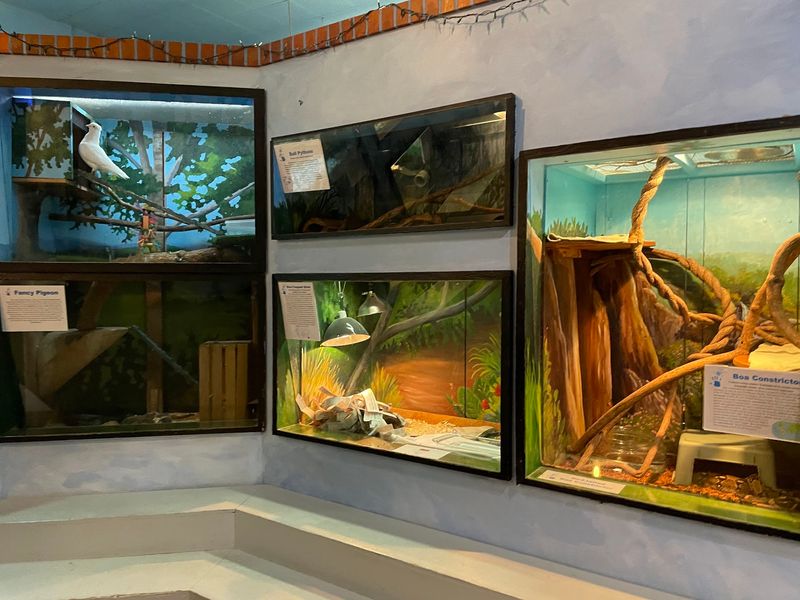
This room tends to steal the show. One minute kids are peering into an enclosure, and the next they are completely absorbed in an animal they may never have seen up close before.
The Animal Room at Lutz Children’s Museum introduces young visitors to a changing collection of ambassador animals. Snakes and lizards are part of the mix, while turtles and insects add even more variety.
Current residents also include chinchillas, rabbits, guinea pigs, birds, and several other small creatures used to teach children about habitats, diets, and animal behavior.
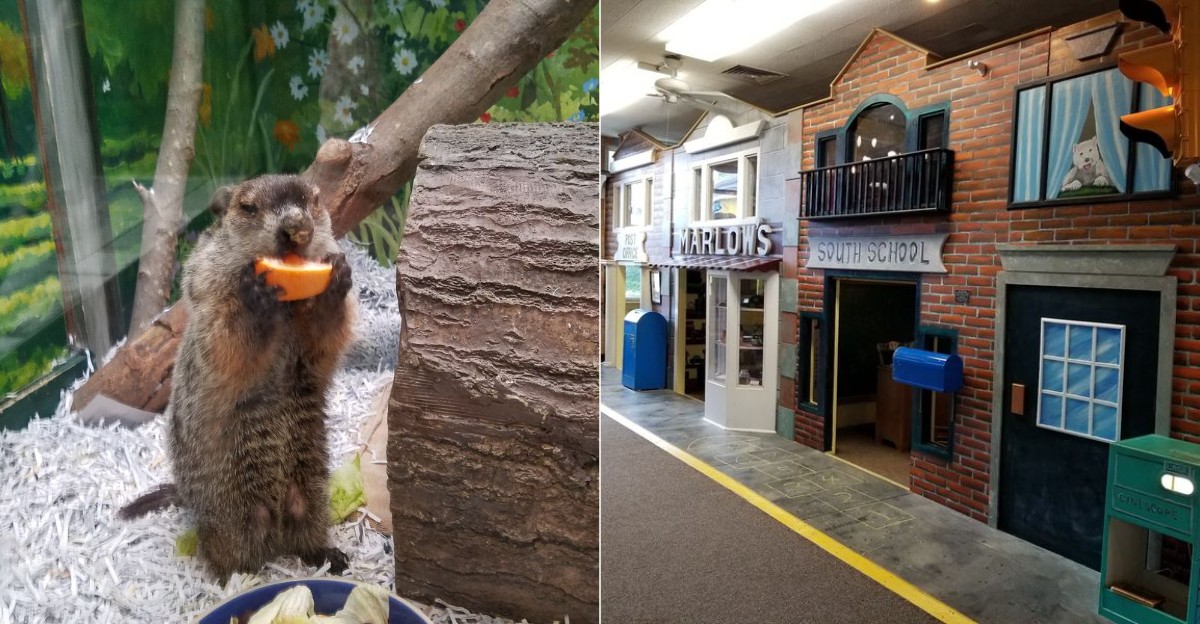
Chuckles remains the museum’s best-known resident. The groundhog serves as Connecticut’s official state groundhog and takes center stage each February during the museum’s Groundhog Day celebration.
Daily Meet & Greets make the experience even more memorable. They are currently scheduled for 10 a.m. and 2 p.m., giving children a chance to see one of the museum’s animal ambassadors more closely while learning directly from an educator.
That close-up experience can turn a quick museum stop into the part of the day kids talk about afterward. Screens cannot compete very well when the real animal is right in front of them.
6. Main Street Turns Back The Clock
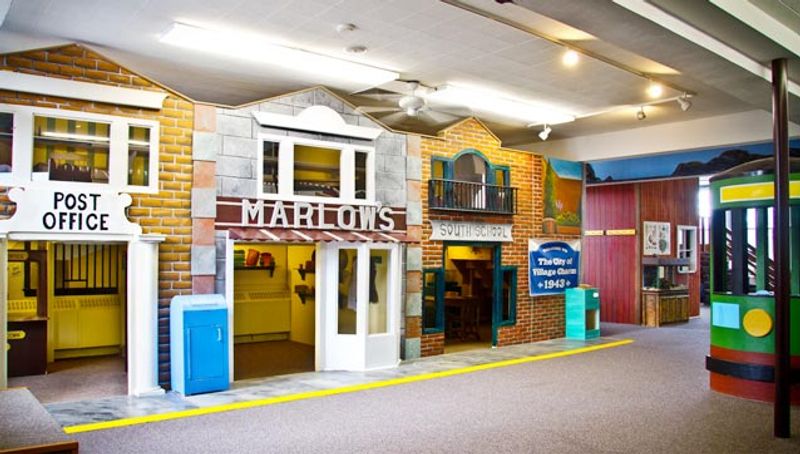
Imagine a whole town shrunk to kid size. The Main Street 1943 exhibit recreates Manchester as it looked during World War II, complete with a department store, a period apartment, and a post office where children sort and deliver mail.
Details carry the illusion. Vintage vehicles, old-fashioned radios, period clothing, and newspapers from the era fill the space with texture that feels convincingly lived in.
History stops being a list of dates here. A child slipping on a coat from the 1940s or dropping a letter into a colored mailbox is absorbing something about daily life that no textbook page delivers.
Role play does the heavy lifting. Kids become shopkeepers, customers, and postal workers, negotiating with each other and inventing storylines as they go.
Grown-ups tend to enjoy this section as much as the children do, particularly those who recognize the storefronts as versions of real Manchester businesses from decades past.
Vintage train sets nearby add another draw, and the train circling the main room comes up often as a favorite feature among younger visitors.
Plan for children to linger here longer than you expect. Pretend play has a way of stretching, and this exhibit gives it plenty of props to work with.
7. The Farm Exhibit Gets Little Hands Busy
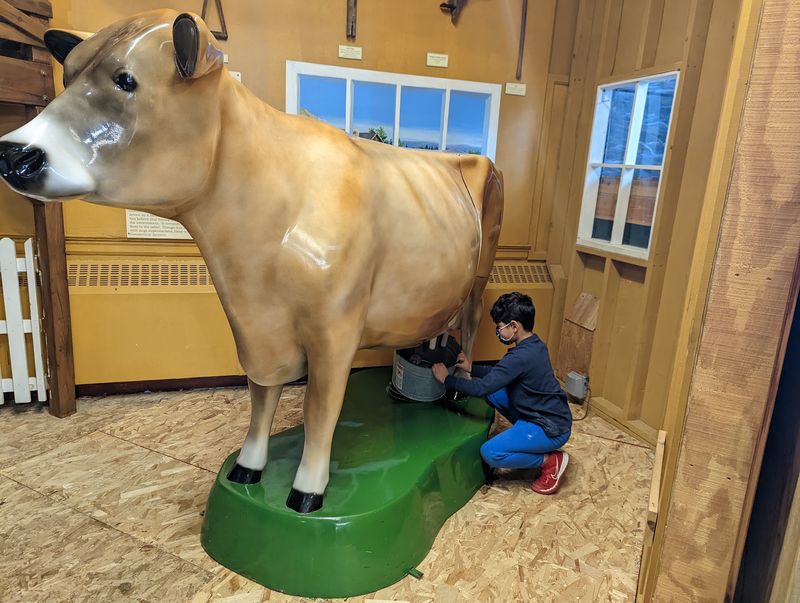
Milking a cow indoors is not something most kids get to try. The farm exhibit makes it possible, along with gathering eggs and climbing into a small hay loft that always seems to have someone in it.
Real animals share the theme. Chickens and rabbits give the pretend farm an authentic anchor, connecting the play props to living creatures just a few steps away.
A farm stand rounds things out, stocked with play vegetables and a weighing station where children can sell produce to whoever wanders past. It is a sneaky introduction to counting, sorting, and how food travels from field to table.
Younger visitors gravitate here first. The barn setting is familiar enough to feel comfortable but different enough from home to spark ideas.
Conversations start naturally. Where does milk come from?
Do chickens lay eggs every day? Adults get plenty of chances to fill in answers.
The exhibit quietly teaches about farming and caring for the land, subjects that can feel abstract until a child is holding a plastic egg and deciding what to do with it.
Families with kids on the younger end of the range often report their children happily rotating through this area more than once during a single visit.
8. Animal Meet-And-Greets Add Extra Excitement
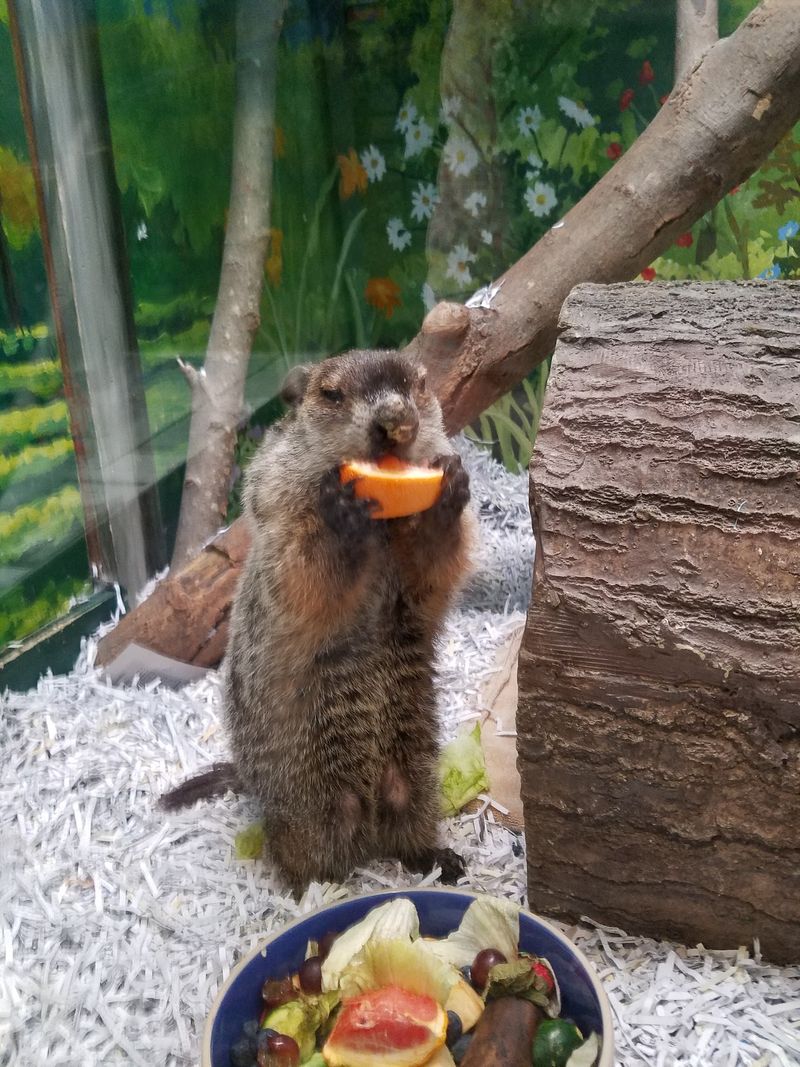
Twice a day, the museum turns up the volume on its animal program. Meet and Greet sessions bring a resident creature out of its enclosure so children can gather around, listen, and sometimes gently touch under supervision.
Animal Encounters programs go a step further, pairing a closer look at ambassador animals with facts from an educator and occasionally a related craft to take home.
Chuckles the woodchuck headlines special events, including educational presentations and interactive games built around groundhogs and where they live. The annual Groundhog Day gathering has become a genuine tradition for some area families.
Which animal appears at a given session tends to vary, so two visits in the same month can deliver completely different experiences. That unpredictability is part of the appeal for repeat visitors.
Timing helps enormously. Arriving shortly before 10:00 AM or 2:00 PM means you are unlikely to miss the moment your child will talk about all week.
Educators leading these sessions come across as patient and clearly fond of both the animals and their young audience, which sets the right tone.
Birthday party options are also available and frequently praised, offering another way for families to build a memorable day around these animal encounters.