This Connecticut Nonprofit Helps Injured Birds Recover And Lets You Visit For Free
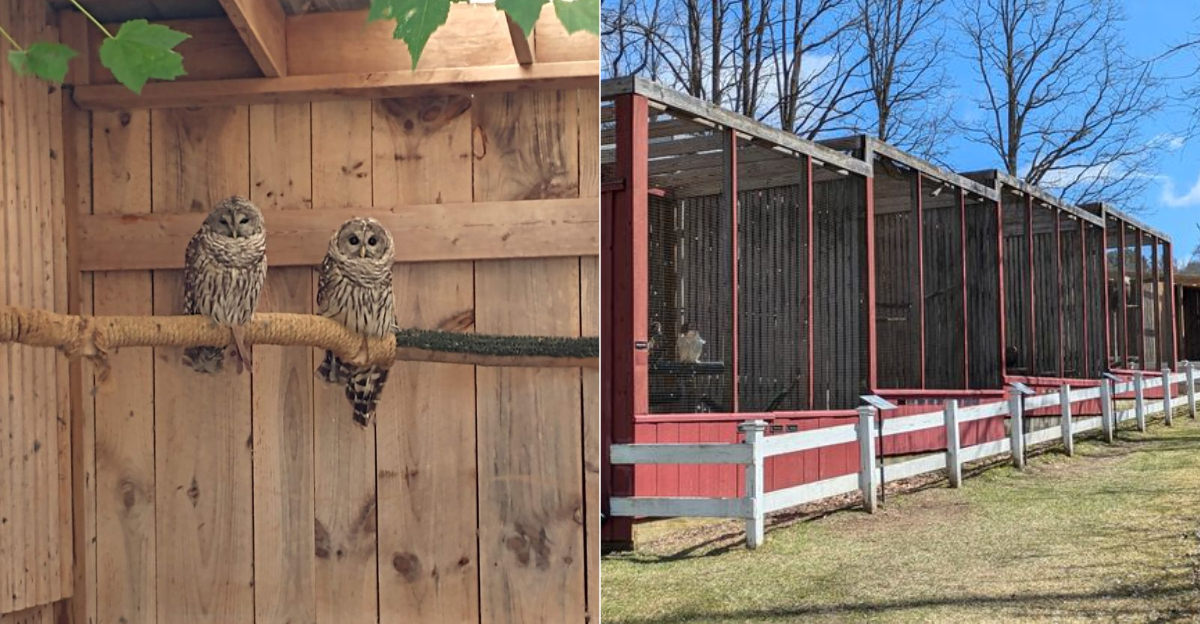
A wildlife visit feels different when you know some of the animals here are getting a second chance.
This nonprofit cares for injured and orphaned birds while also giving visitors a closer look at the work behind rehabilitation. The experience feels educational without turning into a lecture.
That makes this Connecticut destination especially appealing for anyone curious about wildlife care and conservation.
You may spot birds that cannot return to the wild, now serving as ambassadors for their species. Their stories add a personal layer to the visit.
The surrounding trails give the day room to stretch beyond the animal exhibits. Best of all, there is no required admission fee, so stopping by can stay wonderfully simple.
It is the sort of place that can make you leave knowing a little more than you expected.
And somehow, seeing recovery up close makes the whole visit stick with you.
1. A Wildlife Rehabilitation Clinic Right On Site
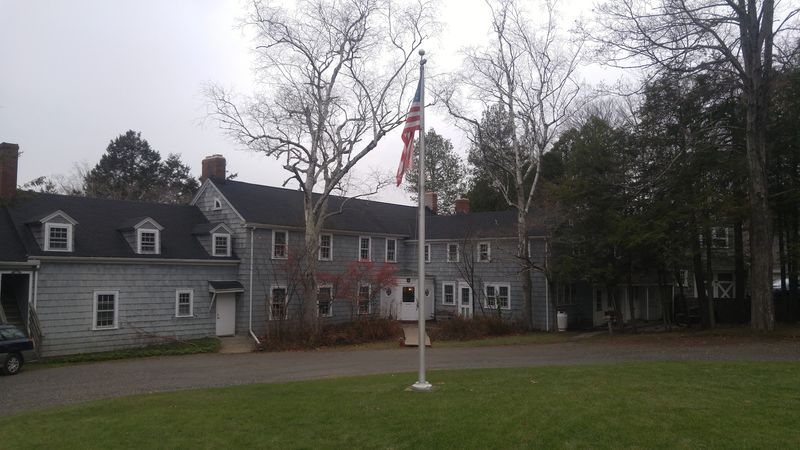
Hundreds of animals arrive at the rehabilitation clinic each year, often after someone nearby notices a bird or small animal that clearly needs help. A hawk may be found beside a road, or a storm may leave young birds separated from their nest.
The clinic holds both state and federal wildlife rehabilitation licenses, allowing trained staff to care for protected species, including migratory birds, while they recover. Animals can also be transferred here when they need specialized attention.
Visitors who have brought in injured wildlife often describe the intake process as organized and straightforward. Clear instructions help people understand what to do, while the rehabilitation team can determine the safest next step for each animal.
One visitor even brought in chilled baby house finches after a storm and appreciated how quickly the center responded. The clinic operates at 325 Cornwall Bridge Rd in Sharon, making it an important resource for wildlife found throughout the surrounding area.
If you discover an injured animal, contact the center before attempting to handle or treat it yourself. Getting guidance first gives the animal the best chance of receiving the appropriate care.
2. Care For Injured And Orphaned Animals Of All Kinds
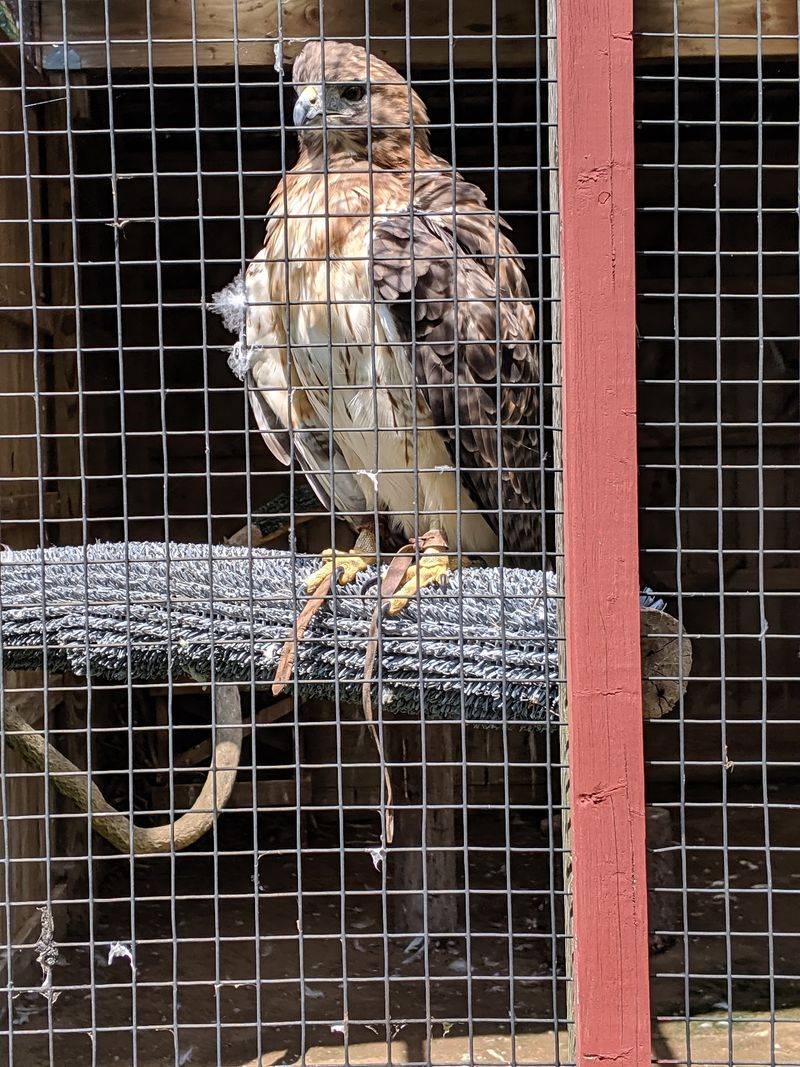
Birds get the headlines, but the clinic’s patient list is wider than most people expect. Small mammals show up.
So do reptiles. Squirrels, turtles, songbirds, owls, and the occasional porcupine all get a spot on the schedule.
Recovery time depends entirely on the animal and the injury. Some patients only need a few days of quiet and food before they are strong enough to fly or scamper off.
Others need months. Porcupine babies, for example, sometimes spend the entire winter at the center before being released the following spring when the weather turns friendly again.
The staff will tell you honestly that not every story ends happily. Across all species, roughly 40 to 43 percent of patients are successfully returned to the wild.
That number might sound low at first, but many animals arrive with severe trauma from car strikes, window collisions, or cat attacks, so every release is genuinely earned.
The goal never changes: get the animal healthy and back outside as fast as safely possible. Wild animals belong in wild places, and the team measures success by empty cages, not full ones.
3. Raptor Aviaries You Can Walk Right Past
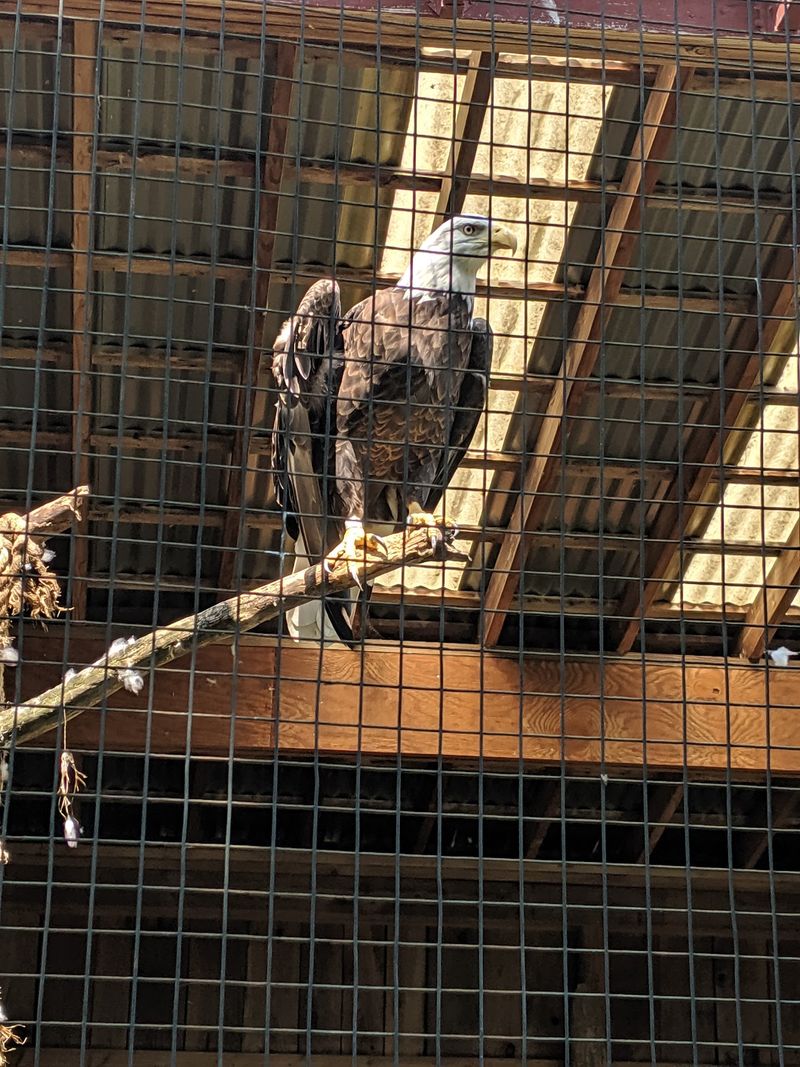
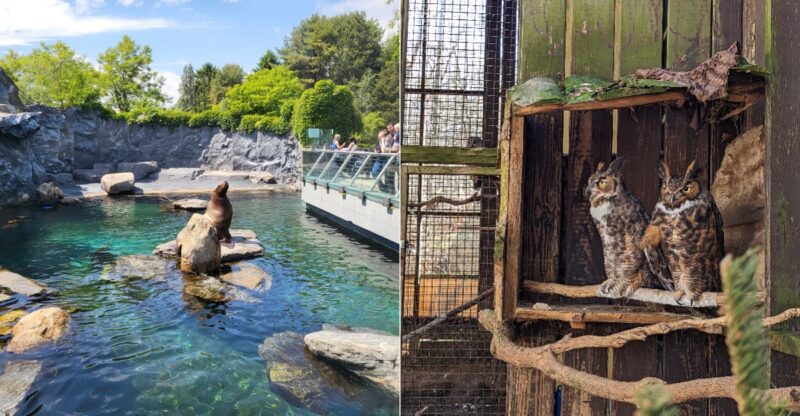
Standing three feet from a bald eagle changes how you think about birds. Visitors mention it again and again in reviews, that jolt of surprise when you realize how huge a raptor really is up close.
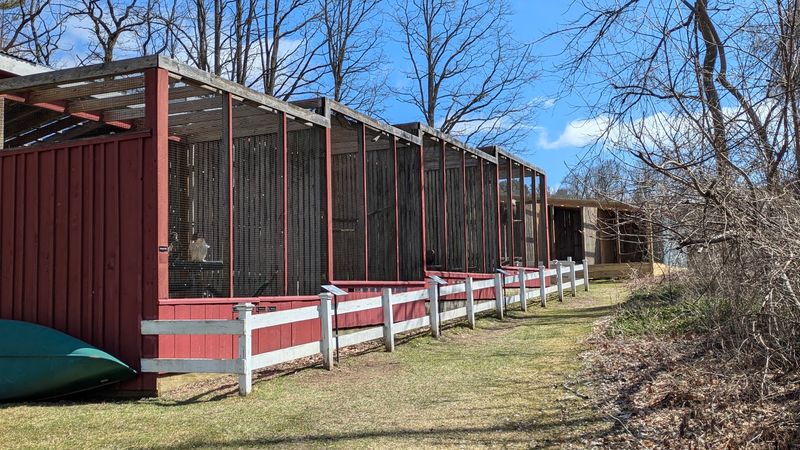
The aviaries sit along the immediate grounds near the main building, so you do not need to hike far to reach them. Each enclosure is built large and outdoors, with predator-proof construction to keep the residents safe from anything prowling at night.
Inside, you will find natural vegetation and a variety of perches at different heights so the birds can choose where to sit, stretch, or hide.
Walking the loop takes maybe fifteen or twenty minutes if you read the signs, longer if you get absorbed watching a hawk track a passing songbird with its eyes.
Bring binoculars if you have them, though honestly you will not need them.
One resident raven is a local celebrity. Regulars say he rings bells, mimics words, and sings little songs, so linger a moment near his space and see what he decides to share with you.
4. Non-Releasable Birds Who Became Teachers
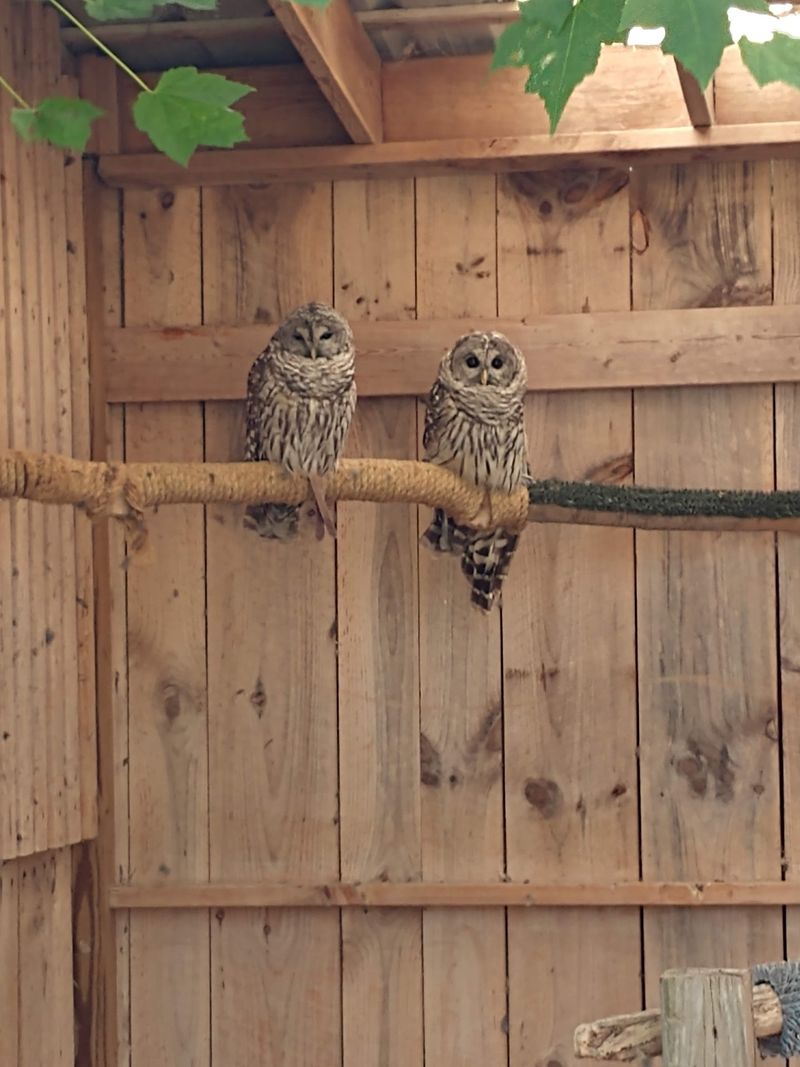
Every ambassador bird at Sharon Audubon has a backstory, and none of them are cheerful. A wing that healed crooked.
Vision loss. An injury that means hunting is no longer possible.
Since these birds cannot survive on their own outdoors, releasing them would be a death sentence. Instead they take on a second career.
Ambassador birds live in the aviaries and travel with Audubon staff to schools, libraries, community festivals, and other events around the region. Kids who meet a live owl at eye level tend to remember the lesson about habitat protection far longer than any worksheet.
The Education Center inside also keeps resident reptiles on display, which are a hit with visitors who want a closer look at turtles and snakes without tramping through a wetland.
Girl Scout troops, school groups, and summer campers all get time with these animals, and reviewers repeatedly praise how patient the educators are with restless young crowds.
Think of it this way: a bird that can no longer fly free has probably convinced thousands of people to care about the ones that still can.
5. Eleven Miles Of Trails, Sunrise To Sunset
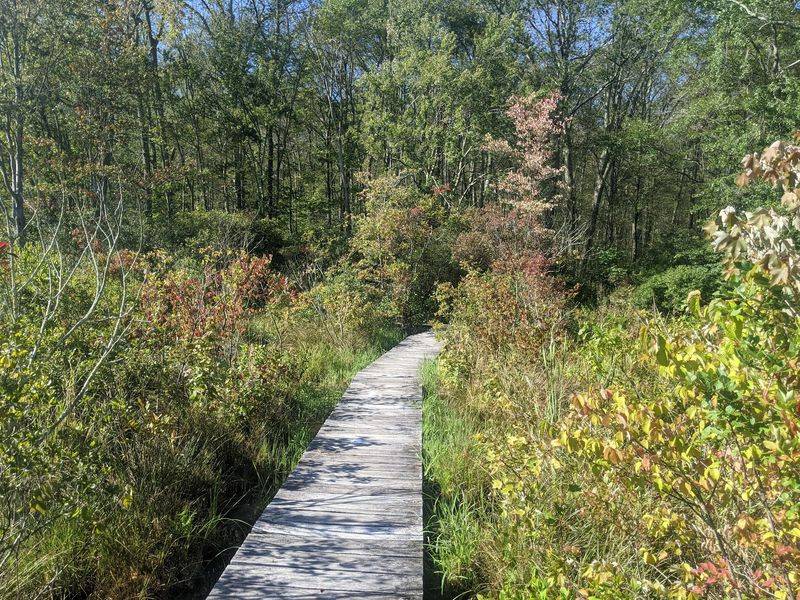
Eleven-plus miles of footpaths thread across 1,147 acres of forest, meadow, wetland, pond, and stream. That is a lot of ground for a place that costs nothing to enter.
Gates open at sunrise and close at sunset, seven days a week, which gives early risers and after-work walkers plenty of freedom.
The terrain mixes things up nicely. Some routes are short and gentle enough for grandparents walking with little kids, while the bog trail rewards anyone wearing sturdy boots with a completely different landscape.
Hikers rave about the waterfall, the brook crossings, and benches placed exactly where you want to sit and just listen.
One family reported walking two miles and then stumbling onto a pond full of river otters leaping and peeking at them from behind rocks. Beaver activity, herons, and constant birdsong are all part of the deal.
The yellow trail gets recommended often as an easy-to-follow option for first-timers.
Parking is straightforward, and trail maps are available at the center. Go quiet, go slow, and you will see far more wildlife than the person hurrying past you.
6. An Old Ice House Turned Working Sugarhouse
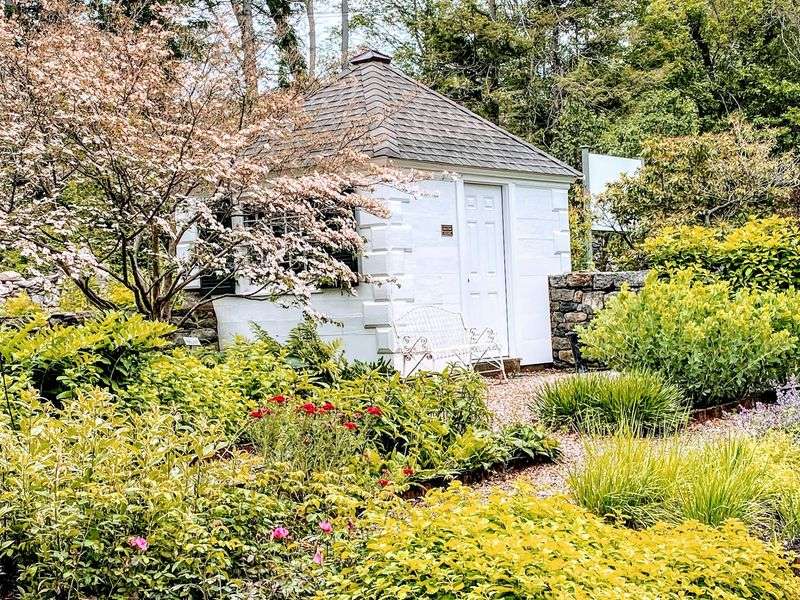
Here is a fun bit of local history: the building where maple syrup gets boiled today was originally an ice house. Long before refrigerators, people cut blocks of ice from ponds in winter and stored them in insulated buildings like this one to keep food cold through summer.
The structure found a new purpose and now serves as a working sugarhouse on the property.
Late winter is when the magic happens. When days warm up and nights still drop below freezing, sap starts flowing in the sugar maples.
Boiling that watery sap down into thick syrup takes a serious amount of time and heat, roughly forty gallons of sap for every single gallon of syrup.
The center connects this to its education programs, so visitors can learn how a Connecticut forest turns into breakfast. Kids especially love watching steam pour out of the roof vent.
Check the center’s calendar or call ahead if you want to catch sugaring season in action, since the timing shifts every year depending on the weather. It usually falls somewhere in February or March.
7. Pollinator Gardens Buzzing With Life
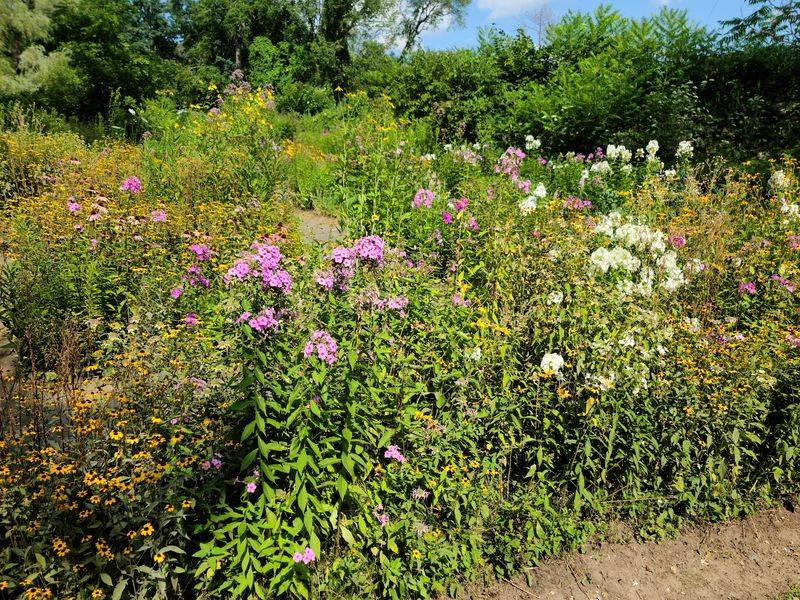
Butterflies, hummingbirds, and bees do the heavy lifting in these gardens, and they are absolutely worth slowing down for. The grounds include pollinator and native plant beds planted specifically to feed local insects and birds.
Interpretive signs explain which plants attract which visitors, so you leave knowing something practical for your own yard.
Summer is peak season. Reviewers describe the butterfly and hummingbird gardens as lush and lovely, with monarchs drifting between milkweed and coneflowers while bumblebees work the bee balm.
Inside the center there is even a glass-walled beehive, which lets you watch honeybees going about their business without a single sting risk.
Sharon Audubon participates in the Pollinator Pathway effort in Sharon, a community project that links yards and public spaces together with native plantings. The idea is simple.
Pollinators need safe stopping points to travel through a landscape, so connected patches of good habitat work far better than isolated ones.
Take photos, jot down plant names, and copy a few ideas at home. Even a small native flower bed can join the pathway and help.
8. Free Admission, With A Suggested Donation
Free admission makes this nature center especially easy to work into a family day out. Visitors can explore the trails, gardens, and raptor aviaries without buying a general admission ticket, so you can stay for a quick walk or linger for a much longer visit.
A suggested donation of five dollars per person is appreciated, and those contributions help support animal care and the center’s ongoing work. It is an optional way to give back while enjoying the grounds.
Outdoor areas remain open daily from sunrise to sunset, which gives visitors plenty of flexibility. The Education Center and gift shop keep separate hours, opening Tuesday through Saturday from 9 a.m. to 5 p.m. and Sunday from 1 p.m. to 5 p.m.
The building is closed on Mondays, although the trails remain accessible.
Some camps, guided programs, and educational activities may require a fee because they include extra staff time and organized instruction.
Bring water, wear sturdy shoes, and enjoy the grounds at your own pace. If you enjoyed the visit, leaving a small donation is a simple way to help support the animals and future programs.