This Connecticut Stone House Is One Of New England’s Oldest Historic Treasures
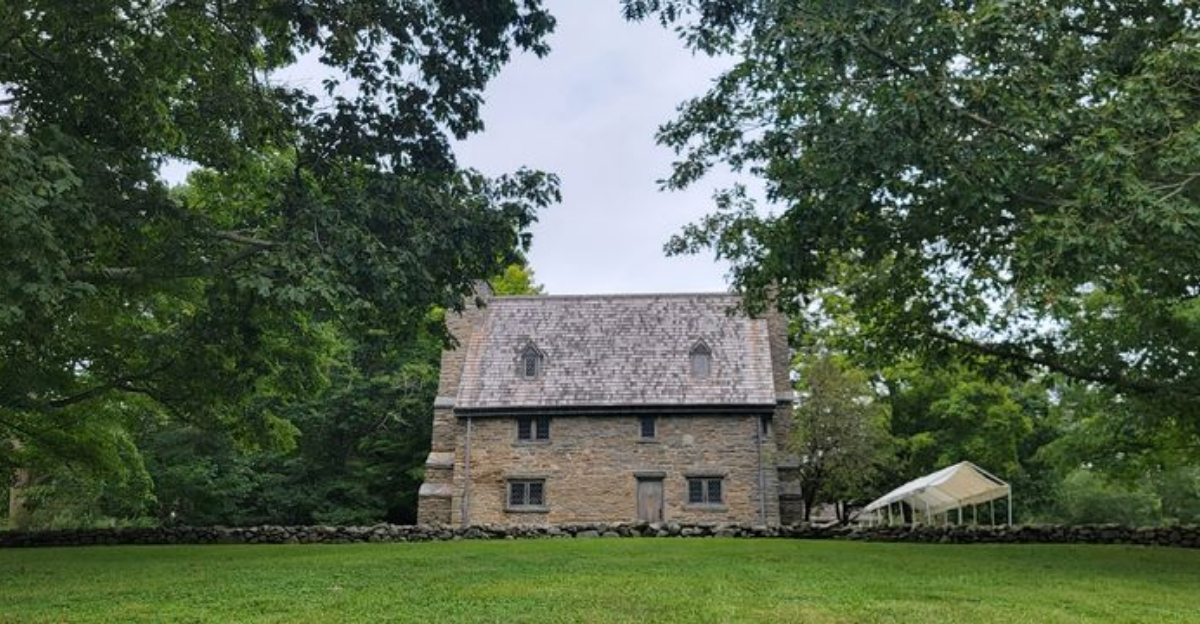
Some buildings carry a weight to them that hits you before you even get through the door and this stone house is one of the most powerful examples of that feeling anywhere in the region.
The age of it is almost hard to process when you are actually standing there looking at it. New England has incredible historic sites but few feel as immediate and as genuinely alive as this one does.
History enthusiasts absolutely lose it over this place and honestly that reaction makes complete sense once you see it for yourself.
One of New England’s oldest historic treasures sitting right here in Connecticut is the kind of discovery that reframes how you think about the place you live.
Every detail of this stone house tells a story and the whole visit feels like a masterclass in just how deep the history around here actually runs.
1. A Stone House From 1639
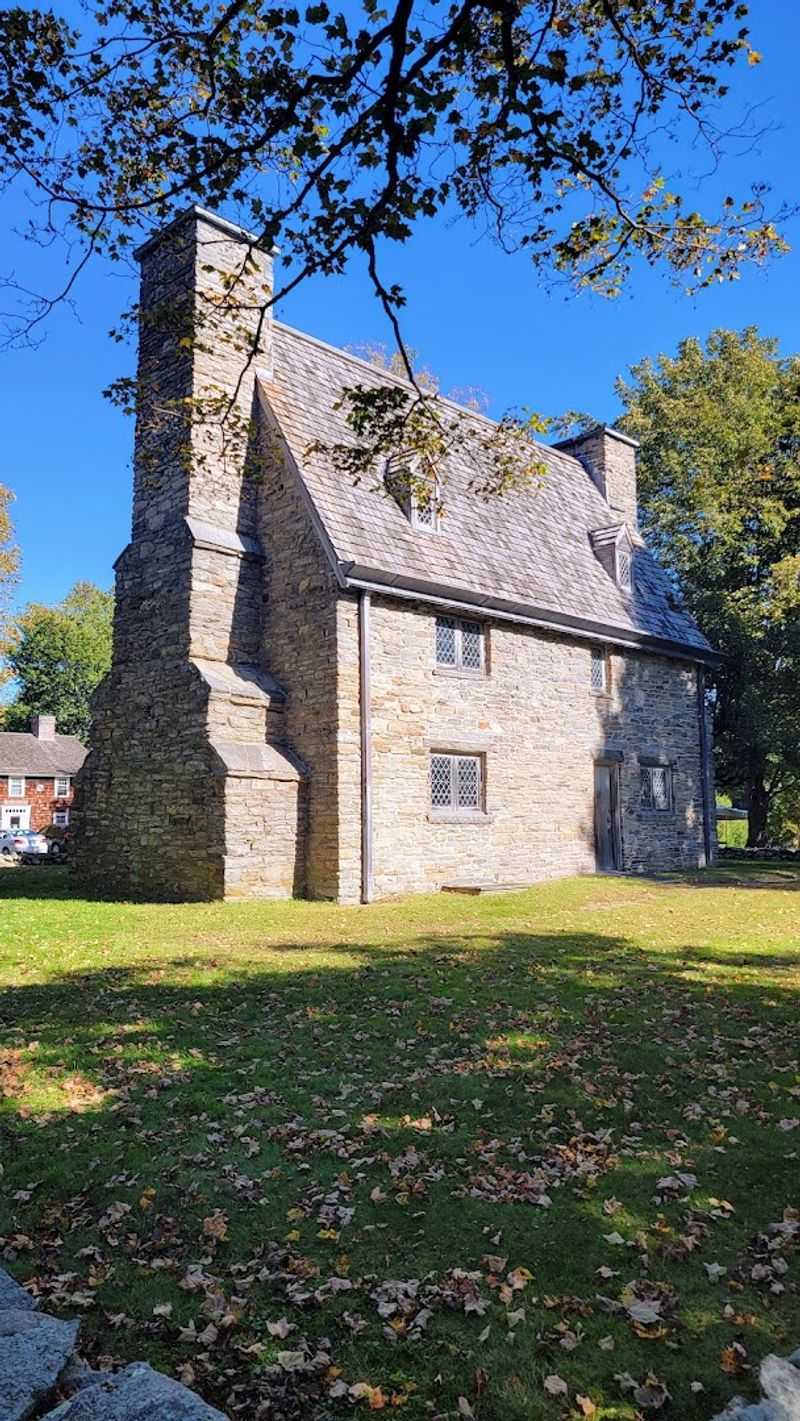
Built in 1639, the Henry Whitfield State Museum in Guilford holds a rare place in American history.
A group of English Puritans constructed the house after negotiating with the Menunkatuck band of the Quinnipiac tribe for the land, using local granite that gave the building its thick, heavy walls and unmistakable look.
Reverend Henry Whitfield led the group, and the house served as both his family home and one of four defensive stone structures created to protect the early colonial settlement.
Its strong walls and sturdy frame were designed for survival, which makes its endurance across nearly four centuries even more impressive.
The museum is located at 248 Old Whitfield Street.
When it opened to the public in 1899, the building became the state’s first museum.
Restoration work in the early 1900s and again in the 1930s helped preserve much of its original character, leaving those granite walls to tell a story that still feels powerful today.
2. Why This Landmark Feels So Rare
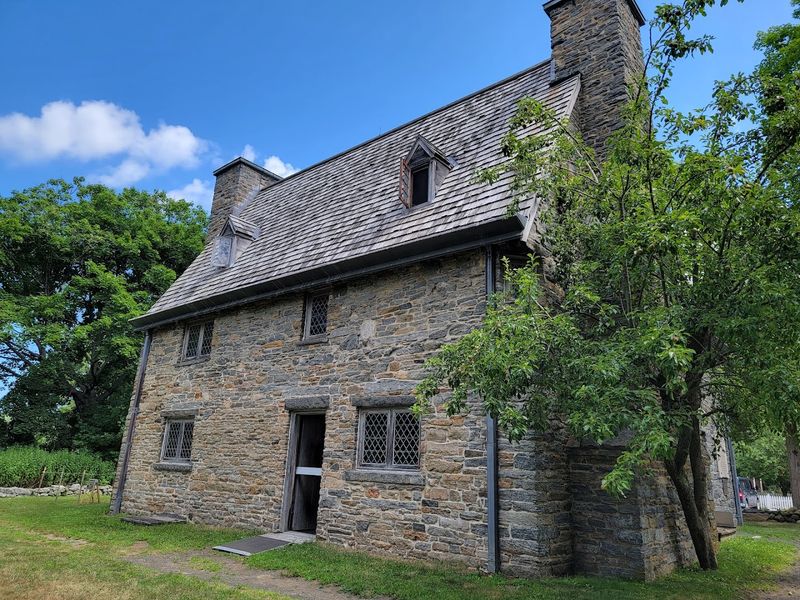
Genuinely old buildings are rarer than most people realize in the United States. So much of the country has been rebuilt, renovated, or simply lost to time, which makes the survival of a structure from 1639 feel almost improbable.
The Henry Whitfield State Museum carries a quiet weight that feels different from a reconstructed historical site or replica village, because these are the original walls, shaped from granite pulled out of the local landscape nearly four centuries ago.
Beyond its age, the museum holds the distinction of being both a National Historic Landmark and a State Archaeological Preserve. Those designations show how significant the site is considered to be, not only within the state but across the broader scope of American history.
The building represents one of the earliest examples of European settler construction in New England, making it a rare primary source of architectural history.
The museum has also been actively updating how it tells its story, working to acknowledge the complexities of European settler colonialism and the impact on Indigenous communities. Exhibits highlight more than 5,000 years of Native American history connected to the region.
That commitment to honest, layered storytelling gives the landmark a depth that goes well beyond its impressive age.
3. Where To Find It In Guilford

Guilford sits along the shoreline of Long Island Sound, roughly halfway between New Haven and New London. The museum is easy to reach from the main roads, and the surrounding area has a calm, small-town feel that makes the visit feel unhurried from the moment of arrival.
The museum itself is set on open grounds with maintained lawns, mature trees, and a hiking trail that visitors can explore at no extra cost.
The Henry Whitfield State Museum is located at 248 Old Whitfield St in Guilford, CT 06437, and there is free parking available on site, which makes logistics straightforward for families or groups arriving by car.
The grounds offer enough open space to spread out and take in the surroundings before or after touring the house itself.
Picnicking on the lawns is a relaxed way to extend the visit on a pleasant day.
A separate visitor center building sits near the main house and contains additional historical context, exhibits, and a small gift shop. Having that additional space means visitors can pace themselves without feeling rushed through the primary structure.
4. A Walk Through The State’s Earliest Days
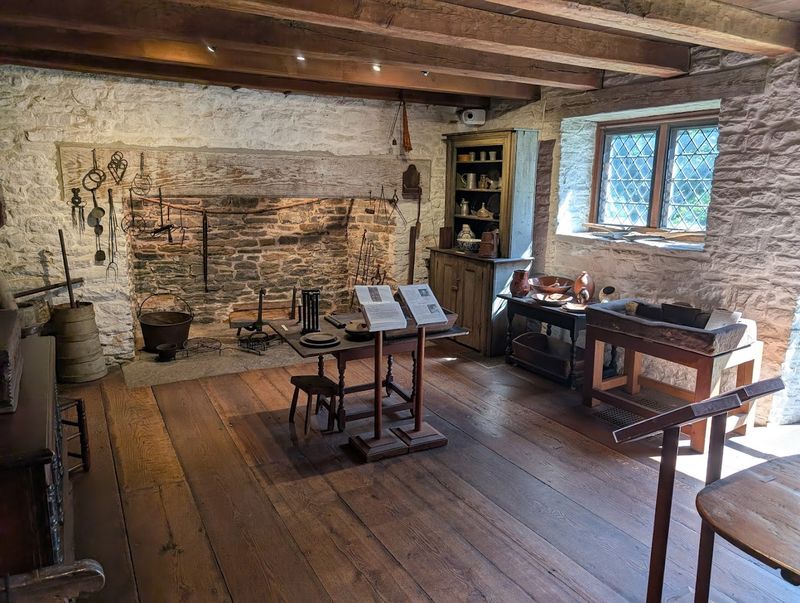
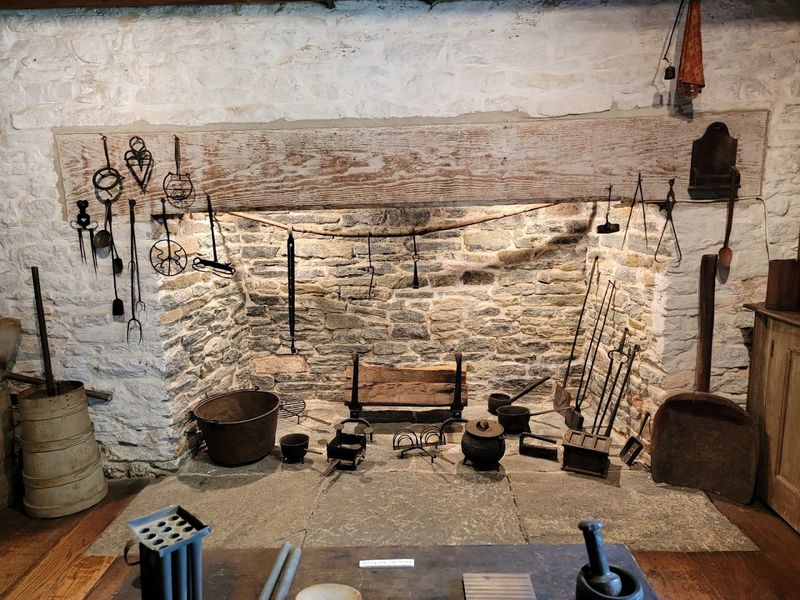
The rooms are filled with historical furnishings and artifacts that reflect the period when the house was actively used as a home, giving the space a lived-in quality that photographs simply cannot capture.
Wooden beams, stone walls, and low ceilings create a sensory environment that connects visitors to the physical reality of 17th-century daily life.
Artifacts are thoughtfully labeled throughout the house, and visitors can flip through informational papers at various points to learn more about specific objects or rooms. Notable pieces include a colonial clock and a Wheelock musket displayed in the garret, both of which draw particular attention for their age and craftsmanship.
The self-guided tour format allows visitors to move at their own pace and spend extra time with whatever catches their interest most.
Staff members are present throughout the visit and tend to be knowledgeable about the house, the grounds, and the broader history of the region.
Ongoing archaeological excavations on the property have added another layer of discovery to the experience, with exhibits explaining the work being done by researchers from Southern Connecticut State University.
5. The Story Behind Its Thick Stone Walls
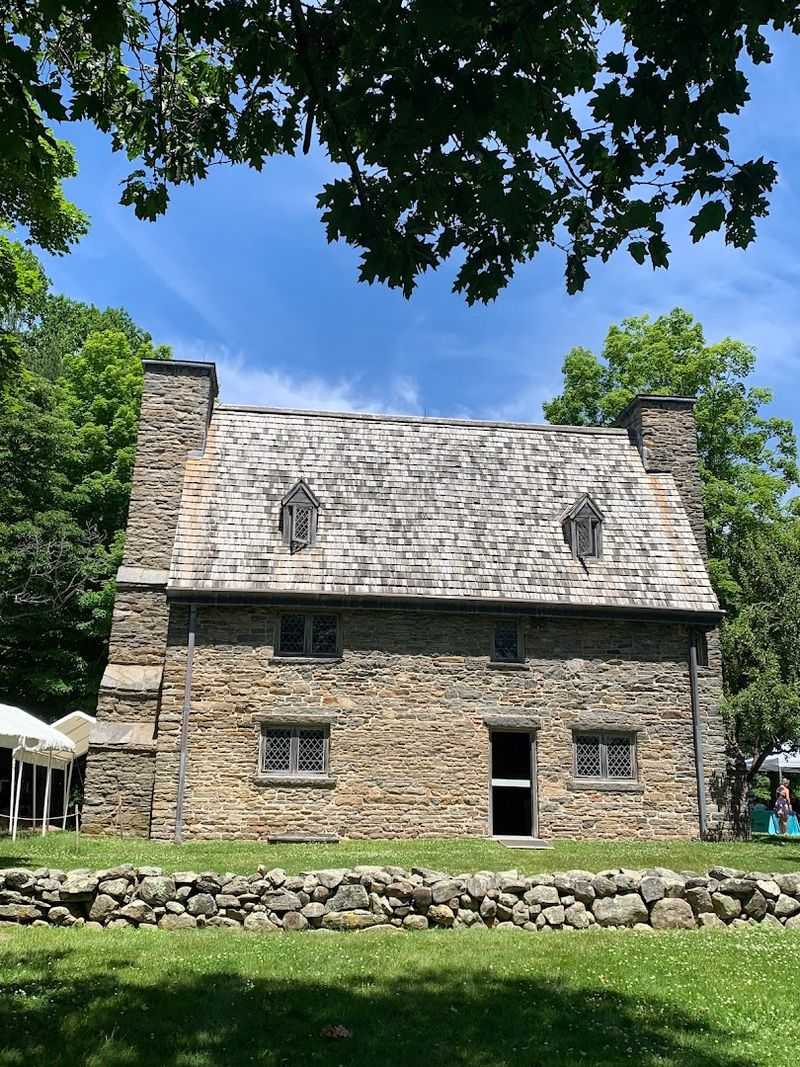
The decision to build with stone rather than wood was not purely aesthetic for the Puritan settlers who constructed this house in 1639. Stone offered protection, permanence, and a level of defense that timber framing simply could not provide in an uncertain colonial environment.
The structure was designed as one of four defensive stone buildings in the early Guilford settlement, meaning its walls were built to withstand more than just the New England weather.
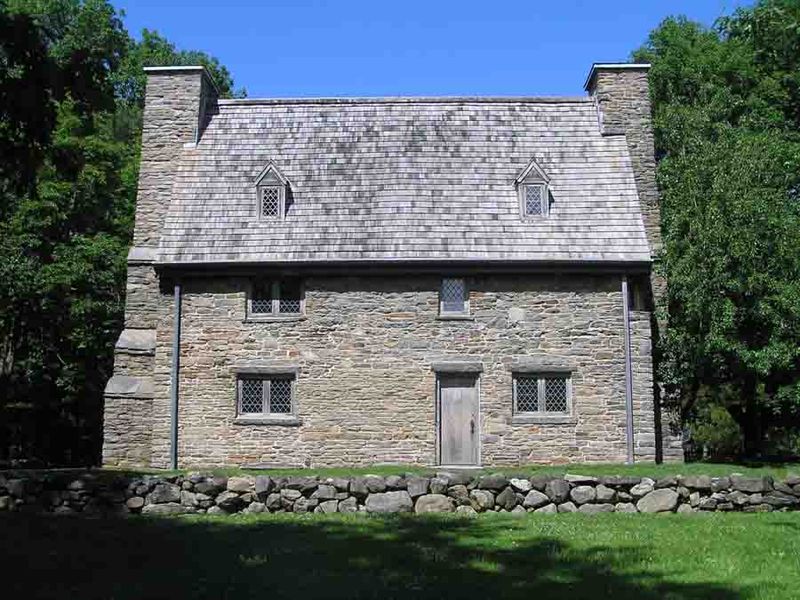
Local granite was used throughout the construction, sourced from the surrounding landscape. The result is a building that looks almost medieval in character, with massive walls that feel immovable even after nearly four centuries of use.
That medieval quality is not accidental, as the builders brought architectural traditions from England with them and applied those methods to the materials available in their new surroundings.
Restoration work in the early 1900s, led by architects Norman Isham and J. Frederick Kelly, helped stabilize and preserve the structure without erasing its original character.
A second round of restoration followed in the 1930s, both efforts reflecting the Colonial Revival movement’s interest in protecting early American architecture.
The walls standing today represent both original craftsmanship and careful stewardship across multiple generations of preservation work.
6. Best Time To Visit The Museum
The Henry Whitfield State Museum is open Wednesday through Sunday from 10 AM to 4 PM, and it remains closed on Mondays and Tuesdays. Arriving earlier in the day tends to allow more time to explore both the main house and the surrounding grounds without feeling rushed before closing.
Weekday visits during the warmer months can offer a quieter atmosphere, which makes it easier to move through the three floors of the house at a comfortable pace.
Summer Fridays in particular can be a pleasant option for families looking to fill time with something genuinely educational and engaging.
The grounds include open lawns and a hiking trail, so the visit has the potential to stretch into a longer outdoor experience on a good weather day.
Special events held throughout the year add another dimension to the experience, including programs focused on colonial-era crafts and cultural festivals.
Visitors with mobility concerns should also be aware that the interior staircases are narrow and can be dimly lit, so it is worth contacting the museum ahead of time to plan accordingly.
7. What Makes This Place So Historic

History runs deep at this Guilford site, and the Henry Whitfield State Museum carries more than one remarkable claim. It is recognized as the state’s oldest house and New England’s oldest stone house, which already gives it a powerful place in regional history.
Its importance reaches even further as a National Historic Landmark and a State Archaeological Preserve, making the property feel less like a single historic house and more like a meeting point of many stories.
Several histories come together here at once. English Puritans built the house in 1639, but the land itself connects to the Menunkatuck band of the Quinnipiac tribe, whose history long predates the colonial settlement.
Archaeological research on the property continues to add more context from the ground beneath it, giving the site a layered story that keeps unfolding. Rather than centering only the colonial chapter, the museum works to present these connected histories with more honesty and depth.
Exhibits covering more than 5,000 years of Native American history tied to the region help visitors see the site on a much broader timeline. That wider view makes the 1639 construction date feel like one important chapter inside a far older story, not the beginning of it.
Historic sites across New England do not always offer that kind of perspective in such a compact, accessible setting, which makes this one especially worth a closer look.
8. A Quiet Stop Near The Guilford Green
Part of what makes a visit to the Henry Whitfield State Museum feel so rewarding is the setting it sits within. Guilford itself is a picturesque shoreline town with a historic town green that has been in use since the 17th century.
The museum grounds are close enough to that town center to make combining both stops into a single afternoon outing a natural choice.
The area around the Guilford Green includes other historic homes and buildings that reflect the town’s long and well-preserved history.
Walking between the museum and the green takes only a few minutes and offers a chance to see how much of Guilford’s early character has been maintained over the centuries.
The proximity to the Long Island Sound also means the area has a relaxed coastal atmosphere that adds to the overall feeling of the visit.
For anyone building a day trip around history and scenery, the combination of the museum, the grounds, the hiking trail, and the nearby town center creates a satisfying and varied itinerary.
The museum’s small gift shop provides a low-key way to wrap up the visit before heading out to explore the rest of Guilford.
Arriving with a little extra time to wander the grounds makes the experience feel complete rather than rushed.