This Connecticut Town Feels Like A Walk Through New England’s Past
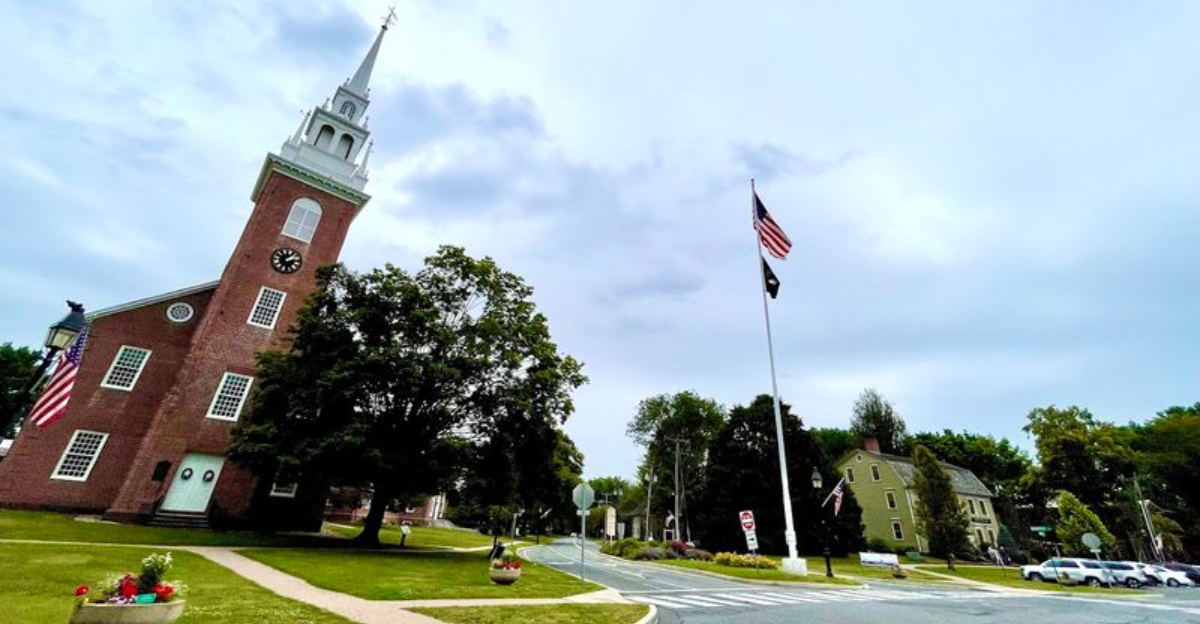
The past does not feel sealed behind museum glass here. It lives along quiet streets where centuries-old homes still face the road and church bells seem matched to the setting.
There is a rhythm to exploring this part of town. Brick sidewalks lead past weathered doorways, while trees soften the view.
One corner feels colonial. The next carries traces of a later era.
Few places in Connecticut make nearly four centuries of New England history feel this present and approachable. That sense of continuity is the draw.
You can notice how the community changed without losing the character that shaped it.
Even the smallest details seem worth a second look. An old stone wall might mark a boundary that has lasted generations, and a simple house can hold stories tied to the nation’s earliest years.
The result feels less like touring a preserved district and more like stepping into a town that never stopped carrying its past forward.
1. Main Street Through Four Centuries
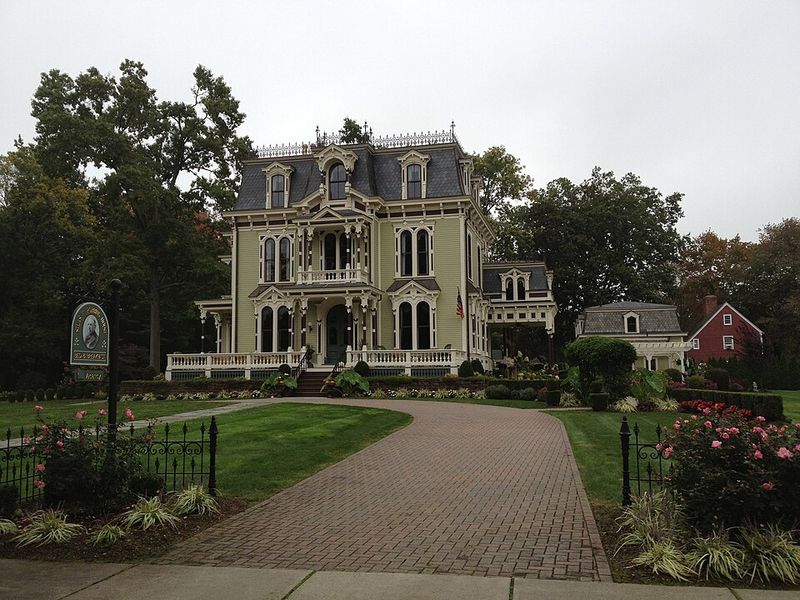
Centuries of architecture unfold along Main Street, where shaded sidewalks and carefully preserved buildings make Old Wethersfield especially rewarding to explore on foot.
The historic district is the largest in the state, with homes and landmarks representing generations of changing New England design.
One of the best introductions to the area is the Keeney Memorial Cultural Center.
Built in 1893 as a public high school, the handsome brick-and-brownstone building now houses the Wethersfield Museum and visitor information, with exhibits that bring the community’s long story into clearer focus.
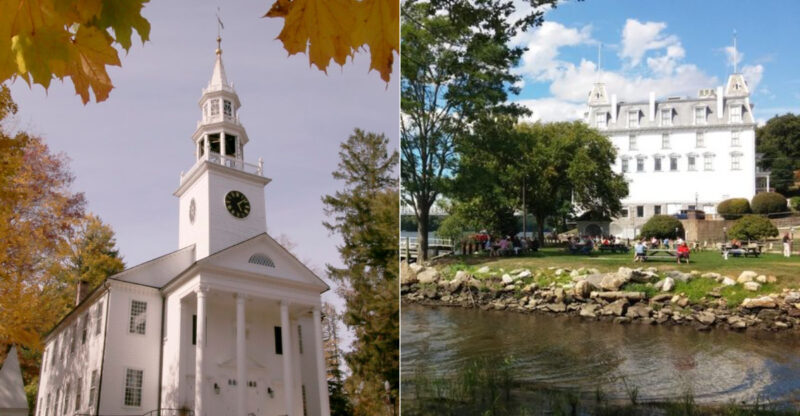
Continue down the street and the white steeple of First Church of Christ soon rises above the surrounding rooftops. Its congregation began in 1635, while the Georgian-style meetinghouse was constructed between 1761 and 1764.
The historic brick building remains one of the district’s most recognizable landmarks.
The Keeney Memorial Cultural Center welcomes visitors at 200 Main Street in Wethersfield.
Together, the museum, church, mature trees, and remarkable collection of historic properties turn a simple stroll into an engaging journey through nearly four centuries of local life at an easy and unhurried pace.
2. Colonial Homes And Brick Walkways
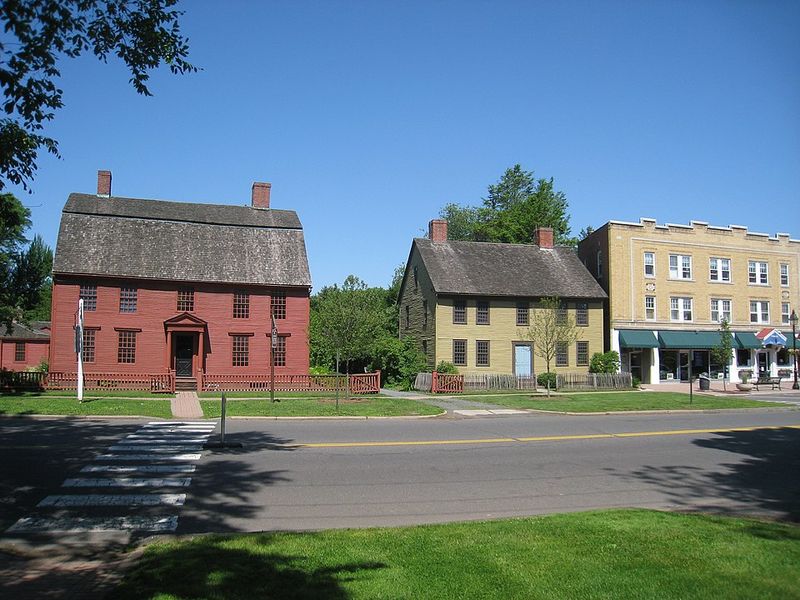
More than 150 homes in the Old Wethersfield Historic District were built before the Civil War, and many predate the Revolutionary War entirely. Walking the quiet lanes here means passing genuine examples of early American craftsmanship, not replicas or restorations built for tourism.
The variety of architectural styles across just a few blocks tells the story of how the town grew and changed over generations.
Among the most striking structures is the Buttolph-Williams House, one of the oldest surviving homes in the state. Built around 1711, it features a steeply pitched roof, a central chimney, and diamond-paned casement windows that give it an unmistakably Puritan-era appearance.
Connecticut Landmarks owns and operates it as a museum, with seasonal tours available at 249 Broad Street, Wethersfield, CT 06109.
The Webb-Deane-Stevens Museum at 211 Main Street, Wethersfield, CT 06109 presents three distinct 18th-century houses on their original foundations. Each home belonged to a different family and reflects a different social and economic position in colonial life.
Together they create a layered picture of what everyday existence looked like in early New England, making this block genuinely worth lingering over.
3. Washington At The Webb House
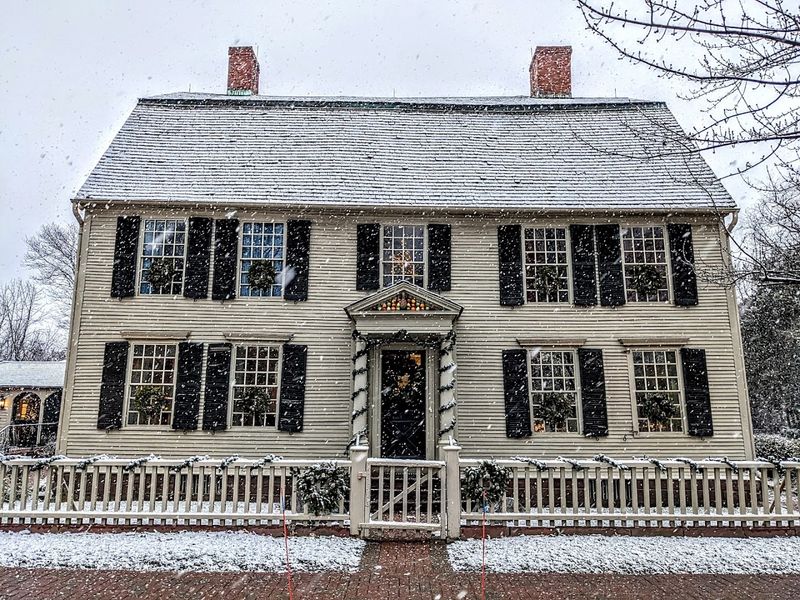
History feels remarkably close inside the Joseph Webb House, where one of the Revolutionary era’s most important military conferences unfolded.
In May 1781, George Washington spent five nights here while meeting with French commander Comte de Rochambeau to discuss joint operations against British forces.
The 1752 house now forms part of the Webb-Deane-Stevens Museum, and guided tours reveal furnished rooms that reflect life in the 18th century. Visitors can see the parlor associated with the Wethersfield Conference, along with the bedroom used by Washington during his stay.
Period interiors and preserved details make the story feel immediate rather than distant.
The meeting did not produce the complete Yorktown plan, but it strengthened the Franco-American partnership and helped set the campaign in motion. That campaign later brought the allied armies south, leading to the decisive victory at Yorktown.
The museum welcomes visitors at 211 Main Street in Wethersfield. Experiencing these rooms offers a rare physical connection to decisions that shaped the nation’s founding.
It is a memorable stop for travelers drawn to early American history and places where events unfolded quietly.
4. The Town Built On Red Onions
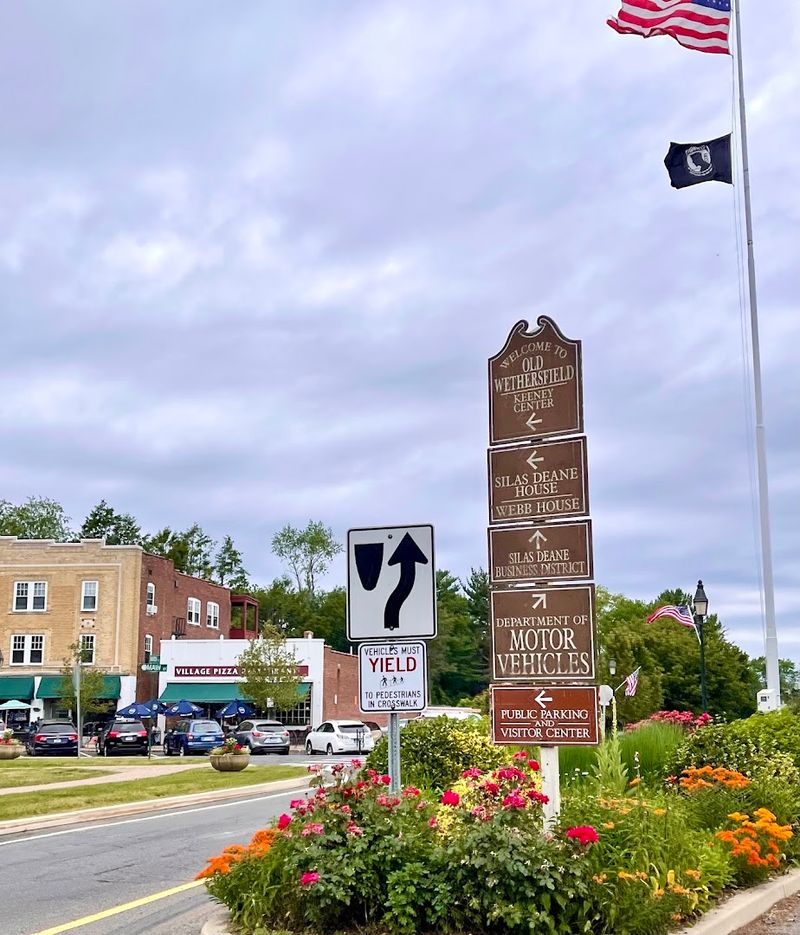
Long before colonial homes became a draw for history enthusiasts, Old Wethersfield built its economy on something far more humble: the red onion. As the first English settlement in the state, the town developed a specialized agricultural identity that set it apart from other river communities.
Farmers here cultivated the Wethersfield Red Onion with such success that the town earned the nickname Oniontown.
At the height of the onion trade in the 18th century, the town exported up to 1.5 million five-pound onion ropes each year.
These goods traveled along the Connecticut River and eventually reached markets in the West Indies, helping establish Wethersfield as one of the most commercially active towns in the region.
The scale of that trade is striking when you consider how small the community actually was.
The red onion remains a genuine symbol of local identity today. The Wethersfield Historical Society continues a long-standing tradition of paying its annual rent to the town in red onions, keeping the agricultural legacy alive in a distinctly personal way.
Visitors who learn this detail often find it one of the most memorable and endearing facts about the entire town, and it tends to stay with them long after the visit ends.
5. Old Gravestones And Hidden Stories
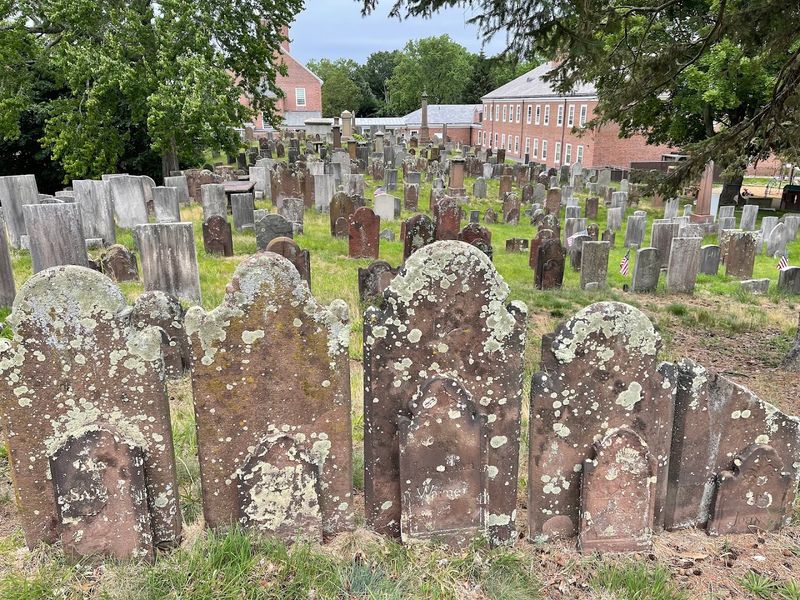
Quiet paths and weathered markers give the Ancient Burying Ground a powerful sense of connection to Old Wethersfield’s earliest years. Dating to the 1630s, the historic cemetery remains an active burial place and preserves layers of community history across generations.
The oldest sections feature simple fieldstones and early carved markers, while later areas reveal increasingly detailed designs shaped by skilled Connecticut River Valley artisans.
Brownstone symbols, lettering styles, and changing decorative motifs show how local craftsmanship and remembrance evolved from one century to the next.
Taking time to study the inscriptions reveals family names, occupations, relationships, and dates tied closely to the town’s development.
Mature trees shade the grounds, softening the landscape and creating a calm setting for thoughtful exploration. Visitors should admire the stones without touching them, applying substances, or disturbing their surfaces, since even well-intended efforts can damage fragile carvings.
Seasonal changes bring different colors, textures, and moods to each visit.
The Old Wethersfield Village Cemetery can be found at 332 Hartford Avenue in Wethersfield. A slow walk through the grounds offers more than a collection of old markers.
It provides a moving record of local lives, artistic traditions, and the community’s long relationship with this historic landscape.
6. Gardens Behind Historic Doorways
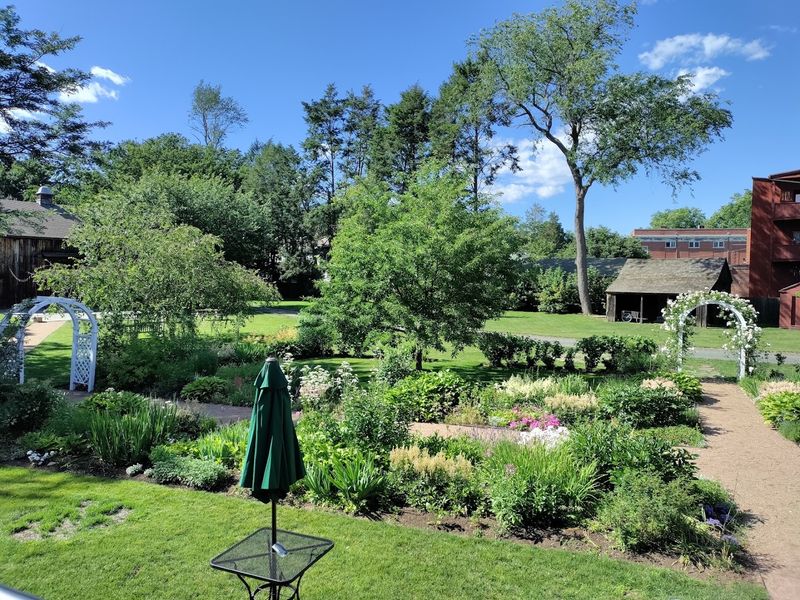
Behind the formal facades of Old Wethersfield’s most storied homes, quieter spaces unfold in the form of carefully tended gardens.
The Webb-Deane-Stevens Museum features a Colonial Revival Garden that was designed in 1921 by Amy Cogswell, recognized as one of the first female landscape architects in the United States.
Her design was intentionally decorative rather than utilitarian, setting it apart from the working kitchen gardens that colonial households would have actually maintained.
The garden incorporates classical layout elements alongside quaint arbors and a selection of old-fashioned flowering plants. Hardy perennials like roses form the backbone of the planting, with brightly colored annuals added to extend the bloom season.
The result is a space that feels both historically grounded and genuinely pleasant to spend time in. The garden is accessible during regular museum hours at 211 Main Street, Wethersfield, CT 06109.
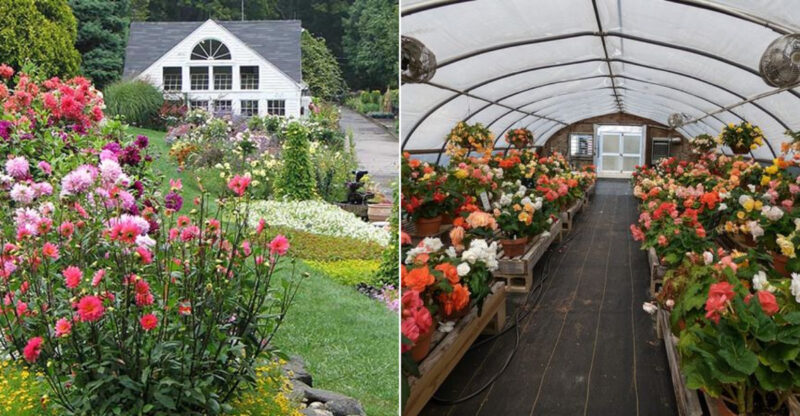
Just a short distance away, McCue Gardens at 47 Hartford Avenue, Wethersfield, CT 06109 offers a different kind of green experience. Founded in 1967, this perennial nursery grows an extensive range of wildflowers, rock garden plants, and hardy perennials across several acres.
Visitors are welcome to browse and purchase, making it a hands-on destination for anyone drawn to horticulture alongside history.
7. Cove Park By The River

When the cobblestones and museum corridors call for a break, the waterfront edge of Old Wethersfield offers a natural counterbalance. Cove Park wraps around Wethersfield Cove and provides open green space, walking paths, and picnic areas alongside direct water access.
A boat launch connects visitors to the Connecticut River, and the wide views across the cove bring a sense of openness that the historic streets do not always allow.
The park sits at 220 Hartford Avenue, Wethersfield, CT 06109, and draws both locals and visitors throughout the warmer months. The pace here tends to be relaxed, with families spreading out on the grass and walkers moving along the paths at an easy rhythm.
Mornings offer particularly calm conditions, with the water reflecting the surrounding landscape before foot traffic picks up.
Within the park, the Cove Warehouse Maritime Museum adds historical depth to the natural setting. This structure dates to the late 17th century and stands as the last surviving warehouse from the six that once lined the cove during Wethersfield’s active shipping era.
Located at 533 Main Street, Wethersfield, CT 06109, the warehouse now holds maritime exhibits that connect the town’s agricultural exports to its broader commercial history along the river.
8. Why Locals Preserve The Village
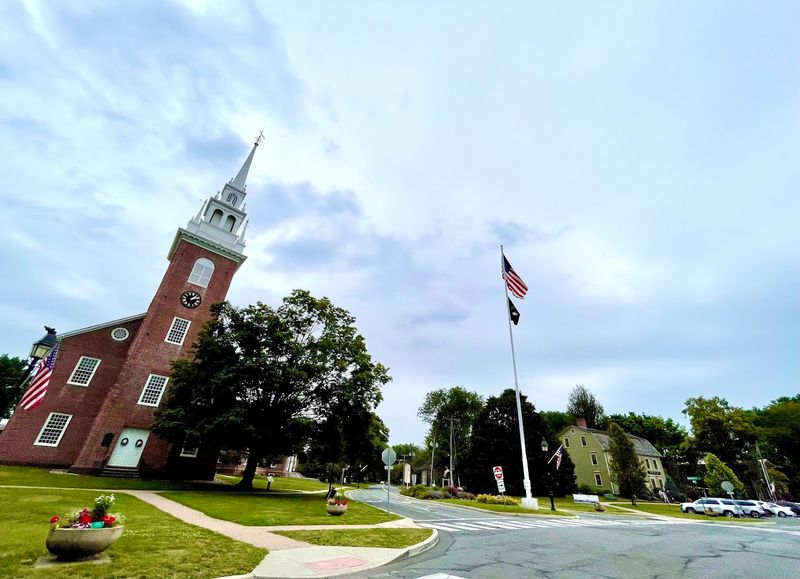
Preservation in Old Wethersfield is not a passive activity. The community actively works to maintain the character and integrity of its historic district because the people who live here genuinely value what surrounds them.
The result is a village that functions as a real neighborhood first and a historic attraction second, which makes visiting it feel authentic rather than staged.
The Wethersfield Historical Society, headquartered at the Keeney Memorial Cultural Center at 200 Main Street, Wethersfield, CT 06109, leads much of this ongoing effort.
The organization works to interpret and protect the town’s architectural, cultural, and historical assets through educational programs, guided tours, and community engagement.
Their work ensures that the stories embedded in these buildings remain accessible to future generations.
What makes Old Wethersfield particularly compelling is that its preservation efforts are not focused solely on appearances. The goal is to maintain a living community where history and daily life coexist naturally.
Streets get used, homes get lived in, and the historic district breathes with the activity of ordinary routines.
That combination of authenticity and careful stewardship is ultimately what keeps drawing visitors back, and what makes the town feel genuinely irreplaceable within the broader landscape of New England heritage.