Meet The Adorable Cows Behind The Handmade Cheese At This Connecticut Farm
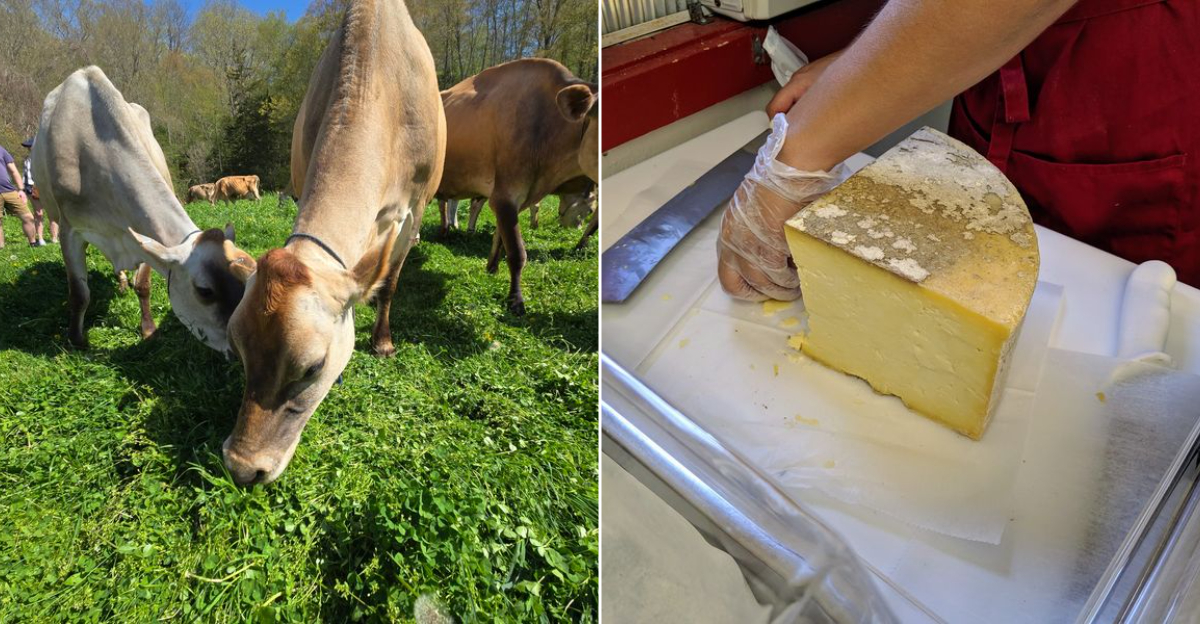
Cheese already has plenty going for it, but meeting the cows behind it makes the whole experience ridiculously cute.
These ladies are doing some very important work. Connecticut gets a farm visit where curious faces in the pasture are directly connected to the cheese waiting nearby.
That little connection makes browsing the farm shop way more fun. Suddenly, every wedge has a backstory.
The milk comes from the herd on site, and the finished cheese reflects the seasons in subtle ways.
You may find yourself looking at the cows and thinking, “So you helped make this?” Honestly, that feels completely reasonable.
Nothing about the place is overly fancy. The charm comes from seeing how closely the animals, land, and food are connected. It is wholesome in the best way.
And somehow, cheese tastes even better after you have met the adorable crew responsible for the first step.
1. This Family Farm Is All About Great Cheese
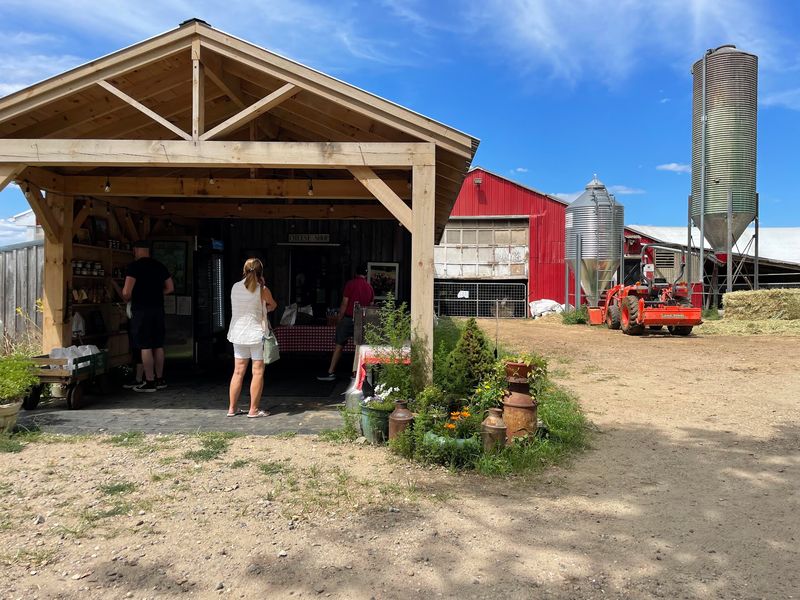
Patience is built into nearly everything that happens on this 75-acre farm in Colchester. Cato Corner Farm raises its own herd and turns the milk into handmade farmstead cheese, allowing the process to stay closely connected to the land where it begins.
The farm currently milks roughly 45 to 50 cows year-round, most of them Jerseys.
Cheesemaking here started in 1997, when Elizabeth MacAlister began looking for a way to make the farm more sustainable. Her son Mark Gillman later joined the operation, and today the two continue producing cheeses based on traditional styles and their own recipes.
The pastures matter just as much as the cheese room. Rotational grazing gives sections of grass time to recover, while no-till practices and other soil-focused methods help protect the farmland over the long term.
Protection extends beyond everyday farming practices. Connecticut Farmland Trust holds an agricultural easement that has preserved the entire property since 2008, helping keep the land dedicated to agriculture.
That close connection between herd and pasture gives a visit real purpose. Instead of feeling staged for tourists, the farm remains an active agricultural operation where cheese is still shaped by the land around it.
2. Handmade Cheese Is The Main Attraction
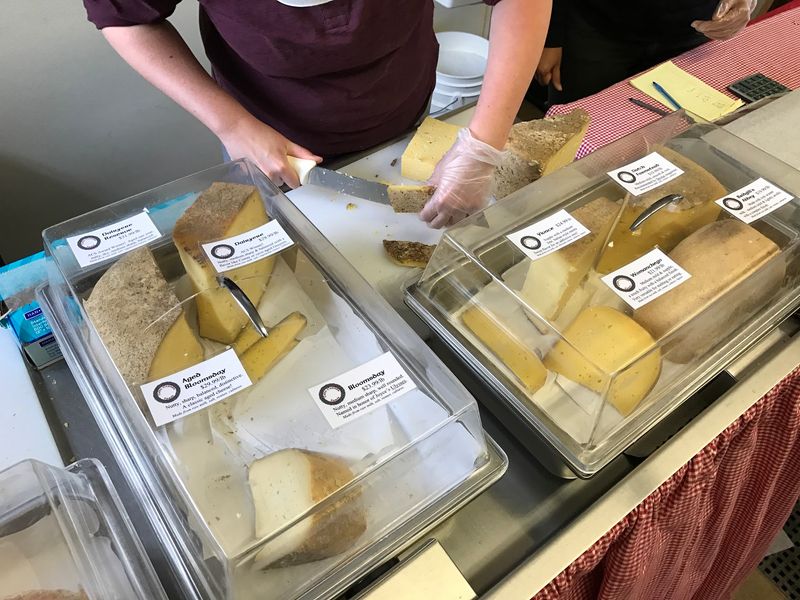
Choosing a cheese here can take longer than expected because the selection stretches from mellow, creamy varieties to intensely aged wheels with much stronger personalities.
Cato Corner Farm makes its cheeses by hand, using milk from its own herd for the raw-milk varieties that have defined the farm for years.
Much of their character develops underground. The farm’s aging cave provides the controlled environment needed for natural rinds to mature slowly, allowing texture and flavor to deepen over time.
Some cheeses spend only a couple of months there, while others continue aging for close to a year or longer.
Hooligan is one of the farm’s best-known creations, with a washed rind and creamy interior that develops during roughly 60 to 75 days of aging. Molto Vivace takes a completely different direction.
Aged for at least 10 months, it becomes firm, dry, and notably sharper than the younger Vivace.
The variety means each visit can lead toward a different favorite, especially as seasonal cheeses appear throughout the year. Rather than rushing the process, the farm relies on careful aging to shape every batch.
That patience comes through clearly at the counter, where each cut reflects months of work before it ever reaches a customer.
3. Jersey Cows Make The Milk Behind It All
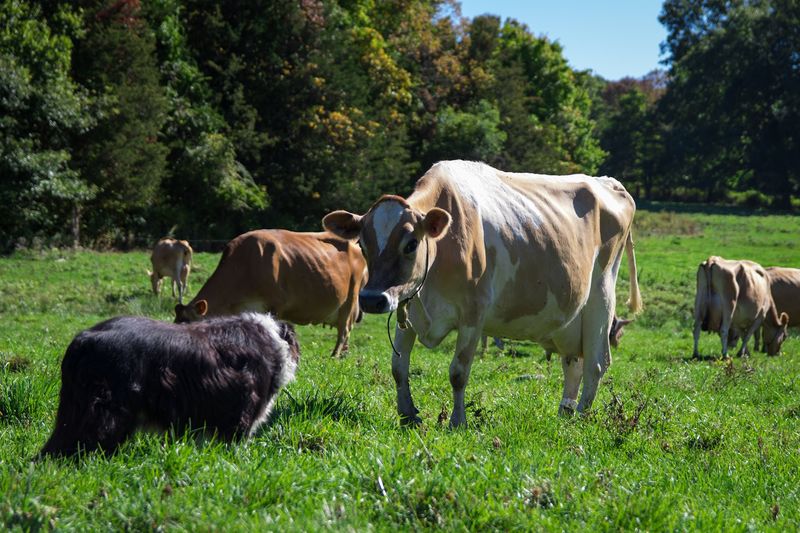
Jersey cows have a reputation for producing milk that is richer than average, and that reputation is well earned. Their milk naturally contains higher levels of butterfat and protein compared to many other breeds, which makes it especially well-suited for cheesemaking.
At Cato Corner Farm, the herd typically includes 40 to 50 milking cows, and their milk forms the foundation of everything sold in the store.
The animals are raised with individualized attention that would not be practical on a larger commercial operation.
During milking, staff spend extra time cleaning udders and monitoring the health of each cow, a level of care that reflects the farm’s commitment to producing clean, high-quality raw milk.
The herd grazes on fresh pasture from May through November and receives locally sourced dry hay during the winter months.
Genetics are also a thoughtful part of the operation. The farm works toward breeding cows that produce A2:A2 milk, which many people find gentler on digestion.
Genetics from Brown Swiss and Normande bulls are also introduced to enhance certain herd characteristics over time. The result is a herd that is well-suited to both the land and the specific demands of small-batch farmstead cheesemaking in New England.
4. Visitors Get A Closer Look At Farm Life
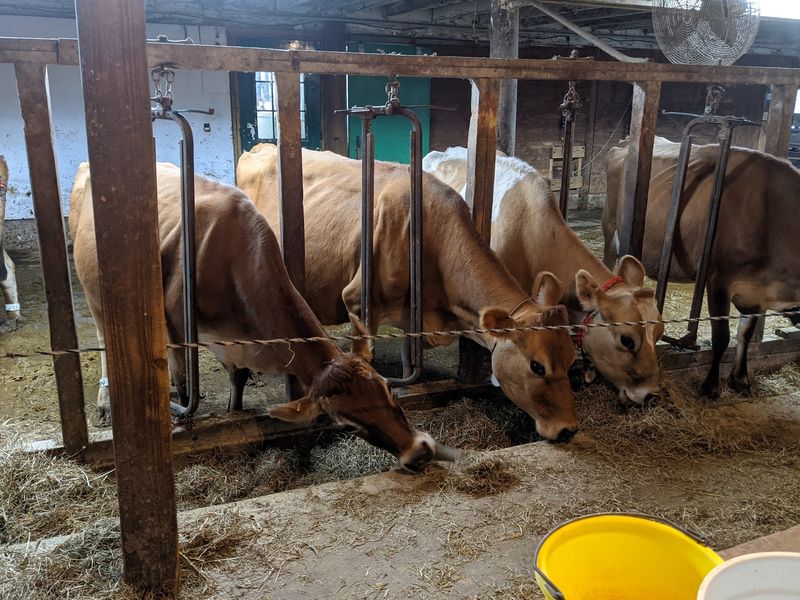
A visit to Cato Corner Farm makes the connection between pasture and finished cheese feel much more immediate. The working dairy setting remains part of the experience, with cows grazing nearby and daily farm activity continuing around visitors rather than being hidden from view.
Special pasture walks occasionally offer an even closer look at how the herd is cared for. These events give guests a chance to learn about grazing routines, the cows themselves, and the decisions that shape life on the farm.
Because availability can vary, checking the farm’s current event information before planning around one is the safest approach.
Even a regular stop at the farm shop carries that agricultural character. The surrounding fields and sounds of a working dairy make it clear that the cheese sold inside begins only a short distance away.
Instead of feeling separated from production, visitors remain surrounded by the land and animals behind it.
The farm operates at 178 Cato Corner Road in Colchester, where its shop opens on select days each week.
That close relationship between the herd and the food makes the experience especially memorable for families and curious visitors who want a clearer sense of how farmstead cheese begins.
5. The Farm Store Is Full Of Cheese To Try
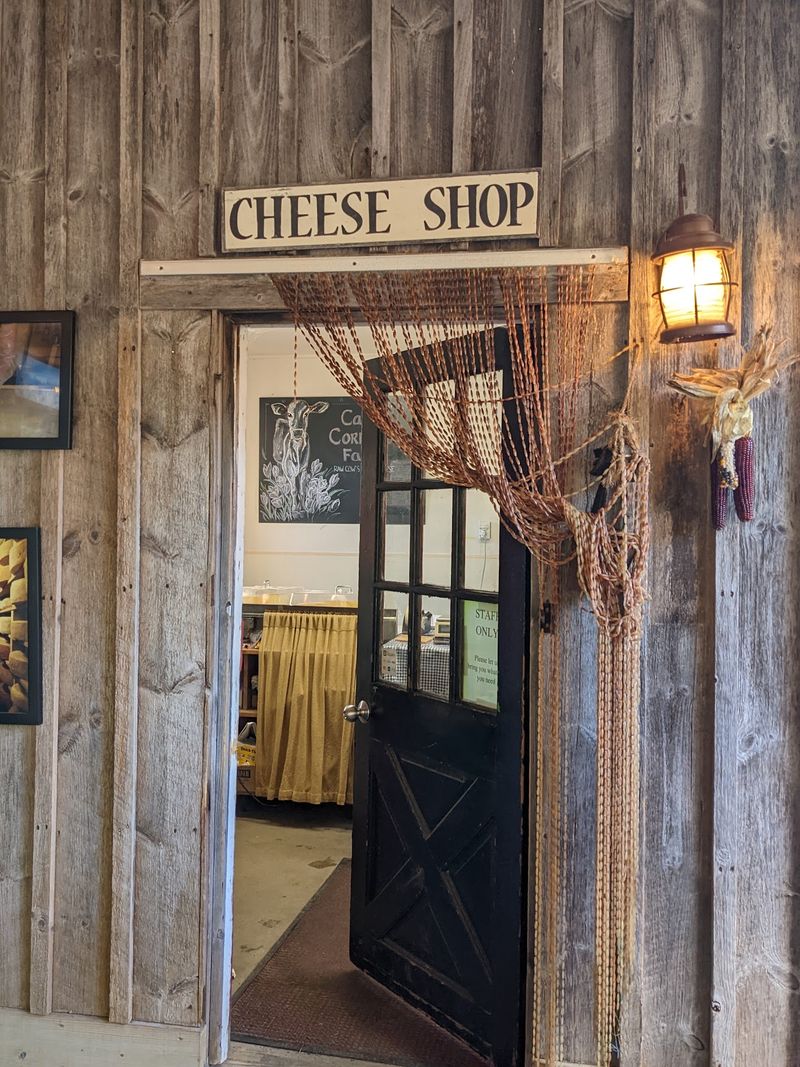
The farm store at Cato Corner Farm is compact but packed with things worth exploring.
Located at 178 Cato Corner Road, Colchester, CT 06415, the shop is open Fridays and Saturdays from 10 AM to 4 PM and Sundays from 11 AM to 4 PM, with a self-serve kiosk available daily from 9 AM to 6 PM for those visiting outside regular hours.
The store’s layout encourages browsing and tasting before committing to a purchase.
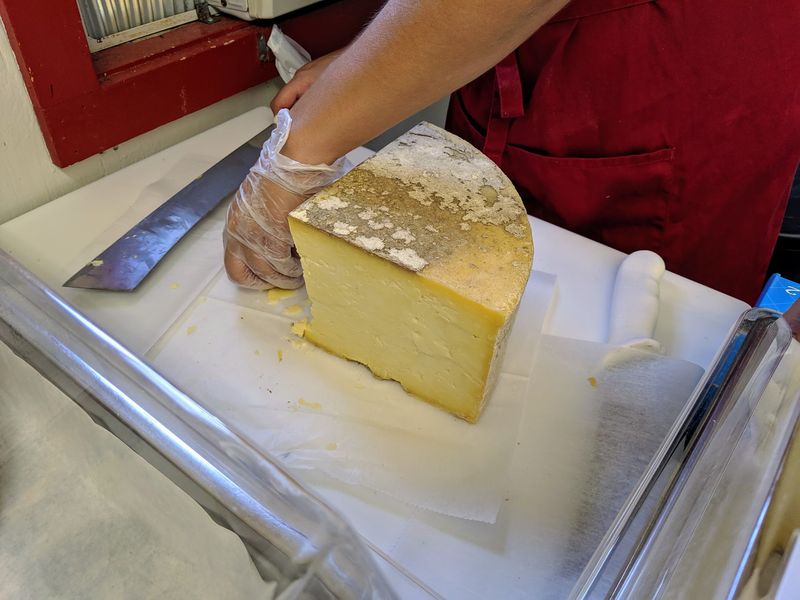
Staff members are knowledgeable about the full lineup of cheeses and are generally happy to offer samples and explain the flavor profiles of different varieties. Cheeses are cut to order, which means guests can ask for exactly the amount they want rather than being limited to pre-packaged portions.
That flexibility makes it easy to try several styles without overcommitting.
Beyond cheese, the store often carries complementary local products that may include farm-raised beef, jams from regional producers, and freshly baked breads from nearby bakeries. The selection of additional goods can vary by season and availability.
Credit cards are accepted, which is worth knowing before making the trip. The overall atmosphere inside the store feels welcoming and low-pressure, encouraging visitors to take their time and explore what the farm has to offer.
6. Fresh Pastures Help Shape Every Batch
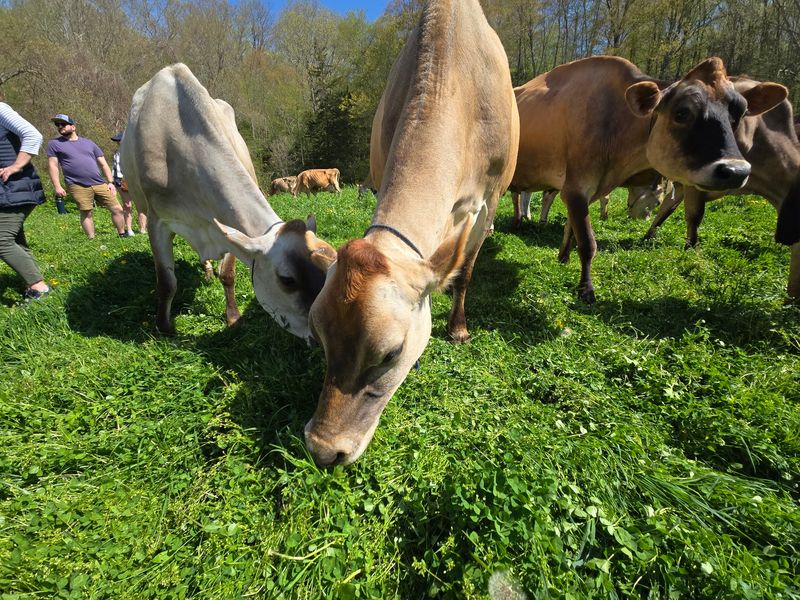
Flavor in cheese does not appear from nowhere. At Cato Corner Farm, the grasses and forages the cows consume during the grazing season have a measurable effect on the taste and color of the milk they produce.
From May through November, the herd rotates across the farm’s pastures, moving to a fresh paddock roughly every 12 hours to ensure access to abundant, nutritious forage.
This rotational system benefits both the animals and the land. Grazed sections are allowed to recover and regrow before the herd returns, which promotes stronger plant growth and reduces soil compaction over time.
The result is a cycle that keeps the pastures productive and the cows well-nourished throughout the season. During winter, the farm feeds dry hay rather than fermented silage, a choice that adds cost but preserves milk quality.
Seasonal variation in the cheese is a natural outcome of this approach. Milk produced during peak summer grazing tends to carry sweet, grassy notes and a deeper yellow hue, while winter milk often yields a creamier texture.
Long-term land protection is secured through conservation easements held by the Connecticut Farmland Trust, ensuring the farm’s 75 acres remain agricultural land indefinitely. That protection guarantees the pasture-driven character of the cheese for years to come.
7. Cheese Lovers Have Plenty To Discover
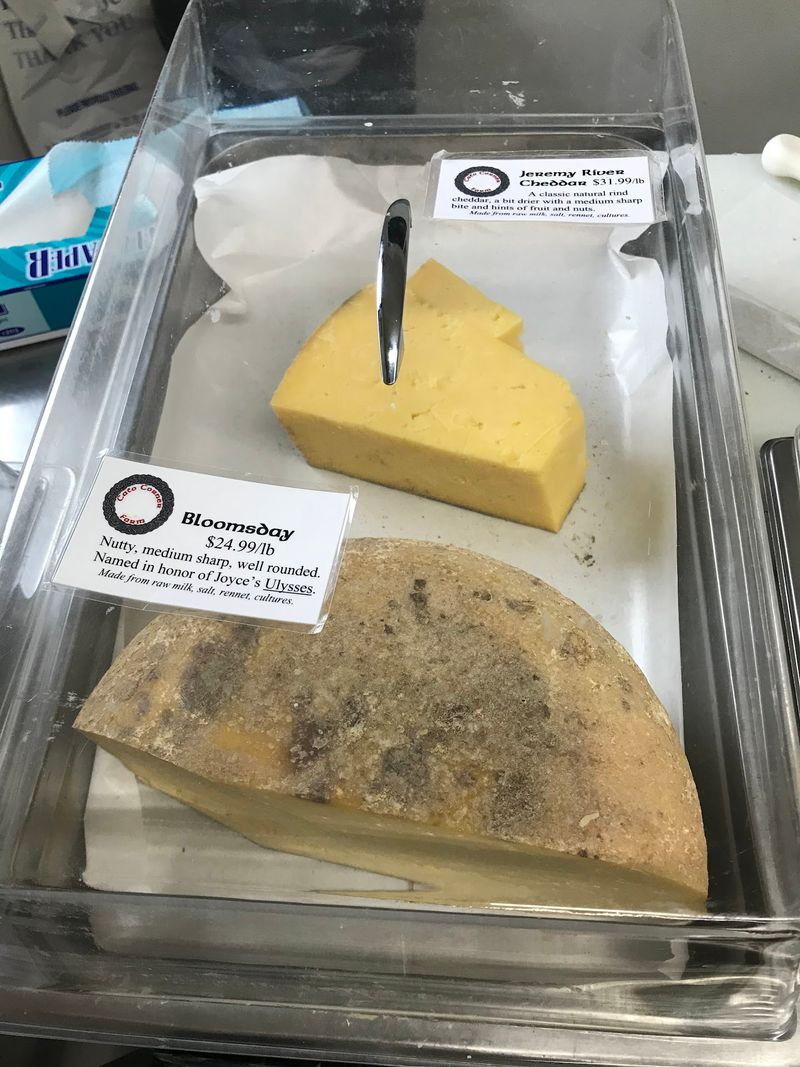
The variety of cheeses available at Cato Corner Farm is broad enough to satisfy both casual shoppers and dedicated cheese enthusiasts.
The lineup spans a wide range of styles and intensity levels, making it easy to find something new regardless of how familiar a visitor already is with artisan cheese.
Mild options sit alongside intensely aged varieties, and everything in between is represented.
Specific varieties worth noting include Hooligan, a robust washed-rind cheese with a pungent aroma and complex flavor; Dairyere, which offers nutty, Gruyere-like qualities; and Bloomsday, known for its balanced cheddary acidity with a subtle sweetness.
Vivace delivers a supple, medium-bite texture, while its extra-aged counterpart, Molto Vivace, develops a dry and sharp character over a longer cave aging period.
Blackledge Blue brings earthy depth for those who favor blue-style cheeses.
On the pasteurized side, Gossamer is a bloomy-rind option with delicate creaminess and a hint of lemon, and Eclipse is an ash-ripened French-style cheese with a distinctive appearance and refined flavor.
Womanchego, a nod to the classic Spanish manchego style, rounds out a lineup that continues to evolve with seasonal specials produced only twice a year.
Prices vary by variety and reflect the labor-intensive nature of small-batch farmstead production.
8. Mother And Son Still Run The Farm Together
Behind every wheel of cheese at Cato Corner Farm is a story of persistence and family commitment that stretches back to the late 1990s. The farm was started by Elizabeth MacAlister, who had long held a dream of working the land and building something lasting from it.
Cheesemaking became the path forward after she recognized it as a sustainable way to add value to the milk her small herd of 13 cows was producing.
Production began in 1997, and by 1999 her son Mark Gillman had joined the operation, bringing focused energy and a deep interest in the craft of cheesemaking and cave aging.
The two have worked alongside each other ever since, with Elizabeth tending to the herd and the land while Mark oversees the cheesemaking process and the careful development of each variety in the cave.
A small team of dedicated staff supports the daily operations throughout the year.
That continuity of family involvement gives the farm a consistent identity that visitors tend to notice. Decisions about animal welfare, grazing practices, cheese recipes, and store operations all flow through people who are personally invested in the outcome.
The farm’s longevity and the quality of its products reflect what can happen when a clear vision is pursued steadily over many years without compromising on what matters most.