This Connecticut Town Has Tap Water So Good It Won The State’s Best-Tasting Water Award
I almost didn’t bother filling my glass. Tap water felt like the last thing worth noticing on a quick stop through Connecticut.
Then I took a sip and stopped talking mid sentence. It was cold, clean, and strangely crisp, nothing like the flat taste I expected from a kitchen faucet.
I asked the waitress if she noticed it too. She just shrugged and said everyone reacts that way the first time.
Turns out this small town beat out competitors across the entire state for its water, and nobody there seems surprised by the win. I checked the story later and found judges agreed for good reason.
Now I fill my bottle every time I pass through, and I tell people back home about the strangest thing I ever loved about Connecticut. Some details are small until you taste them yourself.
A Regional Taste Test Win That Made People Look Twice
Water competitions sound made up until you learn how serious the judging gets. Trained tasters score samples for taste, odor, clarity, and aftertaste.
In 2026, Windham Water Works competed in the American Water Works Association Best of the Best Water Taste Test as a regional winner. That contest brings together qualifying water systems from across North America.
Judges carefully evaluate each sample for its overall taste and quality. Plain water hides nothing, so every mineral note shows up.
A regional title means the sample beat other strong contenders in New England. That is not a small feat in a region full of protected reservoirs.
The people behind the win are the operators who run tests day and night. Their job rarely gets applause, so an award like this matters.
Residents suddenly had a fun fact for out-of-town guests. Filling a glass from the faucet became a small point of pride.
Visitors sometimes assume good water comes from a bottle with a mountain on the label. Here the proof pours straight from the kitchen sink.
The town behind that award is Windham, Connecticut.
Willimantic Reservoir, The Source Behind The Flavor
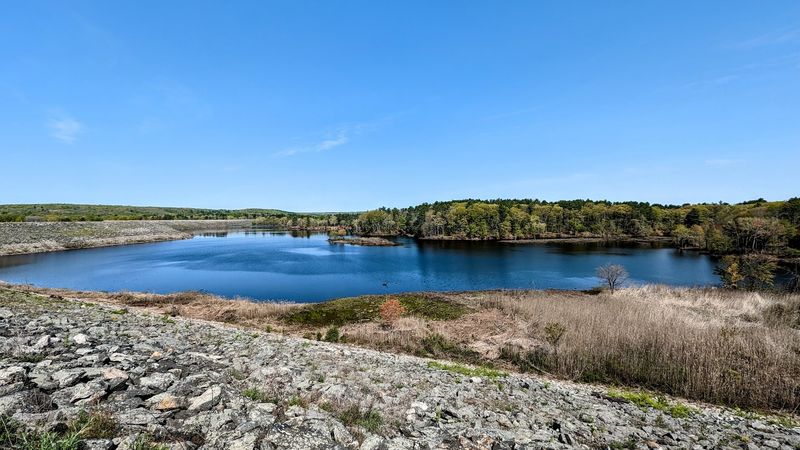
Great tasting water starts long before it reaches a faucet. It starts in the woods, in the rain, and in the rivers.
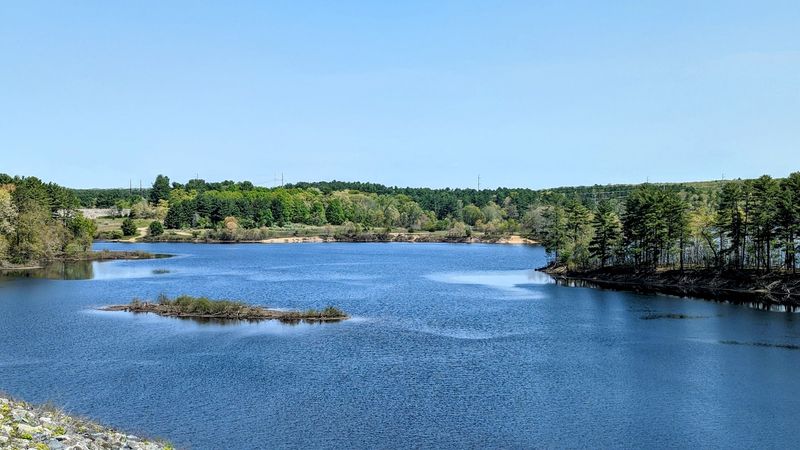
The main supply here comes from the Willimantic Reservoir. That body of water sits quietly among trees and rolling terrain.
Three rivers feed it: the Fenton, the Mount Hope, and the Natchaug. Each one carries cool water through forested land.
Together they draw from a watershed covering roughly 164 square miles. That is a huge natural collection area for one town.
Bigger watersheds usually mean steadier supply during dry stretches. They also allow more natural filtering before treatment begins.
Forests act like sponges, slowing runoff and trapping sediment. Fewer particles entering the reservoir means fewer problems later.
The result is water that starts clean and stays that way. Treatment then polishes it rather than rescuing it.
I always find river names charming, and these three have plenty of local history. They shaped mills, farms, and neighborhoods long ago.
Now they quietly fill glasses every morning across the community.
Inside The Treatment Plant On Storrs Road
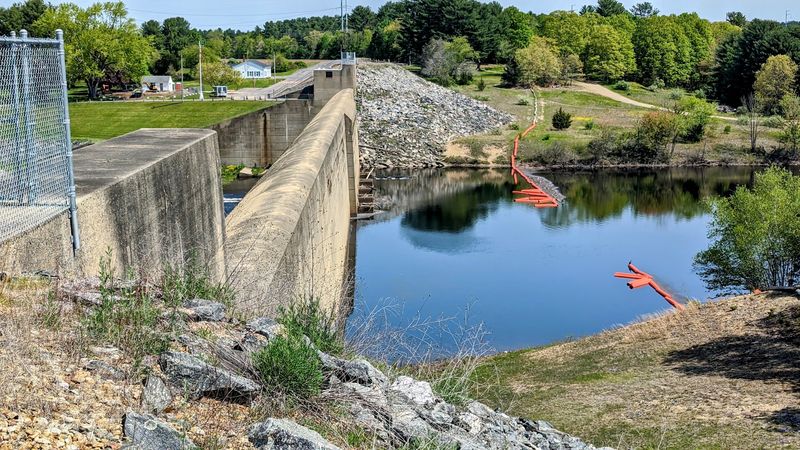
Behind every clean glass sits a building most people never visit. Pumps hum, gauges blink, and samples get tested constantly.
The utility runs its treatment facility at 174 Storrs Road in Mansfield Center, Connecticut. It sits close to the water source it serves.
On an average day, the plant treats about 2.5 million gallons. That number climbs during summer heat and lawn watering season.
Operators monitor readings around the clock, including weekends and holidays. Water demand never takes a vacation.
Filtration removes fine particles that cloud or dull the taste. Disinfection then protects the supply on its journey through pipes.
Balance matters more than people expect in treatment work. Too little of anything risks safety, and too much affects flavor.
Skilled operators aim for the sweet spot every single shift. That consistency is exactly what taste judges reward.
I once toured a similar facility and left genuinely impressed. The science looked complicated, but the goal was refreshingly simple.
Make water safe, then make it taste like nothing at all.
Ninety-Six Miles Of Pipe Working Quietly Underground
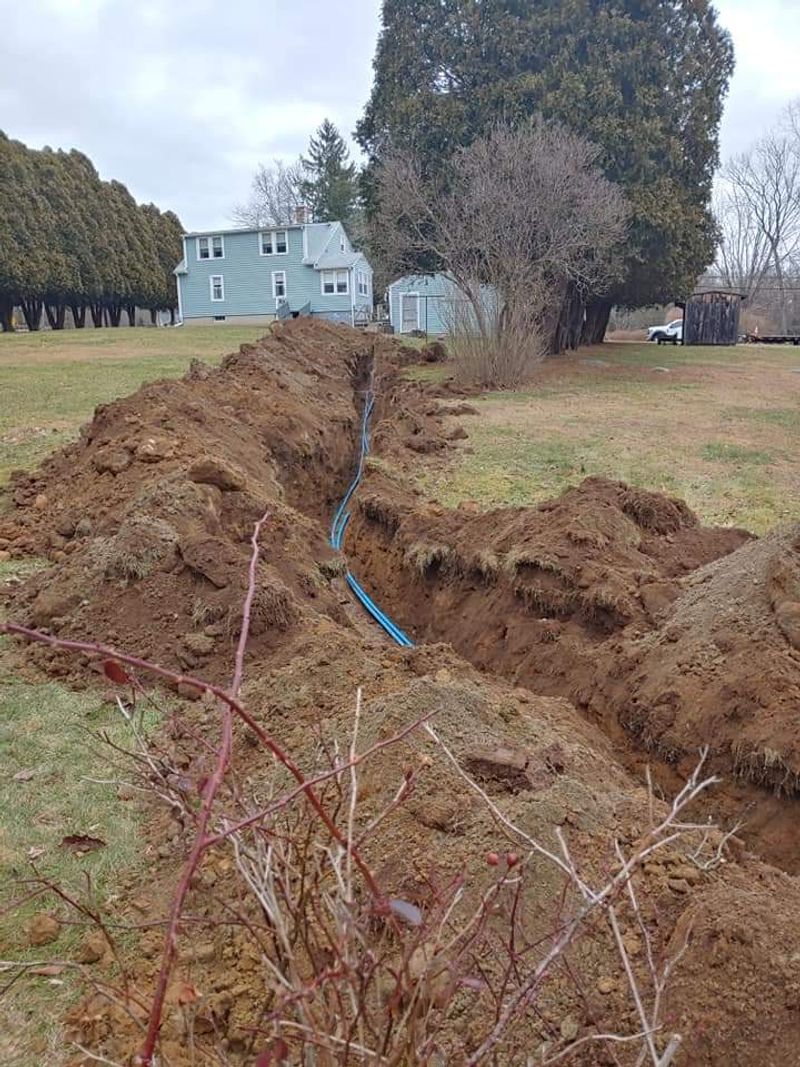
Delivery matters as much as treatment, and nobody sees that part. Beneath sidewalks and roads sits a long web of mains.
The system stretches across roughly 96 miles of water main. That is a serious amount of pipe for a medium sized utility.
Old pipes can affect color, pressure, and yes, taste. Replacing them keeps the finished product as good as it left the plant.
Crews flush lines regularly to clear settled sediment. It is unglamorous work with very noticeable results.
Pressure must stay steady through hills, valleys, and busy neighborhoods. Storage tanks help smooth out those daily swings.
Leak detection saves treated water before it disappears underground. Every saved gallon lowers costs for everyone connected.
Winter adds another challenge with freezing ground and shifting soil. Repairs sometimes happen in miserable weather at odd hours.
I think of that network as the plumbing of an entire community. Thousands of people rely on it without a second thought.
Good taste at the tap means that whole system is behaving.
The 2024 Utility Of The Year Honor
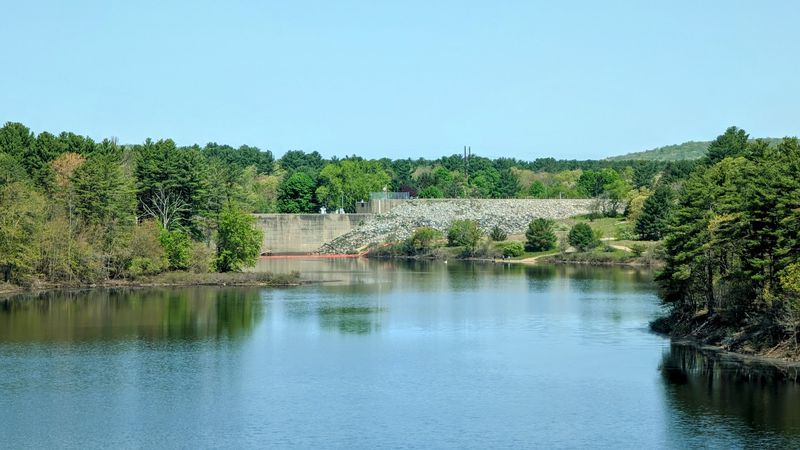
Taste titles grab headlines, but industry awards carry different weight. Those come from peers who know the work intimately.
In 2024, the New England Water Works Association named the utility its Utility of the Year. The honor landed in the medium sized system category.
Judges looked at infrastructure upgrades made over recent years. They also weighed customer service and daily operating efficiency.
Staff development played a role in the decision as well. Trained operators keep quality steady even as veterans retire.
Superintendent Michael Turgeon and Senior Plant Operator Carl Scepanski accepted the award. Both represented a much larger team effort.
Recognition like that signals long term planning, not a lucky year. Utilities cannot fake consistent performance across an entire system.
Public health sits at the center of every improvement listed. Safe water protects schools, hospitals, restaurants, and homes.
Two major awards within a couple of years is a strong run. One rewards flavor, the other rewards discipline.
Together they tell a pretty convincing story about the water here.
Watershed Protection That Starts In The Woods
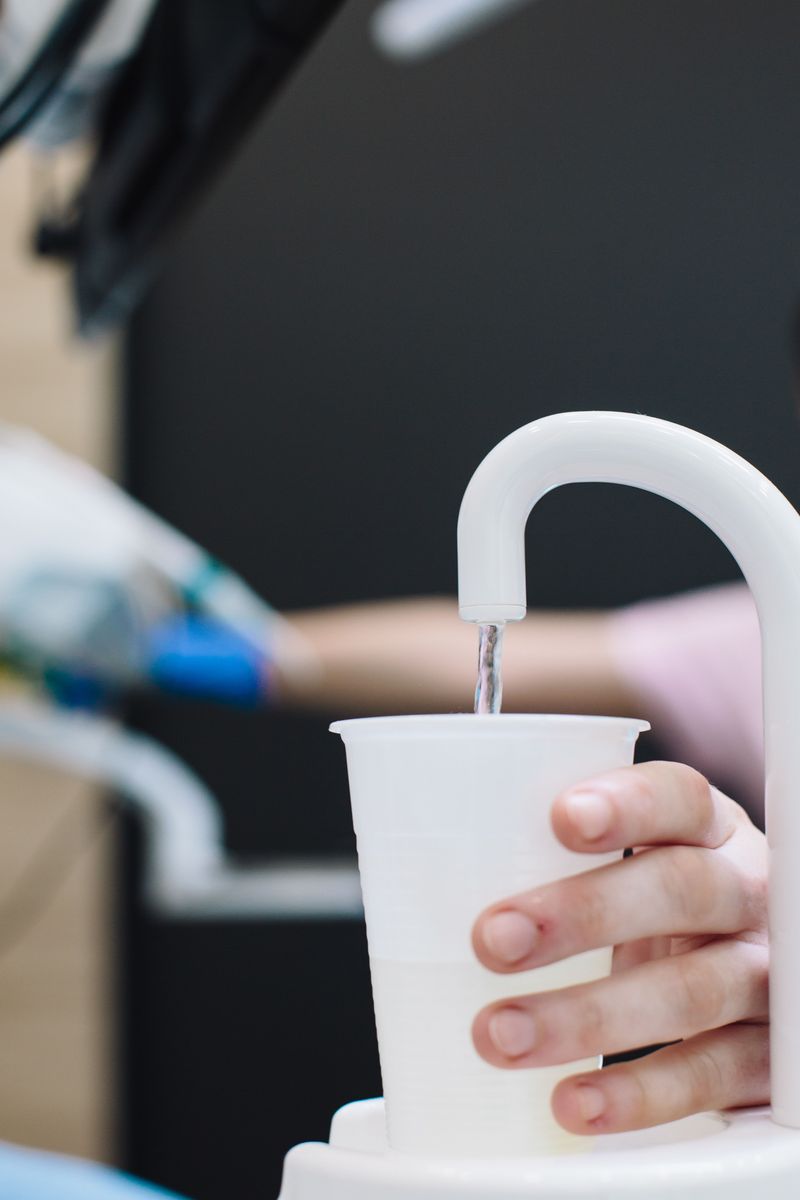
Protecting water is cheaper than fixing it, and this utility knows that math. Land management is part of the strategy.
Watershed protection limits what happens near the streams and reservoir. Fewer pollutants entering means less treatment needed later.
Forested buffers slow runoff after heavy rain and snowmelt. Roots hold soil that would otherwise cloud the supply.
Monitoring covers the rivers feeding the reservoir throughout the year. Problems get spotted early rather than after a taste complaint.
Development pressure is a real concern across eastern Connecticut. Careful planning helps keep sensitive areas undisturbed.
Residents contribute too, whether they realize it or not. Proper disposal of household chemicals keeps storm drains cleaner.
Pet waste, fertilizer, and motor fluids all end up somewhere downhill. Small habits add up across thousands of households.
I appreciate how invisible this work is when it goes well. Nobody notices a problem that never happened.
Clean forests upstream truly do taste better downstream.
Constant Testing You Never Hear About
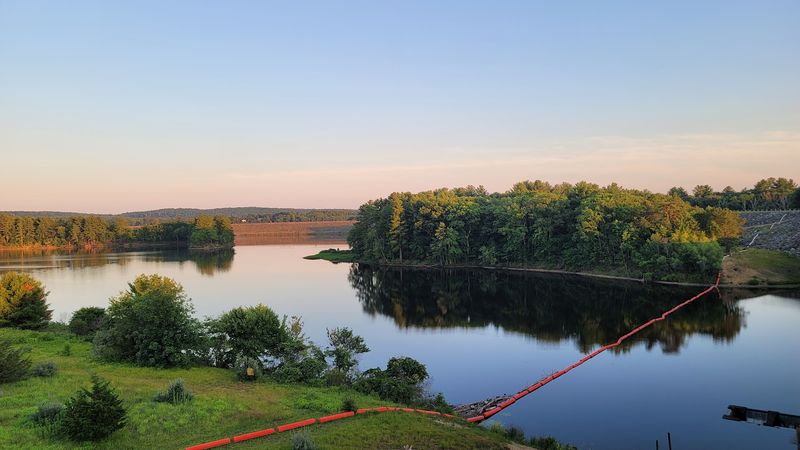
Testing here is not an occasional check-in. Samples get pulled and analyzed on a continuous schedule.
Water quality monitoring covers the source, the plant, and the distribution system. Each stage tells a different part of the story.
Operators track things like turbidity, disinfectant levels, and pH. Small shifts get corrected before customers ever notice.
Annual water quality reports summarize results for the public. Anyone curious can read exactly what was measured.
Connecticut regulates public drinking water systems through statewide water quality standards and monitoring requirements.
Individual utilities still vary quite a bit within any state. That is why local performance deserves attention.
Frequent testing also catches equipment issues early. A failing sensor gets replaced before it causes trouble.
Emergency response plans sit ready for storms and main breaks. Preparation turns a crisis into an inconvenience.
Honestly, that quiet reliability impresses me more than any ribbon.
Why Award-Winning Water Changes Everyday Life
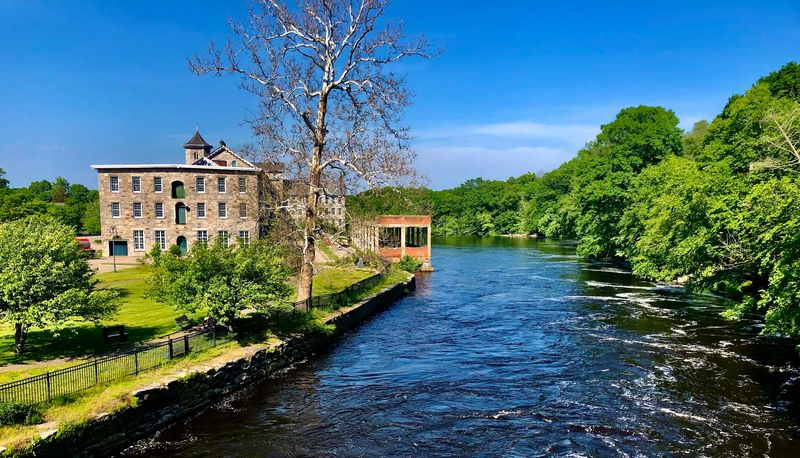
Good tap water quietly upgrades ordinary routines. Coffee, tea, soup, and ice all improve without extra effort.
Bakers notice the difference in bread dough and pasta water. Flavors come through cleaner when the base is neutral.
Families also save money by skipping bottled water entirely. A reusable bottle handles the job for pennies.
Fewer plastic bottles means less waste heading to recycling bins. Small change, real impact over a year.
Restaurants benefit too, since water touches nearly every dish. Broths and sauces start with what comes from the tap.
Fresh tap water is also part of everyday routines beyond cooking and drinking.
Cold water straight from the faucet is hard to beat on a hot afternoon. No filter pitcher required.
I keep a glass bottle in the fridge and refill it constantly. It has become the easiest habit I own.
Award-winning water turns a basic utility into a genuine perk.
Exploring The Community Behind The Faucet
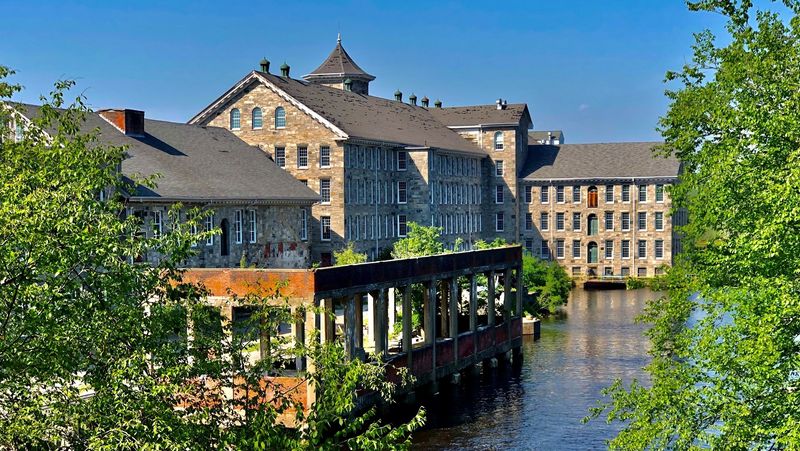
A town is more than its water pressure, and this one has layers. History, rivers, and neighborhoods all overlap here.
The community includes the former city of Willimantic, consolidated with the town in 1983. Willimantic had been an incorporated city since 1893.
Other areas include Windham Center, North Windham, and South Windham. Each has its own character and pace.
The Natchaug and Willimantic rivers shaped the region’s mill era. Water powered industry long before it won awards.
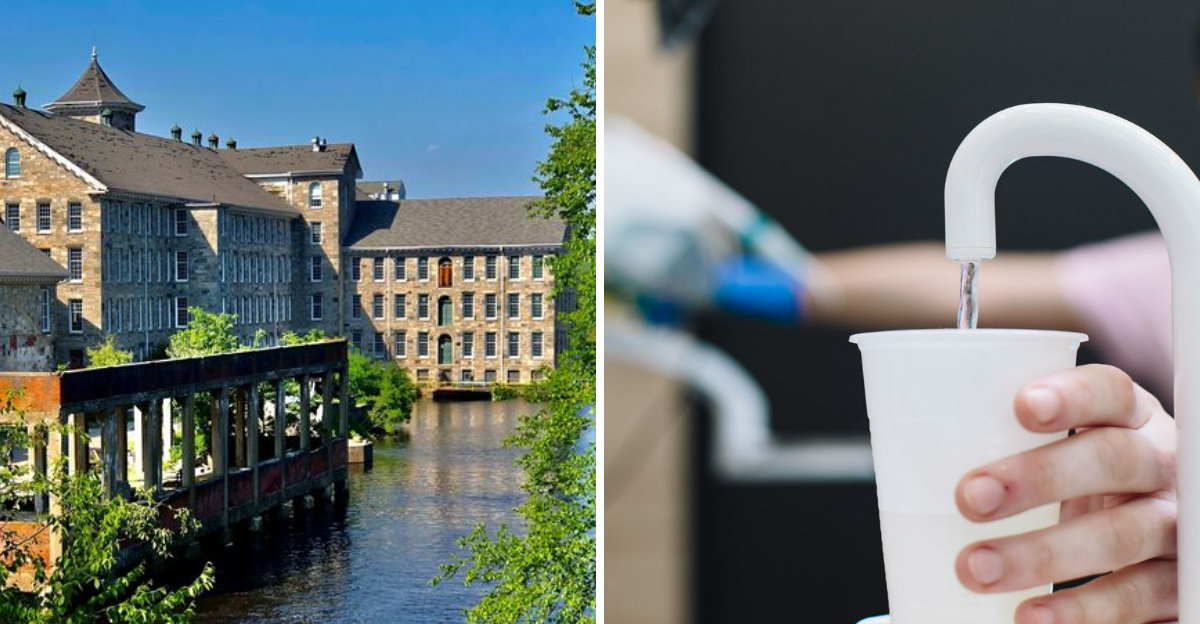
Brick mill buildings still stand as reminders of that period. They give the streetscape a distinctly New England feel.
Located in Windham County, the area sits in the quieter eastern part of the state. Forests and farmland surround the developed sections.
Visitors often pass through on the way to somewhere else. Slowing down reveals riverside views and old architecture.
Grab a glass of tap water while exploring the area. Consider it the least expensive award-winning thing you will taste.