This Connecticut Town Was Ranked The Safest In The State For The Fourth Year In A Row
Feeling comfortable where you live is hard to put a price on. Connecticut has one town that keeps earning attention for safety, and its latest recognition continues an impressive run.
That kind of consistency is what makes the story interesting. A single strong showing might catch your eye, but repeating it year after year suggests something worth exploring more closely.
Of course, rankings never tell you everything about everyday life. They can, however, offer an interesting snapshot of how one community compares with others around the state.
What keeps putting the same town back near the top?
The answer becomes more interesting when you look beyond a simple ranking and consider the place itself. Safety is only one piece of what shapes life in any community, but it is certainly one people notice.
Making the same statewide conversation repeatedly is no small feat. At this point, the recognition is becoming quite a tradition.
1. Small-Town Calm Comes With An Impressive Reputation
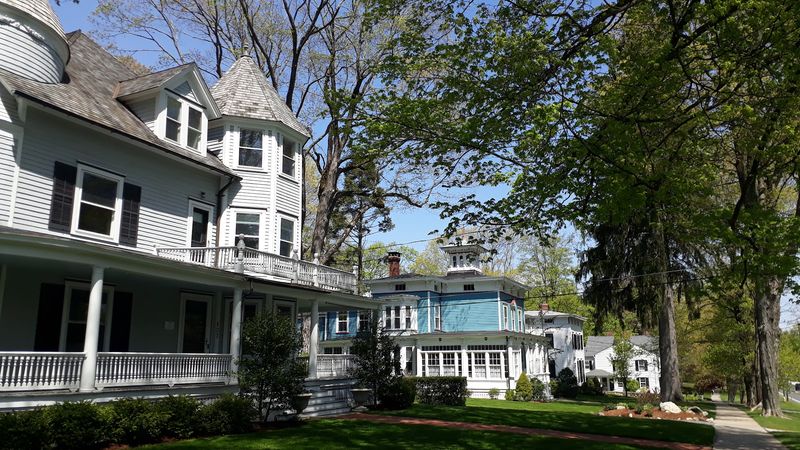
Quiet is the first thing most people notice here. Ridgefield has the unhurried pace of a classic New England village, where sidewalks are wide enough for conversation and traffic on side streets moves slowly.
The town has collected plenty of praise over the years, including high placements in quality-of-life rankings from Connecticut Magazine. Those lists tend to weigh a mix of things: schools, services, housing, and crime.
Ridgefield scores well across the board, which is part of why its reputation has stuck rather than faded after one good year.
Residents often point to the school system as a major draw, along with the simple fact that the town feels connected. People recognize each other at the post office and the grocery store, and community events pull decent crowds even on weeknights.
Visitors frequently describe the atmosphere as relaxed and easy to settle into, which is a useful thing to know if you are deciding between destinations for a low-key weekend. There is no rush, no crush of tour buses, and no need to book every hour in advance.
The combination of calm surroundings and real services, from a library to parks to performing arts, is what makes the town more than just pretty scenery.
2. Four Straight Years Put Safety In The Spotlight
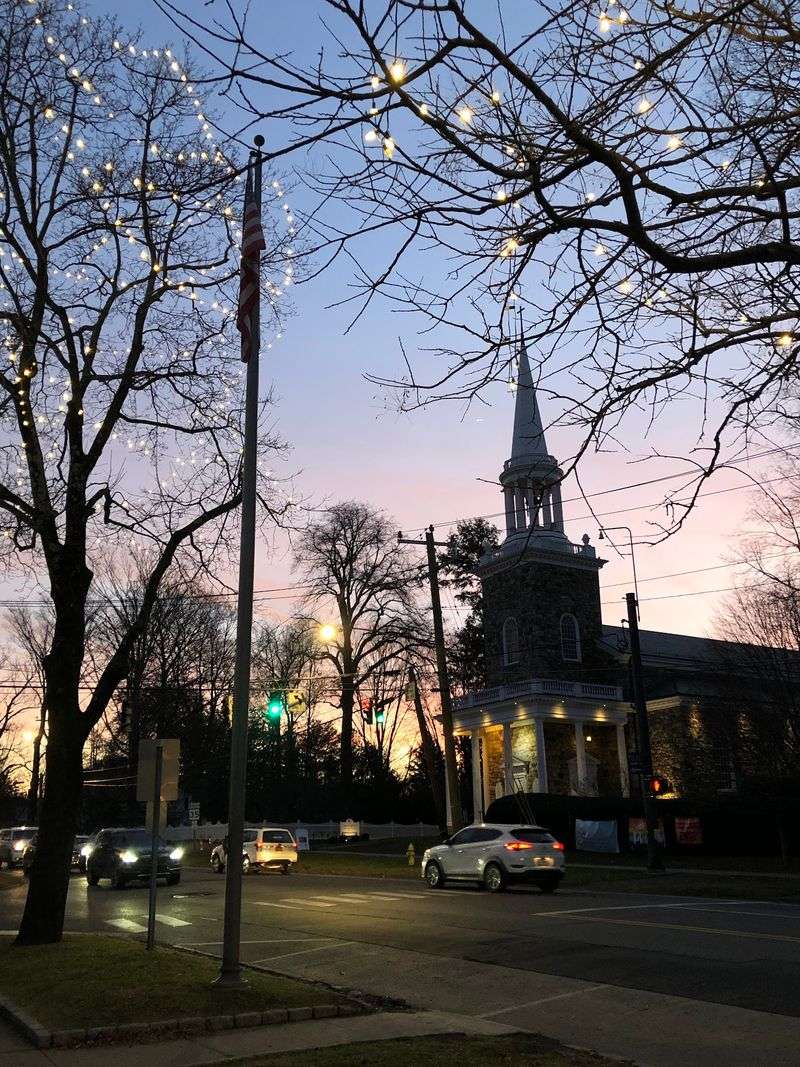
Four consecutive years at the top of a statewide safety list is not an accident. SafeWise, a security product review platform, has named Ridgefield the safest town in state again, using FBI crime data alongside population figures to compare communities.
The numbers behind the title are worth knowing. SafeWise’s 2026 report lists Ridgefield with a violent crime rate of 0.2 incidents per 1,000 residents and a property crime rate of 2.8 per 1,000 residents.
Both figures fall well below state and national averages, which is the real reason the ranking carries weight rather than reading as a marketing line.
The previous year’s report added another striking detail. Ridgefield was the only town in the analysis to record fewer than 100 property crimes, with 49 incidents and zero burglaries reported.
Numbers like these shift year to year, and no place is immune to change, so it makes sense to treat them as a snapshot rather than a guarantee. Still, repeating the performance four times suggests something durable about local policing, neighborhood watchfulness, and community habits.
For families weighing a move, that consistency often matters more than any single year’s statistic, because it points to a pattern instead of a lucky stretch.
3. Colonial History Still Shapes The Community
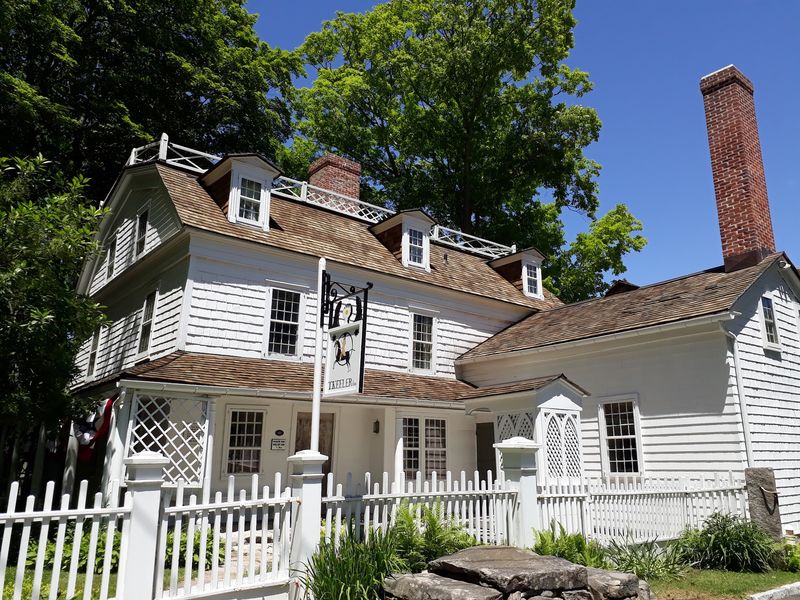
In 1708, English colonists laid out home lots along what is now Main Street and built a Meeting House as the center of village life. The town incorporated the following year, in 1709, and spent much of its early centuries as farmland.
The most dramatic chapter came on April 27, 1777, when the Battle of Ridgefield brought the Revolutionary War directly into the village. Traces of that day are still visible.
The Keeler Tavern, once a working inn and now a museum, famously has a British cannonball lodged in its side, a detail that tends to stop visitors mid-sentence when they spot it.
Plenty of other Revolutionary landmarks line Main Street, which makes a self-guided history walk genuinely easy to put together. Markers and plaques do a lot of the explaining for you.
Preservation is not left to chance, either. A local Historic District Commission oversees the character of the town’s historic districts and the properties within them, which is why changes tend to respect the existing look.
That ongoing care is part of why the colonial past feels present rather than filed away. Fun fact: those home lots from 1708 still shape the geometry of the street today.
4. Main Street Runs Through The Historic Town Center
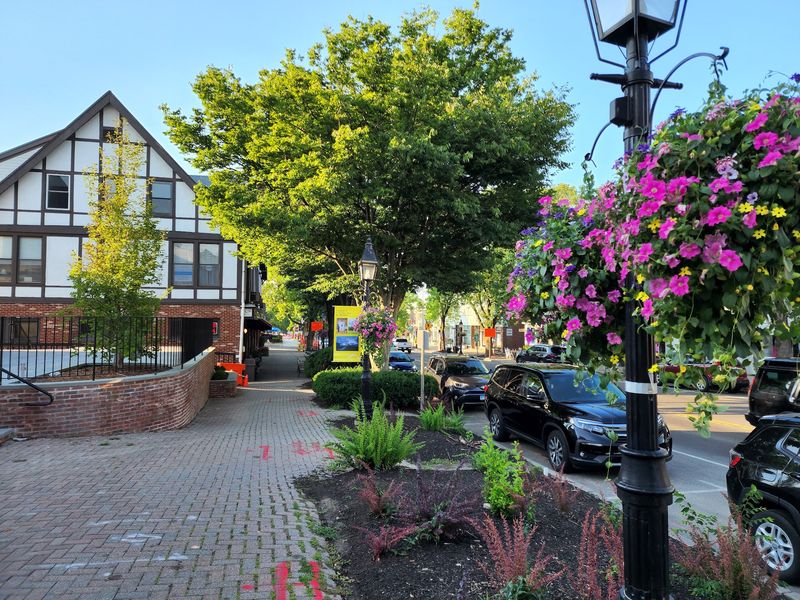
Start with Main Street. It explains a lot.
Historic homes, independent shops and tree-lined sidewalks give Ridgefield’s center the kind of character that encourages visitors to leave the car behind for a while.
History is a big reason the streetscape feels distinctive. The Ridgefield Center Historic District is listed on the National Register of Historic Places and includes hundreds of contributing buildings, with architecture representing different periods in the town’s long history.
The area is not frozen in time, though. Main Street remains an active part of everyday town life, with shops, restaurants and community spaces sharing the road with historic properties.
Seasonal celebrations and local events regularly bring people into the center as well.
For visitors, exploring on foot is part of the fun. Storefronts sit close enough together to make casual browsing easy, while older buildings provide plenty of architectural details worth noticing between stops.
The sidewalks also lead past some important local landmarks, including the historic Keeler Tavern Museum & History Center and nearby Ballard Park.
Weekends naturally bring more activity, while quieter days can make it easier to appreciate the surroundings.
Slow down here. Ridgefield’s Main Street is much more interesting when you give those historic details a second look.
5. Ballard Park Gives Downtown Its Green Heart
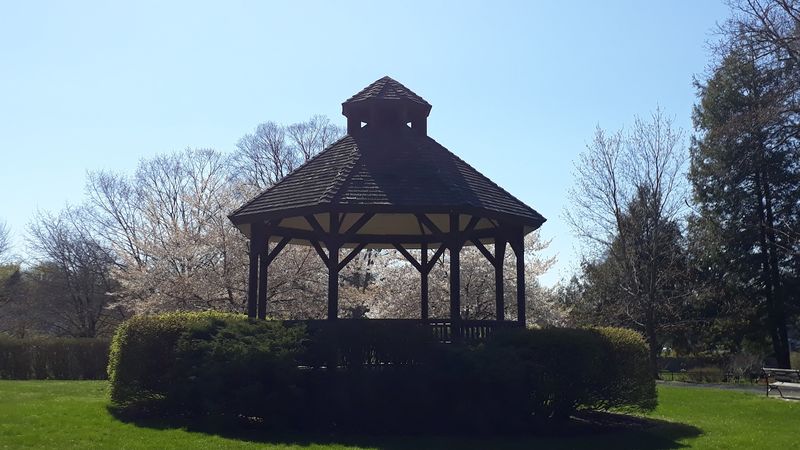
Downtown has a backyard. And it is a beautiful one.
Ballard Park brings broad lawns, mature trees and carefully tended gardens right into Ridgefield’s center, creating an easy green break between shops, errands and historic Main Street.
The trees deserve attention on their own. Town officials point to the park for some of Ridgefield’s most impressive specimens, including elm, beech, red oak, hemlock and sugar maple.
Some reflect the diverse plantings introduced by the Bigelow and Ballard families who once owned the property.
Flowers add another layer during the warmer months. The Ridgefield Garden Club continues to work with the town around Ballard Park, helping maintain the landscape and its garden tradition.
The lawn also becomes an outdoor gathering space when community events arrive. Free CHIRP concerts have been bringing live music to Ballard Park since 2002, turning summer evenings into one of downtown’s livelier traditions.
Ballard Park sits on Main Street near Gilbert Street, making it an easy addition to a downtown stroll.
Even without an event, the park works beautifully for a slower visit. Find a bench, admire the trees and give yourself permission to stay longer than planned.
6. The Playhouse Keeps The Arts Scene Busy
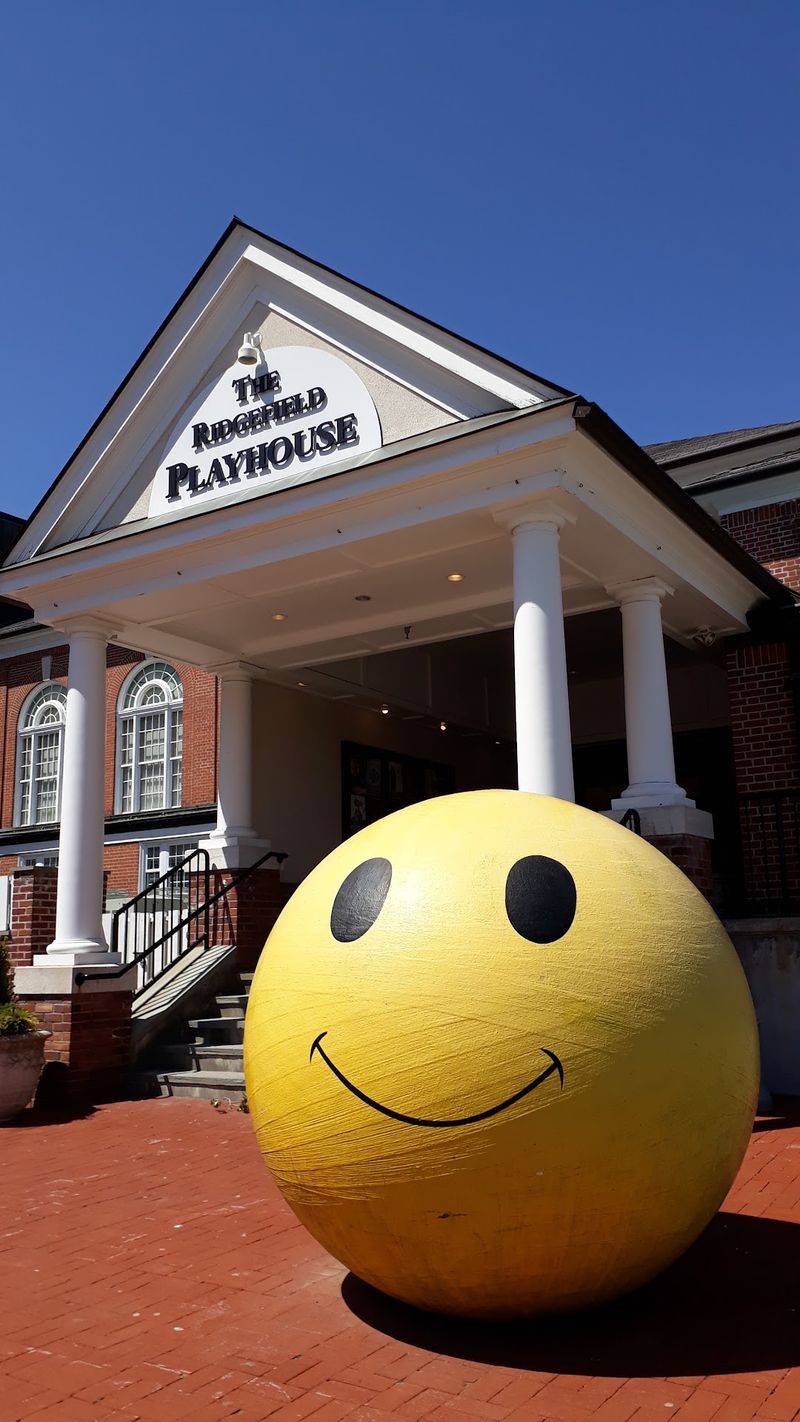
More than 200 live shows a year in a town of roughly 25,000 people is a genuinely impressive ratio. The Ridgefield Playhouse, a non-profit performing arts center on East Ridge Road, welcomes over 100,000 patrons annually for concerts, theater, films, and other performances.
The building has a backstory. It began as the auditorium of the old Ridgefield High School, designed in the 1940s, and reopened as a performing arts venue in December 2000 after a thoughtful remodel.
That history shows in the scale. The room is intimate compared with big-city halls, which means sight lines and sound tend to feel close and immediate rather than distant.
Programming ranges widely, pulling in national touring acts alongside local performers, so the calendar shifts considerably from month to month. Checking what is scheduled before you plan a visit is simply practical.
Its presence is one reason Ridgefield became the first designated Cultural District in the state, a recognition that rewards the concentration of arts activity in the town center.
Because the venue sits a short distance from Main Street, pairing a show with dinner downtown is straightforward. Many audience members describe the experience as unusually relaxed for a night at the theater.
7. Trails And Open Spaces Stretch Beyond Downtown
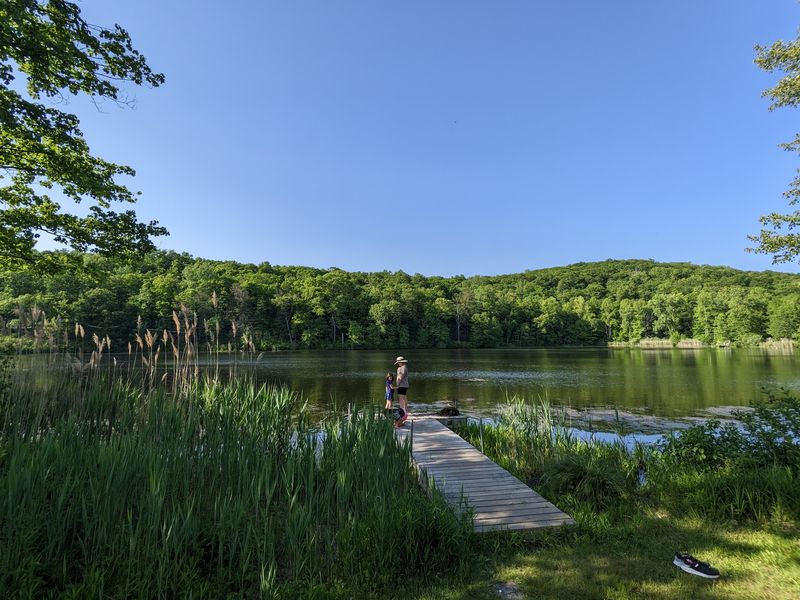
Leave the village center and the landscape turns quickly to woods, ridges, and stone walls. Ridgefield has a large network of preserved land, and the Land Conservancy of Ridgefield has helped safeguard more than 722 acres through gifts and conservation easements.
Options for a walk are plentiful. Aldrich Park, Bennett’s Pond State Park, Seth Low Pierrepont State Park, Hemlock Hills, Pine Mountain, and sections of the Norwalk River Valley Trail all sit within the town or nearby.
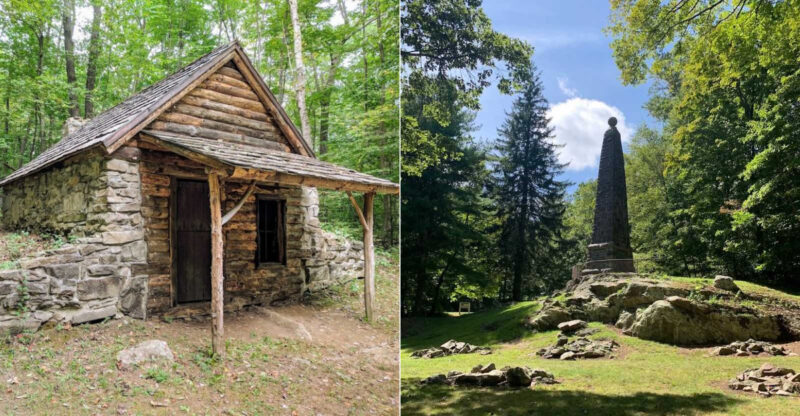
Terrain varies more than you might expect for southwestern parts of the state. Expect woodland footpaths, dramatic rock outcroppings, boulder fields left behind by glaciers, and the old stone walls that mark former farm boundaries.
Some routes are flat and forgiving, while others climb enough to get your heart going, so beginners and experienced hikers can both find something suitable.
A few useful logistics: town open spaces are generally accessible from sunrise to sunset, and dogs are welcome as long as they stay leashed.
Sturdy shoes help, since roots and rock can make footing uneven after rain. Bringing water is smart too, because facilities at trailheads are limited.
For anyone who likes their outdoors quiet, these preserves deliver exactly that, often with very few other people around.
8. Fall Turns The Surrounding Hills Into A Color Show
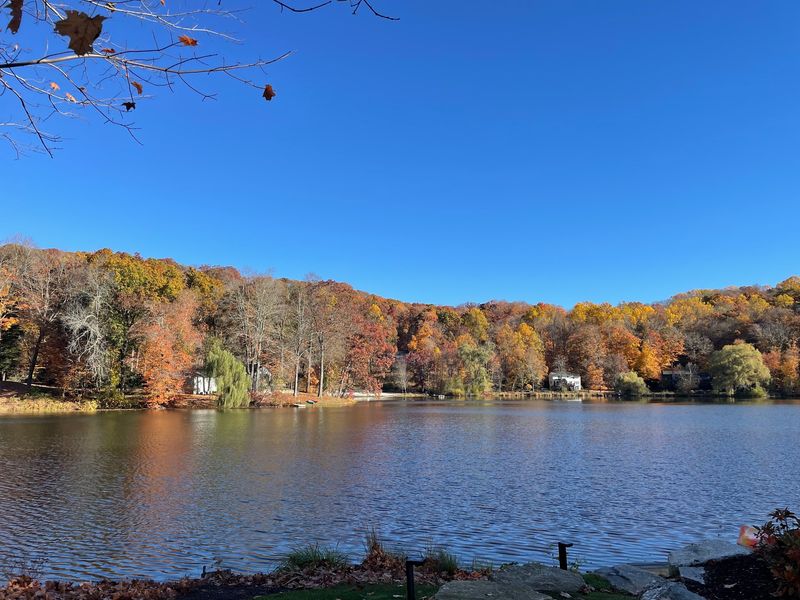
Autumn does not arrive quietly here. The hills start glowing.
By October, Ridgefield’s wooded landscape can shift into layers of orange, yellow and deep red, making ordinary roads and trails considerably harder to hurry through.
The town’s position in western Fairfield County puts it within one of the state’s popular fall foliage regions. According to the state’s tourism guidance, western areas generally begin reaching their strongest color during October, although exact conditions change every year.
Weather has plenty of influence on the show. Temperature, rainfall and other seasonal conditions affect both the intensity of autumn colors and how long leaves remain on the trees.
That means a calendar can provide a useful estimate, but nature still makes the final decision.
Seeing the foliage does not require an elaborate plan. Ridgefield has extensive open space and wooded trails where visitors can get beneath the canopy, while scenic local roads provide an easier option when a long hike sounds less appealing.
Late October can be particularly rewarding, but checking the current state foliage report before setting out is worthwhile.
Afterward, downtown offers an easy change of pace. Shops, historic buildings and tree-lined streets feel especially inviting as daylight begins disappearing earlier.
Come for the color. Leave enough time to enjoy everything around it, too.