This Delaware State Park Turns Copper And Gold Every Late October
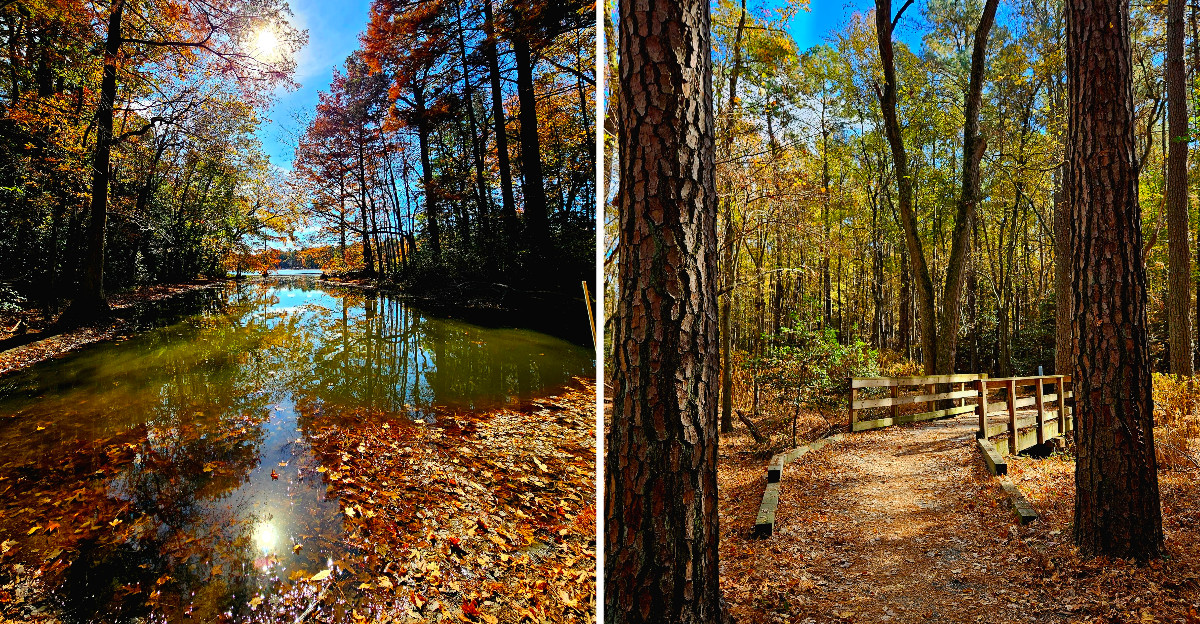
Bald cypress trees are conifers that drop their needles every fall.
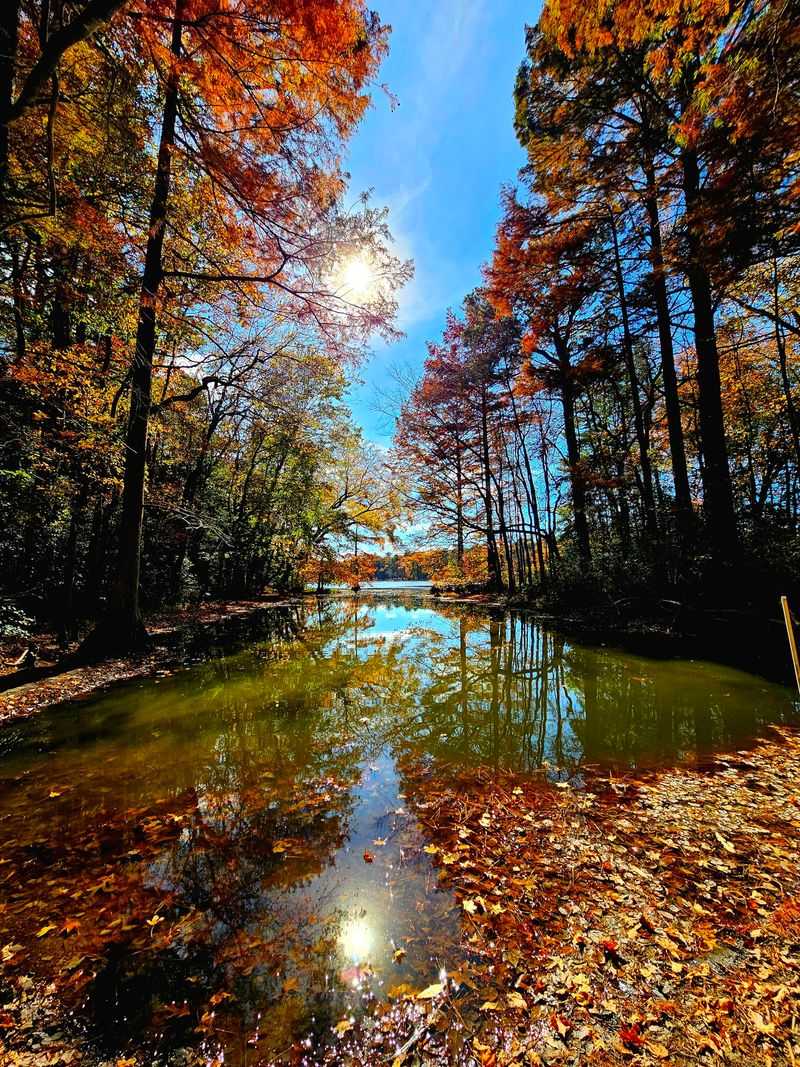
Before they let go, those needles flash copper, gold, and rusty orange right over dark pond water.
The show peaks around late October, usually between October 20 and October 30.
These trees also form the northernmost natural stand of bald cypress in the whole country. And they grow in Delaware, of all places, not some Louisiana bayou.
I’m all for a slower rhythm, and this sounds like a season built for it.
You can paddle through the color, walk beside it, or simply sit and watch it reflect. That pace appeals to me more every year.
Do you want to know where exactly does a swamp like this hide?
The Trees That Wear Fall Colors Before Going Bald
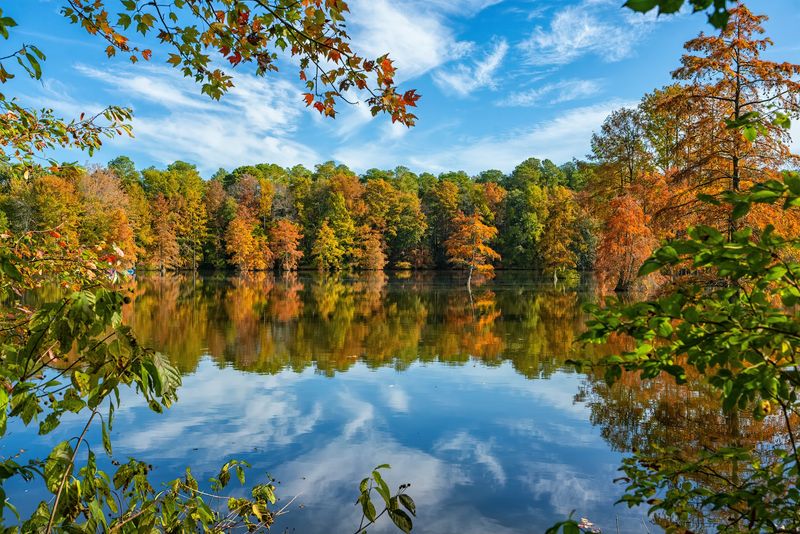
Conifers usually keep their needles all year. Bald cypress trees break that rule, and Trap Pond State Park shows off the results every fall.
The trees then stand bare through winter, which explains the bald part of the name. It’s a little dramatic, honestly, and that’s half the fun.
The park protects the northernmost naturally occurring stand of bald cypress in the United States. Most people associate this species with southern wetlands, yet it flourishes along the wooded shores near Laurel.
Late October is often a rewarding time to visit, although the richest color may arrive earlier or linger into November. Nearby hardwoods contribute reds and yellows, giving the copper-colored cypress even more contrast.
The pond itself adds to the effect. On calmer days, its dark surface reflects the slender trunks and copper-colored branches, doubling the autumn scenery.
Find a quiet spot near the shoreline and watch how the colors change as the light moves. A scene like this deserves a few minutes without a schedule.
Grab A Paddle And Glide Right Through The Glow
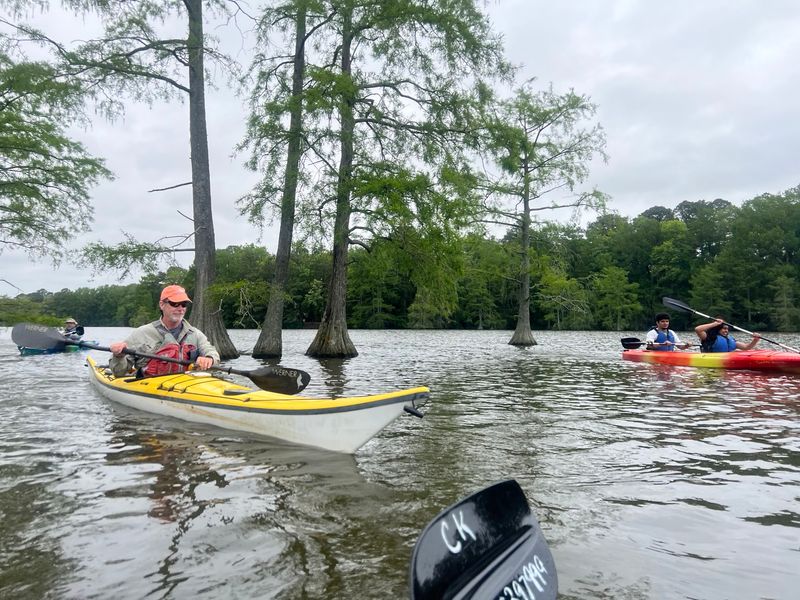
Nearly nine miles of canoe and kayak trails weave through Trap Pond and its surrounding wetland waterways.
The park has seasonal rentals of kayaks, canoes, and other small watercraft. Visitors can also bring their own approved boats and launch from the public ramp, following the park’s boating rules.
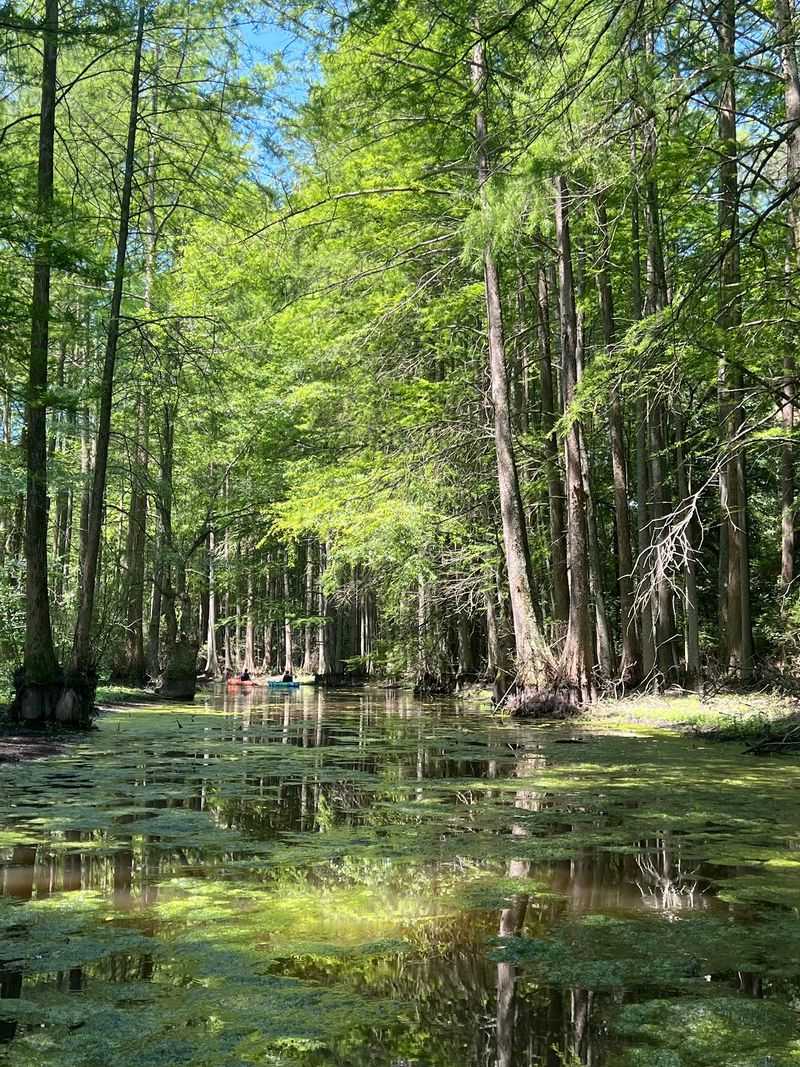
Some routes lead beyond the main pond into narrower channels where cypress trunks rise beside the boat. Their rounded knees emerge from the water, forming shapes that look almost sculpted.
From a kayak, the perspective changes completely. Reflections stretch across the surface, while the canopy frames stretches of water that can be difficult to appreciate from shore.
Rental availability depends on the season, so late-October visitors should confirm whether boats are still being offered. Bring an appropriately fitted life jacket and allow enough daylight for the return trip.
Paddle gently near roots and vegetation to protect this unusual habitat. A cool morning on the water offers one of the closest possible encounters with the park’s remarkable cypress forest.
Let Someone Else Steer On A Fall Pontoon Tour
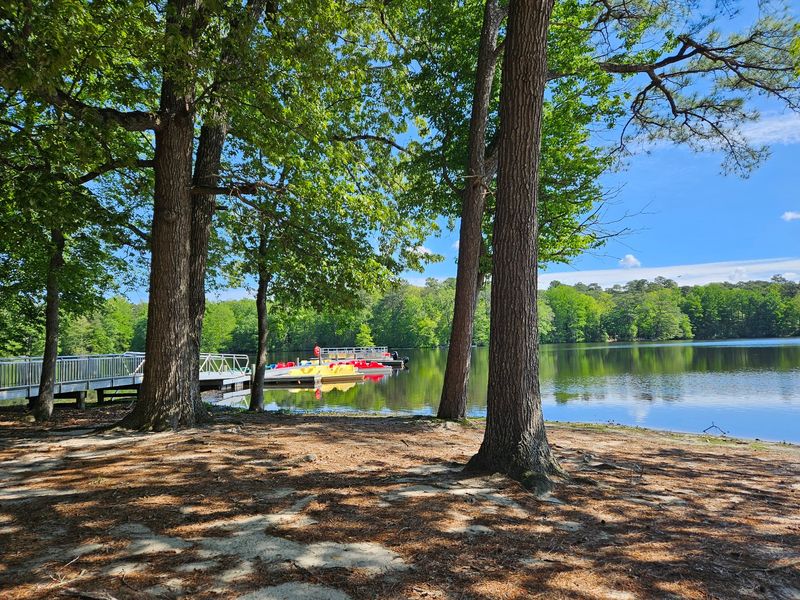
Not everyone wants a paddle in hand. Guided pontoon tours let visitors experience the swamp while a park naturalist handles the boat and explains the landscape.
These outings explore the ecology of the pond, its history as a former mill site, and the trees that make the wetland so distinctive.
A slow ride is particularly useful for spotting details. Cypress knees project above the waterline, turtles may rest on logs, and birds move along the wooded banks.
Delaware State Parks has offered special fall-foliage pontoon programs in October, along with regular tours during the warmer season.
Departure dates and registration arrangements change, so an autumn outing should be planned around the scheduled program rather than assuming daily service.
A light jacket is useful on the water, even when the temperature seems mild on land.
Whether the branches have reached full copper or are only beginning to turn, the commentary adds meaning to the view. Sometimes learning what you’re seeing makes a peaceful ride even better.
Bob Has A Trail, And It Circles The Whole Pond
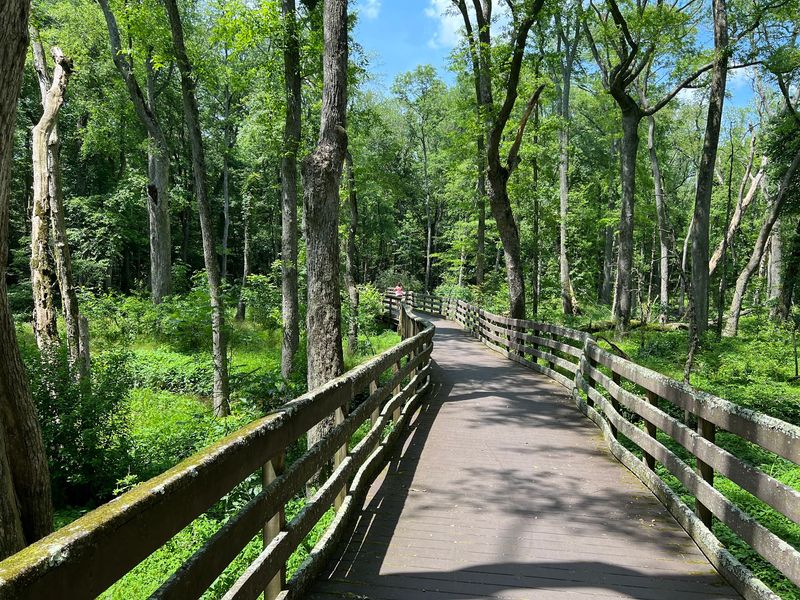
Meet the Bob Trail, a 4.5-mile loop around Trap Pond. Its name is short, but the scenery gives the hike plenty of personality.
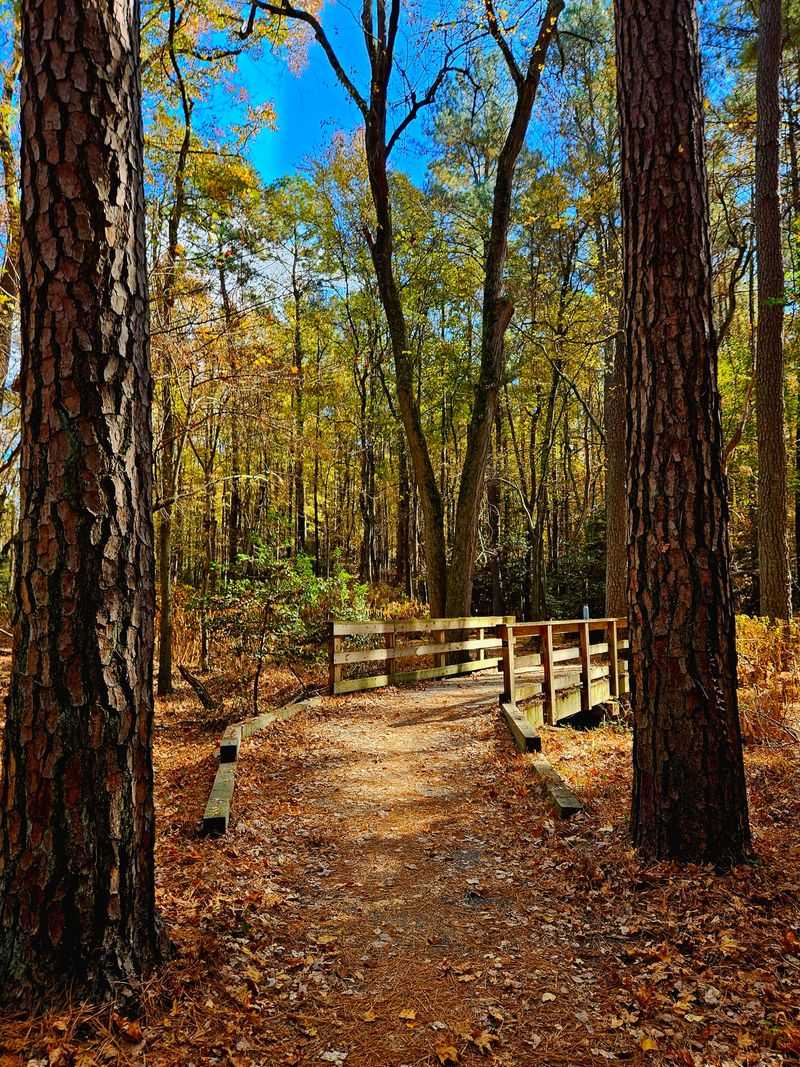
The route passes woodland, bridges, wetland edges, and stretches overlooking the water. Bald cypress trees appear along the way, with surrounding hardwoods adding their own fall colors.
The crushed-stone trail has been improved for accessibility. Its relatively gentle grades and broad surface make much of the route suitable for different walking and cycling abilities, although conditions may change after wet weather.
Beyond the loop, more than twelve miles of trails provide additional opportunities for hiking and cycling. Horseback riding is allowed on designated park routes.
The Bob is an excellent choice for anyone who prefers to enjoy the foliage on foot. There are places to pause, admire reflections, or watch birds along the pond.
Wear comfortable shoes, carry water, and leave time for a leisurely pace. Four and a half miles can take longer than expected when every bend offers another reason to stop.
Keep Your Binoculars Close Because Eagles Show Up Here
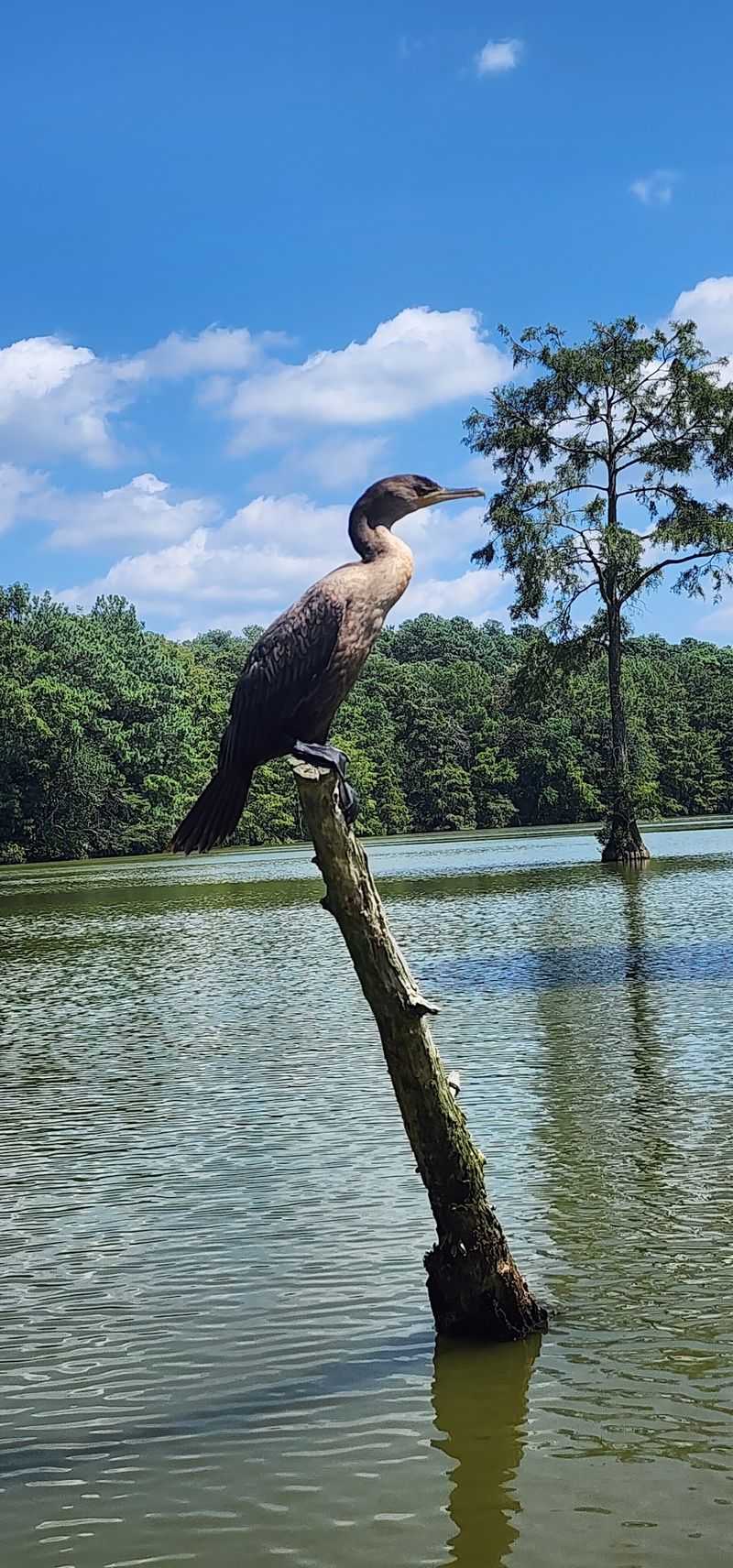
Bald eagles perched on bald cypress trees. Nature clearly has a sense of humor about names.
Birdwatchers may also encounter great blue herons, wood ducks, kingfishers, owls, and pileated woodpeckers.
Herons often stand quietly at the water’s edge. Woodpeckers are more likely to announce their presence through tapping or calls from the trees.
Autumn changes the viewing conditions. As cypress needles thin and fall, there may be clearer glimpses through the branches, while migrating birds introduce different activity around the pond.
Wildlife watching works especially well from a shoreline bench, a trail overlook, or a slow-moving canoe. A small pair of binoculars makes distant movement easier to identify.
Keep voices low and give animals space to continue their usual activities. Squirrels and other woodland residents are best observed without feeding them.
The diversity of life around this Delaware pond gives visitors something to discover even when the fall color isn’t at its brightest.
Sometimes the best surprise has wings rather than copper-colored needles.
An 18-Foot Tree Lives Indoors At The Nature Center
Indoor trees aren’t usually this tall. The Baldcypress Nature Center features an 18-foot replica of the tree that defines the surrounding wetlands.
The center opened in 2010 and brings the park’s natural and cultural history indoors.
Exhibits explore the local watershed, the relationship with the Chesapeake Bay, and the animals living in and around the pond.
A 500-gallon floor aquarium and waterfall display showcase fish species found in local waters. There’s also a virtual pontoon experience for learning about the wetland without boarding a boat.
Large windows overlook the pond, giving the exhibition space a direct connection to the scenery outside.
Educational programs have included nature walks, family activities, crafts, and wagon rides. Specific offerings vary with the season, as do nature center opening days.
A visit before exploring the trails can make the outdoor experience richer. After learning about the cypress roots and watershed, those strange shapes along the shoreline begin to make more sense.
It’s also a comfortable stop when a chilly afternoon calls for a short indoor break.
Sleep Near The Swamp In A Cabin Or Yurt
An overnight stay offers a different view of the park, particularly when late-October mornings bring softer light across the pond.
Trap Pond has campsites for tents and recreational vehicles, along with camping cabins and yurts.
The choices range from a traditional tent setup to a small sheltered space with more conveniences.
The cabins are climate-controlled, making them appealing when autumn temperatures turn cooler. Campground facilities include bathhouses, showers, and picnic areas; individual sites may have water and electrical hookups.
Yurts provide a more rustic alternative, with fixed structures that remove the need to pitch a tent. Accommodation details and site availability should be checked when booking because campground improvements are planned.
Staying overnight gives you time to explore a trail, paddle if rentals are operating, and return to the shore the following morning.
Some campsites sit within easy reach of the water, while others are surrounded by trees. Choose the layout that suits your plans.
Autumn weekends are worth reserving ahead, especially when the cypress foliage is expected to be at its brightest.
A Sawmill Pond With A Story Worth Knowing
Back in the late 1700s, workers dammed a stream here to power sawmills. Their target was the prized bald cypress timber growing all around.
In 1931, a flood damaged the original dam. Civilian Conservation Corps crews rebuilt it in 1936 and 1937, adding recreation facilities that helped shape the future park.
Trap Pond became Delaware’s first state park in 1951. Today the approximately 90-acre pond is surrounded by a much larger landscape of woodland and freshwater wetlands.
The history extends beyond the mill. Jason Beach, now known as Cypress Point, was an important gathering place for Black families, with community picnics, celebrations, and other events. Its story is recognized as part of the park’s cultural heritage.
Visitors enter at 33587 Bald Cypress Ln in Laurel. The park is open throughout the year, with day-use access generally beginning at 8 a.m. and extending until sunset.
Seasonal entrance requirements apply from March through November.
That history gives the autumn scenery an extra dimension. A pond once valued for timber is now protected for its living cypress trees, wildlife, and peaceful water.