This Dreamy California Road Trip Leads To 14 Hidden Beaches
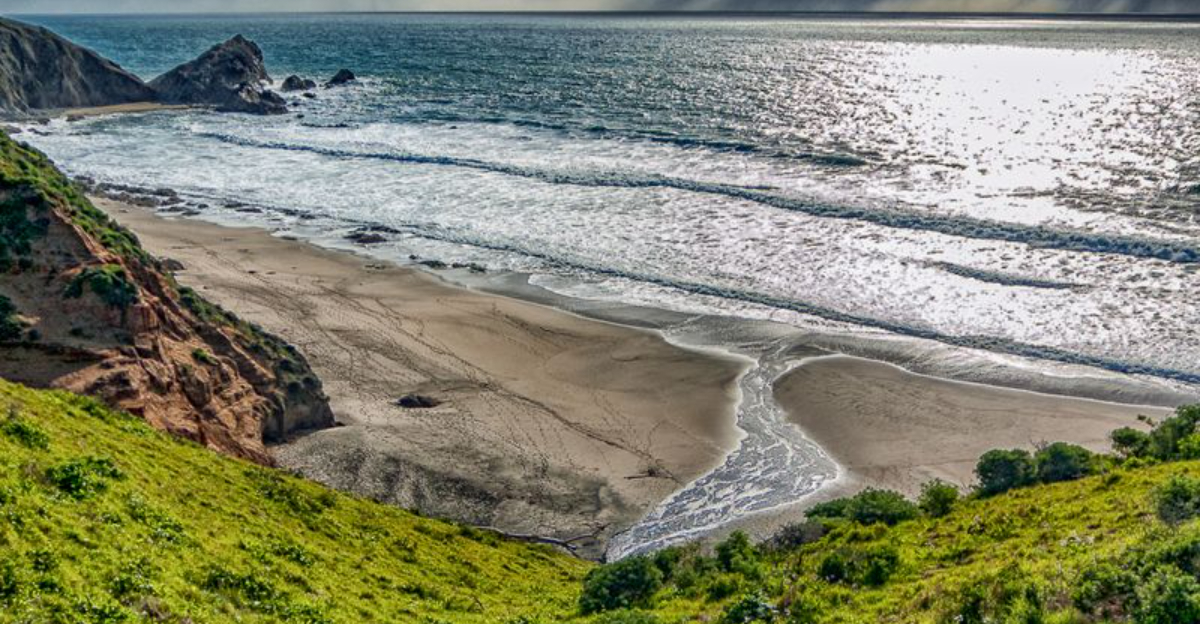
Along California’s far northern coastline, the Pacific doesn’t just meet the land – it crashes, carves, and shapes it into something unforgettable. This stretch of shoreline feels raw, untamed, and wildly removed from the crowded beach scenes most travelers picture.
Hidden between the better-known stops are beaches that somehow stay quiet even in peak summer. Some reveal themselves after short walks through towering redwood groves, while others sit just off the highway – easy to miss unless you know where to look.
What waits at the water’s edge feels almost cinematic. Tide pools shimmer with sea stars and anemones, jagged rock formations rise from the surf, and driftwood litters the sand like natural sculpture.
Harbor seals lounge offshore while seabirds wheel overhead, adding constant motion to the horizon.
Driving this coastal route becomes part of the adventure. The road twists past cliffs, forests, and tiny towns where time seems to slow down, building anticipation for the next hidden stretch of sand.
Each stop delivers its own surprise – from black volcanic shores to beaches scattered with colorful sea glass – creating a road trip that feels less like sightseeing and more like discovery.
For ocean lovers chasing scenery without the crowds, this rugged corner of California offers a string of coastal escapes that still feel wonderfully untouched.
1. Point St. George Beach
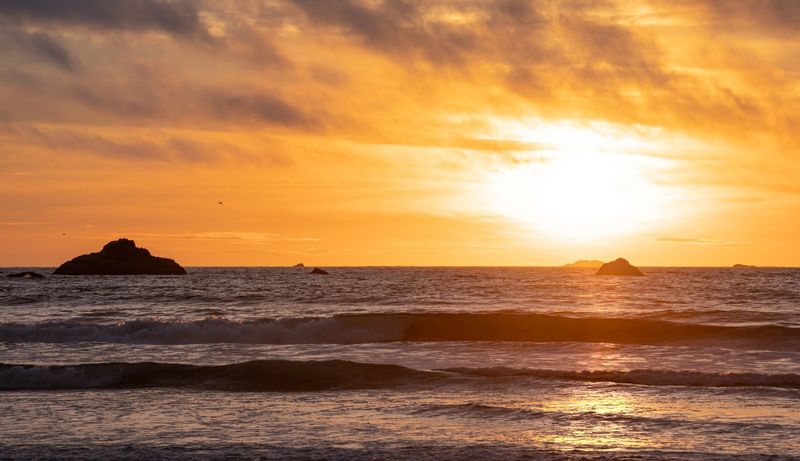
Reaching the third westernmost point in the continental United States means standing where land meets ocean in one of the most dramatic ways possible.
Point St. George Beach near Crescent City offers views that stretch across open water toward the horizon with nothing blocking the sight of waves rolling in from thousands of miles away.
The coastline here is defined by jagged rocks, tide pools that fill and empty with each cycle, and a sense of exposure to the elements that feels both humbling and exhilarating.
Visitors who time their arrival with low tide can explore pools where purple sea urchins cling to rocks, bright orange sea stars spread across stone surfaces, and small crabs scuttle between crevices.
Birdwatchers bring binoculars during migration seasons when shorebirds and seabirds pass through in large numbers, resting on the rocks or diving for fish just offshore.
During certain times of year, remnants of old shipwrecks become visible when the water pulls back, offering a tangible connection to maritime history and the dangers sailors once faced along this stretch of coast.
The beach itself is not a place for sunbathing or casual swimming due to cold water and strong currents, but it excels as a destination for those who enjoy observing natural processes and feeling the power of the ocean up close.
2. Hidden Beach
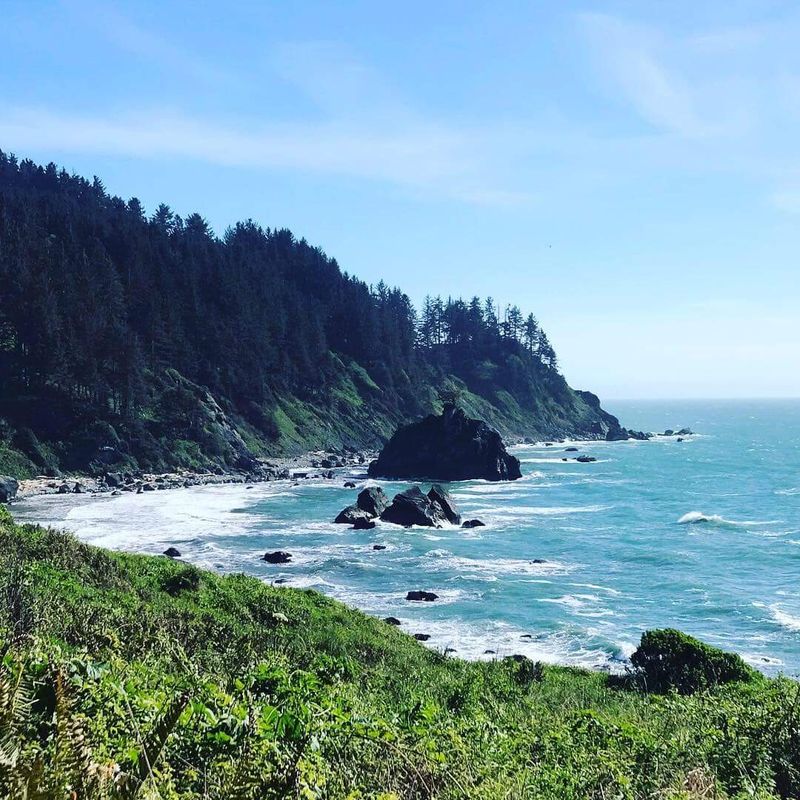
A hike through dense forest and down steep sections of trail leads to a beach that lives up to its name by remaining out of sight until the final descent.
Hidden Beach near Klamath sits tucked against cliffs covered in vegetation, accessible only to those willing to navigate the path that winds through redwood groves and coastal scrub.
The effort required to reach the sand keeps visitor numbers low, and the reward is a stretch of shoreline that feels personal and quiet.
Rocks along the beach display shades of green, purple, and rust, smoothed by waves and scattered across the sand in patterns that shift with each storm.
The beach faces west, making it an ideal spot for watching the sun drop toward the ocean in the evening when light turns the water gold and orange.
Driftwood logs provide natural seating for those who want to linger, and the sound of waves hitting the shore creates a steady rhythm that makes conversation unnecessary.
Visiting during weekdays increases the chance of having the beach entirely to oneself, though even on weekends the trail serves as a natural filter that prevents overcrowding.
The beach is not suitable for young children or anyone with mobility challenges due to the steep approach.
3. Orick Fishing Access Beach
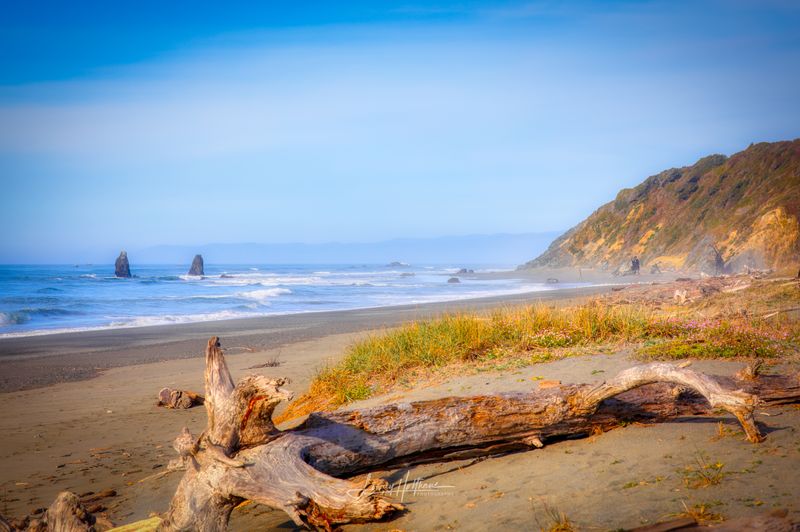
Gray sand spreads wide at this beach located within the boundaries of Redwood National Park, offering a different kind of coastal experience than the rocky coves found elsewhere along this route.
Orick Fishing Access Beach lives up to its name by attracting anglers who cast lines into the surf, hoping to catch perch, rockfish, or other species that frequent these waters.
The beach is easy to reach from the small town of Orick, with parking close to the sand and no difficult trails to navigate.
Long walks become possible here because the beach stretches far in both directions without significant obstacles.
Families spread out blankets for picnics, children run along the wet sand where waves wash up, and beachcombers search for shells, agates, and unusual pieces of driftwood.
Wildlife sightings happen regularly, with harbor seals sometimes visible offshore and various bird species feeding along the water’s edge or riding wind currents above the beach.
The combination of accessibility and space makes this beach particularly appealing for visitors who want to spend several hours by the ocean without feeling cramped or rushed.
Restroom facilities are available nearby, and the town of Orick offers basic supplies and food options for those planning a full day at the beach.
4. Luffenholtz Beach
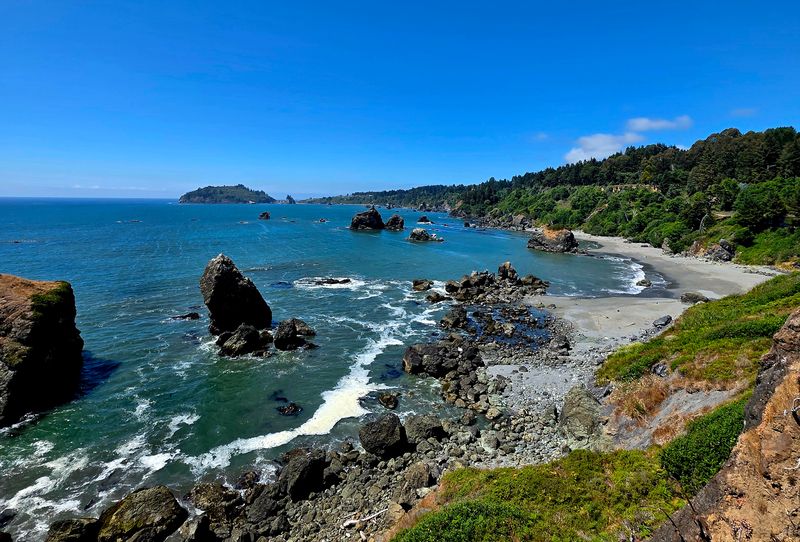
A wooden staircase descends from the parking area to a compact beach where rocks dominate the landscape and tide pools become the main attraction during low water.
Luffenholtz Beach in Trinidad occupies a small cove protected by rocky outcroppings on both sides, creating a sense of enclosure that makes the space feel intimate despite being open to the ocean.
The beach is known locally as a reliable spot for watching sunsets when the sky turns vibrant colors and light reflects off wet rocks and shallow pools.
During low tide, visitors can walk carefully across the intertidal zone where sea anemones contract when touched, hermit crabs drag shells across stone surfaces, and small fish dart through shallow water trapped in depressions.
The variety of life visible in these pools makes the beach particularly engaging for anyone interested in marine biology or simply curious about coastal ecosystems.
Children often spend entire visits crouched beside pools, observing creatures and asking questions about what they see.
The beach is small enough that it can feel crowded when more than a dozen people are present, so arriving early in the day or visiting during weekday mornings provides the best experience.
Swimming is not recommended due to rocks and unpredictable waves, but the beach excels as a place for observation and photography.
5. Centerville Beach County Park
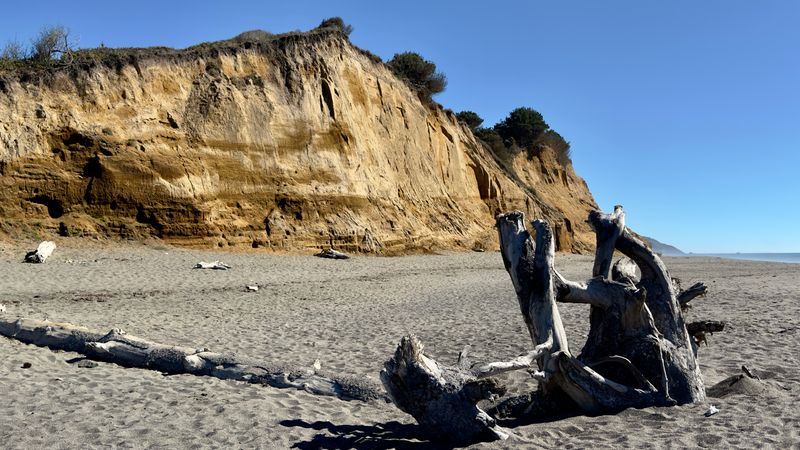
Wide sand stretches for what feels like miles at Centerville Beach County Park near Ferndale in Humboldt County, creating the kind of open space that invites long walks and horseback riding.
The beach is broad enough that even when multiple groups are present, everyone maintains a sense of personal space.
During low tide, the remains of a shipwreck from the early 1900s emerge from the sand, offering a stark reminder of the dangers that once faced vessels along this coastline.
The wreck draws photographers and history enthusiasts who want to see the rusted metal and weathered wood up close, and the beach provides clear access without requiring special equipment or difficult climbing.
Beyond the wreck, the beach continues in both directions with nothing but sand, driftwood, and the sound of waves breaking in powerful sets that demonstrate the ocean’s force.
Horseback riders sometimes appear in the distance, moving along the firm sand near the water’s edge where footing is best.
Picnic tables are available in the park area above the beach, and the flat terrain makes it easy for families with young children or anyone who prefers not to navigate steep paths.
Wind can be strong here, so bringing layers and windbreakers is advisable even during summer months when inland areas are warm.
6. Mattole River Beach
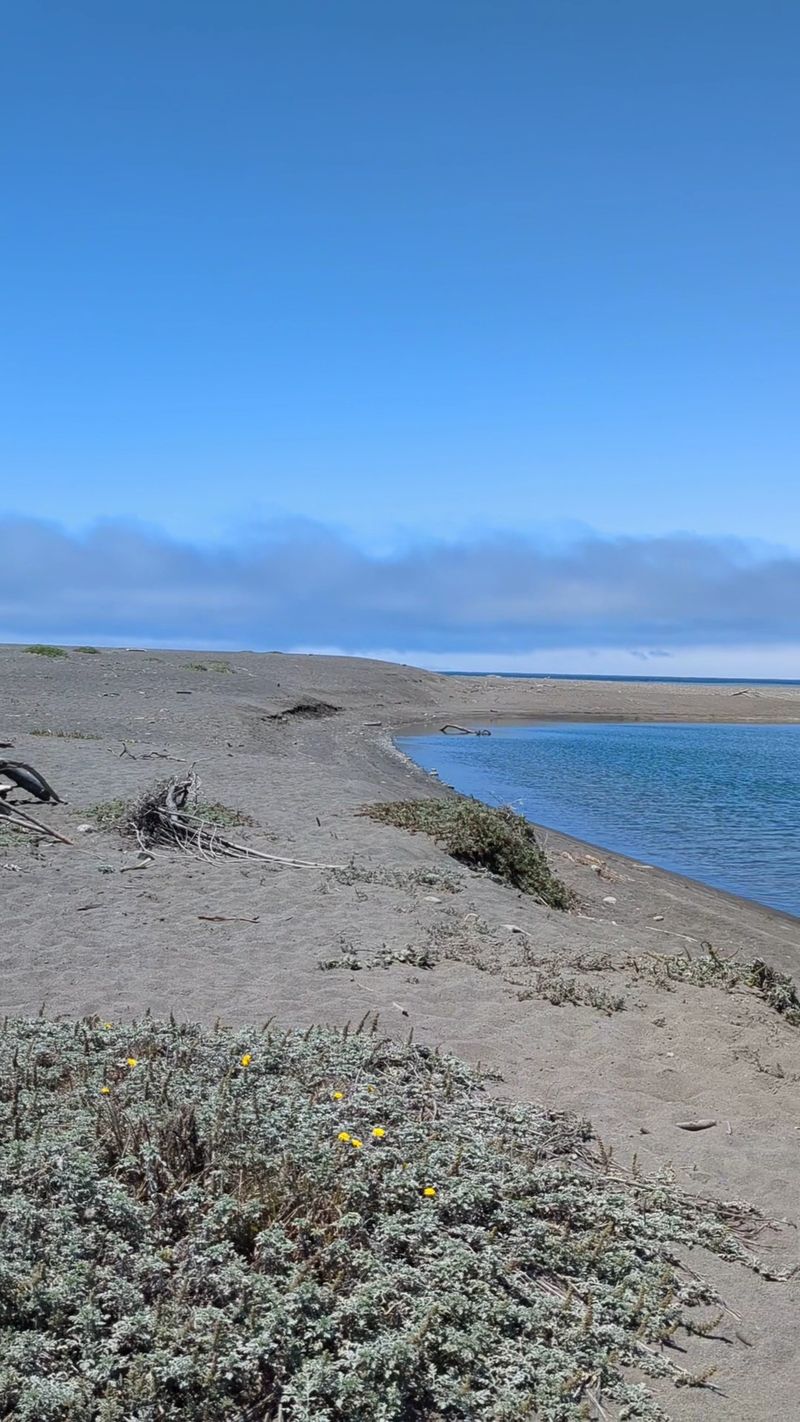
Reaching the Lost Coast means leaving behind cell service, crowded parking lots, and the conveniences of developed tourist areas.
Mattole River Beach sits at the mouth of the Mattole River in Petrolia, marking the northern starting point for the famous Lost Coast Trail that attracts backpackers seeking wilderness experiences.
The beach itself offers a combination of river mouth, ocean shore, and access to trails that wind through terrain that has remained largely unchanged for generations.
Camping is available in a designated area where tents can be pitched within sight and sound of the ocean.
Fishermen cast lines into the river mouth where fresh water meets salt water, creating conditions that attract various fish species.
Beachcombers walk the shore searching for unusual shells, glass floats that occasionally wash up from distant sources, and driftwood in sizes ranging from small sticks to massive logs.
The beach serves as a base for hikers preparing to tackle the multi-day trek along the Lost Coast, but it also functions as a destination for those who simply want to experience a remote coastal environment without committing to a long backpacking trip.
Supplies should be brought from elsewhere as the nearest stores are not close, and visitors should be prepared for changeable weather that can shift from sun to fog to wind within hours.
7. Black Sands Beach (Shelter Cove)
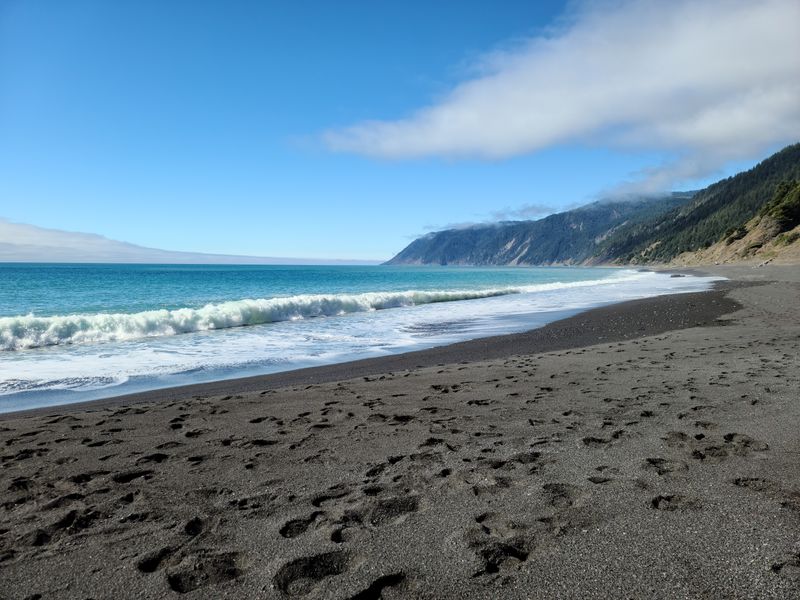
Dark sand created from volcanic rock gives this beach its name and its distinctive appearance that contrasts sharply with the lighter-colored beaches found elsewhere along the California coast.
Black Sands Beach at Shelter Cove is reached by a trail that descends from the parking area through coastal vegetation before opening onto a shoreline where black sand meets powerful waves.
The beach sits beneath steep cliffs that rise dramatically behind it, creating a sense of being at the base of something much larger.
The sand itself is coarser than typical beach sand, made up of tiny fragments of volcanic rock that have been broken down over time by wave action.
Walking on it produces a different sound and feel compared to silica-based sand, and the dark color means the sand absorbs more heat on sunny days.
Beachcombers find smooth black stones, occasional pieces of jade, and shells that stand out against the dark background.
The beach is not suitable for swimming due to strong currents and cold water, but it provides an excellent vantage point for watching waves crash against offshore rocks and observing seabirds that nest on the cliffs.
The remote location means fewer visitors make it to this beach compared to more accessible spots, and the dramatic scenery rewards those who take the time to drive the winding road to Shelter Cove.
8. Shelter Cove Beach
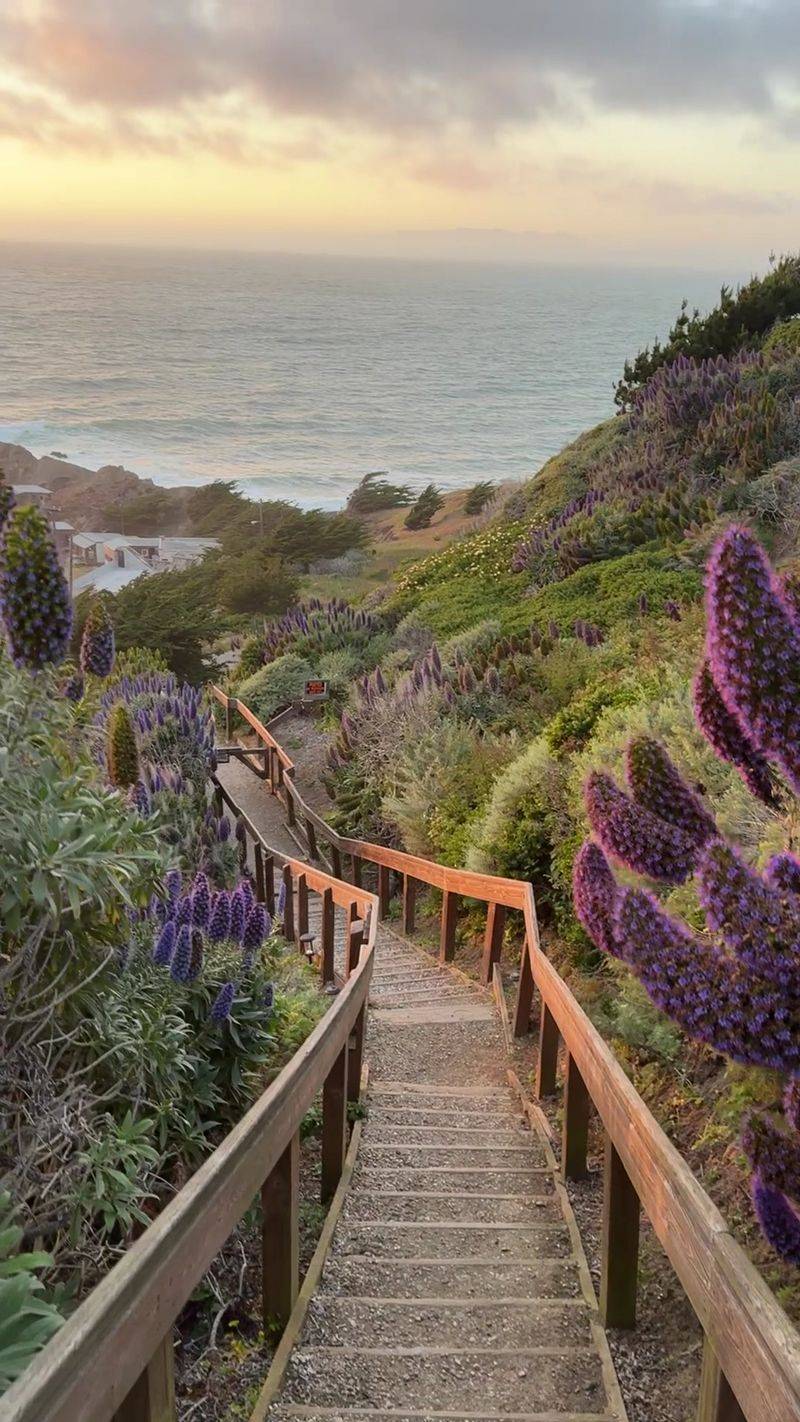
A boat launch facility provides the main access point to Shelter Cove Beach, a protected area that offers calmer water than many exposed beaches along this stretch of coast.
Located in Whitethorn, the beach sits within a cove that provides some shelter from the strongest ocean swells, making it a favored spot for launching small boats and kayaks.
The community of Shelter Cove is small and remote, accessed by a road that winds through mountains and forests before descending to the coast.
The beach itself is less dramatic than nearby Black Sands Beach but offers easier access and a more relaxed atmosphere.
Visitors can walk along the shore, watch boats coming and going from the launch, and observe harbor seals that sometimes rest on rocks near the water.
The protected nature of the cove means the water is slightly warmer than at fully exposed beaches, though it remains cold enough that wetsuits are necessary for any extended water contact.
A small airstrip serves the community, and some visitors arrive by private plane, adding to the sense that Shelter Cove occupies a special position as a remote outpost on the Lost Coast.
Accommodations are limited to a few small inns and vacation rentals, and dining options are minimal, so visitors should plan accordingly and bring supplies if staying for more than a day.
9. Jug Handle Beach
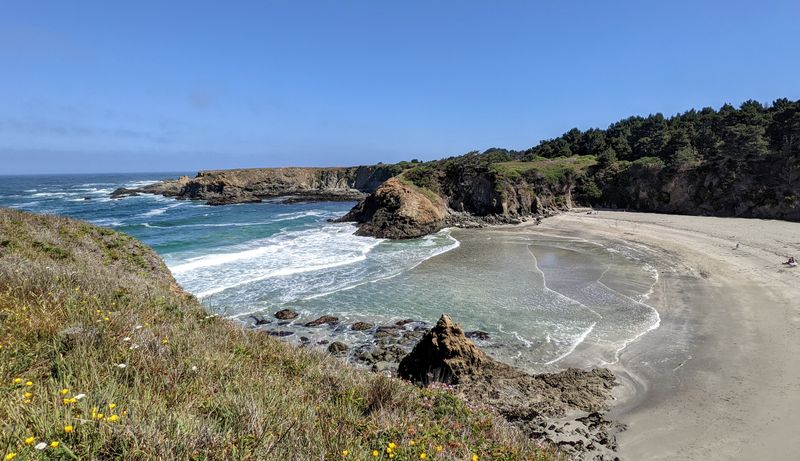
Rock formations shaped like handles give this beach its distinctive name and create visual interest along a shoreline that rewards careful exploration.
Jug Handle Beach is part of Jug Handle State Natural Reserve, an area that encompasses not just the beach but also an ecological staircase where five marine terraces rise one above the other, each representing a different geological time period.
The beach itself is accessible via a short trail and offers a mix of sand, rocks, and tide pools.
During low tide, the intertidal zone reveals numerous pools where sea stars cling to rocks, sea anemones wave their tentacles in the current, and small crabs scuttle between hiding spots.
The beach is wide enough for walking but intimate enough that it never feels overwhelming or overly developed.
Driftwood accumulates along the high tide line, providing seating and creating natural sculptures that photographers often incorporate into their compositions.
The reserve includes trails that lead inland through coastal forests and across the marine terraces, offering opportunities to extend a beach visit into a longer exploration of diverse ecosystems.
Interpretive signs along the trails explain the geological processes that created the terraces and the plant communities that grow on each level.
The beach sees moderate use but rarely becomes crowded due to its location between larger tourist destinations.
10. Glass Beach (Fort Bragg)
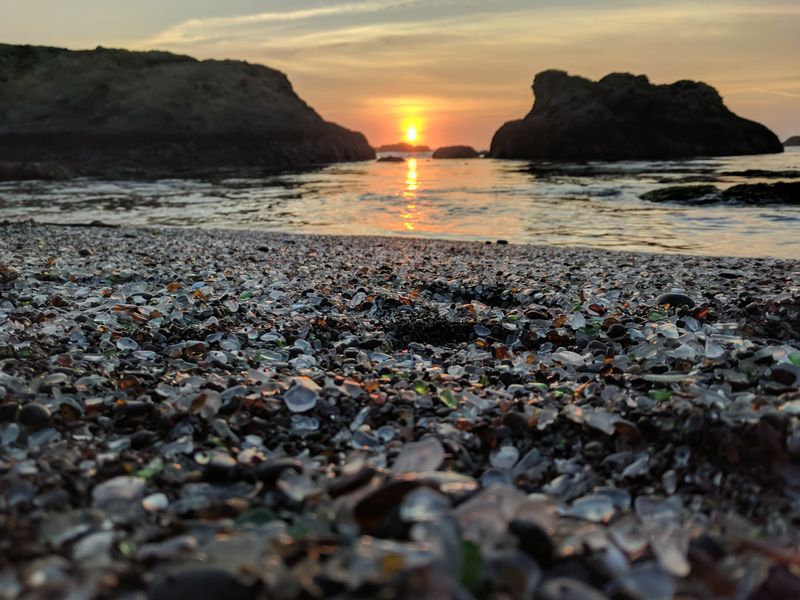
Decades of wave action have transformed discarded glass into smooth, colorful gems that cover portions of this beach in Fort Bragg, creating one of the most unusual coastal destinations in California.
Glass Beach originated as a dumping site in the early 1900s when the area was used for disposing of household waste including bottles and other glass items.
After the dump closed and cleanup efforts removed larger debris, the ocean continued its work of breaking down glass fragments and tumbling them smooth.
Visitors walk along the shore finding pieces of glass in shades of green, brown, clear, blue, and occasionally rare colors like red or orange.
The glass ranges from small chips to larger rounded pieces, all smoothed by years of wave action.
While collecting glass is discouraged to preserve the beach for future visitors, looking and photographing are encouraged.
The beach sits below a cliff that can be accessed via a trail from the parking area, and the rocky shoreline means this is primarily a beach for observing rather than swimming or sunbathing.
Fort Bragg itself offers restaurants, shops, and accommodations, making Glass Beach easy to incorporate into a longer stay in the area.
The beach is popular and can be crowded during summer weekends, so visiting during weekday mornings provides a better experience with fewer people present.
11. Cooks Beach
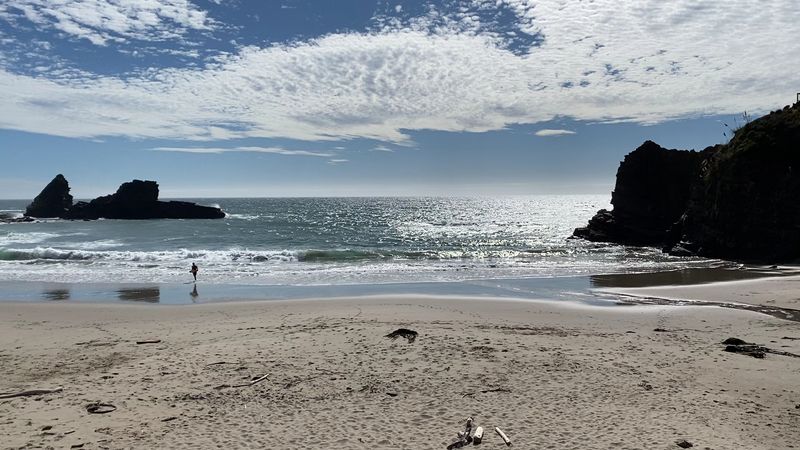
Golden sand and relatively calm waters make Cooks Beach near Gualala a favorite among locals who bring their dogs for off-leash walks along the shore.
The beach is small and tucked into a cove that provides some protection from the strongest waves, creating conditions that feel more peaceful than at fully exposed beaches.
Clear water allows visibility of rocks and sand beneath the surface, and tide pools along the edges of the beach harbor colorful sea life including sea stars, urchins, and small fish.
The beach is not well marked and requires some knowledge of the area to find, which helps maintain its quiet atmosphere even during busy summer months.
Parking is limited to a small area near the beach access, and the short walk to the sand passes through coastal vegetation before opening onto the shore.
Families spread out blankets for picnics, children explore tide pools under adult supervision, and photographers capture the serene ocean views that change throughout the day as light shifts.
The beach faces southwest, making it a pleasant spot for afternoon visits when sun warms the sand and highlights the golden color that gives the beach its character.
Swimming is possible during calm conditions, though the water remains cold year-round and wetsuits are recommended for extended time in the ocean.
12. Goat Rock Beach
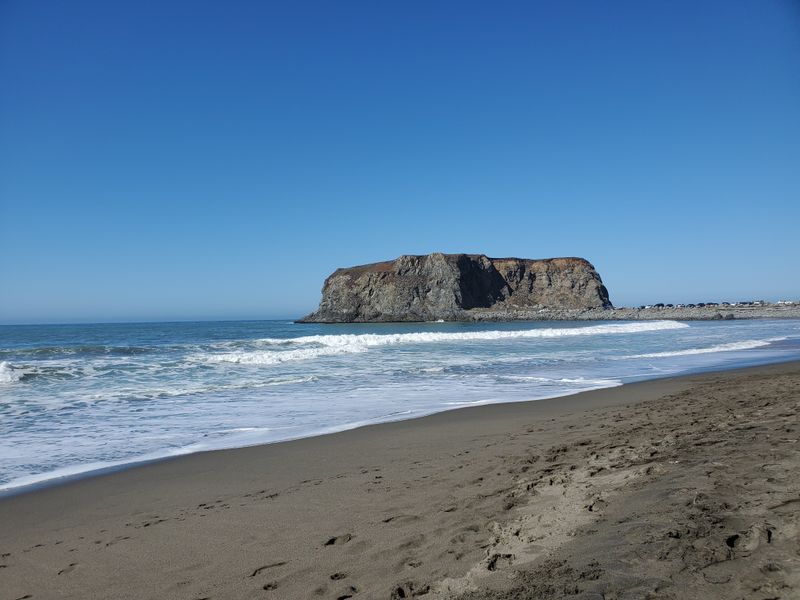
Large sea stacks rise from the water like sentinels guarding the mouth of the Russian River where it meets the Pacific Ocean at Goat Rock Beach in Sonoma County.
The dramatic landscape combines river, ocean, rocky formations, and sandy shores into a scene that attracts photographers seeking iconic coastal images.
Harbor seals maintain a colony on the sandy shores near the river mouth, and during pupping season in spring, dozens of seals can be seen resting on the beach with their young.
Visitors are required to maintain distance from the seals to avoid disturbing them, and volunteer docents are often present to answer questions and ensure wildlife protection guidelines are followed.
The beach is part of Sonoma Coast State Park and offers multiple access points, parking areas, and trails that provide different perspectives on the coastline.
Fishing is popular near the river mouth, and picnic areas above the beach provide tables and facilities for those planning to spend several hours in the area.
Waves can be powerful here, making swimming dangerous, but the beach excels as a place for walking, wildlife observation, and experiencing the meeting point of river and ocean.
The nearby town of Jenner offers food options and basic supplies, and several scenic pullouts along Highway 1 provide additional viewpoints of the coast.
13. McClures Beach
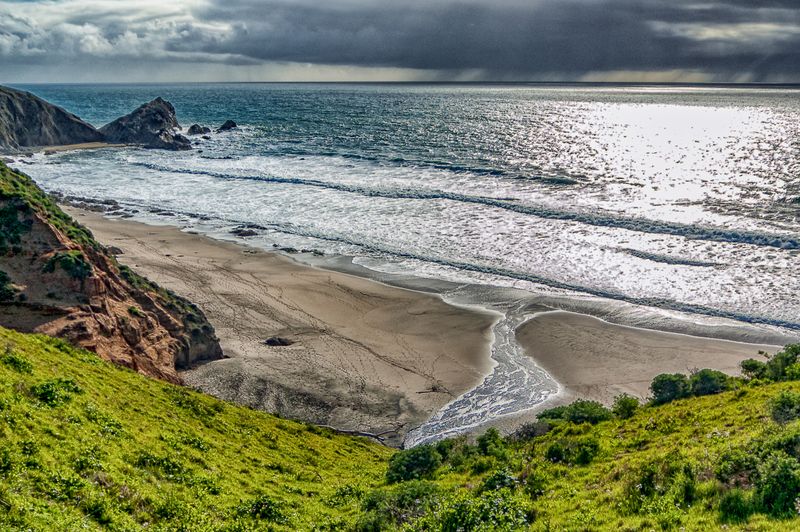
Ancient rock formations and dramatic cliffs define the landscape at McClures Beach, a secluded destination within Point Reyes National Seashore that requires a moderate hike to reach.
The trail descends through coastal hills before arriving at a beach where rugged beauty takes precedence over comfort or convenience.
Rocks dominate the shoreline, creating interesting formations that have been shaped by centuries of wave action and geological processes.
The beach faces northwest, exposing it to powerful swells that make swimming dangerous and inadvisable under any conditions.
Strong currents and unpredictable waves have led to accidents over the years, and warning signs at the trailhead make the hazards clear.
Despite the swimming restrictions, the beach attracts visitors who come for the scenery, the peaceful atmosphere, and the opportunity to observe coastal processes up close.
Sunset can be spectacular here when light illuminates the cliffs and rocks, though the hike back to the parking area requires a flashlight or headlamp after dark.
Wildlife includes various seabirds, occasional seals offshore, and during migration seasons, gray whales that pass by within viewing distance of the shore.
The beach sees moderate use but the hike required to reach it keeps crowds manageable even during busy weekends.
Point Reyes National Seashore offers numerous other beaches and trails for those wanting to explore multiple locations in a single visit.
14. Limantour Beach
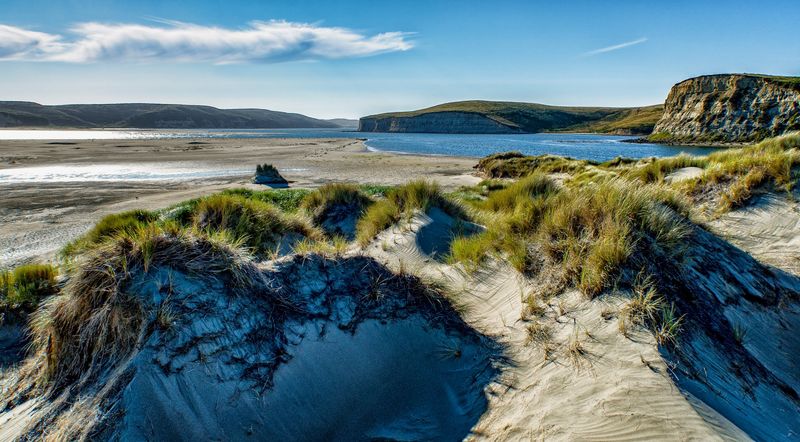
Four miles of sandy shoreline stretch between lush hillsides and the relatively calm waters of Drakes Bay at Limantour Beach, offering a different kind of coastal experience than the wave-battered beaches facing directly into the Pacific.
The beach sits within Point Reyes National Seashore and provides a more sheltered environment where families can spread out, children can play near the water with less concern about dangerous waves, and walkers can cover long distances on flat sand.
Birdwatching is exceptional here with numerous species feeding along the shore, nesting in nearby dunes, or passing through during migration periods.
Gray whales sometimes appear offshore during spring months as they migrate north toward feeding grounds in Alaska, and patient observers with binoculars or spotting scopes can watch for the telltale spouts and occasional breaches.
Harbor seals rest on sandbars at the far end of the beach, and various shorebirds probe the wet sand for invertebrates at the tide line.
The parking area is located a short walk from the beach, and restroom facilities are available.
Picnicking is popular, and the beach has enough space that finding a quiet spot away from others is usually possible even during summer weekends.
Water temperatures remain cold year-round, but the calmer conditions at Limantour make wading more pleasant than at fully exposed beaches.