This Enchanting Town In California Feels Like Stepping Into The Old Frontier
Boot steps echo a little differently here. Then the past starts to feel closer.
Wooden storefronts line the street like they have been waiting. Signs hang with purpose. Doors open into spaces that still carry the weight of another era.
It doesn’t take much to imagine wagons rolling through and voices carrying down the road.
The pace holds steady. Nothing rushes. Time lingers instead of moving on. Details show up slowly, from weathered brick to the sound of a floorboard underfoot.
The frontier spirit still runs deep in parts of California like this.
Life here feels tied to something older. Not preserved behind glass, but lived in, walked through, and felt in small ways with every step.
By the time the street ends, it’s clear this isn’t just history – it’s a place that still moves to its own rhythm.
Gold Rush Origins That Shaped Everything
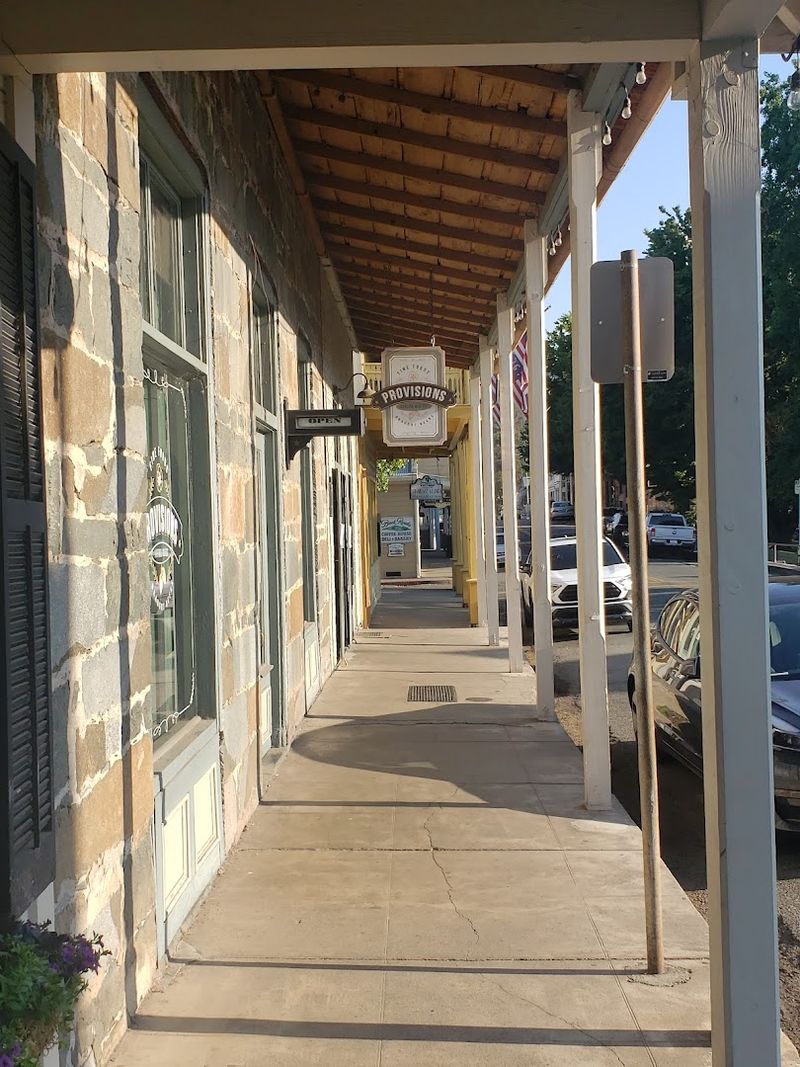
Few towns in California can trace their founding moment to one of the most dramatic chapters in American history.
Sutter Creek was established in 1848 and named after John Sutter, the man whose sawmill at nearby Coloma became the site of the gold discovery that triggered the California Gold Rush.
That single event sent tens of thousands of fortune-seekers flooding into the Sierra Nevada foothills, and Sutter Creek found itself right at the center of the action.
The town grew quickly as miners set up camps, businesses opened to serve the rush, and permanent structures replaced tents and lean-tos.
Unlike many Gold Rush boomtowns that faded as the gold ran out, Sutter Creek managed to hold on and evolve without losing its original identity.
Walking through town today, it is easy to feel the weight of that 1848 origin story.
The layout of the streets, the age of the buildings, and even the names of local landmarks all point back to those foundational years.
For history enthusiasts, Sutter Creek is not just a pretty stop along State Route 49 but a living document of how the American West was shaped by gold, ambition, and sheer determination.
Main Street Frozen In The 19th Century
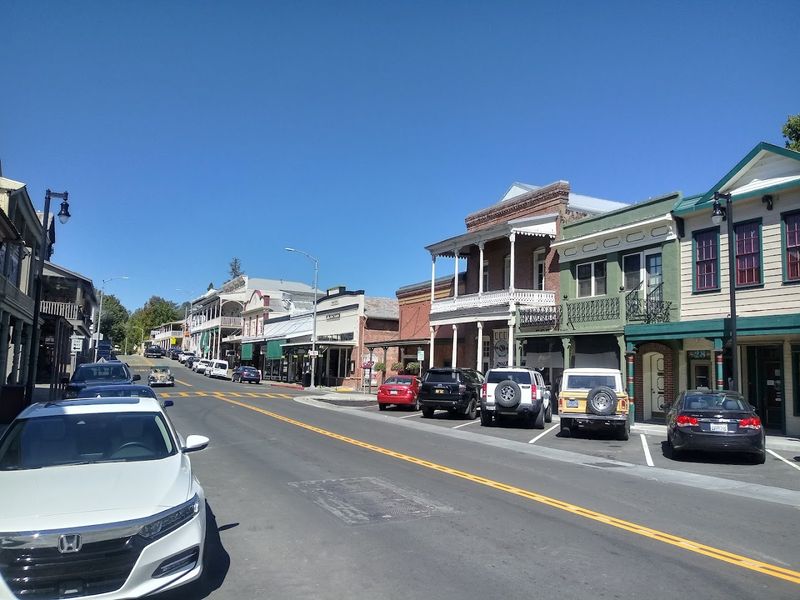
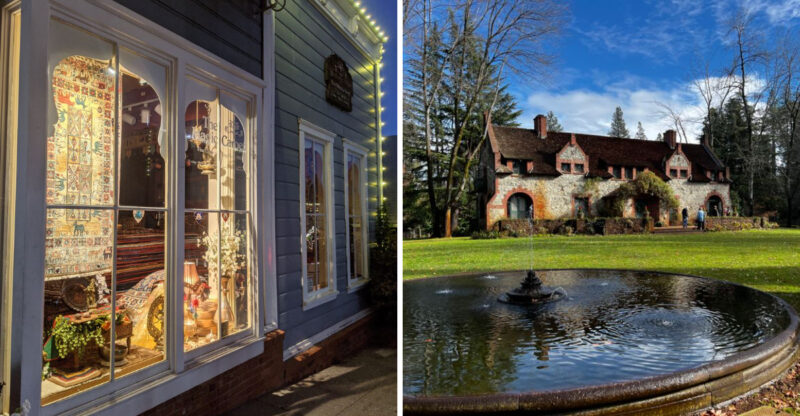
Strolling down Main Street in Sutter Creek feels like the calendar somehow skipped back about 150 years.
The buildings lining the road are genuine 19th-century structures, many featuring the filigreed iron balconies and detailed wooden facades that were popular during the Gold Rush era.
Antique shops, boutiques, and local businesses now occupy these historic spaces, but the bones of the street remain remarkably intact.
Unlike some heritage districts that feel staged or overly polished, Main Street here has a lived-in quality that makes it feel authentic.
The proportions of the buildings, the narrow lots, and the way the street curves gently through town all reflect how Gold Rush settlements were actually built rather than how they are often romanticized in movies.
Visiting on a weekday tends to offer a quieter, more contemplative experience, while weekends bring more foot traffic and open storefronts.
Either way, the street rewards slow walking and close attention to architectural detail.
Carved cornices, painted wooden signs, and original brick facades appear around every corner.
For anyone interested in American architectural history or simply looking for a photogenic walk through genuine frontier-era California, this stretch of road delivers something genuinely hard to find elsewhere.
Knight Foundry: The Last Of Its Kind In America
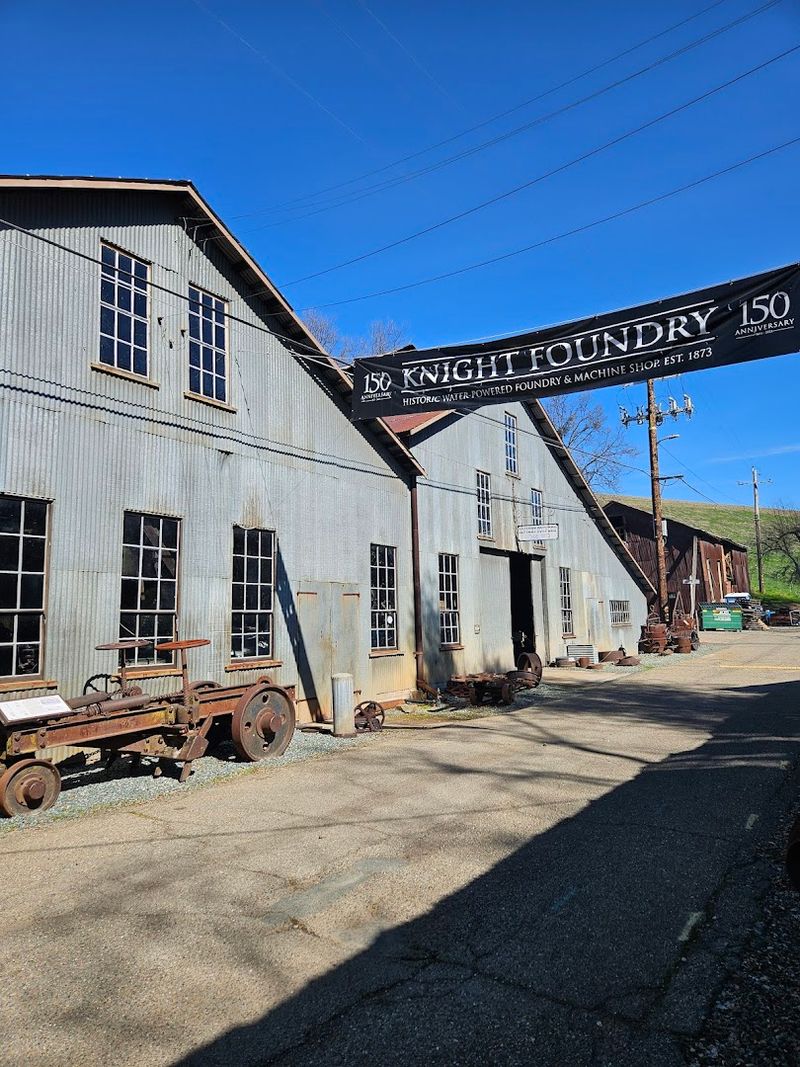
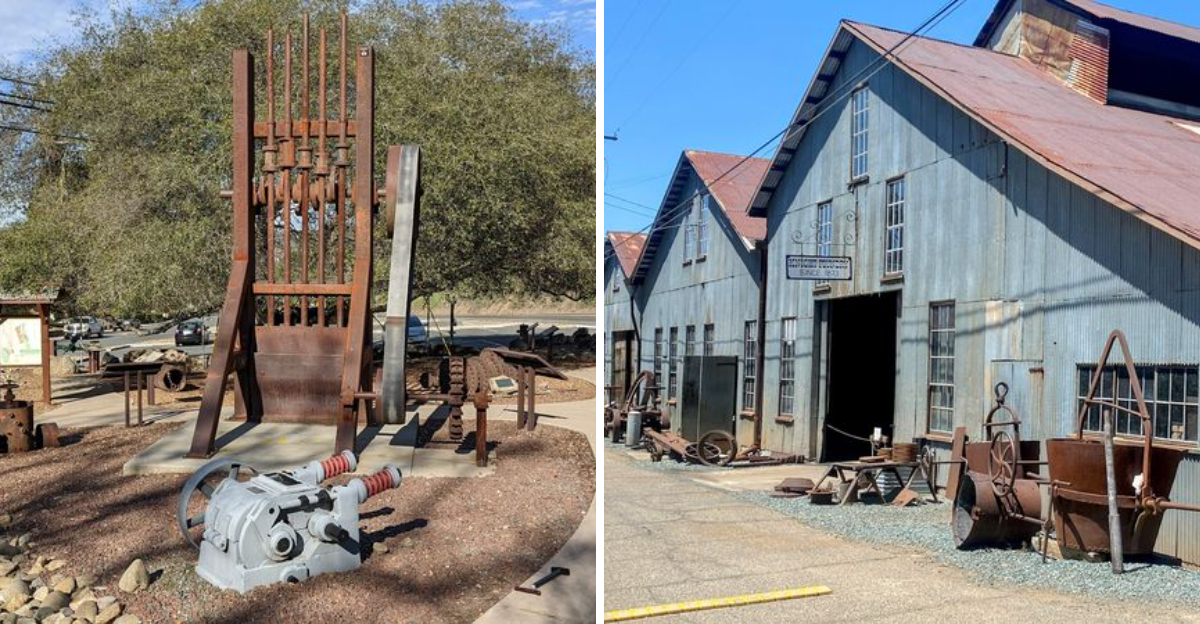
Established in 1873, the Knight Foundry holds a distinction that no other facility in the United States can claim: it is the last known water-powered foundry and machine shop still standing in the country.
Located at 81 Eureka Street, Sutter Creek, CA 95685, the foundry operated continuously for over a century, producing equipment used in mining, agriculture, and local industry across the Gold Country region.
The machinery inside the foundry is not a replica or a museum reconstruction.
Much of it is original equipment that was actually used during the foundry’s working years, which gives visitors an unusually direct connection to 19th-century industrial craftsmanship.
The water wheel that once powered the entire operation is still a central feature of the site.
The Knight Foundry is listed on the National Register of Historic Places and has been the subject of ongoing preservation efforts in recent years.
Visiting hours and tour availability can vary by season, so checking ahead before planning a trip is a good idea.
For anyone curious about how industrial California functioned before electricity became widespread, a visit here offers a hands-on, sensory-rich experience that goes well beyond what most history textbooks can communicate.
The Historic Schoolhouse That Served Hundreds Of Children
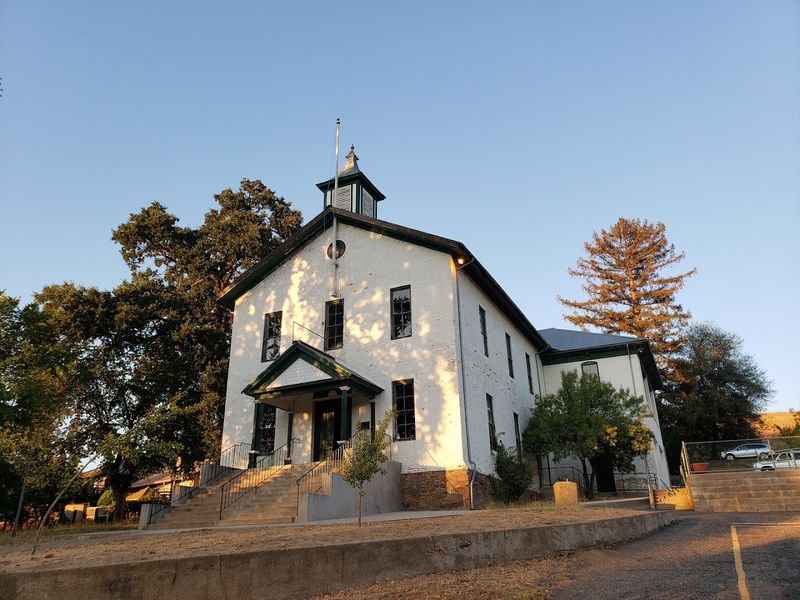
Built in 1870, the Sutter Creek Grammar School is one of the more quietly impressive historic structures in town.
The two-story brick building once served between 200 and 300 children annually, which speaks to how quickly the population of this small foothill community had grown in the decades following the Gold Rush.
Brick construction was a deliberate choice at the time, signaling permanence and civic investment in education.
The building is listed on the National Register of Historic Places alongside the Knight Foundry, making Sutter Creek one of the few small towns in California with multiple individually listed historic properties.
The schoolhouse reflects a broader story about how Gold Rush communities transitioned from transient mining camps into established towns with schools, churches, and civic institutions.
From the outside, the building has a dignified, no-nonsense look that feels entirely consistent with the practical values of its era.
The arched windows and solid brickwork give it a presence that stands out even among the other historic structures nearby.
For visitors exploring the town on foot, the schoolhouse is a natural stop that adds important context to the larger story of how Sutter Creek grew from a gold camp into a real, functioning community with roots deep enough to last well into the 21st century.
Amador County Right Next Door
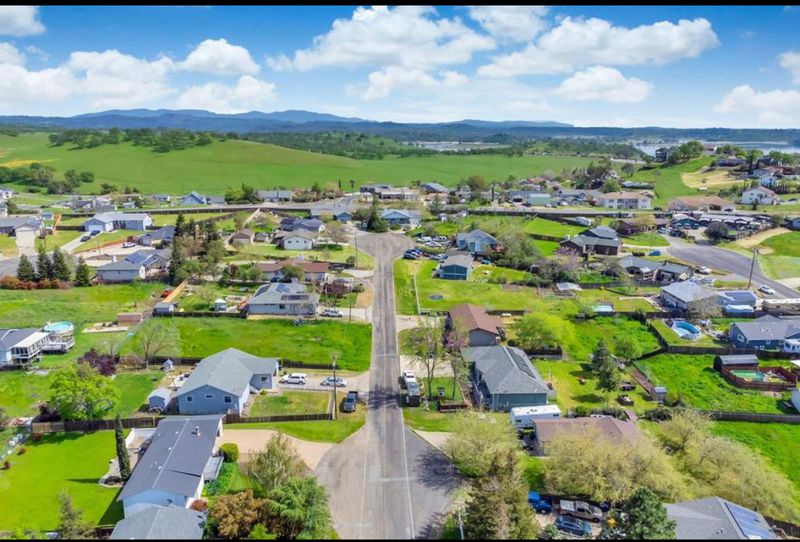
Amador County surrounds Sutter Creek with a region that has earned serious recognition over the past few decades.
With more than 25 wineries spread across the foothills, the area is particularly well known for its bold red Zinfandels, which tend to thrive in the warm days and cool nights of the Sierra Nevada foothills climate.
The combination of volcanic soils and elevation gives the beverages here a character that is noticeably different from coastal California varieties.
Many places in the area are family-operated and welcome visitors without requiring reservations, though calling ahead is always a smart move.
The tasting rooms range from casual barn settings to more structured experiences, and the general atmosphere leans toward relaxed and unhurried rather than formal or exclusive.
For travelers already planning a stop in Sutter Creek, adding Amador County visit to the itinerary requires very little extra driving.
Several well-regarded producers are located just a short distance from the town center along Shenandoah Road and the surrounding rural routes.
The country setting also adds to the overall sensory experience of the region, with hillsides providing a scenic backdrop that complements the historic town atmosphere in an unexpected and pleasant way.
Multiple Sites On The National Register Of Historic Places
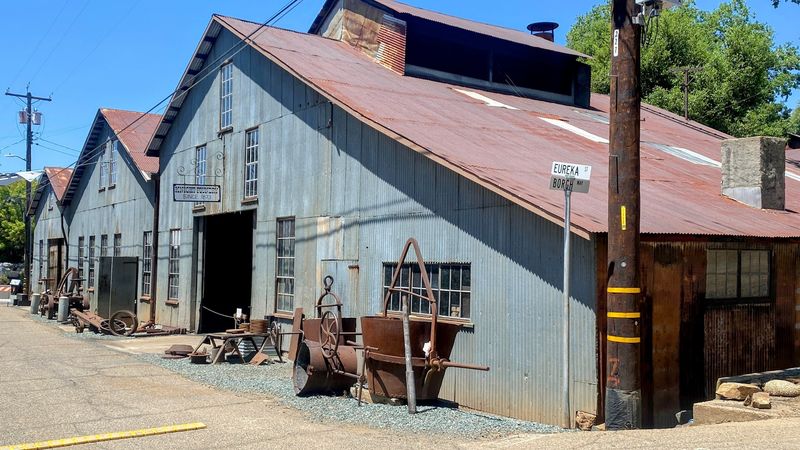
Not every small town can claim even one property on the National Register of Historic Places, but Sutter Creek has multiple listings that reflect the depth and authenticity of its preserved heritage.
In fact, the entire Sutter Creek Historic District is on the register.
The Knight Foundry and the Sutter Creek Grammar School are both individually recognized, placing the town in rare company among California communities of similar size.
Being listed on the National Register carries real weight in terms of preservation standards and public awareness.
Properties on the register are acknowledged as having significant historical, architectural, or cultural value, and their inclusion helps ensure that ongoing development or renovation work respects the original character of the structures involved.
For visitors, these designations serve as a kind of quality signal, confirming that what they are seeing is genuinely historic rather than reconstructed or themed for tourism purposes.
The buildings have real stories attached to them and real timelines that stretch back into the 19th century.
Walking between these sites on foot is entirely manageable given the compact layout of the town, and informational signage along the way helps fill in historical context without requiring a guided tour.
Sutter Creek’s place on the national historic record is one of the clearest indicators of just how much authentic frontier-era California has survived here.
Sutter Creek Theatre Keeps The Arts Alive
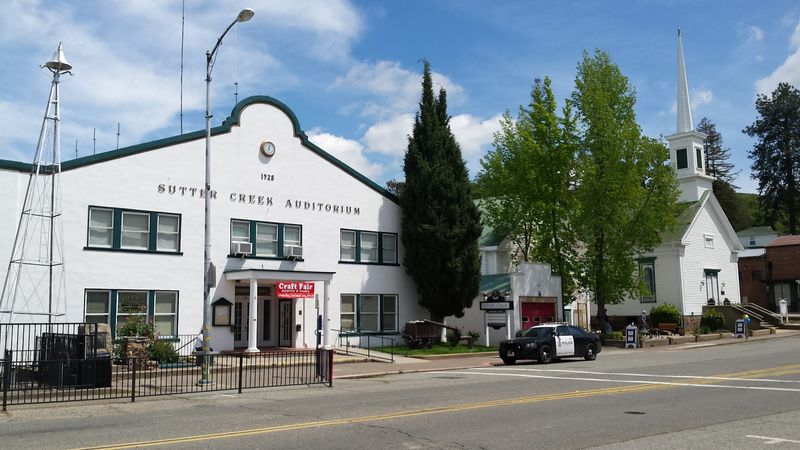
Live theater in a Gold Rush foothill town might sound unexpected, but the Sutter Creek Theatre has been a consistent part of the community’s cultural identity for years.
Located at 44 Main Street, Sutter Creek, CA 95685, the theater hosts a rotating program of live performances that draws both locals and out-of-town visitors looking for something beyond the usual tourist experience.
The venue itself fits naturally into the historic character of Main Street, occupying a building that carries the same architectural sensibility as the rest of the block.
Inside, the atmosphere tends toward intimate rather than grand, which suits the kind of community-centered programming the theater typically presents.
Performances can range from comedy and drama to musical productions depending on the season and the current schedule.
Checking the theater’s current calendar before visiting is highly recommended since programming schedules shift regularly.
For travelers spending more than a day in the area, catching a performance at the Sutter Creek Theatre adds a dimension to the visit that goes beyond sightseeing.
It is a reminder that Sutter Creek is not just a preserved relic of the past but an active, living community where the arts continue to matter and where locals take genuine pride in maintaining a stage that has served the town for generations.
Miners’ Bend Park And The Legacy Of Gold Mining
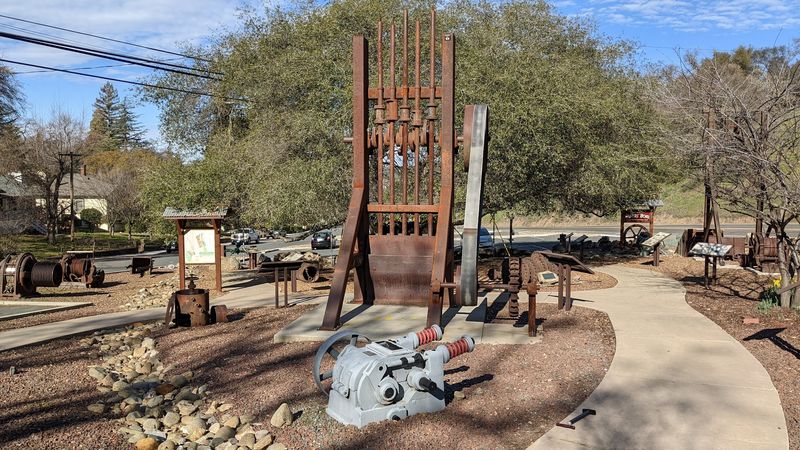
Gold mining is not just a chapter in a history book in Sutter Creek.
Miners’ Bend Park brings that legacy into the physical landscape of the town by featuring actual artifacts from two of the region’s most significant mining operations: the Argonaut Mine and the Sutter Gold Mine.
The park sits along Sutter Creek itself, giving visitors a chance to connect the waterway with the mining activity it once supported.
The Argonaut Mine was one of the deepest gold mines in California and operated for decades before closing in the mid-20th century.
The Sutter Gold Mine, located just outside of town, operated more recently and at various points offered underground mine tours to visitors.
Checking current tour availability directly with the mine is advisable since operations and access have changed over time.
Miners’ Bend Park functions as an accessible, outdoor point of historical reflection that requires no ticket or reservation.
The combination of creek-side scenery and tangible mining artifacts makes it a good stop for families or anyone wanting a grounded sense of what the gold mining industry actually looked and felt like in this part of California.
The park quietly anchors the town’s identity as a place where the Gold Rush was not just a passing moment but a generational way of life.
Black Chasm Cavern: A Natural Landmark Nearby
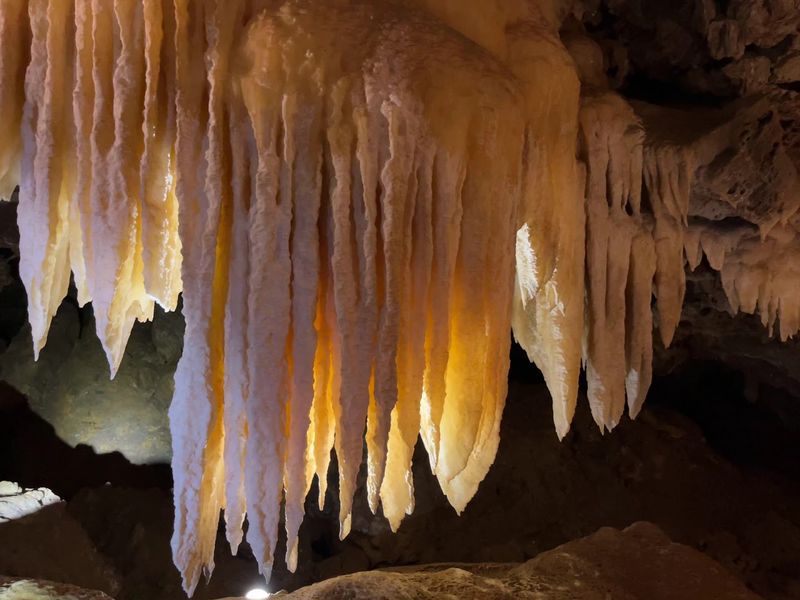
Just a short drive from Sutter Creek, Black Chasm Cavern offers one of the more dramatic natural experiences in the entire Gold Country region.
Designated as a National Natural Landmark, the cavern is known for its exceptional helictite formations, which are rare, twisting crystal structures that grow in seemingly impossible directions defying gravity in ways that still puzzle geologists.
The cave tours take visitors deep underground through a series of chambers where the temperature stays consistently cool regardless of the season above ground.
The lighting used inside the cavern highlights the textures and colors of the formations in a way that makes the geology feel genuinely theatrical without any artificial enhancement needed.
Black Chasm Cavern is located at 15701 Pioneer Volcano Road, Volcano, CA 95689, and guided tours are required to enter the cave.
Tour availability and scheduling can vary by season, so booking in advance or checking the current schedule before arriving is a practical step.
For visitors already spending time in Sutter Creek, adding a cavern tour creates a natural contrast between the man-made history of the town and the geological timescale of the surrounding Sierra Nevada foothills.
The two experiences together give a fuller picture of what makes this corner of California so distinctly layered and worth exploring.
Small-Town Community Spirit That Feels Genuinely Frontier
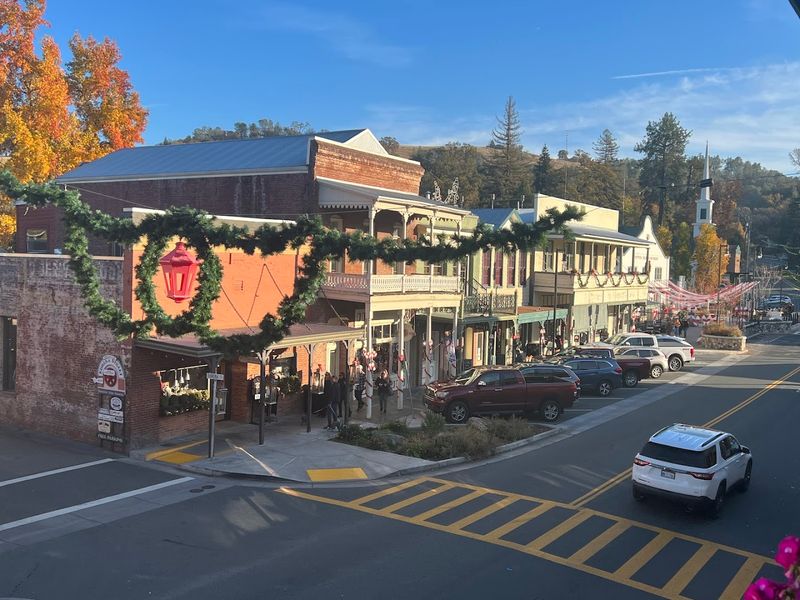
With a population of around 2,600 people, Sutter Creek operates at a scale where community life tends to feel personal and unhurried.
Neighbors know each other, local businesses know their regulars, and the pace of daily life in town reflects values that feel more aligned with the 19th century than with the speed of modern California.
That quality is not manufactured for tourism purposes but seems to be a genuine reflection of how the town has always functioned.
The compact layout of the town means that most of what visitors want to see or do is within easy walking distance of each other.
There are no sprawling commercial strips or chain restaurant clusters interrupting the flow of the historic district, which helps preserve the sense of cohesion that makes Sutter Creek feel like a real place rather than a theme park version of one.
Events, local theater, artisan shops, and community parks all contribute to a social fabric that visitors can sense even during a short stay.
The town sits along State Route 49, which connects it to other Gold Country communities, making it a natural anchor point for a broader regional road trip.
Sutter Creek tends to leave a strong impression on people who visit, not because of any single attraction, but because of how everything about it adds up to something that feels genuinely rare in modern California.