This Fabric Wonderland In New York Has Crafters Traveling From Miles Away
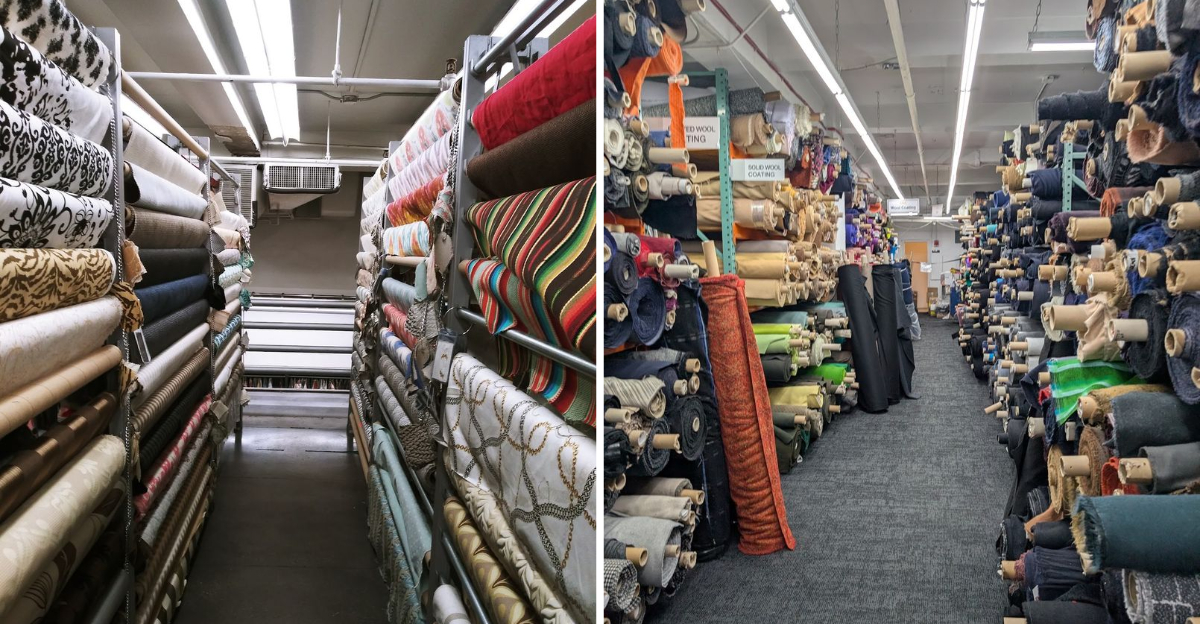
Three floors of fabric is exactly the kind of errand that can accidentally become an entire afternoon.
New York has a crafting landmark where silk, wool, leather, buttons, trims, and endless bolts make creative ideas multiply fast.
Sewing students browse beside working designers, while hobbyists move through aisles searching for that one material that suddenly changes the whole project. The variety is what gets you.
You may arrive with one pattern in mind and leave thinking about curtains, a jacket, and something you definitely did not plan to make. That is part of the fun.
Give yourself time, because this is not the place for rushed decisions.
How A Wholesaler Became Legend
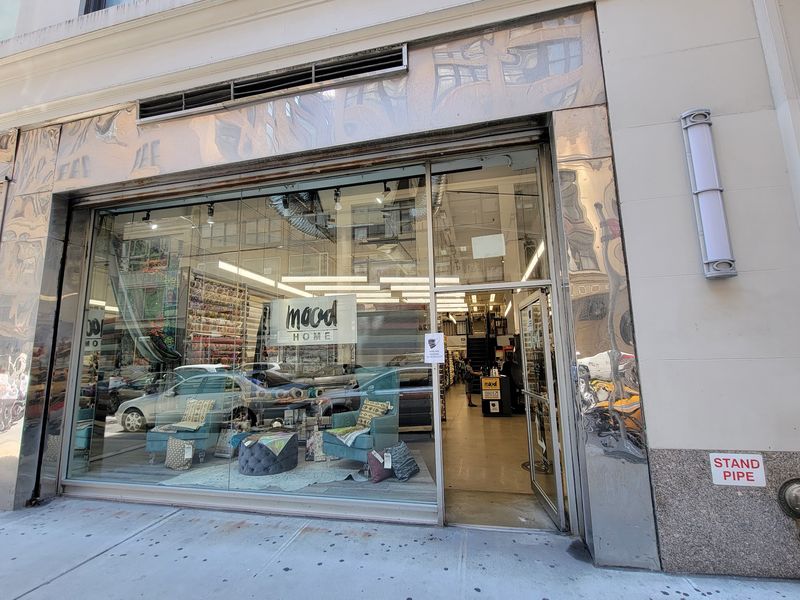
Back in 1991, this business started as a fabric wholesaler serving the New York Garment District. The founder grew up around textile traditions in Lebanon and Sweden, and that background shaped everything.
Two years later, in 1993, retail sales opened the doors to home sewers. Suddenly hobbyists could buy the same materials that supplied working fashion houses. Word spread fast, and the crowds grew faster.
By 2001, the shop moved into its current three-floor flagship, roughly 40,000 square feet of textiles. I find that number hard to picture until I am standing inside it.
What impresses me most is that the business stayed family-owned through decades of change in New York. Trends shifted, the industry shrank, and this place kept growing anyway.
Today Mood Fabrics welcomes students, professionals, and curious first-timers who simply want to touch beautiful cloth. The mix of shoppers gives the floors a busy, buzzing energy every single day.
If you want to see where the story lives, the address is 225 W 37th St 3rd floor, New York.
Three Floors Of Textile Chaos
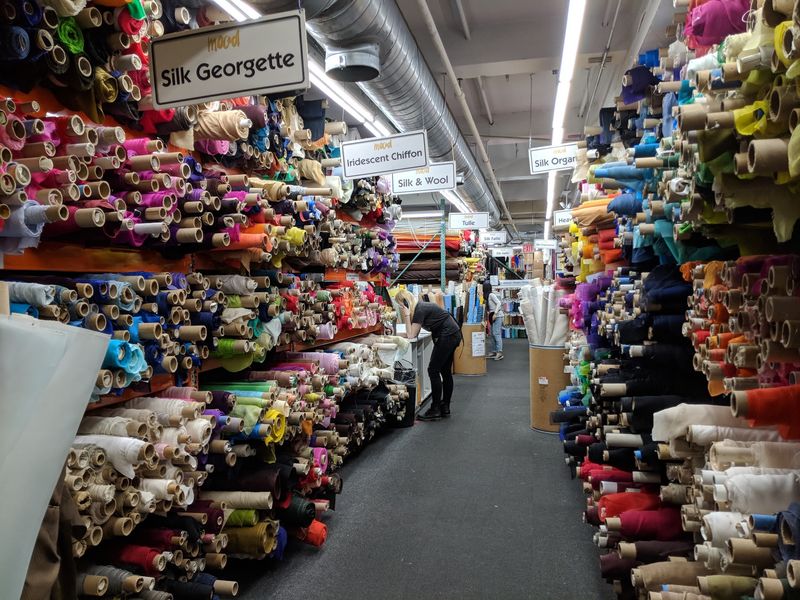
Nothing prepares you for the moment the elevator doors slide open. Bolts rise toward the ceiling, aisles narrow, and color hits you from every direction.
The building holds three shopping levels connected by both stairs and an elevator. Getting between floors is easy, though the aisles themselves are snug.
Roughly 1,200 customers move through these corridors on a typical day. That constant traffic keeps the place humming with cutting shears, rolling carts, and quiet conversation.
I budgeted an hour on my first trip and blew right past it. Two hours disappeared before I reached the wool section, and I still had questions.
Cutting stations sit at a few different spots, which saves you long walks with a heavy bolt. Staff members restock shelves constantly, so the inventory shifts week to week.
Because the space sits inside the historic Garment District, the surrounding blocks buzz with trim shops and delivery carts. New York wears its sewing history right out on the sidewalk.
My advice is simple. Treat this visit like a museum trip rather than a quick errand, and give yourself permission to wander every single row.
Silks, Wools And Everything Between
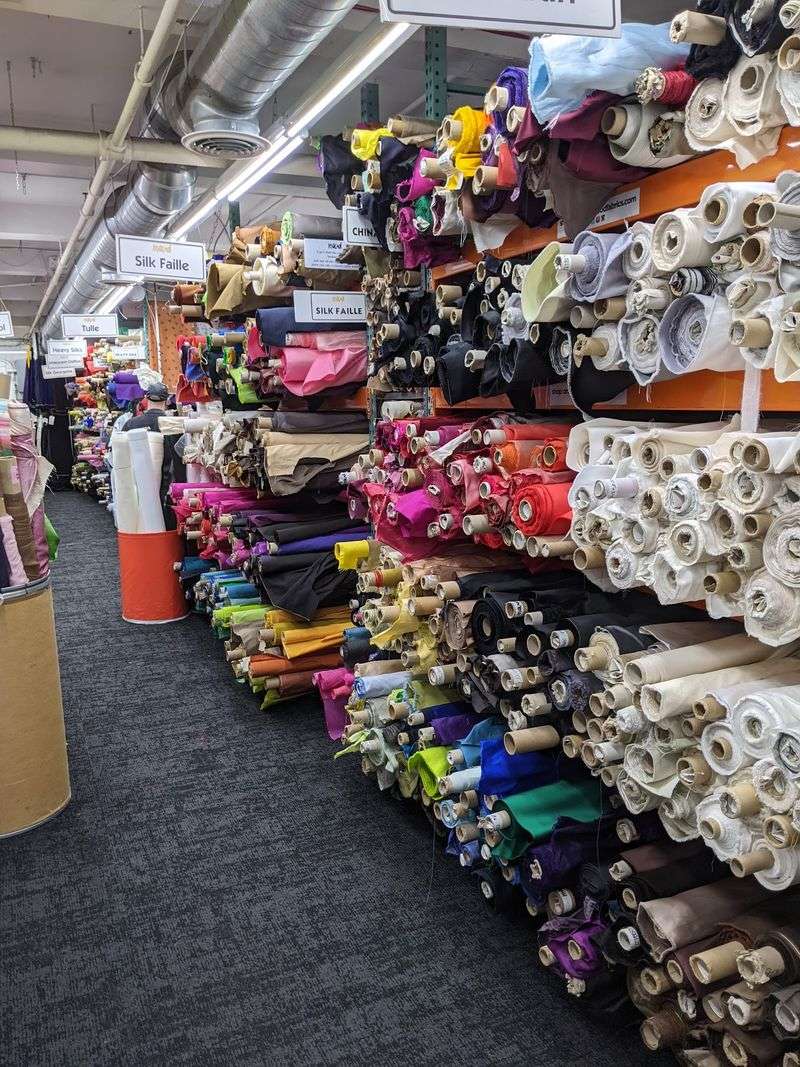
Entire aisles here are dedicated to a single fiber. Silks alone can hold your attention for half an hour, easily.
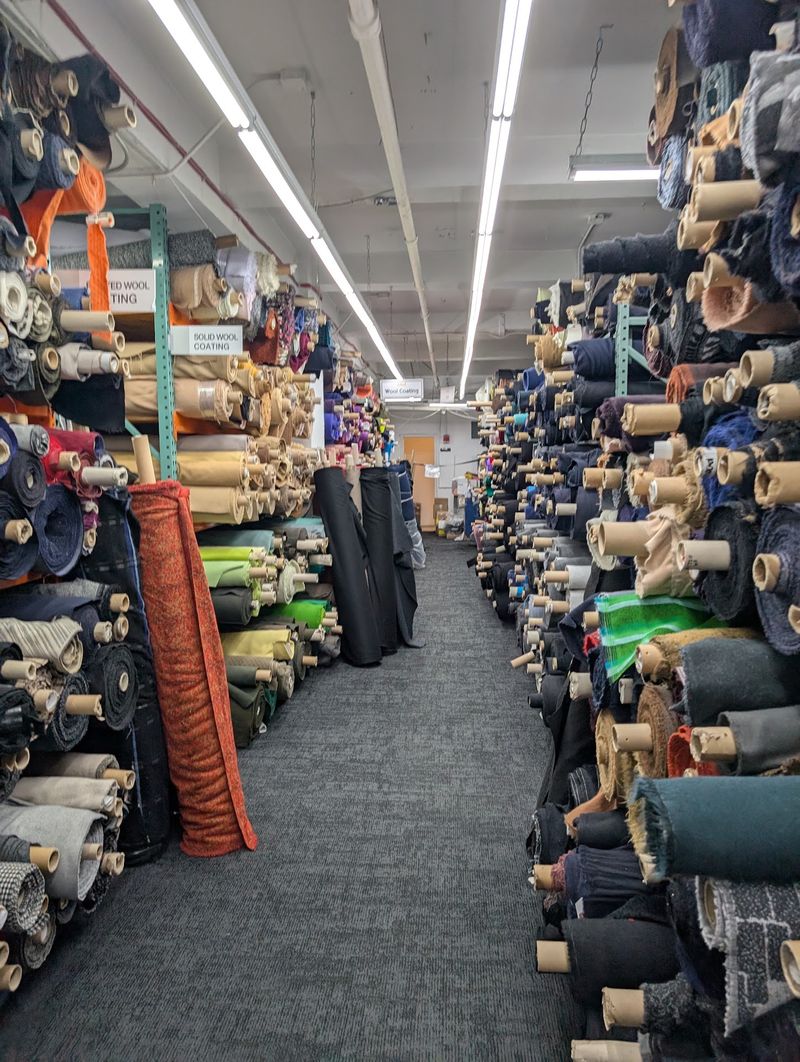
Laces, denims, velvets, brocades, and cottons all get their own clearly marked sections. Overhead signs name the category, which makes hunting far less confusing than it looks.
Designer overstock is part of the draw. Textiles once used by houses such as Oscar de la Renta and Marc Jacobs turn up on these shelves.
Leather and vegan leather occupy the second level, along with home decor materials and furs. Wools, suitings, and outerwear fabrics live upstairs on the fourth floor.
Cutting rules are straightforward. Fashion fabrics start at a half-yard minimum, while home decor materials begin at one full yard.
Swatches are available if you ask, which saved me from a color mistake on a jacket lining. I carried three tiny squares home and compared them under daylight.
What keeps me coming back to Mood Fabrics is variety without snobbery. Beginners and professionals reach for the same bolts, and nobody blinks.
Bring a project idea, or the sheer choice will happily overwhelm you.
Buttons, Trims And Pattern Envelopes
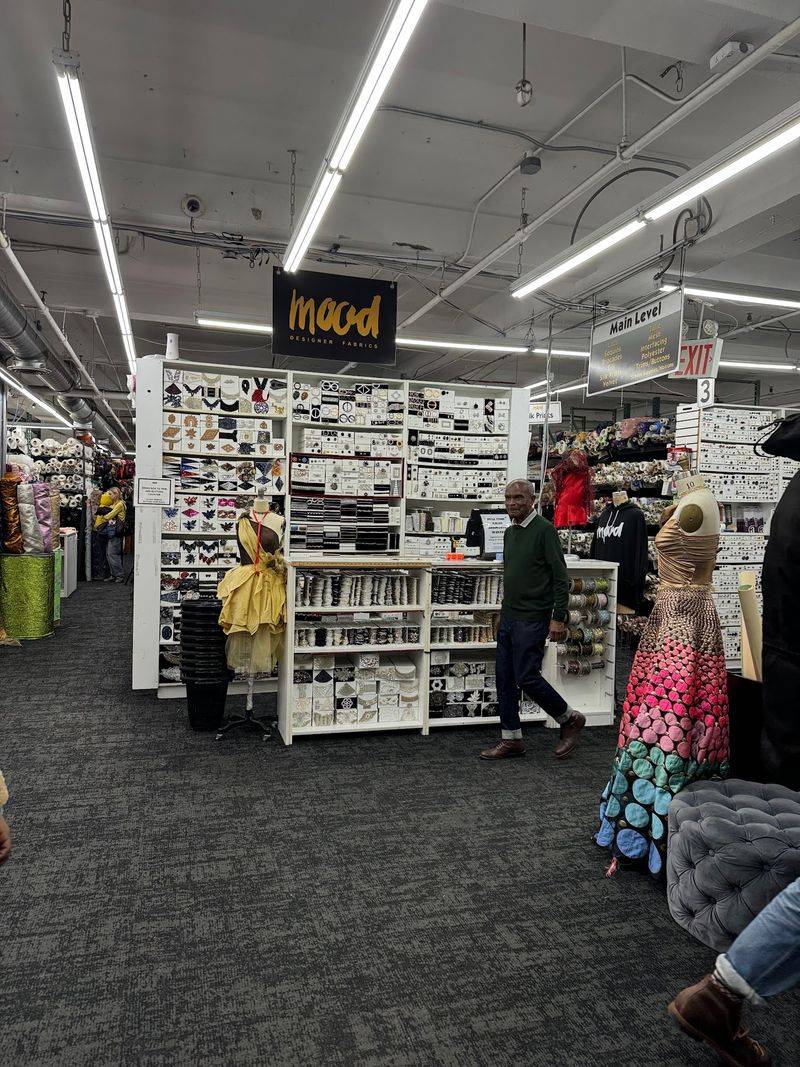
Fabric gets the spotlight, but the notions section quietly steals hearts. I once spent twenty minutes staring at buttons before remembering why I came.
Trays hold metal, shell, rhinestone, and woven buttons in shapes I had never seen. Zippers hang in long color runs, sorted by length and weight.
Ribbons, braids, beading trims, and appliques fill nearby racks. Thread spools cover a wall in a gradient that makes color matching simple.
Pattern lovers are covered too. Vogue Patterns share shelf space with other professional brands and independent designers.
Having everything under one roof matters more than it sounds. You can pick cloth, lining, interfacing, closures, and thread in a single trip.
Specialty tools also appear, from marking chalk to snap setters. I grabbed a set of pattern weights I had been meaning to order online.
New York shoppers use this as a workroom supply stop, not just a splurge destination. Watching a professional fill a basket in five minutes is a small education.
My tip is to shop notions after choosing fabric, so you can match tones directly against the cloth in hand.
The Television Fame Effect
In 2002, everything changed when a production crew filmed the pilot for an upcoming fashion competition series right there in the store, a series that would later become an Emmy-winning phenomenon.
National television turned a Garment District supplier into a household name.
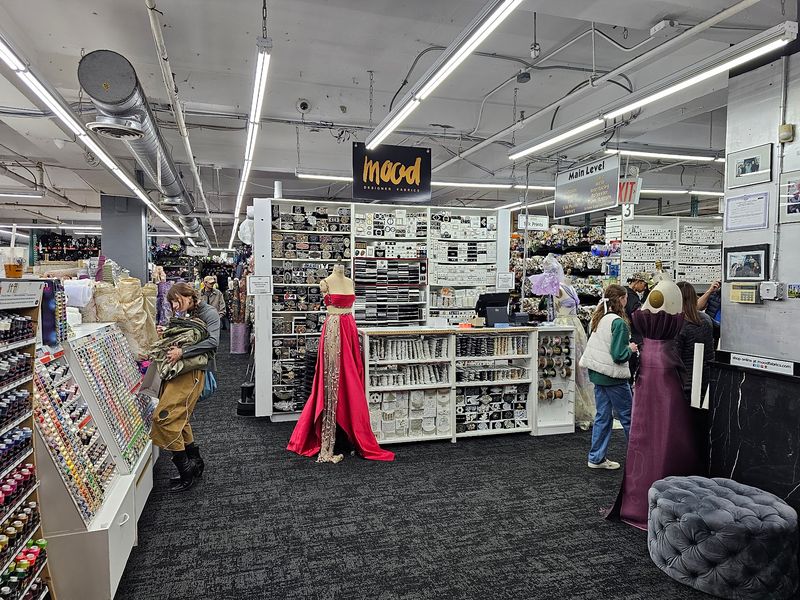
Since then the flagship has appeared in nearly every season. Viewers recognize the aisles instantly, right down to the hanging signs.
I caught myself imagining contestants sprinting past the silks with a ticking clock. The interior really does look exactly like the show, which is oddly thrilling.
A friendly Boston Terrier mascot named Swatch became part of the fun for years. Shoppers looked for the little dog as eagerly as they looked for cloth.
Fans arrive from Florida, California, and far beyond just to walk the floors. Some buy nothing and leave grinning with a shopping bag as a souvenir.
Painted illustration walls decorated with actual textiles add another photo-worthy touch. Embroidered cloth from the shelves appears as three-dimensional flowers on the artwork.
Fame could have made this place stuffy, yet Mood Fabrics still feels like a working supply house. That balance is exactly why the pilgrimage keeps happening.
Finding The Hidden Elevator Entrance
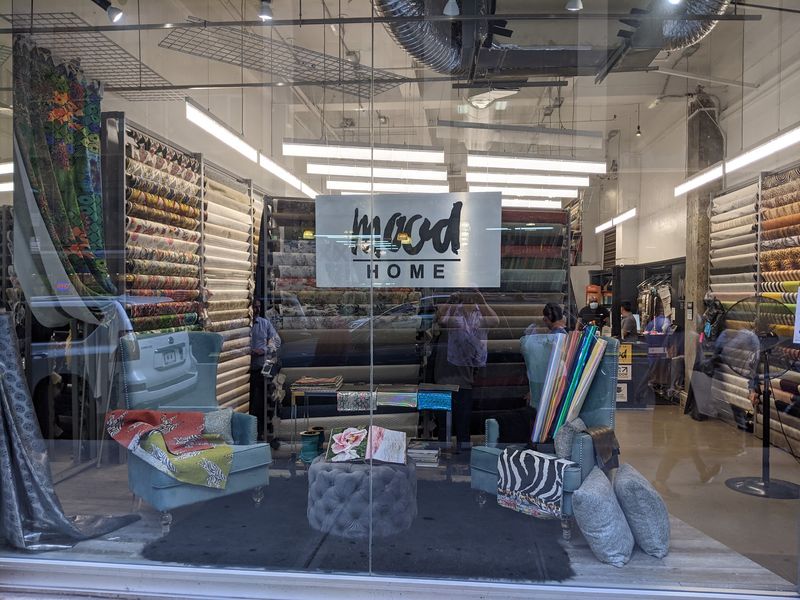
First-timers get tripped up by the entrance, and honestly, so did I. Nothing sits at street level the way a normal shop would.
You walk into the Bricken Arcade building and take the elevator straight up to the third floor. Stairs connect the levels once you are inside.
The third floor holds silks, laces, brocades, and cottons, plus the main registers. Bag check sits near the entrance on that same level.
Climb to the fourth floor for wools, suitings, and coat fabrics. Head down to the second for home decor textiles, leathers, and furs.
Large bags and backpacks must be checked, so pack light if you can. Food and drinks are not allowed near the merchandise, which protects delicate cloth.
Bring a tape measure, your pattern yardage notes, and a phone for photos. I keep a small notebook listing fabric widths I still need.
Aisles are tight, so luggage and strollers make navigation tricky. Travelers heading in from a New York hotel should drop bags first.
Knowing the layout ahead of time turns a confusing hunt into a smooth, satisfying shopping run.
Best Hours For Calm Browsing
Timing changes the whole experience here. A crowded Saturday and a quiet Tuesday feel like two different shops.
Weekday mornings win every time. Tuesdays and Wednesdays between nine and eleven give you space to think and staff who can actually chat.
Doors open at nine Monday through Friday and close at six. Saturday runs ten to five, and Sunday is closed entirely.
Weekends bring fashion students, tourists, and last-minute project shoppers all at once. Cutting lines grow, and elbow room disappears.
I planned my second trip for a Wednesday morning and finished a full project list without stress. A staff member walked me through the difference between charmeuse and crepe de chine.
Calling ahead helps for unusual requests, especially if you are shopping from out of state. Many in-person fabrics never appear online.
Rain days can also be surprisingly quiet, which is a small New York secret worth remembering. Fewer sightseers means faster cutting.
Give yourself at least ninety minutes, more if you want all three floors. Rushing this place is the only real mistake you can make.
Where Ideas Turn Into Projects
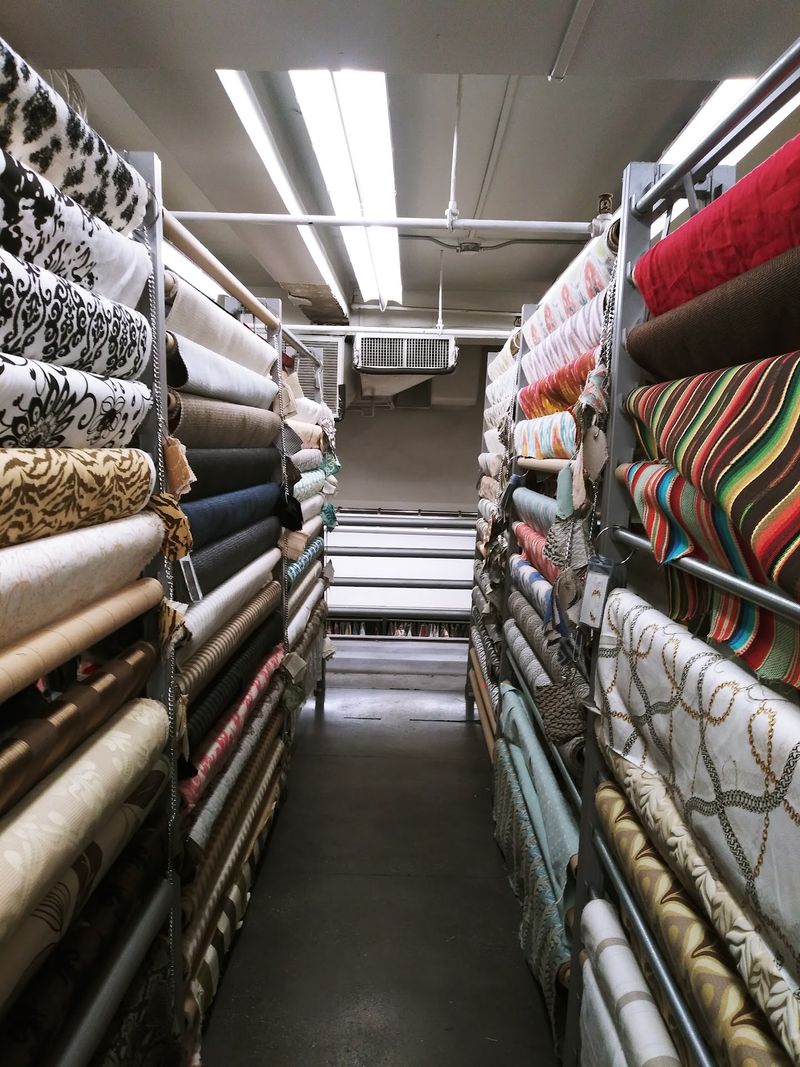
Something happens between the second and third aisle. A vague idea suddenly becomes a real plan with yardage attached.
Organizing fabrics by type, weight, and fiber makes comparison easy. Standing between two similar silks teaches more than any online description could.
I have learned textile vocabulary here simply by reading tags and asking questions. Each visit sharpens my eye a little more.
The business has grown beyond the flagship too, with a strong online shop and sustainability efforts through programs such as MoodEarth and zero-waste patterns. Reducing scrap waste has become part of the mission.
Fashion students, working designers, and hobby sewers all treat this as a destination stop. That mix of skill levels keeps the atmosphere welcoming rather than intimidating.
Three decades in, Mood Fabrics still anchors the Garment District as a working resource. New York keeps changing, and this place keeps supplying the people who make things.
Bring a sketch, a rough plan, or nothing but curiosity. You will leave with fabric and probably three new project ideas.