This Family-Owned Wisconsin Butcher Shop Sells Dry-Aged Steaks And Farm-Raised Meats Worth A Detour
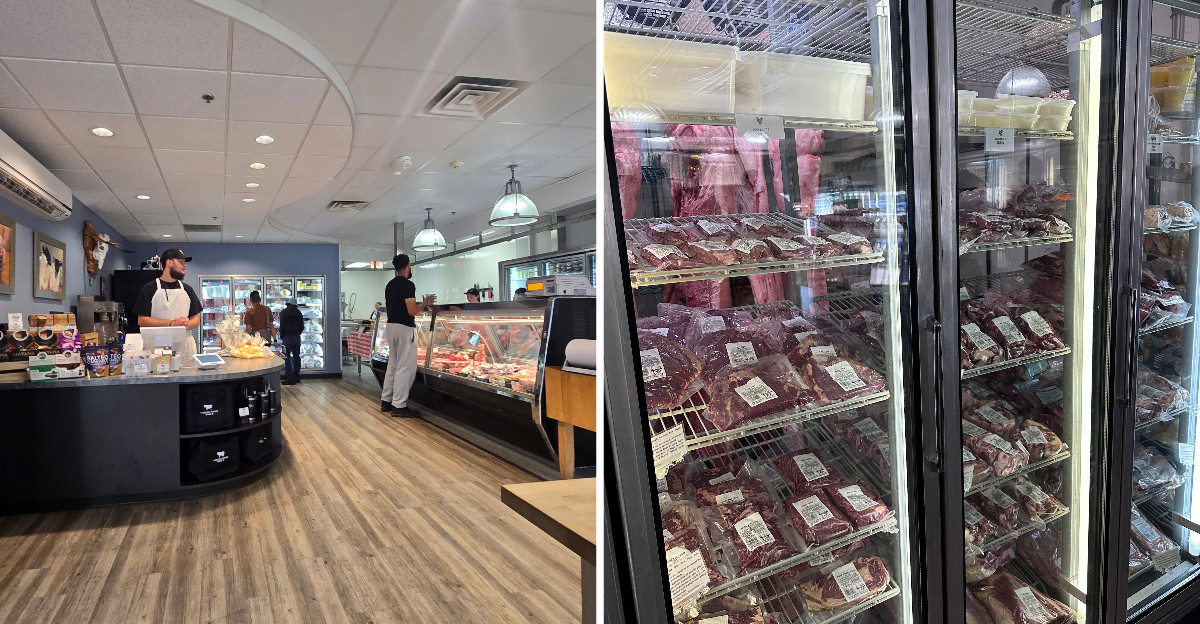
A butcher shop with its own library and a big family-style table for reading? That tells me quite a bit before anyone even mentions a steak.
It says the people behind the counter want you to learn something. They teach whole-animal butchering classes, so the curiosity runs deep.
It also says nobody is rushing you out the door. A shop that sets out a reading table expects questions about breeds, farms, and recipes.
Then there are the 40-day dry-aged steaks, sourced from small Wisconsin family farms. Most places hand you a receipt. This one hands you a reading list and a ribeye.
A Butcher Counter That Started With A Big Idea
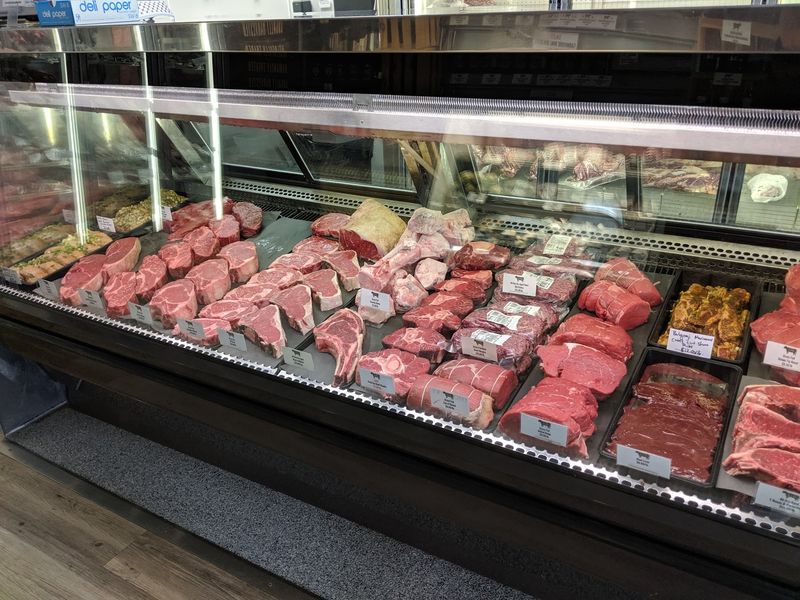
September 2013 marks the beginning of The Conscious Carnivore, and its first purpose was pretty specific.
The Madison storefront opened as the retail outlet for Black Earth Meats, a regional processor focused on local farms and skilled whole-animal butchery.
From day one, the idea reached beyond selling pork chops.
The shop aimed to teach home cooks how to use different cuts while supporting Wisconsin farmers and careful animal handling. That philosophy still shapes the counter.
The original processor eventually closed, but the shop continued with regional farms and processing partners.
The approach also makes room for less familiar cuts. Those choices give home cooks more ways to use the whole animal thoughtfully.
A customer looking for an everyday chuck roast can discuss preparation just as easily as someone buying a standing rib roast for a gathering.
That exchange distinguishes a whole-animal butcher from a supermarket aisle. You’re encouraged to arrive curious, even if the only thing you’ve decided is that dinner should involve something delicious.
Forty Days Of Patience Pay Off In These Steaks
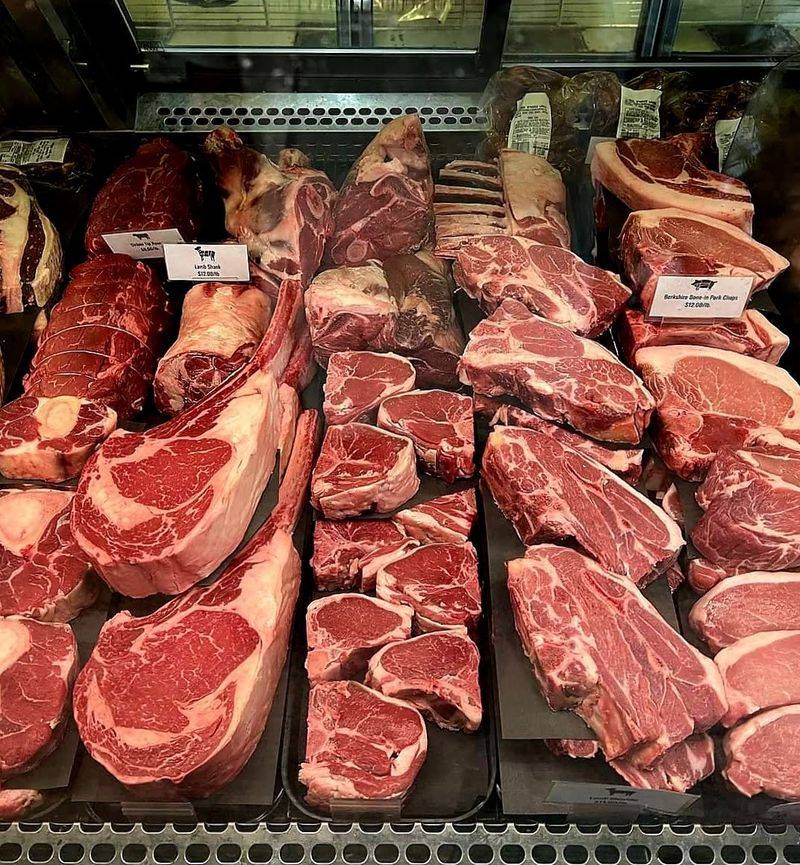
Time is the secret ingredient here, and lots of it. The meat case includes 40-day dry-aged bone-in ribeyes and T-bones or porterhouses, all cuts with enough character to make the grill feel important.
During dry aging, beef rests in a temperature-controlled environment where moisture gradually evaporates and natural enzymes influence texture.
Porterhouses contain both strip and tenderloin portions, while ribeyes bring their characteristic marbling. The aging process concentrates the beef’s flavor, producing something quite different from an ordinary freshly cut steak.
New York strips, filets, skirt steak, and brisket provide other cooking options.
For its bulk beef program, The Conscious Carnivore uses grass-fed Black Angus and Hereford cross cattle raised by a farm near New London. Ask about the origin of the particular steak you choose.
A little advice helps with an unfamiliar aged cut. The shop’s cooking guidance includes reverse searing: gently bring a thick steak toward its target temperature, then finish with a brief hot sear.
Choose a cut that suits your cooking style. The aging has already done its work.
Small Farms Are Part Of The Story
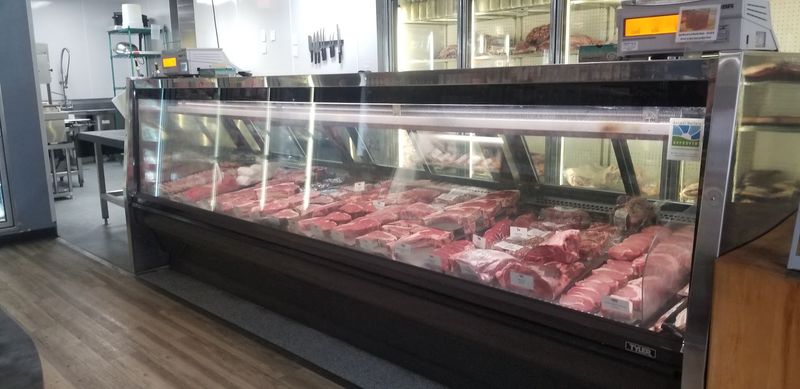
Knowing where dinner came from is a central part of this butcher shop’s identity. Its meat comes from Wisconsin farms, with an emphasis on grass-fed beef, heritage pork, and pasture-raised poultry.
The shop also prioritizes animals raised without added hormones or antibiotics. Individual breeds and farms vary by product.
Berkshire pork is a particularly interesting example. The heritage breed is known for generous marbling, and the case regularly includes bone-in and boneless Berkshire chops, bellies, and shoulders.
Poultry brings another distinctive choice: pasture-raised, soy-free chicken. Alongside whole birds, the counter carries breasts, thighs, wings, and ground chicken. Stocks provide another option for building flavorful soups.
Small-farm sourcing doesn’t mean every product has an identical label. The shop’s selection changes, and asking about a specific cut is the easiest way to understand its farm and handling background.
Different cuts tell the stories of different farms, all represented in one butcher case.
The Glass Case Holds Way More Than Beef
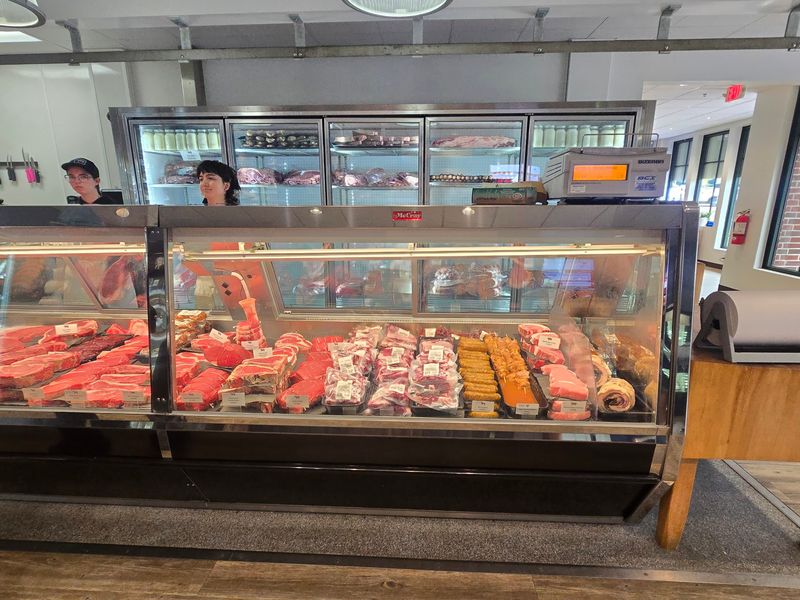
Lamb, duck, bison, and whole chickens all share the spotlight with steaks. That variety turns a quick shopping errand into something closer to exploring a cook’s pantry.
A rack of lamb can anchor a special dinner, while shanks and shoulder roasts suit longer, slower preparation. Frozen duck breasts and whole ducks expand the options.
The beef selection goes well beyond ribeyes. Beef cheeks, oxtails, short ribs, flat irons, and marrow bones illustrate what whole-animal butchery really means. These cuts offer plenty of slow-cooking possibilities.
Ground bison, rabbit, and selected veal cuts extend the assortment further. Every Thursday, the team also prepares fresh sausage in natural casings without fillers or added nitrates.
Stock and rendered cooking fats are also available, including beef tallow and duck fat.
Don’t assume everything is in the case on every visit. The shop carries a mixture of fresh and frozen products, and availability changes as new animals are processed.
Instead of planning around a single hard-to-find item, arrive with a cooking idea and ask which cuts suit it. You might discover a new dinner idea.
Grab Some Salmon, Honey, And Cheddar While You Are There
Ocean fish at a Madison butcher shop might sound like a surprising addition. It makes sense once you learn the store works with a regional fishing partner that brings seafood into the Midwest.
Its offerings have included Bering Bounty sockeye salmon, cod, and other frozen fish. Halibut and smoked salmon have also appeared among the recent featured selections. A beef-shopping trip can become a seafood supper.
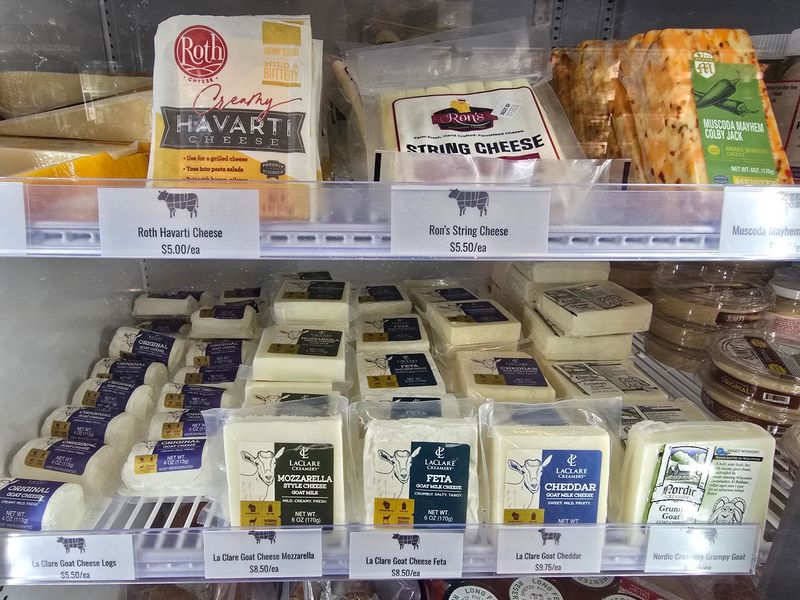
Local honey, crackers, sauces, and cheese help round out dinner. Caraway cheddar has even appeared among the shop’s featured products.
These extras lend themselves to easy combinations. Wisconsin cheddar and crackers make a snack before the grill is ready, while honey brings sweetness to a glaze. A jar of salsa can also transform leftover roast meat into another meal.
The shop brings together products from various producers, each with its own origins.
If you’re choosing food for a weekend trip, ask what’s fresh, what’s frozen, and what travels best in a cooler. Dinner planning gets much simpler from there.
Questions Are Welcome At This Butcher Counter
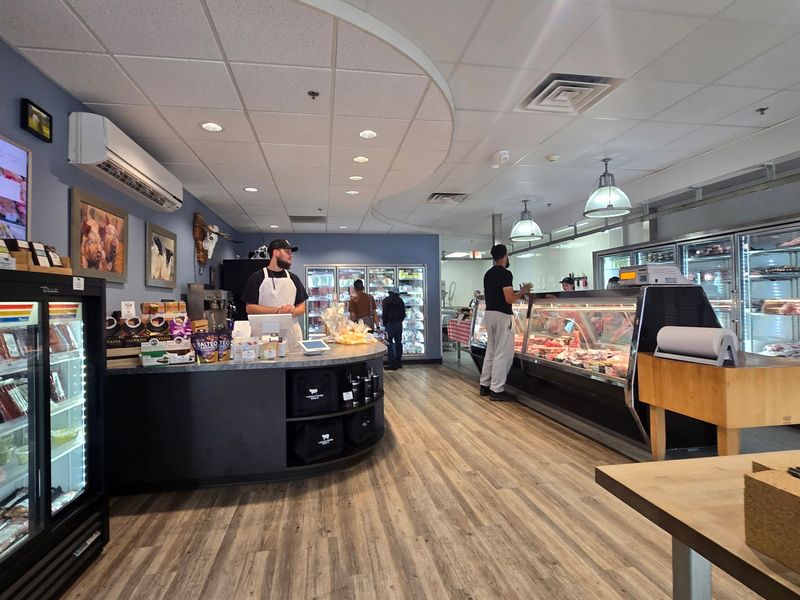
Sometimes a conversation with a butcher beats searching through recipes. That’s the educational spirit at The Conscious Carnivore.
The shop has a history of hands-on classes covering whole-animal butchery, sausage making, and different beef and lamb cuts. No upcoming classes are currently listed, but counter guidance remains available.
Ask what separates a forequarter from a hindquarter, or why one roast benefits from slower cooking. The staff can help connect the cut in front of you with a sensible method for preparing it.
The shop also provides cooking guidance for standing rib roasts, smoked ham, and reverse-seared steaks. The instructions explain gentle heat, thermometer checks, high-temperature finishing, and resting times for larger cuts.
That makes unfamiliar cuts easier to approach, even for beginners.
Start with what you’d like to serve and let the conversation develop. You might leave with a smaller, more suitable cut than the one you first had in mind.
Stock Your Freezer The Old-Fashioned Way
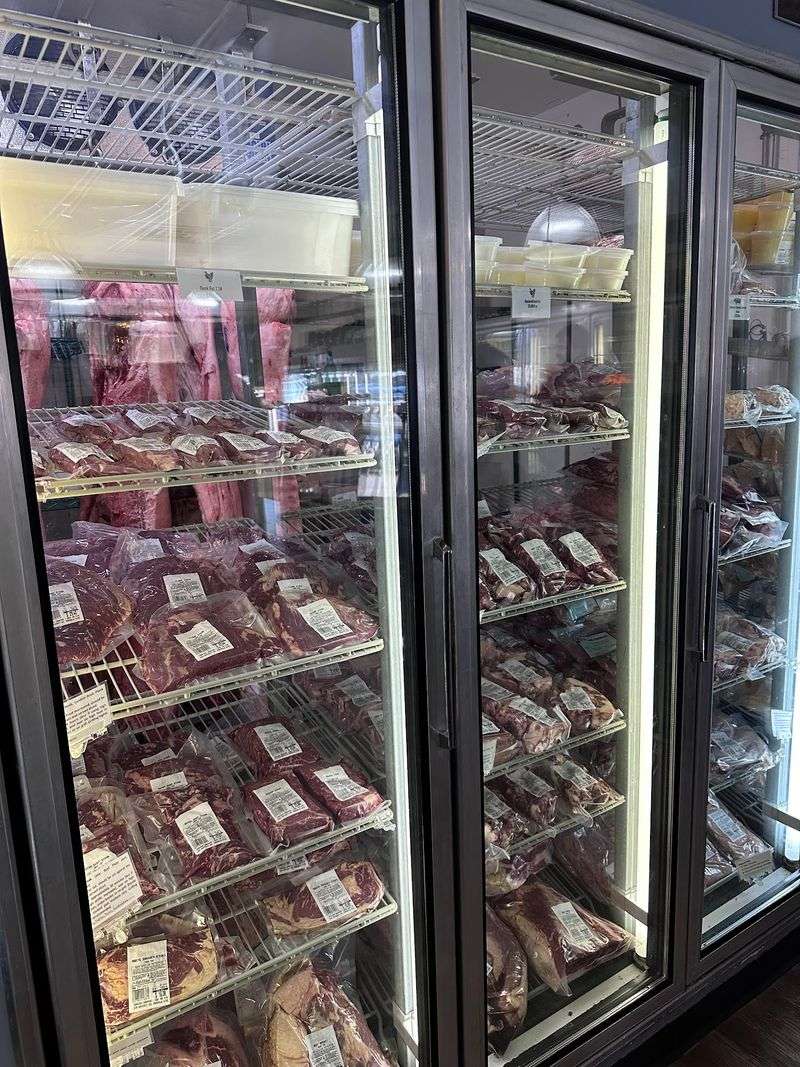
Big freezer, big plans? The Conscious Carnivore has a bulk program for beef forequarters and hindquarters, half Berkshire hogs, and whole lambs.
Each order supplies an assortment of cuts. A beef forequarter can yield chuck roasts, short ribs, brisket, ribeyes, and ground beef, while a hindquarter offers sirloin, round cuts, and options for strips or porterhouses.
For pork, a half Berkshire hog includes loin, belly, shoulder, ribs, and ground meat. A whole lamb adds chops, roasts, shanks, and other portions suited to several different recipes.
Before ordering, measure your freezer space. The shop estimates approximately four to five cubic feet for a processed beef quarter, with slightly less room typically required for a half hog or whole lamb.
Orders normally need two to four weeks of lead time and are packaged for freezer storage. Pickups are usually arranged near the weekend, with staff helping load your order.
There’s an important seasonal catch: the bulk program pauses new orders from November 1 through January 15 during the holiday period.
Individual cuts remain available. When bulk orders resume, discuss your preferences and freezer space first.
Plan Your Detour To University Avenue
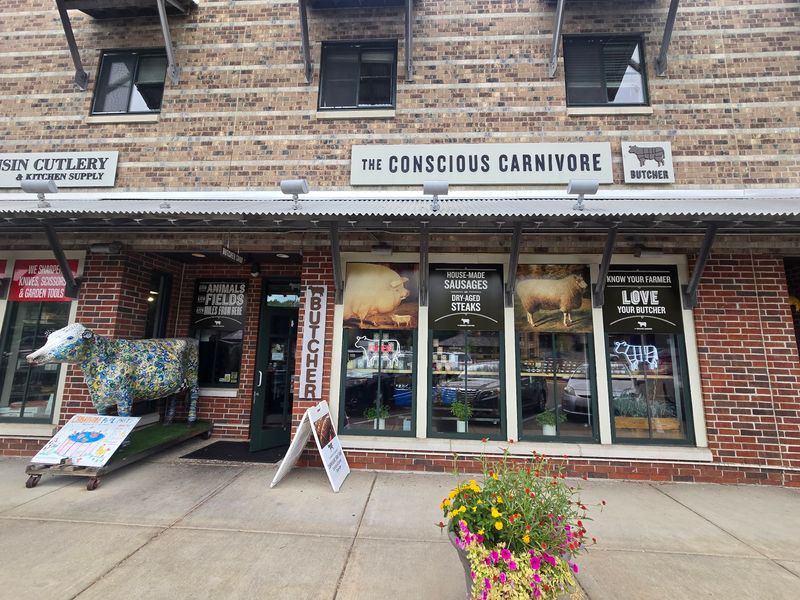
Getting there is the easy part. You’ll find The Conscious Carnivore at 3236A University Avenue in Madison, on the city’s west side.
The shop opens seven days a week. Its University Avenue location also provides an easy starting point for exploring other neighborhood specialty-food businesses.
Monday hours are generally 10 AM to 4 PM, while Tuesday through Sunday run from 10 AM to 5 PM. Check holiday hours before leaving.
Driving in from elsewhere in Wisconsin? Bring an insulated cooler, particularly when buying frozen fish, fresh poultry, or several steaks for the road. The shop offers cut recommendations and can take questions about its changing selection before you visit.
The shop earned a Silver award in the 2026 Best of Madison program and announced an expansion in January, with plans for additional merchandise.
This is a food-focused stop rather than a restaurant, so the experience centers on choosing ingredients to prepare at home. It suits cooks who enjoy choosing and preparing their own meals.
A new recipe, a carefully chosen cut, and a fuller freezer can be reason enough to make the trip.