This Family-Run California Bakery Is A Local Favorite For Homemade Tamales
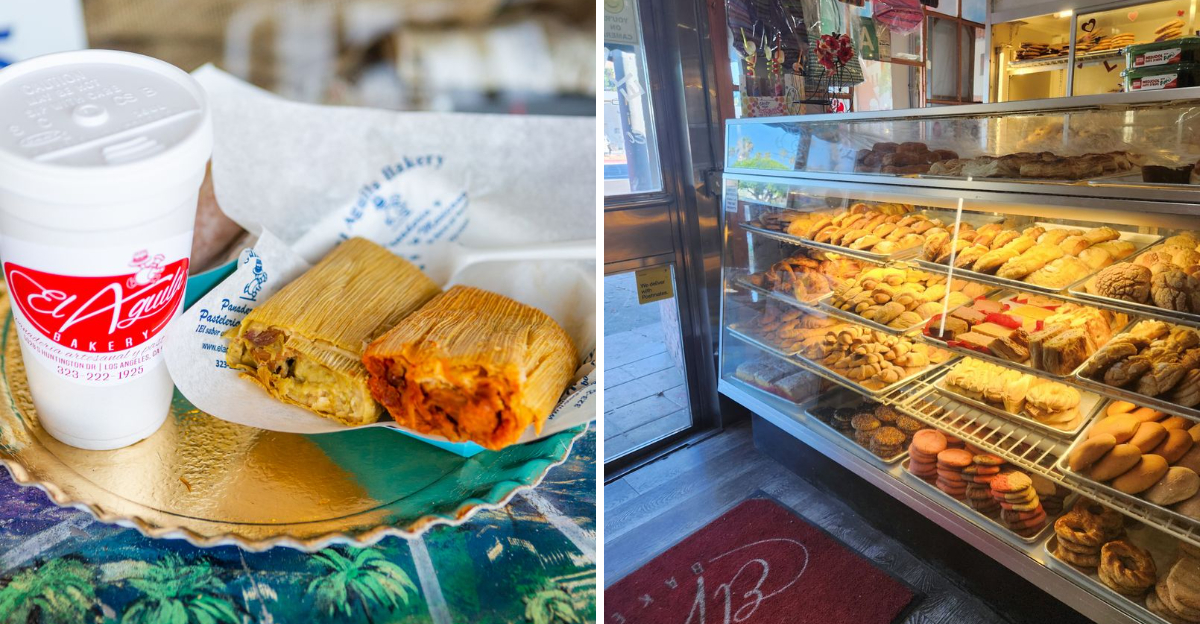
The bakery case may get the first glance, but plenty of people walk in thinking about something wrapped in a corn husk.
Homemade tamales give this family-run California bakery a savory side that feels every bit as important as the sweets.
They are the kind of order that works for breakfast, lunch, or the moment you realize buying only one was probably optimistic.
There is something especially appealing about a neighborhood bakery that refuses to stay in one lane.
You can stop by for something warm and comforting, add a pastry for later, and leave with the sort of bag that makes the drive home considerably harder.
More Than 50 Years Of Family Baking
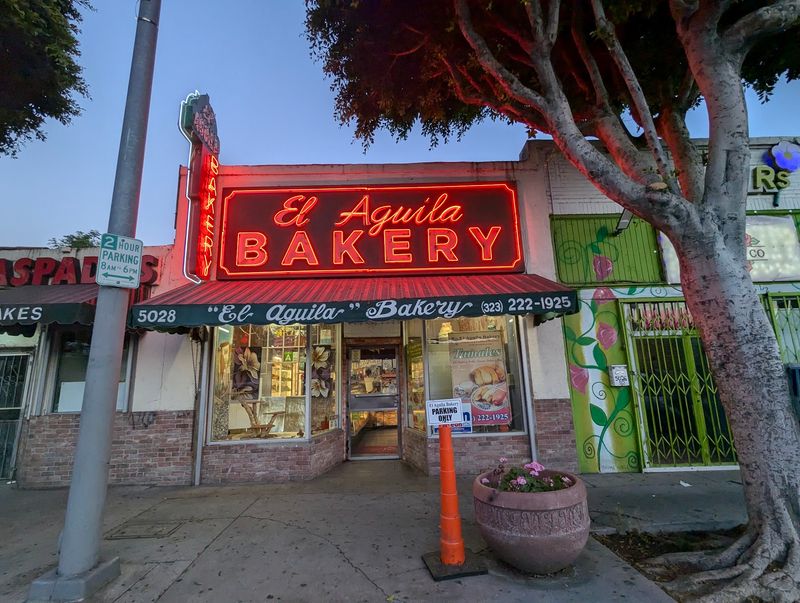
Few businesses in Los Angeles can claim a five-decade run under the same family, and that is exactly the story here.
The bakery opened in 1973, founded by Apolinar Casillas, and it has served the surrounding blocks continuously ever since.
Members of the Casillas and Flores families still run the operation, which means decisions about bread, tamales and daily production stay inside the household rather than passing to outside management.
Third-generation bakers now work with the same recipes, ingredient choices and techniques that the founder set in place, and the current owner is a nephew of the founder.
Staff often recognize regulars, orders move quickly because the routine has been repeated thousands of times, and the product mix reflects what the neighborhood has actually bought over decades.
Arriving early in the day usually means the widest selection, since baking happens throughout the morning and popular items can sell out.
A Longtime Fixture On Huntington Drive
Huntington Drive South carries steady traffic through El Sereno, and the bakery has held its corner of that street for decades.
El Aguila Bakery sits at 5028 Huntington Dr S, Los Angeles, CA 90032, an easy stop for anyone moving between the eastside neighborhoods.
The building itself dates to 1924, predating the bakery by nearly fifty years, which explains the older storefront proportions and the way the space feels compact rather than sprawling.
Street parking is the norm along this stretch, so patience helps during busy morning and late-afternoon windows.
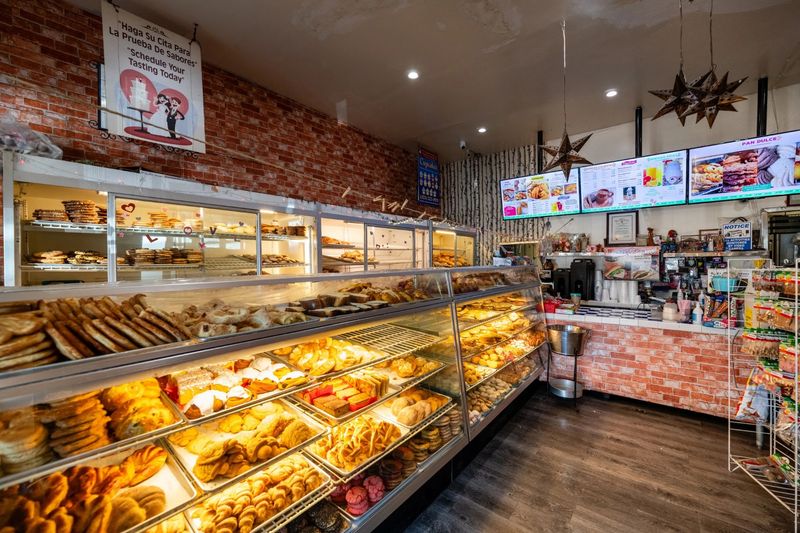
Inside, the layout follows the classic panaderia format. Trays and tongs sit near the entrance, glass cases line the walls, and the register waits at the end of the walk-through.
Noise levels stay moderate, rising when a weekend rush overlaps with holiday orders, and lighting is bright and practical rather than moody.
Seating is limited, so most people treat the visit as a pickup rather than a sit-down meal.
The L.A. Conservancy recognizes the bakery as a culturally significant legacy business, a designation that points to its long role in the neighborhood.
Hours run 6 AM to 8:30 PM daily, giving flexibility for an early bread run or an evening tamale pickup.
Third-Generation Bakers Keep The Tradition Going
Recipes rarely survive three generations unless someone decides they are worth protecting.
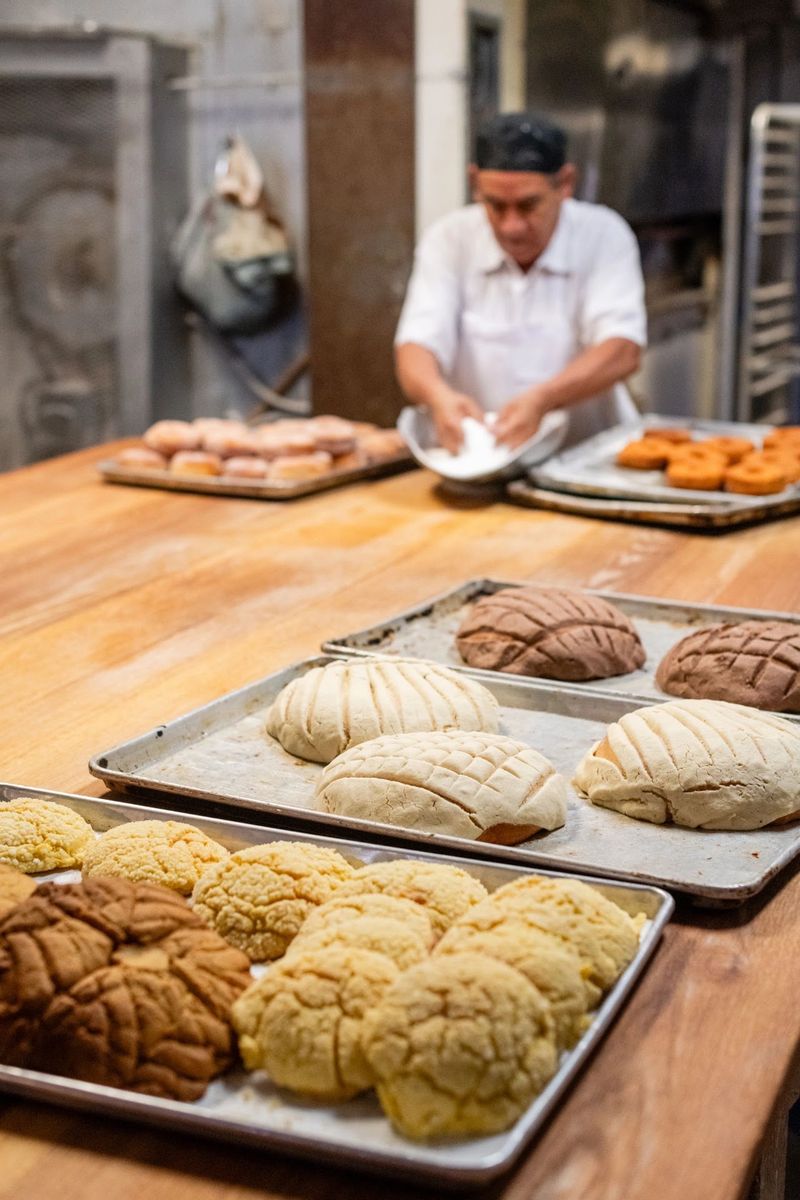
Family members from the third generation now handle the baking, following the precise formulas and methods established by their grandfather.
That continuity extends to something small but telling, which is the choice to keep using the same brands of ingredients rather than swapping them for cheaper substitutes.
Consistency of that kind shows up in texture and flavor more than in any marketing claim.
Bread made from a formula repeated for decades develops a familiar crumb and crust that longtime customers recognize immediately.
When someone says a concha tastes the way it did in the 1980s, that is usually the result of unchanged ratios and steady technique rather than nostalgia alone.
Fresh batches emerge at intervals, so the case looks different at 7 AM than it does at 4 PM.
Asking what came out most recently is a normal and welcome question in a panaderia, and staff can usually point toward whatever is still warm.
Homemade Tamales Take Center Stage
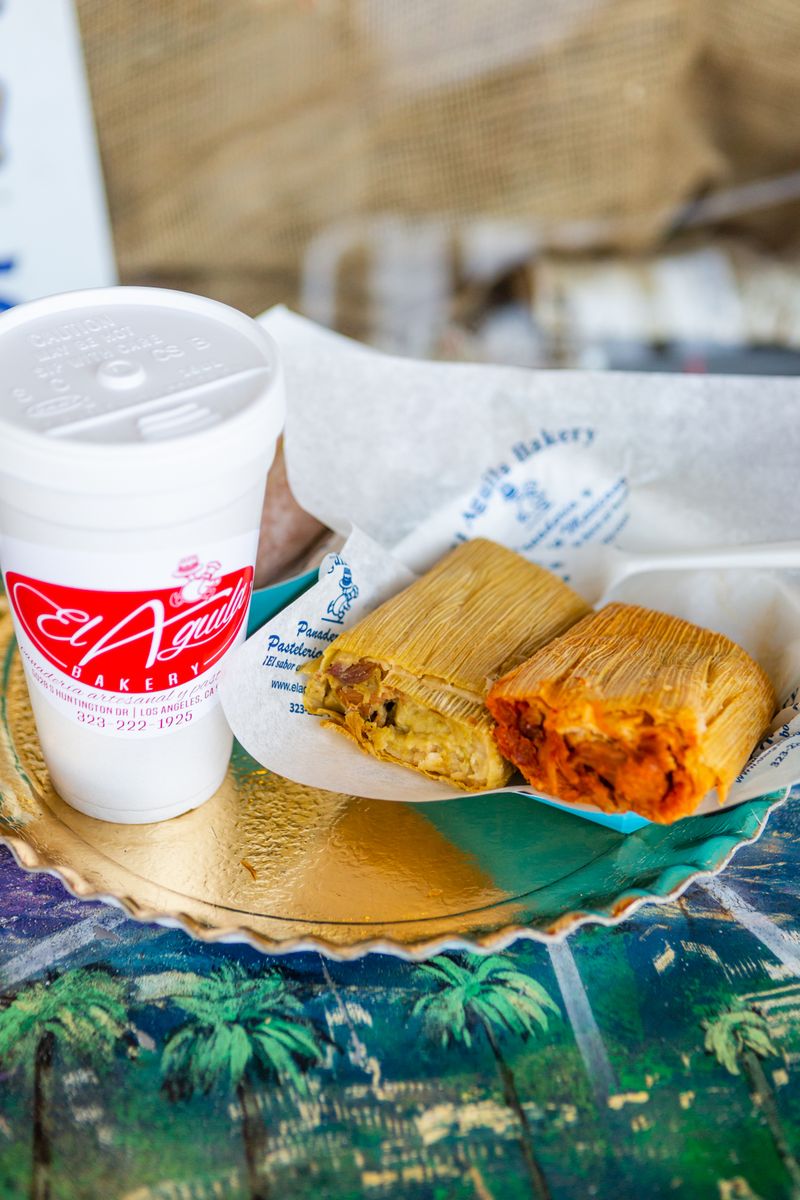
Ask around El Sereno about tamales and this bakery comes up quickly in the conversation.
Savory tamales have been part of the menu for a long stretch of the shop’s history rather than arriving as a recent addition meant to chase demand.
They are wrapped in corn husks and steamed, following the traditional preparation that pairs seasoned masa with a filling and sauce.
Because tamales are labor-intensive, availability can shift through the day and around holidays.
Anyone planning to buy several dozen for a party would do well to call ahead, especially in December when tamale demand across Los Angeles spikes dramatically.
Walk-in purchases of a few at a time are usually straightforward outside those peak windows.
Ordering etiquette here is relaxed. Customers typically grab a tray for bread first, then request tamales at the counter by flavor and quantity.
Mentioning whether the order is for eating now or reheating later can help, since tamales hold well in a refrigerator and steam back to life easily at home.
Four Tamale Flavors Give You Options
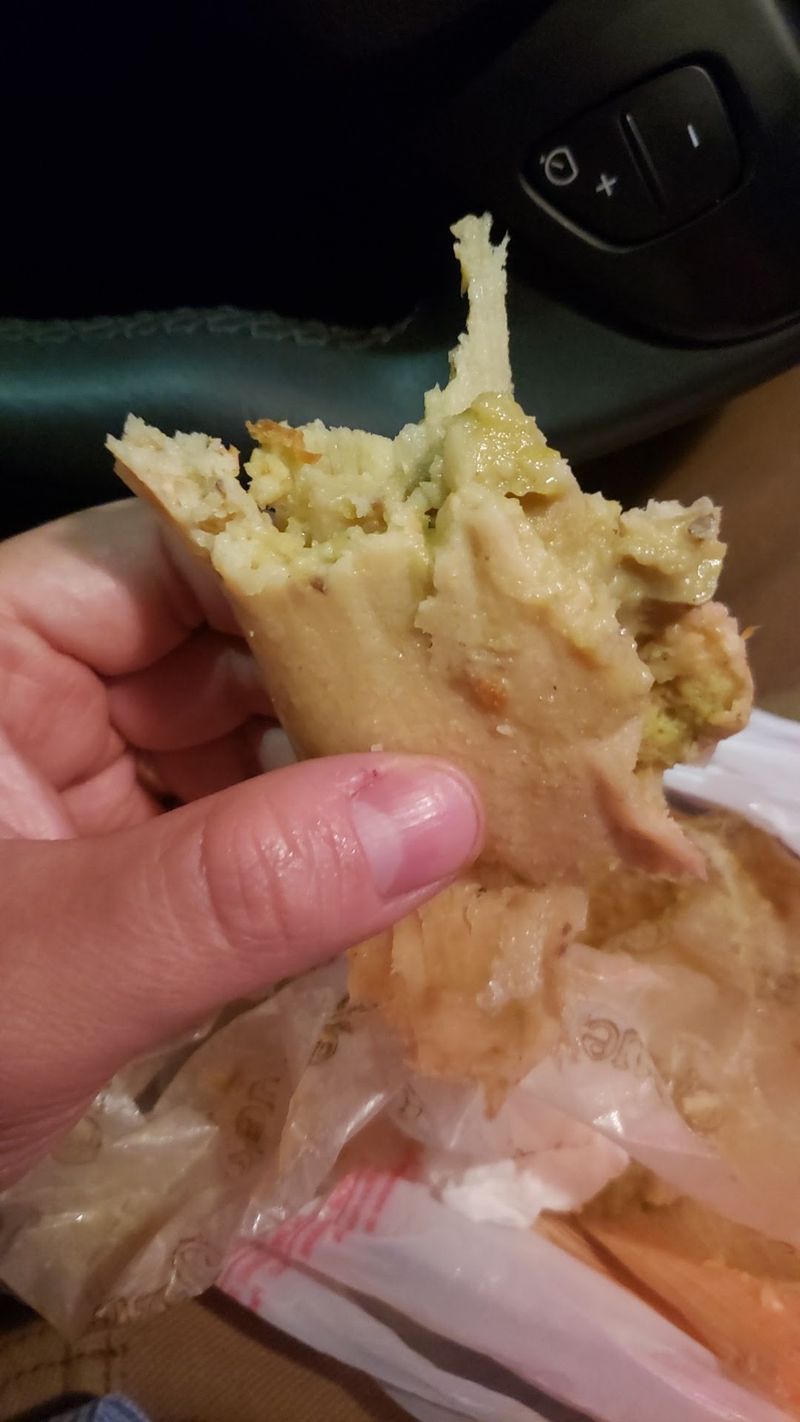
Variety matters when a group has mixed tastes, and the tamale lineup covers a reasonable spread.
The current selection includes pork with red sauce, chicken with green sauce, cheese with green chile, and sweet corn.
Those four cover the familiar categories that most Mexican bakeries and tamale makers offer, from hearty and saucy to mild and sweet.
Pork with red sauce leans richer and deeper in flavor, while chicken with green sauce brings a brighter, tangier profile from tomatillo-based salsa.
Cheese with green chile suits anyone skipping meat, and it is often the choice for kids or vegetarians in a family order.
Sweet corn tamales sit closer to dessert territory and work nicely alongside a warm drink.
A practical approach for first-timers is buying one of each and splitting them at the table.
That way nobody commits to a dozen of something they have not tasted, and the comparison makes the differences obvious.
Mixed orders are standard practice, so requesting a few of each flavor is nothing unusual at the counter.
Arriving earlier improves the odds of finding all four, and asking about the day’s stock before ordering saves time.
Decades-Old Recipes Still Matter Here
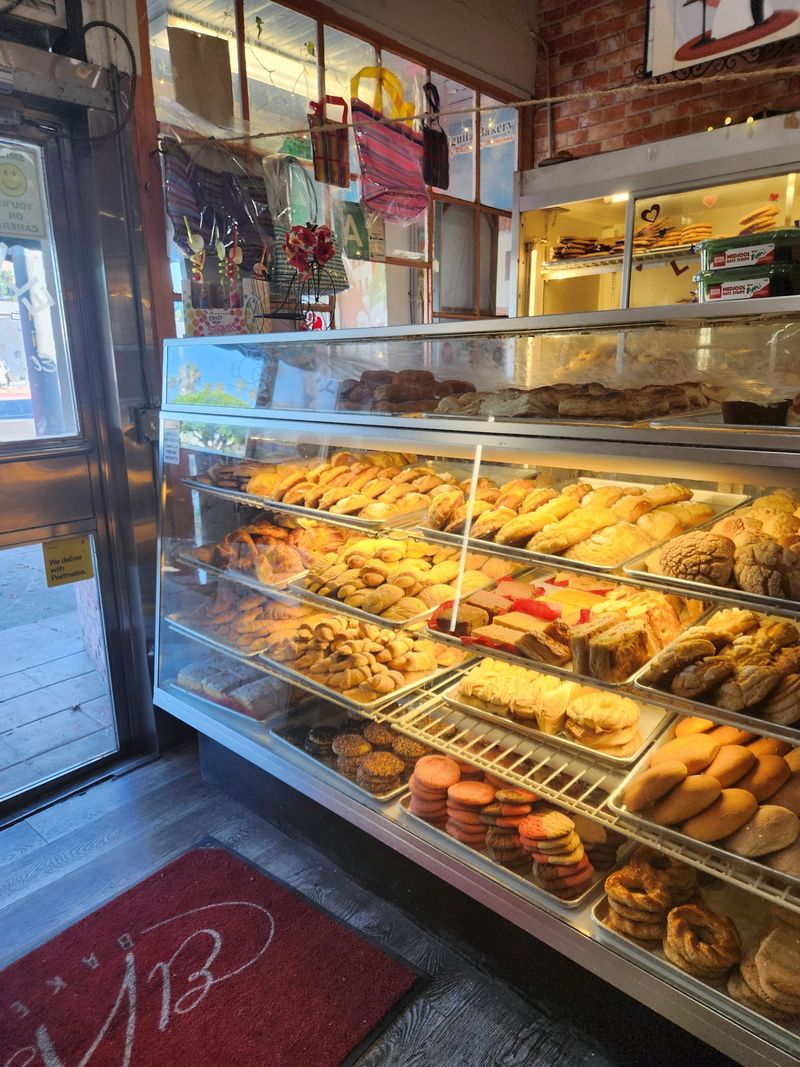
Bread is where the oldest recipes live at this bakery. The family continues to follow formulas passed down across decades, and that is especially true for the range of breads produced daily.
Bolillos come up often among regulars, and they show what a well-practiced dough recipe can deliver in terms of crisp exterior and soft interior.
Holding onto old formulas is not a small commitment in a commercial kitchen.
Ingredient costs shift, suppliers change and shortcuts are always available, so choosing to keep the original method requires deliberate effort.
The payoff arrives in flavor familiarity, which is exactly what brings people back after twenty or thirty years away from the neighborhood.
For anyone shopping here, freshness timing is useful knowledge.
Bread bought in the morning will taste noticeably different from bread bought late in the evening, which is simply how a bakery works rather than a flaw.
Bolillos and similar breads also freeze reasonably well if bought in quantity.
Wrapping them tightly and reheating in a hot oven brings back much of the original crust, a small trick worth remembering for anyone driving in from farther away.
Pan Dulce Fills The Bakery Cases
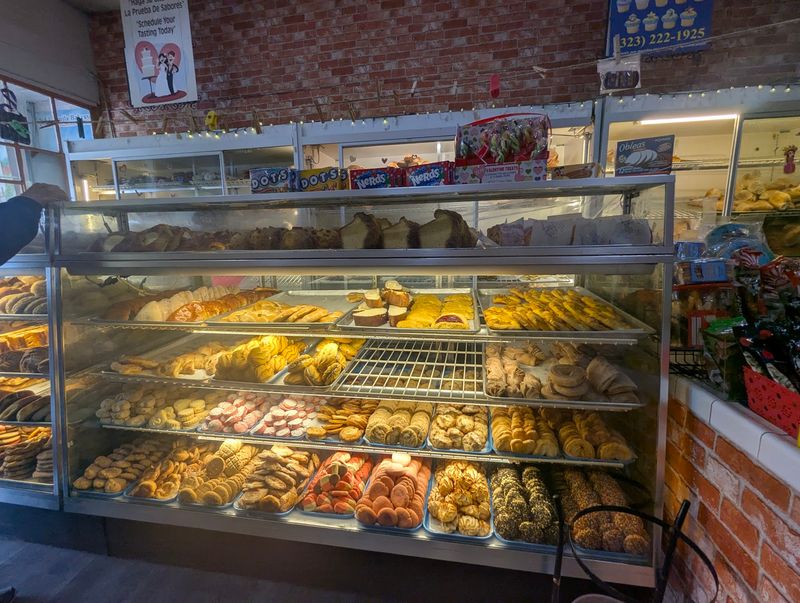
Sweet bread is the visual centerpiece the moment anyone walks in.
Conchas with their seashell-patterned sugar tops sit among empanadas and a rotating spread of other traditional pan dulce.
The abundance makes clear that tamales are only one part of the story, and plenty of customers come strictly for the pastry side.
Conchas typically arrive in vanilla and chocolate versions, with the crackly sugar shell giving way to a soft, slightly sweet bread underneath.
Empanadas carry fillings such as fruit or cream, and cookies including Mexican wedding cookies appear in the case as well. Croissants and shortbread cookies also show up among the offerings.
Prices per piece are modest, which is part of why families often leave with a full bag rather than one or two items.
A friendly suggestion for newcomers is to buy small and varied on a first trip.
Pan dulce is best eaten the same day, so a mixed handful beats a large box that sits overnight.
Champurrado Makes A Natural Tamale Companion
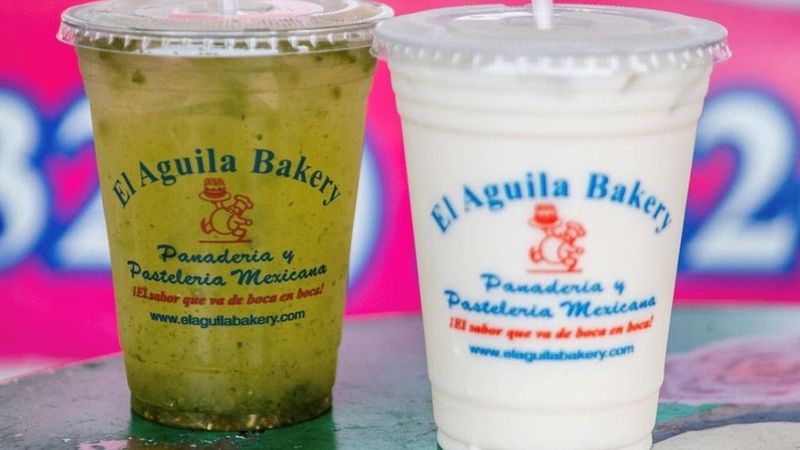
Thick, warm and spiced, champurrado is the drink that turns a couple of tamales into a full meal.
Made with masa harina, it carries a texture closer to a light porridge than a thin hot chocolate, and that body is exactly the point.
Chocolate and cinnamon notes come through clearly, with the masa giving everything a rounder, toastier base. Pairing it with tamales makes practical sense because both share a corn foundation.
The drink cuts through the richness of a pork tamale and complements the tang of a green sauce chicken tamale without competing for attention.
Champurrado sits among the offerings here and comes up frequently in conversations about the bakery.
Cooler mornings are when the pairing shines most, though it is available year-round.
Ordering a smaller size is smart for a first try, since the thickness makes it more filling than most people expect from a cup of hot chocolate.
Sharing one between two people alongside a bread order works well too.
Anyone unfamiliar with the drink should know it is meant to be sipped slowly rather than gulped.
Letting it cool for a few minutes also brings the cinnamon forward, which improves the whole experience.