This Filipino Bakery In Michigan Makes Fresh Pandesal And Packs Its Cases With Ube Treats
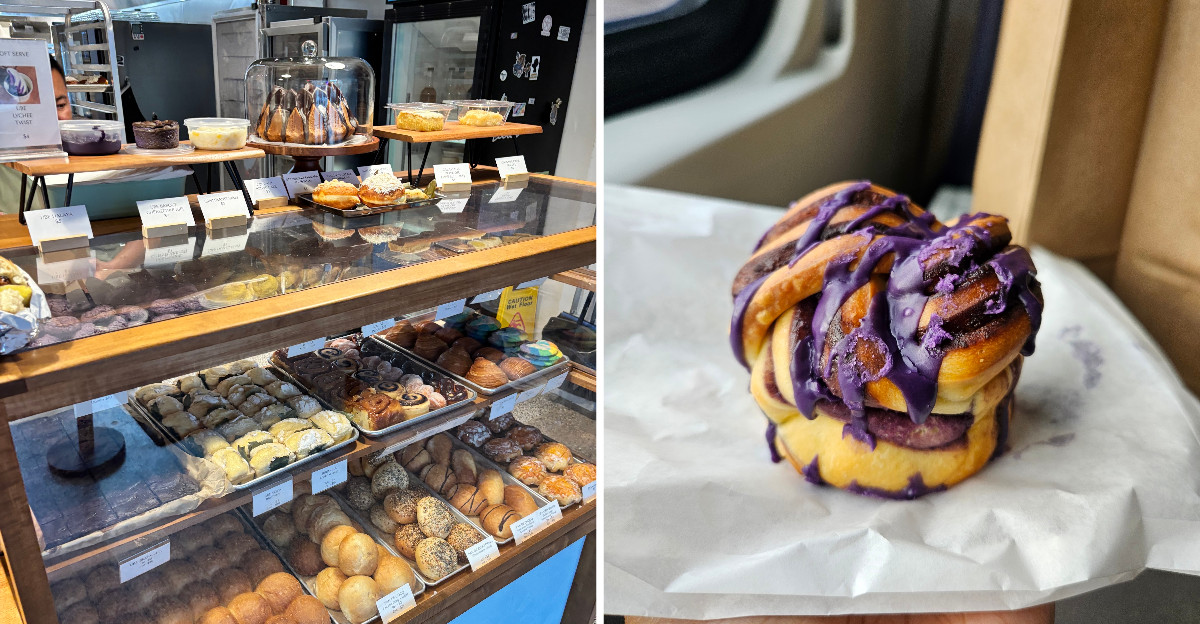
Ube has a way of making a pastry case impossible to ignore, especially when cookies, brownies, and cheesecake glow in that unmistakable purple.
Detroit’s Filipino baking scene gets a spotlight here.
Soft pandesal brings a quieter kind of comfort, while family recipes share space with creative twists from a pastry chef with kitchen experience.
That mix makes the stop feel personal rather than trendy.
You might walk in curious about one purple treat and leave thinking about breakfast tomorrow.
The real temptation is deciding where to start, because this Michigan bakery gives sweet tooths to debate before the first bite.
Detroit’s First Filipino Bakery
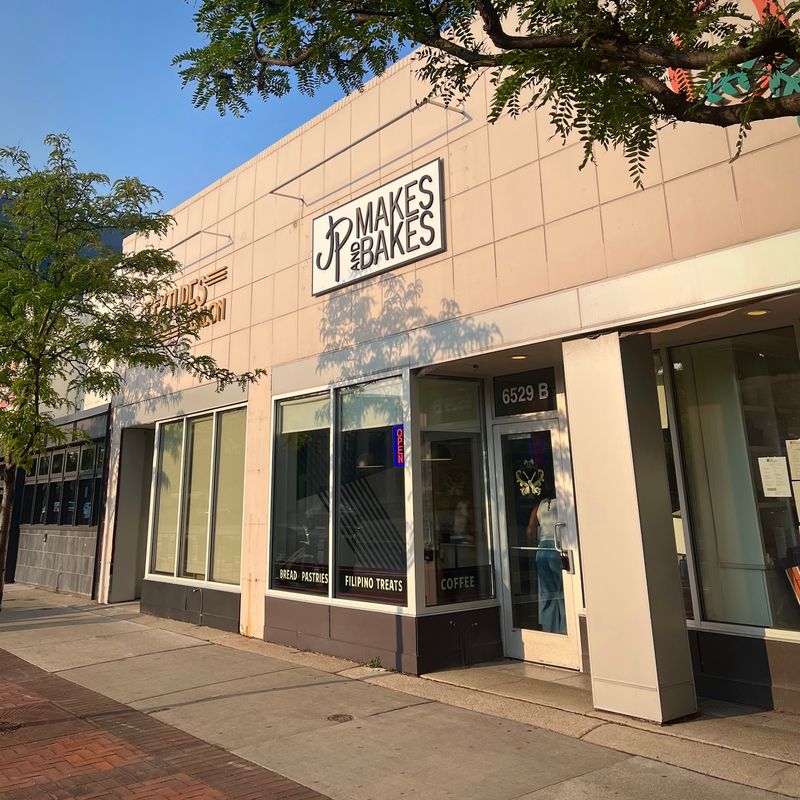
When it opened its permanent shop in 2024, JP Makes and Bakes became Detroit’s first bakery focused on Filipino flavors.
The business had already spent years building an audience through pop-ups and special events around metro Detroit. The brick-and-mortar location finally gave those breads, pastries, and savory dishes a permanent home.
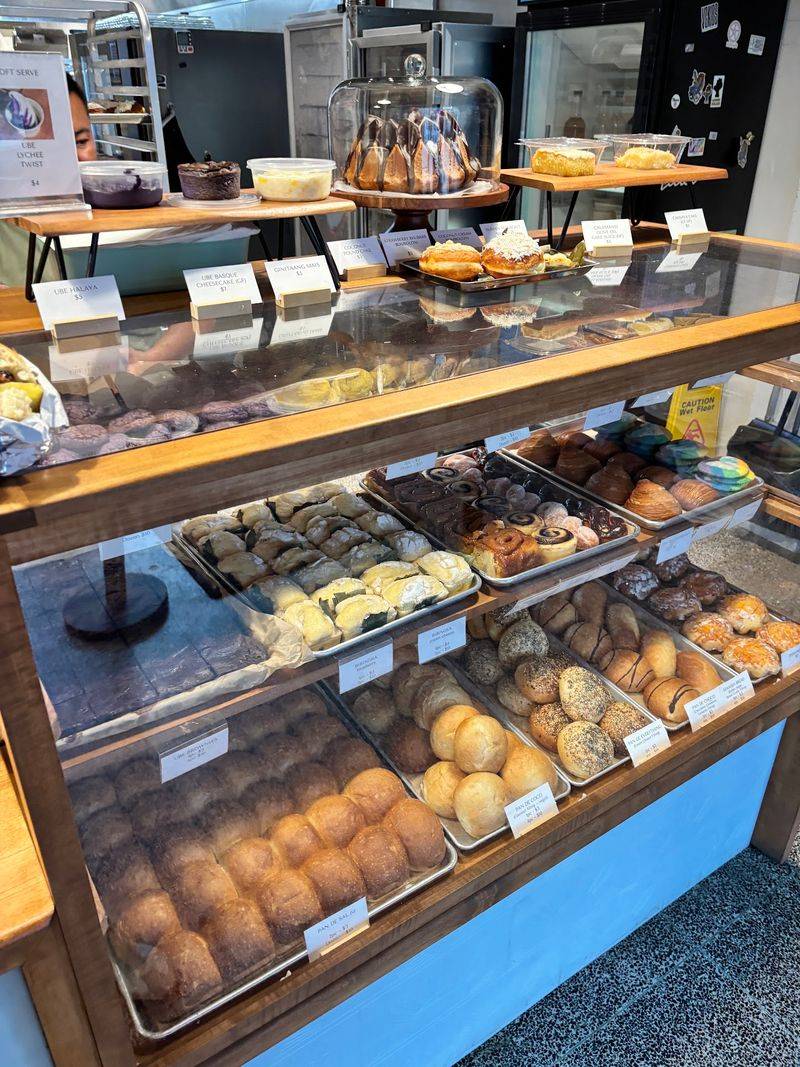
The bakery makes its food from scratch and balances traditional Filipino staples with newer combinations. That means a plain pan de sal can share a case with an ube brownie or a cream cheese-filled roll coated in everything seasoning.
For Michigan diners unfamiliar with Filipino baking, the format makes the menu approachable without flattening the food into something generic.
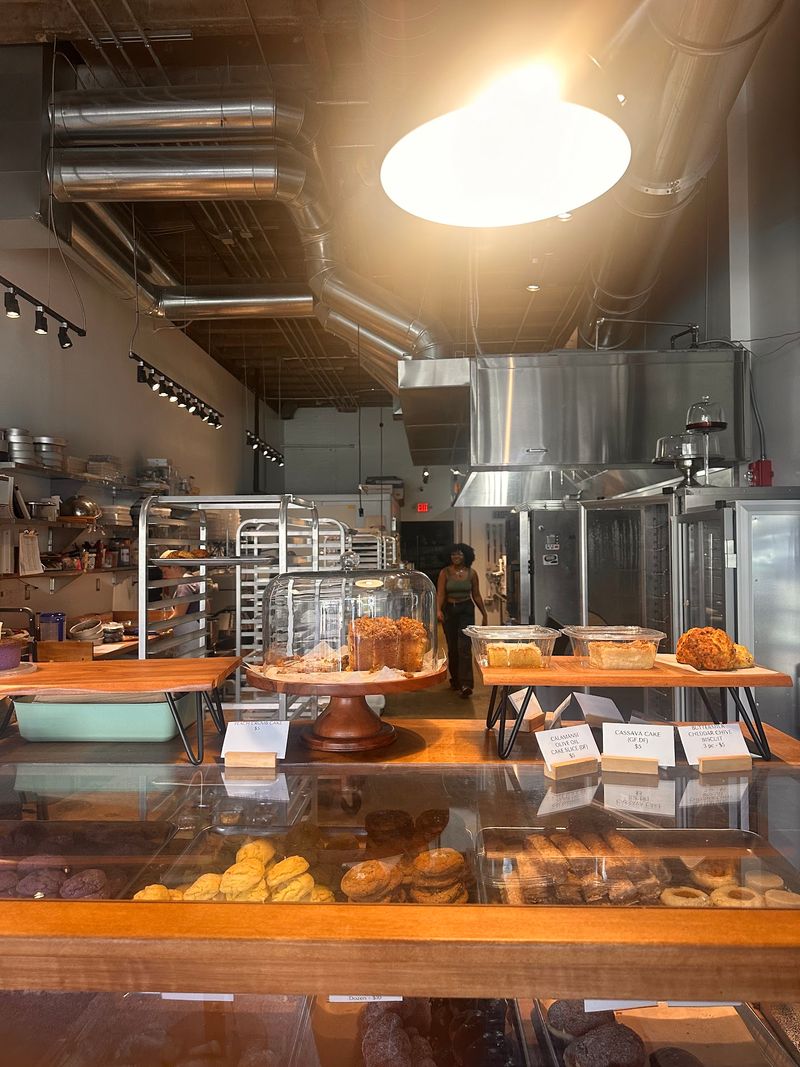
The compact space has an open-concept kitchen and seating for about ten people.
Inventory is first come, first served, and the selection can change before closing time. That gives an early visit a practical advantage when a specific pastry is the goal.
The shop sits in New Center at 6529 Woodward Ave, Suite B, Detroit.
Pandesal Worth Waking Up For
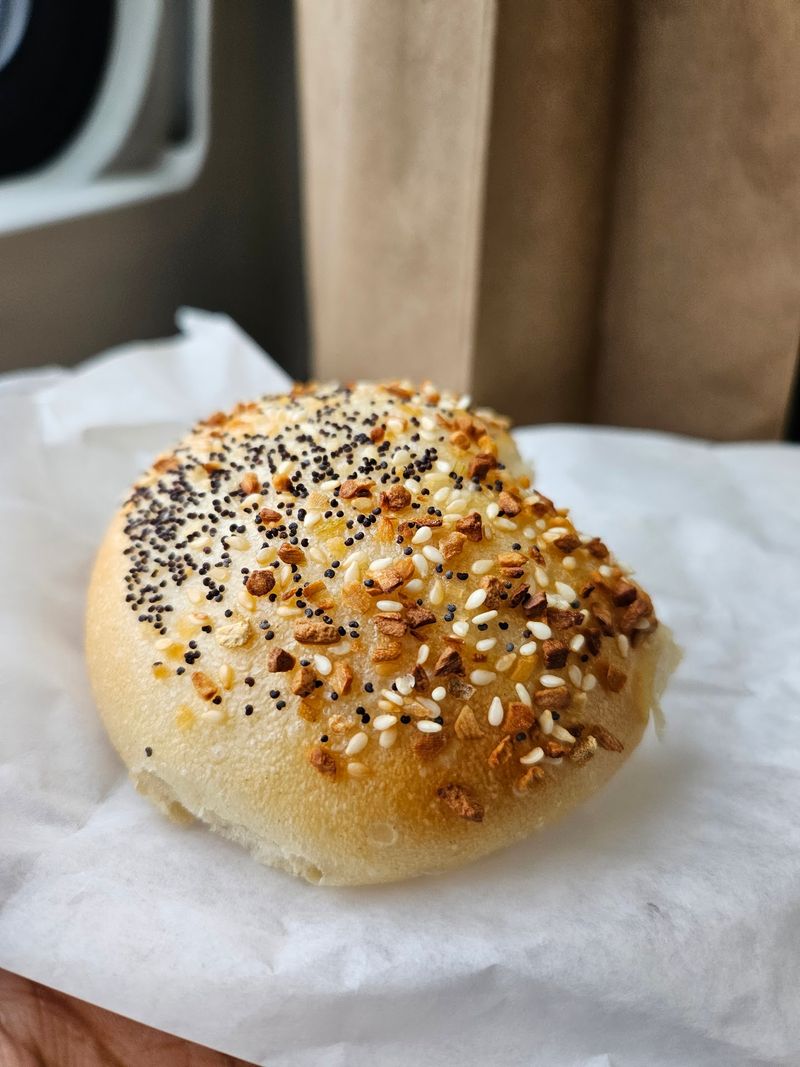
Pandesal is one of the six items the bakery keeps in its core everyday lineup.
This classic Filipino roll is soft, lightly sweet, and finished with a crumb coating. The name comes from Spanish words for salt and bread, even though the modern roll usually tastes gently sweet rather than salty.
Plain pan de sal keeps things simple, but two filled versions change the direction quickly.
Pan de Coco uses the same bread with a coconut and brown sugar filling. Pan de Everything takes the dough in a savory direction with cream cheese inside and everything seasoning across the top.
The bakery’s approach draws heavily from foods the founder grew up eating with family, so pandesal is more than a neutral dinner roll on the menu. It connects the shop’s polished pastry work with a bread that is common at Filipino breakfast tables.
Fresh batches are part of regular daily production, making pandesal more than an occasional special. Its everyday presence also gives customers an easy way to explore the bakery’s Filipino roots beyond the sweeter pastries in the case.
Purple Power In Every Case
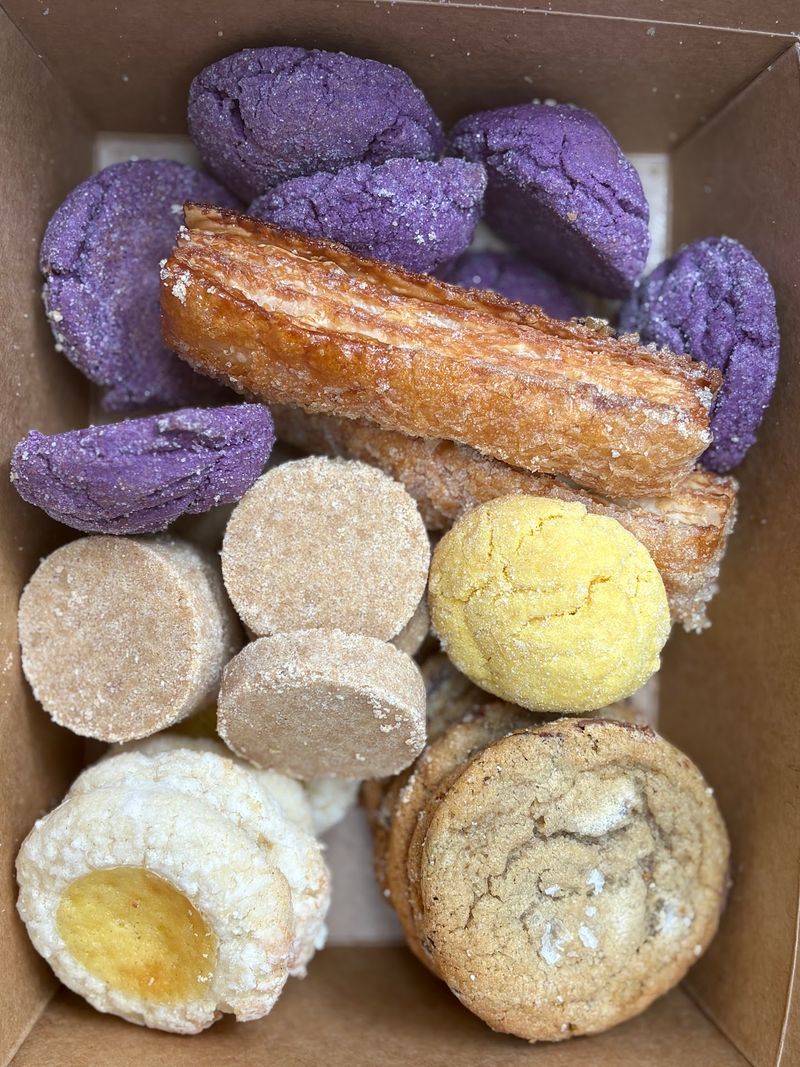
Ube gives the pastry case its most recognizable color.
The purple yam is widely used in Filipino desserts, where its mild sweetness and earthy, vanilla-like character work especially well with dairy, coconut, and baked goods.
At JP Makes and Bakes, ube cookies and ube brownies belong to the core six items available fresh every day. They are not limited to a short seasonal run.
Other purple choices rotate rather than staying permanent.
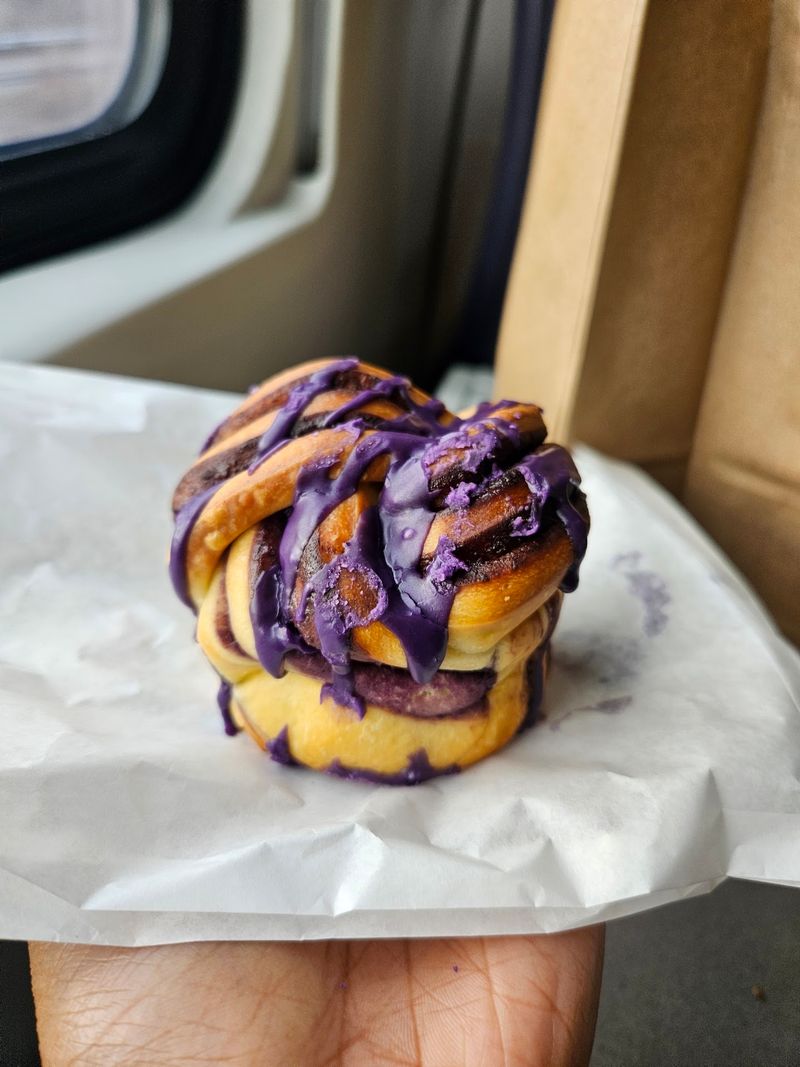
Basque cheesecake can appear in an ube variation, while Wednesday specials include an ube cheesecake Danish. The exact case can change from day to day, which keeps the purple section from becoming completely predictable.
Earlier collaborations explored additional ube desserts, but the permanent shop now has a clearly defined core.
Michigan has plenty of bakeries working with familiar American pastry formats, and this one uses ube to connect those formats with Filipino ingredients.
If the bright color gets someone to stop at the case, the flavor gives them a reason to understand why ube has such a large place in Filipino sweets.
The Baker Behind The Magic
The bakery began with skills first learned in a family kitchen.
Those early lessons eventually grew into catering, pop-ups, and professional pastry work. Before entering the food industry full time, the founder spent more than fifteen years in sales and marketing.
A pastry program in the Philippines added formal technique to years of home baking.
That combination created a foundation for recipes that could stay rooted in Filipino flavors while taking on more polished pastry forms.
In 2020, that training reached a national audience through Season 7 of Food Network’s Holiday Baking Championship. Professional pastry roles in Detroit followed before the bakery became the main focus.
Pandesal stays recognizable while supporting coconut, cream cheese, or laminated variations. That flexibility gives the bakery room to experiment without losing the identity of the breads and flavors that inspired it.
The same logic applies to ube brownies and cookies, which use a familiar format to introduce a Filipino ingredient.
Detroit became the home for that progression from home baking to pop-ups and finally a permanent storefront.
The result is a menu with a clear point of view rather than a case filled with unrelated trends.
Clever Twists On Old Classics
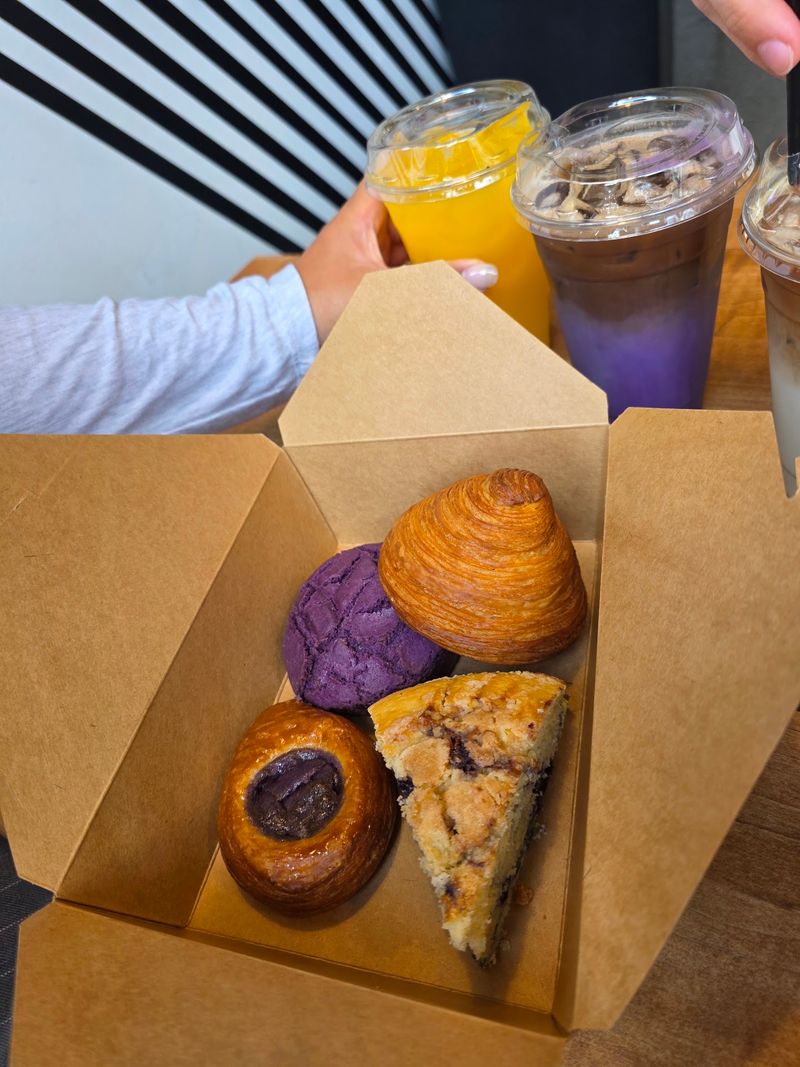
The weekly pastry schedule is where the bakery gets especially playful.
Bibingka is part of the everyday core, with variations that can include cream cheese, blueberry, or chocolate. Cassava cake appears regularly too, made with grated cassava, egg, and coconut.
Friday and Saturday bring a different group of pastries.
Pan de Croissant, Pan de Suisse, and ensaymada can appear on those days, while bicho bicho, a sugared twist doughnut, is scheduled for Thursday and Saturday.
Sticky cinnamon buns appear on Wednesday and Saturday. Filled bomboloni arrive on Saturdays, with flavors changing from month to month.
Regularly available sweets can also include kepeng, polvoron, ginataang, cookies, and Basque cheesecake.
The rotating structure leaves room for surprise without making every special permanent.
Someone interested in laminated pastries will have better odds late in the week, while the core breads and ube sweets make any open day worthwhile.
Tradition stays visible throughout the case, but it rarely sits still for long.
Savory Specials And Lunch Bowls
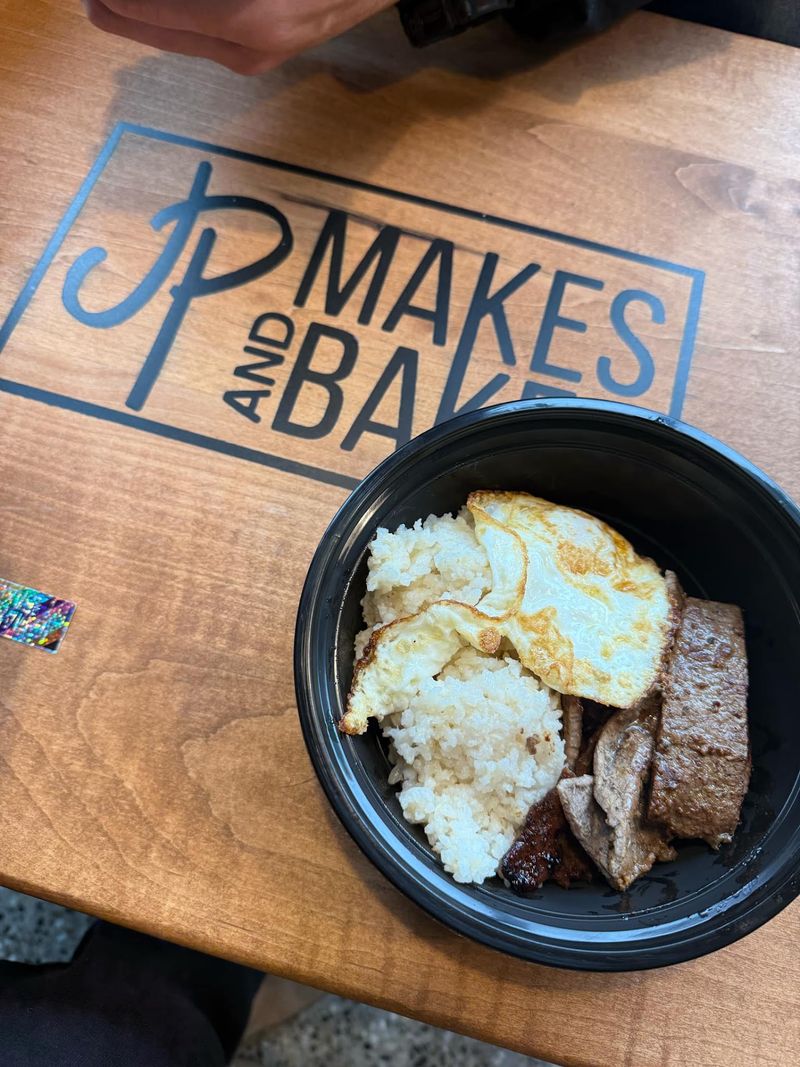
Sweet baking gets much of the attention, but the savory calendar is equally specific.
Wednesday brings items such as Pan de Pep, Pan de Veg, and soup served with a roll. Soup choices can rotate through combinations like carrot ginger, chicken sopas, chicken sotanghon, corn chowder, or broccoli cheddar.
Thursday is the day for siopao, a steamed bun with a savory filling, along with Pan de Cheddardog.
Friday shifts toward a lunch bowl built around homestyle Filipino cooking. Past examples include sinigang, nilaga, caldereta, sisig, and adobo, with the exact dish changing from week to week.
Saturday turns toward breakfast. The rotation can include longanisa gravy over buttermilk biscuits with an egg, a silog bowl with protein, garlic rice, and egg, or a Pan de Sando built on pandesal.
They also give Michigan lunch seekers a reason to look beyond the pastry case. The savory menu is not an afterthought added to a bakery. It is another route into the everyday foods that shaped the business.
A calamansiade or one of the espresso drinks can round out the stop without competing with the food.
Small Space, Big Personality
The shop occupies about 1,400 square feet, so the layout stays compact.
An open-concept kitchen keeps production visually connected to the counter, while the front offers seating for roughly ten people. It works as a quick bakery stop, but there is enough room to sit with a pastry and drink when a seat is open.
Regular inventory is sold first come, first served. There are no routine call-ahead or email holds for the daily case, which keeps the system straightforward.
That policy also explains why the selection can look different at noon than it did after opening.
Drinks stay focused too. The menu includes drip coffee, espresso drinks, hot tea, hot chocolate, calamansiade, and an Ube Coco Ma made with ube syrup, coconut milk, and matcha.
A few vegan and gluten-free options appear regularly, but the kitchen handles many common allergens in a small shared space.
For anyone with dietary restrictions, asking about ingredients before choosing is the sensible move.
Plan Your Purple Pilgrimage
Regular hours are Wednesday through Friday from 7:45 a.m. to 5 p.m. and Saturday from 9 a.m. to 3 p.m. The bakery is closed Sunday through Tuesday.
Savory specials follow a narrower schedule, generally running Wednesday through Friday from late morning to mid-afternoon and Saturday through early afternoon, or until they sell out.
The shop’s permanent location grew out of years of pop-ups and small-business support.
A Motor City Match grant helped fund equipment and furnishings for the New Center build-out, while a Hatch Detroit semifinalist run connected the business with additional entrepreneurial support.
Large custom orders may also be available depending on timing and size, so the operation reaches beyond the daily pastry case.
For a first visit, the simplest strategy is still the best one: choose a core bread, add something ube, then check the day’s special before deciding you are finished.
Michigan’s bakery scene gets something distinctive here, not because every item is unfamiliar, but because familiar formats carry Filipino flavors with real purpose.