This Florida State Park Gets Zero Crowds And All The Stunning Views
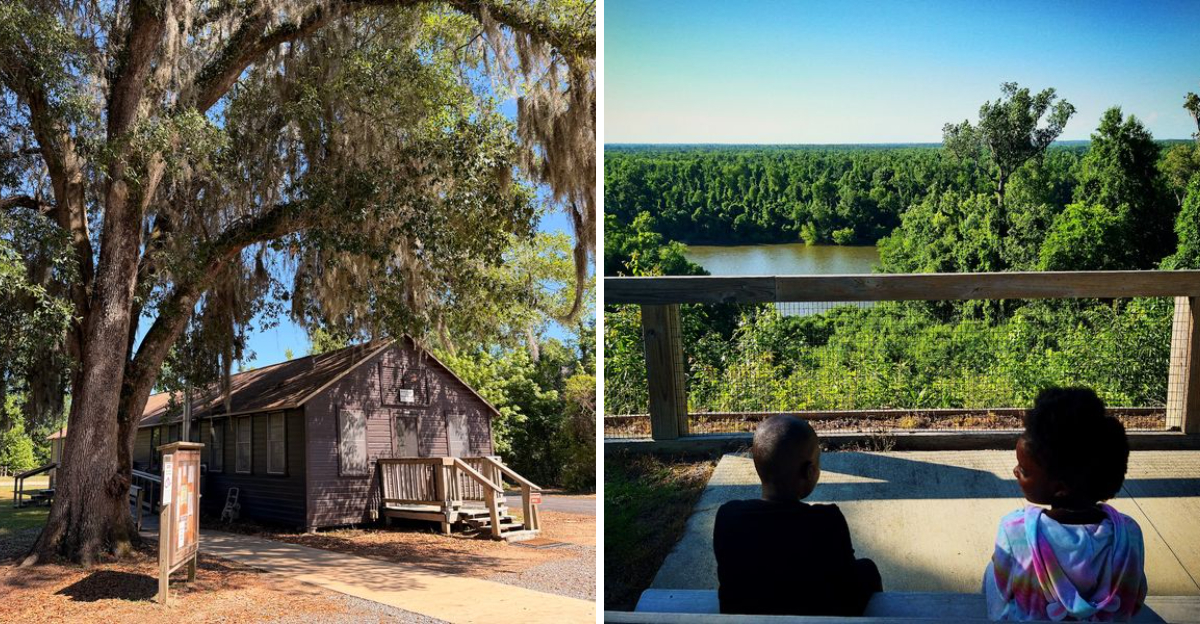
You have a mental image of a Florida park, and it involves a parking lot at capacity. Somebody is playing music from a speaker.
A line has formed for the one bathroom. This place is nothing like that.
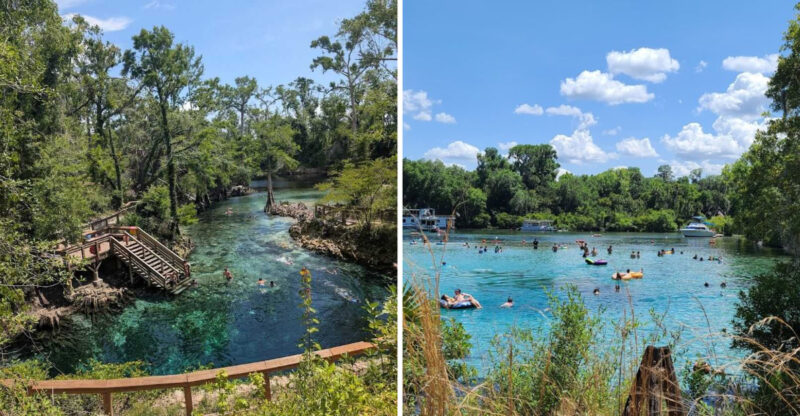
Florida keeps a handful of parks that most visitors drive right past. They are the ones where you hear water before you hear people.
You can stand at the water’s edge and have the whole view to yourself. Your photos will not contain a single stranger in a visor.
The trails here are quiet enough that you notice birds again. The quiet is the point.
Bring water, because the sun does not negotiate in this state. Bring bug spray too, since the residents get territorial near dusk.
You came for something memorable. This is the version nobody printed on a billboard.
Go early in the day, and stay until the light softens.
The Panhandle Park That Grew Hills
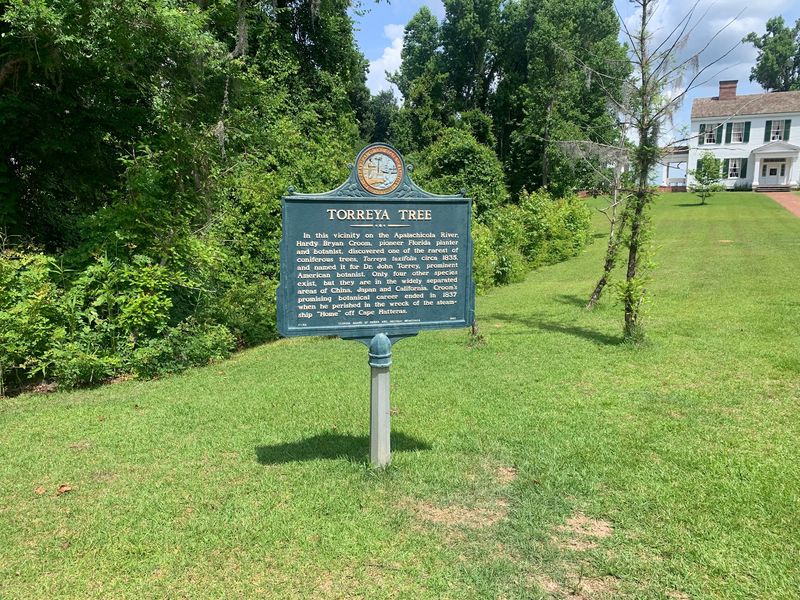
Torreya State Park covers 13,735 acres of terrain that Florida is not supposed to have. Locals call it the Mountains of Florida, and the nickname sticks for good reason.
High plateaus, steep bluffs, and deep ravines shape the entire property. Bluffs rise more than 150 feet above the Apalachicola River, and Logan’s Bluff climbs close to 300 feet.
The park sits 13 miles north of Bristol, and the drive out feels genuinely rural.
Hikers who know the Appalachians often say the trails here feel familiar. Climbs are real, descents are steep, and your legs will notice by the end.
Federal recognition backs up the strangeness of the place. Torreya carries National Natural Landmark status, which is not handed out casually.
Coastal parks pull the crowds and the traffic. Torreya sits far enough inland that the parking lot rarely feels busy.
Campers get 30 sites, and that small number keeps things calm. Quiet is not a marketing promise here, it is a side effect of the size.
Bring a full tank of gas. The nearest store sits about 10 miles away, and cell service is thin.
You will find the entrance at 2576 NW Torreya Park Rd, Bristol, Florida.
Overlooks That Stretch For Miles
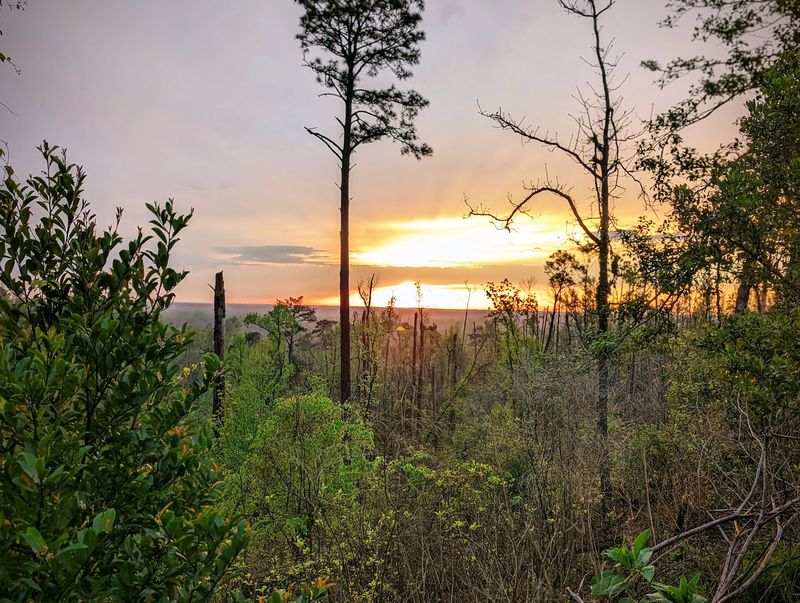
Views are the payoff, and they arrive without warning. One minute you are under thick hardwoods, the next the ground drops away.
From the high bluffs, the Apalachicola River valley spreads out below in long green folds. On clear days the sightline runs for miles.
The overlook behind the Gregory House is the easiest one to reach. Park at the far end of the road and walk a short distance to the edge.
Photographers tend to show up early. Morning mist sits low over the river and burns off slowly, which makes for softer light.
Fall changes the whole scene. Southern sugar maple, sweetgum, and sourwood turn the hillsides red and gold, and the park is credited with the finest fall color display in Florida.
Bring binoculars if you have them. The far bank rewards patient looking, especially when birds move along the treeline.
Sunset works well too, though the drive out afterward is dark. Headlights and a flashlight are smart additions to your bag.
Several overlooks and picnic areas dot the park, so you do not need a long hike to get a view. Even a short visit delivers the good part.
Sixteen Miles Of Trails That Actually Climb
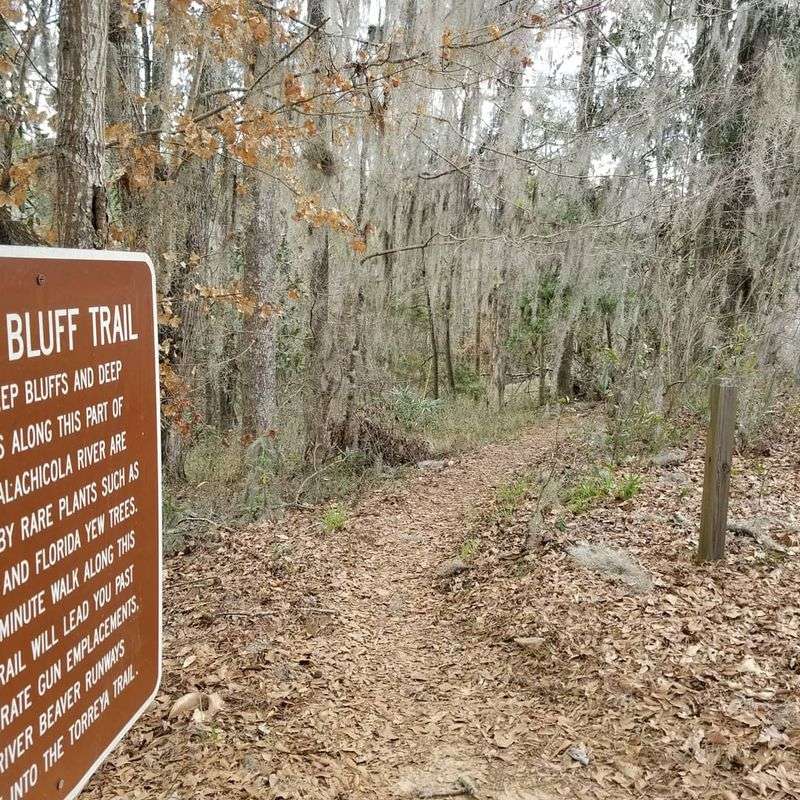
Flat Florida hiking does not exist here, and your calves will file a complaint. Sixteen miles of trails wind through ravines, bluffs, and steep pitches.
The Torreya Trail loop runs 6.7 miles with roughly 800 feet of elevation gain. That number is unusual for anywhere in the state.
Ambitious hikers take on the 7-mile Torreya Challenge Loop. Some visitors report it taking most of a day, so plan your start time carefully.
The Apalachicola River Bluffs Trail holds National Recreational Trail status. It hugs the high ground and delivers the best river views on foot.
Sturdy shoes are not optional. Roots, loose slopes, and wet spots show up regularly along the route.
Water matters more than people expect. Refill stations exist at the picnic area, campground, Gregory House, and front entrance, so top off before you head out.
Long pants and socks help with ticks, and a tick check afterward is standard practice here. Copperheads live in the park, so watch where you step and stay on trail.
Grab a map at the ranger station. Junctions come often, and phone signal cannot be trusted out on the loops.
A Waterfall Hiding On Weeping Ridge
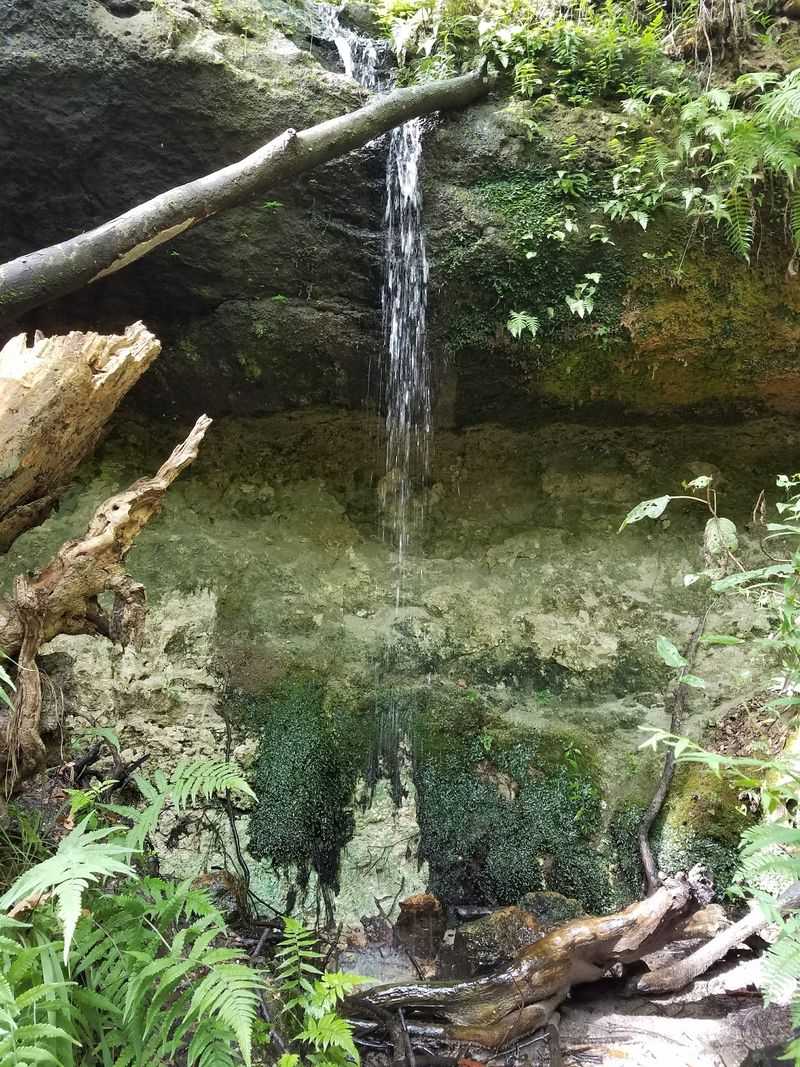
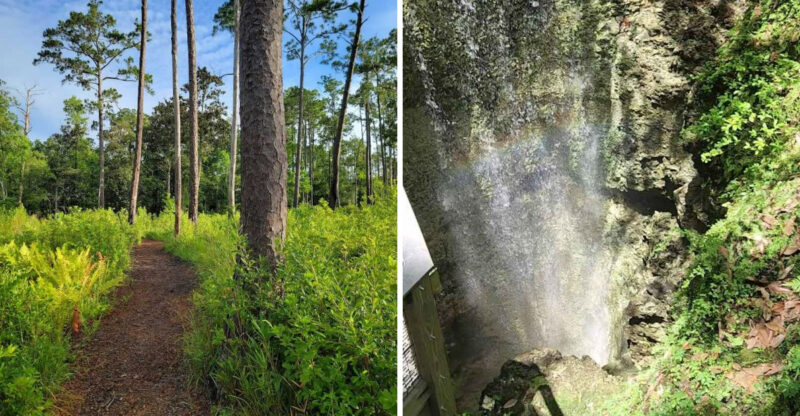
Waterfalls in Florida sound like a tall tale. Weeping Ridge proves otherwise with a 25-foot drop tucked into a shaded ravine.
The trail runs about a mile, which makes it the friendliest hike in the park. Families with kids can handle it without much fuss.
Nobody is comparing this to a mountain cascade. The charm comes from finding moving water spilling over a ledge in a state famous for being flat.
Rainfall changes everything. After a wet stretch the flow picks up noticeably, while dry weeks leave it thin and trickling.
Footing near the base can be slick. Leaves, damp rock, and clay make a slippery combination, so take it slow on the final approach.
Winter visits come with shorter daylight, and hikers have missed the falls simply by running out of light. Start early if it is on your list.
The surrounding ravine stays cool and shady even in warm months. Ferns, moss, and thick canopy do the work of natural air conditioning.
Pair it with a stop at an overlook afterward. Short hike, big waterfall payoff, and a river view to finish the morning.
The Rare Tree Behind The Name
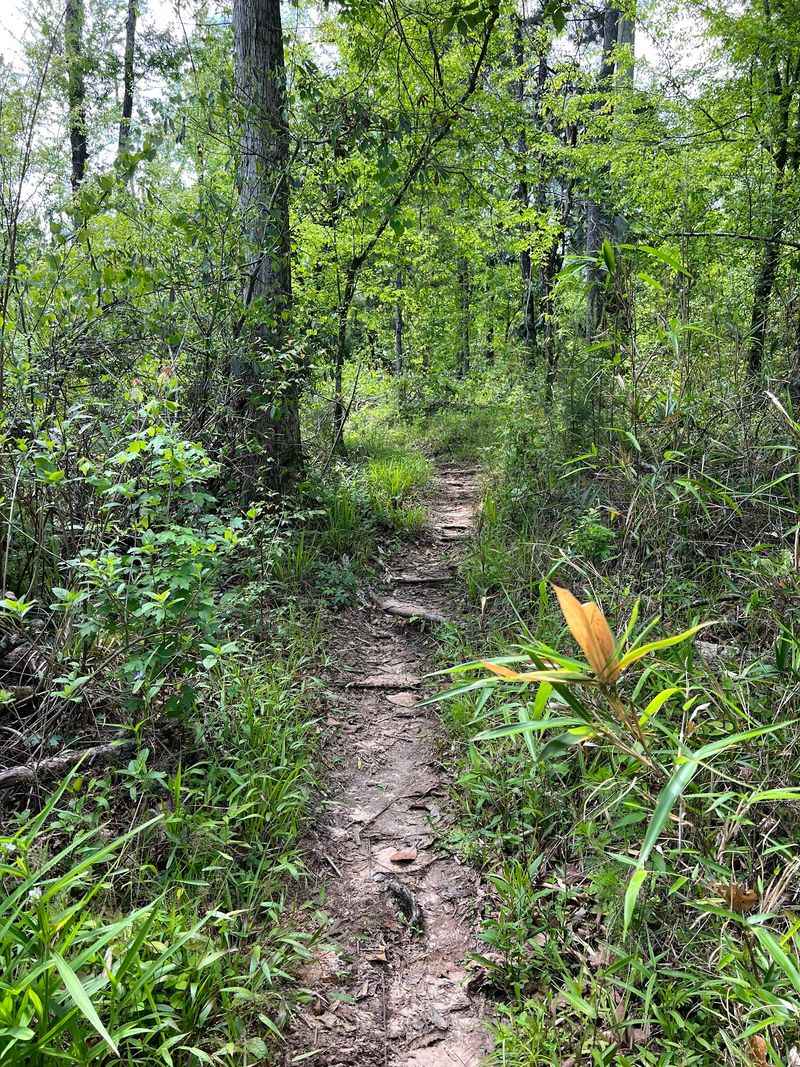
The park is named for a tree you will probably never see anywhere else. Florida Torreya, or Torreya taxifolia, grows naturally only on these bluffs and in southern Georgia.
Back in 1984 it became one of the first federally listed endangered plant species in the country. Fewer than a handful of plants carry that kind of history.
Spotting one is tricky without help. Rangers leading tours often point out where the trees stand along the trail.
Torreya is not the only rarity growing here. Florida Yew, Ashe magnolia, and the queen magnolia share the same slopes.
That queen magnolia holds a title of its own. It is recognized as the largest bigleaf magnolia in the United States.
The reason all this survives comes down to geography. Cool, moist ravines create pockets of habitat that feel more like the southern Appalachians than the Gulf Coast.
Plant communities shift as you walk. River swamp, hardwood hammock, and high pineland all appear within the same park boundary.
Treat the slopes gently and stay on marked paths. These plants have hung on for a long time, and the trails are laid out to protect them.
Gregory House And Its Traveling History
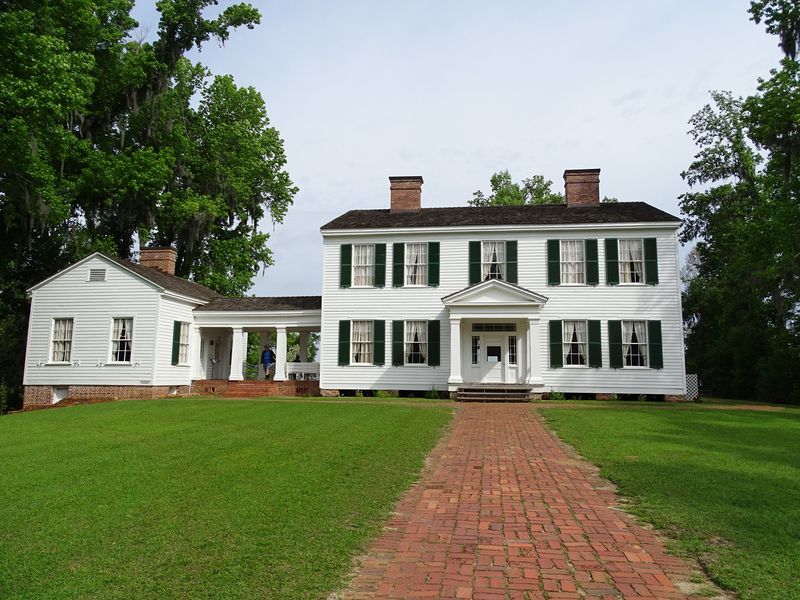
A house that crossed a river is worth the three dollar tour fee. Gregory House was built in 1849, taken apart, floated across the Apalachicola, and rebuilt in the park.
The Civilian Conservation Corps handled that reconstruction in 1935. Their craftsmanship is still holding up nearly a century later.
Tours run daily, with extra times on weekends. Rangers share stories about Florida frontier life, and visitors consistently praise how knowledgeable the guides are.
Even if the house is closed when you arrive, the trip is not wasted. The bluff behind it offers one of the best views in the park.
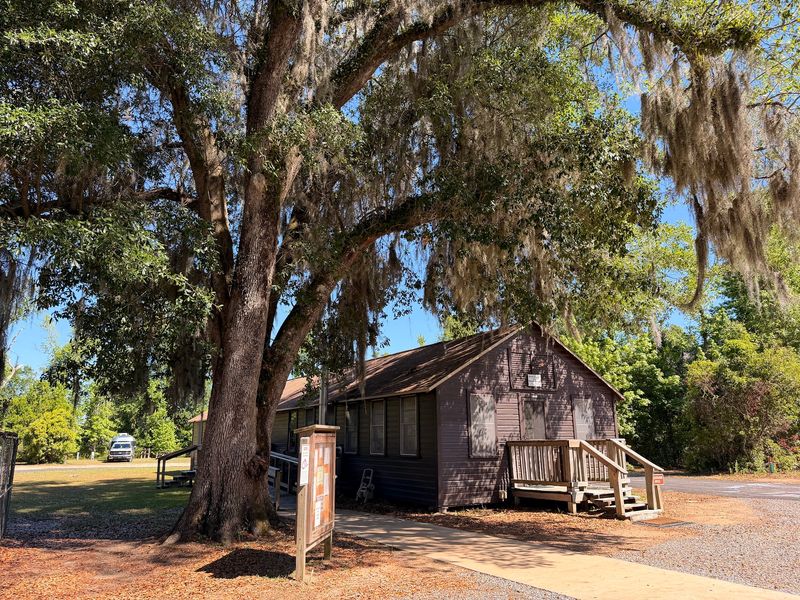
The registration building holds its own small treasures. A dugout canoe sits inside, along with photographs of CCC crews working in 1935.
History continues out on the bluffs. Confederate gun pits from a six-cannon battery remain visible, positioned long ago to watch the river.
Archaeological work confirms Native American communities lived in this area well before any of that. Layers of history stack up on the same ridge.
Fossils, Bluffs, And 18-Million-Year-Old Rock
Geology nerds, this section is your reward. Florida named Torreya a State Geological Site in February 2022.
Rock Bluff is the headliner. The tall limestone face was carved open by the Apalachicola River and dates back roughly 18 million years.
That exposed rock is a textbook example of the Torreya geologic formation. Few places in the state show their layers this plainly.
Marine fossils turn up in the limestone and streambeds. Dugong remains have been found here, which means ancient relatives of manatees once swam over this ground.
Steephead streams add another oddity. Cool, clear water sinks underground and resurfaces downstream, cutting ravines as it goes.
Walking these streambeds feels different from the rest of the park. The air stays cooler and the vegetation thins out along the channels.
Fossil collecting is not a free-for-all in a state park, so admire and photograph rather than pocket. Rangers can tell you what is allowed.
Understanding the geology changes how the hills look. Those ravines are not random bumps, they are the slow work of water on ancient rock.
Quiet Campsites, A Yurt, And Real Darkness
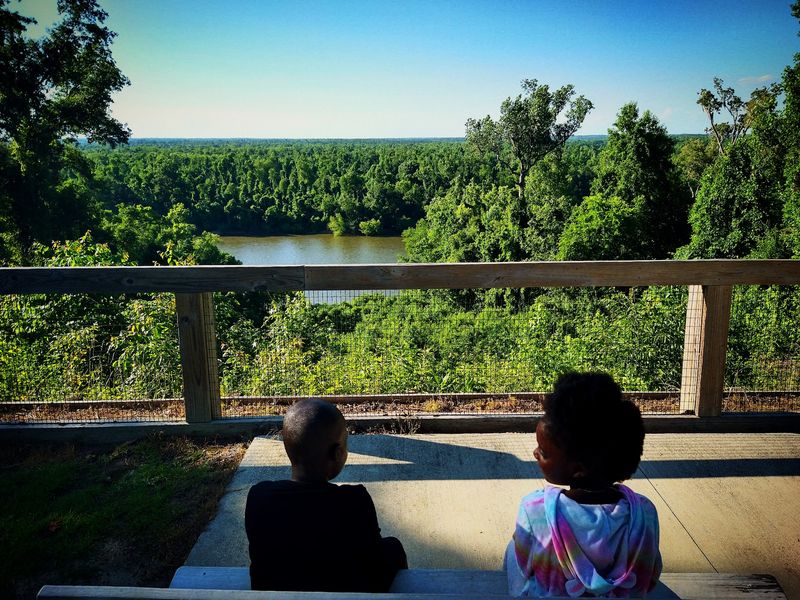
Twenty-nine sites means you will never fight for elbow room. Shrubs and trees separate most spots, so privacy comes standard.
Each site includes water and electric hookups, with 30-amp and 50-amp options. A dump station sits near the entrance for RV travelers.
Not into hookups? One Cracker Cabin, one yurt, and three primitive backpack sites round out the choices.
The cabin has two air-conditioned rooms plus a deck and covered areas. Campers describe it as comfortable without losing the woodsy feel.
Roads through the campground are dirt and generally level. Larger rigs have reported easy access, though some sites are narrower than others.
Ask the ranger for a site recommendation when you check in. Staff here have a strong reputation for helping visitors find the right fit.
Night is genuinely dark out here, which makes stargazing excellent. Bring a headlamp and let your eyes adjust.
Fire rings and picnic tables come with the sites, though burn bans happen. Pack food and supplies before arriving, since the closest store is a drive away.
Tallahassee sits about 45 miles east if you want a day trip. Most people would rather stay put.