This Forgotten Illinois Cemetery Has A Dark Secret That Still Gives Visitors Chills
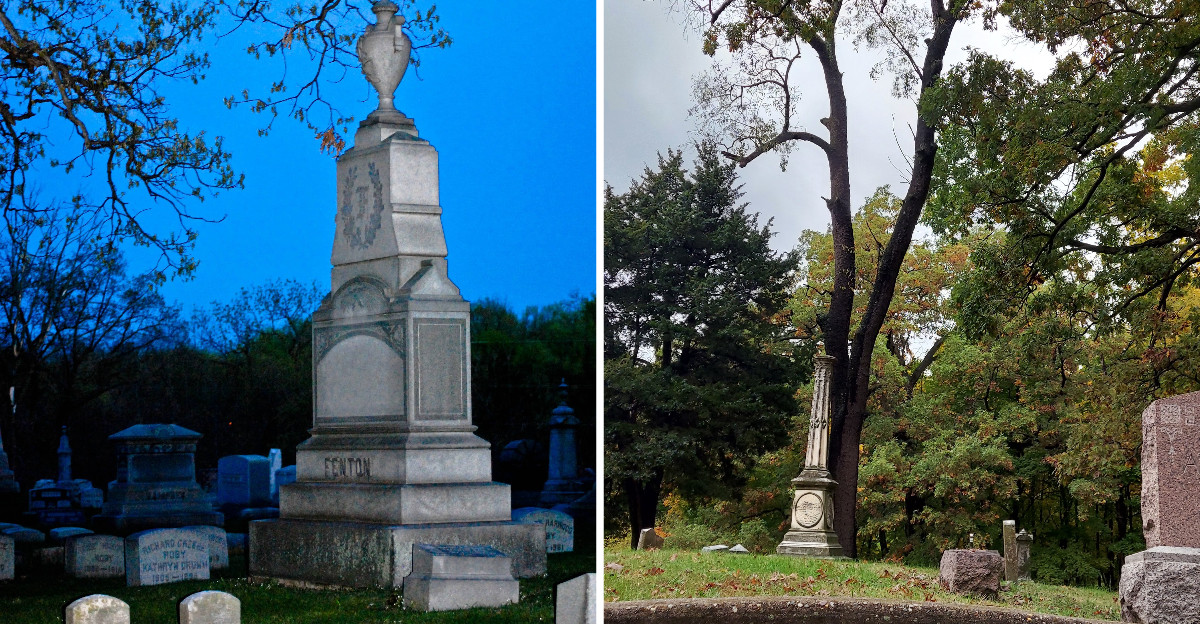
Quiet places can be the creepiest ones.
One Illinois cemetery looks peaceful at first, with old trees, rolling hills, and weathered stones tucked into the landscape. Then the stories begin.
A phantom bride. A vanished mausoleum. Strange wishes. Rumors that have followed the grounds for years.
Suddenly, every shadow feels a little more interesting!
The folklore is not the only reason to visit, though. The scenery can be surprisingly beautiful, especially when autumn color spreads across the hills.
That contrast gives the place its strange pull. It is calm, eerie, historic, and just unsettling enough to keep you looking over your shoulder.
Ancient Ground With Deep Roots
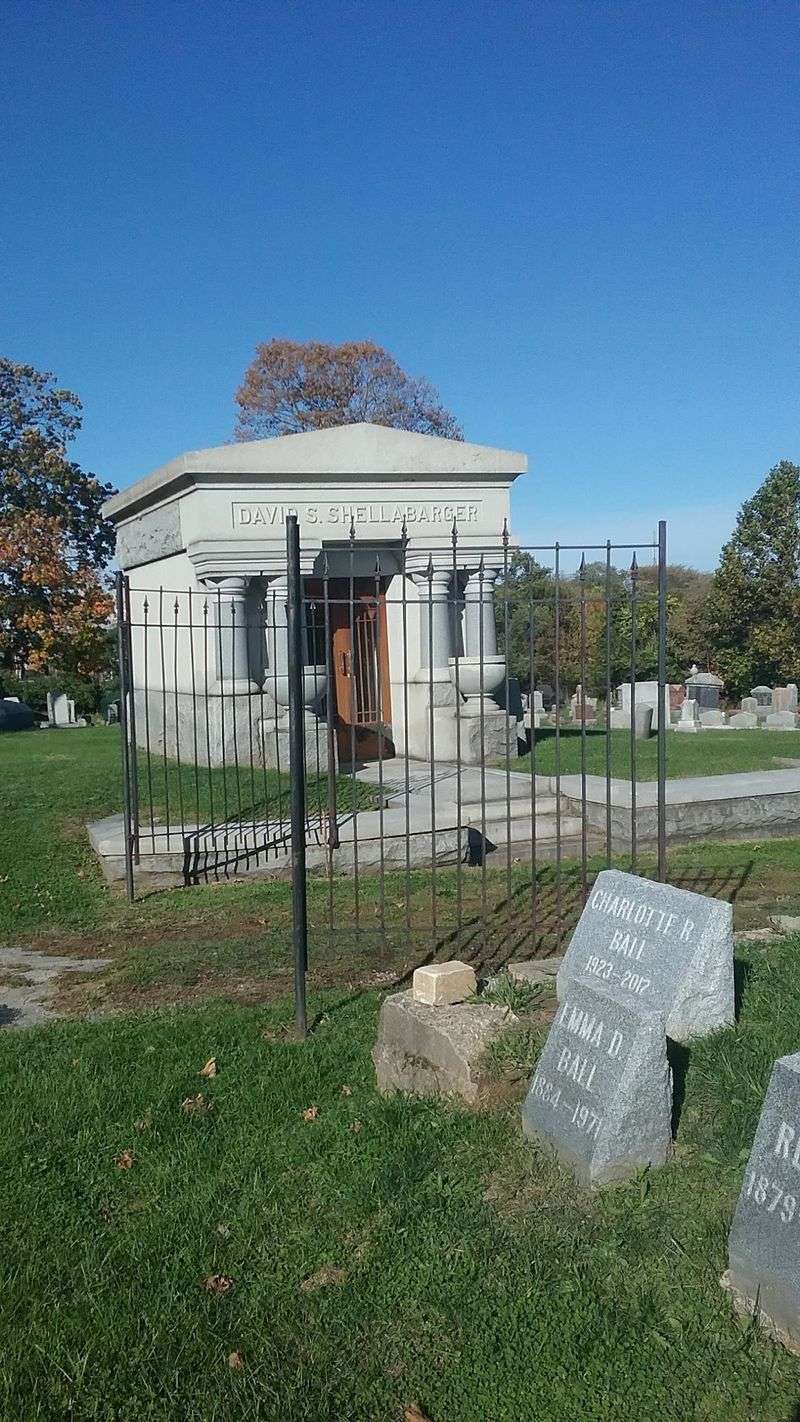
Long before Greenwood received its official name, people were already using this hillside as a place of remembrance.
Local histories hold that Native people used the area before settler-era use began, although the earliest details remain difficult to document.
Settlers began using the property during the early nineteenth century. Formal records appear around 1840, but local research suggests the grounds were in use before the paperwork became consistent.
Greenwood Cemetery became official in 1857, giving the old ground a formal name. By the early twentieth century, it had become one of Decatur’s most prominent cemeteries.
By the late 1930s and into the 1950s, limited funding and deferred maintenance left large portions of the property in poor condition.
Decatur Township took over ownership and operation in 1957. The following spring, more than 200 volunteers gathered to clear brush, repair neglected areas, and help restore the grounds.
Rolling hills, mature trees, old memorial stones, and winding drives give Greenwood the character of a nineteenth-century landscape rather than an abandoned site. The entrance is at 606 S Church St in Decatur.
The 1860s Hillside Mystery
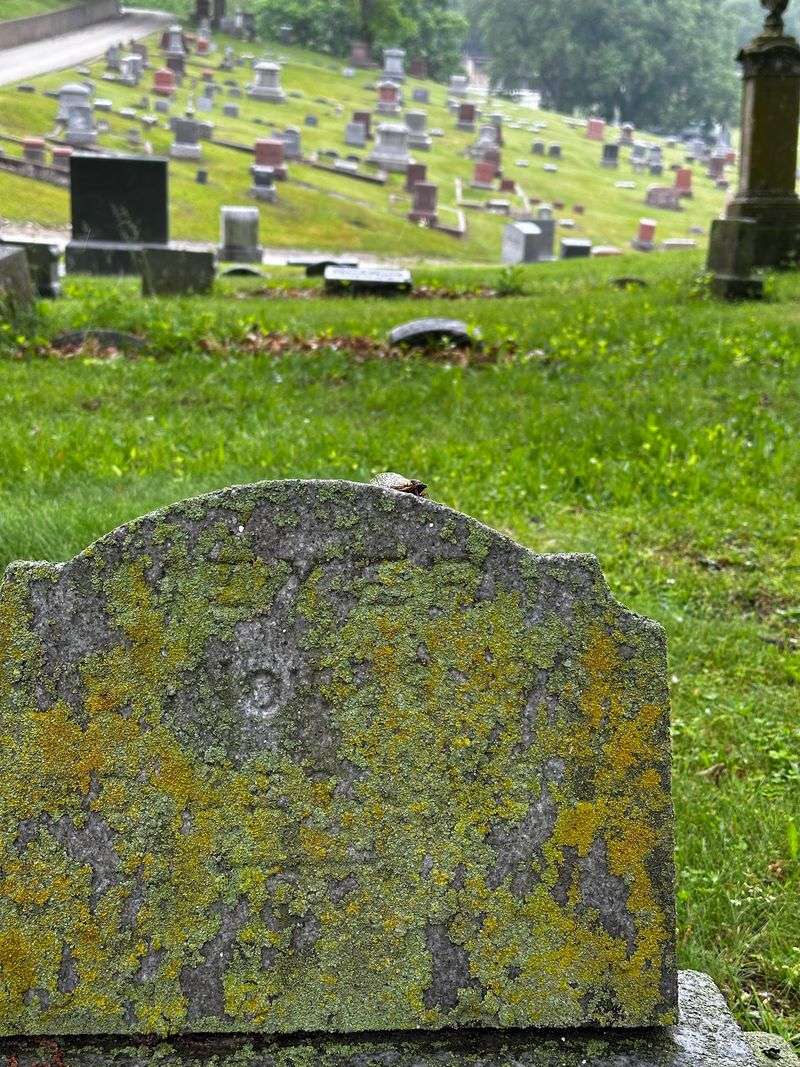
One of Greenwood’s best-known stories begins with rail traffic during the Civil War. Decatur sat on an important rail line, and trains carrying Confederate prisoners traveled north through the city.
Local accounts say some prisoners who became seriously ill during those journeys were taken to Greenwood.
Their exact locations were not always recorded clearly, helping create one of the cemetery’s longest-running mysteries.
The dramatic details repeated in later ghost stories should be treated cautiously. Claims that officials misjudged the condition of some prisoners have circulated for decades, but documentary evidence has not confirmed that part of the story.
A later slope failure reportedly disturbed part of the hillside associated with those accounts. The area was repaired, adding another layer to the folklore surrounding the southern portion of the grounds.
Stories about faint lights and uniformed figures later became attached to the same hillside. Those reports remain folklore rather than established fact.
The section is still historically meaningful without the supernatural layer. It reflects Decatur’s role as a transportation hub during the 1860s.
A quiet walk works best when the documented history stays separate from the legend.
Searching For The Greenwood Bride
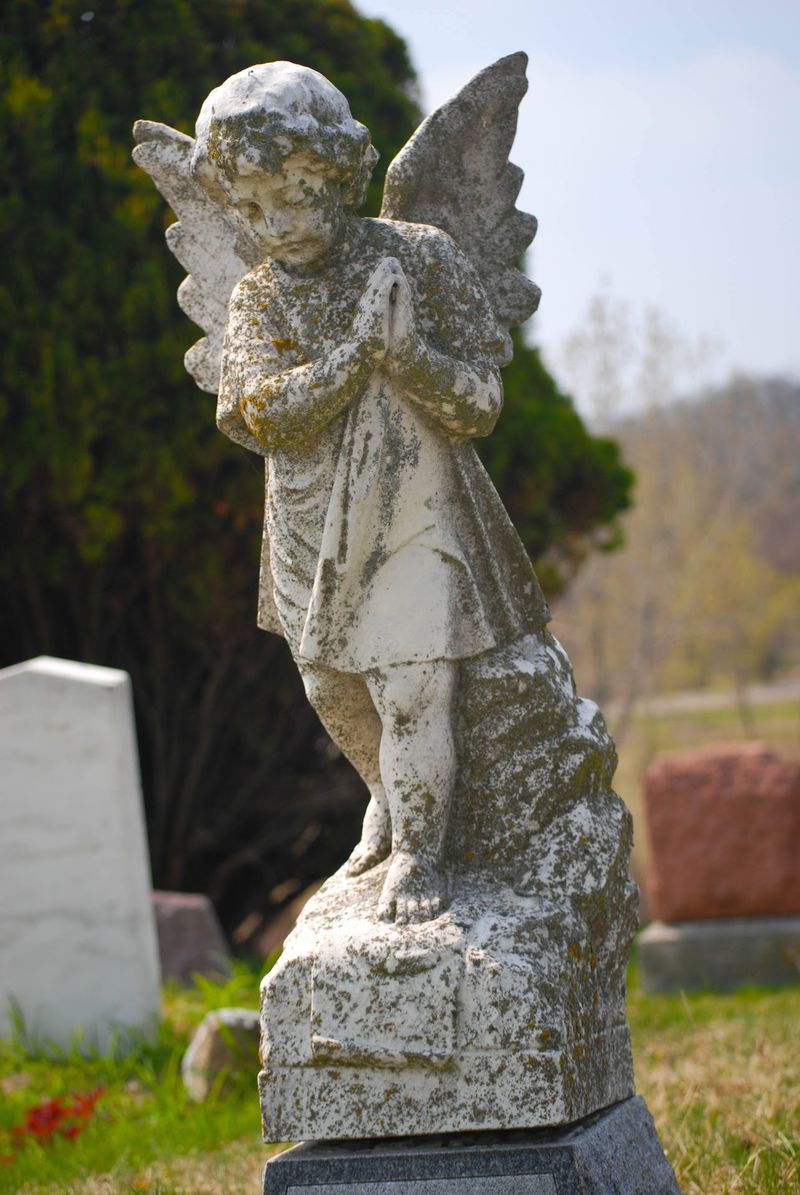
Picture a white gown moving softly between dark stones at dusk. That image belongs to the most famous legend of Greenwood Cemetery.
The Greenwood Bride story has circulated for generations, but its details change depending on the version. Most Illinois locals center on a young woman in white wandering the grounds while searching for a missing fiancé.
Older retellings add a complicated backstory, but those details have never been tied securely to a documented historical person. No surviving record confirms the full tale as it is commonly repeated today.
The legend has become attached to the landscape rather than to one clearly identified memorial.
The bride is usually placed among the older hills and stones, especially in stories set near dusk. She is described as quiet, distant, and always moving.
There is no evidence that the figure is anything more than folklore. Still, the image has become one of Greenwood’s most recognizable stories in local haunted-history collections.
The atmosphere comes from the setting, while the rest belongs to storytelling.
A Chair Wrapped In Folklore
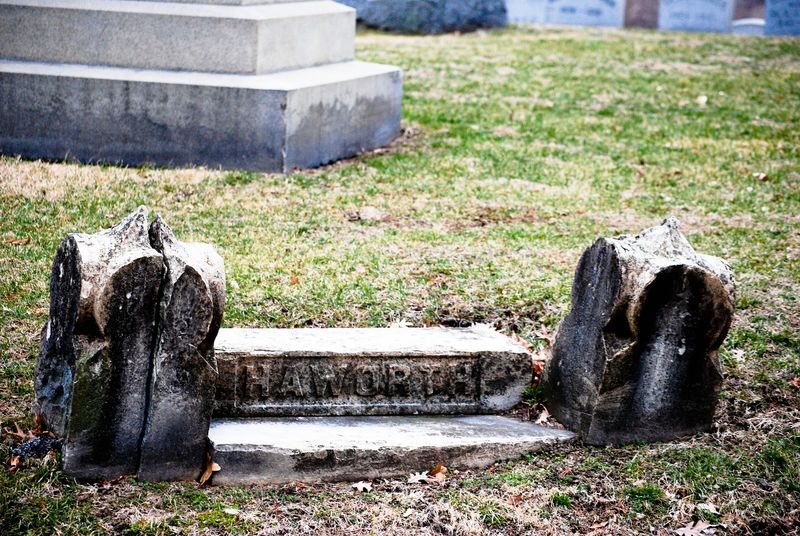
One unusual stone chair has collected almost as many stories as the Greenwood Bride.
The object is a mourning chair carved in a naturalistic style, with stone shaped to resemble branches and a tree trunk. Its original purpose was practical, giving family members a place to sit near a nearby memorial.
Over the years, local folklore transformed that ordinary function into something much more dramatic. Different versions promise wishes, luck, or consequences to anyone bold enough to sit there.
The stories do not agree with one another, which is a useful clue. There is no historical evidence that the chair was created for anything beyond its normal cemetery purpose.
An unusual object can gather new details each time the story is retold.
The chair is worth seeing for its design alone. Naturalistic stonework of this kind appeared in cemeteries during the late nineteenth and early twentieth centuries.
A photograph from a respectful distance preserves the story without interfering with the monument.
Twilight At The Barrackman Steps
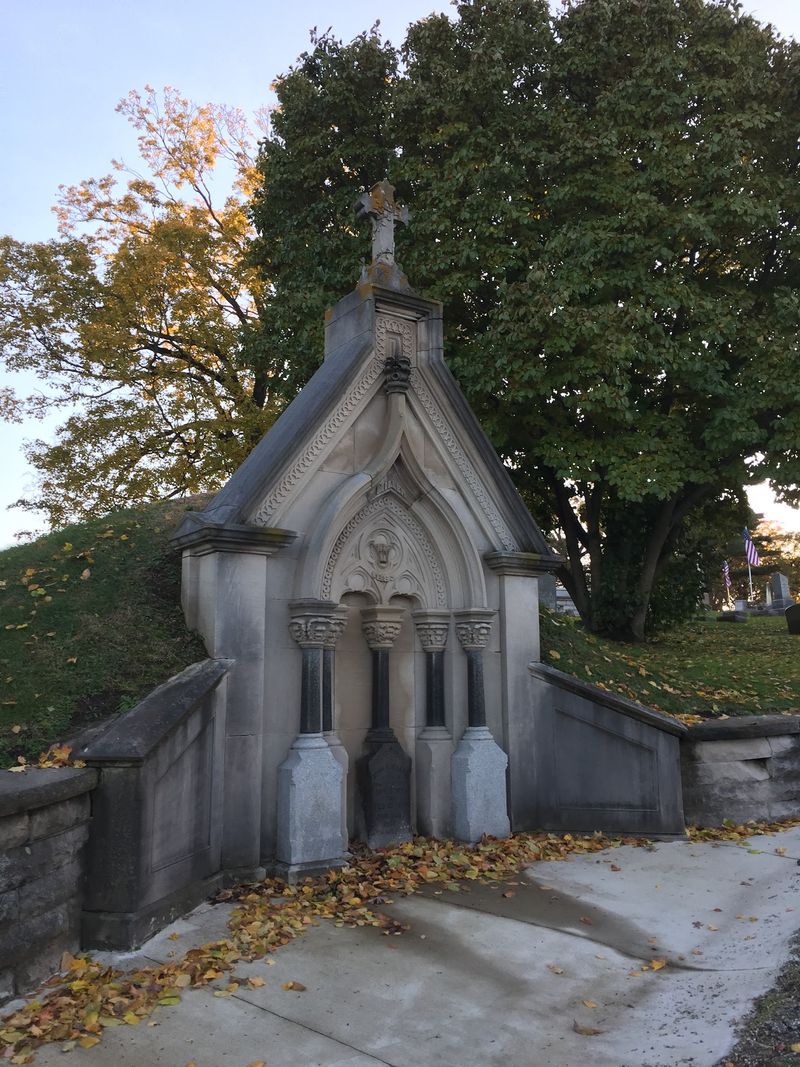
Five stone steps might not sound thrilling at first. Yet the Barrackman Steps carry one of Greenwood’s most enduring local legends.
The short staircase climbs toward a small family plot marked by four rounded stones. During daylight, it is simply one of the many historic details hidden across Greenwood’s rolling terrain.
The folklore changes around sunset. Stories collected over many years place a quiet woman in white at the top of the steps, usually with her head lowered.
She is traditionally said to appear only during fading light and disappear when the sun drops below the horizon. No reliable historical record identifies who the figure is supposed to represent.
This story is separate from the Greenwood Bride legend, although modern retellings sometimes blend them together. The steps themselves are real, while the supernatural interpretation came later.
Golden-hour light can make the old stones especially striking, but a daytime visit is the most practical choice because current public listings do not fully agree on gate hours.
Echoes Of A Vanished Mausoleum
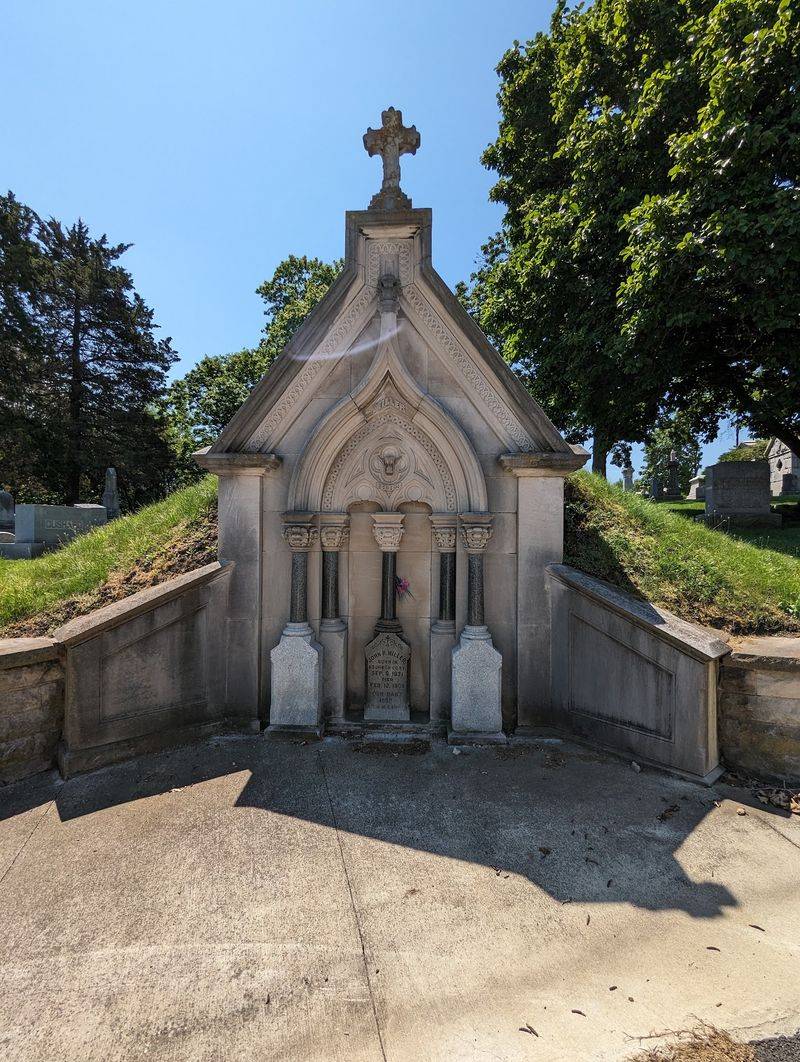
Sometimes the spookiest building is the one that is no longer standing. A Illinois public mausoleum was built here in 1908.
Problems appeared early. Poor construction contributed to leaks, settling walls, and an increasingly unstable structure.
By 1957, inspectors had declared the building unsafe. Legal questions surrounding ownership and removal complicated what happened next.
The mausoleum remained in place for another decade. In 1967, it was finally taken down after years of deterioration.
Historical records show that the building was cleared before demolition and that a communal memorial area was established across the road. The process added another chapter to Greenwood’s restoration story.
Folklore later attached strange sounds and lights to the former mausoleum site. Those stories are part of Greenwood’s haunted reputation, not evidence of unexplained activity.
Grass and earth cover most of the old footprint, although local historians note that traces of the foundation remain just beneath the surface.
Knowing what once stood there changes the experience of an otherwise open patch of lawn.
Secrets Hidden Below The Grass
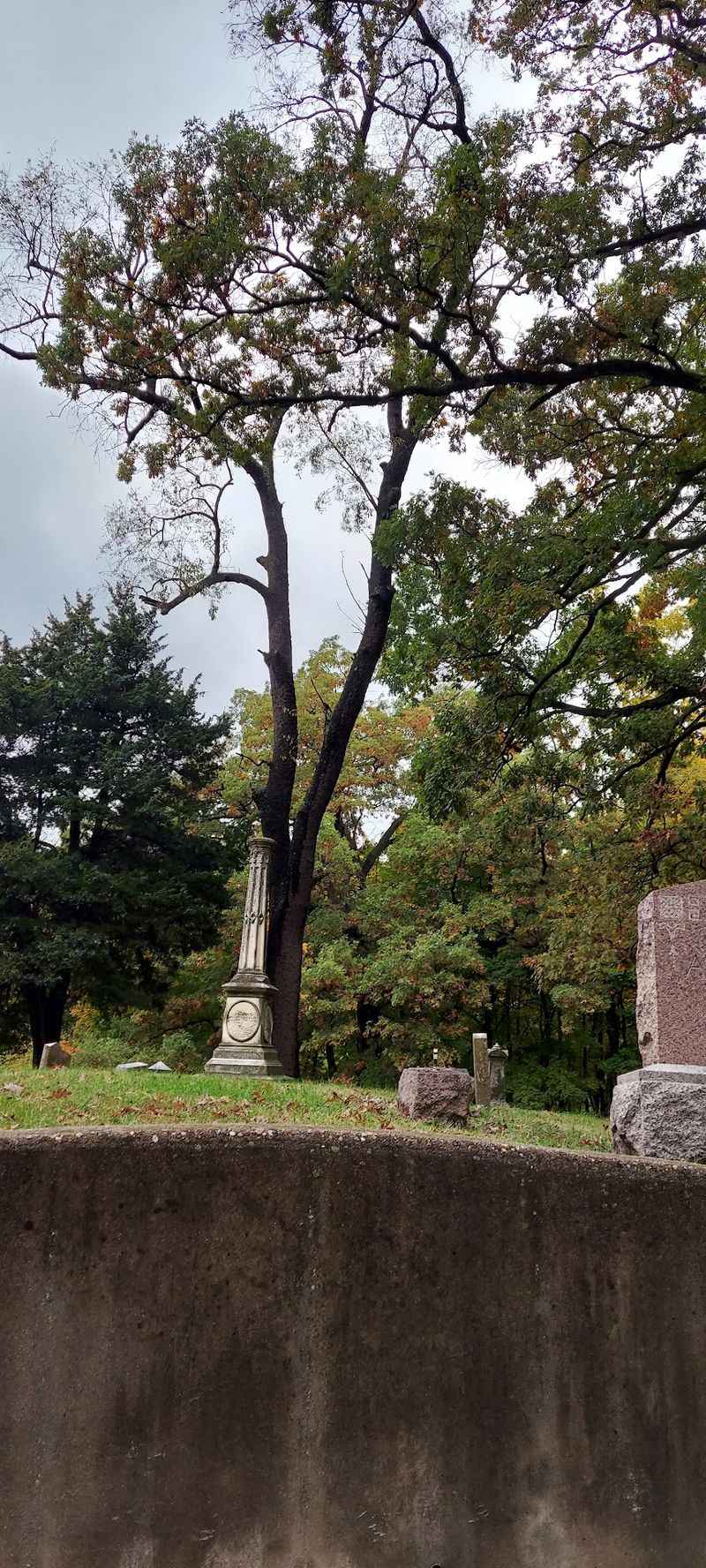
Greenwood has accumulated plenty of underground stories, but not all of them are supported by records.
Claims about old mine shafts beneath the cemetery appear in local folklore, yet no reliable map or municipal record confirms a tunnel network below the property.
The documented story is interesting enough. Greenwood received transfers from several earlier Decatur cemeteries as older sites closed and land around the growing city was redeveloped.
Records from the earliest decades were not always complete. Some transfers were documented carefully, while others left gaps that later researchers have pieced together from newspapers, family records, and cemetery files.
That uncertainty probably helped fuel stories about hidden sections and forgotten locations beneath the hills.
Uneven ground should not automatically be treated as evidence of tunnels. Greenwood is a rolling historic landscape that has experienced erosion, repairs, landscaping, and generations of maintenance.
Sturdy shoes are still useful because the slopes can be uneven. Staying on established drives and paths also helps protect older memorial areas.
Smart Tips For Your Visit
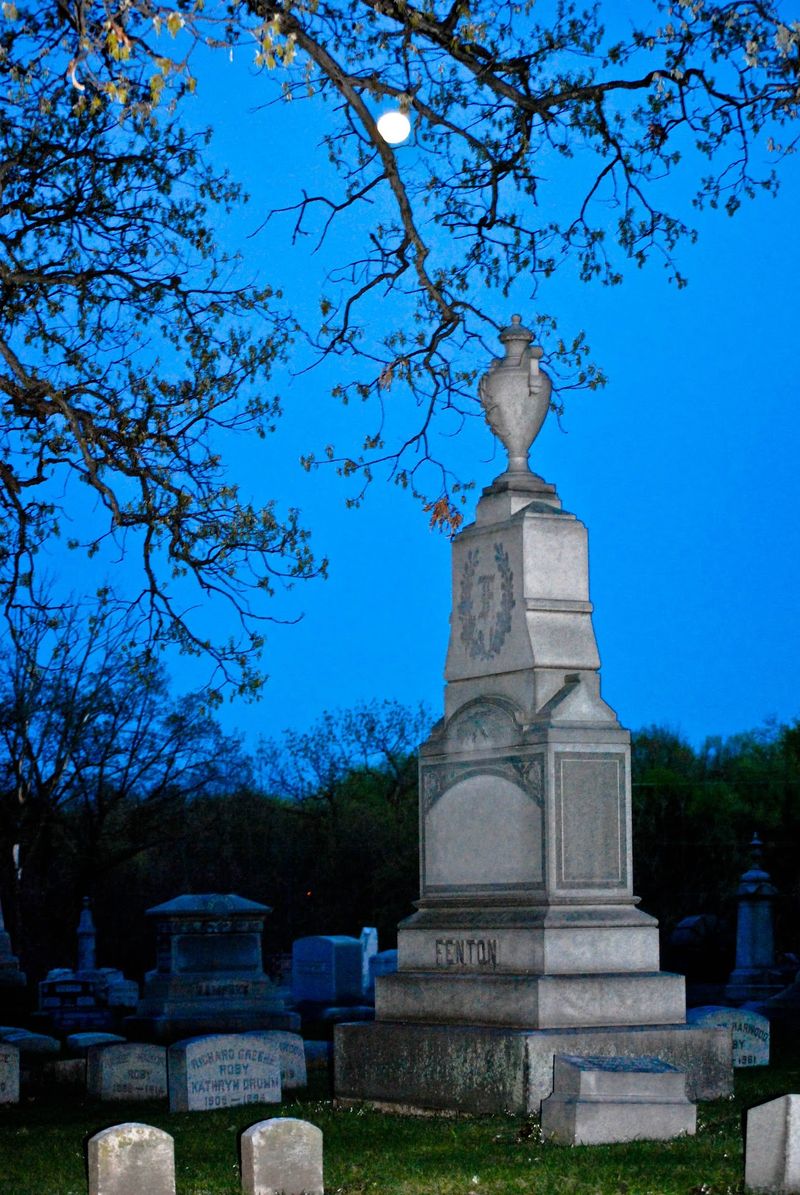
Ghost stories aside, daytime here is downright lovely. Mature trees shade the hills, and autumn turns the landscape orange, gold, and red.
Greenwood is an active public cemetery, so a visit should stay quiet and respectful. Give families plenty of room and avoid touching, climbing, or leaning on older monuments.
Current public listings do not fully agree on gate hours. Some show extended daily hours, while other cemetery information uses sunrise-to-sunset access, so planning a daytime visit is the safest approach.
The Illinois grounds cover rolling terrain with older roads and uneven areas. Comfortable shoes make the hills easier, especially after wet weather.
The older stonework, mature trees, and changing light offer plenty to photograph from public areas without stepping off the established route.
Autumn is especially attractive because the cemetery’s hills and tree canopy show the season well. The setting can feel peaceful even if the folklore is what first sparked your curiosity.
Greenwood works best as a history stop with a layer of local legend, not as a place to chase dramatic encounters.
The verified story is already substantial: early Decatur history, a major restoration effort, unusual monuments, and more than a century and a half of change.