This Forgotten Massachusetts Town Has A Colonial Landmark That Still Feels Frozen In Time
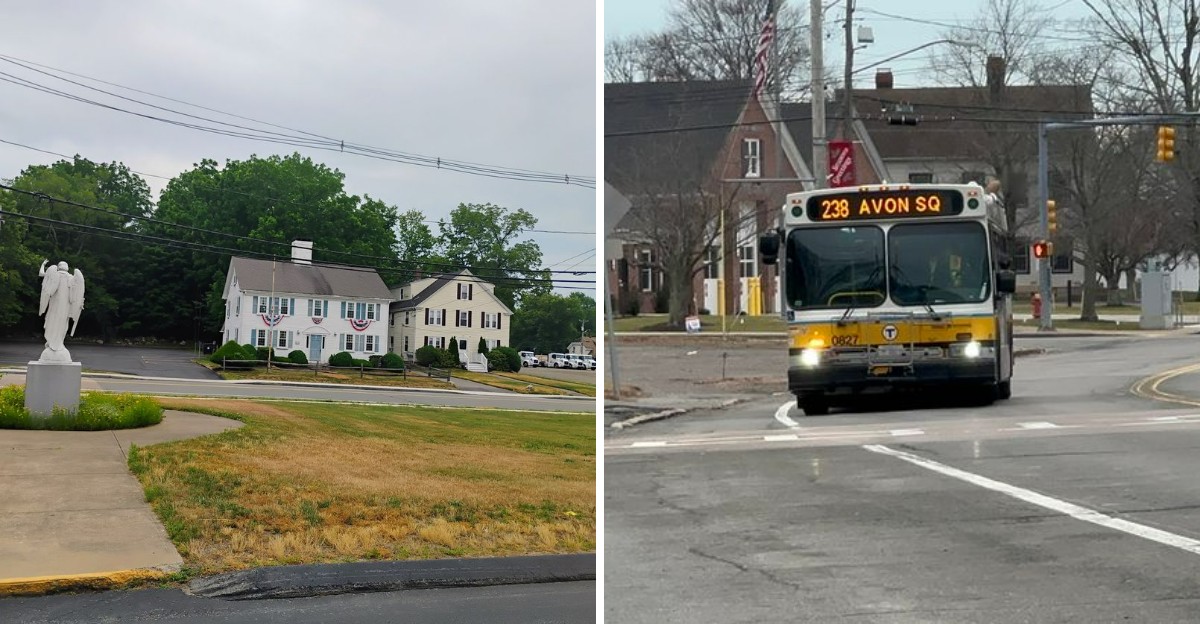
I passed the sign so many times I stopped noticing it. That’s how these things go sometimes, a landmark hiding in plain sight until curiosity finally wins.
One afternoon I had extra time and nowhere to be, so I pulled over. What waited inside stopped me cold.
Wide plank floors that creaked in exactly the right places. Windows with glass so old it warped the view outside.
A fireplace that clearly still gets used, not just admired. The state has no shortage of historic sites, but most feel roped off and sanitized.
This one doesn’t. You can practically hear the past still settling into the walls.
The state’s early history rarely survives this intact, untouched by renovation or modern convenience. I stayed far longer than planned, and I still think about how quiet it was.
Some places don’t need a crowd to feel important.
A 1784 Homestead Built By One Of The Town’s Early Settlers
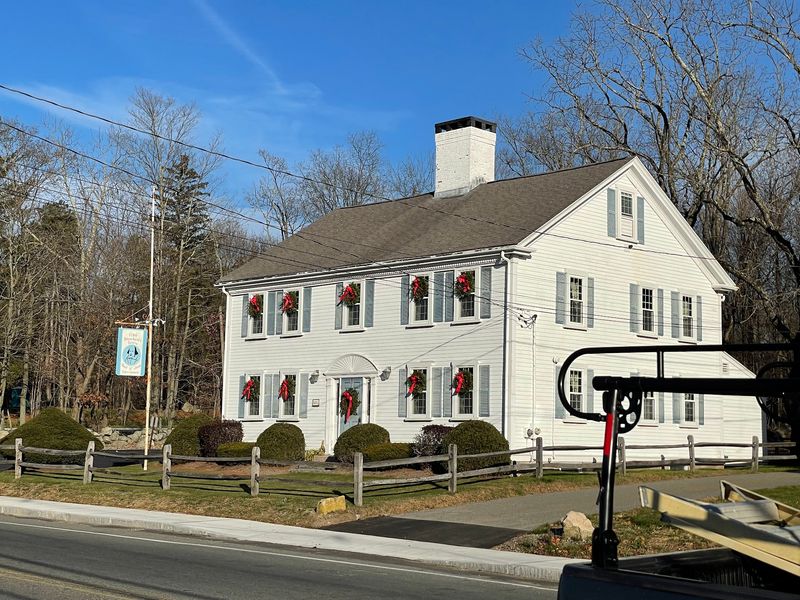
Most historic houses in New England start with a farmer.
The structure served double duty right from the beginning. It was a family home and a working business under the same roof, which was common practice back then.
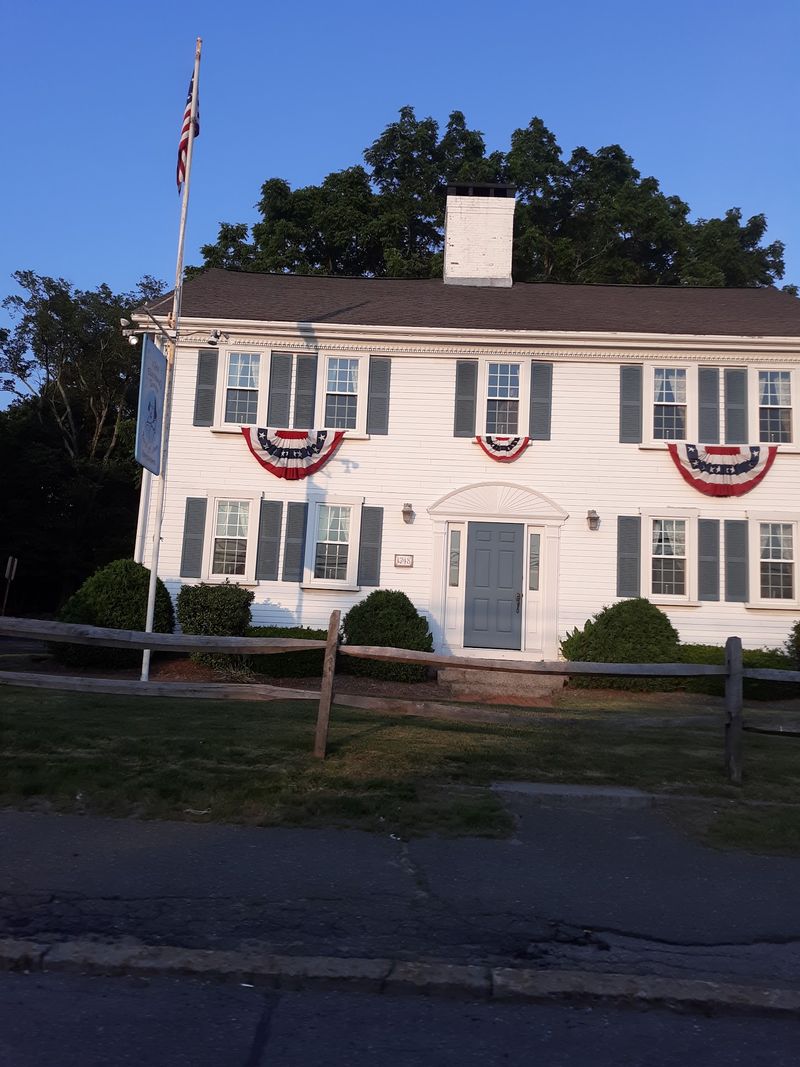
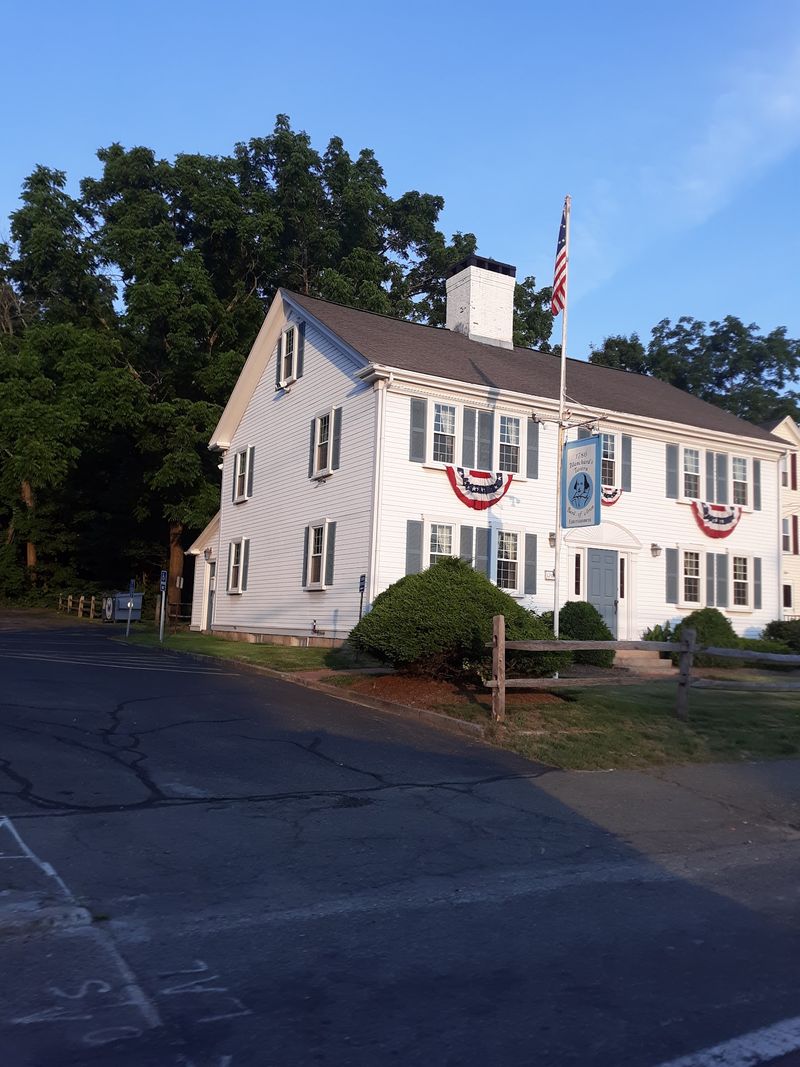
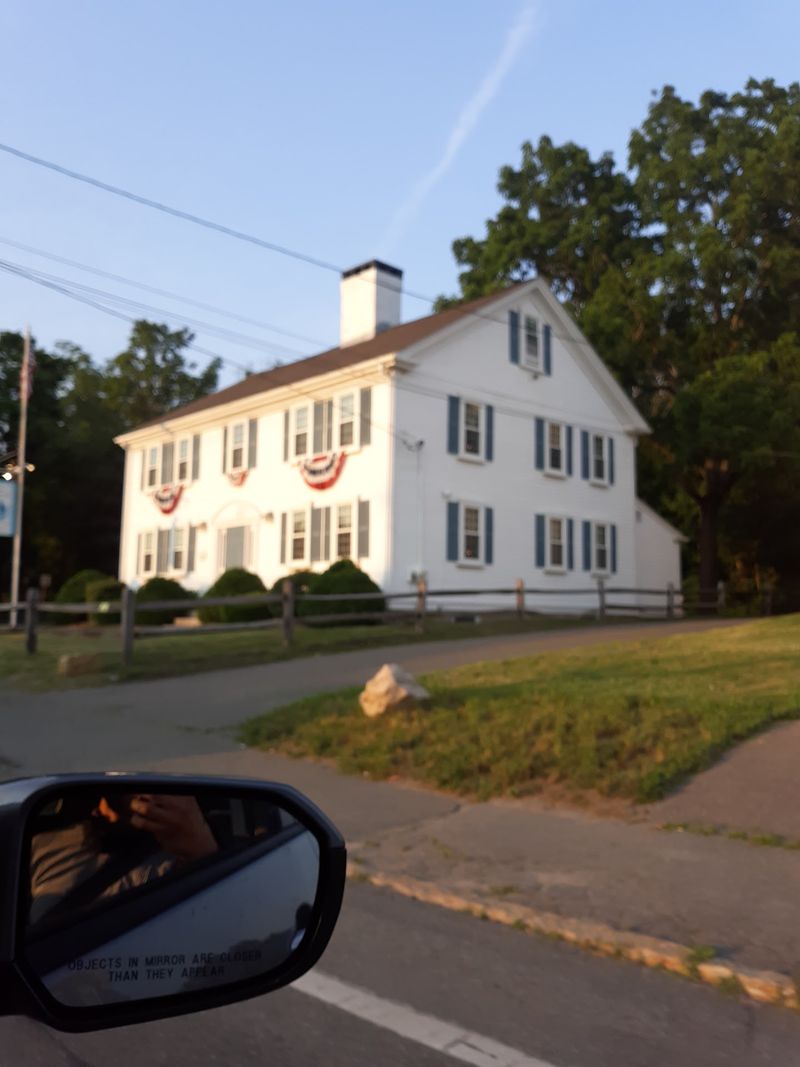
Standing outside, the proportions feel modest and honest. There are no grand columns or showy details, just solid colonial framing built to survive New England winters.
What struck me first was how little the front facade tries to impress. The building simply sits there, doing the same job it has done since George Washington was alive.
Inside, the low ceilings and wide floorboards tell you the age immediately. You duck slightly through doorways sized for shorter generations.
History here is not behind glass or velvet rope. You walk on it, lean against it, and sit in it.
For anyone who likes their history tangible rather than theoretical, the appeal is instant. You can find it at Blanchard’s Tavern, 98 Main Street in Avon, Massachusetts.
The Only Authentic Colonial Tavern North Of Williamsburg
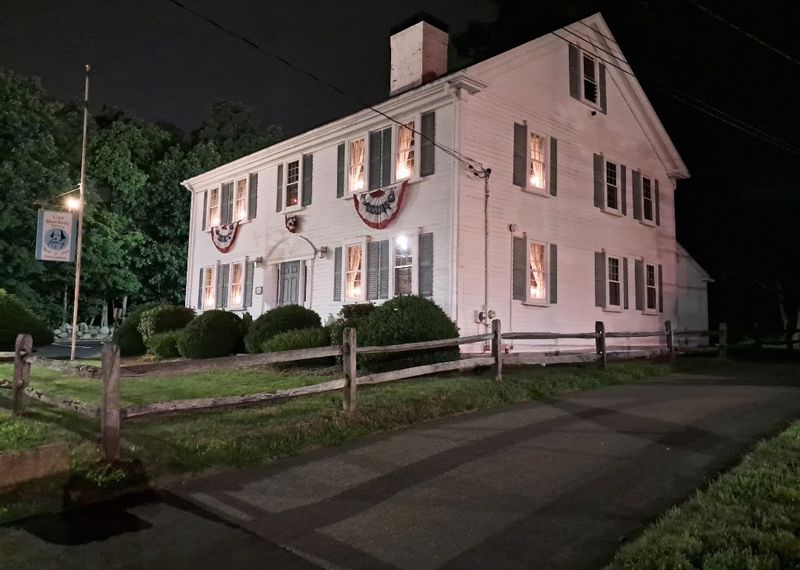
Bold claims usually make me skeptical. But this place claims to be the only authentic operating colonial period tavern north of Williamsburg, Virginia, and once you are inside, the claim feels reasonable.
Williamsburg is the gold standard for colonial recreation. Matching that standard in a small Massachusetts town is genuinely unusual.
The difference here is scale. There are no costumed crowds, no ticket lines, no gift shop the size of a supermarket.
Instead you get one building, carefully kept, doing exactly what it did in the 1700s. The intimacy is the whole point.
I have visited plenty of restored taverns that feel staged. Something about the worn wood and the quiet in this room reads as real rather than rehearsed.
Authenticity shows up in small choices. Period furnishings, colonial food, and entertainment of the era are all part of the experience.
For history lovers who have already done the big destinations, this offers something rarer. A working colonial tavern hiding in plain sight, about twenty miles from Boston.
That combination of accessibility and obscurity is hard to beat.
From General Store To Town Hall And Back Again
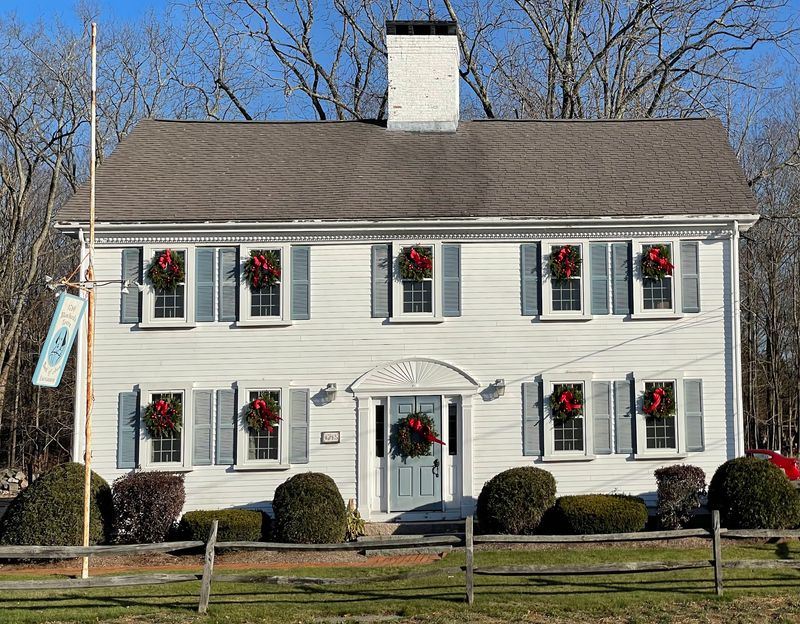
Buildings that survive centuries usually do it by changing jobs. This one is a perfect example of that survival strategy.
During the 1800s, it operated as both a busy tavern and a general store. Travelers stopped for food, neighbors stopped for supplies.
Then in 1938, the building took on an entirely different role. It became the Avon Town Hall and served the community in a new way.
Picture town clerks filing records in rooms that once held travelers warming by the fire. The shift is almost comic when you think about it.
The building returned to the Blanchard Trust in 1976, with restoration work beginning in 1978 and reopening following in 1979.
Restorations like that are not simple. Someone had to research original layouts, remove later additions, and rebuild details with accuracy.
The result is a building that now reads clearly as an 18th century tavern again. Nothing feels half finished or compromised.
I appreciate that the town chose preservation over demolition. Plenty of similar buildings across America did not get that second chance.
Colonial Food Served The Way It Was Meant To Be
Food is where history stops being abstract. Here, visitors can try colonial period dishes rather than just reading about them on a plaque.
Eating in a room designed for exactly that purpose changes the experience. The table, the light, and the setting all match the meal.
Colonial cooking leans on simple ingredients handled well. Think hearty, filling, and seasoned with restraint rather than complexity.
The lack of modern distraction helps. No screens, no background playlists, just conversation and the sound of the room.
I remember noticing how much slower the pace felt. Meals in the 1700s were events, not errands squeezed between appointments.
Pairing the food with period entertainment rounds out the visit. The site focuses on recreating amusements of the era, not just the menu.
For families, this is a smart way to make history stick with kids. Children remember what they tasted long after they forget what they read.
Check ahead about what is being served, since offerings connect to specific events and tours rather than a daily menu.
A Working Fireplace That Does All The Heavy Lifting
Nothing sells a colonial room faster than a real fire. The working fireplace here does more for the atmosphere than any exhibit label could.
Heat, light, and sound all come from one source. That single detail rearranges how the whole space feels.
Colonial hearths were the center of daily life. Cooking, warmth, and gathering all happened within a few feet of the same brick opening.
Watching flames move across the room reminds you how dark evenings were before electricity. Shadows behave differently by firelight.
The furniture supports the effect. Authentic reproductions of period pieces and decorations fill the rooms, chosen to match the era rather than approximate it.
Reproduction furniture gets a bad reputation, but it serves a purpose here. Visitors can actually use the space instead of admiring it from a distance.
Visiting during colder months makes the most sense. A fire in October or January hits differently than one in July.
Bring a camera, but expect the low light to challenge it. Sometimes the memory beats the photo anyway.
The Resident Spirit Named David
Every old building collects stories. Here, the stories have a name, and that name is David.
Staff describe unexplained footsteps echoing through empty rooms. Coughing sounds have been reported with no source to match them.
Objects apparently move on their own from time to time. Glasses have reportedly flown off shelves, and hats have been tossed across rooms.
Skeptics will roll their eyes, and that is fair. Believers will find plenty to talk about over dinner.
What I find interesting is how infrequent the events supposedly are. Rare occurrences tend to feel more credible than constant ones.
Either way, the lore adds a layer to the visit. Old buildings feel different once you know somebody claims to hear footsteps in them.
If you enjoy folklore, ask about the stories during a tour. They are part of the building’s modern identity now.
The atmosphere does the rest. Firelight, creaking floorboards, and two centuries of history make imagination work overtime.
Special Events Bring The Historic Tavern To Life
Timing changes everything about this visit. During the week, the building operates primarily as a museum with tours and displays.
Special events offer visitors another way to experience the historic rooms beyond a standard tour.
Three hours might sound short, but the limitation works in its favor. Everyone there chose to be there.
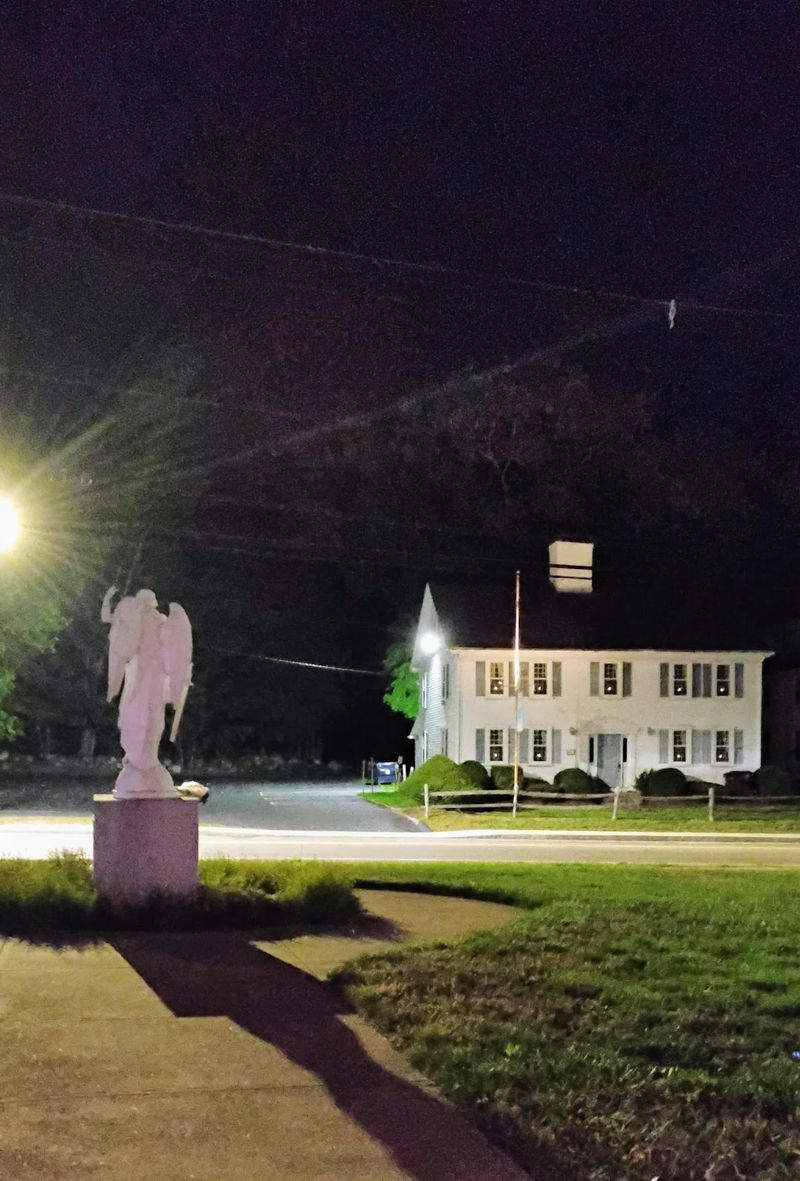
Evening light suits the rooms better than daylight. Candles and fire replace the flat brightness of afternoon windows.
Planning matters more than usual here. Hours are specific, so showing up unannounced on a Tuesday night will not work.
Calling ahead at 508-587-2884 is the smart move. Schedules for special events and tours change throughout the year.
The building is also available for private event rentals. Hosting a gathering in a 1784 structure beats a hotel function room.
My advice is simple. Aim for the Saturday window if you want the full period atmosphere rather than the daytime museum experience.
The Captain Samuel Robbins House Nearby
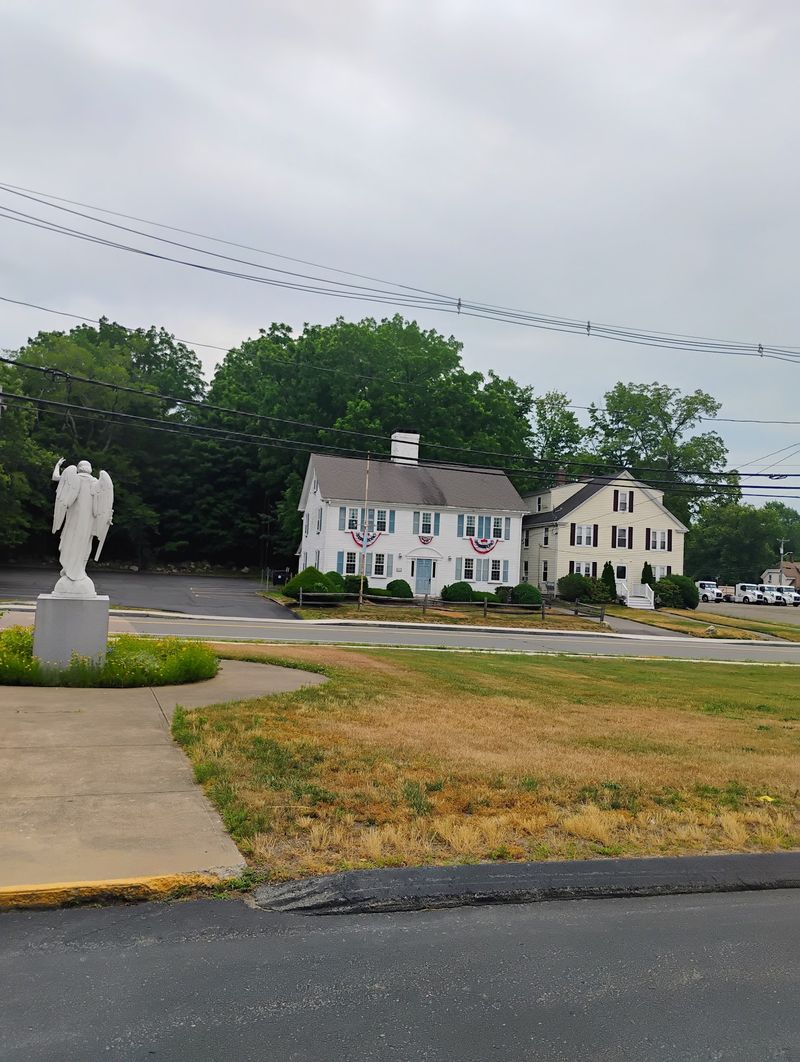
One historic building rarely travels alone. A short distance away stands the Captain Samuel Robbins House, built in 1820.
Robbins was a master mariner, which gives the house a completely different backstory. Sea captains brought a wider world home with them.
The property has been restored to its original appearance as the Robbins Homestead. It now operates as a museum house.
Pairing both stops makes for a satisfying half day. You get a tavern from the 1780s and a homestead from the 1820s.
The forty year gap between the two buildings shows in the details. Architecture shifted noticeably between the Revolutionary era and the early 1800s.
Comparing them side by side teaches more than either one alone. Changes in room layout, window style, and scale become obvious.
Check visiting hours before you go, since small museums often keep limited schedules. A quick phone call saves a wasted trip.
Together, the two houses give this small town more preserved history than most visitors would ever guess.
Why This Quiet Town Deserves A Detour
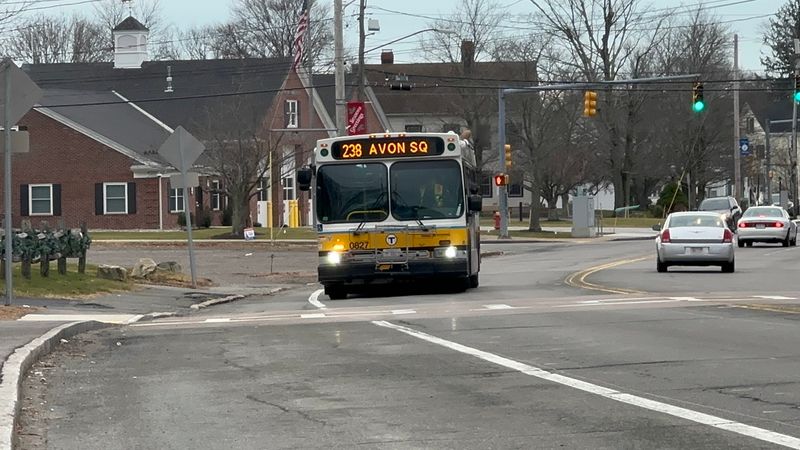
Great stops are not always in guidebooks. This corner of Massachusetts was once called East Stoughton before becoming the town it is today.
The name change signals a longer story. Colonial settlement, industry, and small town growth all shaped the area over centuries.
A local historic properties survey highlights numerous significant buildings beyond the two museums. Many sit quietly along ordinary streets.
That is part of the charm. History here is not packaged into a district with parking meters and souvenir stands.
Driving through, you might notice nothing unusual at first. The rewards come to people who slow down and look.
Boston sits close enough for an easy day trip. Yet the crowds and noise of the city feel far away.
My honest recommendation is to treat this as a deliberate destination rather than a pit stop. Give it a few unhurried hours.
Small places like this survive because people keep visiting them. Showing up is its own form of preservation.