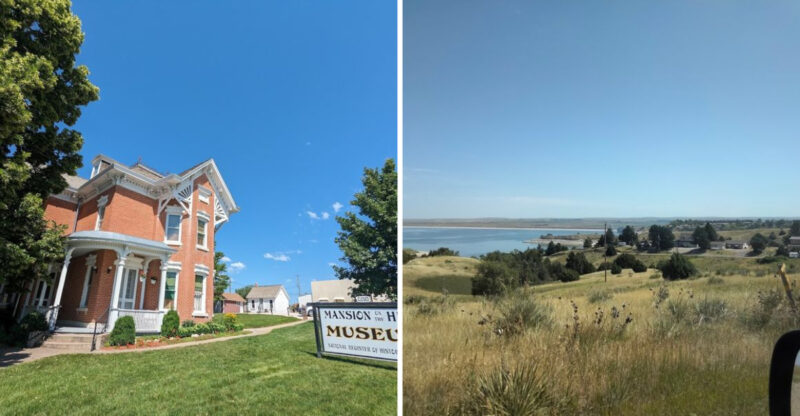
This Former Nebraska Railroad Is Now A 187-Mile Bike Trail Through The State’s Wildest Scenery
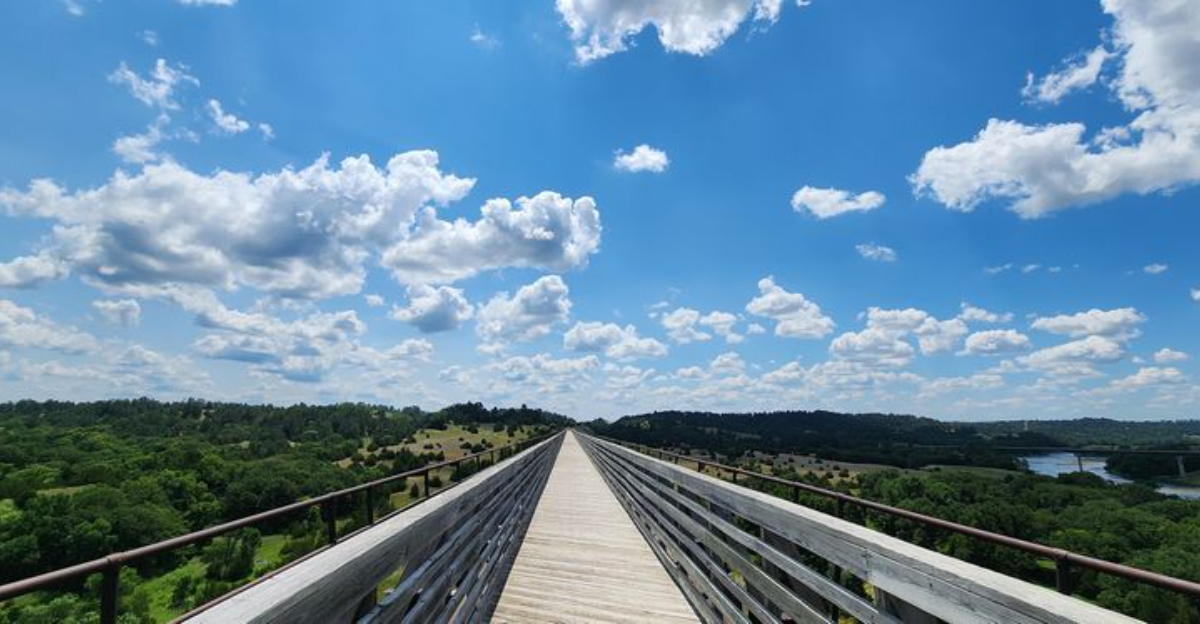
A railroad once carried trains across this landscape.
Now you get to take over the route with two wheels, a water bottle, and however much ambition your legs can handle.
The trail stretches for 187 miles through a quieter side of Nebraska, where open country, bridges, and long horizons replace traffic lights and crowded bike lanes.
Pick a section. Set your pace. Stop when the scenery earns it.
Maybe you chase a long-distance goal. Or maybe you ride only far enough to find a good lunch and an excuse to turn back.
Either way, the old rail corridor makes it easy to settle into that steady rhythm where the miles start slipping by faster than expected.
Just remember one thing before you get too confident. A tailwind can make you feel like a cycling legend. The ride back may have other ideas.
Begin The Ride In Norfolk
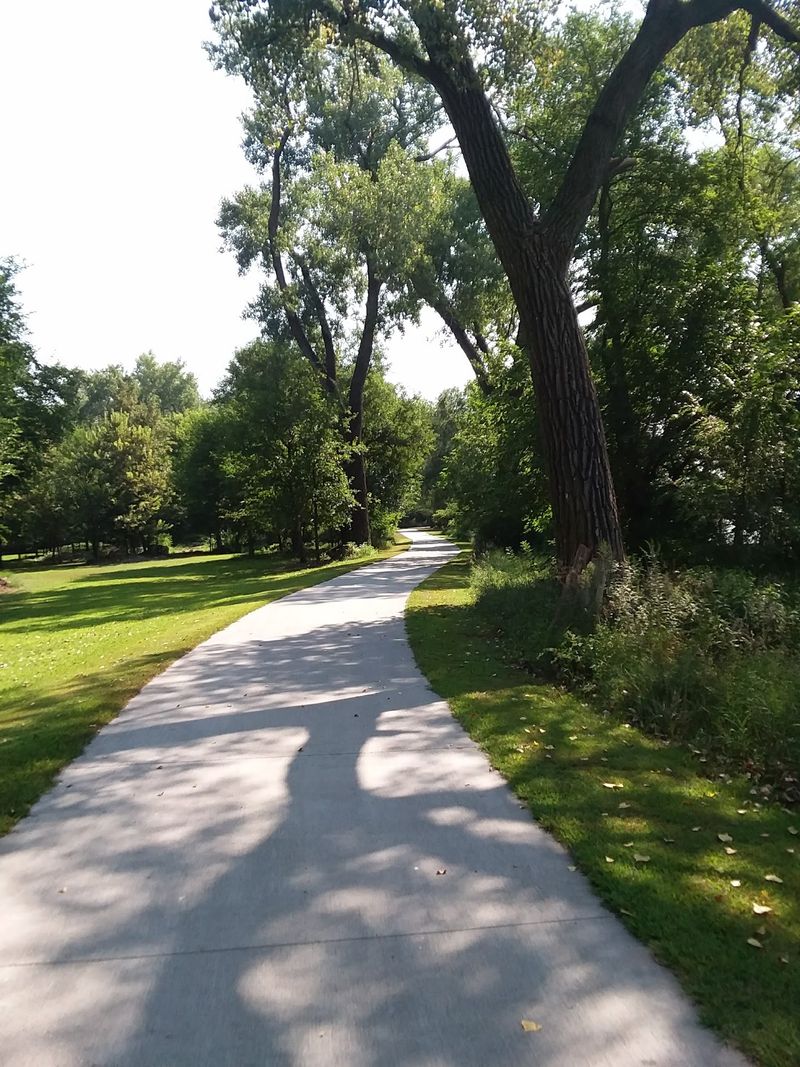
Every long journey needs a solid starting line, and the Cowboy Trail’s eastern trailhead at Ta-Ha-Zouka Park in Norfolk gives riders exactly that.
The park sits south of town and offers a calm, organized place to park, check gear, and get oriented before heading west.
A short concrete section eases riders into the trail before the surface transitions to crushed limestone and the real adventure begins.
Norfolk itself is a practical base for overnight stays before a multi-day push.
Hotels, restaurants, and supply shops are easy to find in town, making it a smart spot to stock up on snacks, top off water bottles, and double-check a tire’s pressure.
Starting fresh and well-supplied from Norfolk sets a comfortable tone for the miles ahead.
The eastern approach also has a relatively gentle feel, with the trail cutting through familiar Midwest farmland before the landscape gradually opens up.
Riders heading out for the first time on the Cowboy Trail tend to appreciate this gradual warm-up.
The first few miles build confidence and rhythm before the route begins showing off the bigger scenery waiting further west.
Follow 187 Miles Of Former Railroad
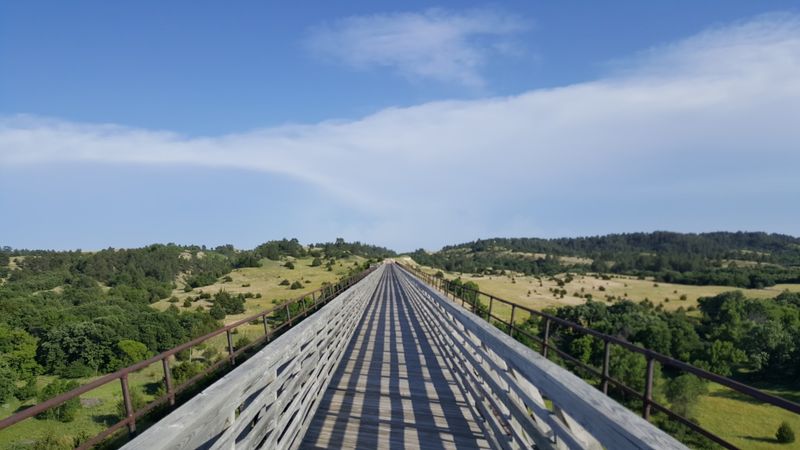
Stretching roughly 187 miles between Norfolk and Valentine, the Cowboy Trail runs along one of the longest rail-trail corridors in the United States.
The route follows the former Chicago and North Western Railway bed, a line that once carried freight and passengers across northern Nebraska before rail service ended and the corridor was converted for recreational use.
That railroad legacy shapes almost everything about how the trail rides.
Crushed limestone covers the majority of the surface, providing a firm but slightly textured path that suits hybrid and mountain bikes well.
Short concrete sections appear through certain towns, offering a brief change in feel before the gravel picks back up on the other side.
The overall surface holds up reasonably well in dry conditions, though checking current trail conditions through Nebraska Game and Parks before heading out is always a smart move.
The sheer length of the trail makes it a genuine multi-day undertaking for most riders. Spreading the ride across three to five days allows time to explore towns, rest legs, and absorb the shifting landscape rather than rushing through it.
The Cowboy Trail is also part of the Great American Rail-Trail network, connecting it to a much larger vision of coast-to-coast cycling infrastructure across the country.
Ride Through Towns Spaced Along The Route
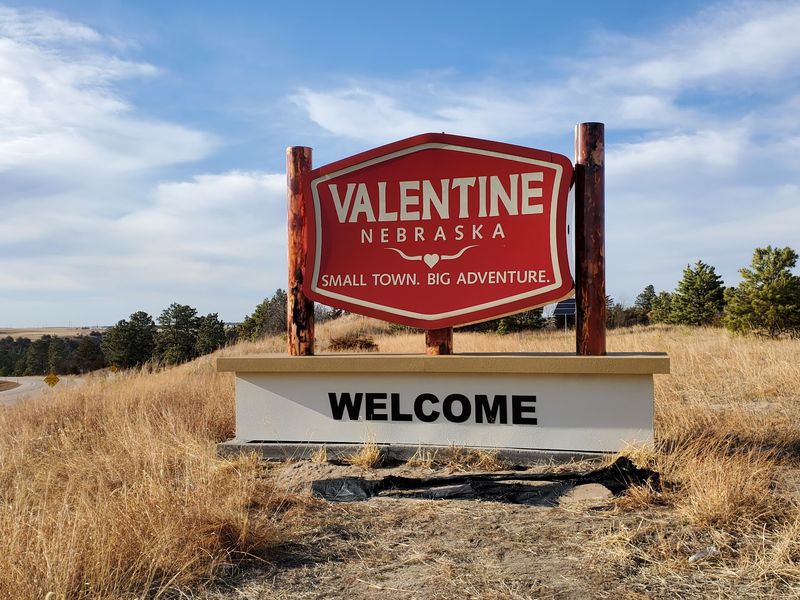
One of the most practical aspects of the Cowboy Trail is how well the communities along the route serve as natural rest stops.
Towns appear roughly every ten to fifteen miles across much of the corridor, giving riders consistent opportunities to refuel, grab water, and take a break without carrying an overwhelming amount of supplies. That spacing makes the trail genuinely approachable even for riders who prefer not to camp.
Larger communities like Neligh, O’Neill, Ainsworth, and Valentine offer hotels, motels, and campgrounds for overnight stays.
Smaller towns may have a convenience store, a local diner, or a park with a bench and a water fountain. Availability varies by season and day of the week, so calling ahead or checking current hours before counting on a specific stop is a good habit to build early in the trip.
The towns also add character to the ride in a way that pure wilderness trails cannot.
Stopping for a hot meal in a small-town cafe, chatting with locals at a park, or simply sitting on a bench watching the slow rhythm of a Nebraska afternoon adds texture to the experience.
The human element woven into the Cowboy Trail is one of its quieter but more memorable qualities.
Cross More Than 200 Former Railroad Bridges
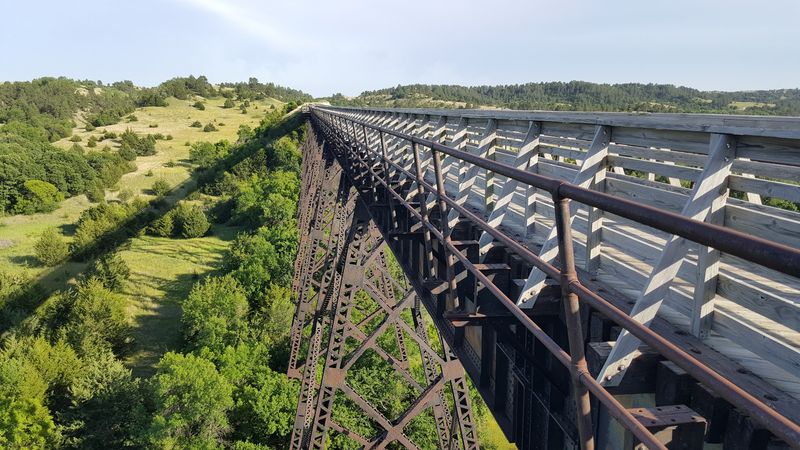
More than 200 former railroad bridges have been converted for recreational use along the Cowboy Trail corridor, and collectively they represent one of the trail’s most distinctive physical features.
Most of these structures retain their original railroad bones, with wooden decking laid across steel or timber frames that once carried heavy freight loads.
Riding across them feels like crossing through layers of the region’s industrial past.
Some span modest creeks and barely register as significant crossings, while others stretch hundreds of feet across wider valleys and sit dozens of feet above the ground below.
That variety keeps the trail from feeling monotonous, since a new bridge often signals a shift in terrain or a glimpse of water and vegetation that breaks up the open prairie stretches.
Bridge crossings also tend to be natural photography stops, especially on clear days when the light hits the water below at a flattering angle.
The wooden planking underfoot creates a distinctive sound as tires roll across it, a rhythmic clatter that becomes oddly satisfying after a few hundred miles.
Riders who pay attention to the bridges as individual structures rather than just passing over them will find a lot of quiet engineering history to appreciate along the way.
Take In The Huge Niobrara River Crossing
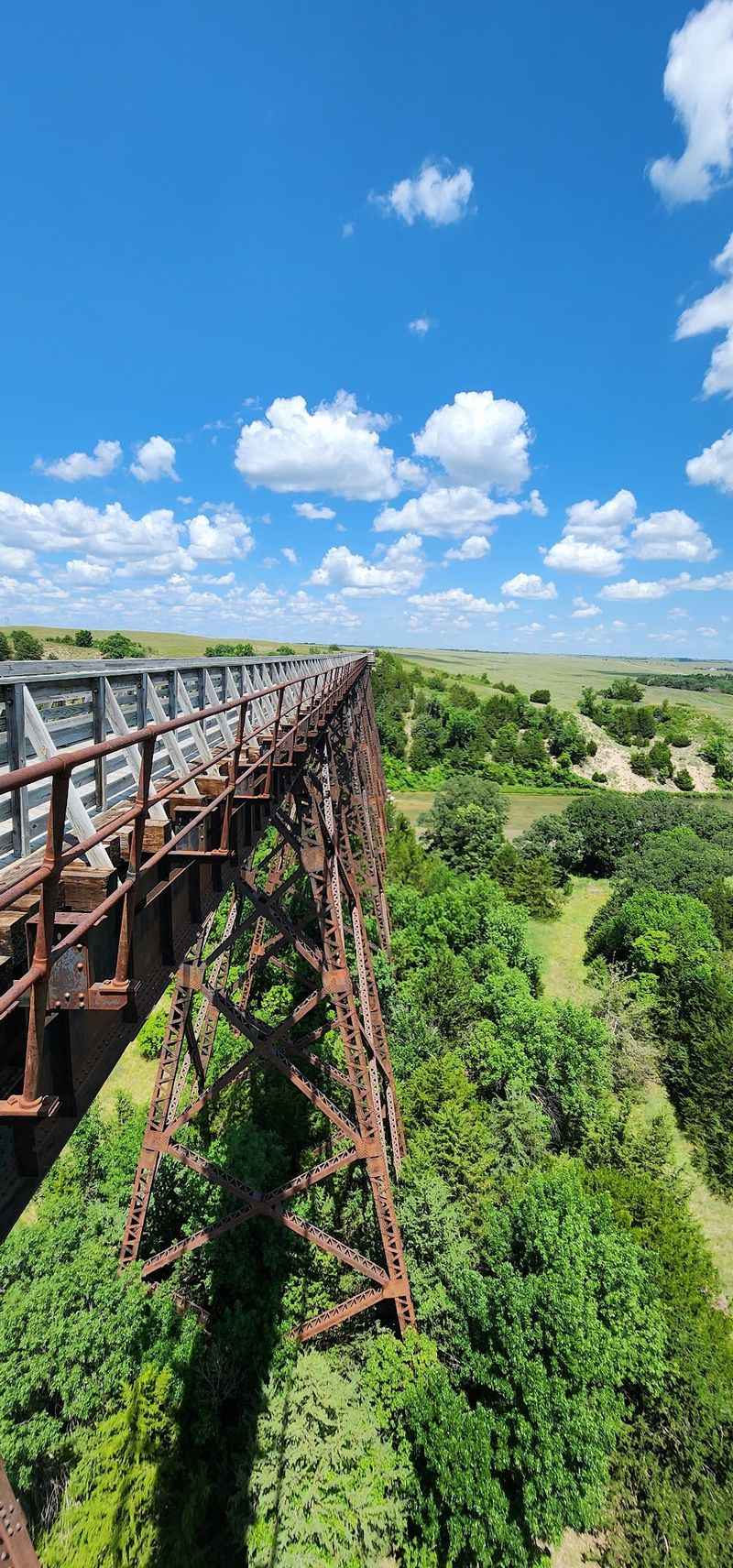
Near Valentine, the Cowboy Trail reaches what many riders consider its most spectacular moment.
A former railroad bridge stretches approximately a quarter mile across the Niobrara River canyon and rises roughly 148 feet above the landscape below.
Originally built by the Chicago and North Western Railroad in 1910, the structure has been converted for trail use and now offers one of the most dramatic views available anywhere on a Midwestern rail-trail.
Standing on the bridge and looking down into the Niobrara canyon is a genuinely striking experience.
The river winds through a forested valley far below, framed by sandy bluffs and cedar-covered slopes that feel more western than most people expect from Nebraska.
The scale of the crossing is hard to fully appreciate until a rider is standing in the middle of it with open air on both sides.
Arriving at this bridge after days of prairie miles and rolling ranch country makes the moment feel earned rather than simply scenic.
The Niobrara River itself is a federally designated National Scenic River, recognized for its ecological diversity and canyon beauty.
Crossing it at this height, on a structure more than a century old, provides a fitting highlight for the western end of the developed trail section.
Cross High Above Long Pine Creek
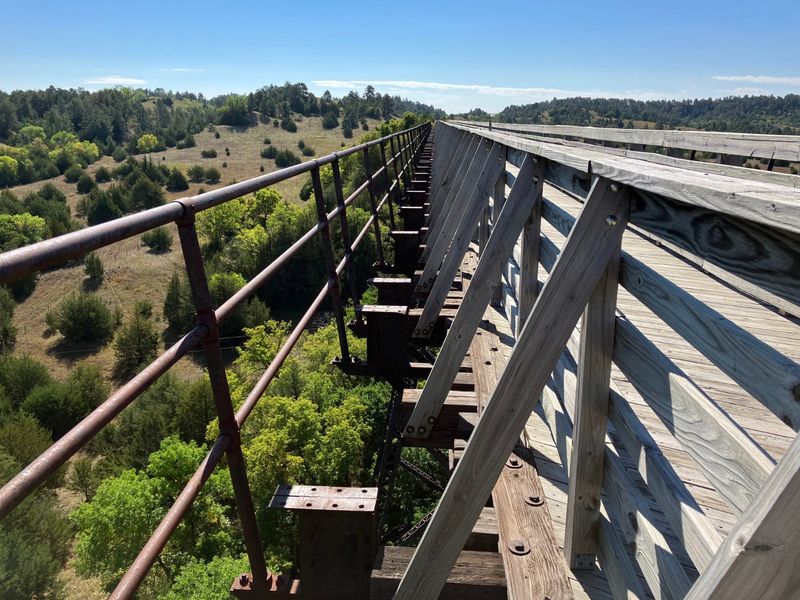
Long before reaching the Niobrara, the trail delivers another jaw-dropping crossing near the town of Long Pine.
The bridge spanning Long Pine Creek measures about 595 feet in length and stands roughly 145 feet above the creek below.
Built by the Chicago and North Western Railroad in 1905, this steel structure is one of the tallest and longest bridges on the entire trail corridor.
The height becomes very real once a rider is out in the middle of the span.
The creek and valley floor far below create a sense of exposure that catches many people off guard, especially those who expected a flat and unremarkable rail-trail.
The view from the bridge stretches across pine-covered ridges and open meadows in a way that feels distinctly different from the flat farmland sections further east.
Long Pine itself is a small community worth a short stop before or after the bridge crossing.
The surrounding area has a rugged, quiet character that reflects the transition from eastern Nebraska farmland into the more dramatic terrain of the north-central part of the state.
Crossing this bridge is one of those moments that tends to stick in the memory long after the ride is finished, particularly for riders who had no idea what was waiting for them at Long Pine.
See Pieces Of Nebraska Railroad History
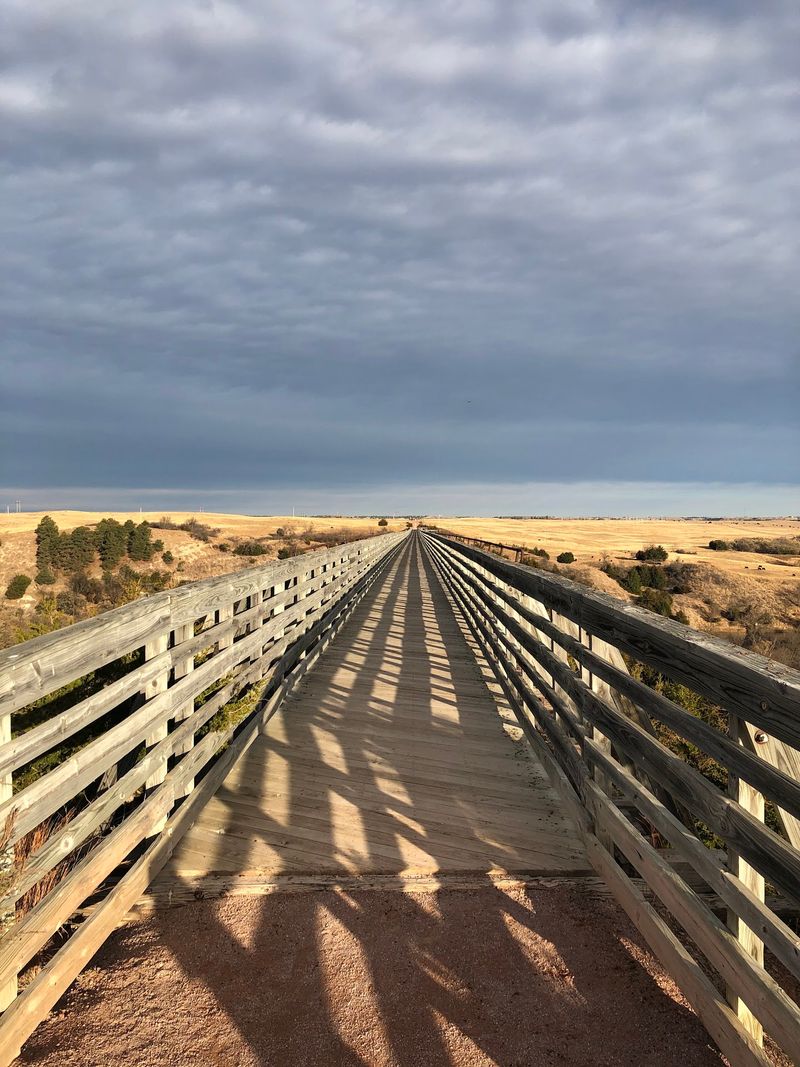
The Cowboy Trail does not just follow an old railroad route. It actively preserves the physical remnants of that railroad era in ways that turn a bike ride into something closer to a living history lesson.
Original mileposts still stand along the corridor at regular intervals, marking distances that once mattered to train crews and dispatchers.
Old telegraph poles lean at various angles beside the trail, their wires long gone but their presence still telling a story about how communication once moved across the plains.
Historic depots appear in several communities along the route, some restored and repurposed, others standing quietly as architectural reminders of when rail travel defined small-town life in Nebraska.
Railroad-related buildings, loading platforms, and other infrastructure fragments are scattered across the corridor in various states of preservation.
None of them require a detour or a museum admission to appreciate since they are simply part of the landscape the trail passes through.
For riders with even a passing interest in American transportation history, the Cowboy Trail offers a uniquely immersive way to absorb that story.
The old Chicago and North Western Railway built this line to serve ranching and agricultural communities across northern Nebraska, and the physical evidence of that purpose is still visible from the saddle of a bike.
Enjoy A Route Built With Gentle Railroad Grades
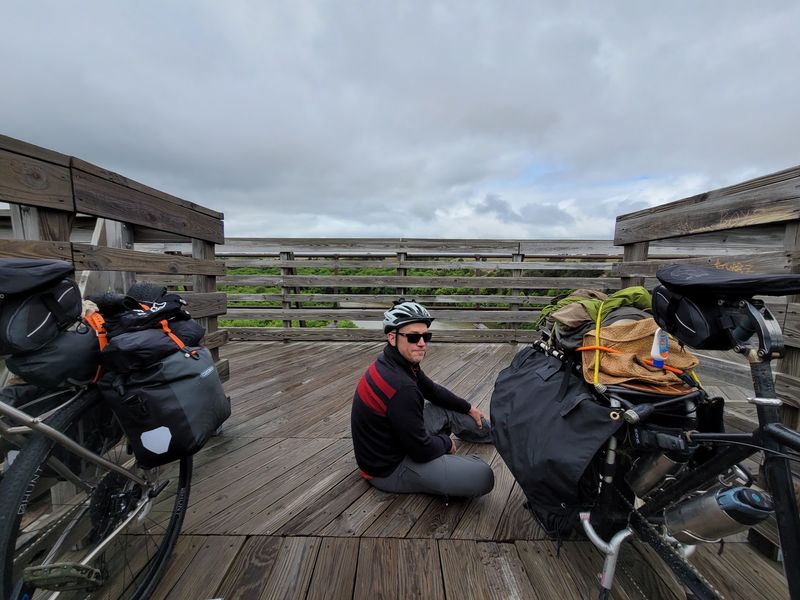
Trains are not built for steep hills, and that engineering reality turns out to be very good news for cyclists.
The old Chicago and North Western Railway corridor was designed with gradual grades, typically 2 percent or less, and sweeping curves that allowed heavy freight trains to maintain speed across the landscape.
Those same characteristics now make the Cowboy Trail one of the more approachable long-distance routes in the region for riders of varying fitness levels.
The absence of punishing climbs does not mean the trail is entirely flat.
Subtle rises and dips follow the natural contours of the land, and riders will notice the terrain shifting as they move west through different ecological zones.
The grades are gentle enough that most people can cover significant daily mileage without feeling wrecked at the end of each day, which matters a great deal on a multi-day trip.
That forgiving profile also makes the Cowboy Trail accessible to riders who might hesitate to attempt a long-distance route on a more mountainous trail.
Older riders, families with capable younger cyclists, and people returning to regular cycling after a break tend to find the trail’s gradient profile reassuring rather than limiting.
The railroad engineers who designed this corridor had no idea they were also designing a very pleasant bike trail for future generations.
Finish With One Of Nebraska’s Best Trail Views
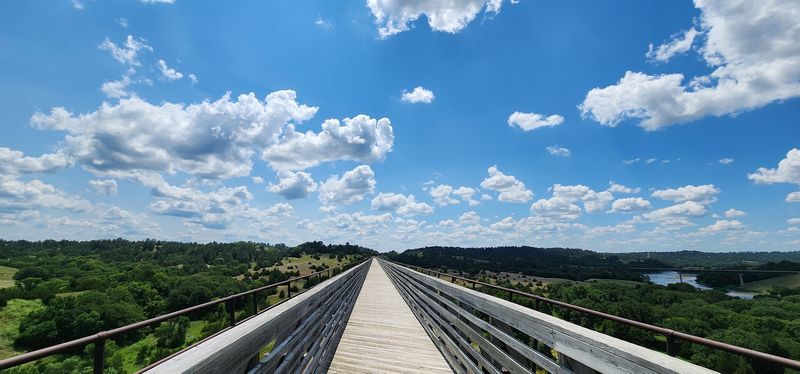
Reaching Valentine after days of prairie miles, small-town stops, and dramatic bridge crossings brings the developed section of the Cowboy Trail to a genuinely satisfying close.
The town sits near the Niobrara River, one of Nebraska’s most celebrated natural features and a federally designated National Scenic River.
Arriving here by bike, after following 187 miles of converted railroad corridor, gives the endpoint a weight that driving to it simply cannot replicate.
The Niobrara River bridge just outside Valentine serves as the trail’s western showpiece, and many riders time their final miles to arrive at the crossing in the late afternoon when the light drops into the canyon at a warm angle.
The forested valley below, the sandy bluffs, and the wide Nebraska sky above combine to create a view that feels like a reward for every mile that came before it.
The scale of the bridge and the depth of the canyon below are genuinely impressive from a distance as well as from the middle of the span.
Valentine itself offers plenty of options for a post-ride celebration, including restaurants, lodging, and access to the broader Niobrara National Scenic River area.
Spending an extra day in town to explore the river by canoe or kayak is a popular choice for riders who want to extend the adventure before heading home.
The Cowboy Trail ends here, but the surrounding landscape makes it easy to linger.