This Free Arizona Rockhounding Area Is A Treasure Hunt For Anyone Willing To Dig
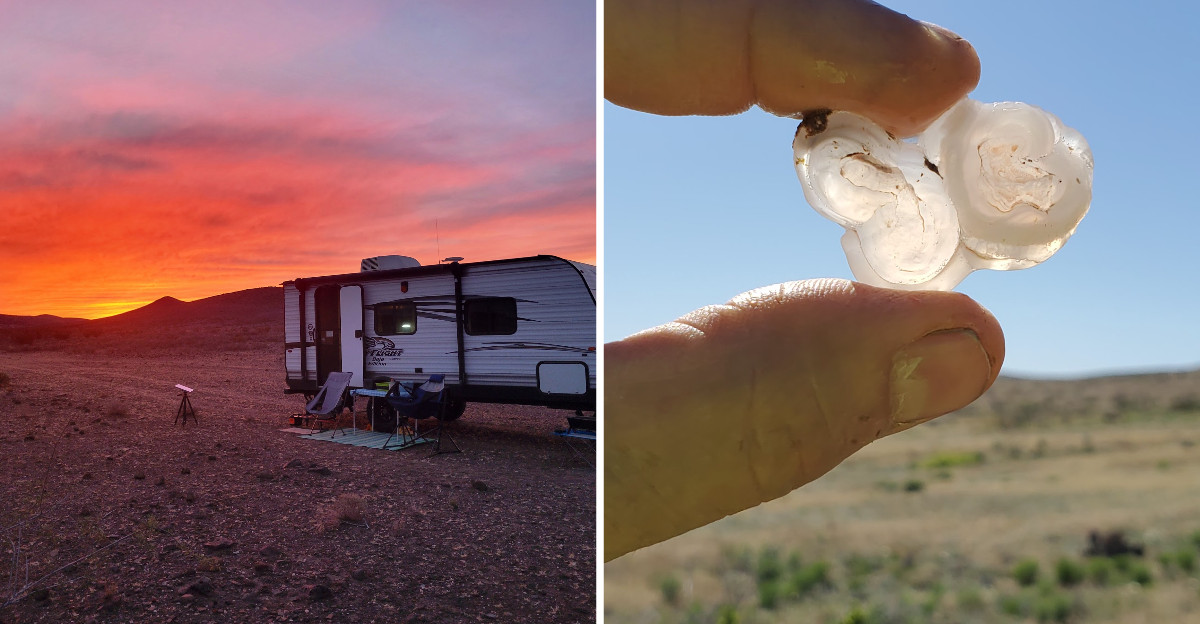
The desert looks empty until it suddenly sparkles back at you.
Arizona has a free rockhounding area where every patch of dirt starts feeling suspicious once your eyes adjust.
Is that just another brown stone, or something worth picking up? That question becomes addictive fast.
The search is slow, messy, and wonderfully low-tech.
No display case tells you where to look. No employee points toward the prize. You simply wander, crouch, inspect, and hope the next flash of color is the one.
Finding something beautiful feels great. Finding it yourself feels even better!
Fire Agate Country Awaits You
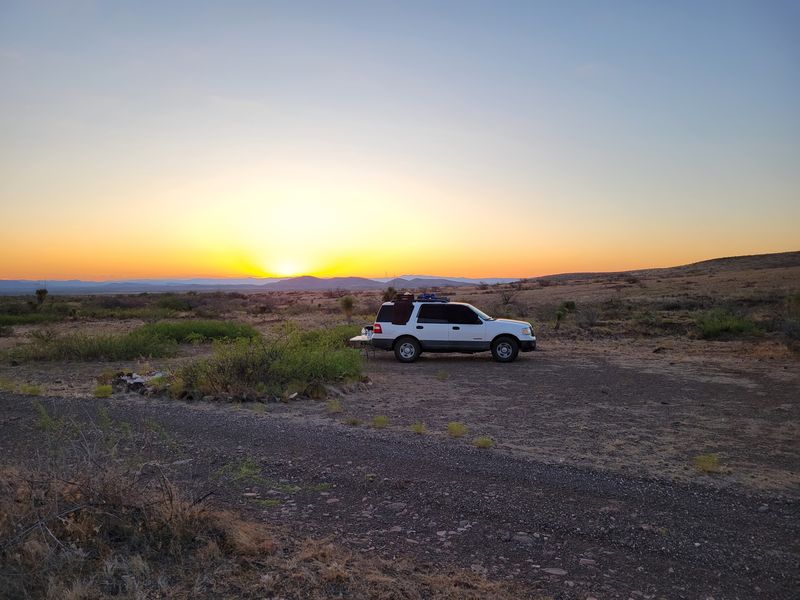
Round Mountain Rockhound Area is managed by the Bureau of Land Management’s Safford Field Office and sits near Duncan in far eastern Arizona, close to the New Mexico border.
BLM lists rockhounding, hiking, and camping among the activities available here, and there is currently no entrance fee.
Fire agate gives the area much of its reputation. The gemstone is a form of chalcedony known for iridescent flashes that can include reds, oranges, greens, golds, and other colors when its internal structure is exposed properly.
Rough material can look considerably plainer than a polished stone, so promising pieces may initially appear brown or cloudy.
Chalcedony is especially abundant around Round Mountain. Greenlee County tourism information also points to fire agate, geodes, quartz formations, and other specimens found around the collecting area.
Much of the material can be encountered on the surface, so heavy digging is not required for every successful visit.
That makes the site approachable for beginners, although finding a particularly colorful specimen still takes patience. Learning which shapes, surfaces, and subtle flashes deserve a closer look quickly becomes part of the fun.
Volcanic Roots Beneath Your Boots
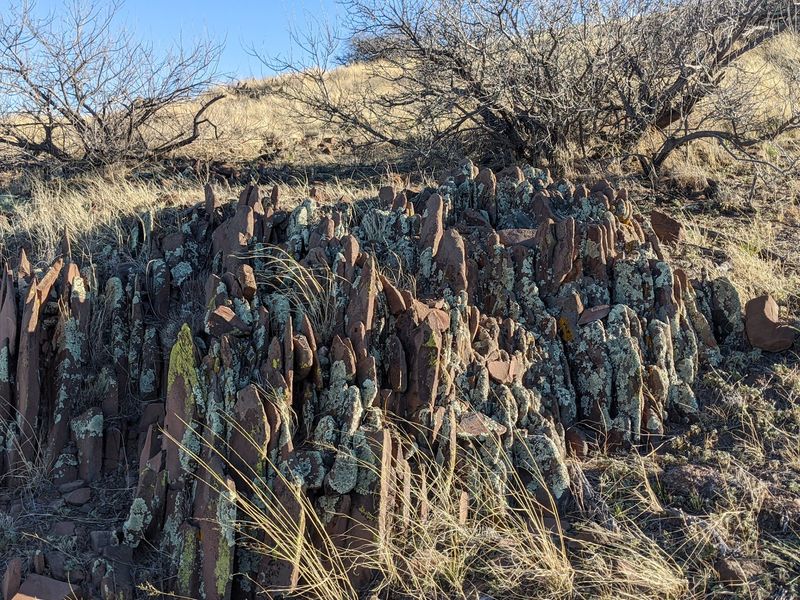
The rocks around Round Mountain belong to a landscape shaped by ancient volcanism.
Geological work in the broader Duncan region documents Oligocene-to-Miocene volcanic bedrock.
Mineral references also identify Round Mountain and nearby Engine Mountain as established localities for chalcedony, agate, and fire agate in the Peloncillo Mountains.
Fire agate formed as silica-bearing fluids moved through volcanic rock and deposited chalcedony in cracks, fissures, and cavities. Microscopic mineral inclusions and extremely fine internal structures interact with light, producing the shifting optical effect known as fire.
The process is more complicated than a simple hollow bubble filling with crystals.
Mineralogical research on Arizona fire agate has found layered silica structures, iron- and titanium-bearing minerals, and repeated pulses of mineral-rich fluids within volcanic host rock.
Weathering eventually frees some chalcedony from the surrounding material. Once loose pieces reach the surface, erosion and runoff can shift them downslope or concentrate them in washes.
That geology makes the search less obvious than simply looking for a bright gemstone. A dull brown nodule or pale piece of chalcedony may deserve another look before it is dismissed.
Rough Roads, Worthy Rewards
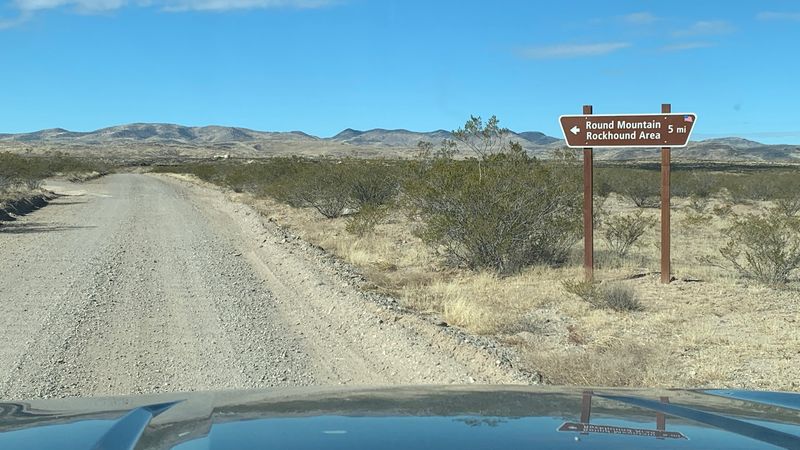
Reaching Round Mountain takes more planning than visiting a roadside attraction.
BLM’s current directions send travelers east from Safford on U.S. 70, across the Arizona-New Mexico state line, and just beyond New Mexico milepost 5.
A signed dirt access road then continues roughly 12 miles to the rockhound area.
That unpaved stretch deserves attention. Current visitor guidance describes washboard surfaces, ruts, washouts, and conditions that can become much more difficult after rain.
A higher-clearance vehicle is a sensible choice when road conditions are uncertain.
The route crosses remote ranch country, and services disappear quickly after leaving the highway. Fuel, drinking water, food, and basic emergency supplies are best handled before beginning the dirt-road portion.
Cell coverage can also become unreliable in remote Greenlee County. Downloaded maps provide useful backup, and someone outside the group should know the planned route and expected return time.
Weather can change the drive as much as traffic ever could. Heavy rain may damage desert roads or make low crossings difficult, so conditions deserve another look before departure.
Where The Colors Hide Best
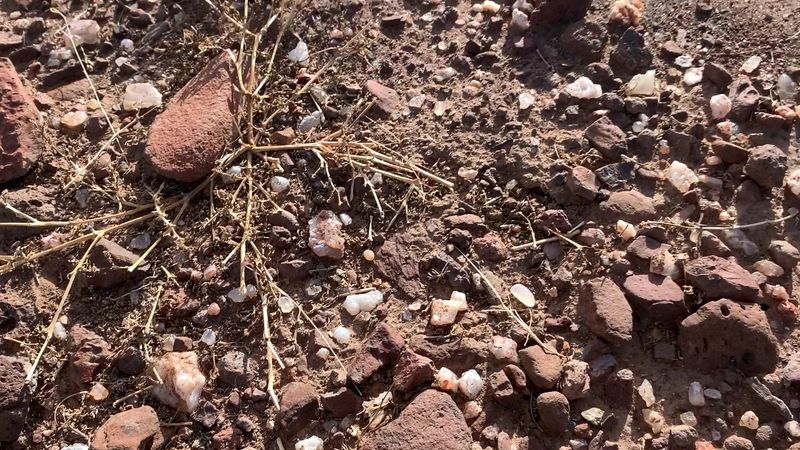
There is no official promise that one corner of Round Mountain will produce better finds than another.
The collecting area is broad, and specimens have been reported both loose on the surface and around exposed volcanic material.
A practical first step is learning to recognize the abundant chalcedony scattered across the site.
Fire agate may occur beneath white, gray, or brown material, meaning the strongest color is not always visible on an untouched surface.
Washes can also be interesting because runoff moves loose stone. Erosion may expose fresh material after storms, although that does not mean visitors should excavate drainage banks or create large disturbances.
A small spray bottle can make dusty surfaces easier to inspect, while a hand lens helps reveal fine details. If a specimen needs minor excavation, BLM permits ordinary hand tools as long as the activity causes only negligible disturbance.
The most useful tool may still be patience. Moving slowly, comparing textures, and checking fresh surfaces can accomplish more than hammering indiscriminately at every exposed rock.
Collecting Rules Worth Remembering
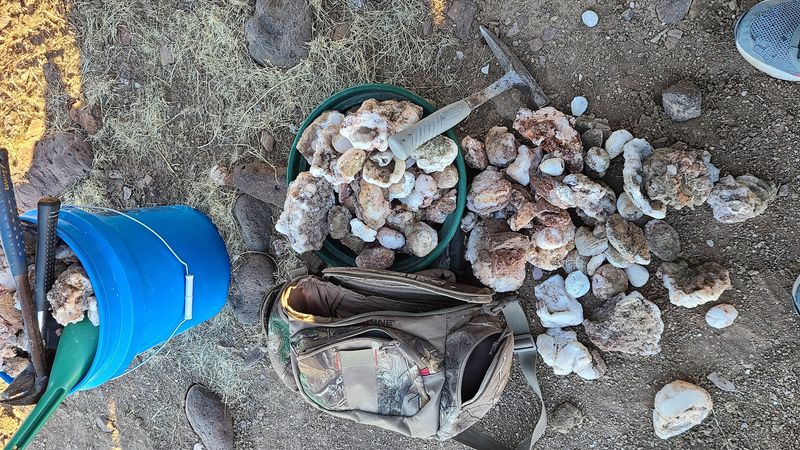
Free access does not mean unlimited collecting.
BLM allows reasonable amounts of rocks, mineral specimens, semiprecious gemstones, common invertebrate fossils, and certain other materials for personal, noncommercial use on eligible public land.
For ordinary rockhounding specimens in Arizona, BLM sets the limit at up to 25 pounds per person per day and 250 pounds per person per year.
The frequently repeated allowance of 25 pounds plus one additional piece specifically applies to petrified wood, so it should not be treated as a general rule for every rock collected.
Anything gathered through casual rockhounding must remain for personal use rather than being sold or bartered.
Motorized excavation, heavy machinery, and explosives are prohibited, while ordinary hand tools and metal detectors are generally acceptable when surface disturbance stays minor.
Visitors also need to respect mining claims, posted restrictions, fences, and private-property boundaries. BLM specifically warns that collecting may be prohibited on active mining claims without permission from the claimant.
Cultural objects are completely different from collectible stones. Pottery, projectile points, historic tools, bottles, structural remains, and other archaeological materials must remain exactly where they are found.
Camping Under Endless Desert Stars
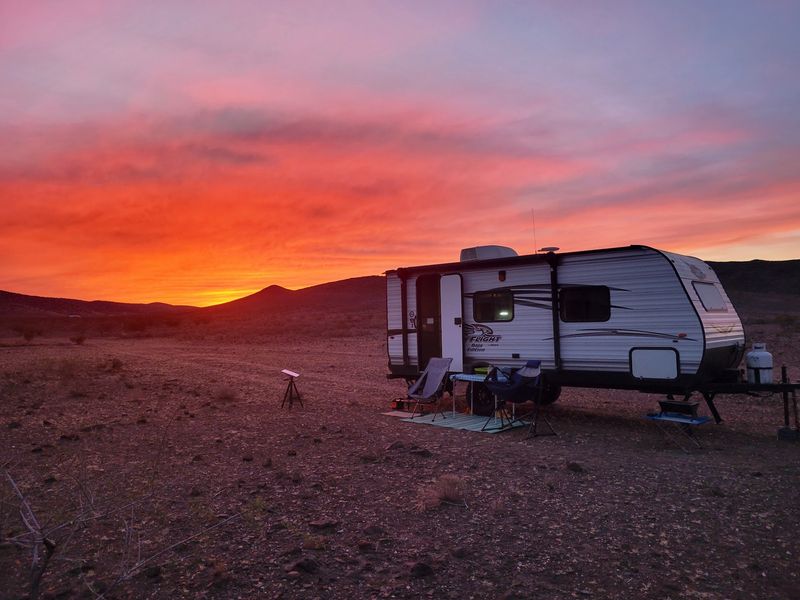
BLM lists camping among the activities available at Round Mountain, and no site entrance fee is currently charged.
This is primitive public-land camping rather than a developed campground with reserved pads and staffed facilities.
Visitors should arrive prepared to be self-sufficient.
Current camping information describes no dependable drinking water, restrooms, trash service, or picnic facilities at the collecting area, so supplies need to come in with the vehicle and trash needs to leave with it.
Choosing a campsite can require some patience. Level ground is not guaranteed, exposed locations can become windy, and sharp rocks deserve consideration when positioning tires or pitching a tent.
Anyone planning a fire should check current BLM fire restrictions first. Conditions change across Arizona, so permission should never be assumed simply because camping is allowed.
The lack of developed amenities does have an upside. Round Mountain sits far from major population centers, creating a quiet setting where clear nights can offer an impressive view of the desert sky.
Desert Neighbors With Fur and Scales
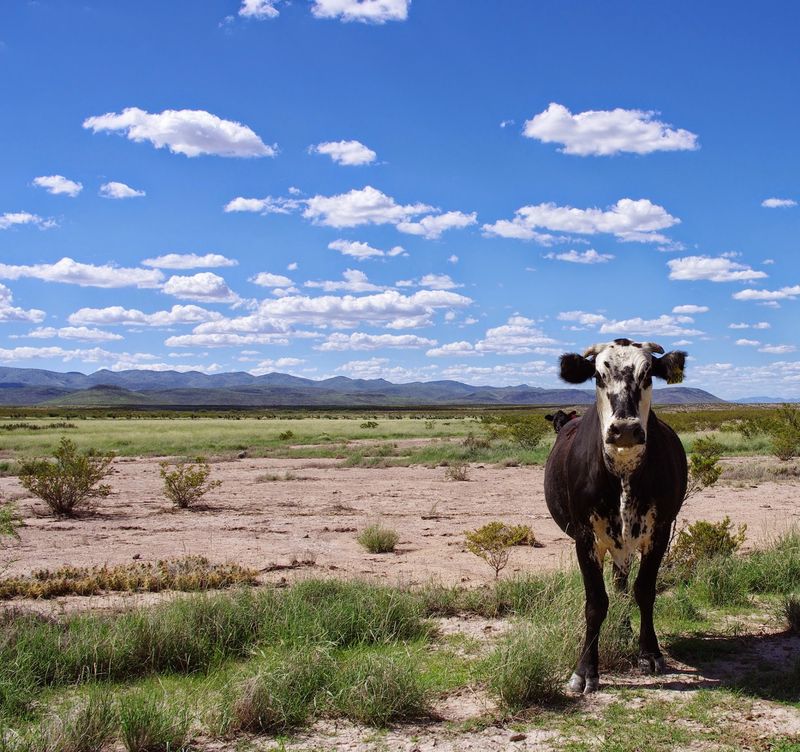
Round Mountain lies in a part of eastern Arizona where working ranches meet desert, grassland, river valley, and mountain habitat.
Greenlee County supports deer, javelina, coyotes, rabbits, numerous bird species, and a variety of reptiles, although no particular animal should be expected on every rockhounding trip.
Snakes deserve practical caution when visitors are working around rocks and brush in warm weather.
Reaching blindly beneath stones or into crevices is unnecessary, and sturdy closed footwear makes more sense than sandals in rocky terrain.
Livestock is another possibility. Ranching remains active around Duncan and the surrounding country, so cattle should be given plenty of room and gates should be left exactly as they were found.
Dogs are safest kept close and under control. That lowers the chance of an unwanted encounter with livestock, wildlife, or a hidden snake.
Wildlife is best treated as an unexpected bonus rather than another item to hunt for. Giving animals distance protects both the visitor and the landscape.
Pack For Remoteness, Not Convenience
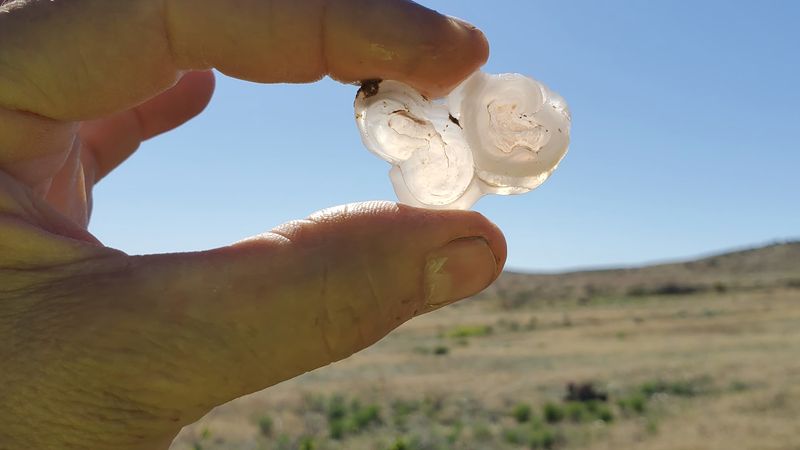
Round Mountain works best when treated like a backcountry outing rather than a casual roadside stop.
Cooler parts of the year generally make searching more comfortable, while summer heat and monsoon storms can make both walking and the dirt-road approach more demanding.
Water belongs at the top of the packing list. Extra drinking water, food, sunscreen, a broad-brimmed hat, gloves, and layers for changing temperatures all make the trip easier.
Vehicle preparation matters too. A good spare tire or repair kit can become important on a long dirt road where sharp rock and distance from services turn a simple flat into a larger problem.
Rockhounding gear can remain uncomplicated. A sturdy bag or bucket, gloves, a spray bottle, a hand lens, and a small hand tool cover most casual searching.
Labeling specimens afterward also makes it easier to remember exactly where each piece came from.
Round Mountain does not guarantee a valuable gemstone, and that uncertainty keeps the experience interesting.